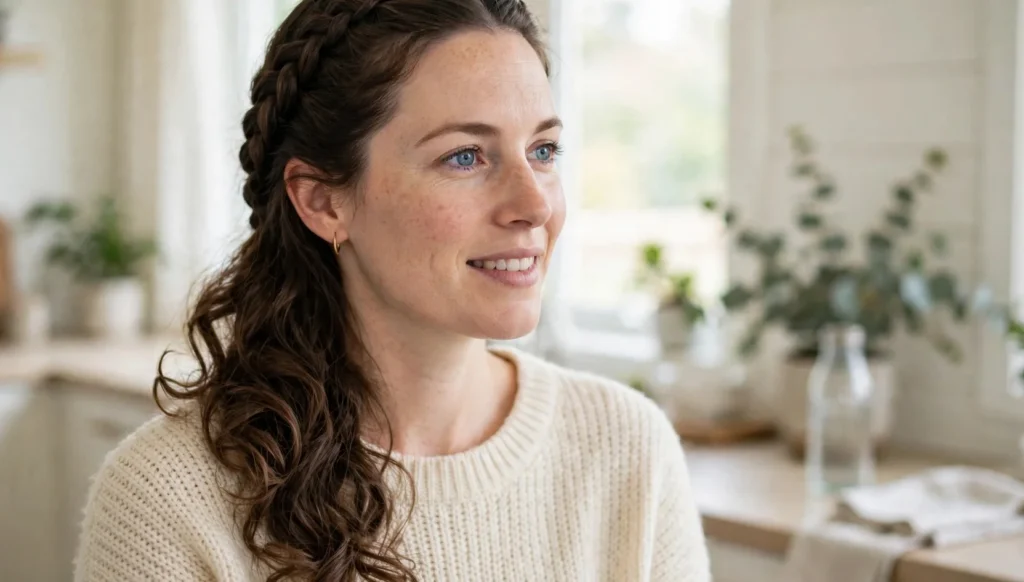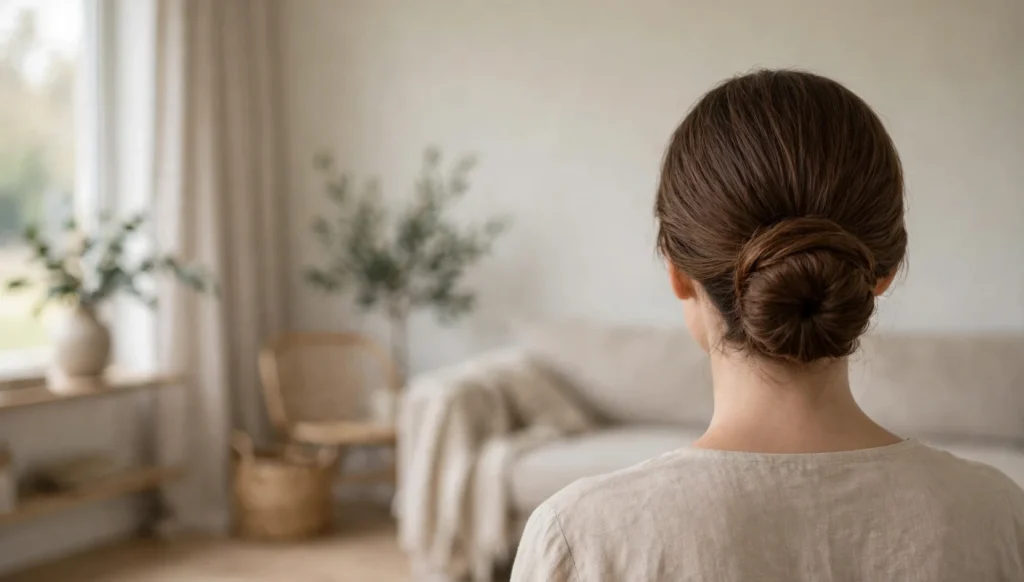
Fun hairstyles for kids should be playful, comfortable, and easy enough for busy school mornings, yet special enough for birthdays, parties, and family photos. These 54 fun hairstyles for kids cover braids, buns, bobs, curls, and colourful twists, so every child can find a style that matches their personality and hair type.
1. Classic Pigtails
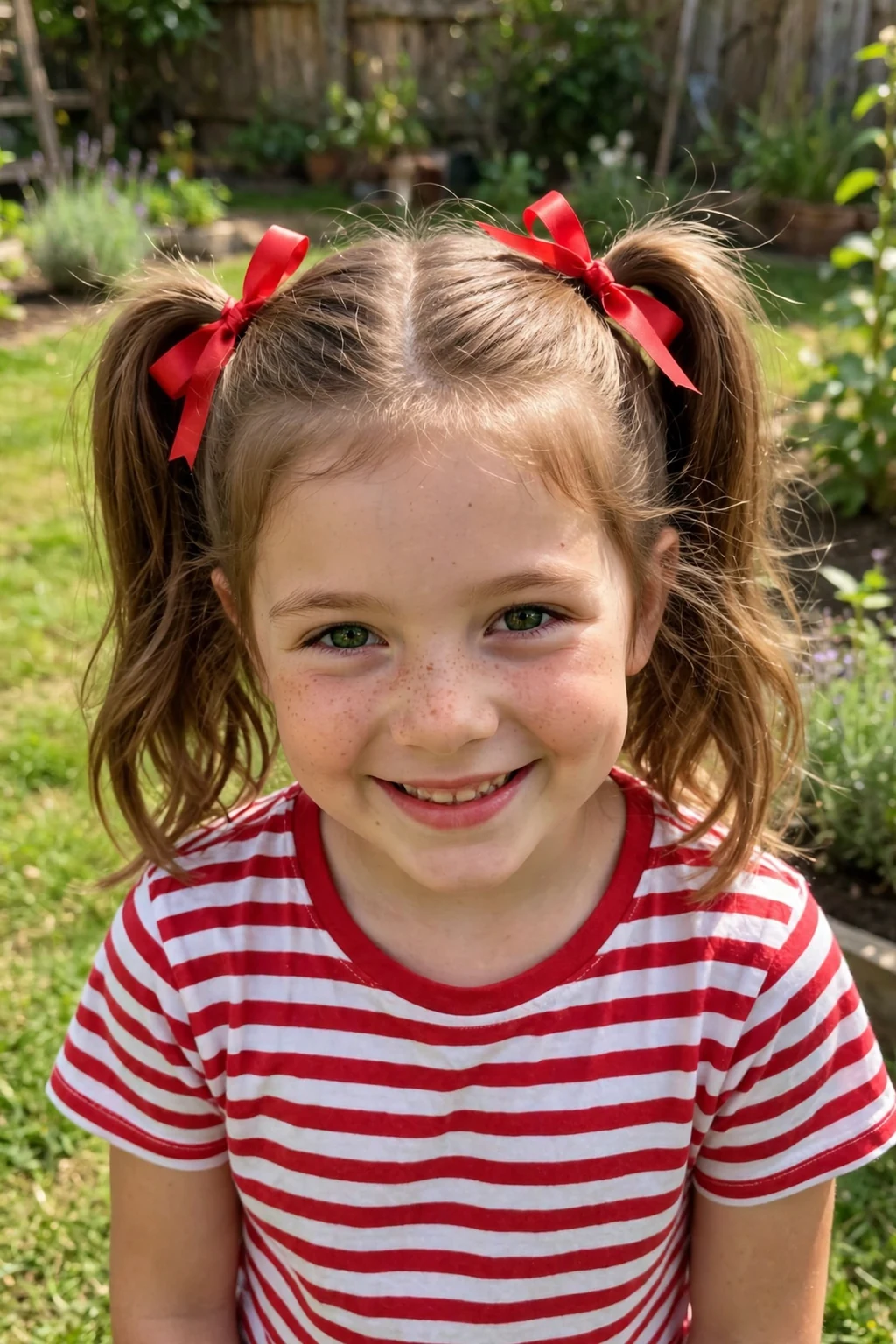
Classic pigtails are the cheerful original that never goes out of style for kids: hair parted down the middle and gathered into two bouncy ponytails, one on each side of the head, that swing with every step, jump, and giggle. The shape is balanced and symmetrical, with a smooth crown, soft volume through the lengths, and ends that flick out playfully or curl gently depending on the natural texture. The finish can be sleek and polished for school photos or delightfully tousled for a day at the park, and the style works beautifully on straight, wavy, and loosely curly hair that reaches at least shoulder length. It frames a young face in the sweetest way, drawing attention to bright eyes and happy smiles while keeping hair completely out of the way during play, sport, and art class. The bouncy movement also photographs beautifully, giving parents a style that looks joyful in every school photo, birthday snapshot, and candid family picture.
Pigtails suit most children aged five to eleven, flattering round, oval, and heart-shaped faces, and they are especially practical for active kids who need hair secured without fuss. They work best on medium to thick hair, although fine hair can look fuller when the tails are gently backcombed at the base or curled at the ends. To style, part damp hair down the centre, smooth each side with a soft bristle brush, and secure with snag-free elastics, finishing with colourful ribbons, scrunchies, or bows for personality. A light mist of detangling spray keeps the lengths smooth, and the style takes less than five minutes on a school morning. Maintenance is blissfully simple, since pigtails can be redone daily, washed as usual, and trimmed every eight to ten weeks to keep the ends healthy. Choose classic pigtails when you want a timeless, joyful look that is fast, comfortable, and guaranteed to make a child feel ready for anything.
2. Double Dutch Braids
Double Dutch braids are a sporty, show-stopping style for kids: two raised braids that sit proudly on top of the head, starting at the forehead and travelling neatly down to the nape before continuing as classic plaits. The appearance is bold and textured, with each braid standing out in a raised rope pattern that catches the light and shows off the braiding skill beautifully. The shape is neat and symmetrical, hugging the head closely so nothing escapes during football practice, dance class, or a windy walk to school, while the finish can be kept tight and polished or gently loosened for a softer, boho feel. This style works on straight, wavy, and curly hair of medium length or longer, and it looks particularly striking on thick hair where the braids have real substance and dimension. The raised texture gives the braids a three-dimensional quality that flat braids simply cannot match, making the style look impressively detailed from every angle.
Double Dutch braids suit children aged six to eleven with the patience to sit for ten to fifteen minutes, flattering oval, round, and heart-shaped faces by opening up the face and highlighting the eyes. They are ideal for sporty kids, swimmers, and dancers because the style stays put for a full day and can even last overnight for a second day of wear. To style, part hair down the centre, work a little smoothing cream or braid gel through damp hair, and braid underhand, crossing each outer strand beneath the middle strand while feeding in small sections from the sides. Secure the ends with small elastics and tuck away flyaways with a touch of gel on a toothbrush. Maintenance is easy, as the braids protect the hair from tangles and breakage, and a trim every ten weeks keeps the ends neat. Choose double Dutch braids when you want a cool, confident look that survives the busiest school day in style.

3. High Ponytail with Scrunchie
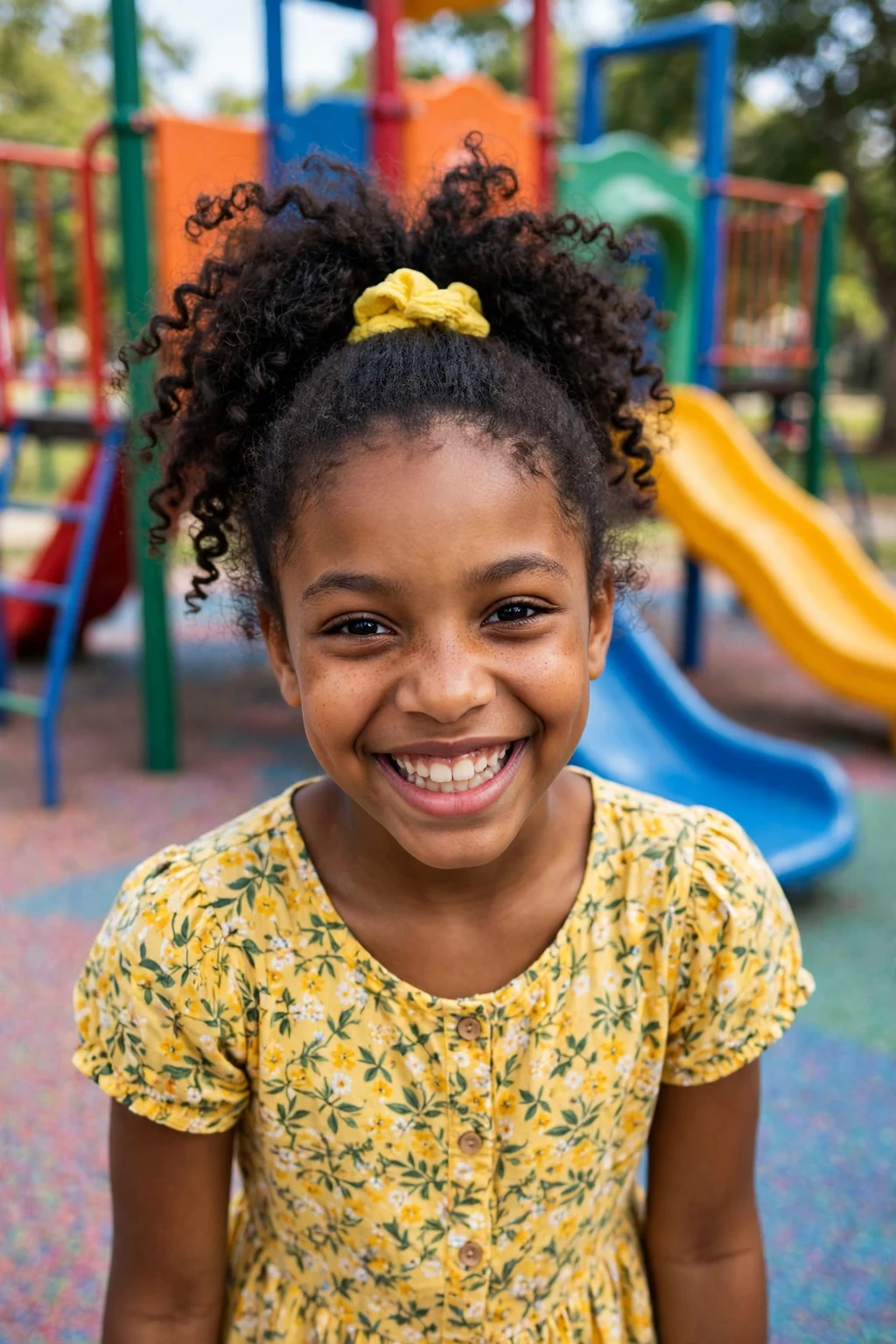
A high ponytail with a scrunchie is pure playground energy: hair swept up high on the crown and secured with a soft, colourful scrunchie that adds a pop of colour and a touch of retro charm. The shape is lifted and bouncy, with a smooth, pulled-back front, a full tail that swings freely, and optional face-framing strands left loose for softness. The finish can be sleek and sporty for gymnastics or gloriously voluminous for a birthday party, and the style shows off the natural texture beautifully, whether the tail falls straight, ripples in waves, or springs into curls. It is one of the simplest ways to make everyday hair feel special, turning a quick morning routine into a look that feels deliberately fun and full of personality. The swinging tail adds a sense of motion to the whole look, so the hairstyle feels lively and energetic even when a child is simply walking to class.
This style suits children aged five to eleven, flattering oval, round, and square faces by lifting the eye upward and opening up the whole face. It works on straight, wavy, curly, and coily hair that is long enough to gather on top, and it is brilliant for thick hair because the height balances the volume. To style, brush hair upward with a paddle brush, gather it high on the crown, and secure it with a sturdy elastic before wrapping a scrunchie around the base to hide the band and protect the hair. A little edge-control gel smooths baby hairs, and a light spritz of shine spray finishes the tail. Maintenance could not be easier, since the ponytail is redone daily, washes as normal, and needs only a trim every eight to ten weeks. Choose a high scrunchie ponytail when you want a fast, comfy, dance-ready style that looks effortlessly cool and stays put through every adventure.
4. Space Buns
Space buns are the ultimate fun hairstyle for kids: two round buns perched high on either side of the head like little planets, giving an instantly playful, out-of-this-world silhouette. The shape is bold and symmetrical, with a clean centre part, smooth sides, and buns that can be neat and compact or delightfully messy and oversized depending on the mood. The finish is full of character, especially when the buns are wrapped with colourful scrunchies, glitter clips, or star-shaped pins, and the style works beautifully on straight, wavy, and curly hair of medium length or longer. Space buns keep every strand off the face and neck, which makes them perfect for hot days, messy art projects, and hours of imaginative play without a single hair falling into the eyes. The rounded silhouette reads clearly from across the playground, giving the style a bold, cheerful presence that suits confident, outgoing children perfectly.
Space buns suit children aged five to ten, flattering round, oval, and heart-shaped faces by adding height and balance on both sides of the head. They are wonderful for fine hair too, because twisting and wrapping the hair creates the illusion of fuller buns, and they work equally well on thick hair that holds its shape naturally. To style, part hair down the middle, gather each side into a high ponytail, twist the tail around its base, and pin it securely with bobby pins, finishing with fun accessories for extra sparkle. A little texturising spray helps fine hair grip, while gel smooths the sides for a neater finish. Maintenance is minimal, since the buns are redone each day, and regular trims every eight weeks keep the ends tidy. Choose space buns when you want a hairstyle that guarantees smiles, photographs beautifully, and makes any ordinary day feel like a party.

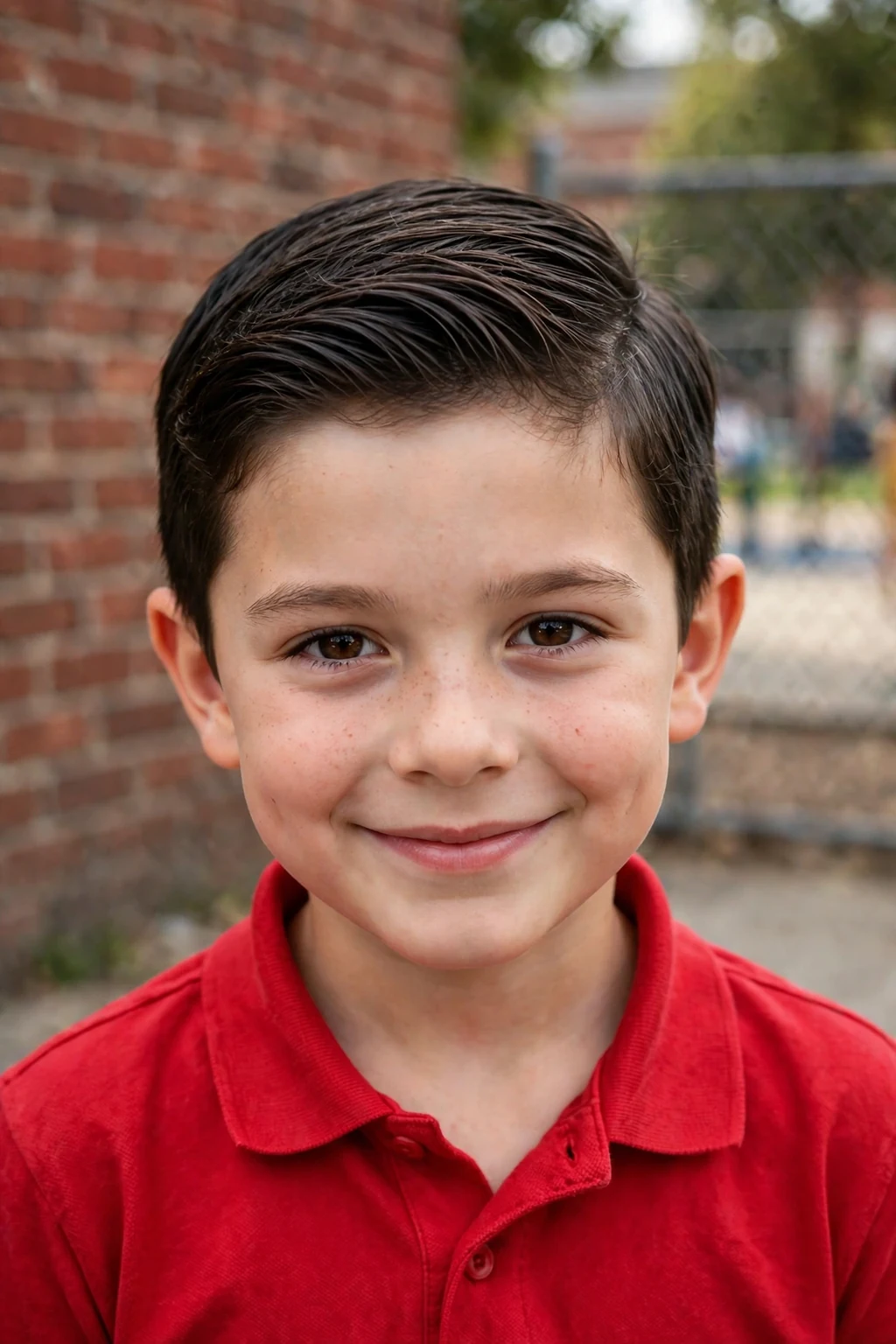
5. French Braid Crown
A French braid crown is a storybook style for kids: a single braid that travels all the way around the head like a beautiful woven halo, turning everyday hair into something fit for a princess, a flower girl, or a school play. The appearance is elegant yet completely child-friendly, with a smooth, raised braid that frames the face, a neat parting that disappears beneath the plait, and a soft finish that can be kept tidy for a special occasion or loosened for a relaxed, romantic feel. The shape flatters from every angle, looking just as lovely from the front as from the back, and it works best on long hair, whether straight, wavy, or gently curly, where there is enough length to circle the head comfortably without pulling. The circular braid frames the face like a picture frame, drawing attention to the eyes and giving the whole style a graceful, storybook elegance.
This crown suits children aged seven to eleven who can sit still for fifteen minutes, flattering oval, heart, and round faces by drawing the eye around the face in a graceful circle. It is a wonderful choice for weddings, recitals, and holiday photos, and it holds up remarkably well through a long celebration. To style, start at one ear, French braid around the hairline, feeding in sections as you go, and pin the tail discreetly beneath the start of the braid. A little smoothing cream tames flyaways, and small flowers or pearl pins can be tucked into the braid for extra magic. Maintenance is straightforward, since the braid protects the hair and can be worn for a day or gently loosened overnight into soft waves. Choose a French braid crown when you want a truly special hairstyle that makes a child feel like royalty without any discomfort or fuss. A quick practice run at home helps a child get used to sitting still, and once they know what to expect, the style becomes a happy part of the morning routine rather than a chore.

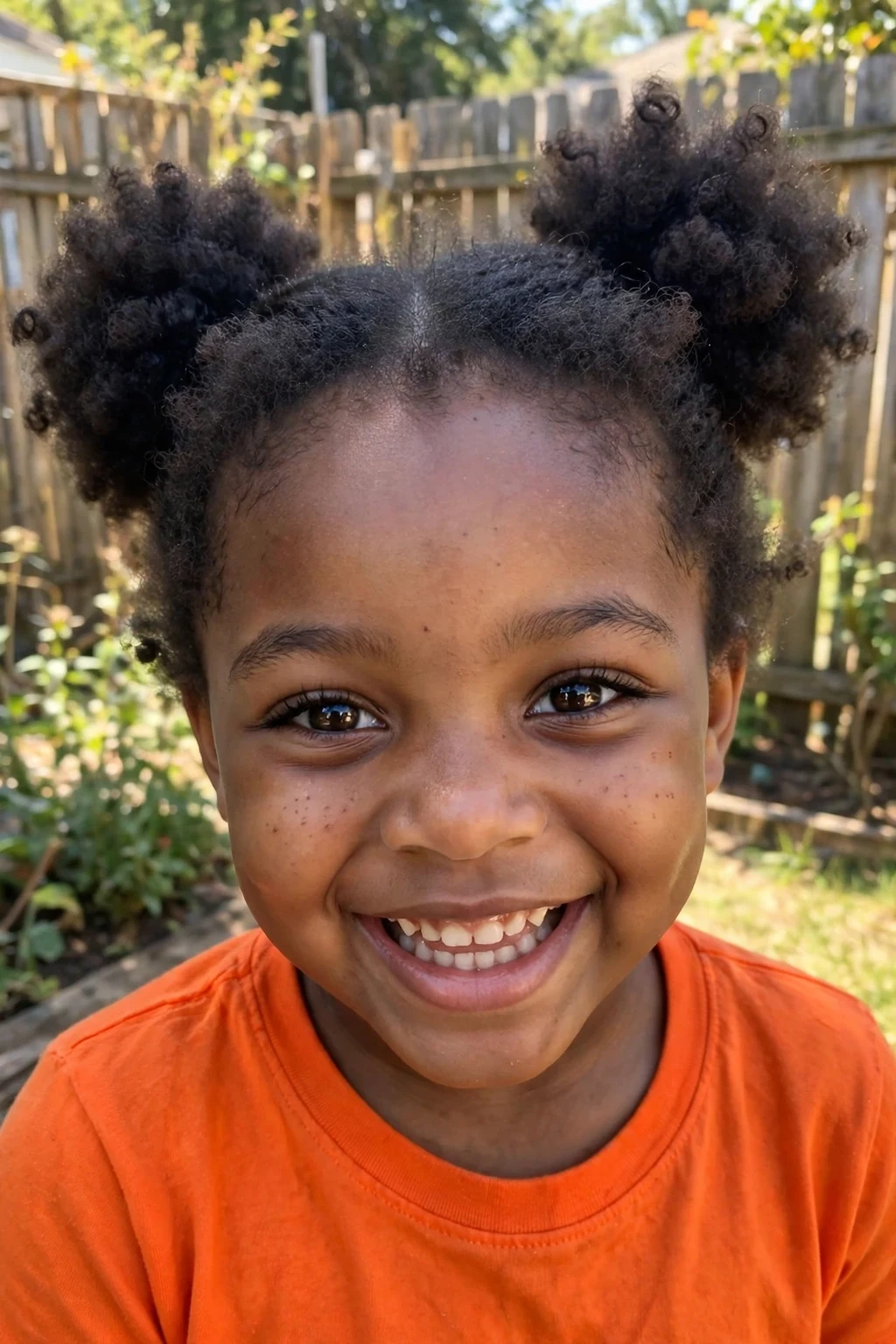
6. Curly Afro Puffs
Curly afro puffs are a joyful celebration of natural texture: hair parted down the middle and gathered into two soft, round puffs that sit high on the sides of the head like fluffy clouds. The shape is gloriously round and full, with a defined curl pattern that gives each puff beautiful dimension, bounce, and a touchable softness that looks wonderful in photographs. The finish can be neat and sculpted for a special occasion or gloriously free and fluffy for everyday play, and the style works best on curly and coily hair that has natural volume and spring. Afro puffs frame the face perfectly, keep curls off the neck on warm days, and let a child's natural hair shine exactly as it grows, which is part of what makes them so beloved. The fluffy roundness of each puff gives the style a soft, cloud-like outline that looks wonderful both in person and in photographs.
Afro puffs suit children aged four to eleven with curly or coily textures, flattering round, oval, and heart-shaped faces by adding balanced width and height. They are ideal for kids who love to move, since the puffs stay secure through running, jumping, and dancing when fastened with soft, wide bands. To style, moisturise with a leave-in conditioner and a little curl cream on damp hair, part down the centre, and gather each side gently, taking care never to pull tightly at the edges. Soft fabric bands or satin scrunchies protect the curls, and colourful beads or bows add personality. Maintenance centres on gentle care: detangle with fingers or a wide-tooth comb, moisturise regularly, trim every ten to twelve weeks, and sleep on a satin pillowcase or bonnet. Choose curly afro puffs when you want a proud, playful style that celebrates natural curls and always looks full of life. A quick practice run at home helps a child get used to sitting still, and once they know what to expect, the style becomes a happy part of the morning routine rather than a chore.
7. Side-Swept Bob
A side-swept bob is a chic, grown-up-in-a-good-way haircut for kids: hair cut to chin or jaw length with a deep side part that sweeps a longer fringe across the forehead in a soft, face-framing curve. The shape is neat and modern, with a rounded silhouette, gently tucked-under ends, and a longer front section that adds movement and a touch of drama without ever getting in the eyes. The finish is smooth and polished when blow-dried, or delightfully tousled when air-dried, and the cut works beautifully on straight and wavy hair of fine to medium thickness. It is a wonderful first proper haircut for a child who is ready to move on from long hair, because it still feels feminine and fun while being dramatically easier to manage every morning. The longer swept fringe adds a fashionable asymmetry that keeps the bob from looking plain, giving a simple cut a stylish, modern twist.
This bob suits children aged six to eleven, flattering round, oval, and square faces, since the deep side sweep softens a strong jaw and slims a round cheek beautifully. It is especially good for kids who dislike having hair tied up, because the length stays off the neck while the sweep keeps the front tidy. To style, apply a little leave-in conditioner to damp hair, part deeply to one side, and blow-dry with a small round brush, tucking the ends under, or simply air-dry for a more relaxed finish. A pea-sized amount of smoothing cream controls flyaways, and a single clip can hold the sweep on windy days. Maintenance means a trim every six to eight weeks to hold the shape, and grow-out is graceful, lengthening into a lob. Choose a side-swept bob when you want a smart, low-fuss cut that looks polished for school and parties alike. A quick practice run at home helps a child get used to sitting still, and once they know what to expect, the style becomes a happy part of the morning routine rather than a chore.

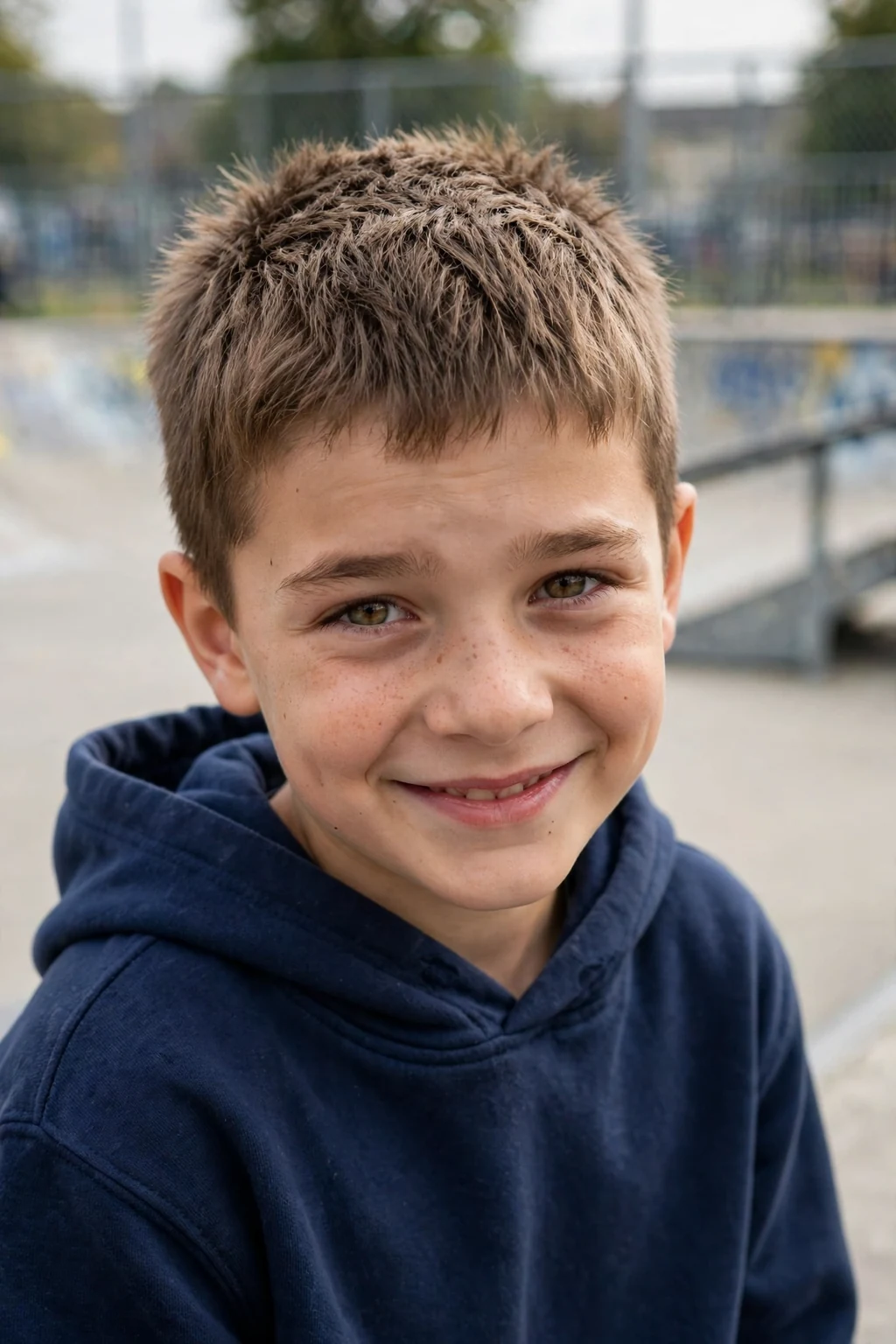
8. Textured Crop
A textured crop is a cool, modern haircut for boys: short sides with a slightly longer, choppy top that is cut and styled forward into piecey, touchable texture. The appearance is fresh and effortless, with a clean outline around the ears and neckline, a fringe that sits just above the eyebrows, and a top full of separated, spiky-soft pieces that catch the light. The finish is matte and natural rather than stiff or gelled, which keeps it looking like a kid's haircut rather than a grown-up style, and it works brilliantly on straight and wavy hair of fine to medium thickness. It is the haircut that looks great straight out of bed, after swimming, and under a cap, which is exactly why so many active boys love it. The piecey texture on top catches the light in a way that makes even a very short cut look detailed, interesting, and full of personality.
This crop suits boys aged five to eleven, flattering oval, round, and square faces, since the forward texture softens a high forehead and adds shape to a round face. It is perfect for sporty kids, because there is nothing to tie back, nothing to fall in the eyes, and very little to maintain. To style, towel-dry the hair, rub a tiny amount of matte styling cream or sea-salt spray between the palms, and push the top forward and slightly to one side with the fingers. No comb or brush is needed, and the whole routine takes under a minute. Maintenance means a trim every four to six weeks to keep the shape sharp, and grow-out is forgiving, softening into a longer textured cut. Choose a textured crop when you want a low-maintenance, confident haircut that keeps a busy boy looking sharp with almost no effort at all. A quick practice run at home helps a child get used to sitting still, and once they know what to expect, the style becomes a happy part of the morning routine rather than a chore.
9. Bubble Braids
Bubble braids are the silliest, happiest hairstyle on this list: ponytails or pigtails divided into a chain of puffy, rounded sections that look like a string of shiny bubbles running down the back. The appearance is instantly eye-catching, with each bubble gently pulled out to create a full, rounded shape, a smooth base at the top, and a playful rhythm that bounces as a child moves. The finish can be neat and uniform for a party or gloriously oversized for a festival, and the style works on straight, wavy, and curly hair that is at least shoulder length, with longer hair producing the most dramatic bubbles. It is a style that practically guarantees compliments, because it looks complicated while being one of the easiest braided looks to create at home. The rounded bubbles create a rhythmic, eye-catching pattern down the hair that looks festive and fun without any complicated braiding skill.
Bubble braids suit children aged five to eleven, flattering every face shape, since the vertical lines lengthen the silhouette and the bubbles themselves draw the eye down the hair. They are wonderful for birthday parties, school fairs, and dress-up days, and they hold up well through hours of play. To style, secure a ponytail or two pigtails, then place small elastics at even intervals down each tail, gently tugging each section outward to puff it into a bubble shape. Colourful elastics add extra fun, and a light hairspray keeps the bubbles in place without stiffness. Maintenance is simple, because the style is redone each day and the hair washes as normal, with trims every eight to ten weeks. Choose bubble braids when you want maximum fun with minimum skill, a style that looks like magic and takes less than ten minutes. A quick practice run at home helps a child get used to sitting still, and once they know what to expect, the style becomes a happy part of the morning routine rather than a chore.

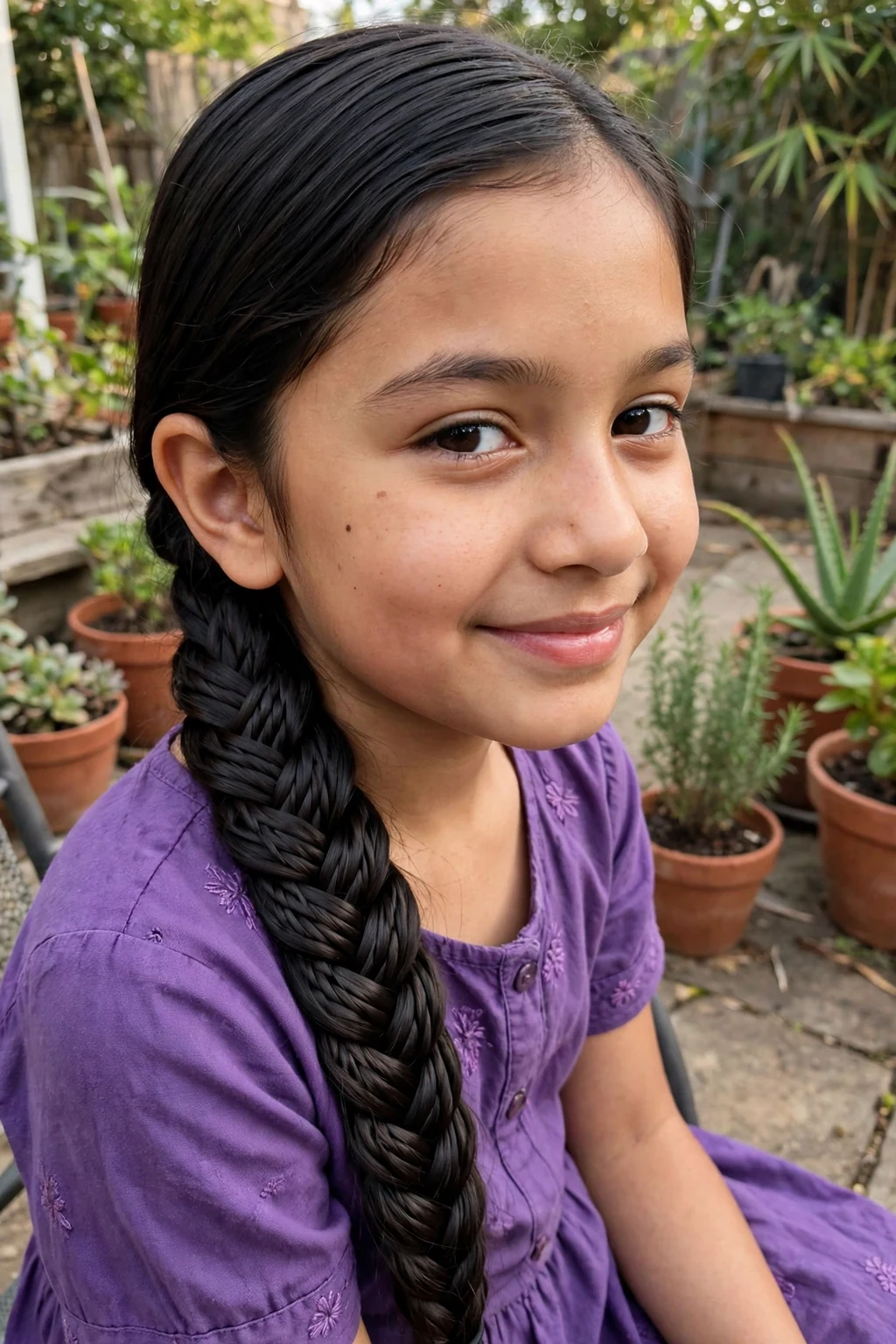
10. Fishtail Braid
A fishtail braid is a beautiful, intricate-looking plait for kids: hair woven from just two sections into a detailed herringbone pattern that looks far more complicated than it actually is. The appearance is refined and textured, with a fine, woven pattern running the full length of the braid, a slightly loose, romantic finish when the edges are gently pulled, and a tapered tail that swings gracefully. The shape works as a single braid down the back, swept over one shoulder, or as twin fishtails, and it suits long straight or wavy hair best, where the pattern shows clearly and the length gives the weave room to shine. It is a wonderful style for a child who loves pretty hair but wants something a little different from a regular three-strand braid. The fine herringbone weave gives the braid a delicate, almost jewellery-like texture that stands out beautifully against a plain school uniform.
A fishtail braid suits children aged seven to eleven with the patience to sit for ten minutes, flattering oval, heart, and long faces, since the vertical braid elongates the look and keeps the face open. It is a lovely choice for parties, school photos, and family celebrations, and it stays neat for a full day. To style, gather hair into a low ponytail or start loose at the nape, divide it into two sections, and repeatedly cross a thin strand from the outside of one section over to the inside of the other, keeping the tension even. A little smoothing serum prevents flyaways, and gently loosening the edges after braiding creates a fuller, softer fishtail. Maintenance is easy, as the braid protects the ends, and trims every ten weeks keep the hair healthy. Choose a fishtail braid when you want an elegant, eye-catching style that earns endless compliments and is secretly simple to master.
11. Twisted Halo
A twisted halo is a soft, angelic style for kids: two rope twists that start at the temples, wrap around the back of the head, and meet like a gentle halo, keeping every strand neatly away from the face. The appearance is smooth and romantic, with a clean centre or side part, twists that lie flat and polished against the head, and a finish that looks beautifully put-together without any stiffness. The shape flatters from the front and the side, and it works on straight, wavy, and curly hair of medium length or longer, with thicker hair producing twists with lovely substance and dimension. It is a perfect style for a child who wants to feel special without a complicated braid, because twisting is far easier than braiding and the result looks just as pretty. The flat twists lie smoothly against the head, creating a polished outline that looks neat from the front, the side, and the back.
This halo suits children aged six to eleven, flattering oval, round, and heart-shaped faces by framing the face in a soft, circular line. It is ideal for weddings, first communions, school concerts, and any occasion where hair must stay tidy for hours. To style, part the hair, take a section from each temple, divide it in two, and twist the strands around each other, adding small sections as you travel toward the back, then pin the twists together where they meet. A little smoothing cream keeps the twists sleek, and a few decorative pins add sparkle. Maintenance is simple, since the style is worn for a day and the hair washes as normal, with trims every eight to ten weeks. Choose a twisted halo when you want an elegant, comfortable style that makes a child feel like a little angel and survives a whole celebration. A quick practice run at home helps a child get used to sitting still, and once they know what to expect, the style becomes a happy part of the morning routine rather than a chore.

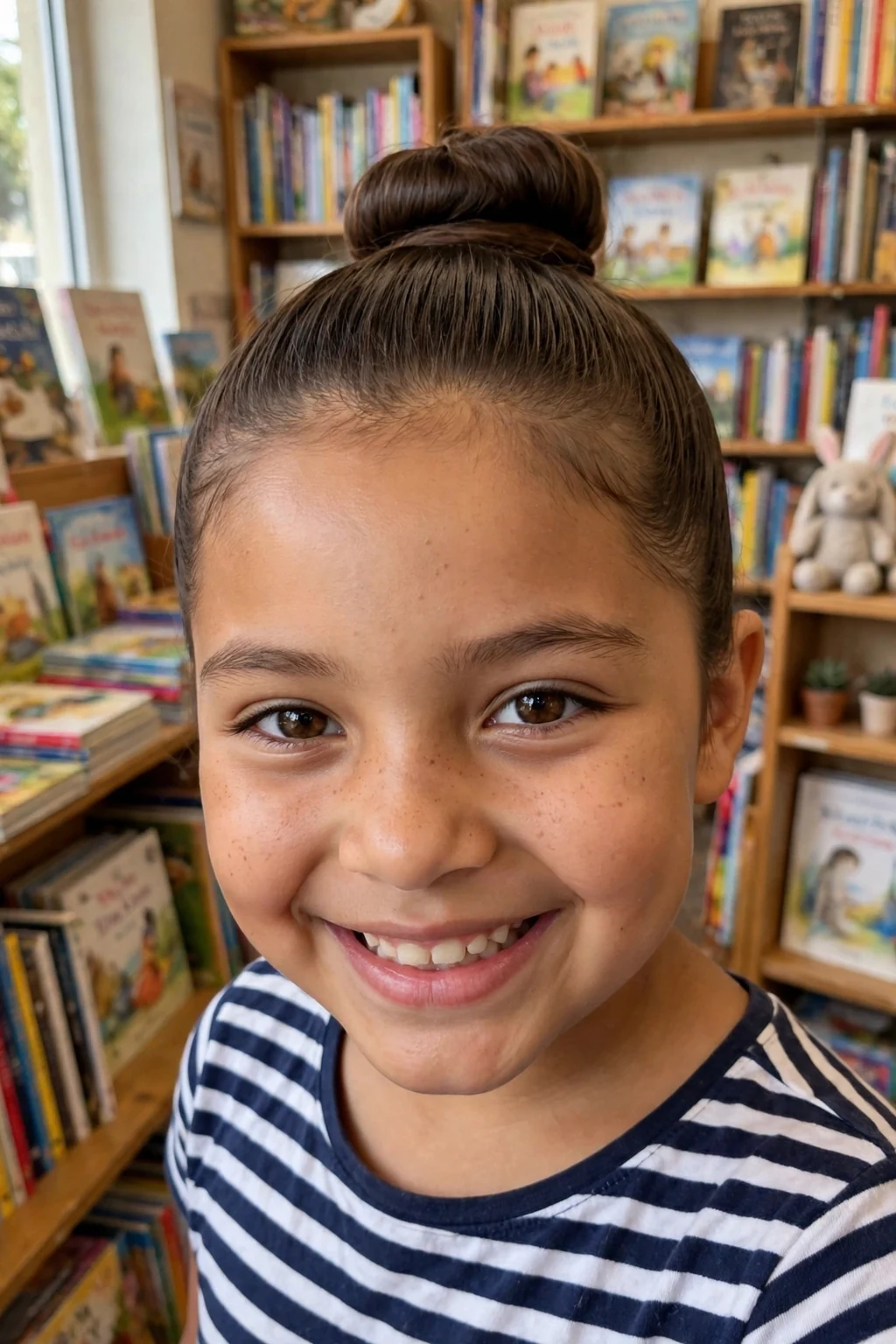
12. Messy Top Knot
A messy top knot is the carefree hero of kids' hairstyles: all the hair swept up and twisted into a relaxed, slightly undone bun right on top of the head, with a few soft wisps escaping around the face. The shape is high and playful, with a full, textured bun, a smooth but not severe base, and loose strands that give it a lived-in, effortless charm. The finish is deliberately imperfect, which is exactly the point, and the style works on straight, wavy, and curly hair of medium length or longer, with natural texture adding extra volume and grip. It keeps hair completely off the face and neck, making it ideal for cooking, crafting, swimming lessons, and any activity where loose hair would only get in the way. The loose wisps around the face soften the high bun, so the style feels relaxed and child-friendly rather than severe or overly formal.
This top knot suits children aged five to eleven, flattering round, oval, and square faces by adding height on top and balancing the proportions of the face. It is especially useful for busy mornings, because it takes less than two minutes and looks intentionally stylish even when it is a little wonky. To style, gather hair high on the crown, twist it loosely around its base, and secure it with a scrunchie or a few pins, then gently pull out a few face-framing strands and loosen the bun slightly for that perfectly messy finish. A little dry shampoo or texturising spray adds grip to freshly washed hair. Maintenance is minimal, since the knot is redone daily, and trims every eight weeks keep the ends fresh. Choose a messy top knot when you want the fastest, easiest, cutest hairstyle in a child's routine, one that always looks fun. A quick practice run at home helps a child get used to sitting still, and once they know what to expect, the style becomes a happy part of the morning routine rather than a chore.
13. Side Part Comb-Over
A side part comb-over is a timeless, smart haircut for boys: short, neat sides with a longer top that is parted to one side and combed smoothly across, creating a clean, classic silhouette. The appearance is polished and tidy, with a crisp part line, a smooth, controlled top that lies flat without stiffness, and a tapered outline around the ears and neckline that looks freshly barbered. The finish can be kept natural and soft for everyday school or given a little shine for a family photo, and the cut works best on straight and wavy hair of fine to medium thickness. It is the haircut that grandmothers approve of and kids actually like, because it feels neat without feeling fussy or old-fashioned. The crisp part line gives the cut a smart, barbered finish that looks tidy all day, even after a cap, a helmet, or a long playtime. It is a reassuringly classic choice that never looks dated or out of place.
This comb-over suits boys aged five to eleven, flattering oval, round, and heart-shaped faces, since the side sweep adds structure and draws attention to the eyes. It is a brilliant choice for school, because it stays tidy all day, survives a cap or helmet, and needs almost no restyling after playtime. To style, towel-dry the hair, create a neat side part with a comb, and smooth the top across with a tiny amount of light styling cream or water-based pomade, keeping the product minimal so the hair stays soft. A quick comb-through is all it needs in the morning. Maintenance means a trim every four to six weeks to keep the part and taper crisp, and grow-out softens into a longer side-swept cut. Choose a side part comb-over when you want a classic, school-ready haircut that always looks smart and never causes a morning argument. A quick practice run at home helps a child get used to sitting still, and once they know what to expect, the style becomes a happy part of the morning routine rather than a chore.
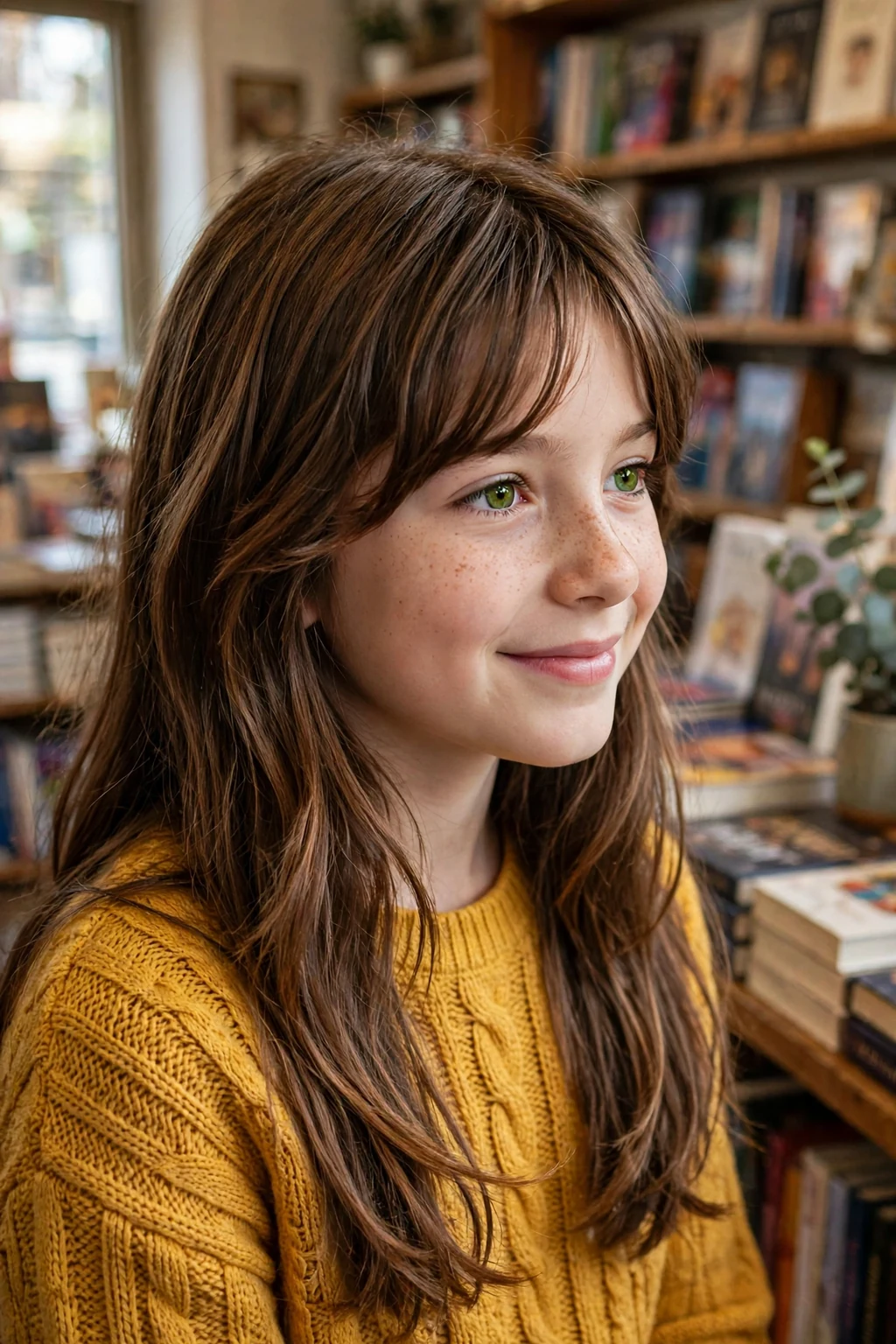
14. Long Layers with Curtain Bangs
Long layers with curtain bangs are a dreamy, flowing style for kids: hair kept long past the shoulders with soft, blended layers that add movement, finished with a centre-parted fringe that sweeps outward like curtains on either side of the face. The appearance is soft and romantic, with layers that prevent long hair from looking heavy or flat, curtain bangs that frame the eyes and cheekbones beautifully, and ends that move with a natural, swingy grace. The finish can be sleek and smooth or gently wavy, and the style works best on straight and wavy hair of medium thickness, where the layers have room to show their shape. It is a wonderful way to keep the long hair a child loves while making it far easier to brush, style, and wear every day. The sweeping curtain fringe opens up the face beautifully, giving long hair a fashionable frame that flatters without hiding the eyes.
This style suits children aged eight to eleven, flattering oval, round, and long faces, since the curtain bangs shorten the appearance of a long face and soften a round one. It is ideal for older kids who are starting to care about their hair and want a style that feels fashionable without being difficult. To style, apply leave-in conditioner to damp hair, blow-dry the curtain bangs away from the face with a round brush, and let the layers air-dry or blow-dry smooth for polish. A light serum tames flyaways, and the bangs can be clipped back on sporty days. Maintenance means a trim every ten weeks for the layers and every six weeks for the bangs, and grow-out is graceful, with the bangs simply blending into the layers. Choose long layers with curtain bangs when you want a beautiful, grown-up style that still feels completely age-appropriate and easy to live with.
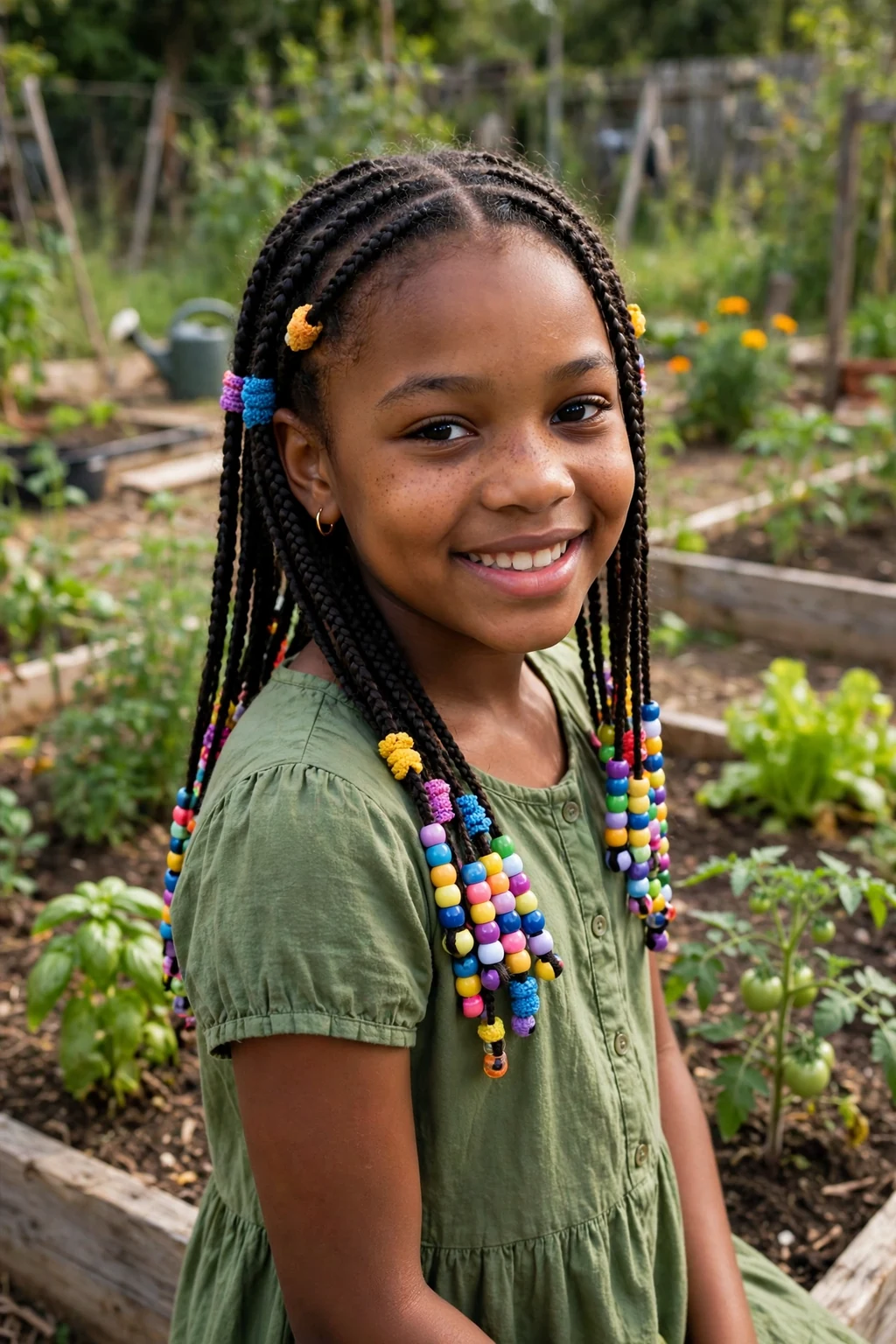
15. Box Braids with Beads
Box braids with beads are a stunning, protective style for kids: hair divided into neat square sections and braided down the length, finished with colourful beads that click and sparkle with every movement. The appearance is rich and detailed, with uniform, tidy braids that fall past the shoulders, a clean parting pattern that looks beautifully geometric, and beads in bright colours, pastels, or clear sparkle that turn the hairstyle into wearable art. The finish is neat, long-lasting, and full of personality, and the style works best on curly and coily hair that holds a braid well, although it can be created on many textures with the right preparation. Beads add joy and sound to the style, which is part of why children adore choosing their own bead colours. The colourful beads add sound, sparkle, and movement, turning an already beautiful protective style into something a child is proud to show off.
Box braids suit children aged six to eleven who can sit for a longer styling session, flattering oval, round, and heart-shaped faces by framing the face with long, vertical lines. They are a superb protective style, keeping the hair safe from tangles, breakage, and daily manipulation, and they can last two to four weeks with proper care. To style, moisturise and detangle the hair thoroughly, part it into even boxes, and braid each section from root to tip, securing beads at the ends with small elastics. A light oil on the scalp keeps it comfortable, and a satin bonnet at night preserves the braids. Maintenance includes gentle scalp cleansing, regular moisturising, and removing the braids carefully after a few weeks. Choose box braids with beads when you want a beautiful, long-lasting style that protects natural hair and lets a child express themselves in colour. A quick practice run at home helps a child get used to sitting still, and once they know what to expect, the style becomes a happy part of the morning routine rather than a chore.
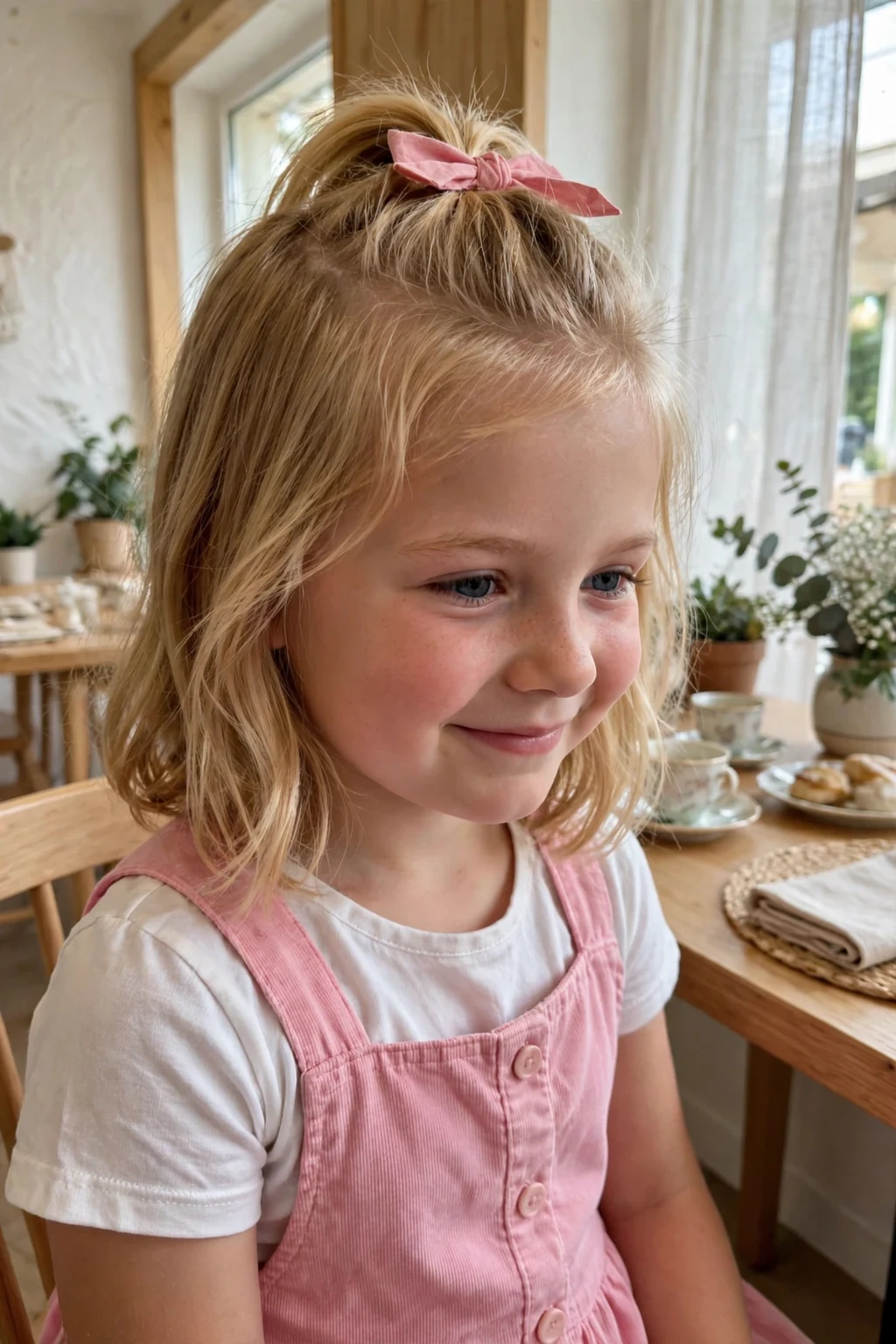
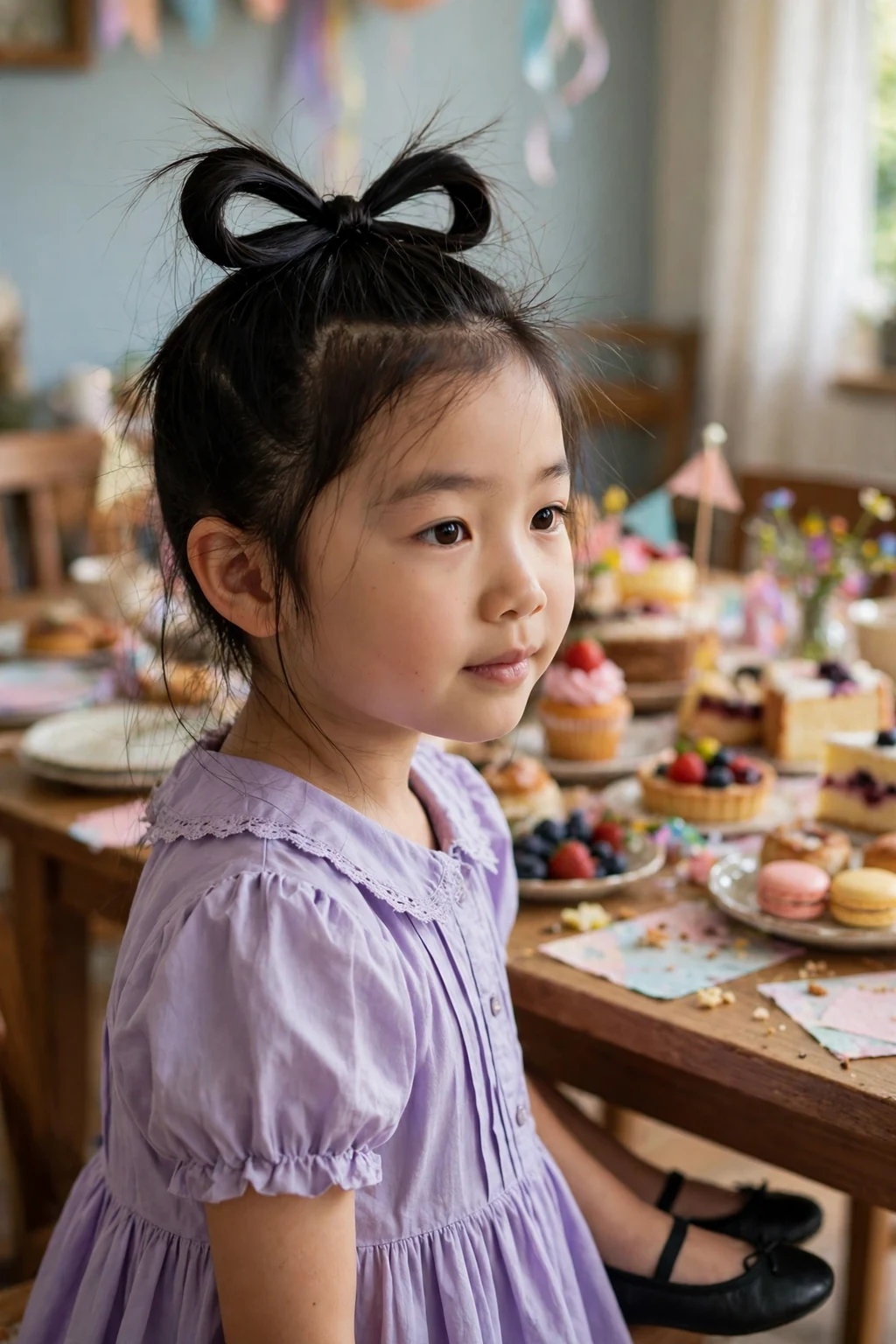
16. Half-Up Bow
A half-up bow is an adorable, clever style for kids: the top section of hair gathered and shaped into an actual bow made of hair itself, while the rest of the hair falls loose and free underneath. The appearance is instantly charming, with a neat bow sitting high on the crown like a built-in accessory, smooth sides leading up to it, and soft, flowing lengths below that move naturally. The finish can be sleek for a party or slightly tousled for everyday cuteness, and the style works on straight and wavy hair of medium length or longer, where there is enough hair to form the bow loops and tails. It is a style that looks like pure magic to other children, because the bow is made entirely from hair, yet it is surprisingly simple to create once you know the trick. The bow itself becomes the accessory, so no bought clips or bands are needed, and the style always looks clever, charming, and completely original.
This bow suits children aged five to ten, flattering round, oval, and heart-shaped faces by lifting the top of the hair and opening up the face. It is perfect for birthdays, school photos, and dress-up days, and it keeps the front hair out of the eyes while leaving the rest down, which many kids prefer. To style, gather the top half of the hair into a ponytail, loop it partway through the elastic to form a loop, split the loop into two bow halves, pin them flat, and wrap the remaining tail around the centre to form the knot. A little hairspray holds the bow, and a few pins keep it secure. Maintenance is easy, since the style is redone each day, and trims every eight weeks keep the lengths healthy. Choose a half-up bow when you want a show-stopping, giggle-inducing style that needs no bought accessories at all. A quick practice run at home helps a child get used to sitting still, and once they know what to expect, the style becomes a happy part of the morning routine rather than a chore.
17. Spiky Faux Hawk
A spiky faux hawk is a bold, cheeky haircut for boys: short sides with a longer strip down the centre of the head, styled upward into soft spikes that run from the forehead to the nape like a friendly mohawk. The appearance is energetic and fun, with a clean, tapered outline at the sides, a textured central strip full of piecey spikes, and a finish that is playful rather than punk, because the spikes are kept short and soft. The style works best on straight and wavy hair of fine to medium thickness, where the centre strip can stand up with just a little product, and it looks fantastic on kids who love to stand out. It is the haircut equivalent of a high-five: confident, joyful, and impossible to ignore in the best possible way. The short central spikes give the haircut a cheeky, confident edge that suits energetic boys who love to be noticed and love to play hard.
This faux hawk suits boys aged five to eleven, flattering oval, round, and square faces, since the height on top lengthens a round face and adds character to any shape. It is a brilliant choice for parties, school discos, and photo days, and it washes out completely, so it is commitment-free fun. To style, towel-dry the hair, work a pea-sized amount of strong but washable styling gel or wax through the centre strip, and pinch the hair upward into spikes with the fingers, leaving the sides smooth. The whole routine takes two minutes. Maintenance means a trim every four to five weeks to keep the sides short and the strip defined, and grow-out softens into a textured crop. Choose a spiky faux hawk when you want a hairstyle that makes a boy feel like a superstar and guarantees he will be grinning all day. A quick practice run at home helps a child get used to sitting still, and once they know what to expect, the style becomes a happy part of the morning routine rather than a chore.

18. Heart Braids
Heart braids are the sweetest style on this list: braids arranged on the head in the shape of a heart, usually as two curved braids that meet at a point, creating a design that is pure Valentine's Day magic. The appearance is detailed and delightful, with smooth, curved braids that follow the heart shape, a neat parting that traces the design, and loose hair or a ponytail flowing from the point of the heart. The finish can be kept tight and precise for a party or loosened for a softer, romantic look, and the style works on straight, wavy, and curly hair of medium length or longer, where the braids have enough length to curve gracefully. It is a style that makes other children gasp with delight, because it turns hair into a picture. The curved heart shape turns an ordinary braid into a picture, giving the style a romantic, Valentine-inspired charm that other children adore.
Heart braids suit children aged six to ten who can sit still for fifteen minutes, flattering oval, round, and heart-shaped faces by drawing attention to the face in the loveliest way. They are perfect for Valentine's parties, birthdays, and school performances, and they photograph beautifully from the back and the side. To style, part the hair into a heart shape using a tail comb, French braid along each curve of the heart, and join the braids at the point, securing them with a small elastic and a bow. Smoothing cream keeps the braids neat, and decorative clips add extra charm. Maintenance is simple, since the style is worn for a day, and the hair washes as normal, with trims every eight to ten weeks. Choose heart braids when you want a hairstyle that is also a work of art, guaranteed to make a child feel utterly adored. A quick practice run at home helps a child get used to sitting still, and once they know what to expect, the style becomes a happy part of the morning routine rather than a chore.

19. Low Bun with Ribbons
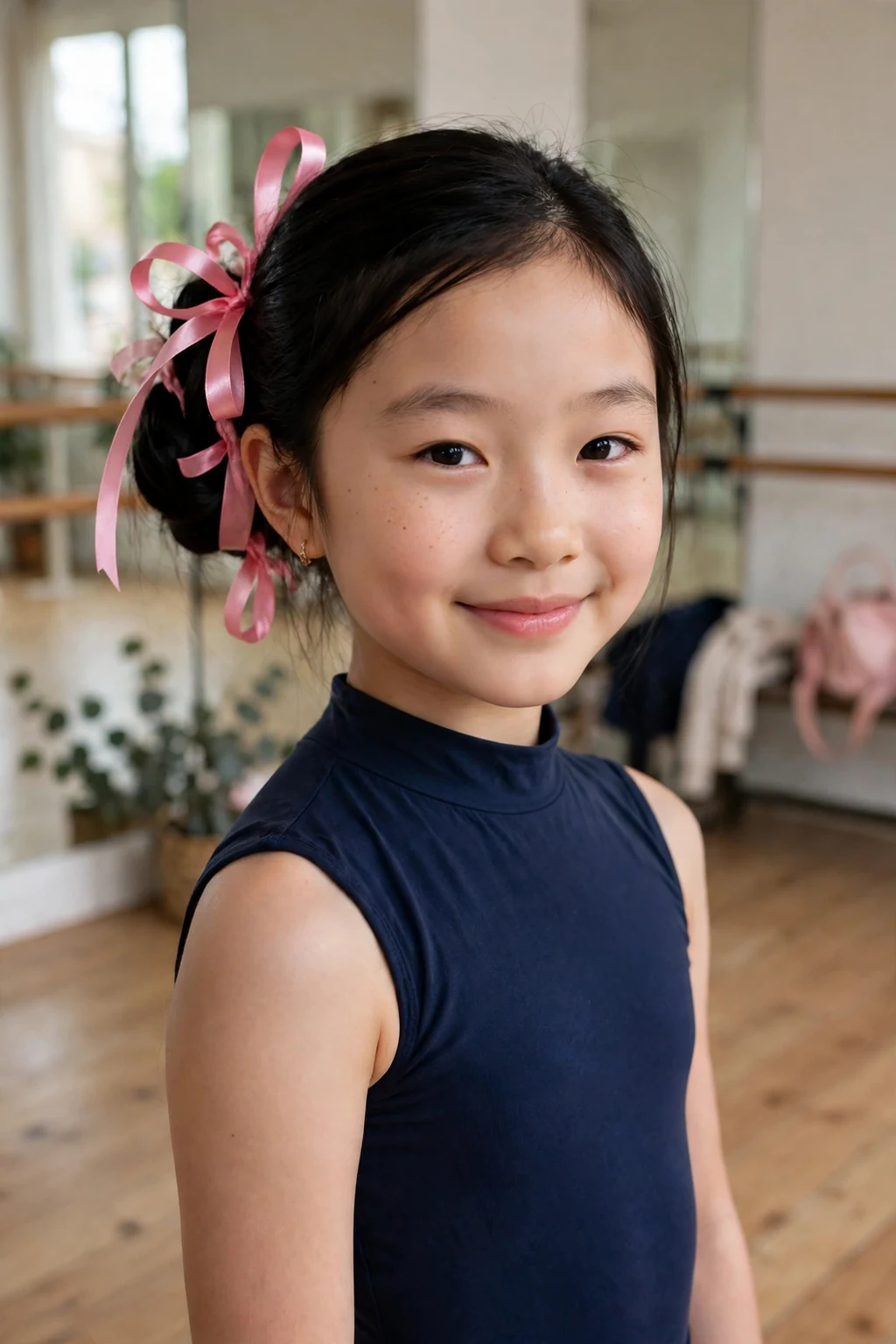
A low bun with ribbons is a graceful, classic style for kids: hair smoothed back and twisted into a neat bun at the nape of the neck, finished with long ribbons that trail softly down the back. The appearance is elegant and tidy, with a smooth crown, a clean centre or side part, a compact bun that sits low and secure, and ribbons in satin or velvet that add colour and movement. The finish is polished without being stiff, and the style works on straight, wavy, and curly hair of medium length or longer, where there is enough hair to form a proper bun. It is a favourite for ballet, gymnastics, school concerts, and formal family occasions, because it looks beautiful, stays put, and feels comfortable for hours. The trailing ribbons add gentle movement and colour, so the bun looks graceful in motion, whether a child is dancing, walking, or twirling.
This low bun suits children aged six to eleven, flattering oval, heart, and long faces, since the low placement keeps the silhouette balanced and the smooth front opens up the face. It is ideal for dancers and performers, because it meets dress codes, survives spins and jumps, and looks lovely under stage lights. To style, brush the hair back smoothly, secure it in a low ponytail, twist it around its base, pin it firmly, and tie ribbons around the bun, leaving the ends to trail. A little gel smooths flyaways, and a hairnet can add extra security for performances. Maintenance is easy, since the bun is redone each day, and trims every eight to ten weeks keep the ends neat. Choose a low bun with ribbons when you want a timeless, ballerina-beautiful style that is as practical as it is pretty. A quick practice run at home helps a child get used to sitting still, and once they know what to expect, the style becomes a happy part of the morning routine rather than a chore.
20. Beach Waves
Beach waves are a relaxed, sun-kissed style for kids: hair worn loose with soft, tousled waves that look as though they were shaped by sea air and sunshine. The appearance is effortlessly pretty, with gentle, separated waves running through the lengths, natural volume at the roots, and ends that flick and curl in a gloriously imperfect way. The finish is matte and touchable rather than sleek, and the style works best on naturally wavy hair or on straight hair that holds a wave, at shoulder length or longer, where the waves have room to form. It is the hairstyle of summer holidays, paddling pools, and ice-cream afternoons, and it looks wonderful precisely because it is not trying too hard. The tousled waves give the hair a relaxed, holiday feel that looks sun-kissed and carefree, even on an ordinary school day in winter. The soft, natural texture also means the style looks better the more it is played with.
Beach waves suit children aged six to eleven, flattering oval, round, and heart-shaped faces, since the soft waves add width where it flatters and movement around the face. They are perfect for holidays and weekends, because the style actually improves as the day goes on and the hair gets a little more tousled. To style, spritz sea-salt spray through damp hair, scrunch the lengths upward with the hands, and let the hair air-dry, or braid it loosely overnight for heat-free waves in the morning. A wide-tooth comb, never a brush, keeps the waves defined, and a little leave-in conditioner prevents tangles. Maintenance is low, with trims every ten weeks to keep the ends healthy, and grow-out simply means longer waves. Choose beach waves when you want a carefree, holiday-ready look that celebrates natural texture and needs almost no effort. A quick practice run at home helps a child get used to sitting still, and once they know what to expect, the style becomes a happy part of the morning routine rather than a chore.

21. Cornrows with Zigzag Parts
Cornrows with zigzag parts are a cool, intricate style for kids: tight, neat braids that hug the scalp in rows, separated by zigzag partings that add a striking geometric pattern to the design. The appearance is sharp and detailed, with clean, raised braids running from the forehead to the nape, zigzag lines that catch the eye, and a finish that can be kept short and sporty or continued into longer braids at the back. The style works best on curly and coily hair that braids tightly and holds its shape, and it is a wonderful way to protect natural hair while making a real style statement. The zigzag detail elevates classic cornrows into something that looks custom-designed, which is exactly why kids love showing them off. The zigzag partings add a geometric, custom-designed detail that makes classic cornrows look fresh, modern, and seriously impressive up close. The neat rows also keep the hair protected and tangle-free for days at a time.
Cornrows suit children aged six to eleven who can sit for a braiding session, flattering oval, round, and square faces by framing the face with neat, vertical lines. They are excellent for active kids, because the style stays secure through sport, swimming, and sleep, and it can last one to three weeks with proper care. To style, moisturise and detangle the hair, create zigzag parts with a tail comb, and braid each row tightly but comfortably, taking care never to pull painfully at the hairline. A light oil keeps the scalp comfortable, and a satin bonnet or durag at night preserves the pattern. Maintenance includes gentle scalp cleansing and moisturising, and the braids should be removed carefully after a few weeks. Choose cornrows with zigzag parts when you want a sharp, protective, long-lasting style with serious playground credibility. A quick practice run at home helps a child get used to sitting still, and once they know what to expect, the style becomes a happy part of the morning routine rather than a chore.

22. Sleek High Bun
A sleek high bun is a polished, ballerina-perfect style for kids: all the hair brushed smoothly upward and twisted into a neat, compact bun right on top of the head, with not a single flyaway out of place. The appearance is clean and elegant, with a smooth, glossy crown, a tight, secure base, and a bun that sits high and proud, giving a long, graceful neckline. The finish is shiny and controlled, and the style works on straight, wavy, and curly hair of medium length or longer, provided the hair is smoothed well before bunning. It is a favourite for dance exams, gymnastics competitions, and formal occasions, because it looks immaculate under bright lights, stays put through every leap and spin, and photographs beautifully from every angle. The glossy, controlled finish gives the bun a professional, stage-ready polish that holds its shape through dancing, gymnastics, and long performances. The high placement also gives a graceful, elongated neckline that looks elegant in photographs.
This high bun suits children aged six to eleven, flattering oval, heart, and long faces, since the height on top elongates the silhouette and opens up the whole face. It is ideal for performers and athletes who need hair completely secure and out of the way for hours at a time. To style, brush the hair upward with a smoothing brush, secure it high on the crown with a strong elastic, twist it around a bun maker or its own base, pin it firmly, and finish with gel and a light hairspray for a flawless, shiny finish. A silk scrunchie can protect the hair underneath. Maintenance is straightforward, since the bun is redone each day, and trims every eight weeks keep the ends healthy. Choose a sleek high bun when you want a flawless, professional-looking style that makes a child feel like a real performer. A quick practice run at home helps a child get used to sitting still, and once they know what to expect, the style becomes a happy part of the morning routine rather than a chore.

23. Pastel Peekaboo Highlights
Pastel peekaboo highlights are a magical, temporary colour style for kids: soft pastel shades, such as pink, lilac, or mint, hidden in the underneath layers of the hair so they peek out only when the hair moves. The appearance is enchanting, with a natural top layer that looks completely ordinary from above, and flashes of pastel colour revealed at the ends, underneath, and when the hair is tied up or tossed. The finish is playful and surprising, and the style works best on light to medium brown or blonde hair, although temporary colour sprays and chalks can create the effect on darker hair too. It is the perfect introduction to hair colour for a child, because the colour is hidden, temporary, and completely reversible, which makes it feel like a secret superpower. The hidden flashes of pastel colour appear and disappear as the hair moves, giving the style a magical, secret quality that children love.
Peekaboo highlights suit children aged eight to eleven, flattering every face shape, since the colour sits in the lengths rather than around the face. They are ideal for school holidays, parties, and festivals, and they wash out after a few shampoos when temporary colour is used, so there is no long-term commitment. To create the look, use temporary colour spray, hair chalk, or clip-in pastel extensions on the underneath sections, keeping the top layer natural so the colour peeks through. A colour-protecting conditioner helps temporary dye last a little longer, and the hair should be washed in cool water. Maintenance is minimal, since the colour fades naturally, and trims every ten weeks keep the ends fresh. Choose pastel peekaboo highlights when you want a fun, low-commitment splash of colour that feels magical without any permanent change. A quick practice run at home helps a child get used to sitting still, and once they know what to expect, the style becomes a happy part of the morning routine rather than a chore.

24. Braided Pigtails with Ribbons
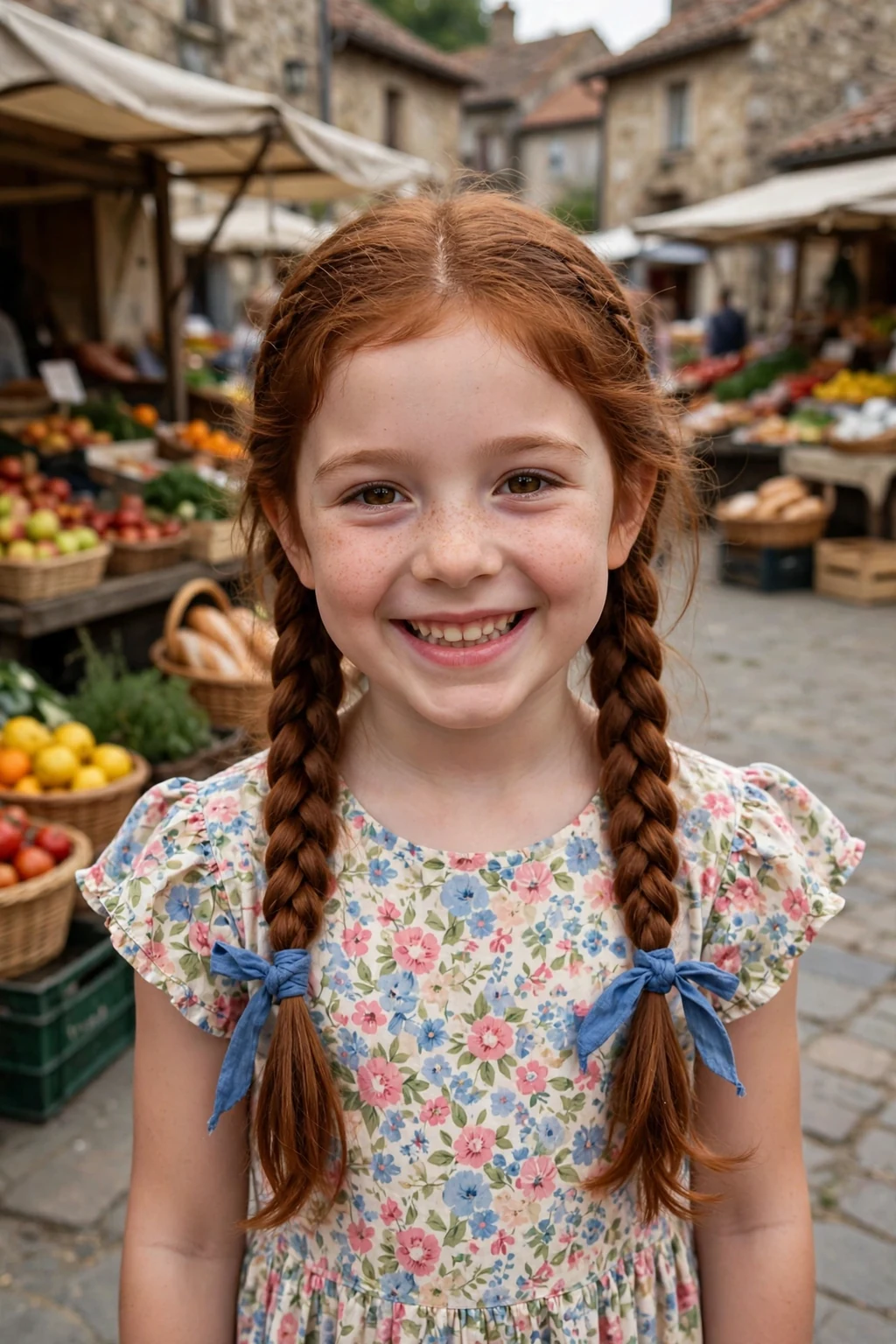
Braided pigtails with ribbons are a picture-book style for kids: hair parted down the middle and braided into two neat plaits, one on each side, finished with long ribbons tied in bows at the ends. The appearance is timeless and sweet, with tidy, even braids that lie smoothly against the head, a clean centre part, and ribbons that flutter and add colour with every step. The finish can be kept neat for school or loosened for a softer, country feel, and the style works on straight, wavy, and curly hair of shoulder length or longer, where the braids have enough length to look substantial. It is a style that belongs in storybooks and summer meadows, yet it is practical enough for a full school day, keeping hair secure, tangle-free, and out of the face. The fluttering ribbons add colour and movement to the braids, making a timeless style feel festive, pretty, and full of old-fashioned charm.
This style suits children aged five to eleven, flattering round, oval, and heart-shaped faces by framing the face symmetrically and drawing the eye to the braids. It is wonderful for long school days, outdoor adventures, and family outings, because the braids protect the hair and stay neat for hours. To style, part the hair down the centre, braid each side in a classic three-strand plait, secure the ends with elastics, and tie ribbons in bows over the elastics, trimming the ribbon ends at an angle for a pretty finish. A little smoothing cream prevents flyaways, and the braids can be loosened slightly for a fuller look. Maintenance is easy, since the braids are redone daily and the hair washes as normal, with trims every eight to ten weeks. Choose braided pigtails with ribbons when you want a classic, charming style that never fails to look adorable. A quick practice run at home helps a child get used to sitting still, and once they know what to expect, the style becomes a happy part of the morning routine rather than a chore.
25. Side Braid with Flowers
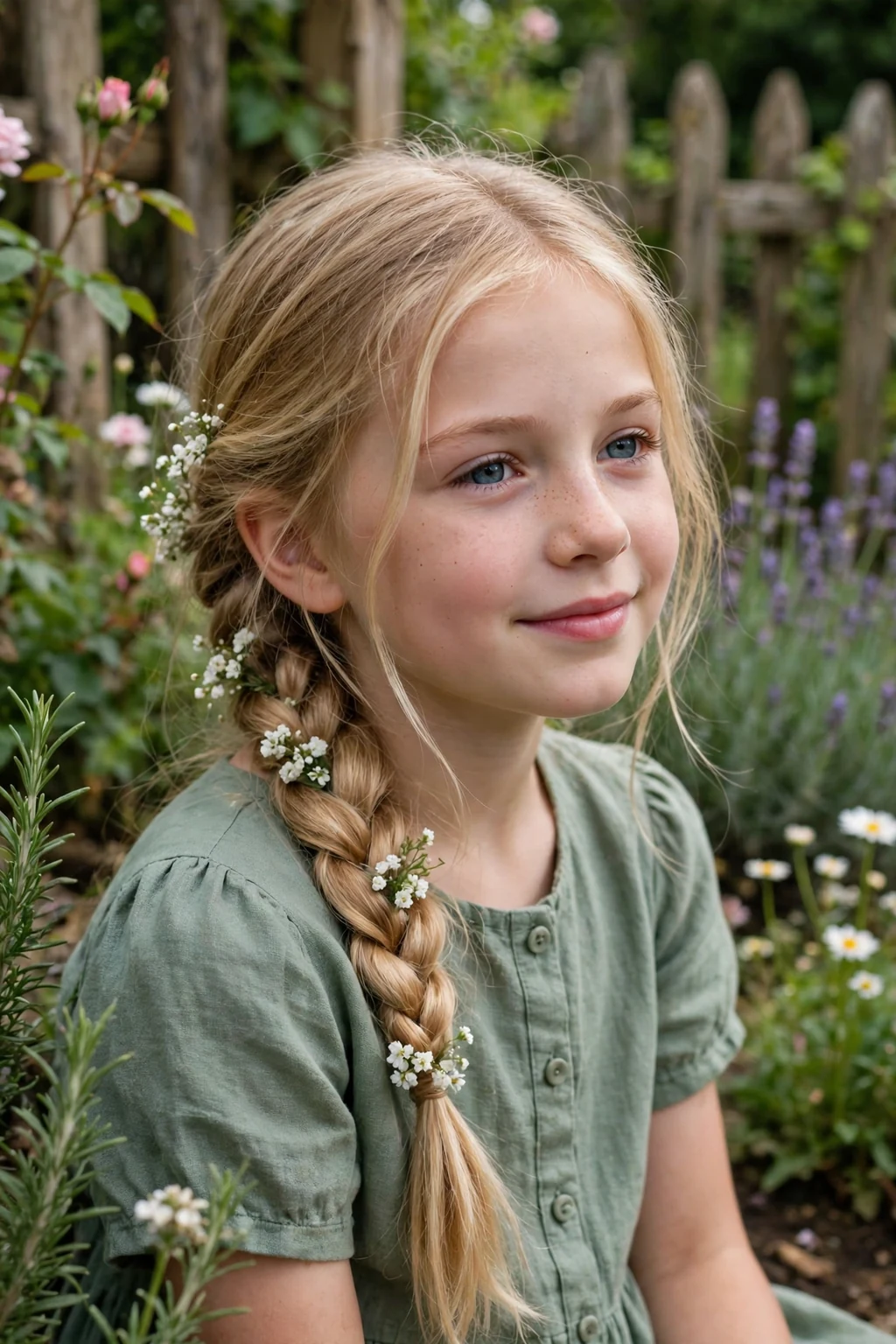
A side braid with flowers is a dreamy, garden-party style for kids: a loose braid swept over one shoulder and decorated with tiny fresh or silk flowers tucked along its length. The appearance is soft and romantic, with a relaxed, slightly loosened braid that falls gracefully over the shoulder, a gentle side part, and flowers that add colour and whimsy at intervals down the plait. The finish is deliberately soft rather than tight, and the style works on straight and wavy hair of medium length or longer, where the braid has enough length to drape beautifully. It is a favourite for weddings, flower-girl duties, spring parties, and any occasion where a child wants to feel like she has stepped out of a fairy tale. The tiny flowers tucked along the braid add a garden-fresh, fairy-tale detail that makes the whole style feel soft, romantic, and special. The loose, relaxed plait also keeps the style comfortable for a full day of celebrations.
This side braid suits children aged seven to eleven, flattering oval, heart, and round faces, since the diagonal line of the braid draws the eye across the face and adds graceful asymmetry. It is ideal for special occasions, because it looks elaborate while taking only ten minutes, and it stays comfortable for hours. To style, sweep the hair over one shoulder, braid it loosely in a classic three-strand plait, secure the end with a small elastic, and gently loosen the edges for fullness before tucking small flowers or floral clips along the braid. A little hairspray holds the flowers, and a ribbon at the end adds a finishing touch. Maintenance is simple, since the style is worn for a day, and trims every eight to ten weeks keep the hair healthy. Choose a side braid with flowers when you want a magical, romantic style that is easy to create and unforgettable in photographs.
26. Triple Bubble Ponytail
A triple bubble ponytail turns one ordinary high ponytail into a playful, bouncy style that looks far more complicated than it really is. The hair is gathered high on the crown and secured with a first elastic, then two more elastics are added at even intervals down the length, with each section gently pulled outwards to form soft, rounded bubbles. The result is a full, springy ponytail with plenty of movement, which is why it photographs so well and why children love wearing it to parties, school discos, and sports days. It works best on medium to long hair, whether straight, wavy, or gently curled, because the bubbles need enough length to form properly. Fine hair can be given extra volume with a little texturising spray or by backcombing each section very lightly before fluffing it out. The bubbles also hide uneven layers, so it is a forgiving choice for hair that is growing out between haircuts.
To create the look, start with brushed, slightly damp or day-old hair, which grips better than freshly washed hair, and smooth it into a high ponytail with a soft bristle brush. Add the first elastic at the crown, then place the remaining elastics about three finger-widths apart, depending on the length of the hair. After each elastic, tug the sides of the section outwards until the bubble looks round and even, and finish with a light mist of flexible-hold hairspray. Swap the plain elastics for colourful ones, scrunchies, or small bows to match a party outfit, or add a ribbon at the base for extra flair. The style lasts all day on most hair types and usually survives playground games, though very silky hair may need a few extra pins or a dab of styling cream. Take it down gently at bedtime, detangling from the ends upwards, and it needs no special trims beyond a regular cut every eight to ten weeks to keep the ends healthy.
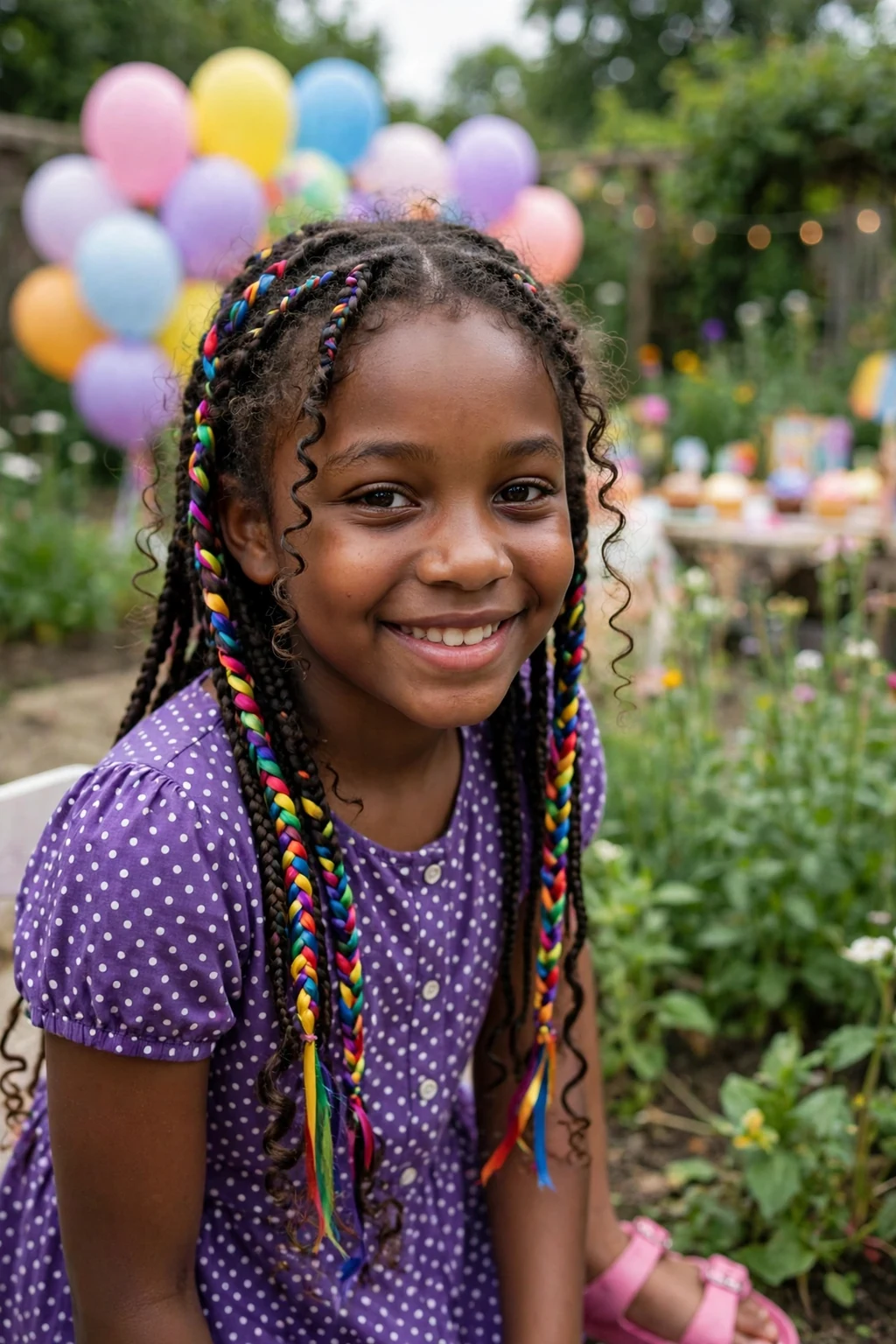
27. Rainbow Ribbon Braids
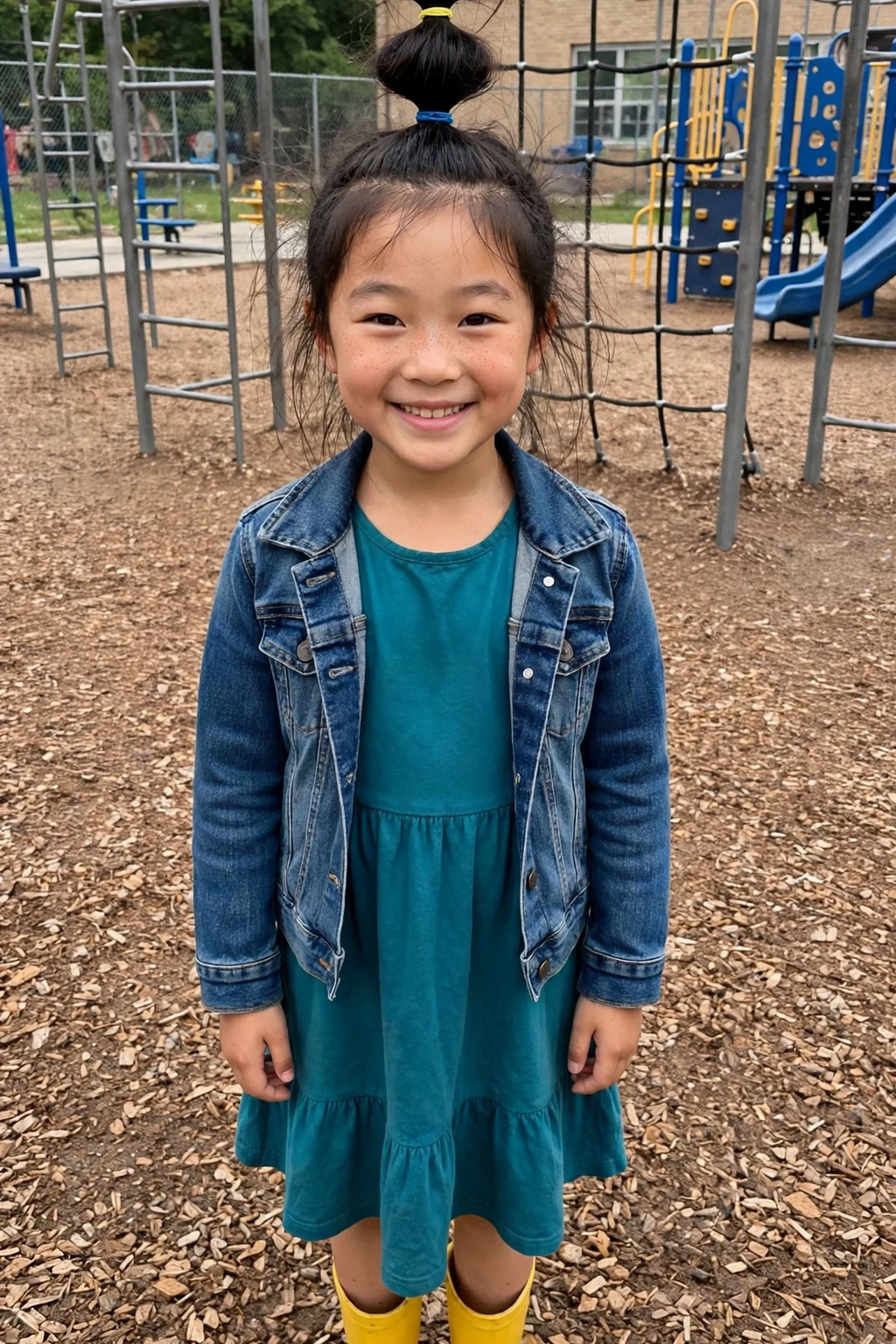
Rainbow ribbon braids are pure celebration hair, with bright ribbons woven through classic braids so that every turn of the plait flashes a different colour. The braids themselves can be simple three-strand plaits, French braids, or pigtail braids, but the ribbons are what make the style special, peeking out between the strands and moving as the child runs, dances, or twirls. It suits long and medium hair of almost any texture, and it is especially joyful on birthdays, Pride events, school fairs, and fancy-dress days. Children who love choosing their own colours will enjoy picking the ribbon shades themselves, whether that means a full rainbow, a favourite football team's colours, or soft pastels for a gentler look. The ribbons also add a little grip, which can help braids hold on slippery, fine hair that usually slips loose by lunchtime. For children with shorter hair, ribbons can be tied at the ends of mini braids instead, giving the same rainbow effect on a smaller scale.
Start by cutting ribbons slightly longer than the hair and tying one at the top of each braid section before plaiting, weaving it in as if it were a third strand. Keep the tension even but not tight, because braids that pull at the scalp will give a child a headache long before the party ends. Secure the ends with small clear elastics and trim any ribbon tails to matching lengths, or leave them long for extra swish. Use satin or grosgrain ribbon for the shiniest finish, and avoid wire-edged ribbon, which can snag. The braids can be worn for a day or two if they are slept in with a loose scarf, and the ribbons are simply untied and reused. A trim every eight to twelve weeks keeps the braid ends neat, and the style is easy to refresh by swapping in new ribbons. Keep a small bag of spare ribbons and elastics in a school bag or party kit, so a loose braid can be fixed in seconds without fuss.
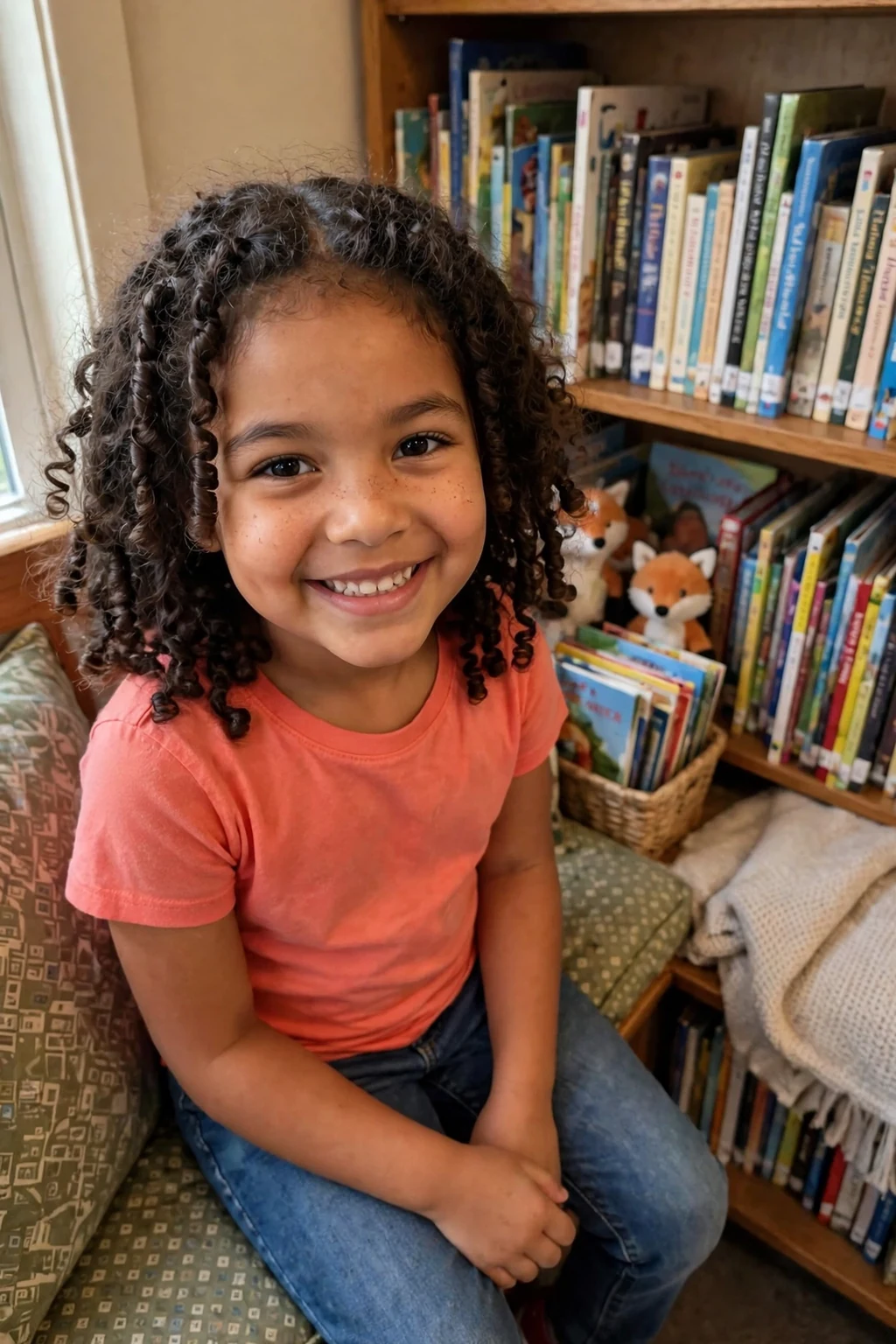
28. Mini Twist-Out Curls
Mini twist-out curls give curly and coily hair a beautifully defined, springy finish without any heat at all. Small two-strand twists are made all over damp, moisturised hair and left to set, usually overnight, and when they are gently unravelled the next morning they leave behind soft, bouncy curls with a lovely natural pattern. The result looks full and lively rather than stiff, and it flatters round, oval, and heart-shaped faces because the volume frames the face evenly on both sides. It is a wonderful everyday style for children with type 3 and type 4 curls, and it works on short, medium, and long hair, with smaller twists giving tighter curls and chunkier twists giving looser waves. Parents love it because it stretches wash day across several days, and children love it because the curls bounce when they move. The finished curls also look wonderful gathered into a high puff or a side ponytail, giving parents several styles from a single twist-out session.
To create a twist-out, wash and condition the hair, then work a leave-in conditioner and a little curl cream through small sections while the hair is still damp. Twist each section from root to tip, keeping the size consistent so the curl pattern looks even, and let the twists dry fully before separating them. Never unravel twists while they are still damp, or the curls will frizz and fall flat. Separate each twist gently with oiled fingers for shine and definition, and fluff the roots lightly for volume. At night, gather the curls into a loose pineapple on top of the head under a satin bonnet or scarf to keep them fresh for three or four days. A dusting trim every ten to twelve weeks keeps the ends healthy and the curls springy. If the curls start to lose definition by day three, a light spritz of water mixed with leave-in conditioner will usually revive them beautifully.
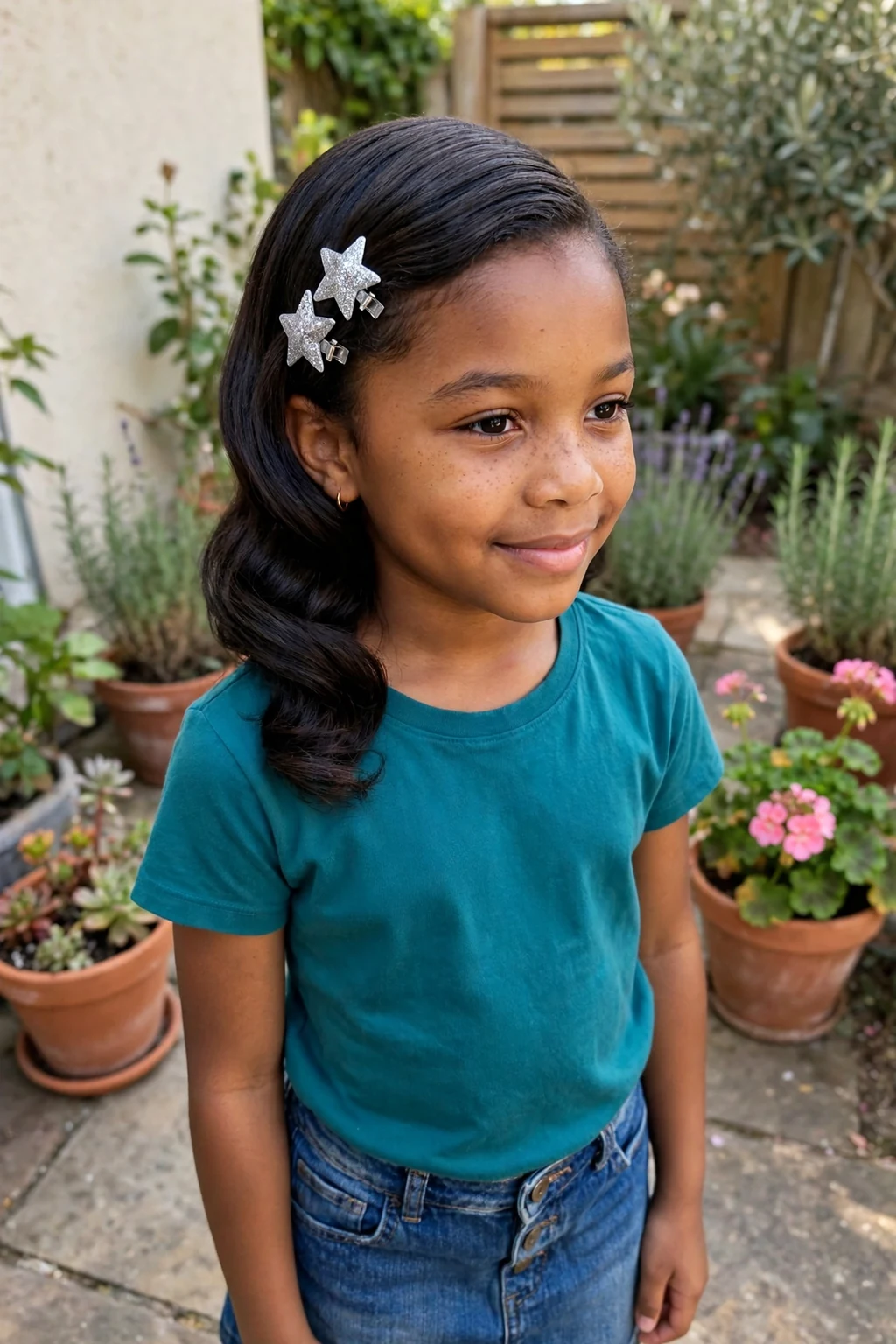
29. Star-Clip Side Sweep
A star-clip side sweep is the easiest way to make everyday hair feel like party hair, because one deep side part and a scattering of sparkly clips does all the work. The bulk of the hair sweeps across the forehead to one side, softening the face and keeping hair out of the eyes, while the star clips hold the sweep in place and catch the light every time the child turns their head. It suits straight, wavy, and lightly curled hair at almost any length, from a chin-length bob to long layers, and it flatters every face shape because the diagonal line across the forehead breaks up roundness and adds interest. It is perfect for children who will not sit still for braids or updos, since the whole style takes about two minutes, and it is a brilliant last-minute fix for picture day, weddings, or a school concert. The style also works beautifully on picture day, when a quick clip change can match any outfit.
To style it, part the hair deeply to one side while it is slightly damp, then brush the longer side across the forehead and smooth it with a little lightweight serum or styling cream. Place two or three star clips along the sweep, starting near the part and working outwards, and pin the shorter side flat behind the ear so the sweep stays put. For extra hold on fine or slippery hair, add a hidden bobby pin beneath each clip and finish with a light mist of hairspray. The clips come in every colour, so they can match a party outfit or a school uniform, and the style can be refreshed in seconds if a clip slips during play. It needs no special maintenance beyond normal washing and a regular trim every eight to ten weeks. A small pot of spare clips in a school bag means a lost star can be replaced before assembly or photographs.
30. Criss-Cross French Braids
Criss-cross French braids take the classic French braid and give it a clever twist, with two braids that cross over each other at the back of the head like a woven basket. The crossover creates a beautiful lattice effect that looks impressively intricate, yet it is really just two French braids started on opposite sides and angled towards each other. The finished style is neat, secure, and wonderfully practical, keeping every strand off the face and neck, which makes it ideal for sporty children, dancers, and long school days. It works best on medium to long hair that is thick enough to braid easily, and it suits straight, wavy, and lightly textured hair alike. Because the braids lie flat against the head, the style also sits comfortably under hats, helmets, and hoods. The crossover detail also looks beautiful from the side, making it a favourite for school photographs and dance recitals.
Begin by parting the hair down the middle, then French braid each side from the front hairline, angling the braid diagonally towards the opposite side of the nape. Where the braids meet, cross one over the other and continue each braid down as a regular plait, securing the ends with small elastics. Keep the tension firm but comfortable, checking that the child can still move their eyebrows freely, which is a good sign the braids are not too tight. A little styling gel along the partings keeps flyaways smooth, and a light hairspray finishes the look. The braids can last two or three days with a satin scarf at night, and they unravel into pretty waves the next day. A trim every ten weeks keeps the ends tidy for braiding. For younger children, a parent can practise the crossover on a doll or a willing teddy bear before attempting it on real hair.

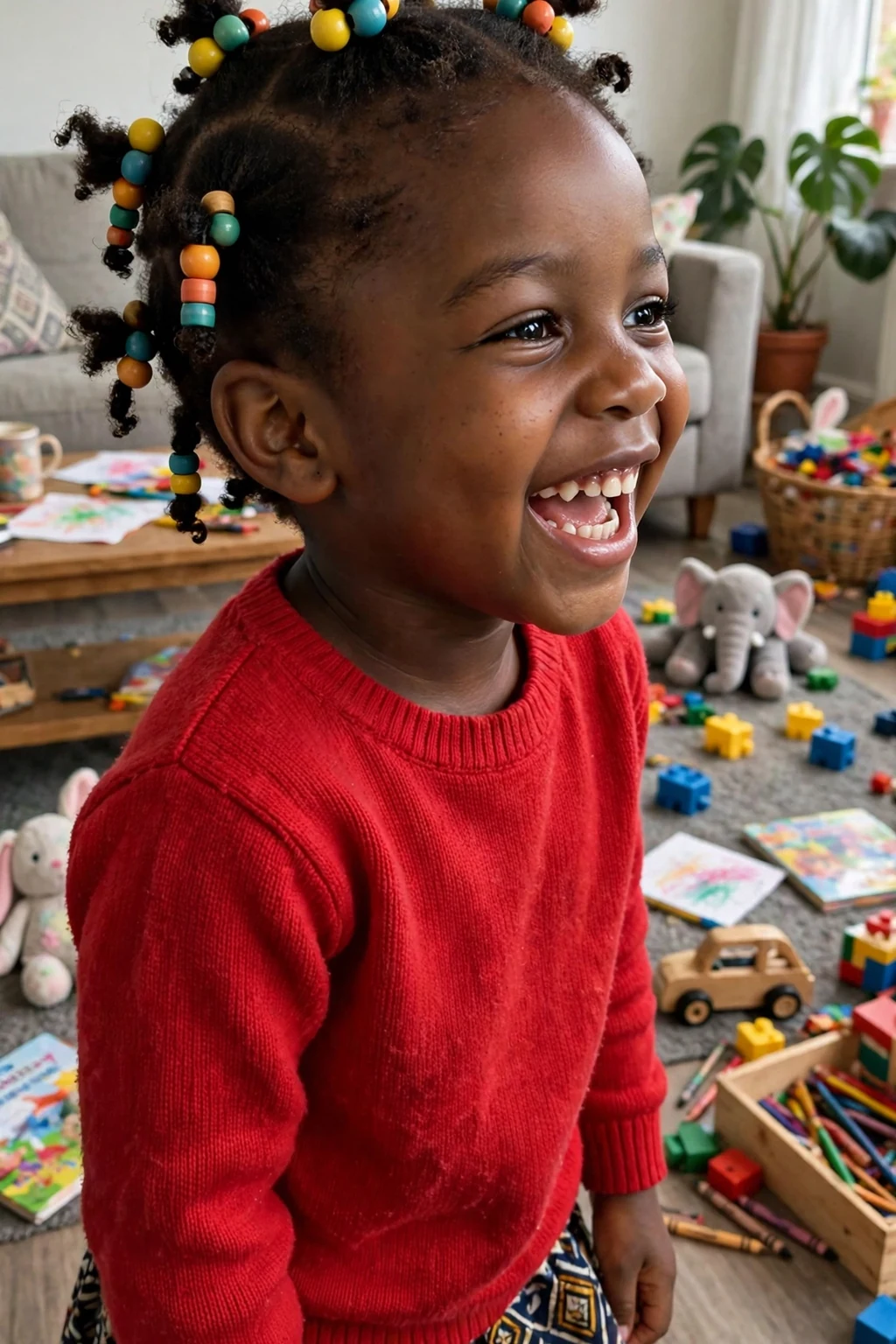
31. Bantu Knots with Beads
Bantu knots with beads are a joyful, heritage-rich style that turns coily and curly hair into a crown of neat little buns dotted with colour. The hair is divided into small sections, each twisted and coiled into a compact knot against the scalp, and the finished knots are decorated with wooden or plastic beads that click softly when the child moves. The look is bold, playful, and full of personality, and it suits round and oval faces beautifully because the knots add height and shape all around the head. It is a protective style too, since the ends are tucked away inside the knots, which helps keep fragile curls moisturised and safe from breakage. Children adore choosing their bead colours, and the style works for parties, cultural celebrations, and everyday wear alike. The knots can also be arranged in patterns, such as rows, diamonds, or a mohawk line, for an even more personalised finish.
To create Bantu knots, part freshly washed, moisturised hair into even sections using the end of a tail comb, then apply a little twisting butter or curl cream to each section. Twist the section tightly from root to tip, then wrap it around itself into a small knot and tuck the end underneath, securing it with a pin if needed. Slide beads onto the ends or onto the base of selected knots before securing them, choosing lightweight beads so they do not pull. The knots can be worn for several days, and when they are taken down they leave behind gorgeous, springy curls, which is a bonus second style. Moisturise the scalp lightly between wears, and keep trims to every ten to twelve weeks so the ends stay strong. Choose beads with large holes for younger children, since they are easier to thread and less likely to snag delicate curls during styling.
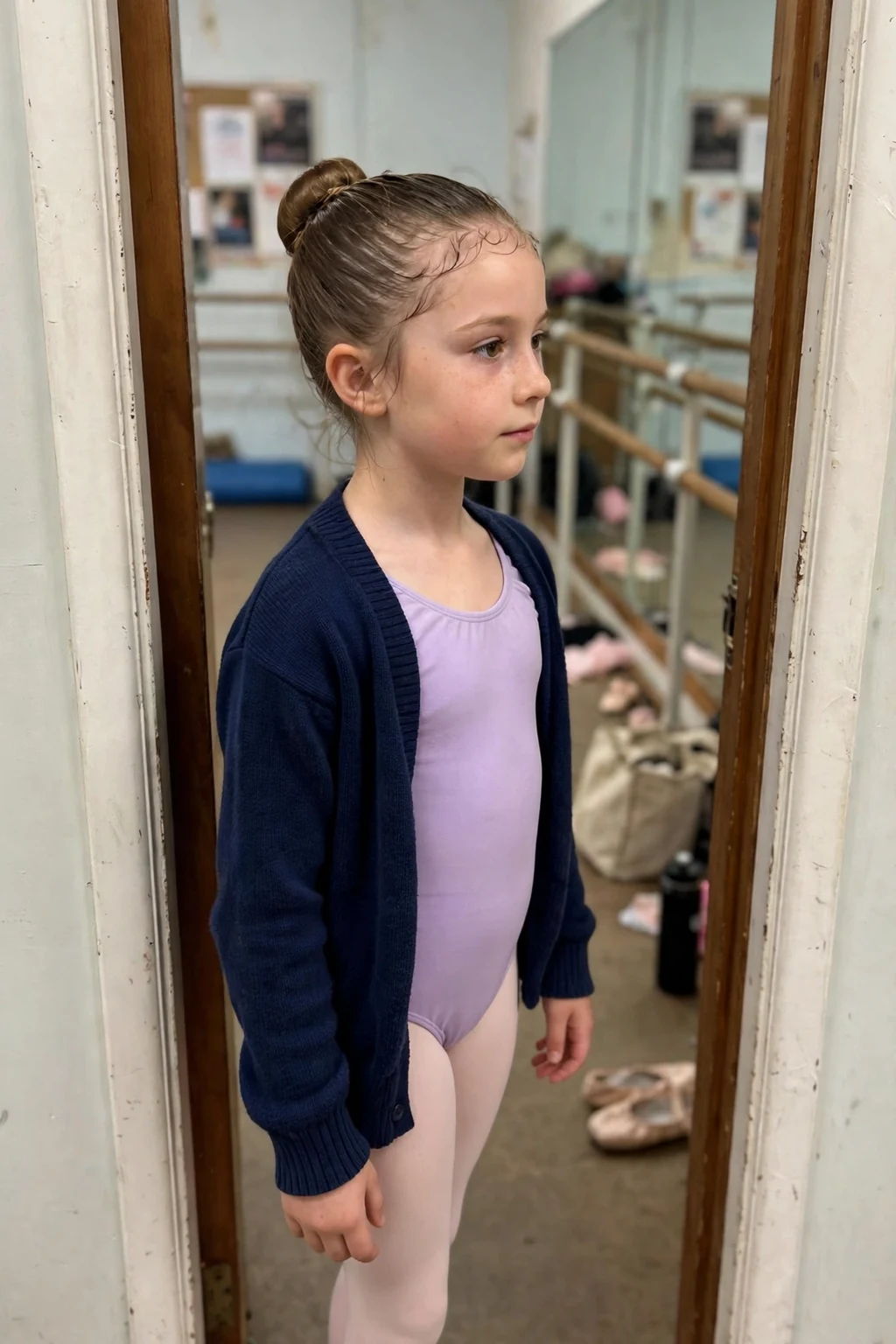
32. Slicked-Back Ballet Bun
A slicked-back ballet bun is the classic dancer's style, polished, elegant, and built to stay put through an entire class or performance. The hair is brushed smoothly back from the face and coiled into a neat bun high on the crown or at the nape, giving a clean, graceful silhouette that shows off the face and neck. Although it is most associated with ballet, it is also a brilliant everyday choice for school, gymnastics, swimming lessons, and any activity where loose hair would be a distraction. It suits straight, wavy, and curly hair, though very thick or long hair may need a stronger bun maker or extra pins to hold the weight. The style flatters oval, heart-shaped, and round faces, since the pulled-back shape lengthens the neck and highlights the eyes. The bun can also be placed low at the nape for a softer, more relaxed look that still keeps hair completely secure.
To create it, brush the hair back with a soft bristle brush, using a little gel or smoothing cream to tame flyaways, and gather it into a ponytail at the desired height. Twist the ponytail around its base into a bun, tuck the ends underneath, and pin securely with bobby pins placed in a criss-cross pattern for extra grip. A hair net in a matching colour gives a professional finish for dance exams, and a light mist of strong-hold hairspray keeps the bun neat for hours. Avoid pulling the hair too tightly, especially for young children, and take the bun down gently after class to avoid breakage. Because the style relies on smooth hair rather than cutting, it needs only a regular trim every eight to ten weeks. For very young dancers, a soft donut bun maker can help shape a perfect bun without needing many pins, which is gentler on tender heads.
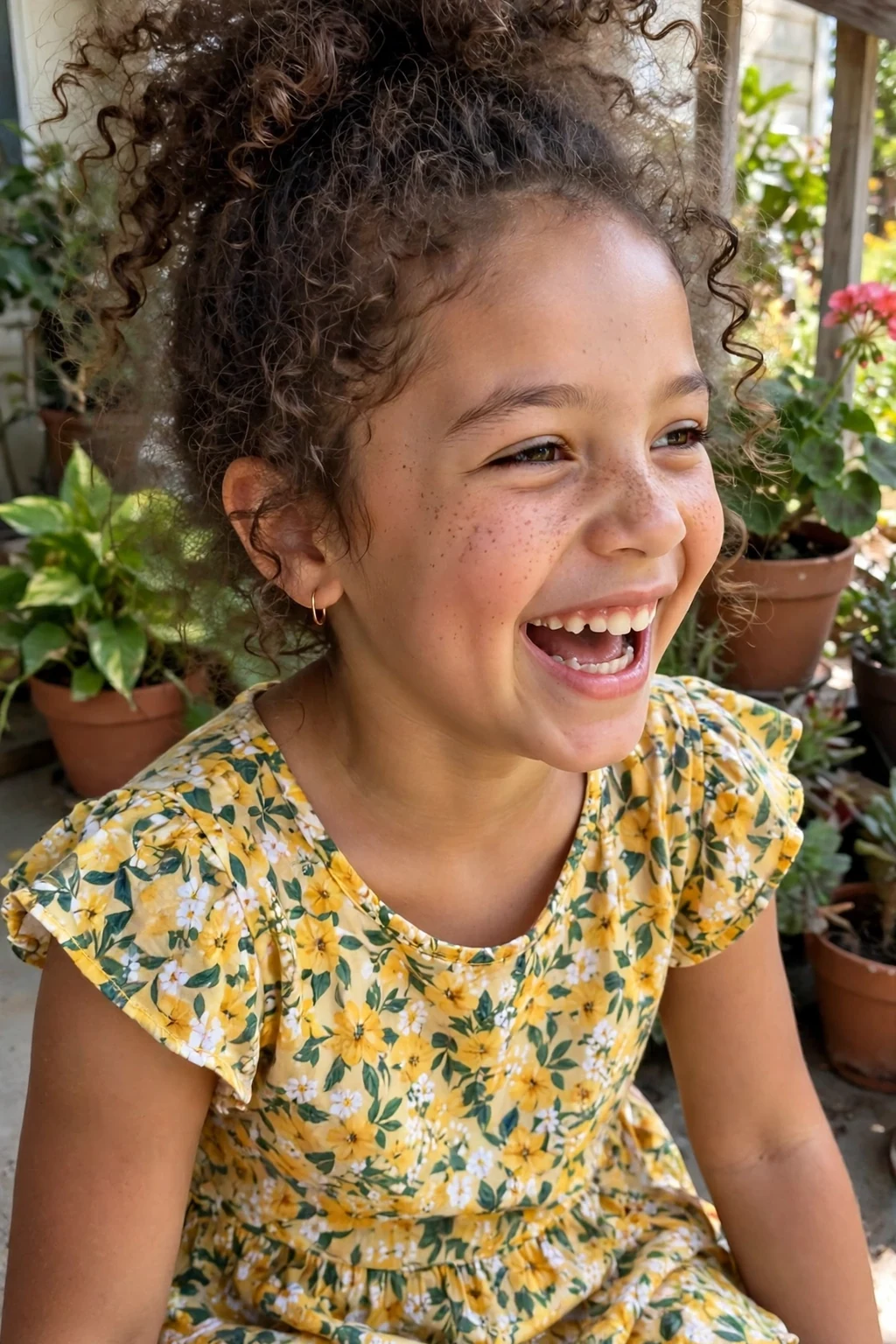
33. Curly Pineapple Puff
A curly pineapple puff is the simplest way to show off big, beautiful curls, gathering them high on top of the head so they cascade like the leaves of a pineapple. The style celebrates natural volume instead of fighting it, and the high placement lifts the curls away from the face and neck, which keeps children cool on warm days and keeps curls out of the way during play. It suits curly and coily hair of almost any length, as long as there is enough curl to gather, and it flatters round, oval, and square faces because the height on top balances the face beautifully. It is a five-minute morning style, which makes it a lifesaver on busy school days, and it looks just as good dressed up with a pretty scrunchie for a party as it does plain for the playground. A colourful scrunchie or a patterned scarf tied around the base adds a finishing touch for parties.
To create a pineapple puff, gather the curls loosely on top of the head with the head tipped forward, then secure them with a soft scrunchie or a satin-covered elastic that will not snag delicate curls. Do not pull the hair tight or brush it smooth, since the charm of the style is its soft, cloud-like shape, and a few loose curls around the face only add to the effect. Refresh the curls with a spritz of water mixed with leave-in conditioner, and scrunch gently to revive the pattern. At night, the puff can simply be covered with a satin bonnet, making it one of the easiest styles to maintain. A trim every ten to twelve weeks keeps the curl shape bouncy and prevents the ends from splitting. If the puff starts to flatten during the day, tip the head forward, shake the curls gently, and scrunch lightly to restore their volume.
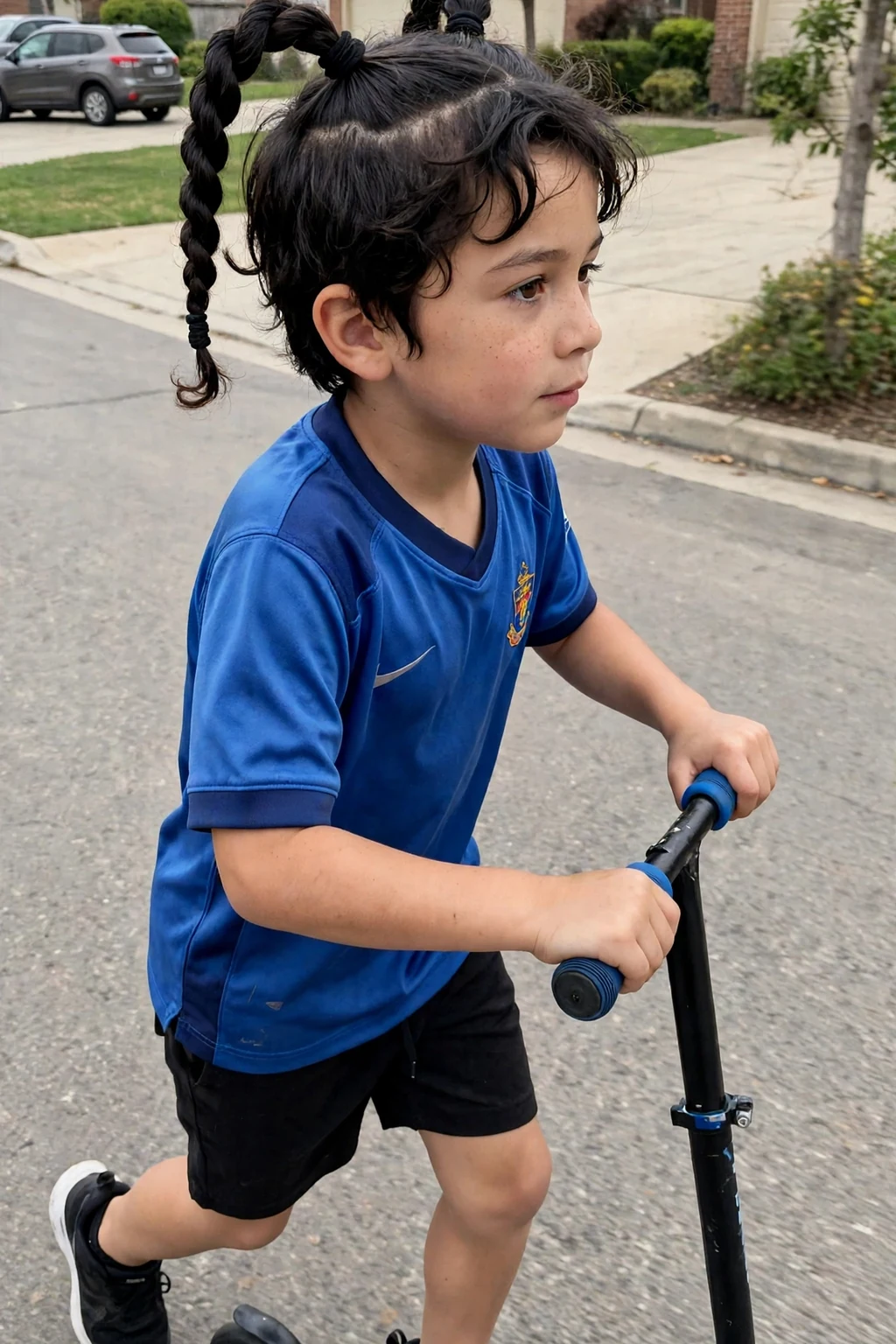
34. Double Rope-Twist Ponytails
Double rope-twist ponytails are a sporty, carefree style with a fun twisted texture that sets them apart from plain pigtails. Each ponytail is made by twisting two sections of hair around each other like a rope, which gives the ponytails a chunky, spiral look and helps them hold their shape through running, jumping, and cycling. The style suits straight, wavy, and lightly curly hair at medium to long lengths, and it is a brilliant choice for active children because the twists are far less likely to unravel than loose plaits. It flatters round and oval faces especially well, since the height of the ponytails draws the eye upwards, and it works for boys and girls who want a playful style that still looks neat from the front. The rope texture also photographs beautifully, making it a favourite for school photos and family outings. The twists also look wonderful with colourful elastics or small beads at the ends for extra personality.
To create rope-twist ponytails, divide the hair into two high ponytails and secure each one with an elastic. Split one ponytail into two equal sections, twist each section in the same direction, then wrap the two twisted sections around each other in the opposite direction, which locks the rope in place. Secure the end with a small elastic and repeat on the other side, then tug the twists gently for extra fullness. A dab of styling cream on the lengths prevents frizz and helps the twists grip, especially on fine hair. The style usually lasts a full day of play and can be slept in loosely for a second day of soft waves. Regular trims every eight to ten weeks keep the twist ends neat and healthy. For a dressier finish, wrap a thin ribbon around the base of each ponytail and tie it in a small, neat bow to match the outfit.
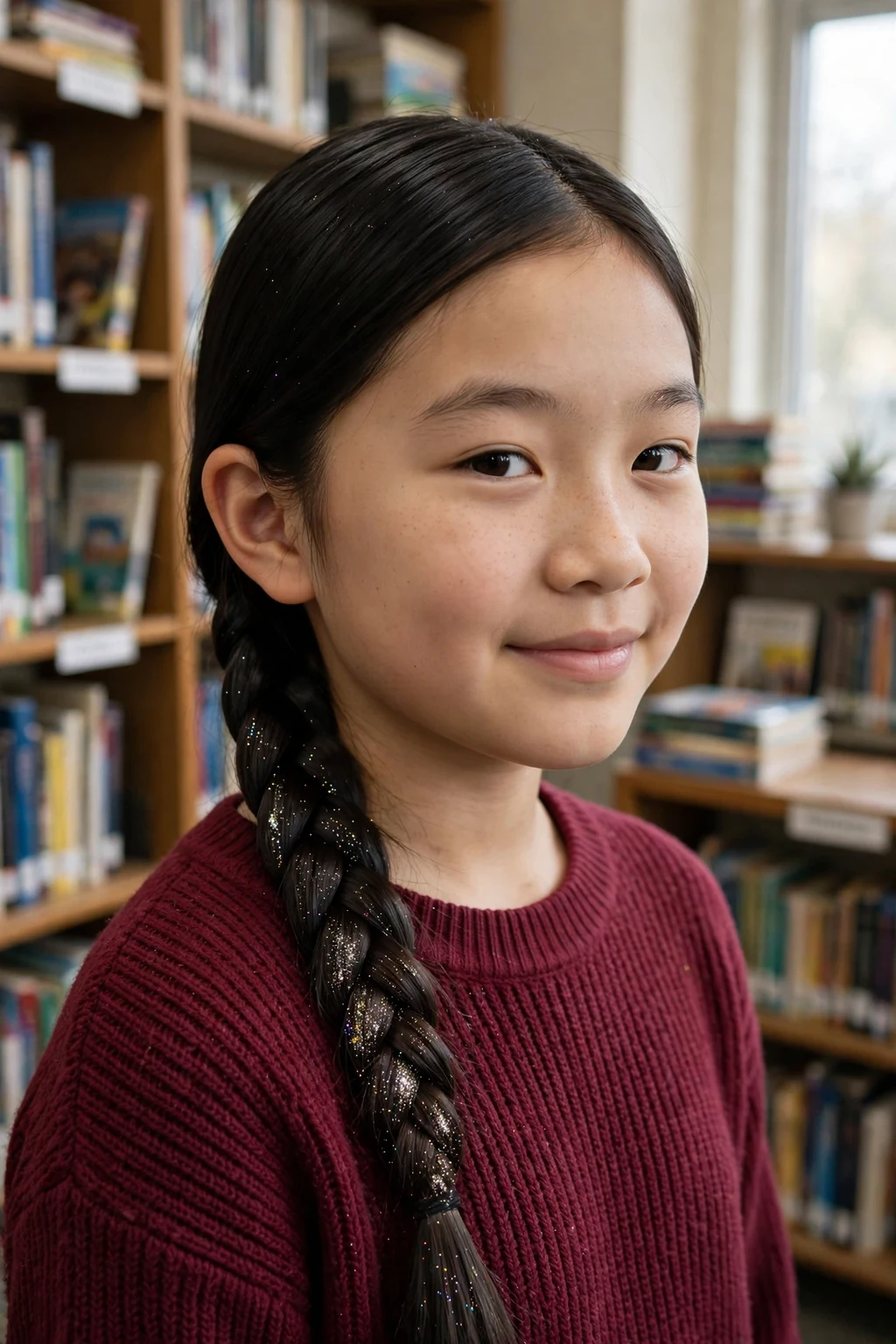
35. Glitter Side Braid
A glitter side braid is a loose, romantic plait swept over one shoulder and dusted with washable glitter, giving everyday hair an instant sprinkle of magic. The braid itself is kept soft and slightly messy, with a few face-framing strands pulled loose, so the overall effect is dreamy rather than formal, like something from a fairy tale. It suits medium to long hair in any texture, and it is a firm favourite for school discos, talent shows, birthday parties, and festive celebrations, when a little sparkle feels exactly right. The side placement flatters every face shape, since the diagonal line of the braid softens the jaw and draws attention to the eyes, and the glitter catches the light beautifully in photographs. Children who love dressing up will enjoy choosing their glitter colour to match their outfit. The glitter can be matched to a party theme, from icy silver for winter celebrations to golden sparkle for summer birthdays.
To create the look, sweep the hair over one shoulder and braid it loosely, pancaking the braid by gently pulling each section wider for a fuller, softer shape. Secure the end with a clear elastic, then mist the braid lightly with hairspray and sprinkle cosmetic-grade, washable glitter over it while the spray is still tacky. Always use glitter made for skin and hair, never craft glitter, and keep it away from the eyes. The braid can be refreshed the next day by re-braiding loosely, though the glitter is best saved for special occasions rather than daily wear. Wash the hair thoroughly afterwards with a gentle shampoo, and keep up a regular trim every eight to ten weeks so the braid ends stay neat. Always patch-test a new glitter product on a small area of skin first, and wash hands thoroughly after applying it to the hair. Store glitter sprays safely away from younger siblings.
36. Wavy Lob with Headband
A wavy lob with a headband is a smart, easy style that sits between a bob and long hair, giving children the freedom of a shorter cut without losing the fun of waves and accessories. The lob, or long bob, falls just above the shoulders, and the natural wave gives it movement and softness, while a wide headband pushes the front sections back and keeps hair neatly out of the eyes all day. It is a brilliant choice for school, since it looks tidy in the morning and still looks good after a full day of lessons and play, and it suits straight hair with a wave, naturally wavy hair, and hair that has been lightly curled with braids overnight. The style flatters round, oval, and heart-shaped faces, because the shoulder length frames the jaw without hiding it, and the headband adds a polished finishing touch that works for both everyday wear and special occasions. Children who are growing out a shorter bob often find the lob stage the most enjoyable, since it is long enough to tie back partially yet short enough to wash and dry quickly.
To style a wavy lob, wash and condition the hair, then work a lightweight wave cream or sea-salt spray through the lengths while the hair is damp and scrunch gently to encourage the natural wave. Let the hair air-dry for the softest finish, or use a diffuser on a low heat setting if time is short, and avoid brushing the waves out once dry, since brushing turns waves into frizz. Place a wide, comfortable headband about two finger-widths back from the hairline, making sure it sits flat and does not pinch behind the ears, and tuck any loose front pieces behind it for a neat look. Headbands come in velvet, satin, padded, and knotted styles, so children can collect several to match different outfits, and a velvet headband grips best on fine hair. The cut needs a trim every six to eight weeks to hold its shape, since a lob grows out quickly, and the waves can be refreshed between washes with a spritz of water and wave spray.
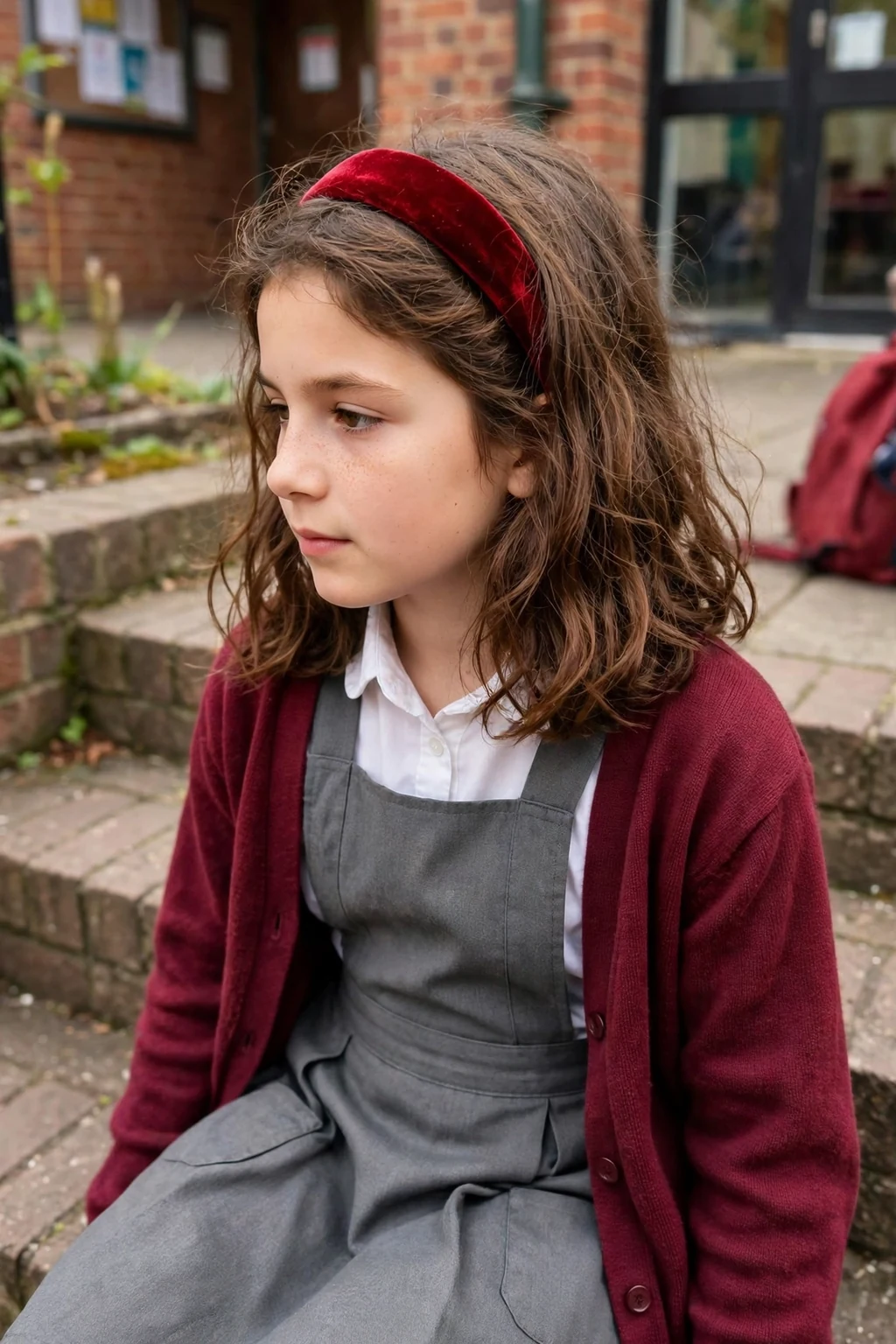
37. Chunky Twist Braids
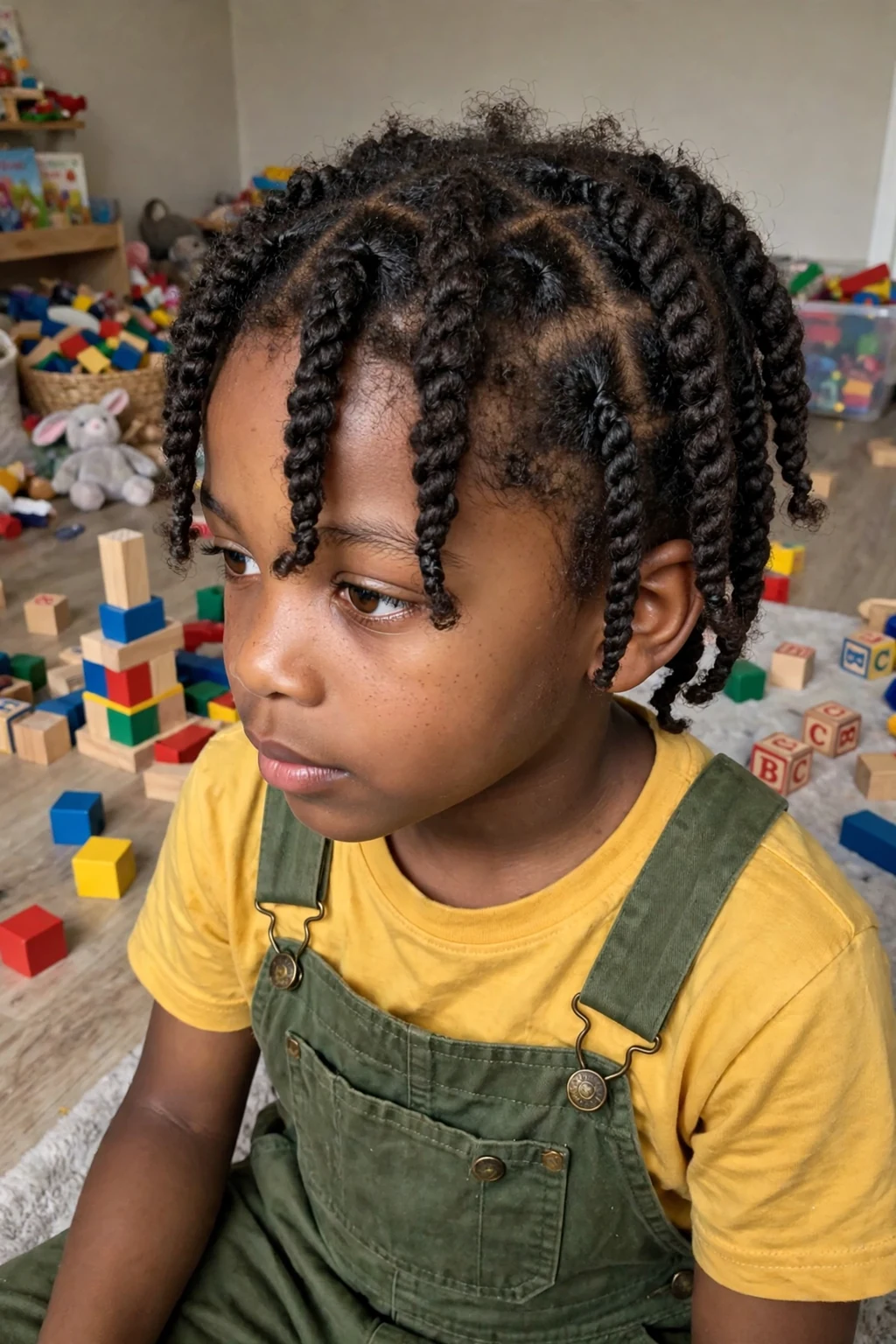
Chunky twist braids are big, bold two-strand twists that give curly and coily hair a neat, chunky texture with far less sitting-still time than tiny braids require. Because each twist is thick, a full head can be finished in under an hour, which is a blessing for younger children who wriggle, and the finished twists hang with a lovely weight and swing that looks great in motion. The style suits type 3 and type 4 hair best, and it works on short, medium, and long lengths, with the twists adding visible length to curls that usually spring up tight. It flatters every face shape, since the twists can be worn loose around the face, swept to one side, or gathered into a puff or ponytail for variety. As a protective style, it keeps the ends tucked away and the hair moisturised, which helps prevent breakage, and it is a wonderful everyday choice for school, sport, and family celebrations alike.
To create chunky twists, start with freshly washed, detangled, and moisturised hair, working in sections and applying a twisting butter or curl cream to each one. Divide each section into two equal strands, twist them around each other from root to tip, and secure the end by twirling it around a finger or adding a small elastic if the curl pattern does not hold on its own. Keep the partings neat but not too small, since the charm of the style is its chunkiness, and avoid pulling the twists too tightly at the hairline. The twists can be worn for one to two weeks with nightly protection from a satin bonnet or scarf, and they can be unravelled into a gorgeous twist-out when it is time for a change. Moisturise the scalp with a light oil every few days, and keep trims to every ten to twelve weeks so the ends stay healthy.
38. Pom-Pom Puff Ponytail
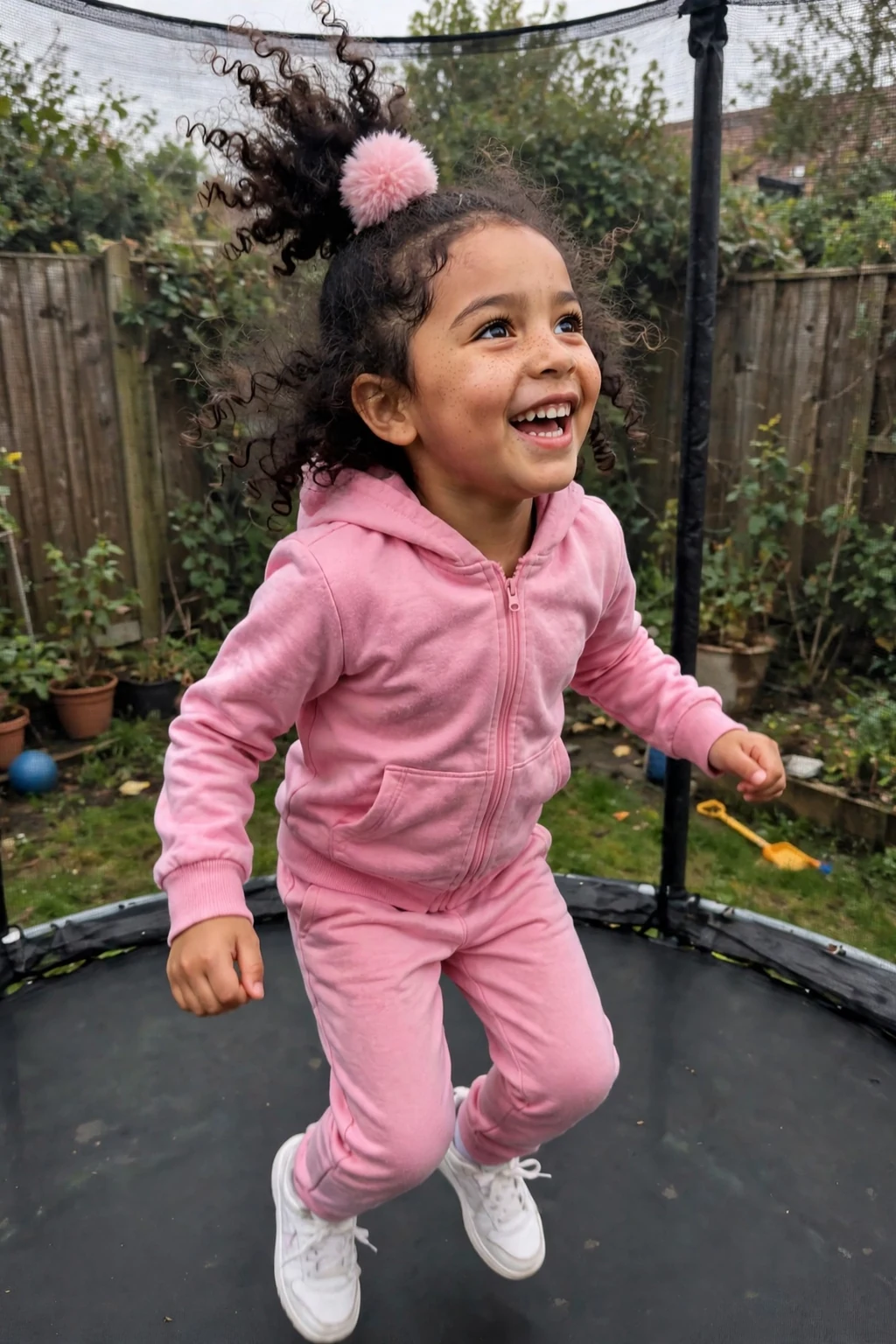
A pom-pom puff ponytail is pure playground joy, with a high, bouncy puff crowned by fluffy pom-pom hair ties that bob and bounce with every jump. The puff itself is a soft, rounded shape made from curly or coily hair gathered high on the head, and the pom-poms add a burst of colour and texture that makes the whole style feel like a celebration. It suits curly, coily, and wavy hair best, since the puff relies on natural volume, though straight hair can be backcombed lightly for a similar effect. The high placement flatters round and oval faces by adding height on top, and it keeps hair completely off the face and neck, which is ideal for trampolines, dance classes, and hot summer days. Younger children especially love this style, because the pom-poms feel like wearing a party on their head, and it is quick enough for even the busiest school mornings.
To create the look, gather the hair high on the crown with the head tipped slightly forward, smoothing the sides gently with a soft brush or the palms of the hands, and secure it with a strong, snag-free elastic. Fluff the puff with the fingers until it looks round and even, then slide pom-pom hair ties over the base of the puff, choosing colours that match the outfit or contrast with it for extra fun. A little edge-control gel smooths the hairline without making the style stiff, and a light mist of hairspray helps the puff hold its shape through active play. At night, cover the puff with a satin bonnet to keep it fresh for a second day, and refresh it with a spritz of water and leave-in conditioner. A trim every ten to twelve weeks keeps the curl ends healthy and the puff full. A spare pom-pom tie in a pocket means a lost one can be replaced quickly during a busy day.
39. Scalloped Edge Braids
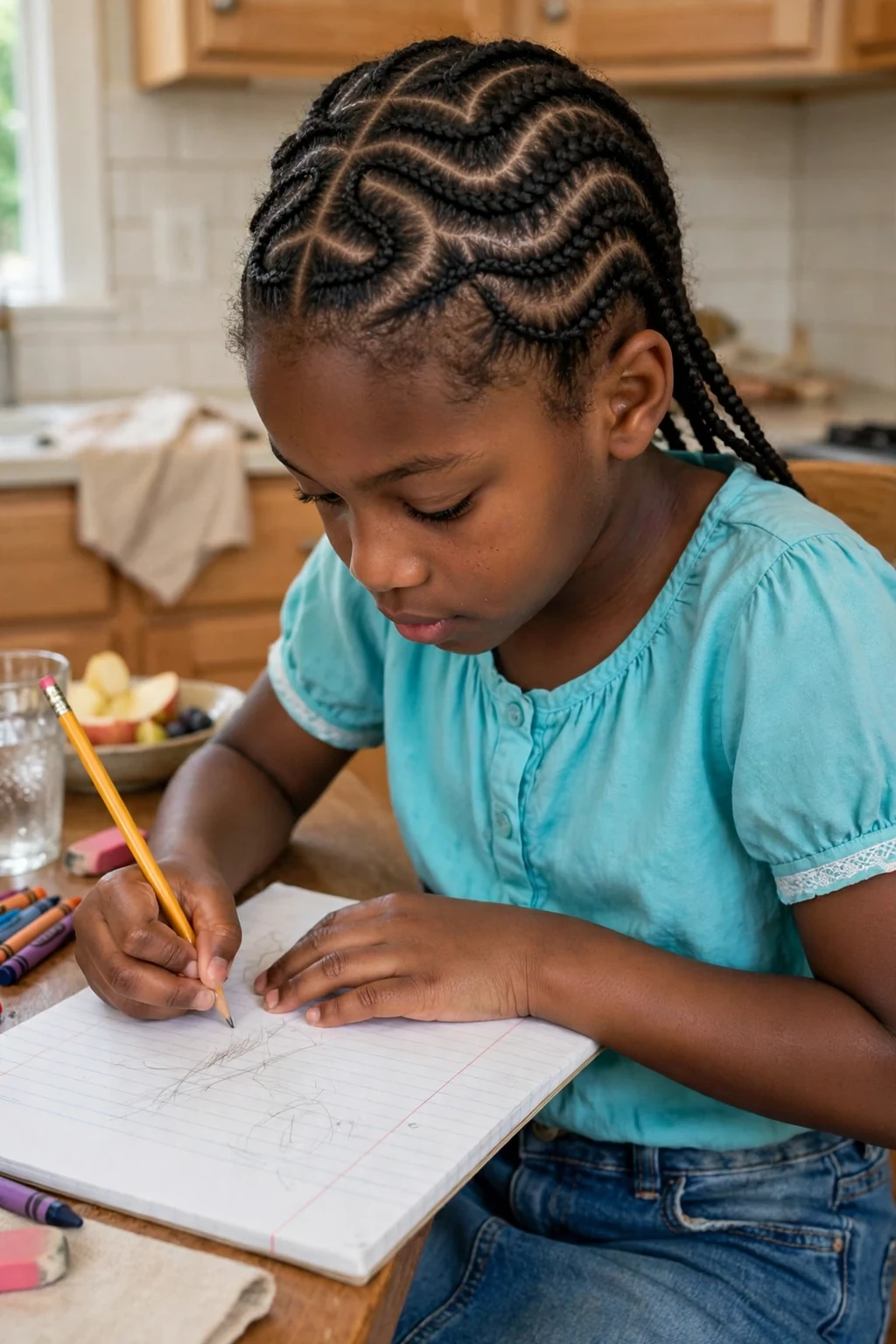
Scalloped edge braids are cornrows with an artistic twist, braided in smooth, curving lines that ripple across the scalp like waves or scallop shells. The curved partings are what make the style so eye-catching, turning a practical protective braid into a piece of wearable art that draws compliments wherever the child goes. The braids lie flat and neat against the head, so the style is wonderfully low-maintenance and stays tidy through school, sport, swimming lessons, and sleep, which is why parents love it as much as children do. It suits straight, wavy, and textured hair that can be braided close to the scalp, and it works on medium and long hair, with the braids finishing in loose plaits, curls, or a low bun. The curved lines flatter every face shape, since the waves soften the hairline and add graceful movement, and the style can be dressed up with beads or cuffs for parties and celebrations.
Creating scalloped braids takes patience and a steady hand, so it is best done by a confident braider or a stylist experienced with cornrows. The hair is parted into curved sections using the tail of a comb, with a little braiding gel applied along each part for a clean finish, and each section is cornrowed tightly but comfortably from the hairline to the nape. Keep the tension even and check in with the child throughout, since braids that are too tight can cause headaches and damage delicate edges. The braids can last one to two weeks with a satin scarf at night and a light scalp oil every few days, and they should be taken down as soon as the scalp feels itchy or the braids loosen. A trim every ten to twelve weeks keeps the ends strong for braiding. Never keep braids in for longer than recommended, since over-worn braids can weaken the hair and irritate the scalp.
40. Bow Bun
A bow bun is a delightful party style in which the hair itself is shaped into a big, soft bow on top of the head, like a present waiting to be opened. The bow is formed from a looped ponytail split into two loops with a centre wrap, and the result looks far more elaborate than the few minutes it actually takes, which makes it a favourite for birthdays, recitals, weddings, and fancy-dress days. It suits straight and wavy hair best, since smooth hair shows off the bow shape most clearly, though lightly textured hair can be smoothed with serum first. The high placement flatters oval, heart-shaped, and round faces, adding height and a sense of occasion, and the bow can be made large and dramatic or small and dainty depending on the child's age and the event. Children love the bow bun because it feels like wearing a hair accessory made entirely from their own hair, and it photographs beautifully from every angle.
To create a bow bun, gather the hair into a high ponytail and secure it with a strong elastic, then pull the ponytail only halfway through the elastic on the final wrap to form a loop. Split the loop into two equal halves, fan each half out into a bow shape, and pin each side securely with bobby pins hidden underneath. Take the remaining tail of hair, wrap it around the centre of the bow to form the knot, and pin it underneath at the back. Smooth any flyaways with a little gel or hairspray, and add a small clip at the centre for extra sparkle if desired. The bow bun holds well for a full day of celebrations on most hair types, and it comes down easily at bedtime with gentle detangling. A regular trim every eight to ten weeks keeps the hair smooth enough to shape. A tiny decorative pin at the centre of the bow adds sparkle for weddings and other formal celebrations.
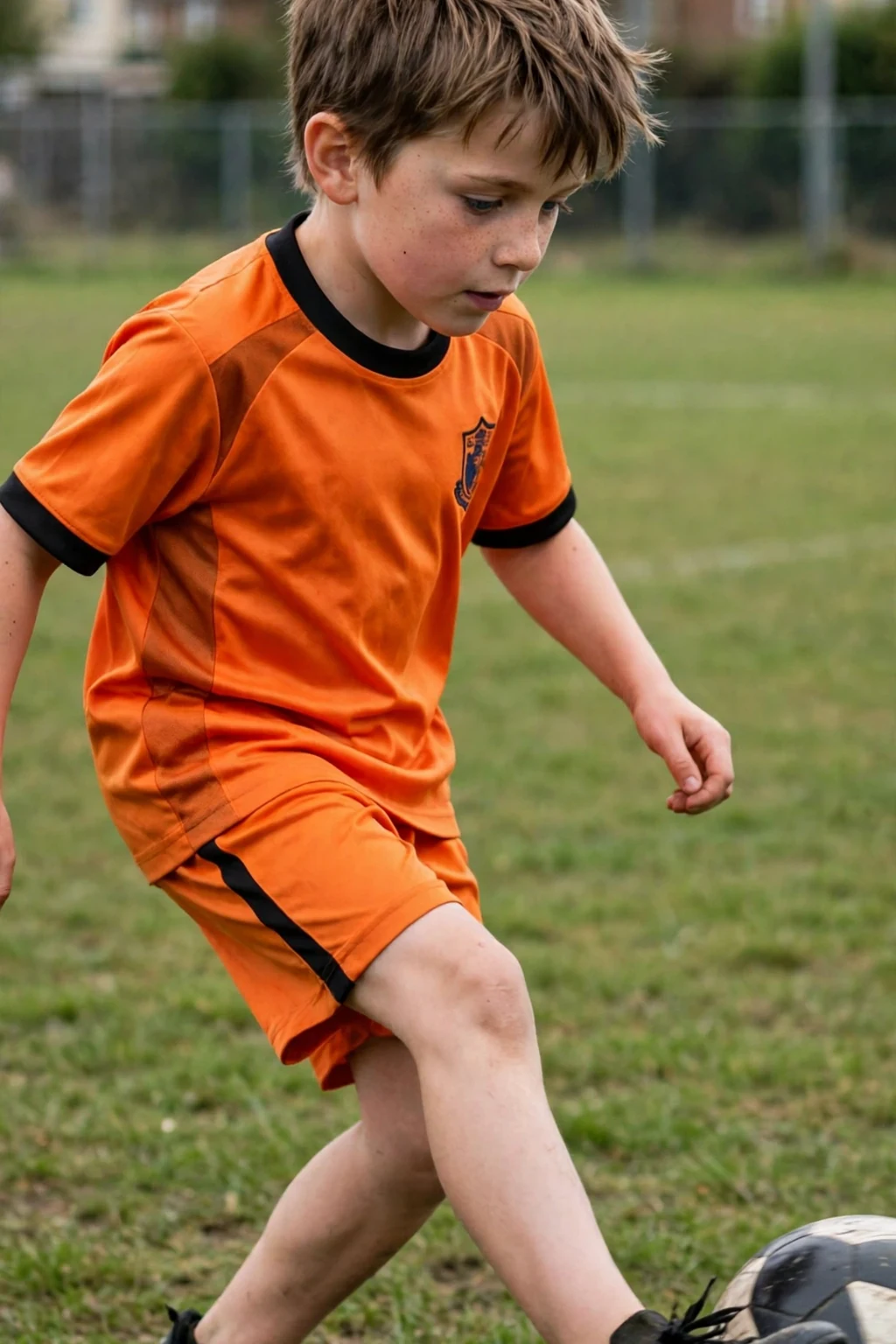
41. Feathered Pixie Cut
A feathered pixie cut is a short, textured style with soft, layered ends that flick outwards like feathers, giving short hair movement and personality without any fuss. The cut is layered all over, with longer pieces on top that can be swept forwards, to the side, or tousled up, and shorter, tapered sides and back that keep the shape neat. It is a brilliant choice for active children who hate hair in their eyes during sport, and it suits straight, wavy, and fine hair especially well, since the feathered layers create the illusion of extra thickness. The style flatters oval, heart-shaped, and square faces, because the soft layers around the forehead balance stronger features, and it is wonderfully low-maintenance, needing little more than a quick tousle in the morning. Boys and girls who prefer a cool, confident short style often choose the feathered pixie over a plain crop, since it looks stylish while still being completely practical.
Styling a feathered pixie takes only a minute or two, starting with damp hair and a pea-sized amount of lightweight styling cream or mousse worked through the top layers. Tousle the layers with the fingers to encourage the feathered texture, and let the hair air-dry or use a hairdryer on a low setting while lifting the roots for extra volume. A little texture spray adds definition on days when the layers fall flat, and a small amount of pomade can shape a side sweep for smarter occasions. The cut grows out gracefully, with the layers simply getting longer and softer, but it needs a trim every four to six weeks to keep the feathered shape crisp and the neckline tidy. Washing is quick and easy, and the style needs no heat tools, which keeps young hair healthy. A quick blast of cool air from the hairdryer helps set the feathered layers in place for the whole day.
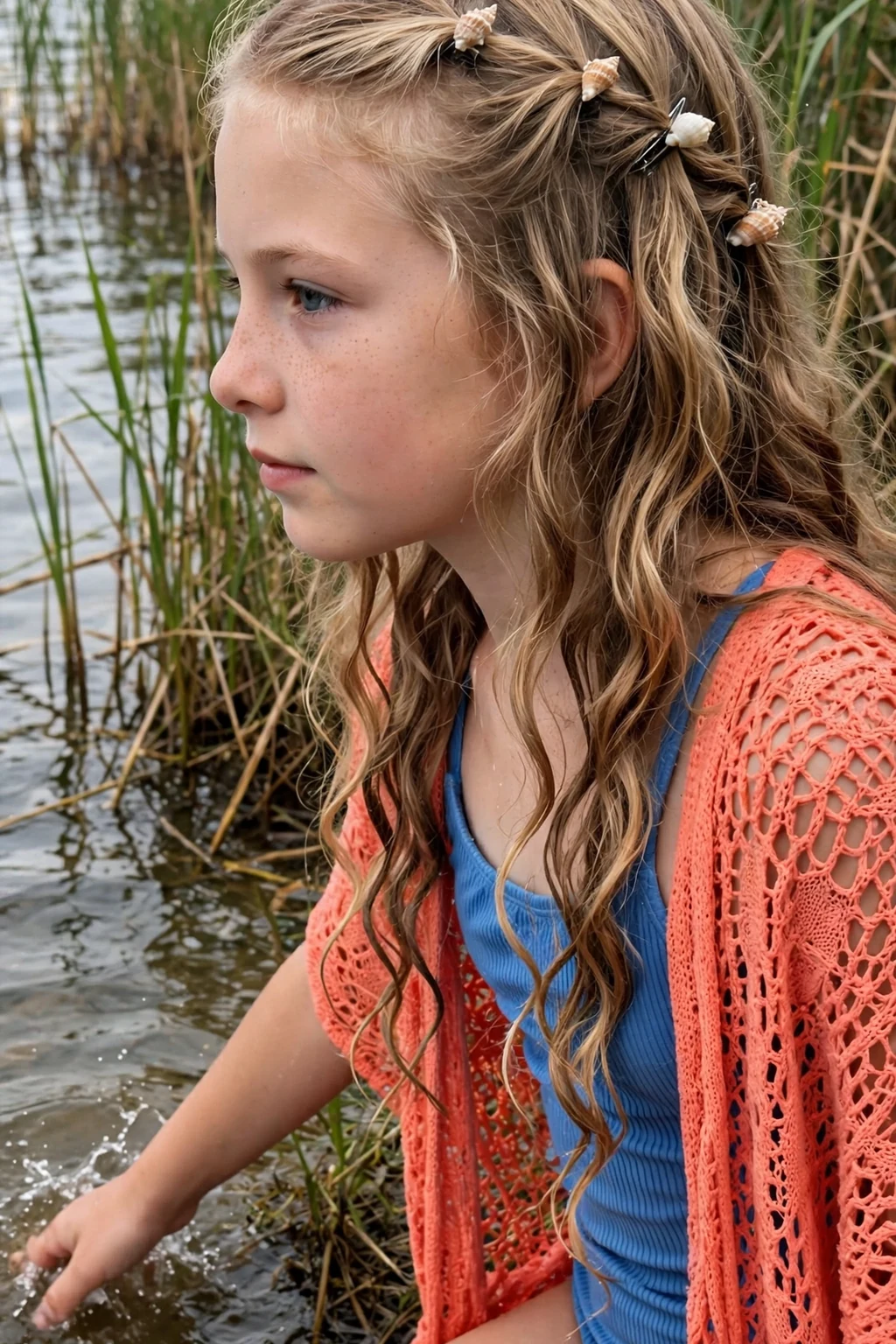
42. Mermaid Waves with Shell Clips
Mermaid waves with shell clips are long, loose waves that ripple like water, finished with tiny seashell clips that give the whole style a seaside, storybook feel. The waves are soft and unstructured rather than tight curls, falling past the shoulders with a beachy texture that looks as if it has been shaped by salt water and sunshine. The style suits medium and long hair in any texture, since waves can be created with braids overnight, a wide-barrel curler on older children, or simply by scrunching damp hair with sea-salt spray. It flatters every face shape, because the long waves frame the face and soften the jawline, and it is a dreamy choice for summer holidays, beach parties, swimming galas, and mermaid-themed birthdays. Children love the shell clips, which can be collected on real beach trips and added to the hair as treasured souvenirs. The shell clips can also be swapped for starfish or pearl clips for a different seaside theme.
To create mermaid waves without heat, braid damp hair into two or three loose braids before bed and unravel them in the morning, gently separating the waves with the fingers and scrunching in a little wave cream. For a quicker finish, a wide-barrel curling wand can be used on older children with heat protectant spray, keeping the curls loose and brushing them out softly for a wavy effect. Place small shell clips along one side of the parting or scattered through the waves, making sure they are lightweight and secure so they do not slip during play. A mist of sea-salt spray adds beachy texture, while a light hairspray keeps the waves from falling flat in humidity. The waves last a day or two with gentle brushing, and a trim every eight to ten weeks keeps the ends healthy enough to wave beautifully. A wide-tooth comb is the best tool for detangling waves gently without breaking the wave pattern.
43. Twisted Pigtail Buns
Twisted pigtail buns are two low, neat buns made from twisted pigtails, giving a sweet, old-fashioned look that is both tidy and full of charm. Each side of the hair is twisted from the parting down to the nape, then coiled into a small bun and pinned in place, so the finished style is secure, symmetrical, and completely out of the way. It suits straight, wavy, and lightly textured hair at medium and long lengths, and it is a wonderful choice for school, ballet class, family gatherings, and days out, since it survives hours of play without coming loose. The low placement flatters round and oval faces, because the buns sit below the ears and balance the shape of the head, and the twisted texture adds interest that plain buns lack. Younger children love the style because it feels special without being fussy, and parents love it because it takes only a few minutes.
To create twisted pigtail buns, part the hair down the middle and divide each side into a low ponytail at the nape, securing each one with an elastic. Twist each ponytail tightly from base to tip, then wrap it around its own base into a bun shape, tucking the ends underneath and pinning securely with bobby pins. Smooth the parting and hairline with a little gel or styling cream, and add small bows or ribbons at the base of each bun for a pretty finish. The buns hold all day on most hair types, and they can be slept in loosely for soft twisted waves the next morning. Take the buns down gently and detangle from the ends upwards to avoid breakage, and keep up a regular trim every eight to ten weeks so the twists stay neat. Small velvet bows at the base of each bun give the style an extra-special finish for weddings and recitals.
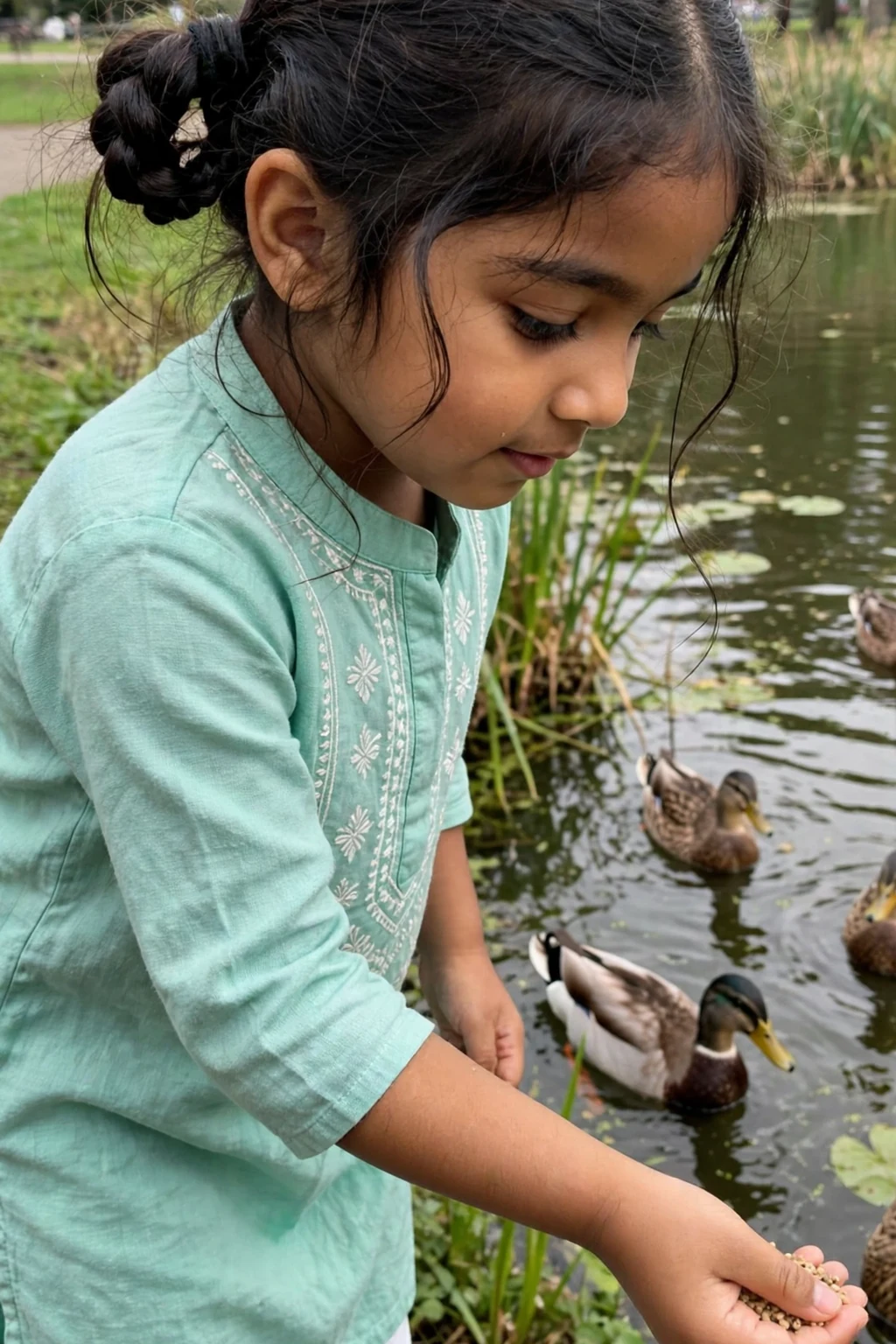
44. Cotton Candy Pink Dip-Dye Ends
Cotton candy pink dip-dye ends give long hair a sweet, dreamy finish, with the lower lengths dipped in soft pink while the roots stay natural. The colour fades gradually from the natural shade into pink, like candyfloss melting, so the effect is playful rather than harsh, and it suits children who want to experiment with colour without committing to a full head of dye. It works best on light to medium brown and blonde hair, where pastel pink shows up clearly, though darker hair can be lightened slightly first or given a brighter pink for a bolder result. The style flatters every face shape, since the colour draws the eye downwards and makes long hair the star, and it is perfect for summer holidays, festivals, and birthday seasons. Using temporary or semi-permanent colour means the pink washes out over a few weeks, so it is a low-commitment way to try something fun.
Dip-dye colour should always be applied by an adult or a stylist, using a gentle semi-permanent or temporary colour that is safe for young hair and washes out gradually. The colour is painted onto the lower third of the hair, blended upwards with a comb so there is no harsh line, and left to develop according to the product instructions before rinsing with cool water. Wash the hair with a sulphate-free shampoo and cool water to make the pink last longer, and avoid daily washing, which fades pastel colour quickly. The pink will soften to a pretty blush over two to four weeks, and it can be topped up or left to wash out completely. Because only the ends are coloured, a regular trim every eight to ten weeks removes any dryness and keeps the dip-dye line fresh. A deep-conditioning treatment once a month keeps coloured ends soft, especially after repeated colour applications.
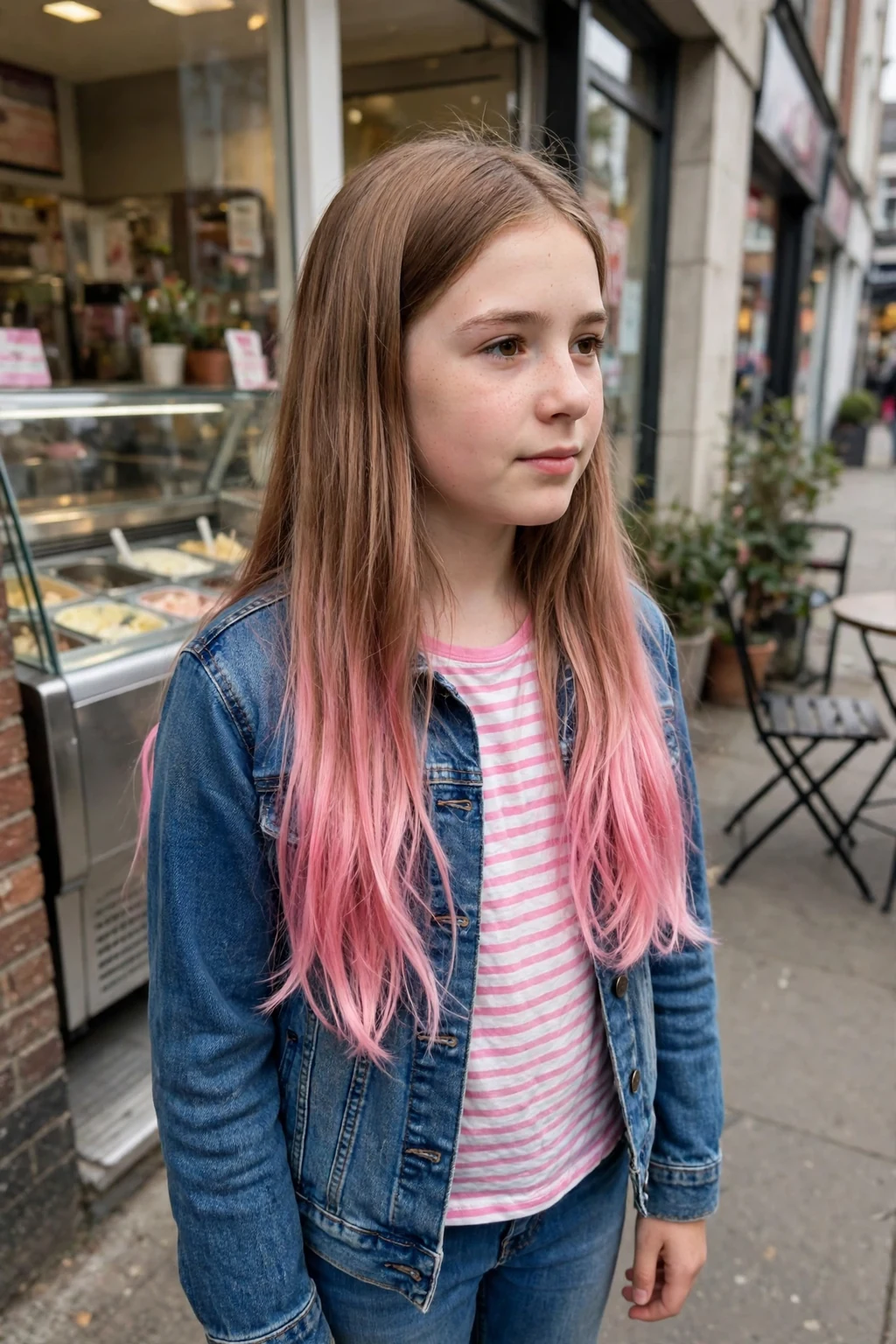
45. Sporty Braided Headband
A sporty braided headband is a clever style in which a small braid is woven across the front of the head like a headband, keeping hair off the face while the rest of the hair stays loose. The braid acts as a natural hairband that never slips, which makes it ideal for tennis, running, gymnastics, dance, and any activity where a regular headband would slide off or snap. It suits medium and long hair in any texture, since the front sections can be braided even if the rest of the hair is fine or layered, and it flatters round, oval, and heart-shaped faces by opening up the forehead and framing the eyes. The style looks sporty and neat from the front and pretty and relaxed from the back, especially when the loose hair is left wavy or lightly curled. It is also a brilliant solution for growing-out fringes, since the braid sweeps the fringe neatly to one side.
To create a braided headband, take a section of hair from behind one ear and braid it across the top of the head towards the other ear, following the hairline like a band. Secure the end behind the opposite ear with a bobby pin hidden underneath the loose hair, and gently pull the braid wider for a fuller, softer look. The rest of the hair can be left loose, tied in a ponytail, or braided for extra sportiness, depending on the activity. A little styling gel along the hairline keeps flyaways smooth, and a light hairspray helps the braid hold through a full match or practice. The braid comes down easily at the end of the day, and the style needs only a regular trim every eight to ten weeks to keep the front sections long enough to braid. The braid also works beautifully under a sports cap or a sun hat, keeping the fringe neatly in place.
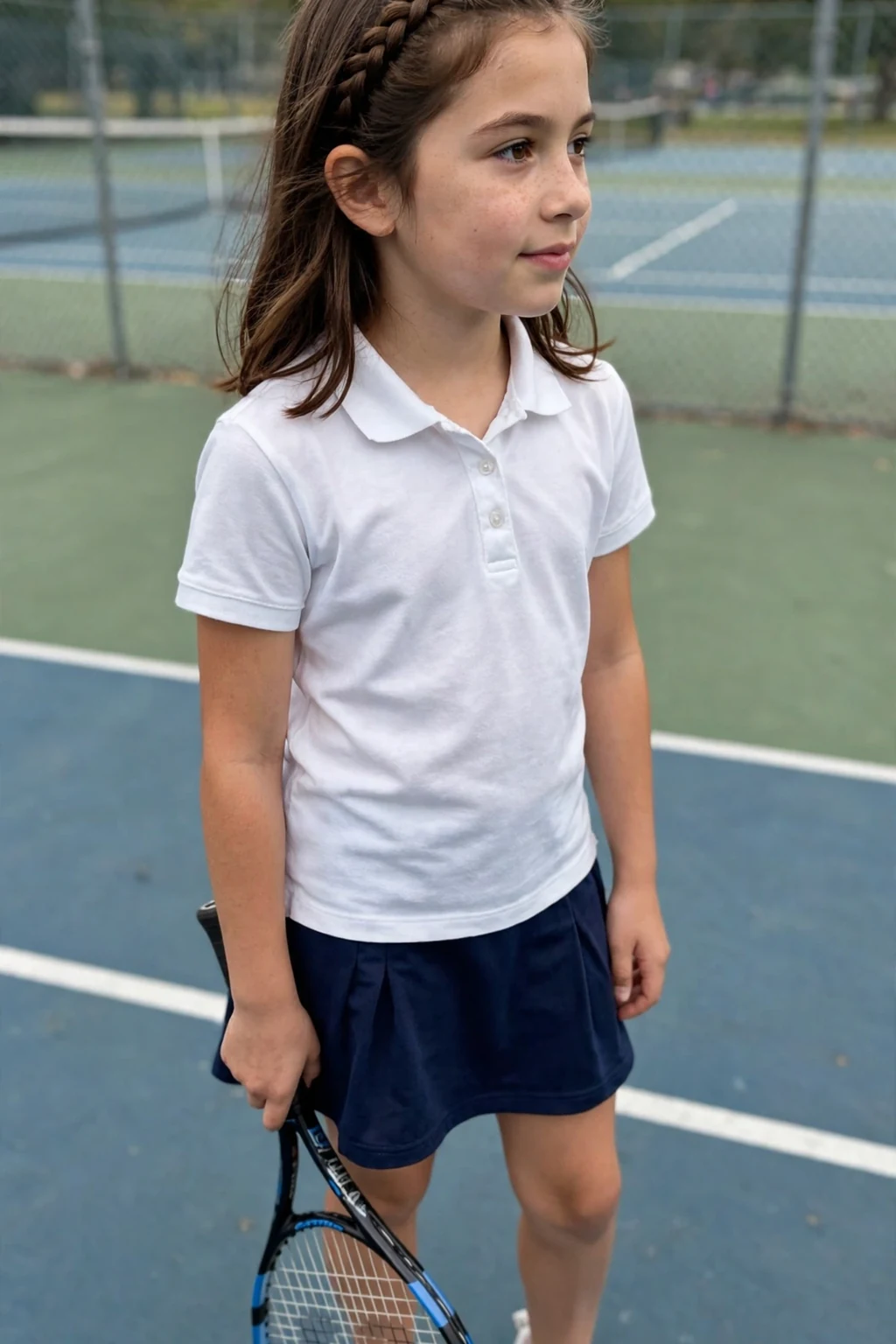
46. Fluffy Cloud Curls
Fluffy cloud curls are soft, voluminous curls picked out into a big, rounded shape that looks like a fluffy cloud around the head, celebrating natural texture at its fullest. The style is all about volume and softness, with curls gently separated and lifted so they form a halo of bounce rather than tight, defined ringlets. It suits curly and coily hair of almost any length, and it flatters round, oval, and square faces, since the rounded shape balances the face and adds joyful height. Children with big curls often have their hair pulled back or smoothed down, so the fluffy cloud is a wonderful confidence-boosting choice that lets their natural texture take centre stage. It is perfect for everyday wear, school photos, and celebrations, and it looks especially beautiful with a colourful outfit that matches its playful energy. The cloud shape also looks wonderful with a bright headband or a pair of colourful clips for parties.
To create fluffy cloud curls, wash and condition the hair, then apply a leave-in conditioner and a light curl cream while the hair is damp, scrunching gently to encourage the curl pattern. Let the hair dry naturally or with a diffuser on a low heat setting, then use a wide-tooth comb or an afro pick to lift the roots and separate the curls very gently, working from the ends towards the roots. Avoid over-picking, since too much separation turns curls into frizz, and finish with a light oil on the ends for shine. Refresh the shape between washes with a spritz of water and leave-in conditioner, scrunching the curls back into place. At night, protect the curls with a satin bonnet or a loose pineapple, and keep trims to every ten to twelve weeks so the cloud keeps its rounded shape. A silk pillowcase is another gentle way to protect curls overnight and reduce morning frizz.
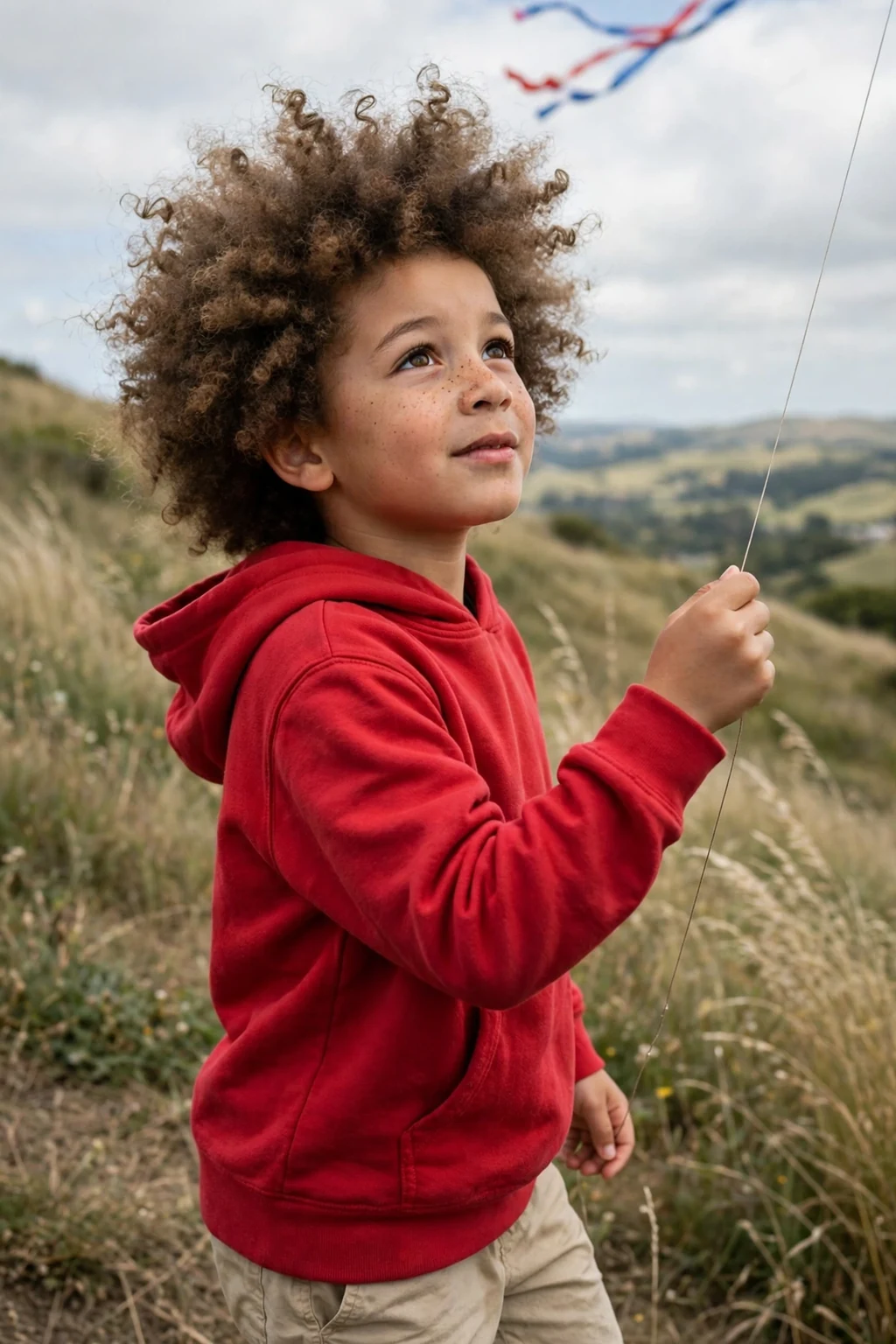
47. Side Ponytail with Butterfly Clips
A side ponytail with butterfly clips is a sweet, garden-party style that sweeps the hair over one shoulder and decorates it with fluttering butterfly clips. The low side placement gives the ponytail a relaxed, romantic feel that is quite different from a high, sporty ponytail, and the butterfly clips add colour and movement, as if real butterflies had landed in the hair. It suits straight, wavy, and lightly curled hair at medium and long lengths, and it flatters every face shape, since the diagonal sweep across the neck softens the jawline and draws attention to the eyes. The style is perfect for spring parties, flower festivals, school fairs, and family photographs, and it is simple enough for children to help create themselves, choosing their favourite butterfly colours. It also works beautifully as a quick after-school transformation, turning plain daytime hair into party hair in under five minutes. The butterflies can be chosen to match a dress, a party theme, or simply the child's favourite colours.
To create the look, brush the hair smoothly to one side and gather it into a low ponytail just behind the ear, securing it with a soft elastic that matches the hair colour. Smooth the top with a little serum or styling cream, then place butterfly clips along the ponytail and around the face, spacing them evenly so they look scattered rather than lined up. For extra hold on fine or slippery hair, add a hidden bobby pin beneath each clip, and finish with a light mist of hairspray to keep the ponytail smooth. The ponytail can be curled lightly at the ends for a dressier finish, or left straight for a simpler daytime look. Take the clips out gently at bedtime to avoid snagging, and keep up a regular trim every eight to ten weeks so the ponytail ends stay healthy. A light curl at the ends with braids overnight gives the ponytail extra bounce for special occasions.
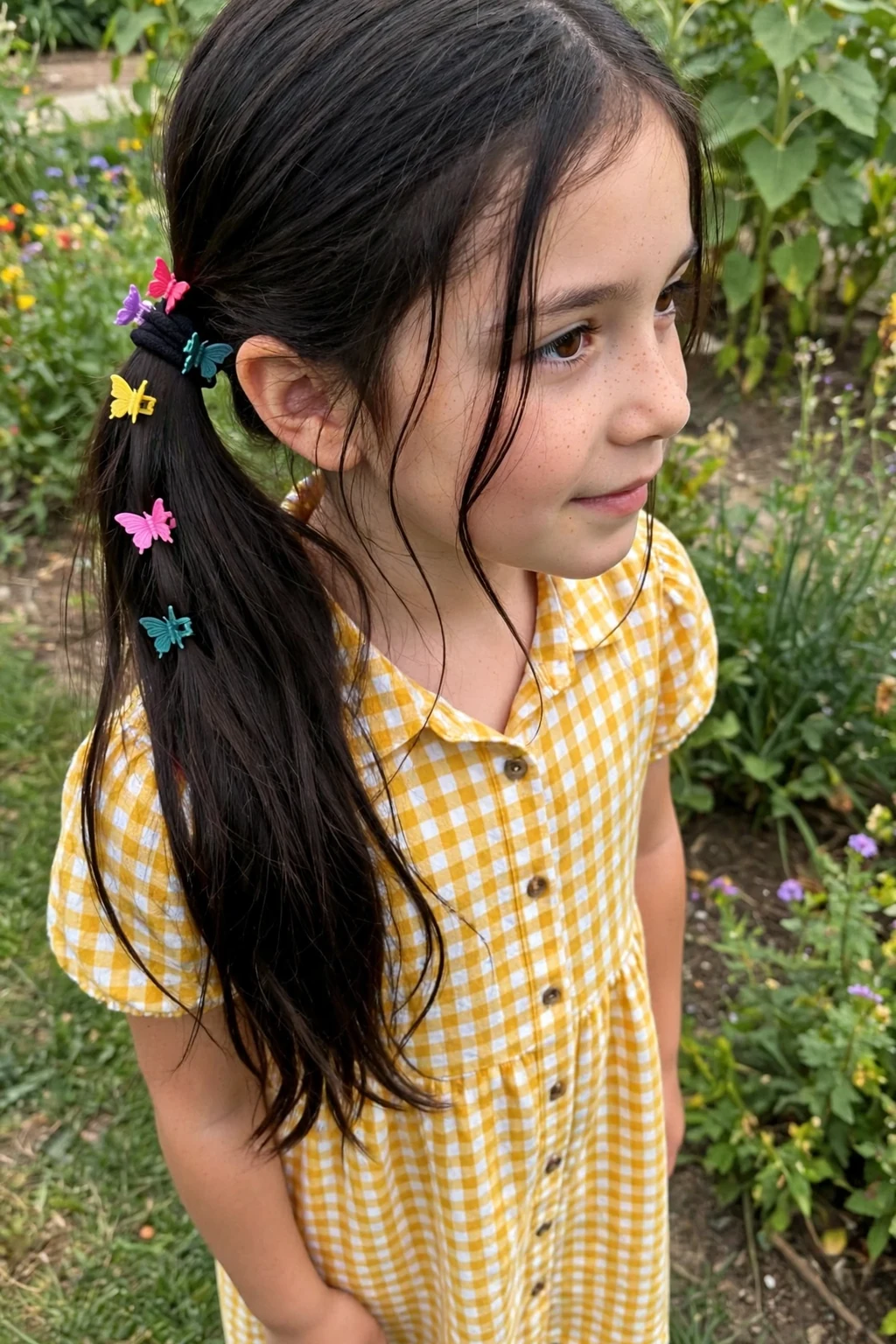
48. Curly Mohawk Puffs
Curly mohawk puffs are a bold, playful style in which curly hair is gathered into a row of puffs running down the centre of the head, like a soft, curly mohawk. The sides are kept short or braided flat, which makes the central puffs stand out even more, and the finished look is full of attitude while still being completely child-friendly. It suits curly and coily hair best, since the puffs rely on natural curl volume, and it works on short and medium lengths, with smaller puffs for younger children and larger ones for older children who want a bigger statement. The style flatters round and oval faces, because the height down the centre lengthens the face, and it is a brilliant choice for children who love to stand out at parties, performances, and photo days. It is also surprisingly practical, since the puffs keep curls off the face and neck during play.
To create curly mohawk puffs, part the hair into a central strip from the forehead to the nape, keeping the side sections flat with small braids or smooth gel. Divide the central strip into three or four equal sections, depending on the length of the head, and gather each section into a puff with a small elastic, fluffing each puff with the fingers until it looks round and even. A little curl cream on each section defines the curls and prevents frizz, while edge-control gel smooths the sides for a neat finish. The puffs can be decorated with small beads or colourful elastics for parties, and they hold well for a full day of play. At night, cover the puffs with a satin bonnet to keep them fresh, and keep trims to every ten to twelve weeks so the curl shape stays bouncy. Colourful beads threaded onto the ends of the puffs add extra fun for birthdays and celebrations.
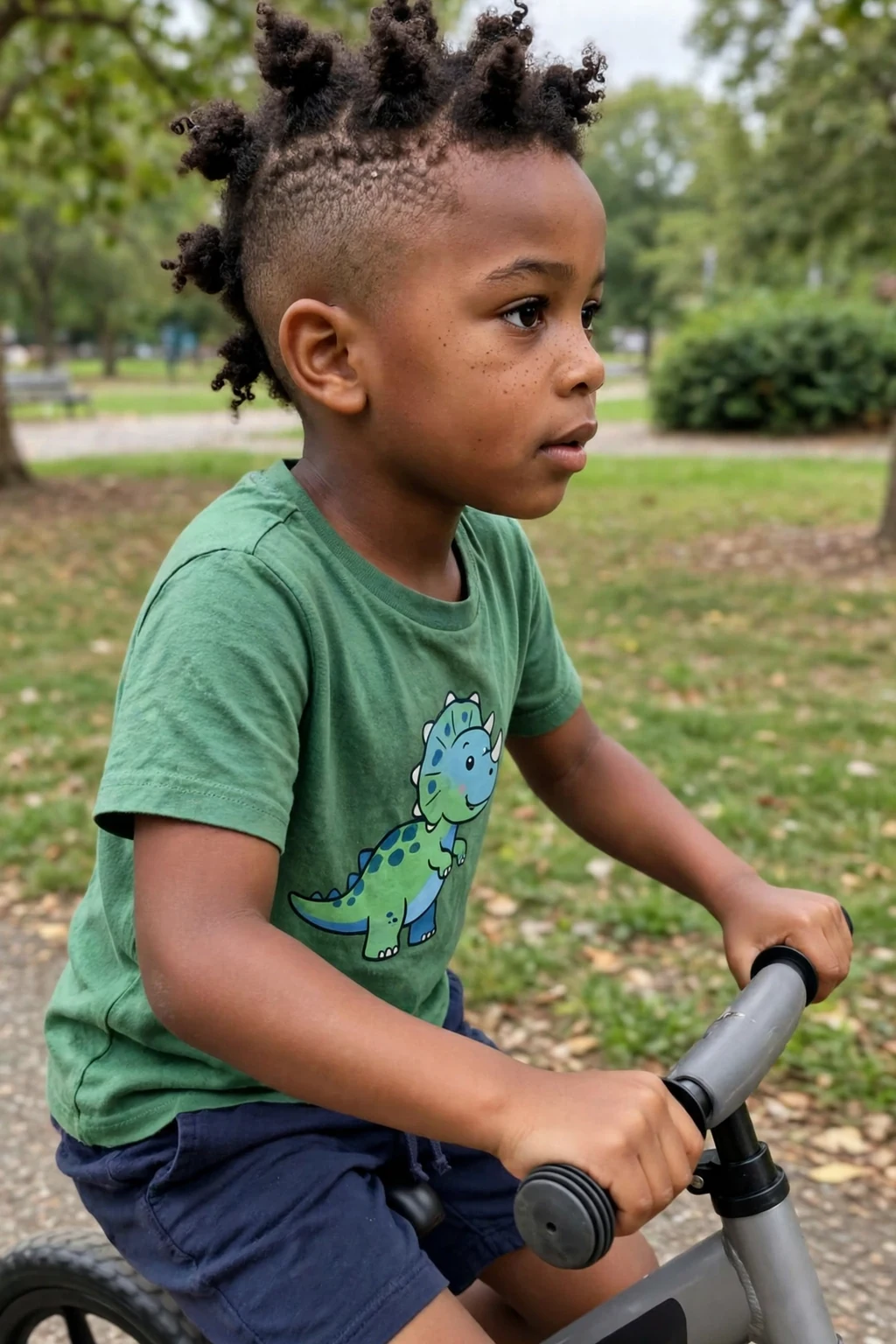
49. Ribbon-Wrapped French Braid
A ribbon-wrapped French braid is a single, elegant plait with a satin ribbon wound around it from top to tip, giving a classic braid a polished, storybook finish. The ribbon weaves in and out of the braid as it spirals downwards, adding a stripe of colour that catches the eye and makes the braid look far more intricate than it really is. It suits medium and long hair in any texture, since French braiding works on straight, wavy, and lightly textured hair alike, and it flatters every face shape, because the braid can be worn over one shoulder or straight down the back. The style is perfect for weddings, recitals, school concerts, and festive occasions, when a touch of elegance feels right, and it is also practical enough for school, since the braid keeps hair tidy all day. Children love choosing the ribbon colour to match their outfit, whether that means classic satin red, soft pastel pink, or a bold jewel tone.
To create the look, French braid the hair from the crown downwards, keeping the tension even and the braid slightly loose for a softer finish. When the braid reaches the nape, continue as a regular plait and secure the end with a small elastic, then wind a long satin ribbon around the braid in a spiral, tucking it under the strands as you go and tying it in a bow at the end. Keep the ribbon snug but not so tight that it distorts the braid, and finish with a light mist of hairspray to hold flyaways in place. The ribbon can be reused many times, and the braid can be slept in loosely for soft waves the next day. A regular trim every eight to ten weeks keeps the braid ends neat and the ribbon wrapping smooth. A small flower tucked behind the ear completes the storybook look for weddings and spring festivals.
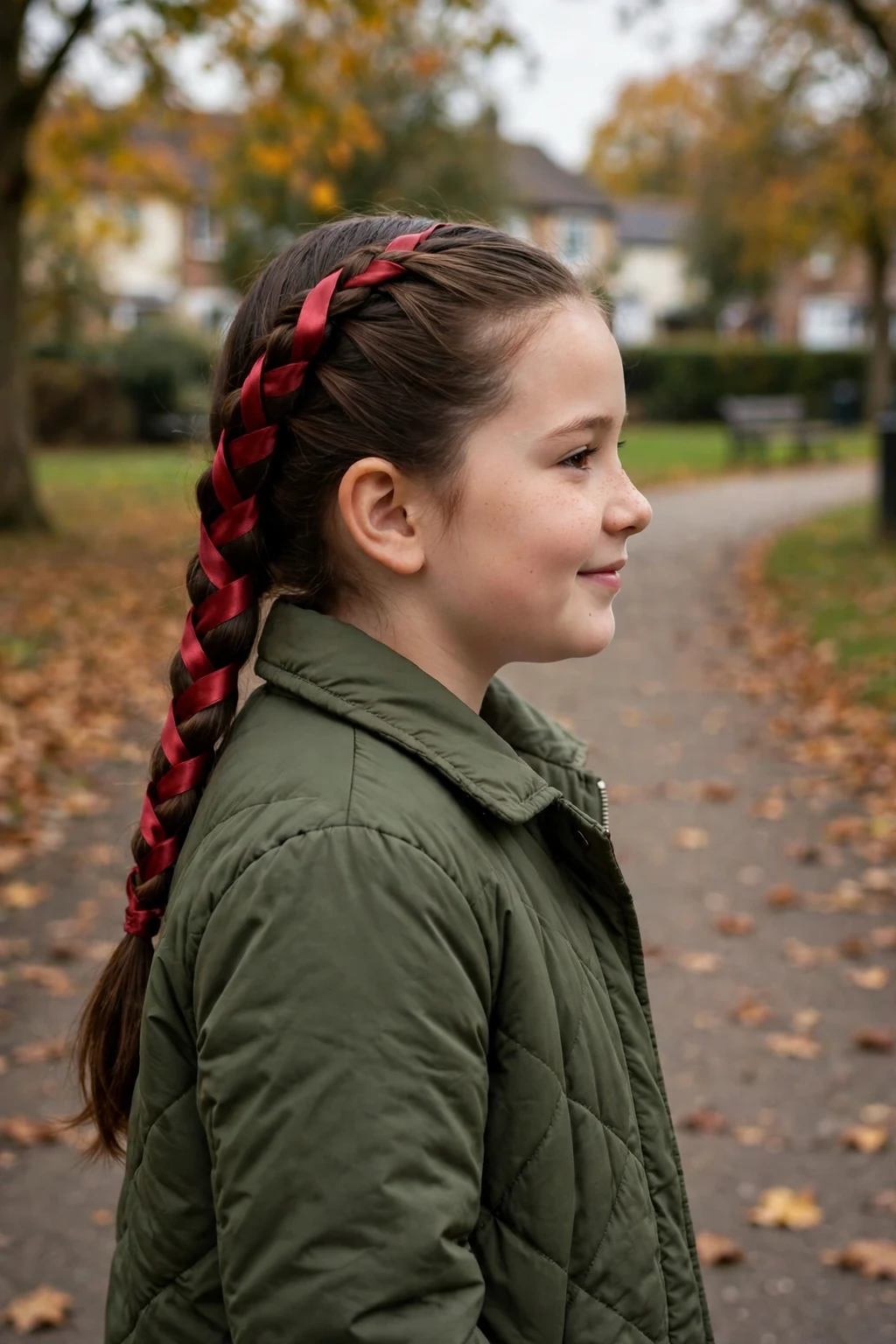
50. Short Shag with Choppy Fringe
A short shag with a choppy fringe is a cool, tousled cut with layers of different lengths and a piecey fringe that falls across the forehead in separated, textured pieces. The shag layers give the hair movement and a slightly rock-and-roll edge, while the choppy fringe keeps the style playful and prevents it from looking too neat or grown-up. It suits straight, wavy, and thick hair best, since the layers need some natural body to show their texture, and it is a brilliant choice for energetic children who want a stylish cut that still survives skateboarding, football, and playground games. The style flatters oval, heart-shaped, and square faces, because the fringe softens the forehead and the layers frame the cheeks, and it is wonderfully low-maintenance, needing little more than a quick tousle in the morning. It is also a great growing-out cut, since the layers simply get longer and softer between appointments.
Styling a short shag takes only a minute, starting with damp hair and a small amount of texture cream or sea-salt spray worked through the layers with the fingers. Tousle the hair roughly to encourage the choppy texture, and let it air-dry for the most natural finish, or use a hairdryer on a low setting while scrunching the layers. A tiny amount of pomade or wax can define the fringe pieces on smarter days, but avoid heavy products, which weigh the layers down and make the shag look flat. The cut needs a trim every five to seven weeks to keep the layers and fringe at their best, since a shag loses its shape quickly as it grows. Washing is quick, no heat tools are needed, and the style looks even better slightly messy, which suits busy children perfectly. The fringe can be swept to one side on smarter days, giving the shag a tidier, more polished finish.
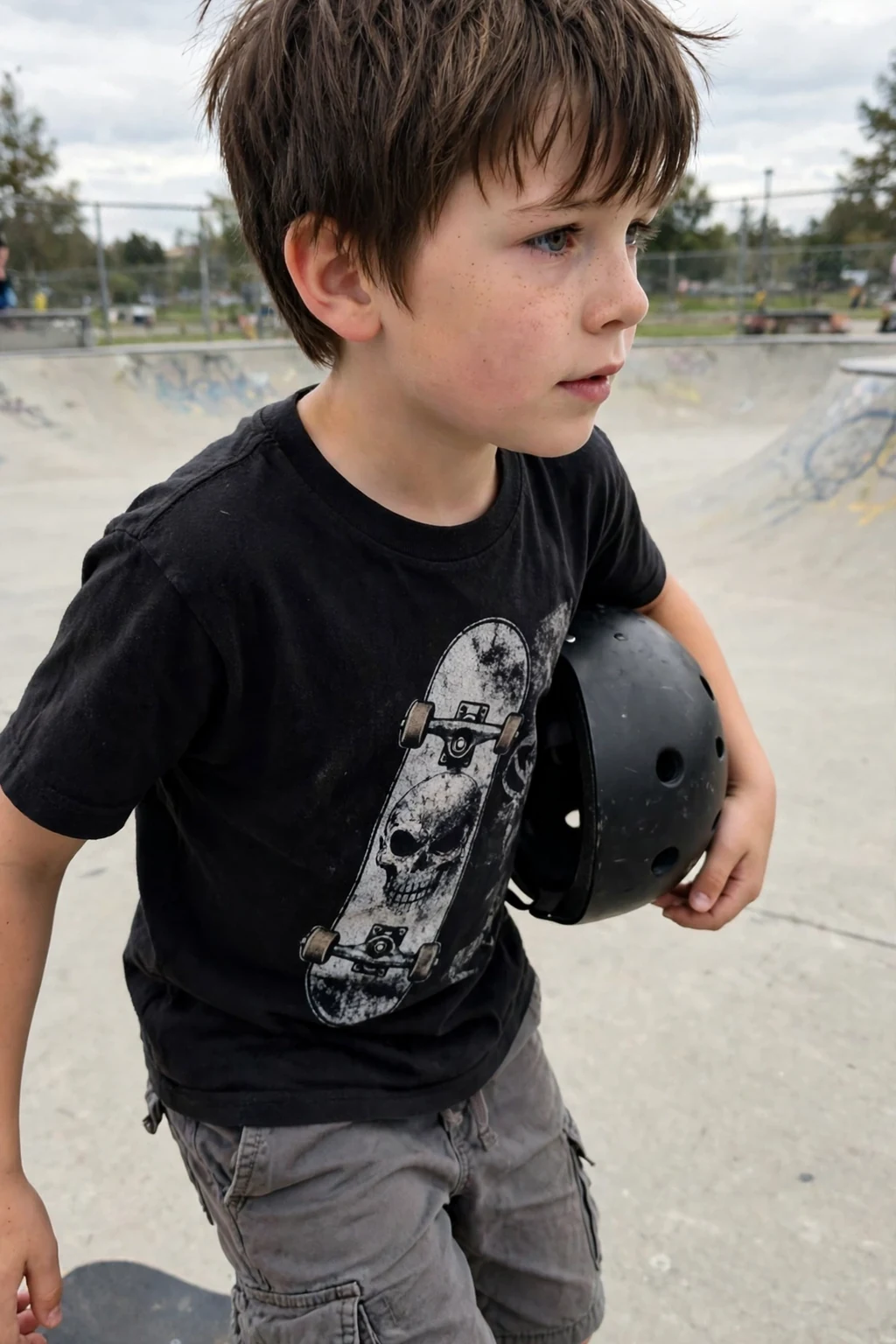
51. Two-Tone Split-Colour Bob
A two-tone split-colour bob is a chin-length bob coloured in two different shades, one on each side of the parting, for a bold, artistic look that turns heads. The split colour creates a striking contrast, whether the shades are pastel lavender and mint, pink and blue, or black and blonde, and the bob length keeps the style neat and wearable despite the daring colour. It suits straight and wavy hair best, since smooth hair shows off the colour divide most clearly, and it flatters oval, heart-shaped, and round faces, because the bob frames the jaw while the colour draws attention to the eyes. Older children and pre-teens love this style for festivals, holidays, and self-expression, and it is a wonderful way to experiment with colour without dyeing long lengths of hair. Temporary or semi-permanent colour keeps the commitment low, so the shades can change with the seasons or wash out completely.
Split colour should always be applied by an adult or a stylist, using gentle semi-permanent or temporary colours that are safe for young hair. The hair is parted down the middle, each side is coloured separately with careful application along the parting to keep the line crisp, and the colour is left to develop before rinsing each side separately with cool water. Wash the bob with a sulphate-free shampoo and cool water to slow fading, and avoid daily washing, which strips pastel colour quickly. The shades will soften over two to four weeks, and they can be topped up or allowed to fade out naturally. Because the bob is short, colour damage is limited, and a trim every six to eight weeks keeps the shape sharp and removes any dry ends. Rinse with cool water and a colour-safe conditioner after every wash to keep the split line crisp and bright.
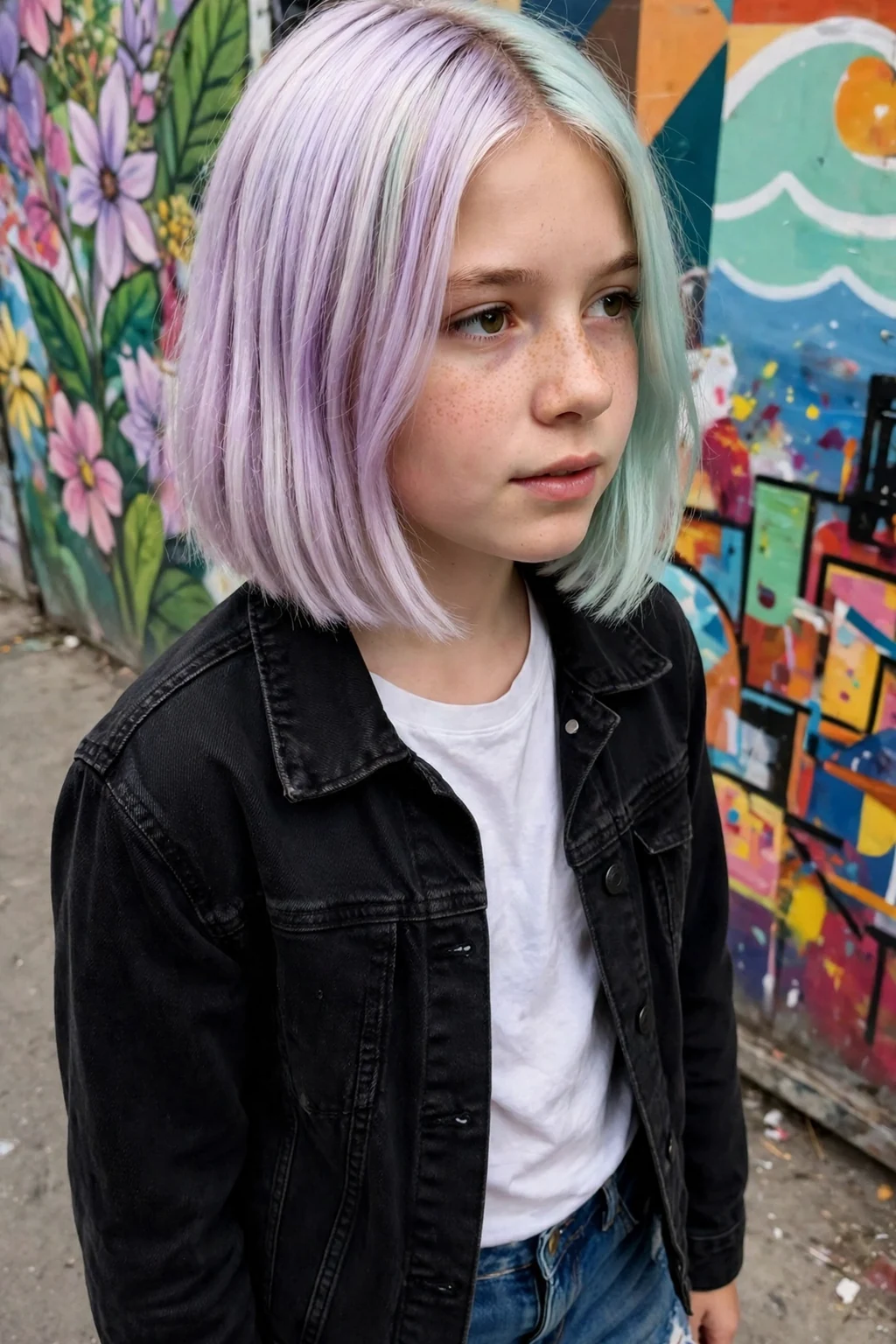
52. Faux Locs with Colourful Wraps
Faux locs with colourful wraps are lightweight, rope-like locs created by wrapping hair or extensions around natural hair, then decorated with bright threads and small gold cuffs. The locs hang with a lovely weight and swing, and the colourful wraps add pops of colour that make the style feel festive and personal, like wearable art. The style suits curly, coily, and textured hair best, since the natural texture helps the wraps grip, and it works on medium and long hair, with the locs falling past the shoulders for a dramatic effect. It flatters every face shape, because the locs can be worn loose around the face, swept to one side, or gathered into a high ponytail or bun for variety. As a protective style, faux locs keep the natural hair tucked away and moisturised, which helps prevent breakage, and they are a wonderful choice for holidays, celebrations, and cultural events.
Faux locs are best installed by a stylist experienced with protective styles, since the wrapping technique takes time and skill to get right. The natural hair is sectioned and braided at the root, then wrapping hair is wound around each braid from root to tip, with colourful threads wrapped around selected locs and cuffs slid onto others for decoration. Keep the locs lightweight and the roots comfortable, since heavy locs can strain the scalp, especially on younger children. The locs can be worn for two to four weeks with a satin scarf at night and a light scalp oil every few days, and they should be taken down gently, unravelling each loc carefully to avoid tangling. Moisturise the natural hair well after removal, and keep trims to every ten to twelve weeks so the ends stay strong. A colourful scarf tied around the locs at night keeps them neat and protects them while sleeping.
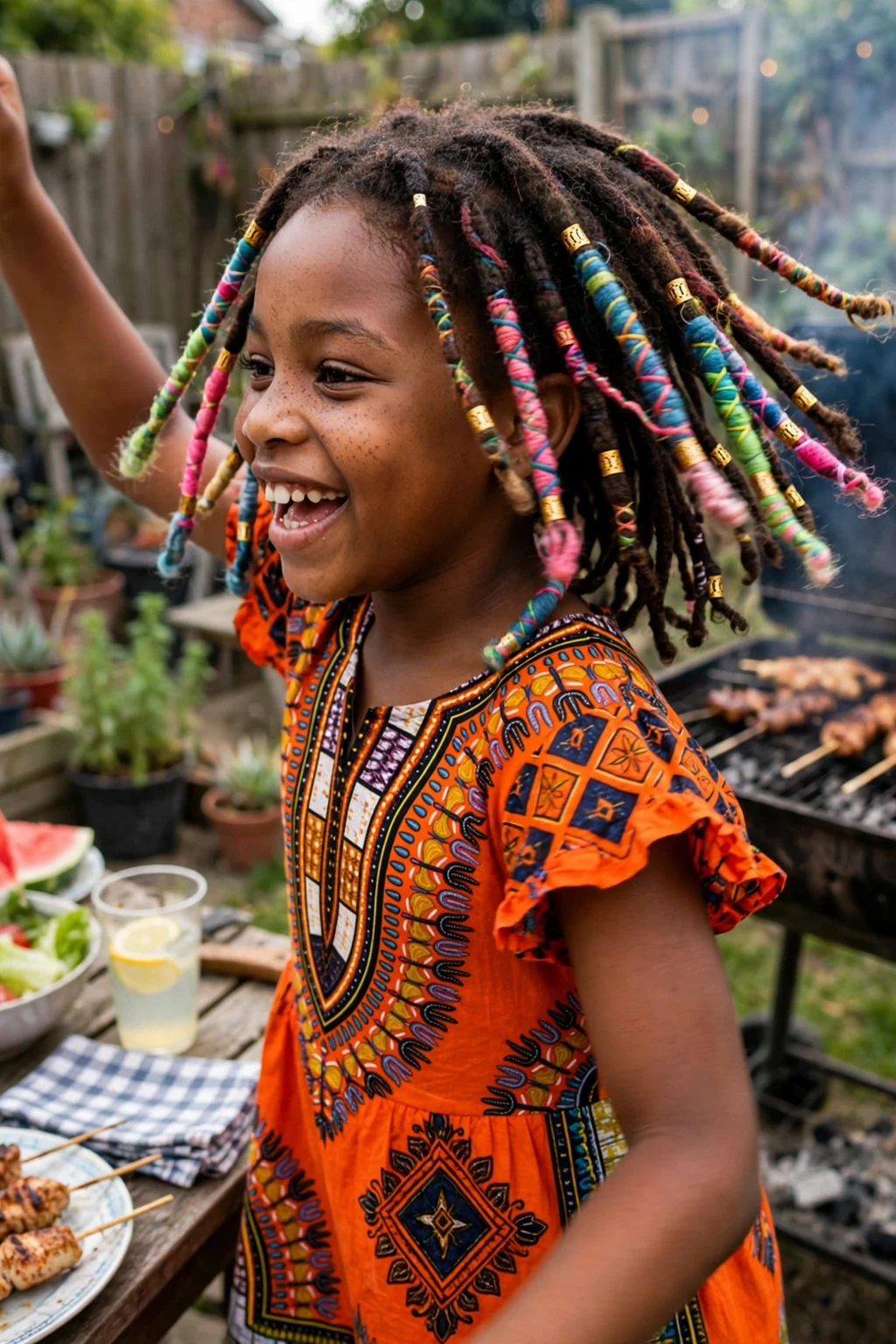
53. Confetti Curl Party Updo
A confetti curl party updo is a high, joyful updo in which curls are piled on top of the head and dotted with tiny, confetti-coloured clips, like a birthday cake in hair form. The curls are left loose and bouncy rather than smoothed into a stiff bun, so the updo looks soft, celebratory, and full of movement, with ringlets escaping around the face for a romantic finish. It suits curly and wavy hair best, since the updo relies on natural curl volume, though straight hair can be curled first with braids overnight or a curler on older children. The high placement flatters round and oval faces by adding height on top, and it is the perfect choice for birthday parties, weddings, recitals, and any occasion when a child wants to feel like the guest of honour. Children love choosing the clip colours to match their party theme, whether that means rainbow confetti, pastel shades, or glittering gold.
To create the updo, gather the curls high on the crown with a soft scrunchie, leaving the ends loose and bouncy rather than tucking them away neatly. Pin selected curls into place with bobby pins, building a rounded, cloud-like shape, and pull a few ringlets loose around the face for softness. Scatter small confetti-coloured clips through the curls, spacing them evenly so they look sprinkled rather than lined up, and finish with a light mist of flexible-hold hairspray. A little curl cream on the lengths defines the ringlets and prevents frizz, especially in humid party venues. The updo holds well for a full day of celebrations, and it comes down easily at bedtime with gentle detangling. A trim every ten to twelve weeks keeps the curls bouncy and the updo full. A matching party dress or a glittery hairband completes the celebratory look beautifully for birthday photographs and family celebrations alike.
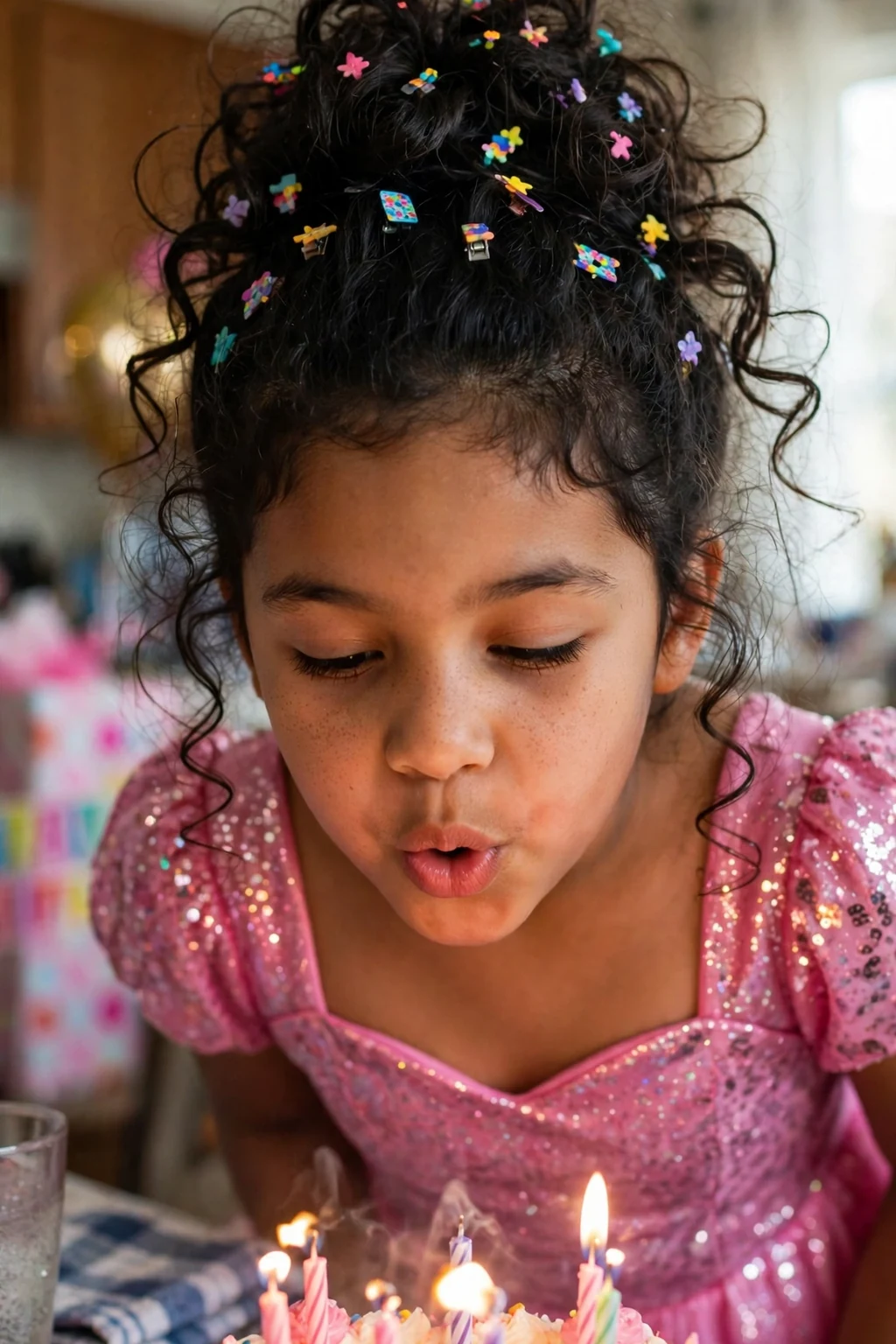
54. Waterfall Braid with Curls
A waterfall braid with curls is a dreamy, romantic style in which a braid runs across the head like a crown, dropping strands of hair through it so they cascade downwards like a waterfall. The dropped strands fall into soft curls below the braid, creating a beautiful contrast between the neat, woven braid and the loose, flowing curls underneath. It suits medium and long hair in any texture, since the braid can be woven through straight, wavy, or curled hair, and it flatters every face shape, because the braid frames the forehead while the curls soften the jawline. The style is perfect for weddings, flower-girl duties, spring festivals, and family photographs, when a touch of magic feels exactly right, and it looks especially beautiful with a floral dress or a pretty hair accessory. Children love the waterfall braid because it feels like something from a fairy tale, yet it is comfortable enough to wear all day.
To create a waterfall braid, start with a deep side part and begin a French braid along the hairline, dropping the lower strand each time instead of weaving it in, and picking up a new section from above to continue the braid. Work the braid across the head towards the opposite ear, keeping the tension even so the dropped strands hang at regular intervals, then secure the end behind the ear with a bobby pin. Curl the dropped strands lightly with braids overnight, a curler on older children, or a little wave cream scrunched into damp hair, and finish with a light mist of hairspray. The braid can be refreshed the next day by re-braiding loosely, and the curls can be revived with a spritz of water and leave-in conditioner. A regular trim every eight to ten weeks keeps the dropped strands healthy and the curls bouncy. A delicate flower crown or a few small blossoms woven into the braid make the style even more magical.
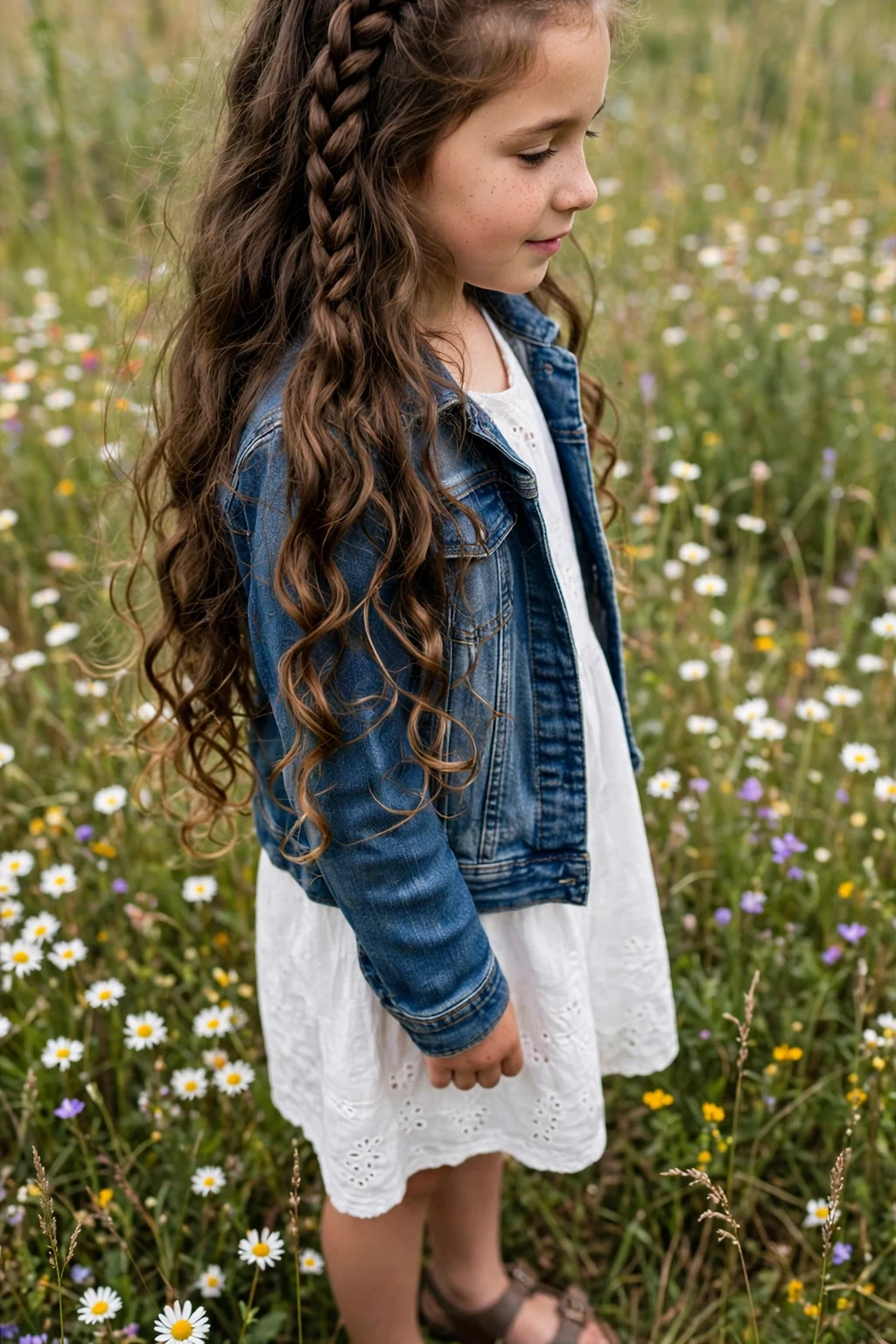
How to Choose the Right Fun Hairstyle for Your Child
The best fun hairstyle for your child is one they actually enjoy wearing, so let them help choose it, whether that means picking the ribbon colour, the bead colours, or between buns and braids. Start with their hair type and length, then think about the day ahead: a sporty child needs something secure like Dutch braids or a high bun, while a child heading to a party might love bubble braids, space buns, or a half-up bow. Comfort matters more than perfection, so avoid styles that pull tightly at the hairline, use soft elastics and snag-free clips, and keep the styling session short and cheerful.
Practice a new style once before an important day so you know how long it takes and your child knows what to expect, and keep the routine simple with a detangling spray, a soft brush, and a small box of favourite accessories. Most of these styles are redone daily, which means no long-term commitment, and regular trims every eight to ten weeks keep the ends healthy whatever style you choose. Above all, keep it fun: the right hairstyle is the one that makes your child grin when they catch sight of themselves in the mirror.
Conclusion
From classic pigtails and space buns to Dutch braids, cornrows, and pastel peekaboo colour, these 54 fun hairstyles for kids prove that children's hair can be playful, practical, and full of personality. Choose a style your child loves, keep it comfortable, and enjoy watching them wear it with total confidence.