Mens hairstyles are sharper, more textured, and more personal than ever, with cuts that suit every face shape, hair type, and lifestyle. These 25 mens hairstyles range from classic crew cuts and side parts to bold fades, textured crops, and relaxed longer styles, all designed to look confident and modern.
1. Classic Crew Cut
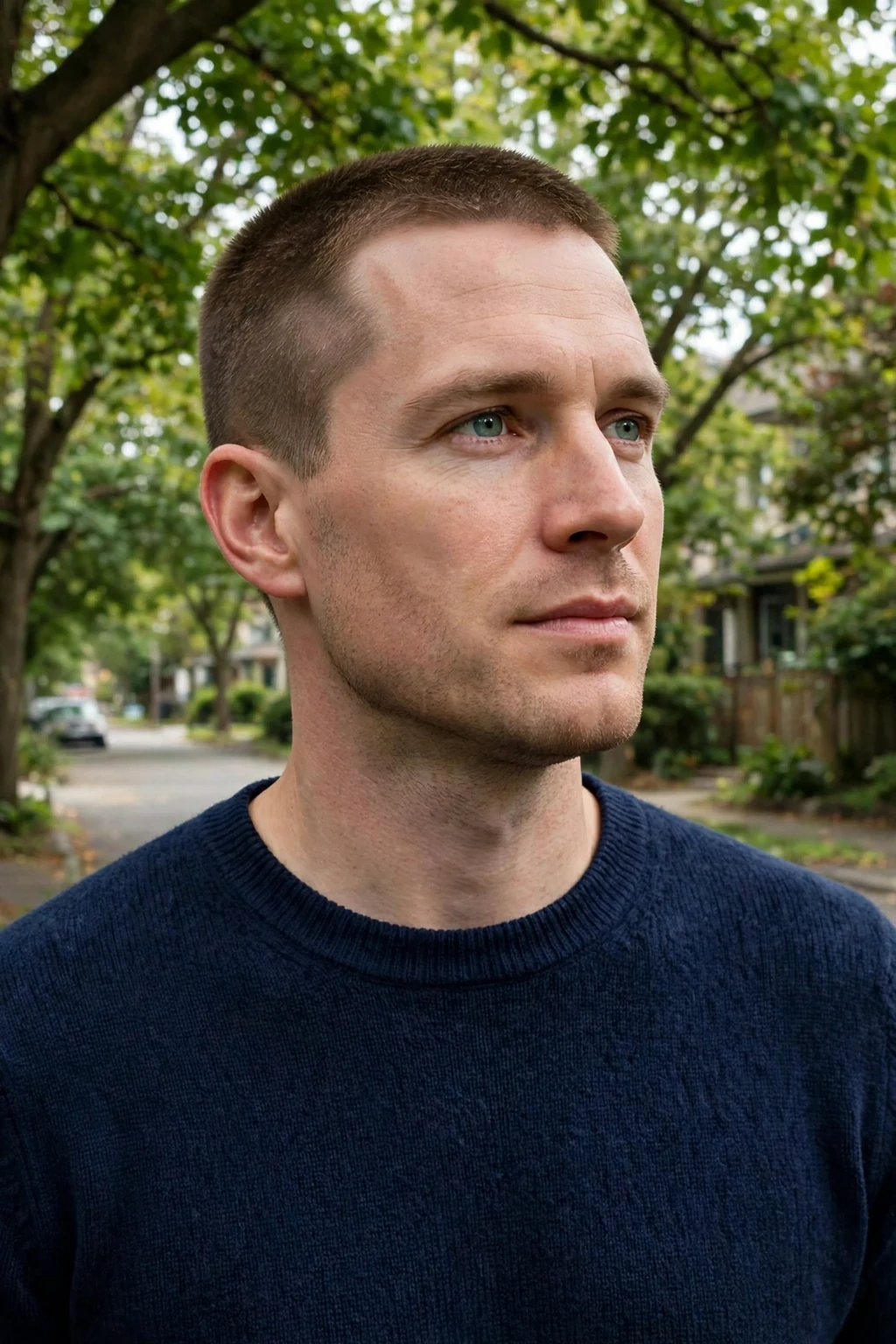
The classic crew cut is short, neat, and unmistakably masculine, with hair kept close on the sides and slightly longer on top, usually under an inch, so the head shape itself defines the silhouette. Its appearance is clean and athletic, with a tidy, uniform finish that looks sharp from every angle and never appears messy or overdone. The texture is simple and natural, showing the hair's true density without styling tricks, and the short length keeps the overall shape crisp, structured, and easy to read. It is a timeless military-inspired cut that has stayed popular for decades because it frames the face cleanly, highlights strong cheekbones and jawlines, and suits men who want a polished look without fuss. Seen in motion, the Classic Crew Cut holds its shape beautifully, whether you are walking into a meeting, heading out for dinner, or spending a relaxed weekend outdoors with friends and family. The finish stays intentional rather than stiff, and the cut photographs well because its clean outline and balanced proportions read clearly from the front, the side, and the back.
This cut suits almost every face shape, especially oval, square, and round faces, because the short, even length balances proportions without adding bulk at the sides. It works best on straight to wavy hair of any density, and it is particularly flattering for men in their twenties, thirties, and forties who want a professional, low-maintenance style. Styling takes almost no effort: towel-dry the hair, add a tiny amount of matte paste if desired, and brush it forward or slightly to one side. Maintenance is simple but regular, with a trim every three to four weeks to keep the edges sharp and prevent the top from growing shaggy. Choose the crew cut when you want a dependable, confident style that looks good at work, at the gym, and everywhere in between. When you visit your barber, bring a clear photo, explain how much length you want to keep on top, and ask about the fade or taper level that suits your head shape best. A good barber will also show you how much product to use, since a pea-sized amount is usually enough, and using too much can weigh the style down or make it look greasy.
2. Textured Crop
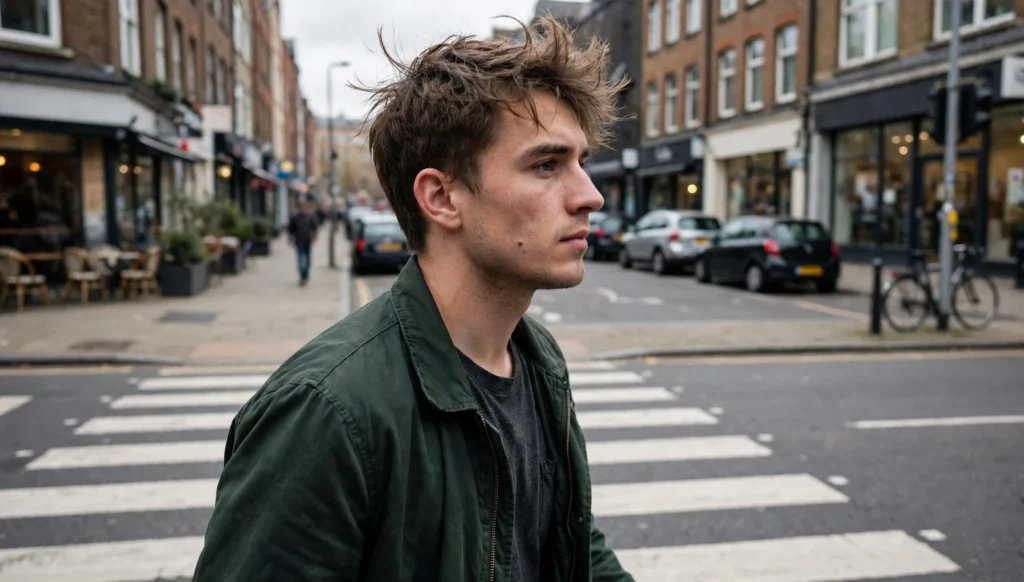
The textured crop is a modern short cut with choppy, piecey layers on top and a short, often faded back and sides, creating a deliberately tousled finish that looks effortlessly cool. Its appearance is youthful and contemporary, with visible separation between strands, a slightly rough texture, and a fringe that can be worn forward, swept to one side, or pushed up for extra height. The shape is compact and controlled at the sides but full of movement on top, giving fine or flat hair instant body and dimension. Unlike a flat, uniform cut, the textured crop catches light across its uneven ends, making the hair look thicker, livelier, and more interesting from every angle. From a distance, the Textured Crop reads as polished and deliberate, while up close it reveals texture, clean edges, and thoughtful shaping that separate a good cut from an average one. It pairs naturally with a short beard or clean-shaven look, works with glasses, and adapts to both tailored clothing and casual streetwear without losing its character.
This style suits oval, square, and heart-shaped faces especially well, and it is a superb choice for men with fine or thinning hair because the texture creates the illusion of density. It works on straight and slightly wavy hair and flatters men in their twenties and thirties who want a fashionable cut without a long routine. To style, work a small amount of matte clay or texturizing paste through damp hair, then push the top forward and pinch sections apart with your fingers. A trim every four to five weeks keeps the crop crisp, and grow-out stays attractive as the texture simply becomes softer. Choose the textured crop when you want a modern, low-effort cut with real personality. For daily care, wash with a gentle shampoo two or three times a week, condition the longer sections, and avoid heavy oils that can flatten the shape. If your hair feels dry in winter or after sun exposure, a light leave-in conditioner will restore softness without sacrificing hold, and a weekly scalp massage can support healthy growth.

3. Modern Quiff
The modern quiff is a bold, voluminous style with longer hair on top swept up and back, paired with shorter, tapered sides that keep the focus squarely on the height and movement above. Its appearance is confident and polished, with a lifted front that adds inches of visual height, a smooth or lightly textured finish, and a silhouette that looks deliberately styled rather than accidental. The shape elongates the face, draws attention to the eyes, and gives the whole cut a dynamic, forward-moving energy that works equally well in a tailored suit or a casual jacket. The quiff's versatility is part of its appeal: it can be worn sleek and refined, or loose and textured, depending on the occasion and mood. What makes the Modern Quiff so dependable is how well it behaves between washes, keeping its silhouette even as natural oils and daily movement soften the initial styling. A quick finger-comb in the morning is often enough to restore its shape, and the cut looks just as strong on a busy weekday as it does at a special event.
This cut suits oval, round, and square faces best, since the added height balances shorter or rounder proportions, and it works beautifully on straight, wavy, and thick hair that can hold volume. Men in their twenties, thirties, and forties who enjoy styling their hair will love it, though it does ask for a few minutes each morning. To style, blow-dry the top upward and back with a round brush, then apply a medium-hold pomade or volumizing mousse and shape the front with your fingers. Trims every four to six weeks keep the sides tidy and the top at a workable length. Choose the modern quiff when you want a statement style that looks intentional, masculine, and effortlessly confident. The grow-out phase is one of this style's strengths, because it softens gradually rather than collapsing into an awkward shape. As it grows, you can experiment with pushing it in a new direction, adding a little more texture, or simply booking your next trim a week later, knowing the cut will still look presentable in the meantime.
4. Classic Side Part
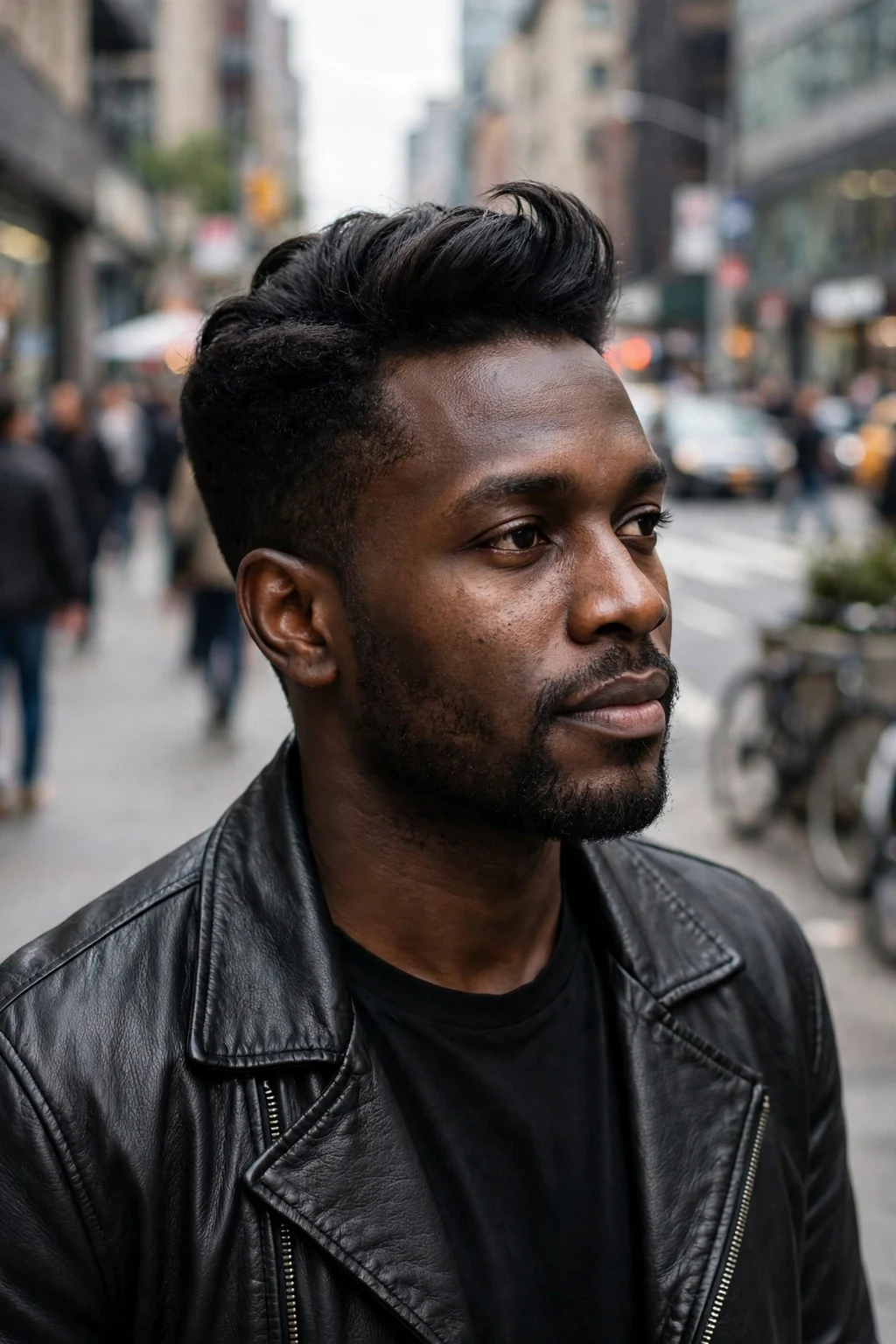
The classic side part is the gentleman's cut that never goes out of style, with hair parted cleanly to one side, a neat tapered back and sides, and enough length on top to comb smoothly into place. Its appearance is refined and timeless, with a sleek, controlled finish, a clear parting line, and a silhouette that looks polished without feeling stiff or dated. The texture is smooth and groomed, showing healthy shine and tidy ends, and the overall shape flatters the head by keeping volume balanced and the face open. It is the cut of choice for boardrooms, weddings, and formal events, yet it adapts easily to everyday life when worn with a slightly looser, more relaxed finish. The Classic Side Part also flatters a wide range of personal styles, from minimal and classic to bold and fashion-forward, because its shape is strong without being loud. It frames the eyes and cheekbones, keeps the neckline tidy, and gives the overall appearance a sense of purpose that elevates even a simple outfit.
This style suits oval, square, and oblong faces especially well, and it works on straight and slightly wavy hair of medium density, particularly for men who prefer a neat, professional appearance. It flatters men in their thirties and forties as much as younger men, because its polish reads as maturity rather than age. To style, comb damp hair into its natural part, apply a light pomade or cream, and blow-dry or air-dry for a smooth finish, using a comb for extra precision. A trim every four to five weeks maintains the taper and keeps the part crisp. Choose the classic side part when you want a reliable, elegant cut that always looks intentional and never tries too hard. To get the most from this cut, invest in one quality styling product that matches your hair type, keep your tools simple, and learn the two-minute routine that works for your morning. Consistency matters more than complexity, and once the routine becomes habit, the style will feel effortless, reliable, and completely your own.

5. Buzz Cut
The buzz cut is the ultimate minimalist style, with hair clipped to one short, uniform length all over the head, usually with clippers, creating a clean, rugged silhouette that puts the face front and center. Its appearance is bold and stripped back, with a velvety, even texture, no styling lines, and a finish that looks sharp precisely because it is so simple. The shape follows the head exactly, highlighting bone structure, eyes, and jawline, and it carries a confident, no-nonsense attitude that needs no decoration. Despite its simplicity, the buzz cut can be tailored with a faded edge, a defined lineup, or a slightly longer top, giving it more range than many people expect. In different lighting, the Buzz Cut shows off subtle depth and dimension, with shorter sections catching shadow and longer sections catching light. This natural contrast is what keeps the style interesting day after day, and it means the cut rarely looks flat, dull, or one-dimensional, even without elaborate styling.
This cut suits oval, square, and diamond faces best, and it is ideal for men with strong features, a well-shaped head, or thinning hair, since the uniform length removes any contrast between thick and thin areas. It works on all hair types and is perfect for men in their twenties, thirties, and forties who want the lowest possible maintenance. Styling is essentially zero: wash, towel-dry, and go, with optional beard oil or moisturizer for the scalp. Maintenance means a clipper pass every two to three weeks, or a quick home touch-up, and grow-out is gradual and even. Choose the buzz cut when you want maximum confidence with minimum effort and a look that never needs a bad hair day excuse. This is also a style worth trying if you have been stuck in the same cut for years, because it offers a noticeable change without a dramatic risk. It is easy to adjust at the next appointment, whether you want it shorter, longer, softer, or sharper, and that flexibility makes it a confident first step toward a fresher look.

6. French Crop
The French crop is a short, smart cut with a blunt fringe worn forward across the forehead, textured length on top, and faded or tapered sides that keep the whole style compact and modern. Its appearance is clean yet relaxed, with a straight or slightly uneven fringe line, visible texture through the top, and a neat outline that frames the face without covering it. The finish can be matte and tousled for a casual feel, or smoother and more defined for a smarter look, and the short length keeps the silhouette tidy from every angle. It is a favorite among men who want something fashionable but easy, because the fringe does most of the visual work on its own. Seen in motion, the French Crop holds its shape beautifully, whether you are walking into a meeting, heading out for dinner, or spending a relaxed weekend outdoors with friends and family. The finish stays intentional rather than stiff, and the cut photographs well because its clean outline and balanced proportions read clearly from the front, the side, and the back.
This style suits oval, oblong, and square faces well, and it is especially flattering for men with a larger forehead or a receding hairline, since the forward fringe softens and balances the forehead. It works on straight, wavy, and slightly curly hair and suits men in their twenties and thirties who want a contemporary edge. To style, apply matte paste or clay to damp hair, push the top forward, and pinch the fringe into light texture with your fingers. A trim every four weeks keeps the fringe at the right length and the fade fresh. Choose the French crop when you want a sharp, modern cut that styles in minutes and looks deliberate all day. When you visit your barber, bring a clear photo, explain how much length you want to keep on top, and ask about the fade or taper level that suits your head shape best. A good barber will also show you how much product to use, since a pea-sized amount is usually enough, and using too much can weigh the style down or make it look greasy.

7. Slick Back
The slick back is a sleek, confident style with medium-length hair on top combed straight back away from the face, paired with shorter, tapered sides that keep the look clean and controlled. Its appearance is smooth and polished, with a glossy or semi-matte finish, hair lying in one unified direction, and a silhouette that opens up the face and highlights the cheekbones and jaw. The texture is refined rather than textured, showing healthy shine and even length, and the style carries a classic, almost cinematic confidence that suits both formal tailoring and smart casual outfits. A modern version keeps some natural movement on top, so the slick back looks lived-in rather than helmet-like. From a distance, the Slick Back reads as polished and deliberate, while up close it reveals texture, clean edges, and thoughtful shaping that separate a good cut from an average one. It pairs naturally with a short beard or clean-shaven look, works with glasses, and adapts to both tailored clothing and casual streetwear without losing its character.
This cut suits oval, square, and heart-shaped faces, and it works best on straight to wavy hair with medium to thick density that can hold its shape when combed back. It flatters men in their thirties and forties especially, though younger men wear it well too. To style, apply pomade or styling cream to damp hair, comb it back with a wide-tooth comb, and blow-dry in the same direction for extra hold, finishing with a light mist of spray. Trims every four to six weeks keep the sides neat and the top at a manageable length. Choose the slick back when you want a timeless, masculine style that looks sharp, groomed, and completely in control. For daily care, wash with a gentle shampoo two or three times a week, condition the longer sections, and avoid heavy oils that can flatten the shape. If your hair feels dry in winter or after sun exposure, a light leave-in conditioner will restore softness without sacrificing hold, and a weekly scalp massage can support healthy growth.
8. Messy Fringe
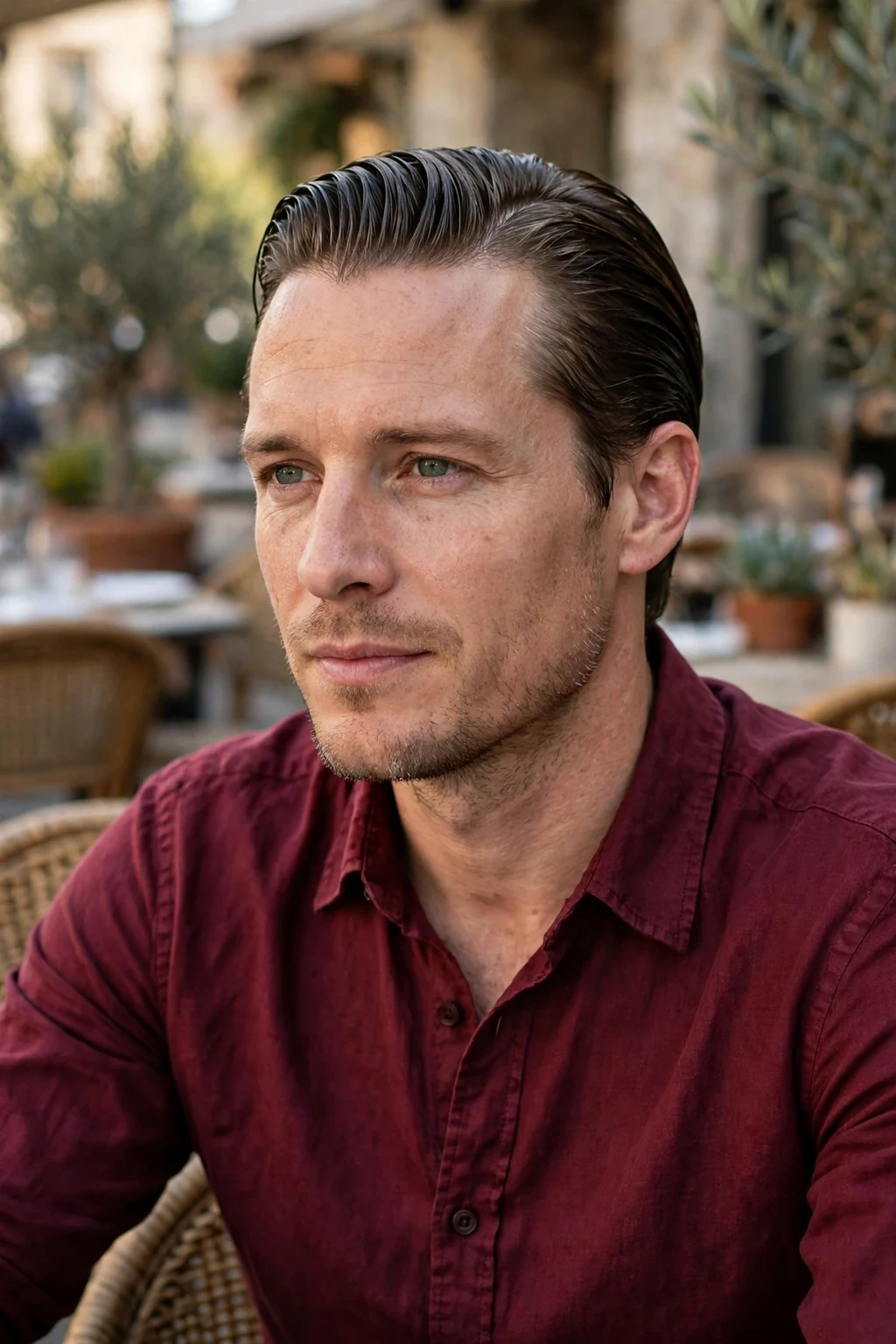
The messy fringe is a relaxed, youthful cut with longer, textured hair falling loosely over the forehead, paired with shorter sides that keep the style from looking heavy or shapeless. Its appearance is deliberately undone, with piecey strands, soft separation, and a finish that looks like great hair on a good day rather than a stiff, over-styled cut. The shape is casual and approachable, with movement across the forehead and natural texture on top that catches light and adds depth. It is the ideal middle ground between a neat crop and a longer shaggy style, offering personality and softness without demanding precision. What makes the Messy Fringe so dependable is how well it behaves between washes, keeping its silhouette even as natural oils and daily movement soften the initial styling. A quick finger-comb in the morning is often enough to restore its shape, and the cut looks just as strong on a busy weekday as it does at a special event.
This style suits oval, heart, and square faces, and it works beautifully on straight, wavy, and lightly curly hair, especially for men with medium density who want texture without bulk. It flatters men in their twenties and early thirties who prefer a relaxed, creative look. To style, work sea salt spray or light matte paste through damp hair, scrunch the fringe forward, and let it air-dry, rearranging a few pieces with your fingers. A trim every five to six weeks keeps the fringe above the eyes and the shape intentional. Choose the messy fringe when you want an easy, expressive cut that looks cool without trying, and grows out gracefully between cuts. The grow-out phase is one of this style's strengths, because it softens gradually rather than collapsing into an awkward shape. As it grows, you can experiment with pushing it in a new direction, adding a little more texture, or simply booking your next trim a week later, knowing the cut will still look presentable in the meantime.

9. Low Taper Fade
The low taper fade is a subtle, refined fade that gradually shortens the hair near the neckline and around the ears, while keeping more length on top for versatile styling. Its appearance is clean and understated, with a smooth gradient that blends seamlessly into the skin at the very edges, a tidy neckline, and a finish that looks sharp without the drama of a high fade. The shape keeps the head looking balanced and natural, because the fade sits low and does not remove too much bulk from the sides. It is an excellent choice for men who want the precision of a fade but prefer a conservative, workplace-friendly silhouette that grows out gracefully. The Low Taper Fade also flatters a wide range of personal styles, from minimal and classic to bold and fashion-forward, because its shape is strong without being loud. It frames the eyes and cheekbones, keeps the neckline tidy, and gives the overall appearance a sense of purpose that elevates even a simple outfit.
This cut suits almost every face shape, especially round and square faces, because the low fade slims the lower sides without adding height or width where it is not wanted. It works on straight, wavy, curly, and coily hair, and it flatters men in their twenties, thirties, and forties who want a neat, adaptable base for many top styles. To style, apply a small amount of pomade, cream, or curl product to the top and shape it as desired, whether that means a side part, a textured top, or a short crop. A trim every three to four weeks keeps the taper crisp, and grow-out is forgiving since the fade simply softens. Choose the low taper fade when you want a clean, versatile foundation that suits any top length. To get the most from this cut, invest in one quality styling product that matches your hair type, keep your tools simple, and learn the two-minute routine that works for your morning. Consistency matters more than complexity, and once the routine becomes habit, the style will feel effortless, reliable, and completely your own.

10. Skin Fade Pompadour
The skin fade pompadour combines a dramatic, high-volume top swept up and back with sides faded completely down to the skin, creating a striking contrast that instantly draws the eye upward. Its appearance is bold and sculpted, with a tall, rounded front, smooth or textured volume through the crown, and razor-clean sides that make the top look even fuller by comparison. The finish is polished and intentional, with a silhouette that adds height, lengthens the face, and carries a vintage-meets-modern confidence. It is a statement cut that photographs beautifully and turns heads, yet it remains wearable when the top is kept at a moderate, well-shaped length. In different lighting, the Skin Fade Pompadour shows off subtle depth and dimension, with shorter sections catching shadow and longer sections catching light. This natural contrast is what keeps the style interesting day after day, and it means the cut rarely looks flat, dull, or one-dimensional, even without elaborate styling.
This style suits oval, round, and square faces, since the height balances rounder proportions and sharpens softer jawlines, and it works best on thick, straight, or wavy hair that can support real volume. Men in their twenties and thirties who enjoy a strong, groomed look will love it, though it does require daily styling. To style, blow-dry the top upward and back with a round brush, apply a strong-hold pomade or volumizing powder, and shape the front into a smooth roll. Trims every two to three weeks keep the skin fade sharp, as it grows out quickly. Choose the skin fade pompadour when you want maximum impact, height, and a cut that looks unmistakably deliberate. This is also a style worth trying if you have been stuck in the same cut for years, because it offers a noticeable change without a dramatic risk. It is easy to adjust at the next appointment, whether you want it shorter, longer, softer, or sharper, and that flexibility makes it a confident first step toward a fresher look.
11. Disconnected Undercut
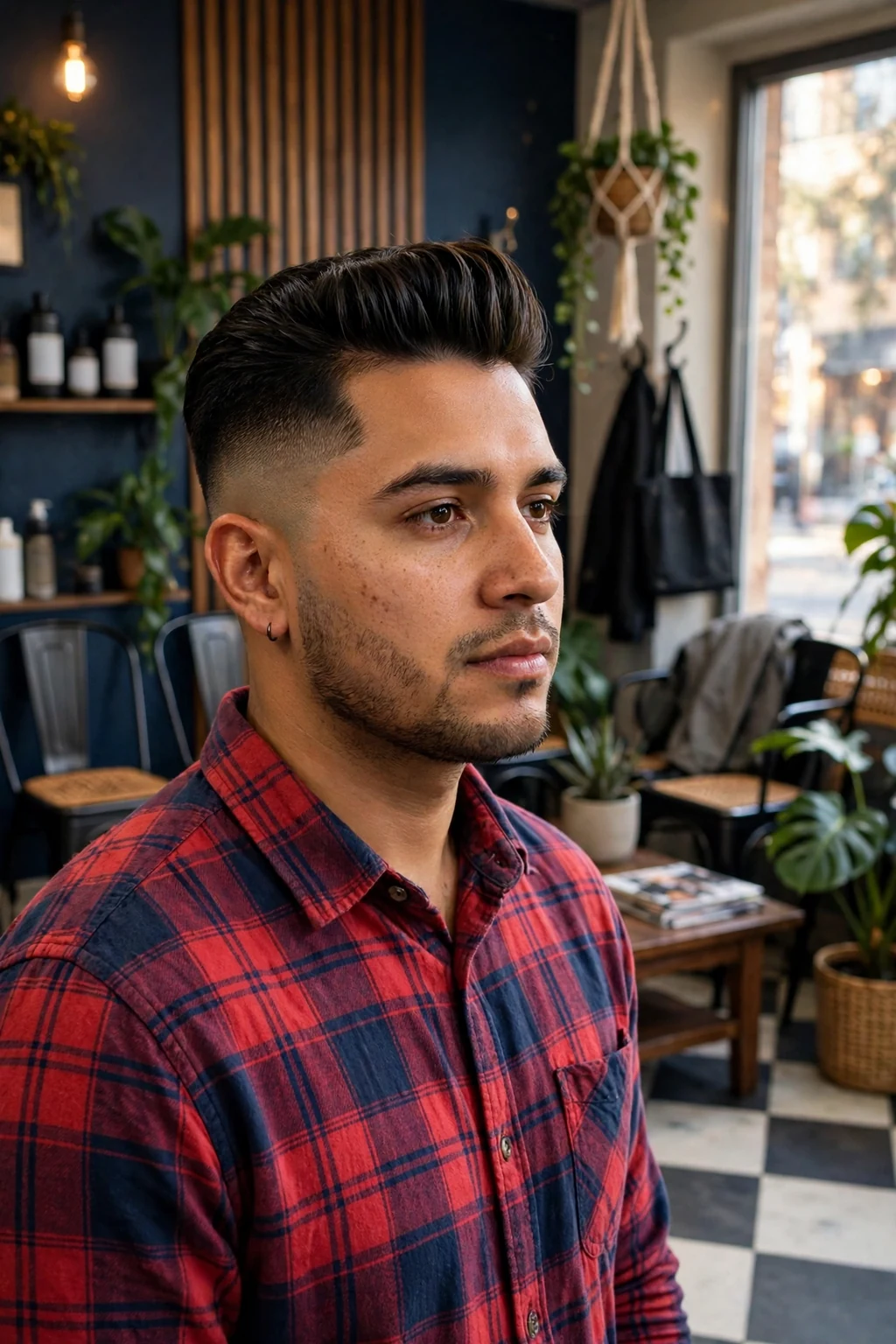
The disconnected undercut is a high-contrast style with a sharp, visible line where the long top meets very short or shaved sides, with no gradual blend in between, creating a bold, graphic silhouette. Its appearance is edgy and modern, with a clear separation that makes the top look longer and fuller, a clean, architectural outline, and a finish that can range from slick and polished to messy and textured. The shape is dramatic from the side profile, where the disconnection is most visible, and it gives the haircut a fashion-forward attitude that a blended fade cannot replicate. It is a cut for men who want their hairstyle to make a statement before they even speak. Seen in motion, the Disconnected Undercut holds its shape beautifully, whether you are walking into a meeting, heading out for dinner, or spending a relaxed weekend outdoors with friends and family. The finish stays intentional rather than stiff, and the cut photographs well because its clean outline and balanced proportions read clearly from the front, the side, and the back.
This style suits oval, square, and heart-shaped faces, and it works best on straight to wavy hair with medium to thick density, since the top needs enough weight to contrast with the shaved sides. It flatters men in their twenties and thirties who enjoy bold, trend-led looks. To style, apply pomade, clay, or cream to the top and sweep it back, to one side, or into a textured finish, keeping the sides clean with regular clipper work. A trim every three weeks maintains the sharp disconnection, and grow-out softens the line gradually. Choose the disconnected undercut when you want a fearless, high-contrast cut with real edge and personality. When you visit your barber, bring a clear photo, explain how much length you want to keep on top, and ask about the fade or taper level that suits your head shape best. A good barber will also show you how much product to use, since a pea-sized amount is usually enough, and using too much can weigh the style down or make it look greasy.
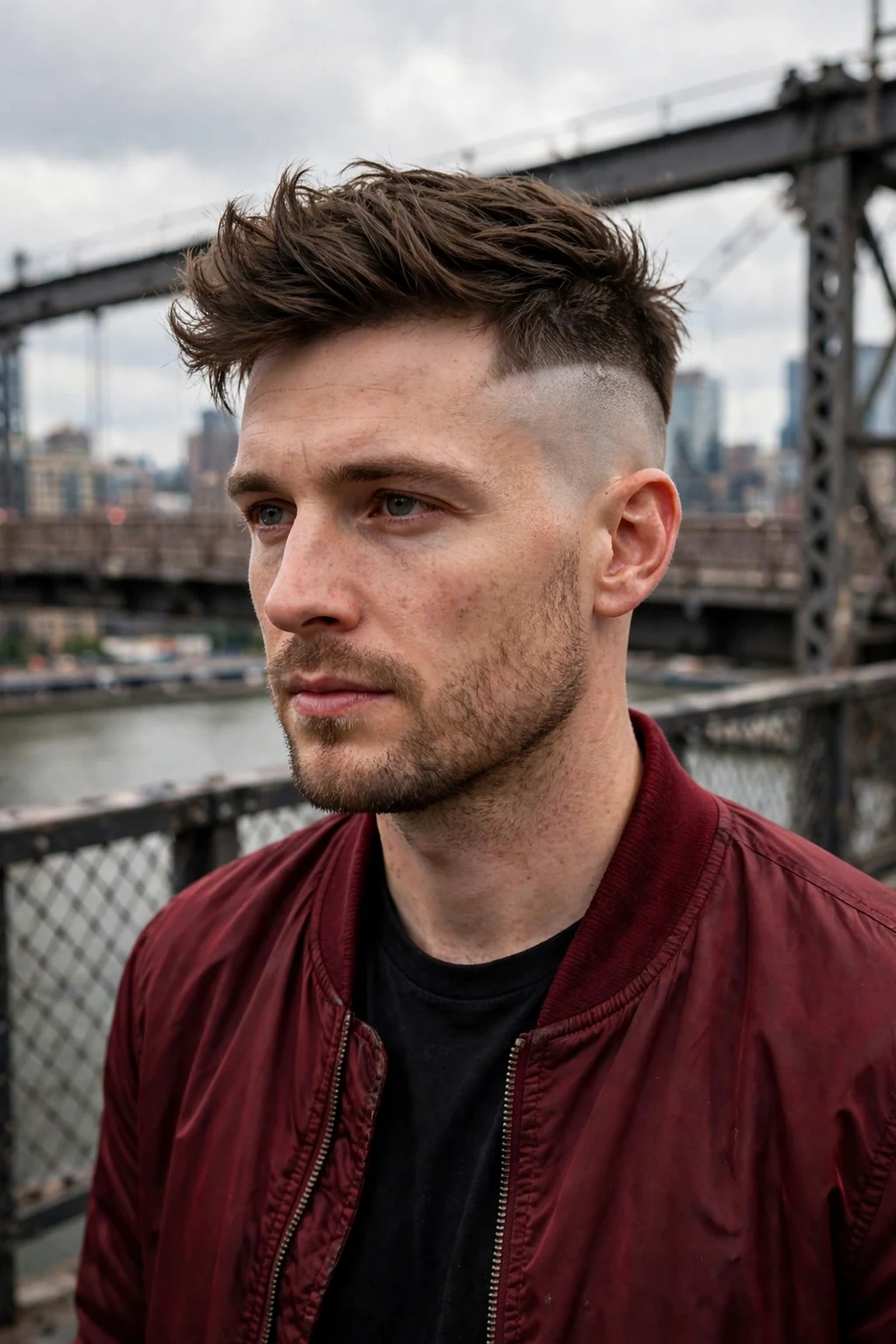
12. Curly Top with Fade
The curly top with fade pairs natural curls left longer and fuller on top with tightly faded sides, creating a shape that celebrates texture while keeping the overall cut clean and structured. Its appearance is vibrant and full of movement, with defined curls or coils crowning the head, a crisp fade at the sides and back, and a finish that looks both natural and deliberately groomed. The contrast between the soft, voluminous top and the sharp sides gives the cut its energy, making curls the clear focal point without letting them overwhelm the face. It is a modern classic for curly-haired men who want their texture to shine within a tidy, masculine frame. From a distance, the Curly Top with Fade reads as polished and deliberate, while up close it reveals texture, clean edges, and thoughtful shaping that separate a good cut from an average one. It pairs naturally with a short beard or clean-shaven look, works with glasses, and adapts to both tailored clothing and casual streetwear without losing its character.
This style suits oval, round, and square faces, and it is made for naturally curly, wavy, or coily hair of medium to thick density, flattering men in their twenties and thirties especially. To style, apply curl cream or leave-in conditioner to damp hair, scrunch the curls upward, and let them air-dry or diffuse gently for definition without frizz. A trim every three to four weeks keeps the fade sharp and the curl shape balanced, and grow-out simply adds more curl volume on top. Choose the curly top with fade when you want to embrace your natural texture with a clean, confident, contemporary cut. For daily care, wash with a gentle shampoo two or three times a week, condition the longer sections, and avoid heavy oils that can flatten the shape. If your hair feels dry in winter or after sun exposure, a light leave-in conditioner will restore softness without sacrificing hold, and a weekly scalp massage can support healthy growth.

13. Bro Flow
The bro flow is a relaxed, medium-length style with hair swept back and to the sides in a loose, flowing shape, with natural layers that let the hair move freely and fall where it wants. Its appearance is effortless and masculine, with soft volume, gentle waves or straight flow, and a finish that looks windswept in the best possible way, as if it was shaped by a day outdoors. The shape is longer than a crop but shorter than a full mane, sitting around the ears and neckline, and it carries a laid-back confidence that suits casual and creative lifestyles. It is the hairstyle equivalent of a favorite leather jacket: easy, lived-in, and better the less you fuss over it. What makes the Bro Flow so dependable is how well it behaves between washes, keeping its silhouette even as natural oils and daily movement soften the initial styling. A quick finger-comb in the morning is often enough to restore its shape, and the cut looks just as strong on a busy weekday as it does at a special event.
This style suits oval, oblong, and square faces, and it works best on straight to wavy hair with medium to thick density that has enough weight to flow rather than fly away. It flatters men in their late twenties, thirties, and forties who want a longer look without high maintenance. To style, apply sea salt spray or light cream to damp hair, push it back and to the sides, and let it air-dry, tucking longer pieces behind the ears as needed. Trims every six to eight weeks keep the shape balanced, and grow-out is part of the charm. Choose the bro flow when you want a relaxed, masculine style with natural movement and minimal effort. The grow-out phase is one of this style's strengths, because it softens gradually rather than collapsing into an awkward shape. As it grows, you can experiment with pushing it in a new direction, adding a little more texture, or simply booking your next trim a week later, knowing the cut will still look presentable in the meantime.

14. Short Spiky Cut
The short spiky cut is a playful, energetic style with short hair on top styled upward into defined, piecey spikes, paired with shorter sides that keep the focus on the textured crown. Its appearance is youthful and dynamic, with visible separation, light-catching tips, and a finish that looks fun rather than formal, full of movement and attitude. The shape adds height and interest without much length, making the head look lively and the face more open, and the spikes can be worn all over, just at the front, or swept slightly forward for a softer effect. It is a great revival of a nineties and noughties favorite, updated with matte products and a more natural, less gelled finish. The Short Spiky Cut also flatters a wide range of personal styles, from minimal and classic to bold and fashion-forward, because its shape is strong without being loud. It frames the eyes and cheekbones, keeps the neckline tidy, and gives the overall appearance a sense of purpose that elevates even a simple outfit.
This style suits oval, round, and heart-shaped faces, and it works best on straight to slightly wavy hair with medium density that can hold a lifted shape. It flatters men in their twenties and early thirties who want a fun, low-commitment style. To style, work a small amount of strong matte wax or clay through damp or dry hair, then pinch and lift sections upward with your fingers until the spikes form naturally. A trim every four to five weeks keeps the length spiky rather than shaggy, and grow-out transitions easily into a textured crop. Choose the short spiky cut when you want a lively, youthful style that takes minutes and always looks full of energy. To get the most from this cut, invest in one quality styling product that matches your hair type, keep your tools simple, and learn the two-minute routine that works for your morning. Consistency matters more than complexity, and once the routine becomes habit, the style will feel effortless, reliable, and completely your own.
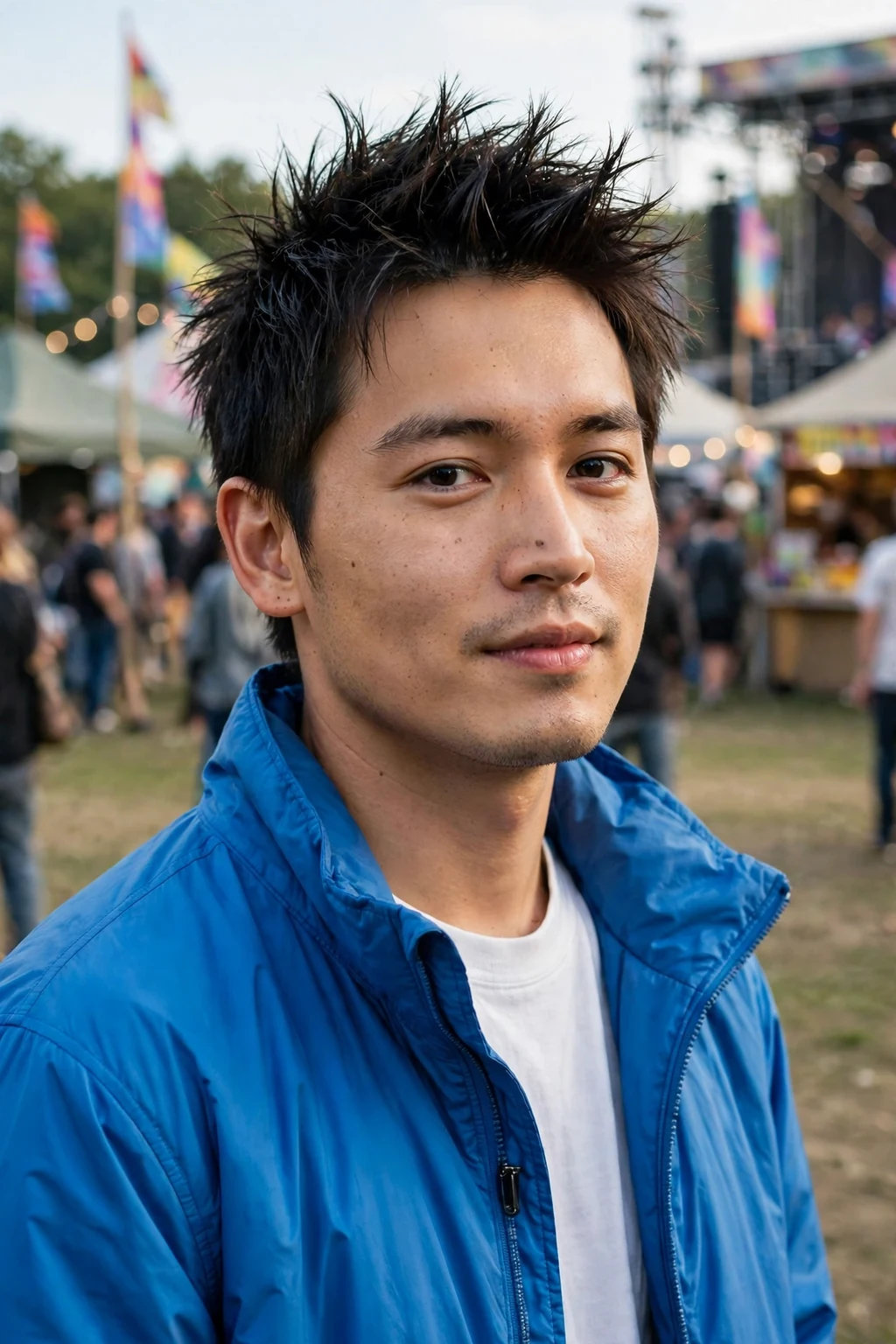
15. Ivy League Cut
The Ivy League cut is a longer, smarter cousin of the crew cut, with enough length on top to part to one side and a neatly tapered back and sides that keep everything polished and proportionate. Its appearance is preppy and refined, with a smooth, controlled finish, a subtle side part, and a silhouette that looks intelligent, tidy, and quietly confident. The texture is natural and groomed, showing healthy hair with just enough length to comb, and the overall shape flatters the head without drawing attention to any single feature. It is the classic campus-to-boardroom cut, equally at home in a suit, a sweater, or a smart casual shirt. In different lighting, the Ivy League Cut shows off subtle depth and dimension, with shorter sections catching shadow and longer sections catching light. This natural contrast is what keeps the style interesting day after day, and it means the cut rarely looks flat, dull, or one-dimensional, even without elaborate styling.
This style suits oval, square, and oblong faces, and it works on straight to wavy hair of medium density, flattering men in their thirties and forties as well as younger professionals. It is ideal for men who want a short cut with a little more styling versatility than a crew cut. To style, comb damp hair into a side part with a light cream or pomade, then blow-dry or air-dry for a smooth, natural finish. A trim every four to five weeks keeps the taper neat and the top at parting length. Choose the Ivy League cut when you want a timeless, smart style that looks educated, polished, and effortlessly put together. This is also a style worth trying if you have been stuck in the same cut for years, because it offers a noticeable change without a dramatic risk. It is easy to adjust at the next appointment, whether you want it shorter, longer, softer, or sharper, and that flexibility makes it a confident first step toward a fresher look.

16. Faux Hawk
The faux hawk is a wearable take on the mohawk, with a strip of longer, textured hair running down the center of the head, styled upward, paired with faded or tapered sides that keep the look bold but not extreme. Its appearance is edgy and fun, with a raised central ridge, textured spikes or tousled volume, and a finish that looks rebellious yet completely wearable for everyday life. The shape adds height through the middle while keeping the sides tidy, creating a dynamic silhouette that draws the eye along the crown. Unlike a true mohawk, the faux hawk needs no shaving commitment and can be flattened into a textured crop on days when a subtler look is needed. Seen in motion, the Faux Hawk holds its shape beautifully, whether you are walking into a meeting, heading out for dinner, or spending a relaxed weekend outdoors with friends and family. The finish stays intentional rather than stiff, and the cut photographs well because its clean outline and balanced proportions read clearly from the front, the side, and the back.
This style suits oval, square, and diamond faces, and it works best on straight to wavy hair with medium density that can hold lift in the center. It flatters men in their twenties and thirties who want an adventurous, youthful cut. To style, apply strong matte clay or wax to damp hair, push the central section upward with your fingers, and pinch the ends into texture, leaving the sides smooth. A trim every four weeks keeps the fade fresh and the center at styling length. Choose the faux hawk when you want edge and energy without the full mohawk commitment, and a style that stands out in a crowd. When you visit your barber, bring a clear photo, explain how much length you want to keep on top, and ask about the fade or taper level that suits your head shape best. A good barber will also show you how much product to use, since a pea-sized amount is usually enough, and using too much can weigh the style down or make it look greasy.

17. Long Textured Top
The long textured top keeps several inches of layered, piecey hair on top with short, tapered sides, creating a strong contrast between a full, expressive crown and a clean, tidy outline. Its appearance is modern and versatile, with visible layers, natural movement, and a finish that can be worn swept back, pushed forward, or tousled for a relaxed, lived-in look. The shape gives thick hair room to breathe while keeping the sides under control, so the overall silhouette stays masculine rather than heavy. It is a favorite for men who want length and styling options without committing to a full medium-length cut, and it adapts easily from office to weekend. From a distance, the Long Textured Top reads as polished and deliberate, while up close it reveals texture, clean edges, and thoughtful shaping that separate a good cut from an average one. It pairs naturally with a short beard or clean-shaven look, works with glasses, and adapts to both tailored clothing and casual streetwear without losing its character.
This style suits oval, square, and heart-shaped faces, and it works best on straight, wavy, or thick hair that can support layered length on top. It flatters men in their twenties and thirties who enjoy experimenting with their hair. To style, apply matte clay, sea salt spray, or light pomade to damp hair, then shape the top with your fingers or a blow-dryer, adding texture by pinching sections apart. Trims every five to six weeks keep the layers fresh and the sides neat, and grow-out is graceful as the top simply gains more movement. Choose the long textured top when you want length, versatility, and a modern cut with real styling freedom. For daily care, wash with a gentle shampoo two or three times a week, condition the longer sections, and avoid heavy oils that can flatten the shape. If your hair feels dry in winter or after sun exposure, a light leave-in conditioner will restore softness without sacrificing hold, and a weekly scalp massage can support healthy growth.

18. Top Knot
The top knot gathers longer hair on top into a small, neat knot at the crown, paired with faded, tapered, or undercut sides that keep the style clean and intentional. Its appearance is practical yet stylish, with a tidy knot as the focal point, smooth or lightly textured hair leading into it, and a silhouette that opens up the face and neck. The finish can be sleek and polished for a smart look, or slightly loose and textured for a relaxed, creative feel, and the knot itself can sit high for drama or lower for subtlety. It is a brilliant solution for men growing their hair out, because it keeps long hair off the face while still looking like a deliberate style. What makes the Top Knot so dependable is how well it behaves between washes, keeping its silhouette even as natural oils and daily movement soften the initial styling. A quick finger-comb in the morning is often enough to restore its shape, and the cut looks just as strong on a busy weekday as it does at a special event.
This style suits oval, square, and oblong faces, and it works on straight, wavy, and thick hair that is long enough on top to gather, usually at least six inches. It flatters men in their twenties and thirties who want a longer style with an easy daily option. To style, gather the top section with a small hair tie, twist it into a compact knot, and smooth flyaways with a touch of cream or pomade, keeping the sides faded and neat. Trims every four to six weeks maintain the undercut or fade, while the top keeps growing. Choose the top knot when you want long hair with a practical, masculine, fashion-forward finish. The grow-out phase is one of this style's strengths, because it softens gradually rather than collapsing into an awkward shape. As it grows, you can experiment with pushing it in a new direction, adding a little more texture, or simply booking your next trim a week later, knowing the cut will still look presentable in the meantime.

19. Afro Taper
The afro taper celebrates natural volume with a rounded, shaped afro on top that gradually tapers down to shorter hair at the sides and neckline, creating a clean, sculpted silhouette. Its appearance is bold and beautiful, with a full, even crown, a defined rounded outline, and a finish that shows off natural curl pattern, density, and healthy shine. The taper keeps the shape controlled and modern, preventing the sides from looking bulky, while the top retains the glorious volume that makes an afro so striking. It is a timeless style that honors natural texture while adding barber precision, and it looks equally good with a lineup or a softer, natural edge. The Afro Taper also flatters a wide range of personal styles, from minimal and classic to bold and fashion-forward, because its shape is strong without being loud. It frames the eyes and cheekbones, keeps the neckline tidy, and gives the overall appearance a sense of purpose that elevates even a simple outfit.
This style suits oval, round, and square faces, and it is made for naturally coily, curly, or kinky hair with medium to thick density, flattering men in their twenties, thirties, and forties. To style, pick out the afro gently with a wide-tooth comb or pick after applying leave-in conditioner or curl cream, then shape the outline with your hands and keep the taper fresh. A trim every two to three weeks maintains the taper and the rounded shape, and grow-out adds volume before the shape needs reshaping. Choose the afro taper when you want to celebrate natural texture with a sharp, sculpted, confident finish. To get the most from this cut, invest in one quality styling product that matches your hair type, keep your tools simple, and learn the two-minute routine that works for your morning. Consistency matters more than complexity, and once the routine becomes habit, the style will feel effortless, reliable, and completely your own.

20. Two-Strand Twists with Fade
Two-strand twists with a fade pair neatly twisted sections of hair on top with clean, faded sides, creating a style that is protective, textured, and strikingly modern. Its appearance is detailed and eye-catching, with uniform twists that show off length, curl pattern, and shine, a crisp fade at the sides, and a finish that looks both groomed and full of personality. The twists add structure and definition that loose curls cannot, while the fade keeps the overall shape sharp and masculine. It is a versatile protective style that can be worn short and neat or longer and bolder, depending on how much length is twisted. In different lighting, the Two-Strand Twists with Fade shows off subtle depth and dimension, with shorter sections catching shadow and longer sections catching light. This natural contrast is what keeps the style interesting day after day, and it means the cut rarely looks flat, dull, or one-dimensional, even without elaborate styling.
This style suits oval, round, and square faces, and it works beautifully on curly, coily, and kinky hair, flattering men in their twenties and thirties who want a protective style with real visual impact. To style, section damp hair, apply twisting butter or curl cream, twist each section from root to tip, and let the twists set overnight or air-dry for definition. The fade needs a trim every two to three weeks, while the twists themselves can last one to three weeks with nightly covering by a durag or bonnet. Choose two-strand twists with a fade when you want a protective, stylish cut that protects your hair and turns heads. This is also a style worth trying if you have been stuck in the same cut for years, because it offers a noticeable change without a dramatic risk. It is easy to adjust at the next appointment, whether you want it shorter, longer, softer, or sharper, and that flexibility makes it a confident first step toward a fresher look.

21. Caesar Cut
The Caesar cut is a short, uniform style with a straight, textured fringe cut horizontally across the forehead, paired with short, even sides that create a clean, geometric silhouette. Its appearance is neat and slightly retro, with a blunt fringe line, light texture through the top, and a finish that looks tidy without feeling stiff or overworked. The shape is compact and balanced, framing the forehead and highlighting the eyes, and it carries a classic, almost Roman confidence that has kept it popular since the nineties. A modern Caesar adds texture and a fade at the sides, updating the original into a contemporary, low-maintenance favorite. Seen in motion, the Caesar Cut holds its shape beautifully, whether you are walking into a meeting, heading out for dinner, or spending a relaxed weekend outdoors with friends and family. The finish stays intentional rather than stiff, and the cut photographs well because its clean outline and balanced proportions read clearly from the front, the side, and the back.
This style suits oval, square, and round faces, and it is especially flattering for men with a receding hairline or a high forehead, since the forward fringe balances the proportions. It works on straight, wavy, and slightly curly hair and suits men in their late twenties, thirties, and forties. To style, apply a small amount of matte paste to damp hair, comb the top forward, and pinch the fringe lightly for texture. A trim every three to four weeks keeps the fringe line straight and the sides neat. Choose the Caesar cut when you want a short, masculine, no-nonsense style with a distinctive fringe and timeless appeal. When you visit your barber, bring a clear photo, explain how much length you want to keep on top, and ask about the fade or taper level that suits your head shape best. A good barber will also show you how much product to use, since a pea-sized amount is usually enough, and using too much can weigh the style down or make it look greasy.
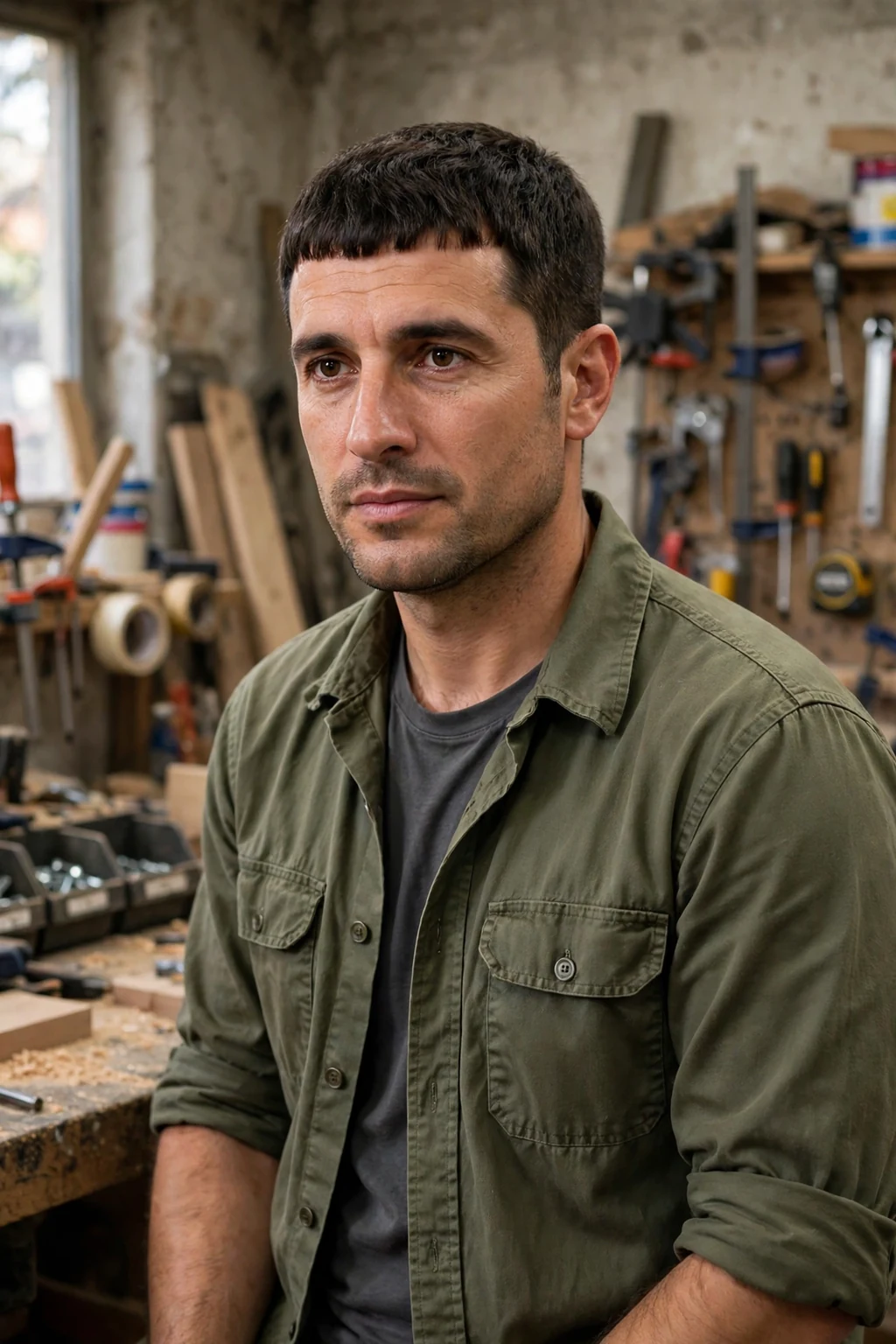
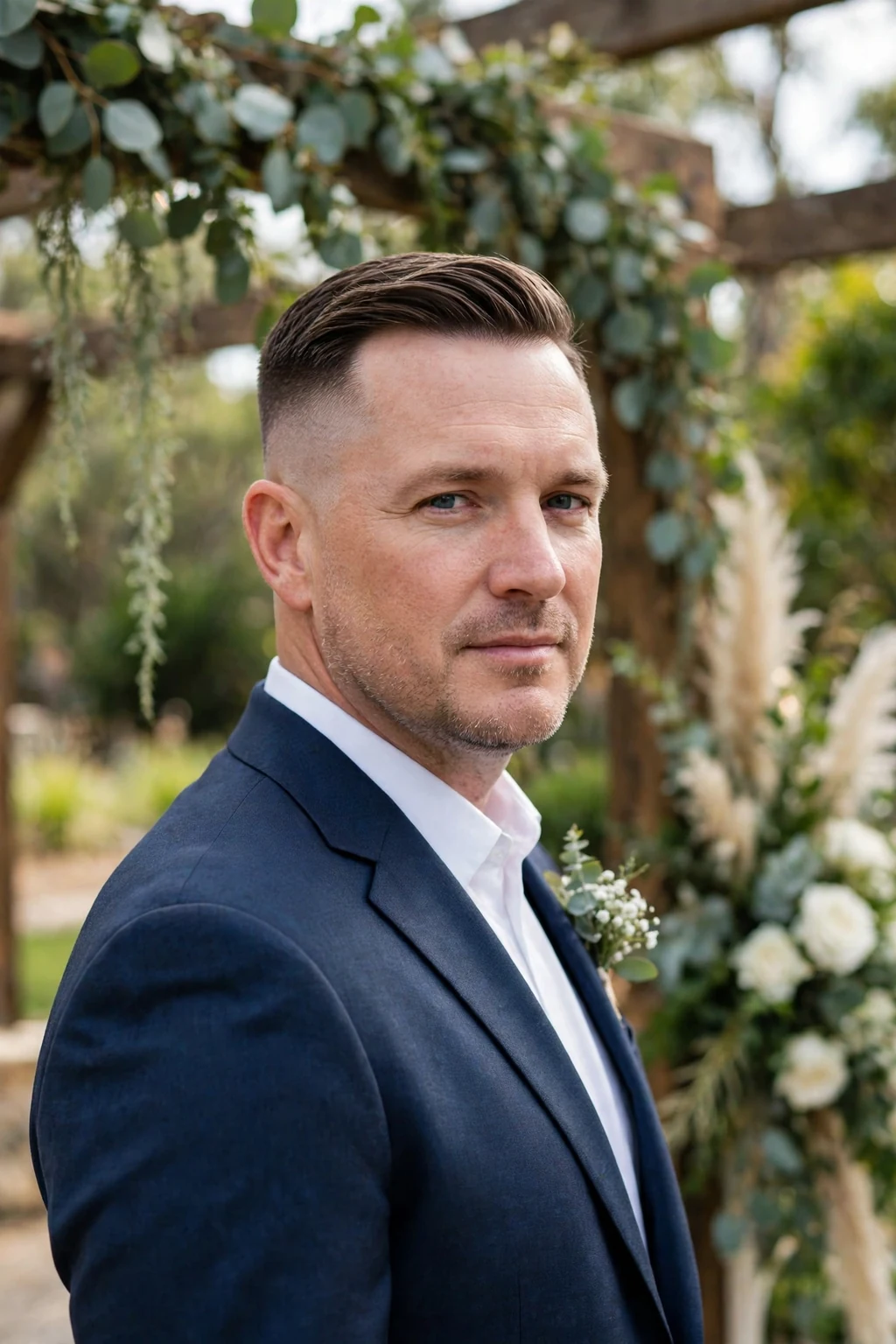
22. Comb Over Fade
The comb over fade combines a neat, side-swept top with a sharp fade at the sides, creating a polished style that feels both classic and contemporary. Its appearance is sleek and controlled, with hair combed over to one side in a smooth, even direction, a clean fade that blends into the skin at the edges, and a finish that can be glossy for formal occasions or matte for everyday wear. The shape opens up the face, adds structure to the top, and gives the cut a smart, deliberate silhouette that works in professional settings as well as social ones. It is a modern update of the traditional comb over, with the fade replacing the old tapered sides for extra sharpness. From a distance, the Comb Over Fade reads as polished and deliberate, while up close it reveals texture, clean edges, and thoughtful shaping that separate a good cut from an average one. It pairs naturally with a short beard or clean-shaven look, works with glasses, and adapts to both tailored clothing and casual streetwear without losing its character.
This style suits oval, square, and oblong faces, and it works best on straight to slightly wavy hair with medium density that can be combed smoothly to one side. It flatters men in their thirties and forties who want a refined, age-appropriate style with modern edge. To style, apply pomade or cream to damp hair, comb it over to its natural side, and blow-dry for extra hold and volume if desired. A trim every three to four weeks keeps the fade crisp and the top at combing length. Choose the comb over fade when you want a smart, versatile cut that looks polished, masculine, and completely reliable. For daily care, wash with a gentle shampoo two or three times a week, condition the longer sections, and avoid heavy oils that can flatten the shape. If your hair feels dry in winter or after sun exposure, a light leave-in conditioner will restore softness without sacrificing hold, and a weekly scalp massage can support healthy growth.
23. Brushed Back Waves
Brushed back waves are a soft, sophisticated style with medium-length wavy hair brushed back away from the face, creating gentle, flowing waves that fall naturally with movement and texture. Its appearance is relaxed yet refined, with visible wave pattern, soft volume through the top, and a finish that looks touchable and natural rather than stiff or heavily styled. The shape opens up the face, adds height without harsh lines, and carries a warm, approachable confidence that suits both smart and casual outfits. It is an excellent choice for wavy-haired men who have fought their texture in the past, because this style finally lets the waves do exactly what they want to do. What makes the Brushed Back Waves so dependable is how well it behaves between washes, keeping its silhouette even as natural oils and daily movement soften the initial styling. A quick finger-comb in the morning is often enough to restore its shape, and the cut looks just as strong on a busy weekday as it does at a special event.
This style suits oval, oblong, and square faces, and it works best on naturally wavy hair with medium to thick density, flattering men in their late twenties, thirties, and forties. To style, apply sea salt spray or light cream to damp hair, brush it back with your fingers or a wide-tooth comb, and let it air-dry or diffuse gently to preserve the wave pattern. Trims every six to eight weeks keep the shape balanced and prevent the waves from becoming heavy. Choose brushed back waves when you want a mature, effortless style that celebrates natural texture with quiet, confident polish. The grow-out phase is one of this style's strengths, because it softens gradually rather than collapsing into an awkward shape. As it grows, you can experiment with pushing it in a new direction, adding a little more texture, or simply booking your next trim a week later, knowing the cut will still look presentable in the meantime.

24. Shaggy Medium Cut
The shaggy medium cut is a longer, layered style with choppy ends, soft volume, and a deliberately undone finish that sits around the ears and neckline with plenty of movement. Its appearance is relaxed and creative, with broken-up layers, piecey texture, and a silhouette that looks lived-in rather than salon-perfect, full of character and personality. The shape is fuller than a crop but still controlled, with layers that prevent heaviness and let the hair move freely in every direction. It is a great choice for men who want to grow their hair out without a shapeless in-between stage, because the shaggy layers give the growing length a clear, intentional shape. The Shaggy Medium Cut also flatters a wide range of personal styles, from minimal and classic to bold and fashion-forward, because its shape is strong without being loud. It frames the eyes and cheekbones, keeps the neckline tidy, and gives the overall appearance a sense of purpose that elevates even a simple outfit.
This style suits oval, heart, and square faces, and it works on straight, wavy, and lightly curly hair with medium density, flattering men in their late twenties, thirties, and forties. To style, work texturizing spray or light cream through damp hair, scrunch gently, and let it air-dry, rearranging pieces with your fingers for a natural, tousled finish. Trims every seven to eight weeks refresh the layers and remove split ends, and grow-out is forgiving since shagginess improves with length. Choose the shaggy medium cut when you want a relaxed, expressive style with movement, texture, and an easy, creative spirit. To get the most from this cut, invest in one quality styling product that matches your hair type, keep your tools simple, and learn the two-minute routine that works for your morning. Consistency matters more than complexity, and once the routine becomes habit, the style will feel effortless, reliable, and completely your own.

25. Wet Look Side Sweep
The wet look side sweep is a sleek, evening-ready style with hair swept to one side in a smooth, glossy direction, creating a polished, high-shine finish that looks deliberately glamorous. Its appearance is refined and dramatic, with hair lying in one unified sweep, a wet-look sheen that catches light, and a silhouette that opens up the face and highlights strong features. The texture is smooth and controlled, with no flyaways or frizz, and the overall effect is confident and cinematic, perfect for nights out, events, and occasions when a standard matte finish feels too casual. A modern version keeps the roots slightly lifted, so the sweep looks voluminous rather than flat. In different lighting, the Wet Look Side Sweep shows off subtle depth and dimension, with shorter sections catching shadow and longer sections catching light. This natural contrast is what keeps the style interesting day after day, and it means the cut rarely looks flat, dull, or one-dimensional, even without elaborate styling.
This style suits oval, square, and heart-shaped faces, and it works best on straight to wavy hair with medium to thick density that can hold a smooth, glossy shape. It flatters men in their twenties, thirties, and forties who want a special-occasion style with real polish. To style, apply wet-look gel or high-shine pomade to damp hair, comb it to one side, and let it set naturally or blow-dry lightly for extra hold, finishing with a shine spray. Trims every four to five weeks keep the length sweepable and the sides tidy. Choose the wet look side sweep when you want a sleek, confident, evening-ready style that stands out. This is also a style worth trying if you have been stuck in the same cut for years, because it offers a noticeable change without a dramatic risk. It is easy to adjust at the next appointment, whether you want it shorter, longer, softer, or sharper, and that flexibility makes it a confident first step toward a fresher look.

How to Choose the Right Mens Hairstyle
The best mens hairstyle is the one that fits your face shape, hair texture, and daily routine at the same time. A sharp fade flatters a round face, a textured crop adds fullness to fine hair, and a longer top gives thick or wavy hair room to move. Bring a photo to your barber, talk honestly about how much time you want to spend styling each morning, and choose a cut that still looks good on day three without a full restyle.
Mens hairstyles are wonderfully versatile right now, from low-maintenance buzz cuts to longer textured styles that reward a little effort. Book a trim every three to six weeks for short cuts and every six to eight weeks for longer styles, use the right product for your hair type, and do not be afraid to adjust the length as it grows out. The style that makes you feel confident and looks effortless is always the right choice.
Conclusion
From classic crew cuts to textured crops, sharp fades, and relaxed bro flows, these 25 mens hairstyles prove there is a great cut for every face shape, hair type, and lifestyle. Choose the style that fits your routine, keep up with regular trims, and wear it with total confidence.