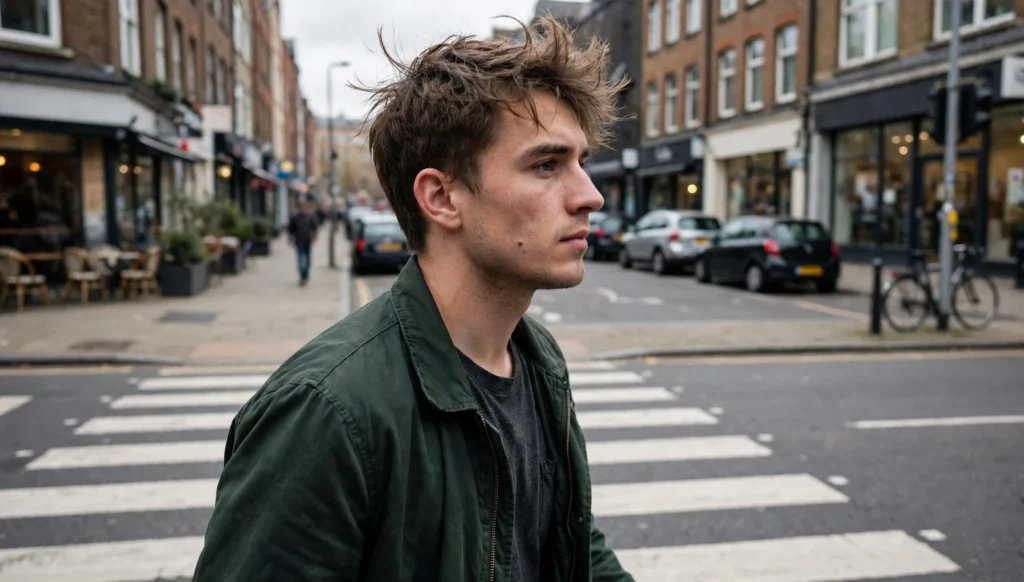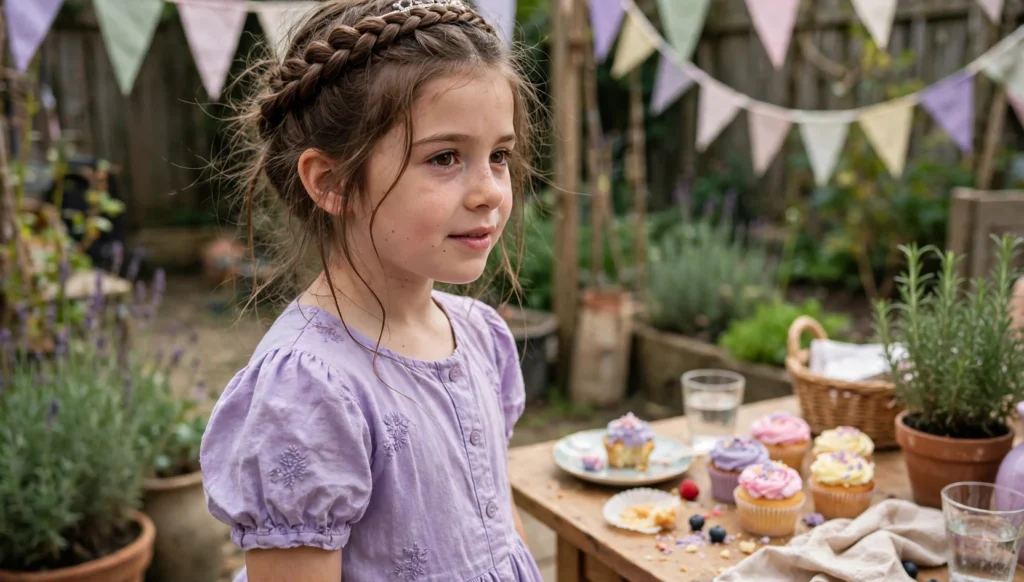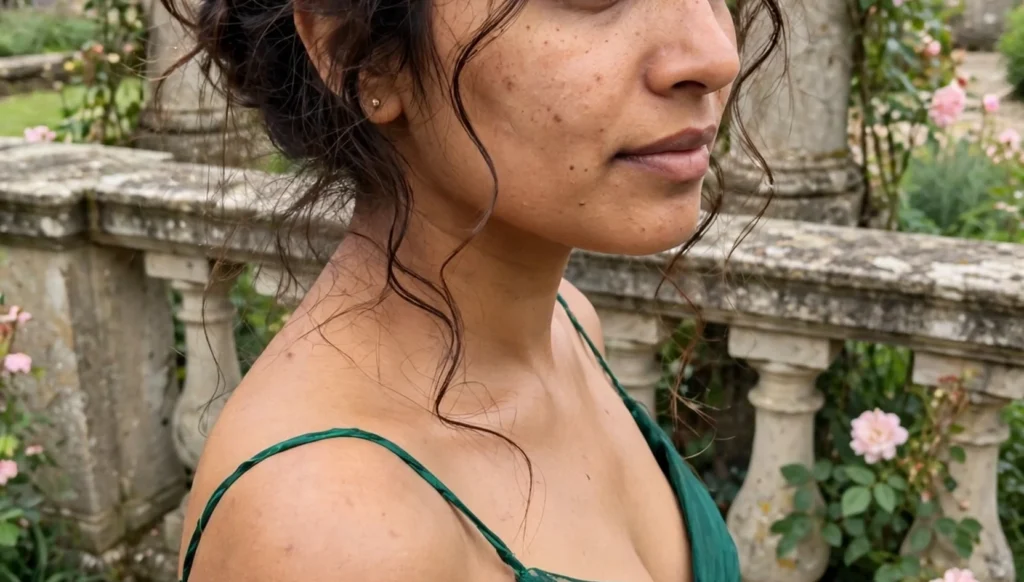

Hairstyles for track need to work as hard as you do: secure through sprints, comfortable through distance events, and polished enough for race-day photos. These 25 sporty hairstyles for track keep hair out of your face, survive sweat and wind, and look confident from warm-ups to the finish line.
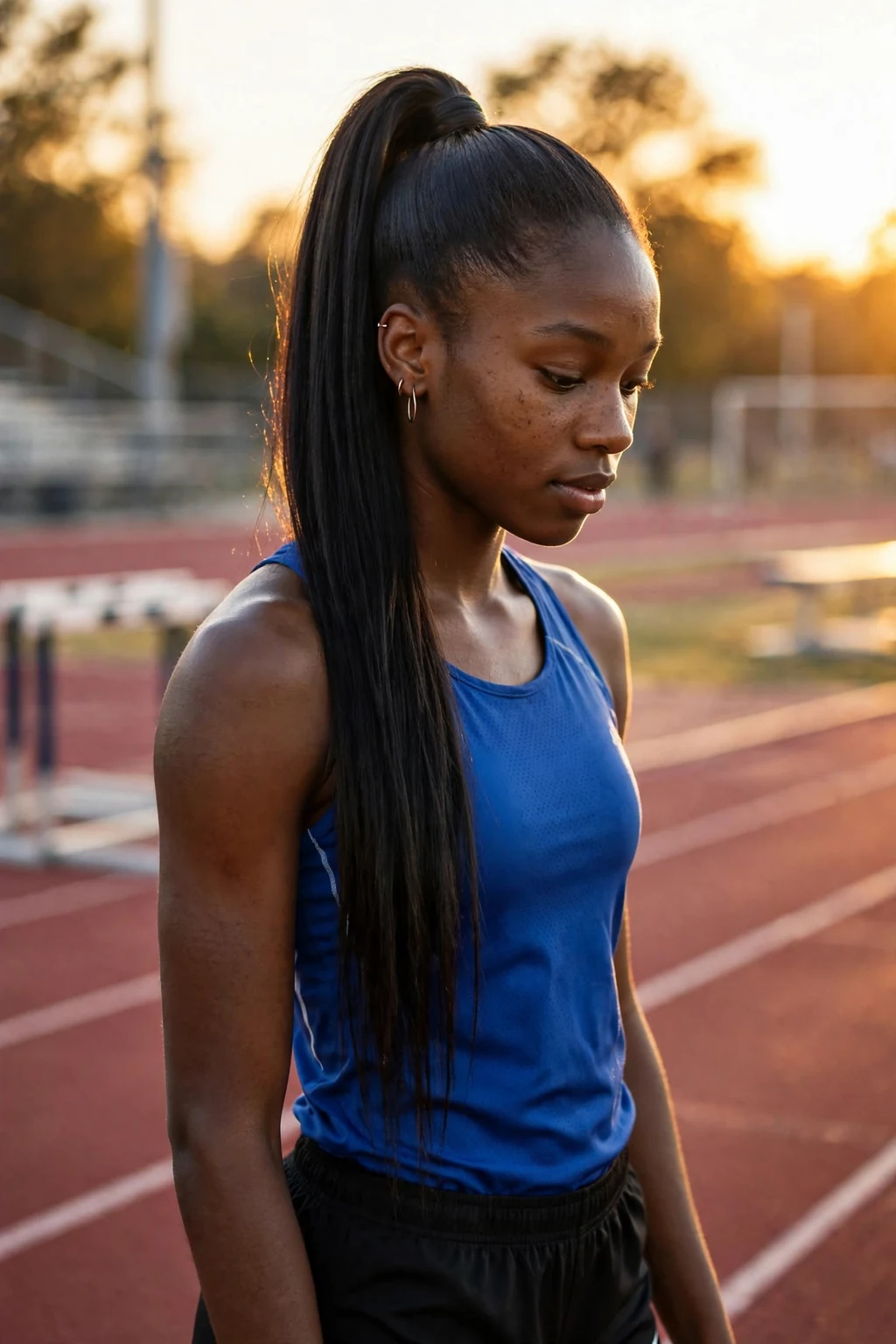
1. Classic High Ponytail
The classic high ponytail is the track athlete's timeless workhorse: all of the hair is gathered high at the crown and secured into a swinging, polished tail that keeps every strand clear of the face, neck, and shoulders. Its shape is clean and lifted, with a smooth, brushed crown, a firm elastic anchor, and a tail that moves freely with each stride without collapsing or tangling. The finish is sleek at the roots and naturally full through the lengths, giving a look that is both sporty and confident, whether you are warming up, sprinting a relay leg, or cooling down after a long run. This style suits almost every face shape, especially oval, round, and heart-shaped faces, because the lifted crown lengthens the profile and opens up the features. It works beautifully on straight, wavy, and lightly curly hair of medium to thick density, and it is a smart choice for teen and young adult runners who need reliable hold through heats, hurdles, and distance events. It flatters athletes of all heights and builds, and it pairs perfectly with a headband, visor, or sunglasses on sunny race days. On the track, this matters more than it does anywhere else: a style that slips, swings, or falls forward costs focus, and focus is what wins close races.
To style it, brush the hair upward with a paddle brush, smooth flyaways with a light gel or edge control, and secure the tail with two strong, snag-free elastics crossed for extra grip. Wrap a small section of hair around the base to hide the elastic and pin it underneath for a polished finish. A quick mist of flexible-hold hairspray keeps the crown smooth in wind, and a sweat-wicking headband worn behind the hairline adds grip without flattening the lift at the front. Maintenance is delightfully simple: refresh the ponytail between events, re-brush the crown, and swap the elastic after every hard session so it never stretches out. Trim the ends every eight to ten weeks to prevent split ends from catching in the elastic, and wash with a clarifying shampoo once a week if you train daily. Try it because it never fails under pressure — it is fast to create, comfortable for hours, and it keeps your focus exactly where it belongs, on the finish line. Pair it with a sweat-wicking headband, a secure elastic, and a quick mirror check before you step onto the track, and it will carry you through warm-ups, heats, and finals without a single adjustment.
2. Braided High Ponytail
The braided high ponytail takes the classic track ponytail one step further by weaving the tail into a neat, secure braid that cannot whip, tangle, or unravel mid-race. Its shape is high and streamlined, with a smooth, lifted crown that flows into a compact braid with clean, even sections and a tidy, tapered end. The finish is controlled and athletic, with a subtle texture from the braid that looks intentional and polished from the starting blocks to the medal stand, even after hours of heat and humidity. This style is ideal for runners with medium to long hair who struggle with a loose ponytail whipping across the face in wind or during a sprint finish. It suits oval, round, square, and heart-shaped faces, and it works on straight, wavy, and curly textures, though very fine hair benefits from a texturizing spray for grip. It is especially popular with sprinters, hurdlers, and relay runners who need zero distractions and a style that survives explosive movement. On the track, this matters more than it does anywhere else: a style that slips, swings, or falls forward costs focus, and focus is what wins close races.
To style it, pull the hair into a high ponytail, divide the tail into three equal sections, and braid firmly all the way down, securing the end with a small elastic. Smooth the crown first with gel or pomade, and use a light-hold spray over the braid to tame flyaways without making it stiff. For extra security, braid slightly tighter than you would for everyday wear, since running loosens a braid a little, and finish with a wrapped section at the base for a neat, competition-ready look. Maintenance is minimal: undo the braid after training, detangle gently from the ends upward, and re-braid fresh for each race day. Trim every eight to twelve weeks to keep the braid ends even, and deep-condition weekly if you braid daily, since repeated braiding can dry the lengths. Try it because it combines the speed of a ponytail with the security of a braid — no whipping hair, no mid-race fixes, just a style that stays put and looks sharp in every race photo. Pair it with a sweat-wicking headband, a secure elastic, and a quick mirror check before you step onto the track, and it will carry you through warm-ups, heats, and finals without a single adjustment.
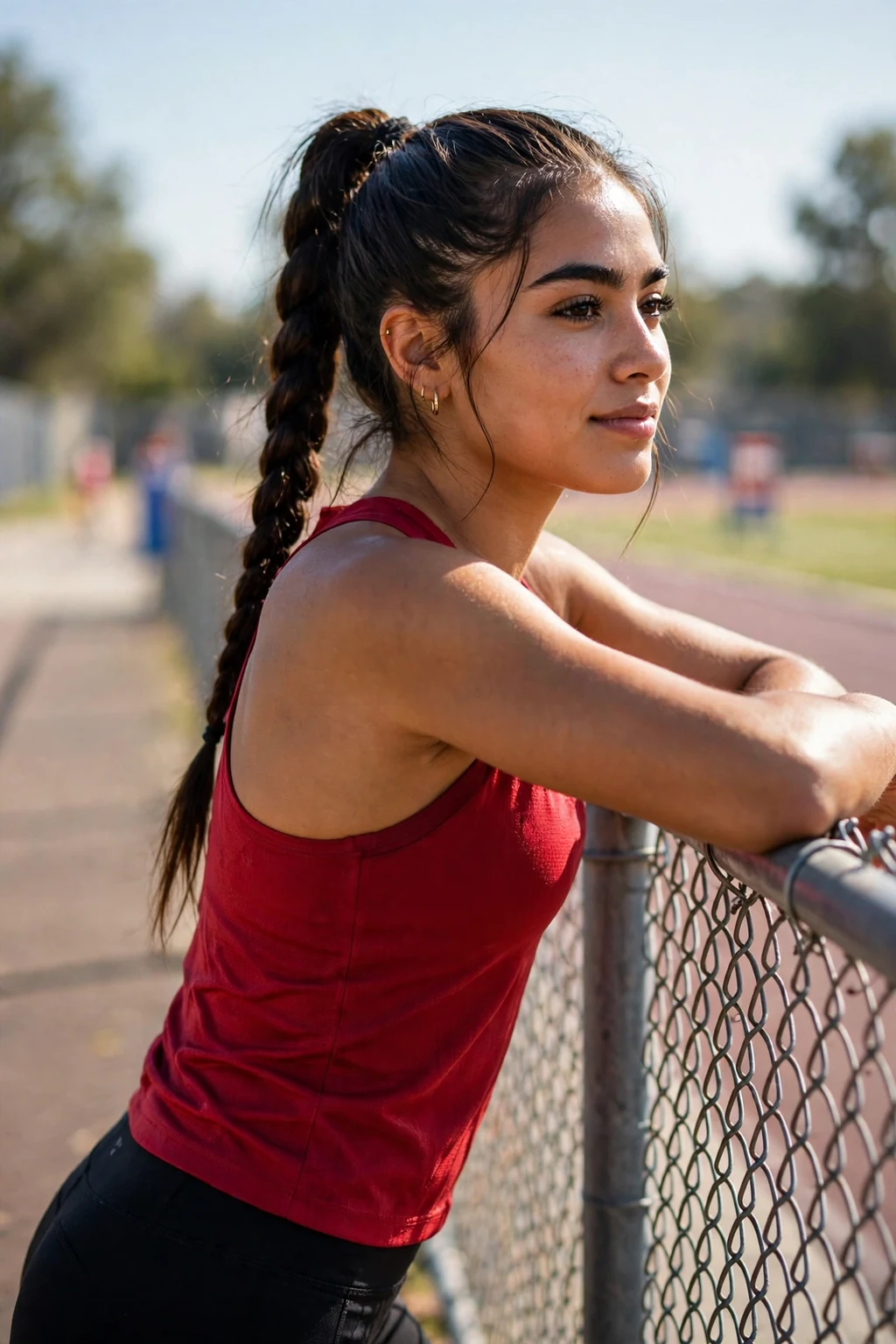
3. Double French Braids
Double French braids are the gold standard for track days: two symmetrical braids woven close to the scalp from the hairline to the nape, then finished as tidy plaits down the back. Their shape is balanced and streamlined, hugging the head so no hair escapes into the eyes, and the finished look is neat, sporty, and symmetrical from every angle. The texture is smooth and controlled, with each crossover lying flat against the scalp, giving a clean, competition-ready finish that holds through warm-ups, heats, and long, sweaty training sessions. This style suits every face shape, particularly round and oval faces, because the centre part and side braids frame the face evenly without adding bulk. It works on straight, wavy, and curly hair, and it is a lifesaver for athletes with layers or bangs that would otherwise fall forward. It is beloved by middle-distance runners, jumpers, and throwers alike, and it is gentle enough for daily training while still looking polished for a championship meet. On the track, this matters more than it does anywhere else: a style that slips, swings, or falls forward costs focus, and focus is what wins close races.
To style them, part the hair cleanly down the centre, then French braid each side by adding small sections as you work toward the nape, keeping tension even so both braids match. Secure each braid with a small elastic and tuck the ends under or leave them as short plaits. A dab of gel along the part and hairline prevents frizz, and a light spray seals the style. Practice once or twice and the whole routine takes under ten minutes. Maintenance is easy: wear the braids for training, then undo them at night to avoid tension on the scalp, and sleep with hair loose or in a soft bun. Trim every ten weeks, since braided hair hides split ends, and wash thoroughly after sweaty sessions to keep the scalp fresh. Try double French braids because they are the most dependable style in track — they survive wind, sweat, and speed, they look effortlessly athletic, and they leave you free to run without ever touching your hair. Pair it with a sweat-wicking headband, a secure elastic, and a quick mirror check before you step onto the track, and it will carry you through warm-ups, heats, and finals without a single adjustment.

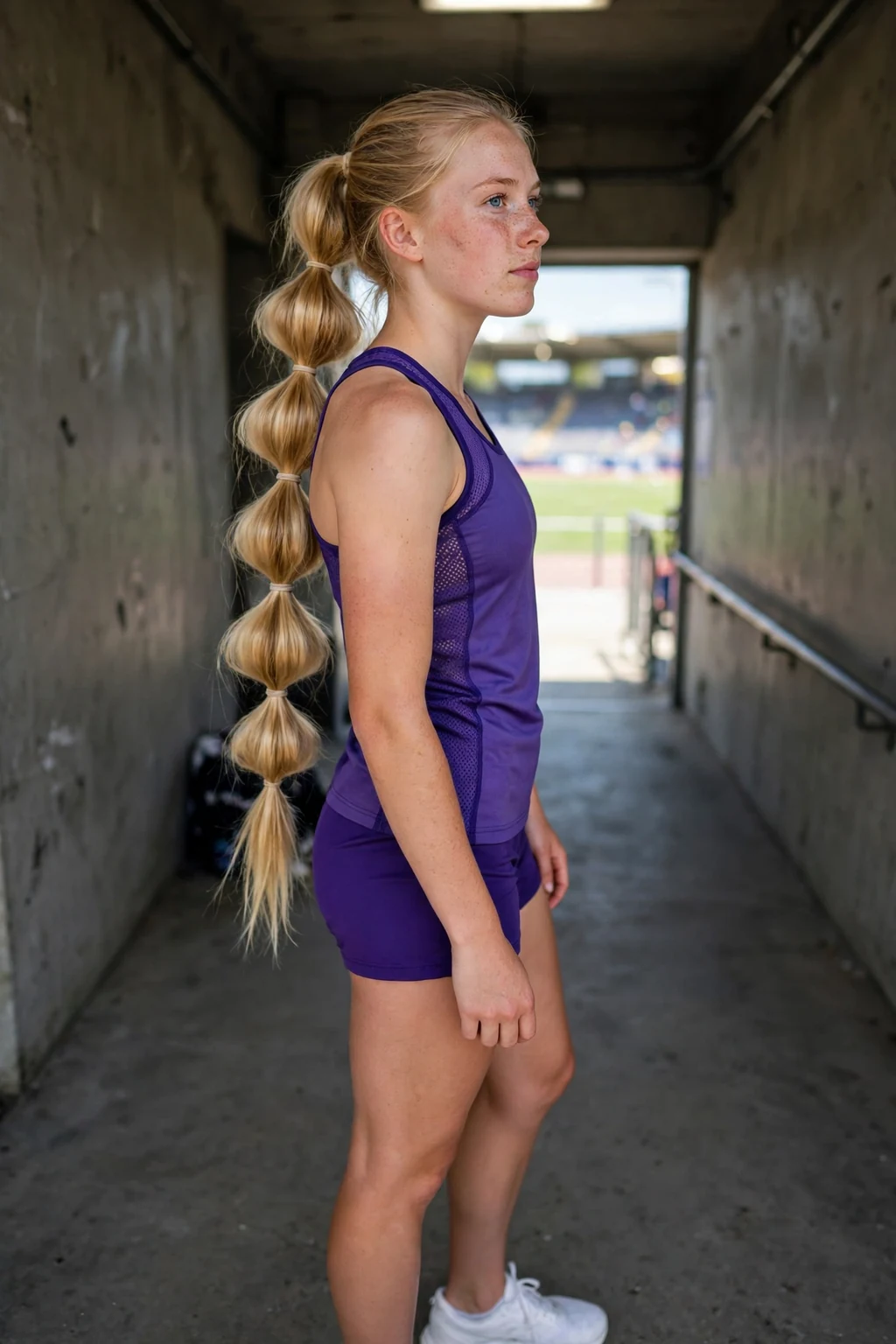
4. Bubble Braid Ponytail
The bubble braid ponytail is a playful, high-impact track style that turns a simple ponytail into a string of soft, rounded sections, each puffed out gently for volume and shape. Its appearance is fun and modern, with a smooth crown, a high anchor, and a tail divided by evenly spaced elastics into plump, bouncy bubbles that hold their shape while you run. The finish is full and eye-catching without being fussy, and because each section is secured separately, the style stays remarkably controlled even during sprints and jumps. This style suits oval, heart, and oblong faces, since the high placement and vertical bubbles add length and lift to the profile. It works best on medium to long hair of medium to thick density, because the bubbles need enough hair to puff out, and it is wonderful for straight and wavy textures. It is a favourite for sprinters and relay teams who want a coordinated, spirited look, and it photographs beautifully, making it a great choice for team photos and race-day social posts. On the track, this matters more than it does anywhere else: a style that slips, swings, or falls forward costs focus, and focus is what wins close races.
To style it, secure a high ponytail, then add small elastics every few inches down the tail, gently pulling each section outward to create a rounded bubble shape. Keep the first section closest to the crown slightly smaller for a balanced taper, and smooth the crown with gel before you begin. A light-hold spray keeps flyaways down, and matching elastics in your team colours turn the style into a full team look in minutes. Maintenance is straightforward: remove the elastics carefully after training to avoid breakage, detangle the tail, and re-section fresh for race day. Trim every eight to ten weeks to keep the bubbles even, and avoid sleeping in the style, since the elastics can dent the hair. Try it because it is secure, cheerful, and surprisingly practical — the bubbles cannot tangle the way a loose tail can, and the style brings energy to the track without ever getting in your way. Pair it with a sweat-wicking headband, a secure elastic, and a quick mirror check before you step onto the track, and it will carry you through warm-ups, heats, and finals without a single adjustment.
5. Sleek Low Bun
The sleek low bun is the most refined style on the track: hair brushed smooth, gathered low at the nape, and twisted or coiled into a compact, flat bun that sits close to the head. Its shape is tidy and aerodynamic, with no swinging tail, no loose pieces, and a silhouette that stays exactly the same from the first warm-up lap to the final cool-down. The finish is glossy and controlled, with a centre or side part and a smooth crown that looks polished under a cap, visor, or headband, and it never bounces or shifts during a race. This style suits oval, square, and diamond faces beautifully, because the low placement and smooth lines soften strong jawlines and balance longer profiles. It works on straight, wavy, and curly hair of all densities, and it is ideal for field-event athletes, distance runners, and anyone who dislikes the feeling of hair moving while they compete. It is also a smart choice for athletes with fine hair, since the coiled bun creates the illusion of fullness and weight. On the track, this matters more than it does anywhere else: a style that slips, swings, or falls forward costs focus, and focus is what wins close races.
To style it, brush the hair back with a smoothing gel, gather it at the nape, twist it into a coil, and pin it flat with sturdy bobby pins crossed for grip. Use a donut or a small braid wrapped around the base if you want extra volume or a decorative finish. A strong-hold spray seals the crown, and a few pins placed in opposite directions keep the bun locked through hurdles, jumps, and throws. Maintenance is minimal: take the bun down after training, brush out any gel residue, and re-pin fresh for competition. Trim every eight weeks to keep the nape tidy, and use a weekly hair mask if daily gel use dries your lengths. Try the sleek low bun because it is the ultimate no-distraction style — nothing swings, nothing falls, and nothing needs fixing, so you can focus entirely on your event while looking calm, composed, and ready. Pair it with a sweat-wicking headband, a secure elastic, and a quick mirror check before you step onto the track, and it will carry you through warm-ups, heats, and finals without a single adjustment.

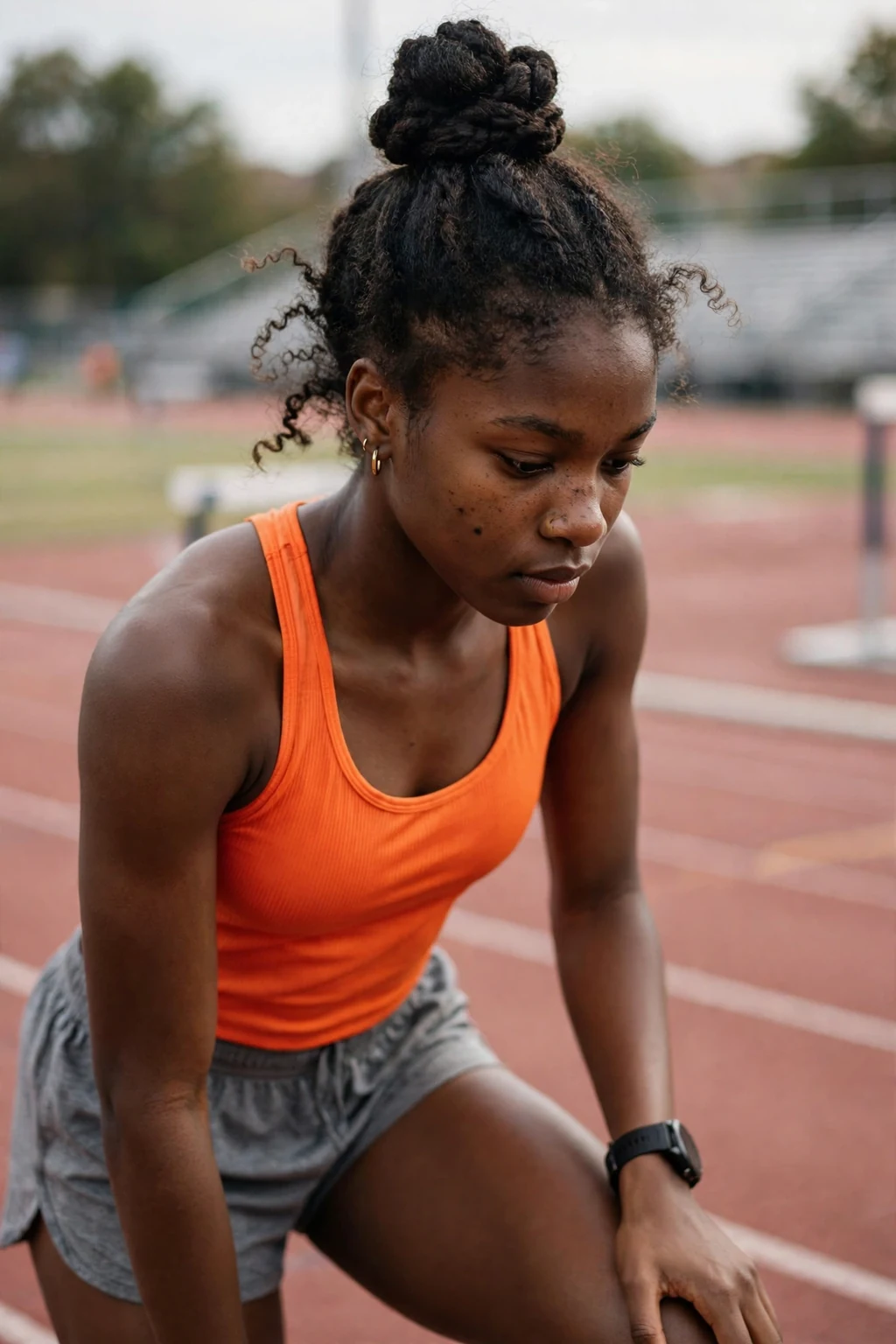
6. High Top Knot
The high top knot piles all of the hair into a single, secure bun at the very top of the head, creating a bold, lifted silhouette that keeps the neck completely free and cool. Its shape is round and compact, sitting high above the crown so it never touches the shoulders or back, and the finish can be sleek and polished or softly textured depending on how you wrap it. The look is confident and athletic, with a clean hairline and a bun that stays put through sprints, plyometrics, and long, hot training days. This style suits round, oval, and heart-shaped faces, because the height on top lengthens the profile and draws attention upward. It works wonderfully on thick, curly, and coily hair, which naturally gives the knot fullness, and it is equally good on long straight hair wrapped around a bun maker. It is a favourite for warm-weather meets, indoor training, and athletes who overheat easily, since it lifts every strand off the neck and shoulders. On the track, this matters more than it does anywhere else: a style that slips, swings, or falls forward costs focus, and focus is what wins close races.
To style it, pull the hair into a very high ponytail, twist the tail around its base, and pin it securely, or wrap it around a bun donut for extra size and symmetry. Smooth the hairline with edge control or gel, and use pins in several directions so the knot cannot wobble. A light spray holds flyaways, and a headband worn behind the knot adds grip and a sporty finish without flattening the bun. Maintenance is simple: undo the knot after training to relieve tension, moisturise curly or coily lengths, and re-wrap fresh for each session. Trim every eight to twelve weeks, and avoid wearing the knot extremely tight every day, alternating with a lower bun to protect the hairline. Try the high top knot because it is fast, cool, and fearless — it keeps you comfortable in the heat, it survives the hardest workouts, and it looks powerful on the start line. Pair it with a sweat-wicking headband, a secure elastic, and a quick mirror check before you step onto the track, and it will carry you through warm-ups, heats, and finals without a single adjustment.
7. Double Dutch Braids into a Bun
Double Dutch braids into a bun combine the grip of raised braids with the tidiness of a bun: two Dutch braids run from the hairline to the nape, then merge into a single low bun that sits flat and secure. The shape is sculpted and symmetrical, with raised, rope-like braids that stand out beautifully against the scalp and a compact bun that adds no swing or bounce. The finish is sporty and striking, with clean parts and a smooth crown that looks deliberate and competition-ready, and it holds flawlessly through wind, sweat, and full-speed effort. This style suits oval, round, and heart-shaped faces, because the raised braids frame the face evenly and the low bun keeps the profile balanced. It works on straight, wavy, and curly hair of medium to long length, and it is especially useful for athletes with thick hair that escapes from a single bun. It is a top choice for hurdlers, jumpers, and multi-event athletes who need a style that survives an entire day of different events without a single touch-up. On the track, this matters more than it does anywhere else: a style that slips, swings, or falls forward costs focus, and focus is what wins close races.
To style it, part the hair down the centre, Dutch braid each side by crossing sections underneath so the braid sits raised, and continue to the nape. Gather both braids together, twist them into a bun, and pin firmly. Smooth the parts with gel, use a light spray to seal flyaways, and choose sturdy pins rather than thin ones, since the bun carries the weight of two braids. Maintenance is easy: undo the braids after a meet, detangle gently, and give the scalp a rest between braided days. Trim every ten weeks, and wash well after sweaty competitions to remove gel and salt buildup. Try this style because it is the best of both worlds — the braids lock the front down completely, the bun finishes the look without any movement, and the result is a style that looks as strong and disciplined as your training. Pair it with a sweat-wicking headband, a secure elastic, and a quick mirror check before you step onto the track, and it will carry you through warm-ups, heats, and finals without a single adjustment.
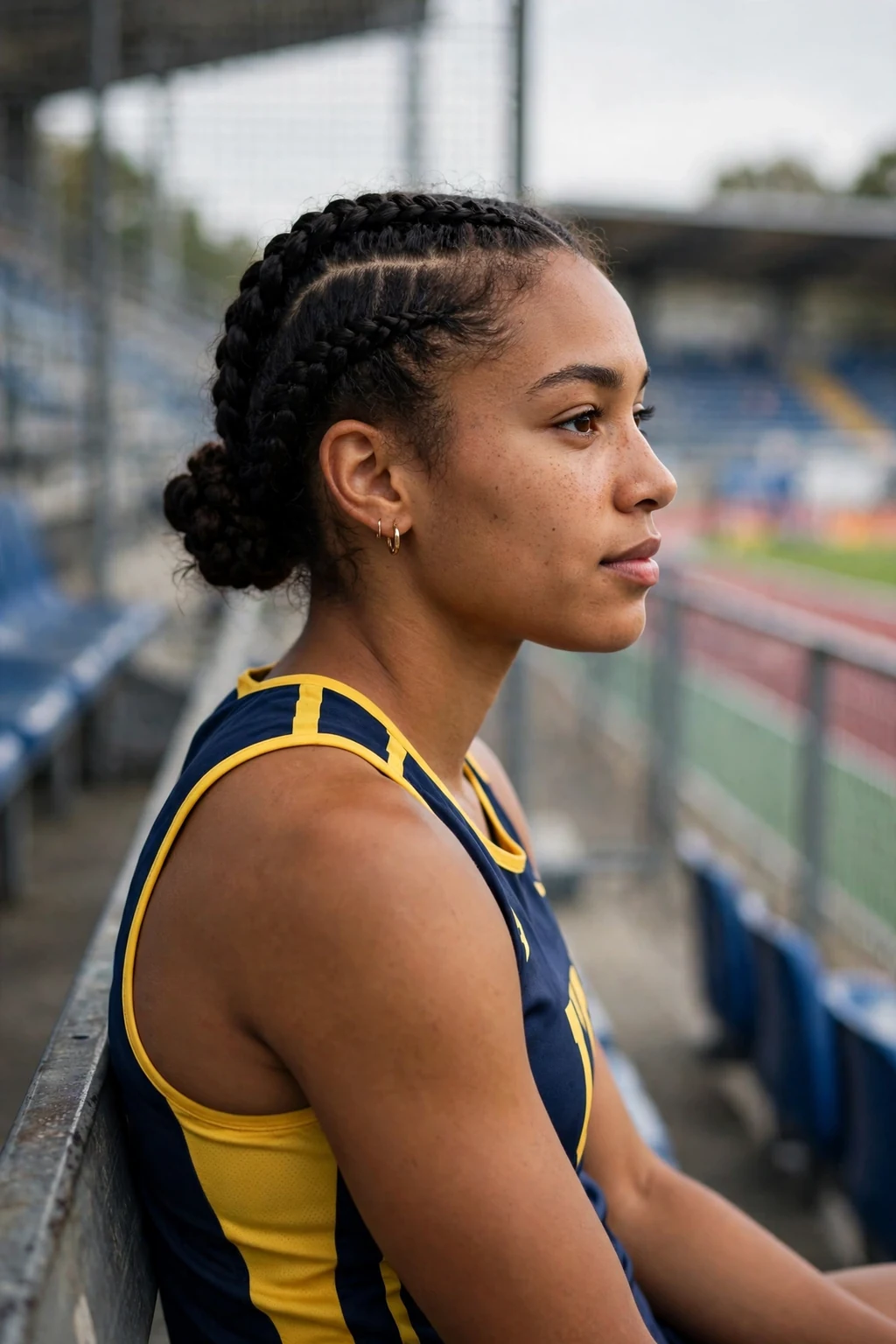
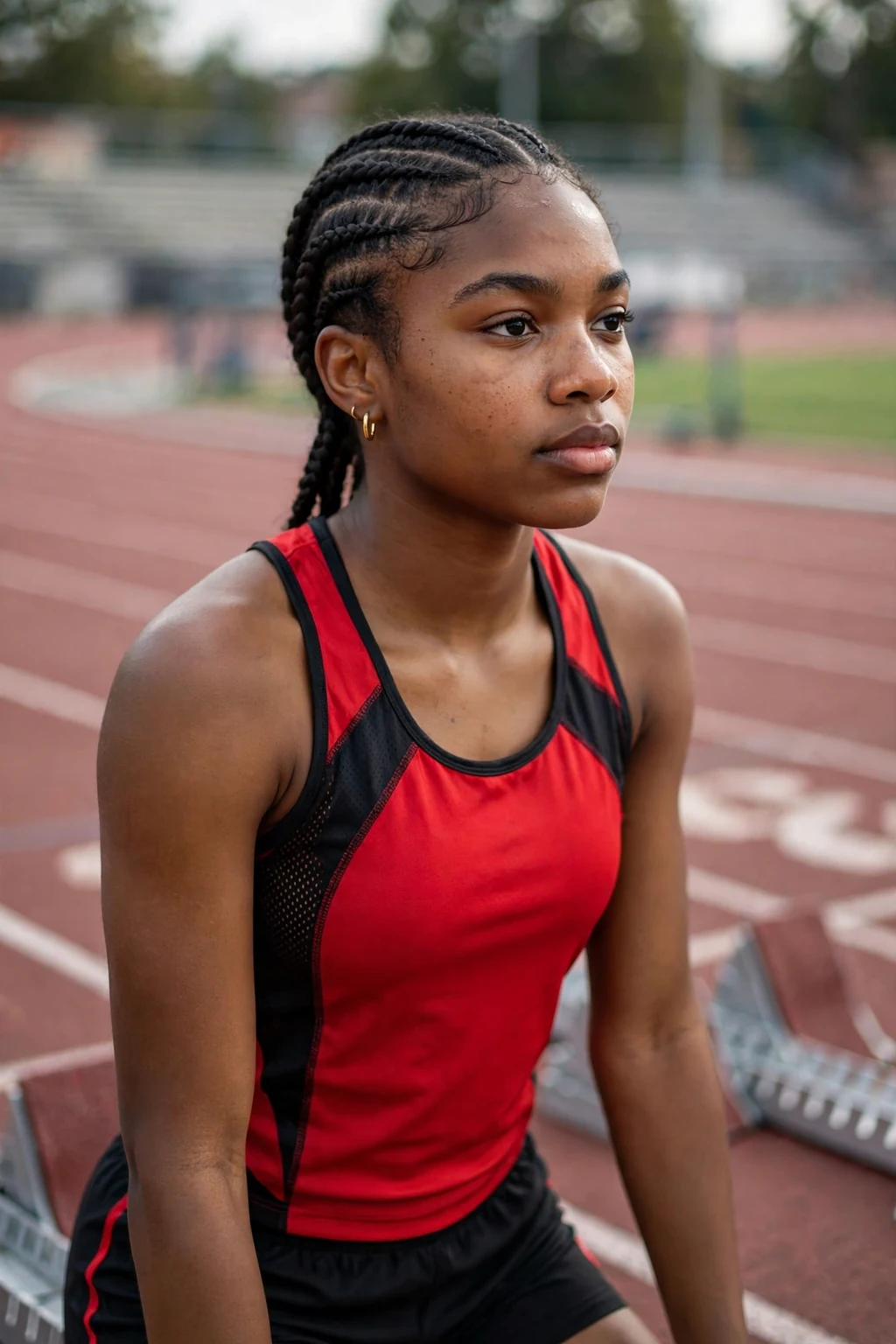
8. Classic Cornrows
Classic cornrows are braids woven flat and tight against the scalp in straight, parallel rows from the front hairline to the back of the head, creating a sleek, patterned finish that is completely locked down. Their shape is low, smooth, and aerodynamic, with no loose hair anywhere, and the rows create a beautiful, rhythmic texture that looks intentional and athletic. The finish is clean and long-lasting, with a neat hairline and a style that survives heat, humidity, sweat, and speed for days, making cornrows a trusted choice for multi-day meets and training camps. This style suits every face shape, because the rows follow the natural shape of the head and the face stays fully open and unobstructed. It works beautifully on curly, coily, and textured hair, and it is a protective style that keeps natural hair safe from wind, friction, and constant manipulation. It is ideal for distance runners, sprinters, and athletes travelling for competition, since it needs almost no daily styling and still looks sharp on day three. On the track, this matters more than it does anywhere else: a style that slips, swings, or falls forward costs focus, and focus is what wins close races.
To style cornrows, section the hair into even rows, braid each row close to the scalp while adding hair gradually, and secure the ends with small elastics or by braiding to the tips. A braider can create the style in one session, and a light scalp oil keeps the parts comfortable. For race day, add a headband or a few beads or cuffs at the ends for a personal, team-spirited finish that still meets competition rules. Maintenance is protective and simple: keep the scalp clean with a diluted shampoo rinse or a scalp spray, moisturise the lengths lightly, and avoid keeping the rows in for more than two to three weeks. Take them down gently, detangle carefully, and rest the hair before re-braiding. Try cornrows because they are the ultimate set-and-forget track style — no morning styling, no mid-race fixes, and a look that stays flawless through every heat, final, and celebration. Pair it with a sweat-wicking headband, a secure elastic, and a quick mirror check before you step onto the track, and it will carry you through warm-ups, heats, and finals without a single adjustment.
9. Fishtail Side Braid
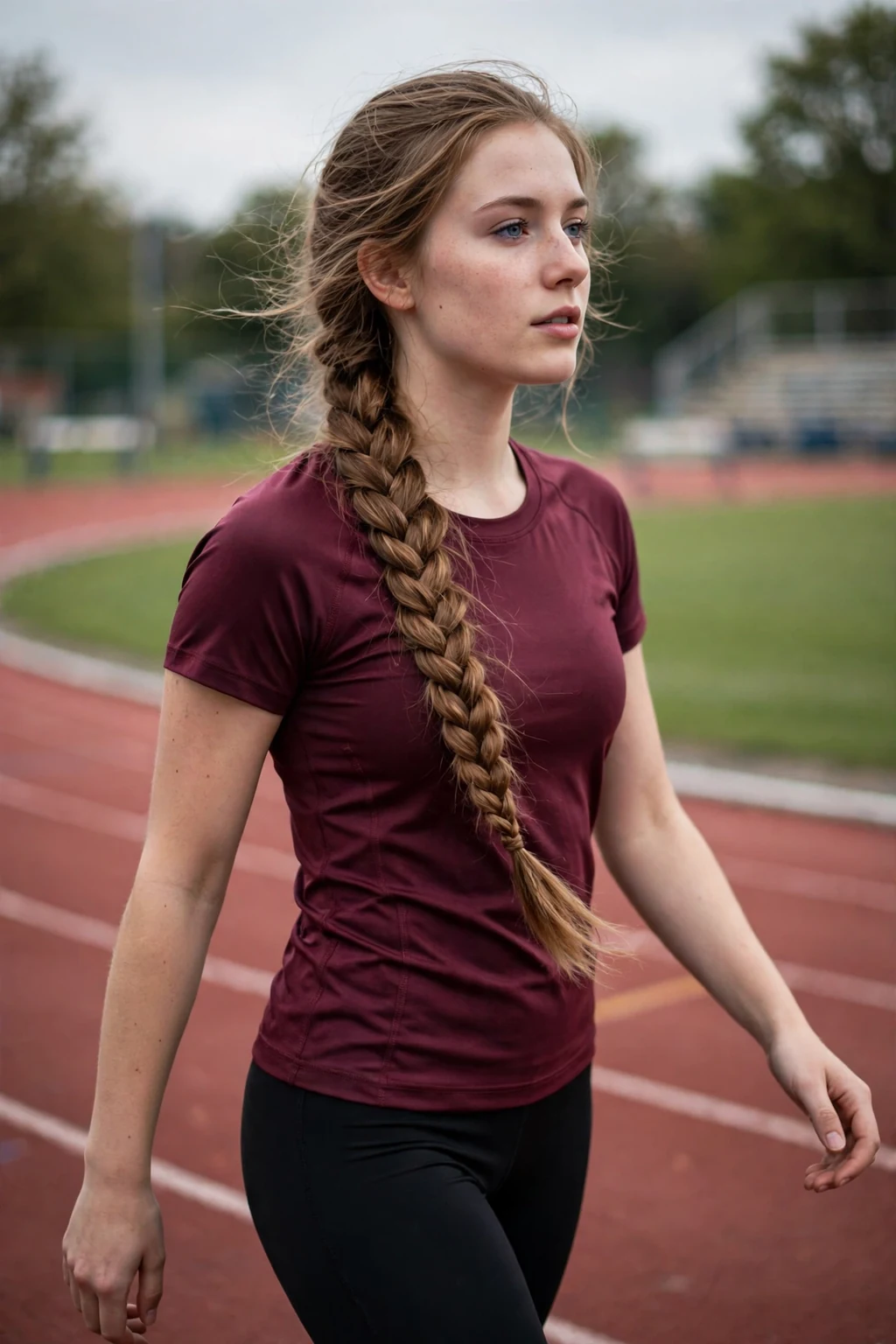
The fishtail side braid sweeps all of the hair over one shoulder and weaves it into a detailed, herringbone-patterned braid that looks intricate but wears like a practical track style. Its shape is long and draped, resting forward over the collarbone so it never swings behind you during a run, and the texture is finely woven, with small, even sections creating a beautiful, almost knitted pattern. The finish is softer than a classic braid, with a slightly relaxed, romantic edge that still stays secure and tidy through training. This style suits oval, oblong, and heart-shaped faces, because the side placement softens the profile and draws the eye diagonally across the face. It works best on medium to long hair of medium density, and it is lovely on straight and wavy textures where the fishtail pattern shows clearly. It is a great choice for distance runners and for athletes who want a style that transitions from the track to team dinners and photos without needing a restyle. On the track, this matters more than it does anywhere else: a style that slips, swings, or falls forward costs focus, and focus is what wins close races.
To style it, sweep the hair to one side, divide it into two sections, and fishtail braid by crossing small pieces from the outside of each section to the inside of the other, working all the way down. Keep tension even and secure the end with a small elastic. A texturizing spray gives grip, especially on fine or freshly washed hair, and gently pulling the braid edges outward adds fullness without loosening the weave. Maintenance is straightforward: braid it fresh for race day, undo it after training, and brush through the waves it leaves behind for a bonus second-day texture. Trim every eight to ten weeks to keep the braid tail even, and deep-condition occasionally if you braid tightly every day. Try the fishtail side braid because it proves practical can still be pretty — it keeps hair forward and controlled, it looks far more complex than it is, and it earns compliments long after the race is over. Pair it with a sweat-wicking headband, a secure elastic, and a quick mirror check before you step onto the track, and it will carry you through warm-ups, heats, and finals without a single adjustment.
10. Low Ponytail with a Wrap
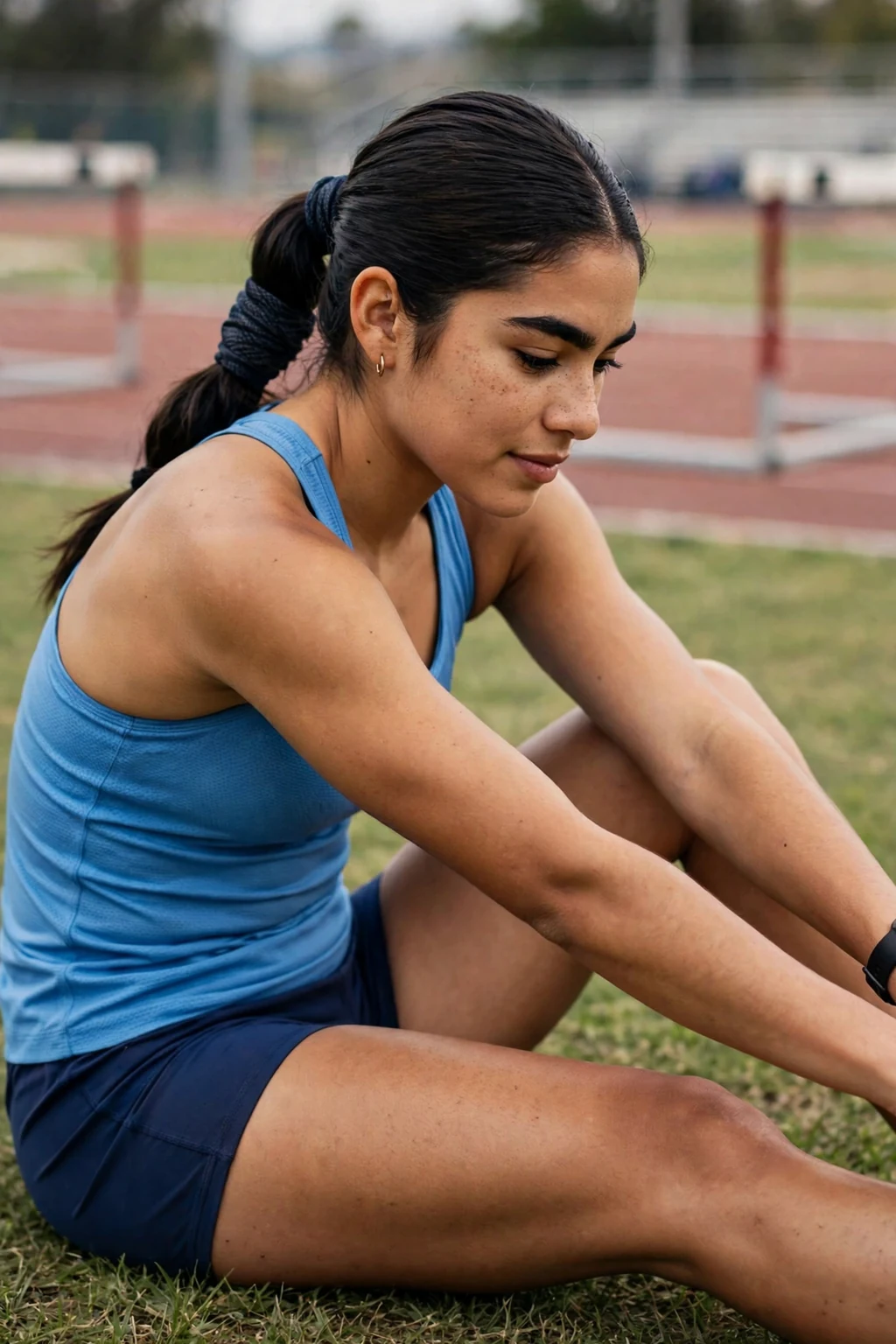
The low ponytail with a wrap is a polished, understated track style: hair gathered low at the nape into a smooth tail, with a section of hair wrapped neatly around the elastic to hide it completely. Its shape is low and controlled, with a sleek crown, a tidy base, and a tail that falls straight down the back without bouncing wildly. The finish is clean and grown-up, with a glossy, intentional look that works under a cap or visor and stays neat through long training sessions and race days alike. This style suits oval, square, and oblong faces, because the low placement balances longer profiles and keeps the focus on the features rather than on height. It works on straight, wavy, and curly hair of medium to long length, and it is perfect for athletes who find high ponytails uncomfortable or who wear a hat for sun protection. It is a favourite for distance runners, coaches, and officials on the sidelines who want a style that is both athletic and tidy. On the track, this matters more than it does anywhere else: a style that slips, swings, or falls forward costs focus, and focus is what wins close races.
To style it, smooth the hair back with a brush and a little gel, secure it low at the nape with a strong elastic, then take a thin section from underneath the tail, wrap it around the base several times, and pin it underneath. A flexible-hold spray keeps the crown smooth, and a second elastic crossed over the first adds security for longer runs. The whole routine takes about three minutes once you have practised the wrap. Maintenance is minimal: re-wrap the base between events if needed, trim every eight to ten weeks, and wash out gel after sweaty sessions to prevent buildup. Try it because it is the quiet achiever of track hairstyles — it never distracts, it never slips, and it looks polished in every setting, from a morning time trial to an evening awards ceremony. Pair it with a sweat-wicking headband, a secure elastic, and a quick mirror check before you step onto the track, and it will carry you through warm-ups, heats, and finals without a single adjustment.
11. Half-Up Top Knot
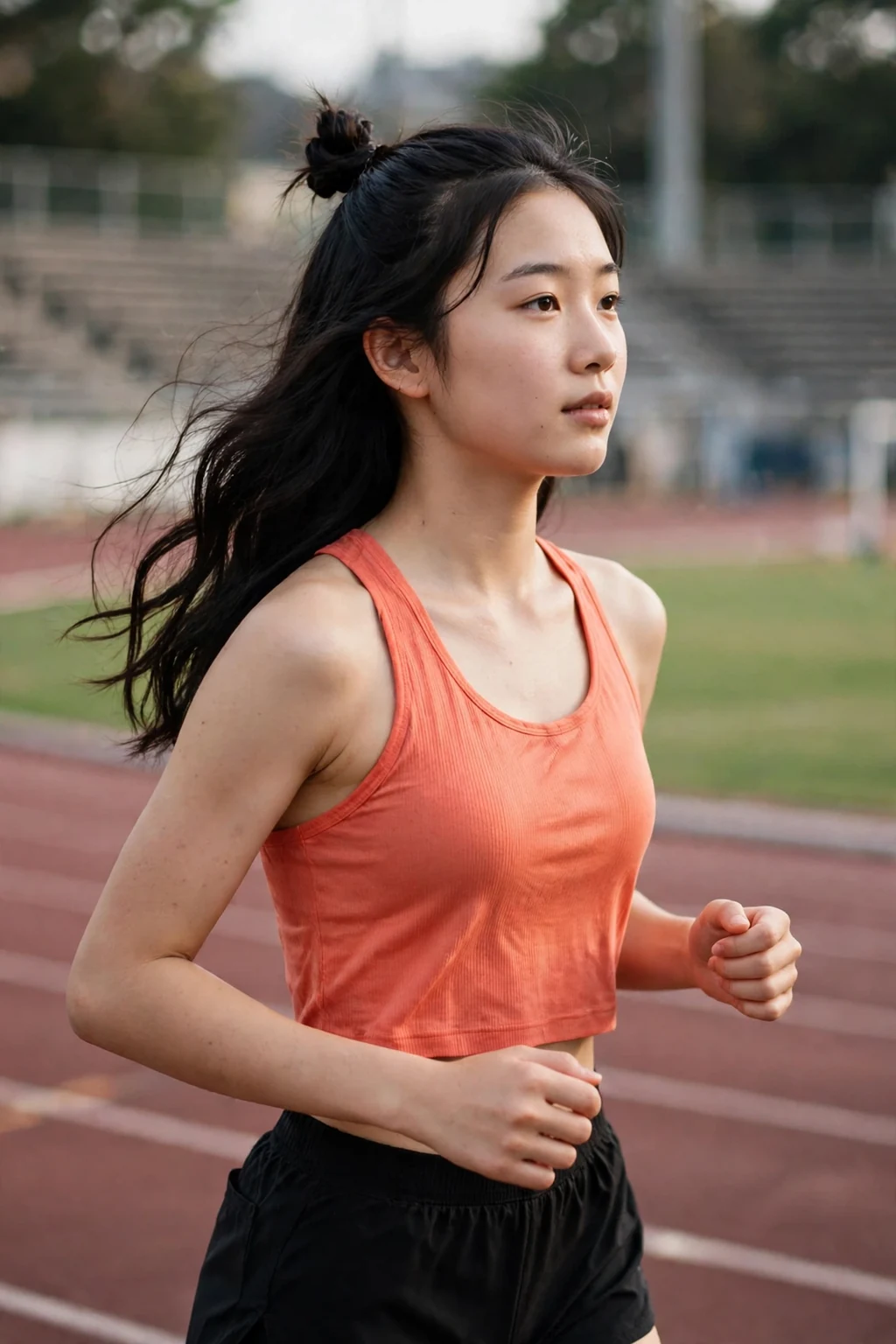
The half-up top knot pulls only the top section of hair into a small, secure knot on the crown, leaving the rest of the hair down but keeping the face, forehead, and eyes completely clear. Its shape is playful and balanced, with a compact knot on top and flowing lengths below, and the finish is relaxed yet tidy, since the front layers and bangs are locked away from the face. It is a lighter, cooler option than a full updo, and it works beautifully for warm-ups, drills, and training sessions where full containment is not essential. This style suits oval, round, and heart-shaped faces, because the knot adds a little height while the loose lengths soften the jawline. It works on medium to long hair of all textures, and it is especially flattering on wavy and curly hair, where the loose section shows off natural texture. It is a good choice for field-event athletes, training days, and younger runners who want a style that feels less severe than a full ponytail or bun. On the track, this matters more than it does anywhere else: a style that slips, swings, or falls forward costs focus, and focus is what wins close races.
To style it, section the top third of the hair from temple to temple, twist it into a small knot, and pin it firmly at the crown. Smooth the front with a little gel, and leave the remaining hair natural or lightly waved. A small elastic plus two pins gives the knot enough hold for a workout, and a headband can be added behind the knot for extra grip during faster drills. Maintenance is easy: take the knot down after training, brush through the lengths, and re-section fresh each day. Trim every eight to twelve weeks, and use a heat protectant if you style the loose lengths with tools. Try the half-up top knot because it is the best compromise style — your face stays clear, your hair still feels free, and the look is sporty, youthful, and ready for both the track and everything after it. Pair it with a sweat-wicking headband, a secure elastic, and a quick mirror check before you step onto the track, and it will carry you through warm-ups, heats, and finals without a single adjustment.
12. Sporty Space Buns
Sporty space buns divide the hair into two high, compact buns, one on each side of the crown, creating a bold, symmetrical style that keeps every strand locked away from the face and neck. Their shape is balanced and playful, with two round buns sitting high and tight, and the finish is energetic and youthful, with a clean centre part and smooth sides that look sharp from the front, the side, and the back. Because the hair is split in two, each bun carries less weight, so the style stays comfortable and secure through sprints, jumps, and long meets. This style suits oval, round, and heart-shaped faces, because the twin buns add width and height in equal measure and frame the face symmetrically. It works on medium to long hair of medium to thick density, and it is wonderful for curly and wavy textures, which give the buns natural fullness. It is a favourite for relay teams, spirit days, and athletes who want a fun, high-energy look that still performs under pressure. On the track, this matters more than it does anywhere else: a style that slips, swings, or falls forward costs focus, and focus is what wins close races.
To style them, part the hair down the centre, pull each side into a high ponytail, twist each tail into a bun, and pin firmly with crossed bobby pins. Smooth each side with gel before twisting, and check in a mirror that both buns sit at the same height. A strong-hold spray seals flyaways, and matching scrunchies or team-coloured elastics at the base add a coordinated, spirited finish. Maintenance is simple: take the buns down after training to relieve tension, brush through the hair, and re-part fresh for race day. Trim every eight to ten weeks to keep both sides even, and alternate with a single bun occasionally to vary tension on the scalp. Try space buns because they are secure, symmetrical, and full of personality — they survive the hardest sessions, they look fantastic in team photos, and they bring a burst of confidence to the start line. Pair it with a sweat-wicking headband, a secure elastic, and a quick mirror check before you step onto the track, and it will carry you through warm-ups, heats, and finals without a single adjustment.

13. Braided Headband with a Ponytail
The braided headband with a ponytail uses a braid woven across the front hairline like a built-in headband, while the rest of the hair is gathered into a ponytail behind it. Its shape is elegant and functional, with a decorative braided band framing the face and a clean tail that keeps the lengths controlled. The finish is polished and feminine, with the braid adding texture and interest at the front while the ponytail does the practical work at the back, and the whole style stays neat through wind and movement. This style suits oval, heart, and round faces, because the braided band draws attention to the eyes and cheekbones while keeping bangs and front layers out of the way. It works on medium to long hair of all textures, and it is especially useful for athletes growing out bangs or layers that would otherwise fall forward. It is a lovely choice for race days, podium photos, and athletes who want a style that looks a little more special than a plain ponytail. On the track, this matters more than it does anywhere else: a style that slips, swings, or falls forward costs focus, and focus is what wins close races.
To style it, take a section from behind one ear, braid it across the hairline to the other side, and pin it behind the opposite ear. Gather the remaining hair into a mid or low ponytail, smooth the crown with gel, and secure the braid end underneath the ponytail. A light spray holds the braid in place, and a second elastic on the ponytail adds security for faster events. Maintenance is straightforward: braid the headband fresh for competition, since it loosens overnight, and trim every eight to ten weeks to keep the front section tidy. Wash out gel after training, and practise the braid a few times so race-day styling feels quick and calm. Try it because it solves the bangs problem beautifully — no headband slips, no pins poking, just a braid that does the job and looks gorgeous doing it. Pair it with a sweat-wicking headband, a secure elastic, and a quick mirror check before you step onto the track, and it will carry you through warm-ups, heats, and finals without a single adjustment.

14. Curly High Puff
The curly high puff gathers natural curls into a single, full, rounded shape high on the crown, celebrating texture while keeping the face completely clear. Its shape is bold and beautiful, with a smooth, brushed base that rises into a cloud of defined curls, and the finish is soft, voluminous, and full of movement, with curls that bounce gently as you run. It is a style that works with your natural texture rather than fighting it, and it looks powerful, joyful, and unmistakably athletic. This style suits oval, round, and heart-shaped faces, because the height on top lengthens the profile and the rounded puff frames the face beautifully. It works best on curly and coily hair of medium to long length, and it is ideal for athletes who want to protect their curl pattern while training. It is a favourite for sprinters and jumpers who want a style that is both low-manipulation and high-impact. On the track, this matters more than it does anywhere else: a style that slips, swings, or falls forward costs focus, and focus is what wins close races.
To style it, gather the curls upward with a wide-tooth comb or your fingers, smooth the base with a curl cream or edge control, and secure the puff with a stretchy headband or a large elastic placed around the base rather than pulled tight through the curls. Fluff the puff gently for shape, and mist with a curl refresher to keep definition. Avoid brushing the puff itself, since that breaks the curl pattern and creates frizz. Maintenance is gentle: take the puff down after training, moisturise the curls, and sleep with a satin scarf or bonnet to preserve definition. Trim every ten to twelve weeks to keep the curls springy, and deep-condition weekly if you train daily. Try the curly high puff because it honours your natural hair — it is fast, protective, cool in the heat, and it turns your texture into your signature on the track. Pair it with a sweat-wicking headband, a secure elastic, and a quick mirror check before you step onto the track, and it will carry you through warm-ups, heats, and finals without a single adjustment.
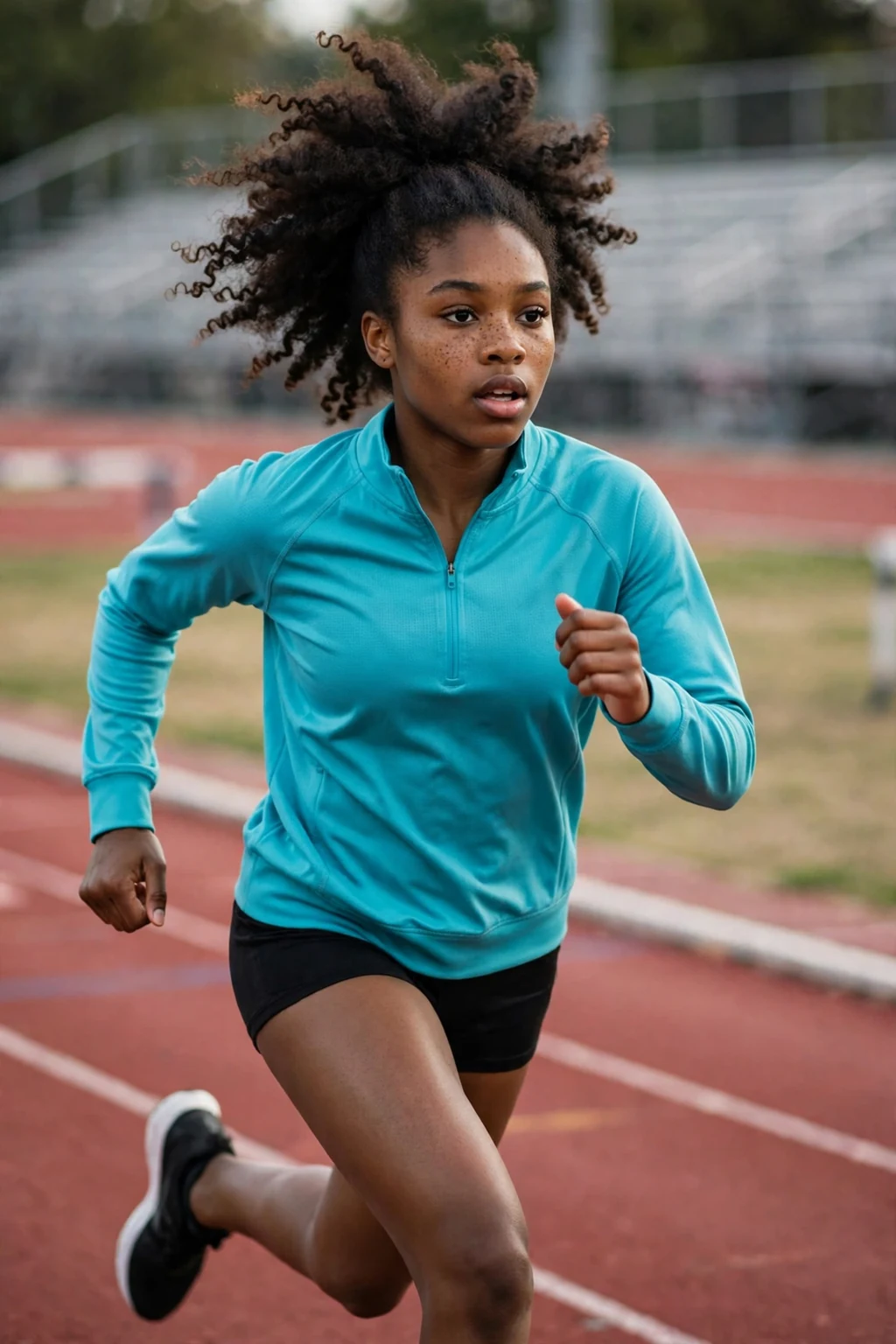
15. Slicked-Back Wet Look Ponytail
The slicked-back wet look ponytail is pure track glamour with serious grip: hair combed back with gel into a glossy, seamless ponytail that looks wet, polished, and completely locked down. Its shape is sleek and aerodynamic, with not a single flyaway, a smooth crown that catches the light, and a tail that falls straight and controlled. The finish is high-shine and editorial, yet the style is entirely practical, since the gel itself helps hold every strand in place through sweat, wind, and speed. This style suits oval, square, and diamond faces, because the pulled-back lines showcase the cheekbones and jawline beautifully. It works on straight, wavy, and curly hair of medium to long length, and it is a smart choice for athletes with frizz-prone hair, since the gel seals the cuticle and prevents humidity from undoing the style. It is popular for evening meets, photo shoots, and championship finals where you want to look as sharp as you feel. On the track, this matters more than it does anywhere else: a style that slips, swings, or falls forward costs focus, and focus is what wins close races.
To style it, apply a strong-hold gel to damp hair, comb it straight back with a fine-tooth comb, and secure a high or mid ponytail with two elastics. Add more gel over the crown and smooth again until the surface is glassy, then finish with a shine spray. Keep the tail sleek or wrap it smooth, and avoid touching the crown once it sets, since fingerprints disturb the glossy finish. Maintenance requires a good wash after training, since gel buildup can dull the hair if left for days, so use a clarifying shampoo once a week. Trim every eight to ten weeks, and use a hydrating mask weekly to balance the strong-hold products. Try the wet look ponytail because it is the most confident style on the track — it stays flawless in any weather, it looks incredible in photos, and it sends a clear message that you came to compete. Pair it with a sweat-wicking headband, a secure elastic, and a quick mirror check before you step onto the track, and it will carry you through warm-ups, heats, and finals without a single adjustment.
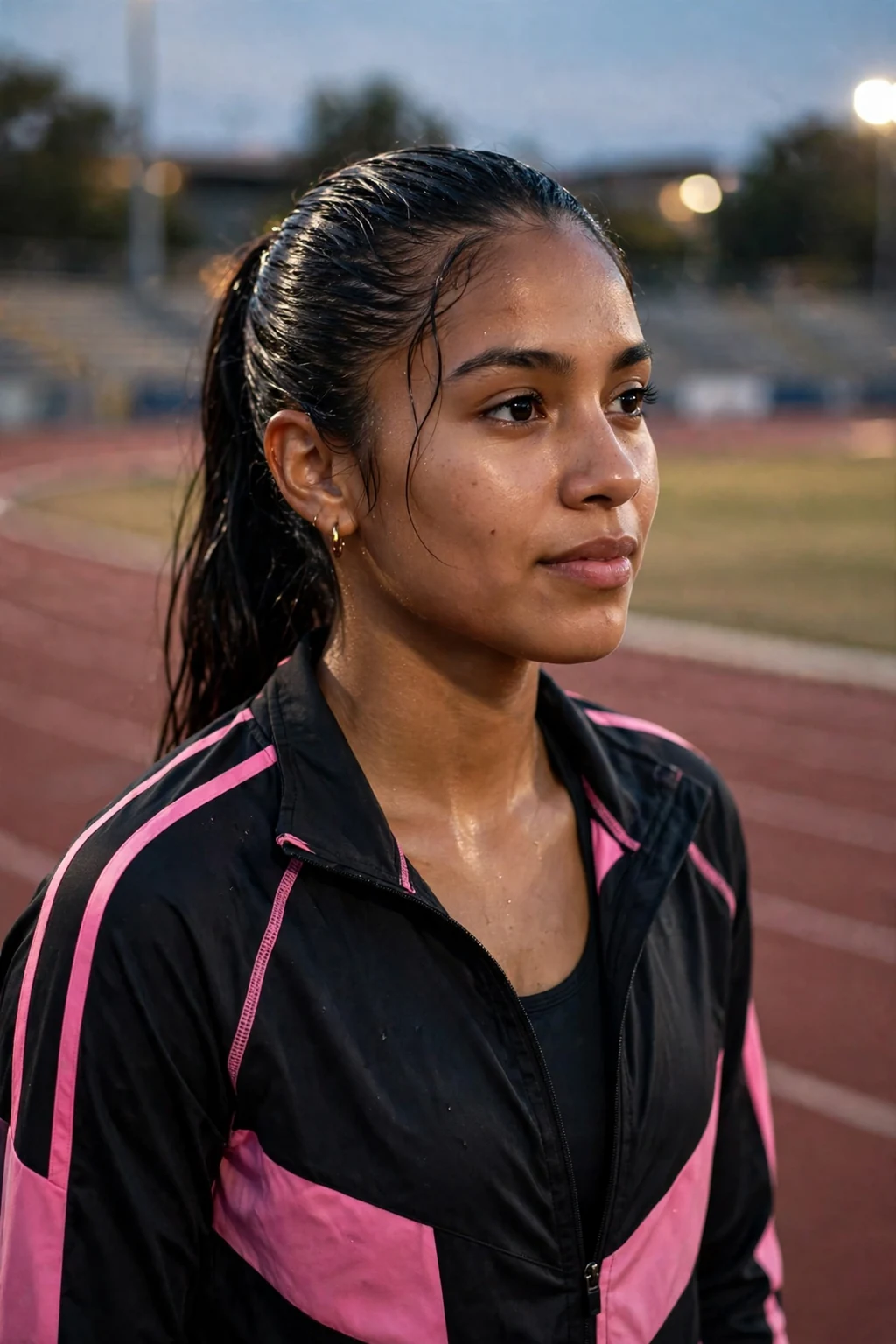
16. Box Braids Ponytail
The box braids ponytail gathers long, individual box braids into a high, full ponytail that swings with beautiful weight and movement while keeping the face completely clear. Its shape is high and voluminous, with a smooth, braided crown and a thick tail of neat, uniform braids that fall down the back. The finish is protective and polished, with clean parts and consistent braid size giving a look that is both stylish and seriously practical, and it lasts for weeks with minimal daily effort. This style suits every face shape, because the high placement lifts the profile and the braided texture adds interest without bulk at the sides. It works on natural, curly, and coily hair, and it is a protective style that shields the hair from wind, sun, and constant handling during a busy season. It is ideal for athletes travelling for meets, training camps, and multi-day championships, since the ponytail can be restyled in seconds each morning. On the track, this matters more than it does anywhere else: a style that slips, swings, or falls forward costs focus, and focus is what wins close races.
To style it, have box braids installed in your preferred length, then gather them into a high ponytail with a large, strong elastic or a braided wrap, and smooth the hairline with edge control. Wrap one braid around the base to hide the elastic, and secure the tail so it cannot swing into the face during sprints. A light scalp oil keeps the parts comfortable, and a headband adds extra grip on race day. Maintenance is protective: wash the scalp gently with diluted shampoo, moisturise the braids lightly, and keep the style for two to four weeks before taking it down carefully. Rest the hair between installs, trim the natural ends as needed, and avoid ponytails pulled extremely tight every day. Try the box braids ponytail because it is the ultimate low-effort, high-style track option — weeks of flawless hair, a ponytail that never tangles, and a look that carries you from training to the podium. Pair it with a sweat-wicking headband, a secure elastic, and a quick mirror check before you step onto the track, and it will carry you through warm-ups, heats, and finals without a single adjustment.
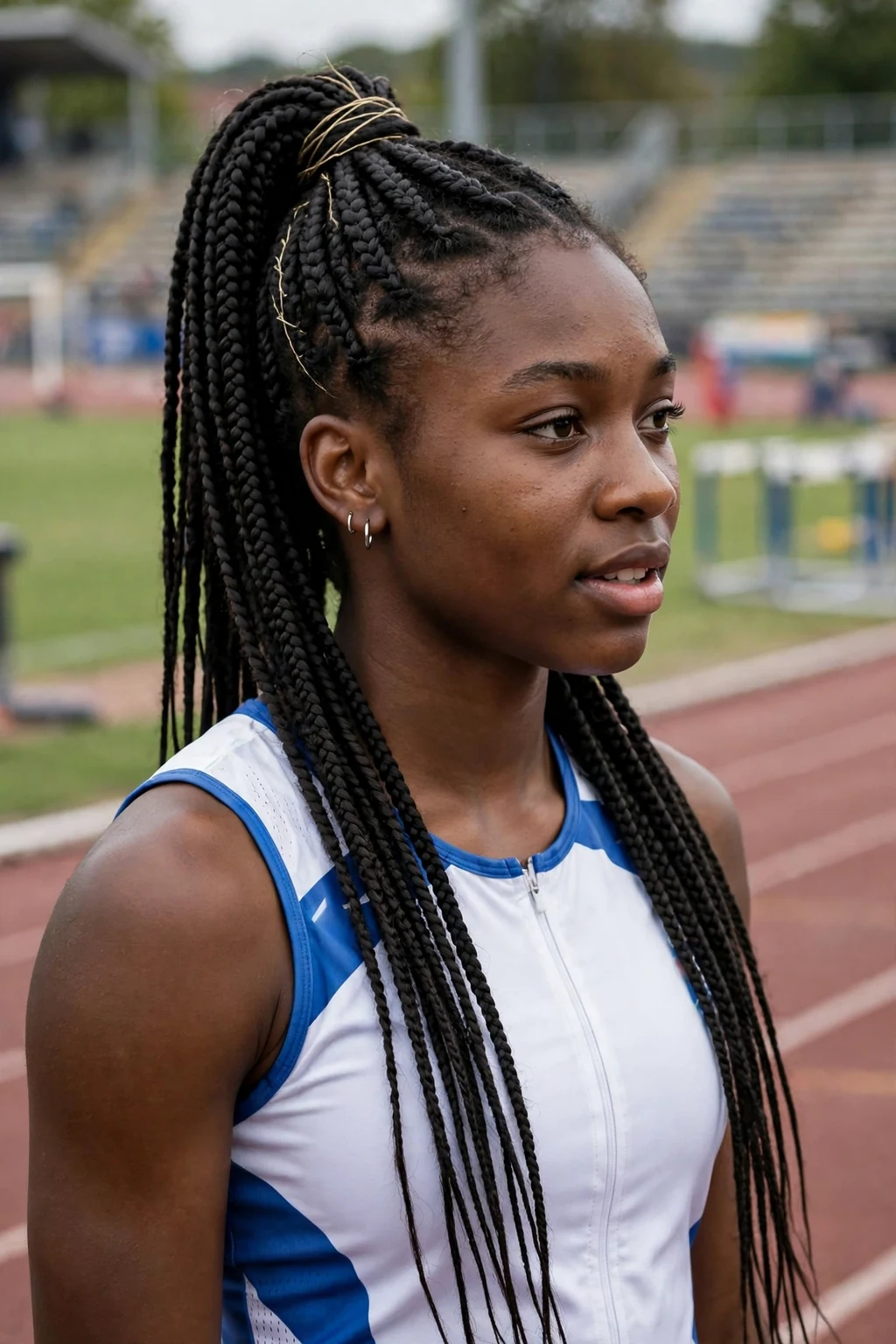
17. Twisted Crown Braid
The twisted crown braid wraps two rope twists around the head like a crown, pinning them flat so the entire style sits close to the scalp and nothing hangs loose. Its shape is circular and regal, with twists that follow the hairline all the way around and meet at the back, and the finish is soft, textured, and romantic, with a slightly relaxed edge that still holds firmly. It is a beautiful solution for athletes who want a full updo without a bun, and it stays secure through long meets and warm weather. This style suits oval, round, and heart-shaped faces, because the crown placement frames the face evenly and adds gentle height without bulk. It works on medium to long hair of all textures, and it is especially kind to wavy and curly hair, where the twists show off natural texture. It is a lovely choice for team photos, senior meets, and athletes who want a style that feels special while still performing like a workhorse. On the track, this matters more than it does anywhere else: a style that slips, swings, or falls forward costs focus, and focus is what wins close races.
To style it, part the hair down the centre or to one side, twist each side into a rope twist by winding two sections around each other, and bring both twists around the head to meet at the back. Pin them flat with sturdy pins, tuck the ends underneath, and smooth the hairline with a little gel. A light spray seals the twists, and the whole style takes about ten minutes once you have practised the rope technique. Maintenance is simple: create the crown fresh for race day, take it down after training, and brush through the waves it leaves for a bonus texture the next day. Trim every eight to ten weeks, and use a texturizing spray for grip if your hair is very fine or slippery. Try the twisted crown braid because it is secure, elegant, and unexpected on the track — it keeps every strand contained, it looks like you spent far longer on it than you did, and it holds beautifully from the first event to the last. Pair it with a sweat-wicking headband, a secure elastic, and a quick mirror check before you step onto the track, and it will carry you through warm-ups, heats, and finals without a single adjustment.
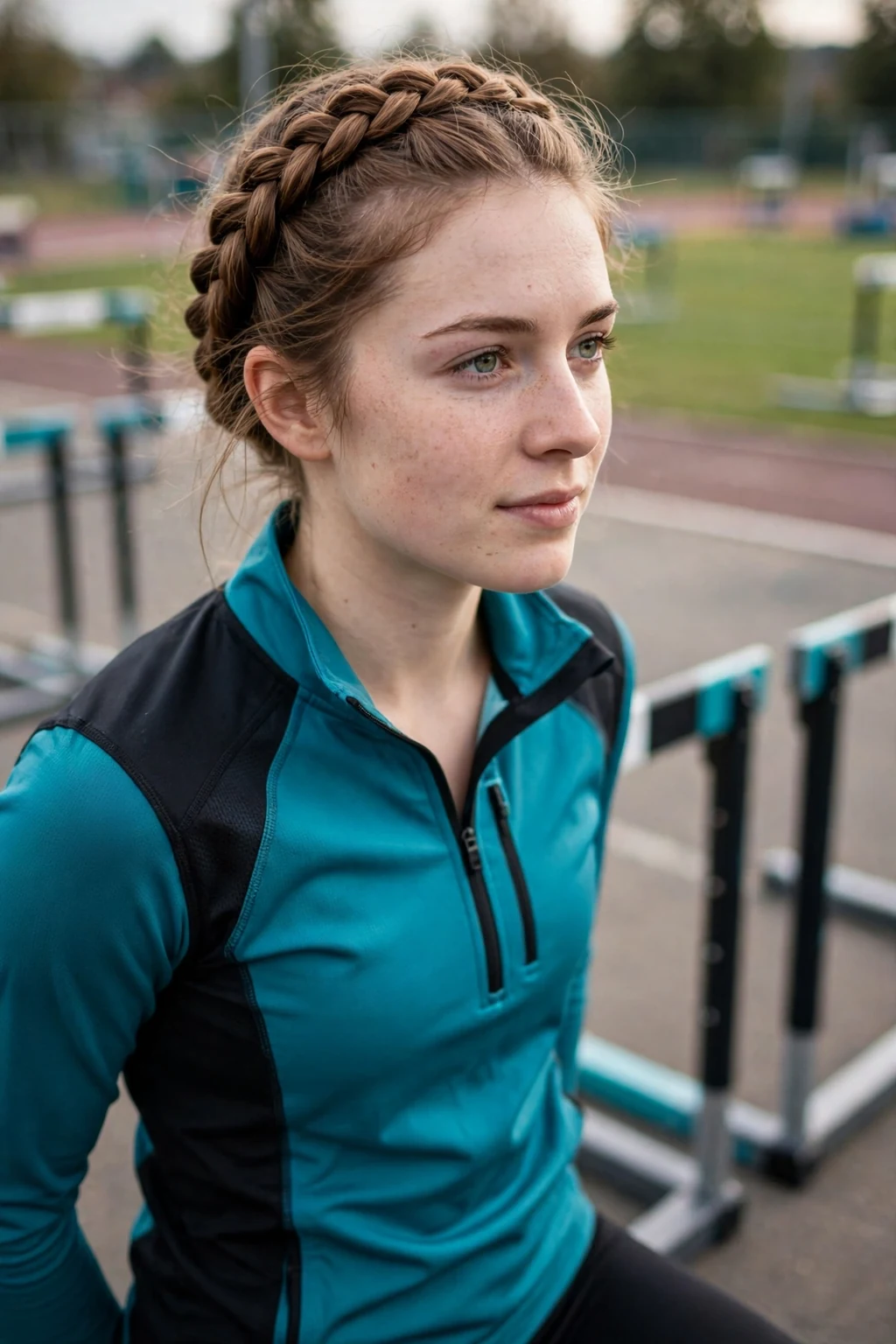
18. Side Swept Braid
The side swept braid gathers all of the hair to one side and braids it loosely down over the shoulder, creating a relaxed, flowing style that stays forward and out of the way during training. Its shape is diagonal and soft, with a deep side part, a braid that rests along the collarbone, and a finish that is gently textured rather than tightly pulled. The look is easy and athletic, with just enough polish for race day and enough softness to feel comfortable for hours, even during long, slow distance sessions. This style suits oval, oblong, and square faces, because the diagonal line softens strong features and adds asymmetry that flatters the profile. It works on medium to long hair of medium density, and it is lovely on wavy and curly textures, where the braid shows off natural movement. It is a good choice for distance runners, throwers, and athletes who prefer a looser, less severe style that still keeps hair controlled. On the track, this matters more than it does anywhere else: a style that slips, swings, or falls forward costs focus, and focus is what wins close races.
To style it, sweep the hair to your preferred side, braid it loosely in three sections, and secure the end with a small elastic. Pull a few face-framing pieces free for softness, and use a texturizing spray for grip so the braid does not slip. For faster events, braid a little tighter and add a second elastic halfway down, which keeps the braid compact without losing its relaxed character. Maintenance is easy: braid it fresh each day, undo it after training, and enjoy the soft waves it leaves behind. Trim every eight to ten weeks to keep the braid tail tidy, and deep-condition occasionally if you braid daily. Try the side swept braid because it is comfortable, flattering, and quietly practical — it keeps hair forward where you can see it, it never bounces behind you, and it looks effortlessly good in every race photo. Pair it with a sweat-wicking headband, a secure elastic, and a quick mirror check before you step onto the track, and it will carry you through warm-ups, heats, and finals without a single adjustment.
19. Low Braided Bun
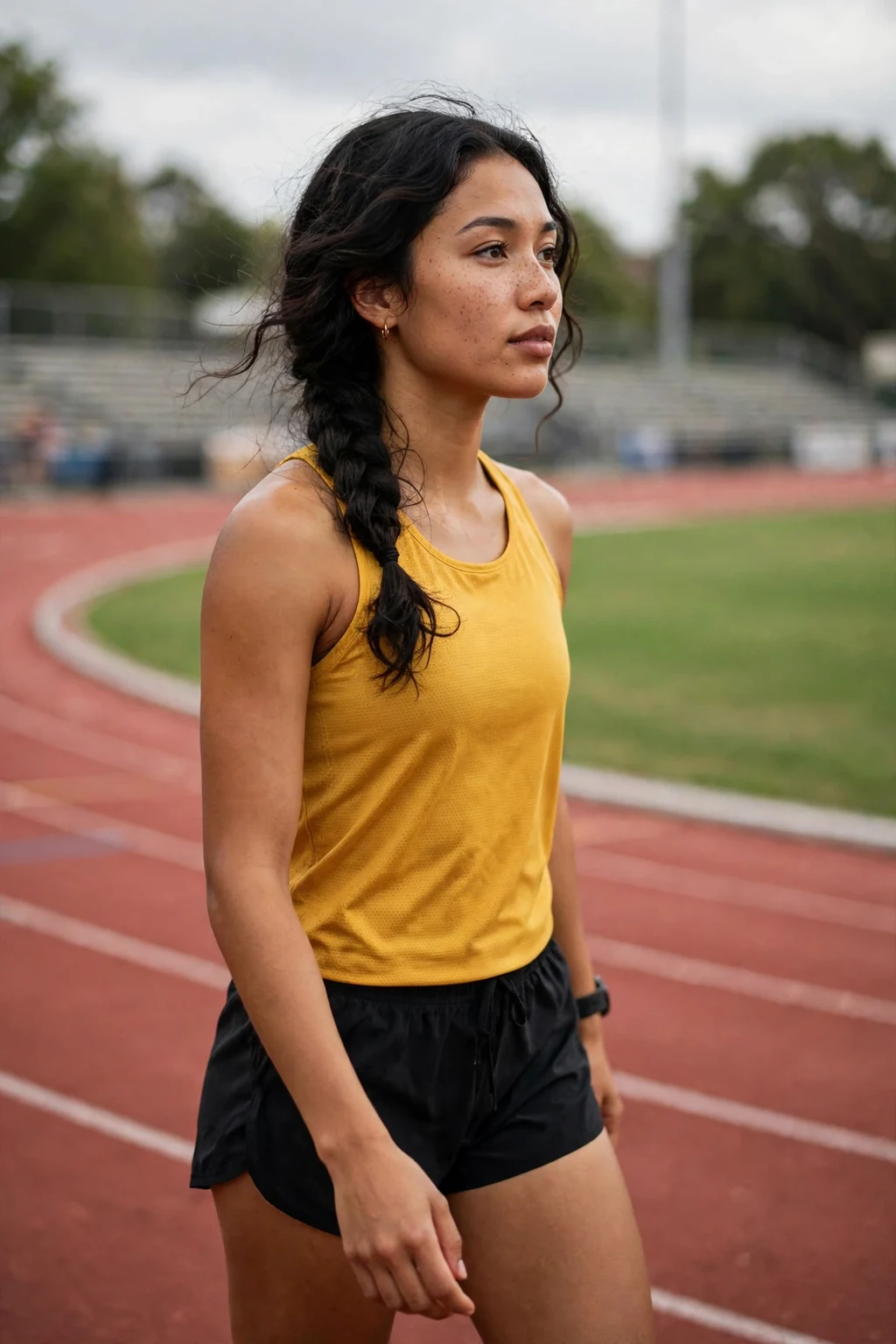
The low braided bun starts as a single braid down the back, which is then coiled and pinned into a flat, compact bun at the nape, combining the security of a braid with the tidiness of a bun. Its shape is low and close to the head, with a smooth crown, a braided texture visible in the coil, and no swinging tail or loose ends anywhere. The finish is neat and textured at once, with the braid pattern adding interest to an otherwise simple silhouette, and the style holds perfectly through every event on the schedule. This style suits oval, square, and diamond faces, because the low placement balances the profile and the braided texture softens the nape. It works on medium to long hair of all textures, and it is especially useful for athletes with thick hair, since braiding first reduces bulk before coiling. It is a favourite for field events, long meets, and athletes who need a style that survives an entire day without a mirror check. On the track, this matters more than it does anywhere else: a style that slips, swings, or falls forward costs focus, and focus is what wins close races.
To style it, braid the hair into a single three-strand braid, coil the braid flat against the nape, and pin it securely with crossed bobby pins. Smooth the crown with gel first, and use a light spray to seal the braid edges. For extra hold, pin the coil in at least four places, and check that the bun sits flat enough to wear comfortably under a cap if needed. Maintenance is minimal: take the bun down after training, detangle the braid waves gently, and re-braid fresh for competition. Trim every eight to twelve weeks, and use a weekly mask if daily braiding dries your ends. Try the low braided bun because it is the most reliable all-day style — nothing moves, nothing loosens, and the braided detail makes a simple bun look thoughtful and polished. Pair it with a sweat-wicking headband, a secure elastic, and a quick mirror check before you step onto the track, and it will carry you through warm-ups, heats, and finals without a single adjustment.

20. Pigtail Braids
Pigtail braids split the hair into two braids, one on each side, creating a youthful, symmetrical style that distributes weight evenly and keeps hair completely controlled. Their shape is balanced and bouncy, with two neat plaits that fall over the shoulders or down the back, and the finish is sporty and cheerful, with clean parts and even tension that looks sharp from every angle. Because each braid carries only half the hair, the style feels lighter than a single braid and stays comfortable through long training days. This style suits oval, round, and heart-shaped faces, because the twin braids frame the face evenly and add width that balances the profile. It works on medium to long hair of all textures, and it is wonderful for athletes with thick hair, since splitting it in two makes braiding faster and the result more secure. It is a favourite for relay teams, training camps, and younger athletes who want a fun, high-energy look. On the track, this matters more than it does anywhere else: a style that slips, swings, or falls forward costs focus, and focus is what wins close races.
To style them, part the hair down the centre, braid each side firmly from the nape downward, and secure both ends with small elastics. Keep tension even so the braids match in thickness, smooth the part with gel, and finish with a light spray. For a sportier finish, start each braid as a French or Dutch braid at the scalp, which locks the front sections down completely. Maintenance is simple: undo the braids after training, detangle from the ends upward, and re-braid fresh for race day. Trim every eight to ten weeks to keep both braids even, and alternate with a single braid occasionally to vary scalp tension. Try pigtail braids because they are secure, symmetrical, and full of spirit — they survive sprints and jumps, they look great in team photos, and they bring a playful confidence to the track. Pair it with a sweat-wicking headband, a secure elastic, and a quick mirror check before you step onto the track, and it will carry you through warm-ups, heats, and finals without a single adjustment.
21. High Ponytail with a Braided Base
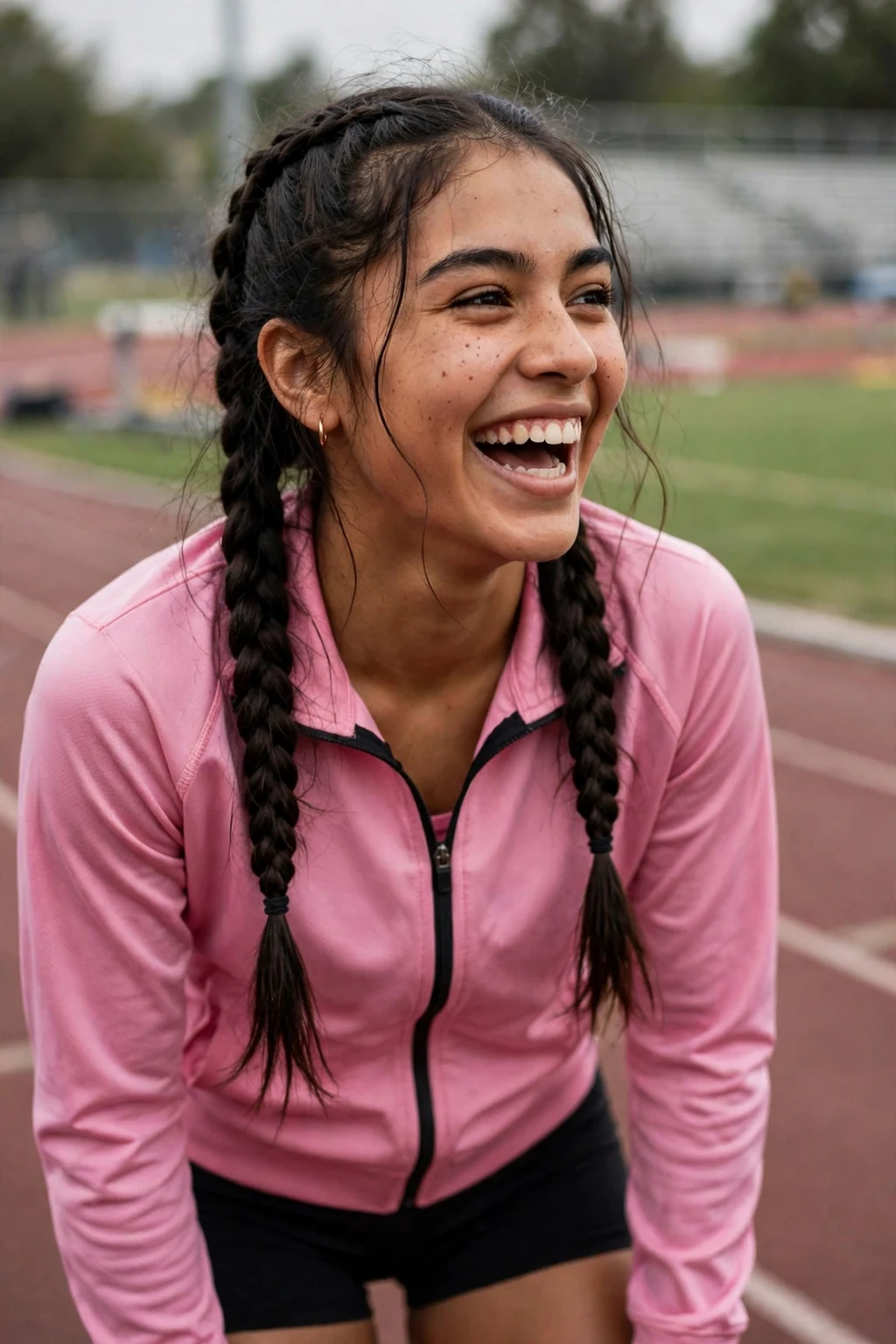
The high ponytail with a braided base upgrades the classic ponytail by wrapping a small braid around the elastic, hiding it completely and adding a decorative, textured detail at the crown. Its shape is high and lifted, with a smooth crown, a neat braided ring at the base, and a full, swinging tail that moves freely. The finish is polished and intentional, with the braid adding craftsmanship to an otherwise simple style, and the wrapped base also helps anchor the ponytail more securely than an elastic alone. This style suits oval, heart, and round faces, because the lifted crown lengthens the profile and the braided base draws the eye upward. It works on medium to long hair of medium to thick density, and it is lovely on straight and wavy textures where the braid pattern shows clearly. It is a great choice for championship meets, podium moments, and athletes who want a ponytail that looks a step above the everyday version. On the track, this matters more than it does anywhere else: a style that slips, swings, or falls forward costs focus, and focus is what wins close races.
To style it, secure a high ponytail, take a thin section from underneath the tail, braid it, wrap it around the base several times, and pin the end underneath. Smooth the crown with gel, use two elastics for grip, and finish with a flexible-hold spray. The braid wrap takes only a minute once you have practised it, and it transforms the whole style from basic to competition-ready. Maintenance is easy: re-wrap the braid between events if it loosens, trim every eight to ten weeks, and wash out gel after sweaty sessions. Try it because it is a small detail with a big payoff — the ponytail stays secure, the base looks finished rather than improvised, and the style photographs beautifully from every angle on race day. Pair it with a sweat-wicking headband, a secure elastic, and a quick mirror check before you step onto the track, and it will carry you through warm-ups, heats, and finals without a single adjustment.
22. French Braid into a Low Ponytail
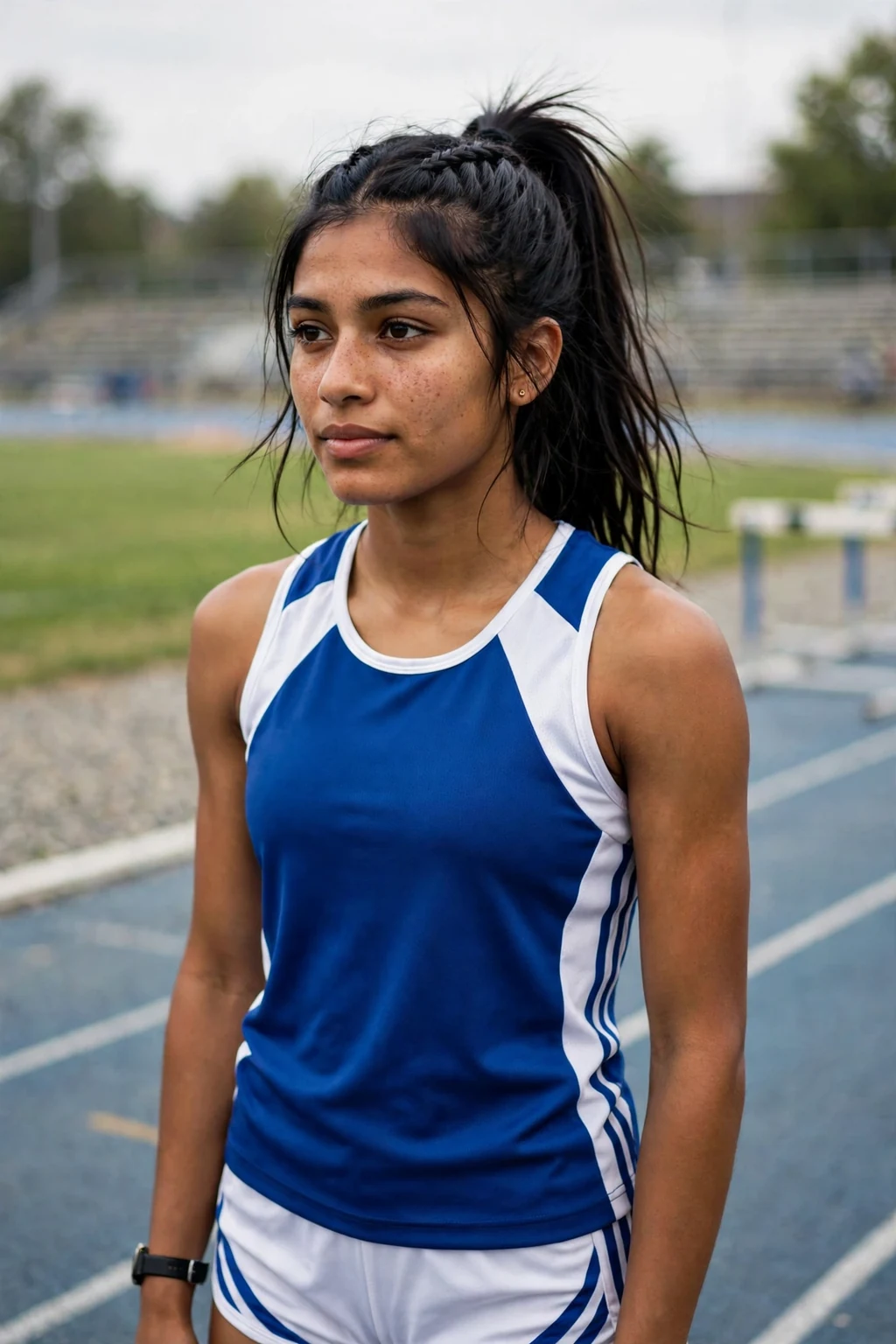
The French braid into a low ponytail starts as a braid woven down the centre of the head, then releases into a smooth, low tail at the nape, combining scalp-hugging security with the easy movement of a ponytail. Its shape is streamlined, with a braided crown that keeps the top layers locked down and a tail that falls straight and controlled behind you. The finish is neat and athletic, with a beautiful braided texture on top and a clean, simple tail below, and the style holds through wind, sweat, and speed. This style suits oval, round, and oblong faces, because the central braid adds gentle height and symmetry while the low tail keeps the profile balanced. It works on medium to long hair of all textures, and it is especially useful for athletes with layers, since the braid captures shorter pieces that would escape from a plain ponytail. It is a favourite for distance runners, hurdlers, and athletes who want a style that is secure at the front and free at the back. On the track, this matters more than it does anywhere else: a style that slips, swings, or falls forward costs focus, and focus is what wins close races.
To style it, French braid from the hairline down to the nape, then secure the remaining hair into a low ponytail with a strong elastic. Keep the braid tension even, smooth the sides with gel, and finish with a light spray. For longer races, add a second elastic halfway down the tail to prevent tangling, and wrap a small section around the base for a polished finish. Maintenance is straightforward: braid it fresh for race day, undo it after training, and brush through the waves it leaves behind. Trim every eight to ten weeks, and use a texturizing spray for grip if your hair is fine or slippery. Try it because it solves the layer problem elegantly — the braid locks the front down, the ponytail keeps the back simple, and the result is a style that performs as well as it looks. Pair it with a sweat-wicking headband, a secure elastic, and a quick mirror check before you step onto the track, and it will carry you through warm-ups, heats, and finals without a single adjustment.
23. Double Afro Puffs
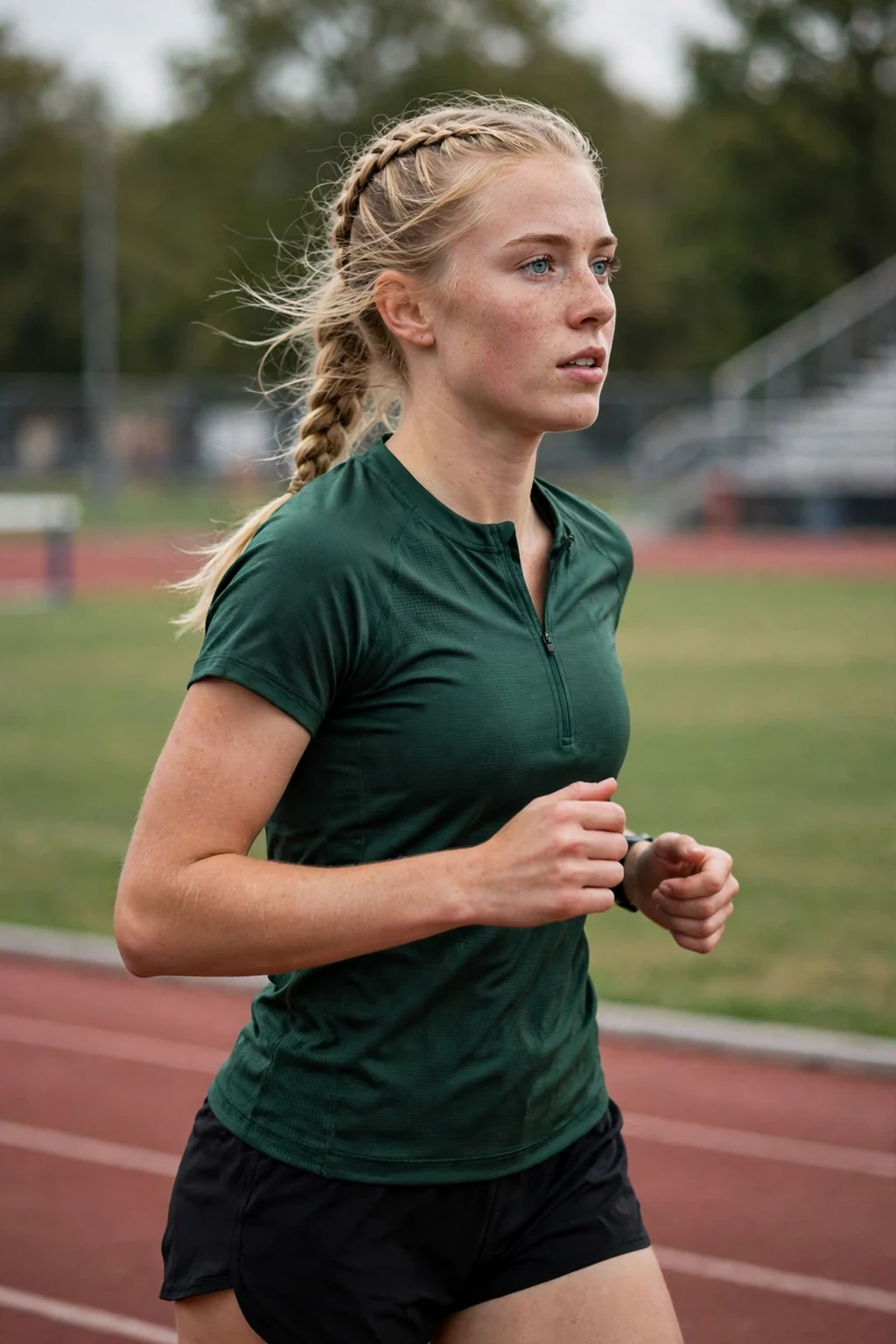
Double afro puffs divide natural hair into two high, rounded puffs, one on each side of the crown, creating a bold, joyful style that celebrates texture while keeping the face completely open. Their shape is symmetrical and full, with smooth, brushed bases rising into soft, cloud-like puffs, and the finish is voluminous and touchable, with curls and coils that move gently as you run. The style is both protective and expressive, and it stays comfortable through long meets because the weight is split evenly across the head. This style suits oval, round, and heart-shaped faces, because the twin puffs add width and height in balance and frame the face symmetrically. It works best on curly and coily hair of medium length and density, and it is ideal for athletes who want a low-manipulation style that protects their natural texture. It is a favourite for sprinters, team spirit days, and athletes who want their hair to make a statement on the track. On the track, this matters more than it does anywhere else: a style that slips, swings, or falls forward costs focus, and focus is what wins close races.
To style them, part the hair down the centre, gather each side upward with your fingers or a wide-tooth comb, smooth the base with curl cream or edge control, and secure each puff with a stretchy band placed around the base. Fluff each puff gently for shape and symmetry, and mist with a curl refresher to keep definition. Avoid pulling the bands too tight, since comfort matters more than extreme sleekness over a long meet. Maintenance is gentle: take the puffs down after training, moisturise the curls, and sleep with a satin scarf to preserve shape. Trim every ten to twelve weeks, deep-condition weekly if you train daily, and alternate puff placement occasionally to vary tension. Try double afro puffs because they are joyful, protective, and powerful — they keep your texture front and centre, they survive the hardest workouts, and they look unforgettable on the start line. Pair it with a sweat-wicking headband, a secure elastic, and a quick mirror check before you step onto the track, and it will carry you through warm-ups, heats, and finals without a single adjustment.

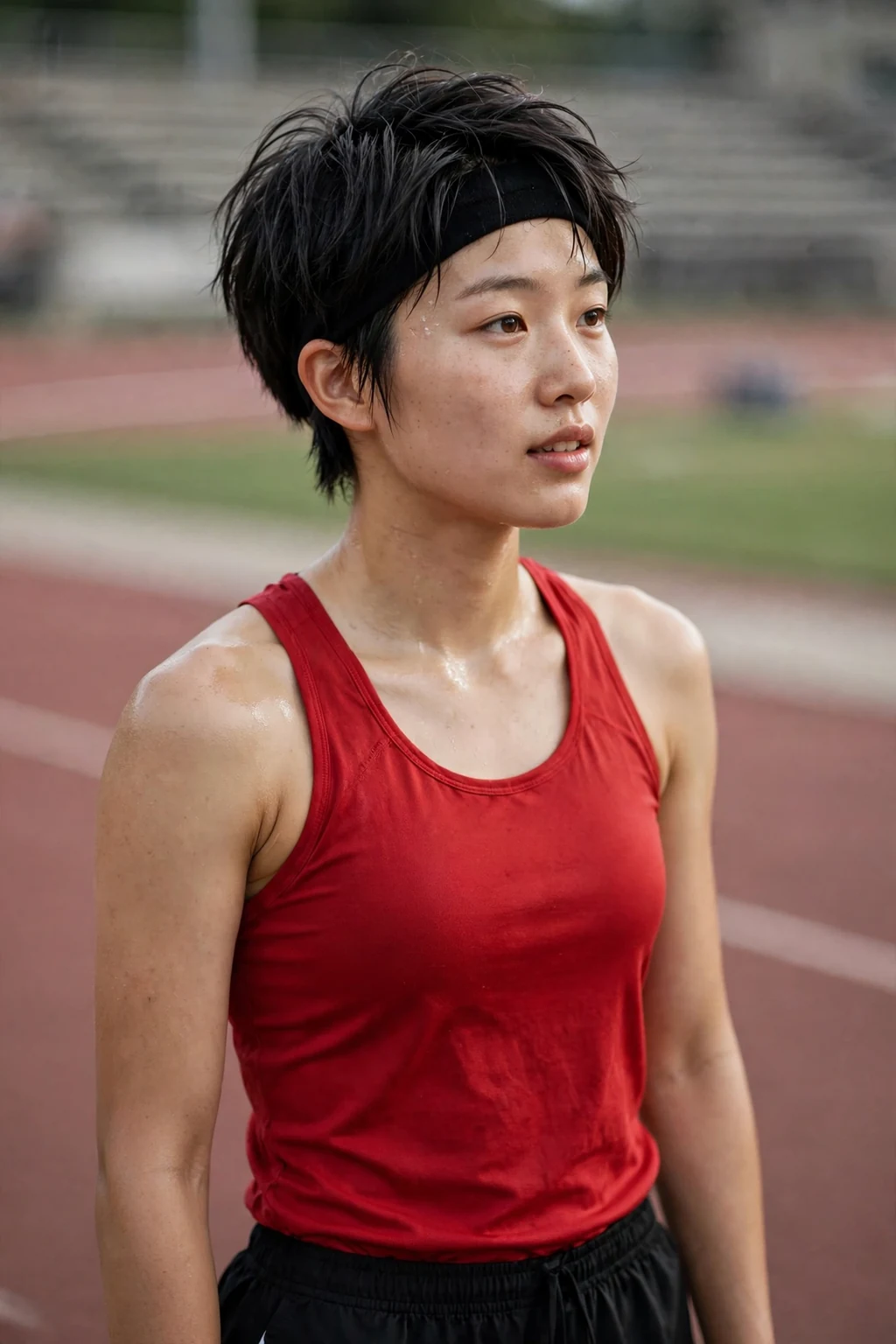
24. Sweat-Proof Short Pixie
The sweat-proof short pixie is a cropped cut with textured layers on top and tapered sides, designed to dry fast, stay cool, and need almost no styling after a hard session. Its shape is compact and close to the head, with piecey texture on top that adds personality and clean, tapered lines at the sides and nape. The finish is effortless and modern, with a slightly tousled top that looks intentional even when damp with sweat, and the style never falls in the eyes, never needs re-tying, and never weighs you down. This style suits oval, heart, and diamond faces beautifully, because the cropped shape showcases the cheekbones and eyes. It works on straight, wavy, and curly hair of fine to medium density, and it is ideal for athletes who hate the feeling of hair on the neck in summer, who swim or cross-train, or who simply want the lowest-maintenance option on the team. It is a bold, confident choice for sprinters and field athletes alike. On the track, this matters more than it does anywhere else: a style that slips, swings, or falls forward costs focus, and focus is what wins close races.
To style it, work a pea-sized amount of texturizing cream or pomade through damp hair, piece the top layers with your fingers, and let it air-dry — the whole routine takes under a minute. A sweat-wicking headband keeps the forehead clear during races, and a light matte paste adds definition without shine. No elastics, no pins, and no mid-race fixes are needed at all. Maintenance means a trim every four to five weeks to keep the taper sharp and the top layers textured, plus a weekly clarifying wash if you train daily. Try the sweat-proof pixie because it is freedom in haircut form — it dries in minutes, it stays cool in the heat, and it lets you walk off the track, shake your head, and be ready for anything without ever touching a brush. Pair it with a sweat-wicking headband, a secure elastic, and a quick mirror check before you step onto the track, and it will carry you through warm-ups, heats, and finals without a single adjustment.
25. Messy Bun with Two Face-Framing Braids
The messy bun with two face-framing braids pairs a relaxed, high bun with two small braids that run from the temples back into the bun, keeping the front layers locked down while the bun stays soft and easy. Its shape is high and slightly undone, with a textured bun, a smooth hairline, and braided details that add structure to an otherwise casual style. The finish is relaxed yet secure, with the braids preventing the usual messy-bun problem of front pieces falling into the eyes mid-race. This style suits oval, round, and heart-shaped faces, because the face-framing braids soften the profile while the bun adds height. It works on medium to long hair of all textures, and it is especially useful for athletes with bangs or layers that escape from a plain bun. It is a great choice for training days, warm-ups, and athletes who want a bun that looks effortless but actually stays put. On the track, this matters more than it does anywhere else: a style that slips, swings, or falls forward costs focus, and focus is what wins close races.
To style it, braid two small sections from each temple toward the crown, gather all of the hair into a high bun, and pin the braids into the bun base. Twist the remaining hair loosely into the bun, pin it with crossed pins, and leave the texture slightly imperfect for the messy effect. A light spray holds the braids, and a headband behind the bun adds grip for faster sessions. Maintenance is easy: take the bun down after training, brush through the hair, and re-braid the front sections fresh for race day. Trim every eight to ten weeks, and use a texturizing spray for grip if your hair is fine. Try it because it fixes the messy bun's one flaw — the braids keep your face clear, the bun keeps you cool, and the result is a style that looks relaxed but performs like a serious track hairstyle. Pair it with a sweat-wicking headband, a secure elastic, and a quick mirror check before you step onto the track, and it will carry you through warm-ups, heats, and finals without a single adjustment.

How to Choose the Right Hairstyle for Track
The best hairstyle for track is the one you forget about once the race starts, so choose security first and style second. If your hair is long, braids and buns lock it down completely, while a high ponytail works beautifully if it is anchored with two elastics and a wrapped base. Consider your event too: sprinters and hurdlers need zero swing and zero loose pieces, distance runners need comfort for hours, and field athletes need a style that survives an entire day of different events without a mirror check.
Test every race-day style in training before you wear it in competition, and pay attention to how it feels after an hour of sweat, wind, and movement. Pack a small kit for meets with extra elastics, bobby pins, a headband, and a travel spray, and practise your chosen style until you can create it quickly and calmly. The right track hairstyle should feel like part of your kit, not a worry — secure, comfortable, and confident, so you can focus entirely on running your race.
Conclusion
From classic high ponytails and double French braids to cornrows, box braids, and sweat-proof pixies, these 25 hairstyles for track prove that sporty hair can be both practical and full of personality. Choose the style that matches your hair, your event, and your routine, test it in training, and wear it with total confidence on race day.