
Interview hairstyles should look polished, intentional and completely distraction-free, so the interviewer remembers your answers rather than your hair. These 25 interview hairstyles for women are professional, modern and easy to maintain, giving you a confident finish for any job interview, from a corporate office to a creative studio.
1. Sleek Low Bun
Sleek Low Bun is a smooth, tightly controlled bun sitting low at the nape, with every strand brushed back and no flyaways breaking the silhouette. The finish is glass-smooth and polished, with a neat centre or side part and a softly rounded bun shape that reads calm and deliberate. This polished shape suits oval, round, heart-shaped and square faces, and straight, wavy or lightly textured hair that can be smoothed without fighting its natural pattern, because the clean lines keep the focus on the face rather than on the hair itself. For interview wear, the style works best when it is kept neat and intentional, with no stray pieces competing for attention, and it flatters women in their twenties and early thirties who want to look capable, current and completely put together. The overall effect is calm, tidy and quietly authoritative, which is exactly the impression most interviewers remember long after the meeting ends, and it works equally well in person, in photographs and on a video call.
To create it, brush damp hair with a smoothing cream, gather it low, twist it into a compact bun and secure it with pins and a light-hold hairspray. A trim every six to eight weeks keeps the ends tidy, and the style refreshes easily with a quick re-brush and a second mist of spray on interview morning. Give yourself a few extra minutes on interview morning to check the back of the style in a mirror, adjust any pins, and confirm that the silhouette still looks balanced from the side as well as from the front. If the style starts to lose its shape during a long day, a quick brush-through and a light mist of spray in the restroom will restore its polish without requiring a complete restyle from scratch. On interview day, do a final check in natural light, smooth any flyaways with a tiny amount of serum, and make sure the style feels comfortable enough to forget about once you start talking. The reason to choose it is simple: it keeps your face fully open, looks intentional in photographs and on video calls, and signals that you are organised, detail-oriented and ready to be taken seriously.

2. Classic French Twist
Classic French Twist is an elegant vertical roll swept up the back of the head, with a smooth outer surface and a softly tapered finish at the crown. The finish is sleek and sculpted, with a refined, almost architectural finish that holds its shape for hours without looking stiff. This polished shape suits oval and oblong faces in particular, and medium to thick straight or wavy hair with enough length to roll and pin securely, because the clean lines keep the focus on the face rather than on the hair itself. For interview wear, the style works best when it is kept neat and intentional, with no stray pieces competing for attention, and it flatters women in their twenties and early thirties who want to look capable, current and completely put together. The overall effect is calm, tidy and quietly authoritative, which is exactly the impression most interviewers remember long after the meeting ends, and it works equally well in person, in photographs and on a video call.
To create it, smooth hair with a blow-dry cream, gather it to one side, roll it upward, pin it firmly from the inside, and finish with a firm-hold spray. A trim every six weeks maintains the length and weight the twist needs, and a few practice runs before interview day make the technique second nature. Give yourself a few extra minutes on interview morning to check the back of the style in a mirror, adjust any pins, and confirm that the silhouette still looks balanced from the side as well as from the front. If the style starts to lose its shape during a long day, a quick brush-through and a light mist of spray in the restroom will restore its polish without requiring a complete restyle from scratch. On interview day, do a final check in natural light, smooth any flyaways with a tiny amount of serum, and make sure the style feels comfortable enough to forget about once you start talking. The reason to choose it is simple: it is timelessly professional, works beautifully under office lighting, and pairs perfectly with a blazer, a tailored dress or a classic suit.
3. Polished Low Ponytail
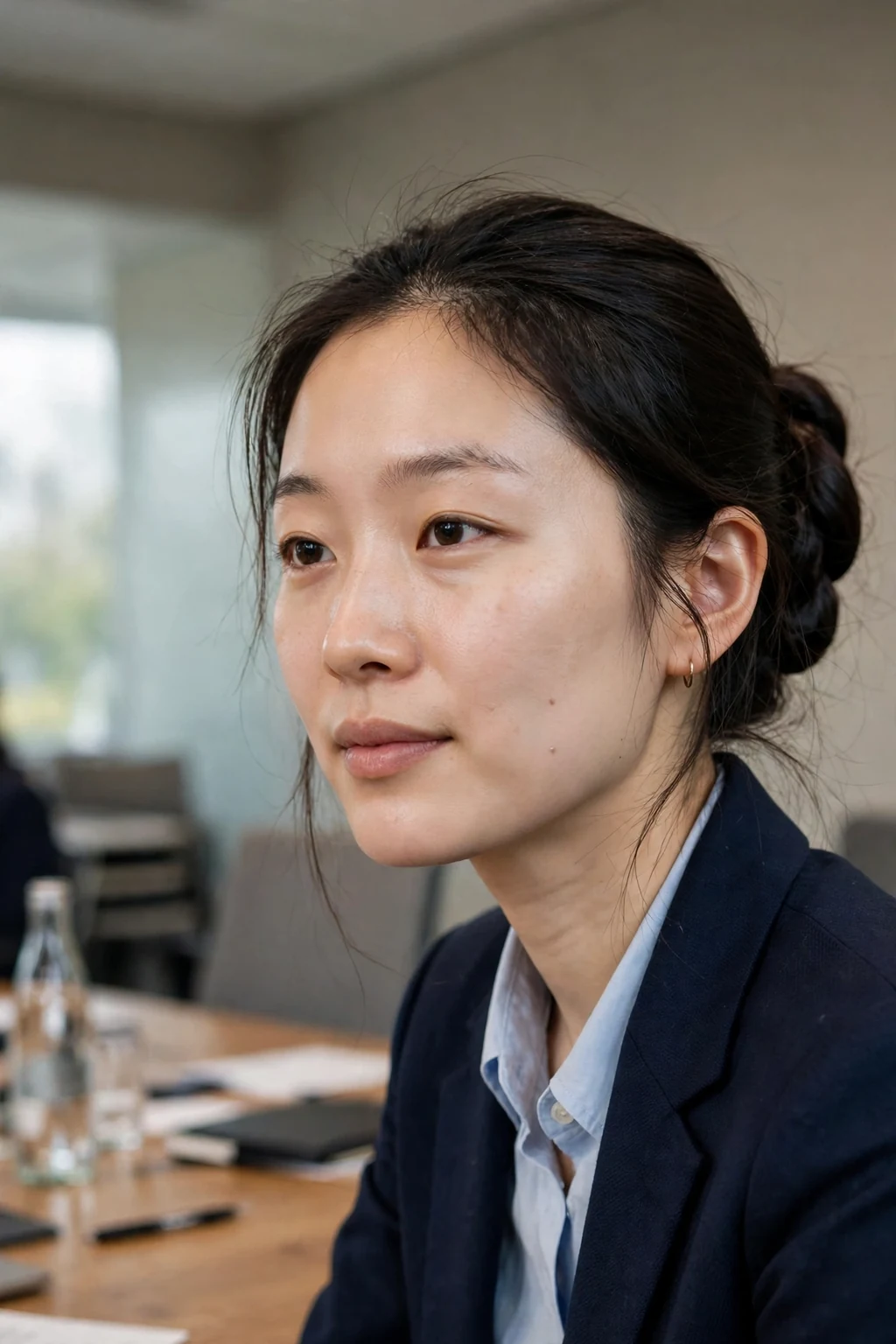
Polished Low Ponytail is a low ponytail anchored at the nape, brushed perfectly smooth on top and falling in a clean, controlled tail behind the shoulders. The finish is sleek at the roots with a soft, healthy shine through the lengths, and no bumps, frizz or stray pieces escaping around the face. This polished shape suits almost every face shape, and straight or wavy hair of medium density that can be brushed smooth and held in place, because the clean lines keep the focus on the face rather than on the hair itself. For interview wear, the style works best when it is kept neat and intentional, with no stray pieces competing for attention, and it flatters women in their twenties and early thirties who want to look capable, current and completely put together. The overall effect is calm, tidy and quietly authoritative, which is exactly the impression most interviewers remember long after the meeting ends, and it works equally well in person, in photographs and on a video call.
To create it, apply a smoothing serum to damp hair, blow-dry it straight, secure it low with a covered band, and wrap a small section of hair around the band. Trims every eight weeks prevent split ends from dulling the finish, and the ponytail can be redone in under five minutes if it loosens. Give yourself a few extra minutes on interview morning to check the back of the style in a mirror, adjust any pins, and confirm that the silhouette still looks balanced from the side as well as from the front. If the style starts to lose its shape during a long day, a quick brush-through and a light mist of spray in the restroom will restore its polish without requiring a complete restyle from scratch. On interview day, do a final check in natural light, smooth any flyaways with a tiny amount of serum, and make sure the style feels comfortable enough to forget about once you start talking. The reason to choose it is simple: it is confident without being fussy, keeps hair completely out of your way while you talk, and looks sharp in person and on camera.
4. Neat Chignon
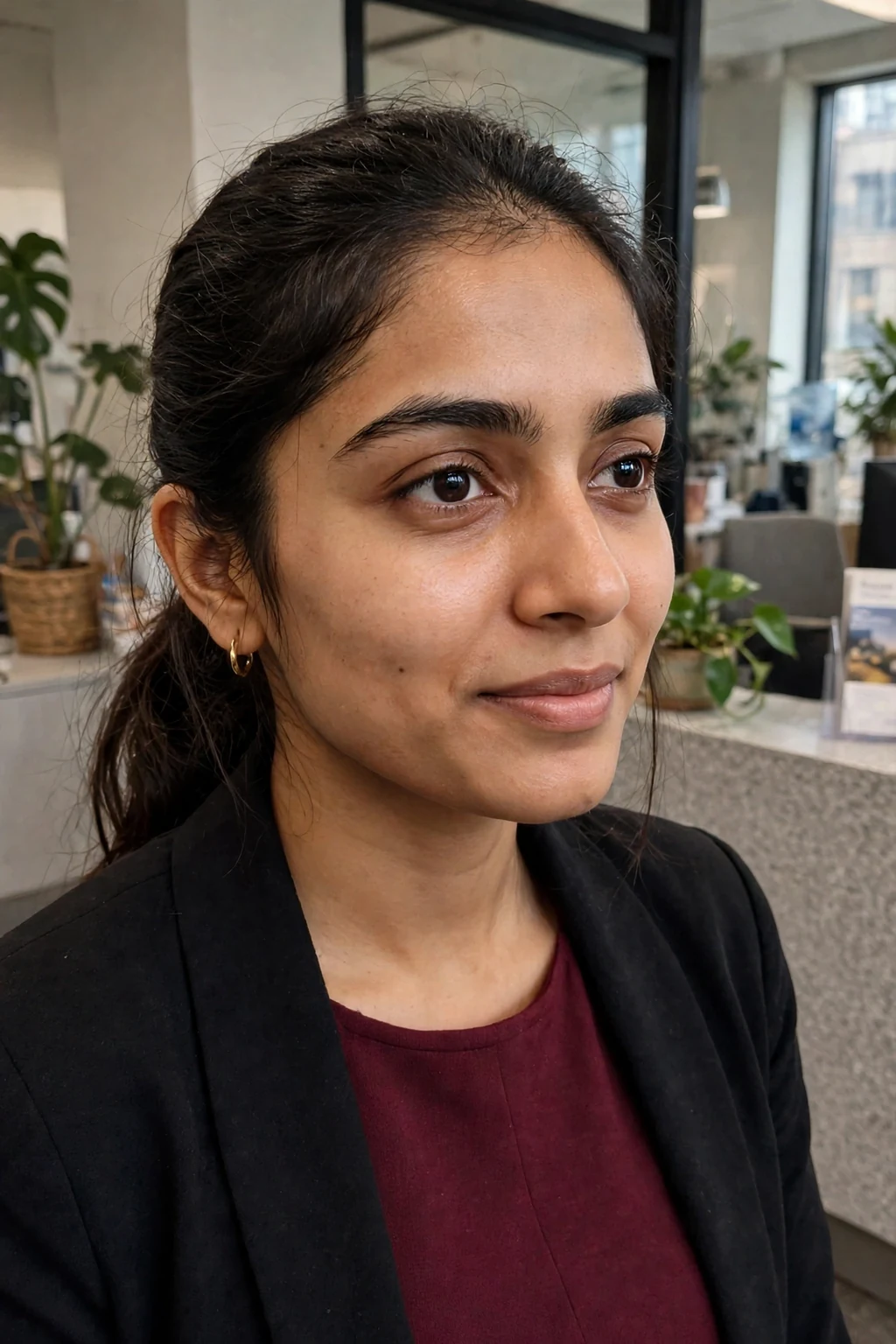
Neat Chignon is a low, softly rounded chignon pinned close to the nape, with a clean parting and a smooth, graceful outline. The finish is softly polished rather than severe, with a gentle sheen and a shape that looks refined from the front, the side and behind. This polished shape suits oval, heart-shaped and diamond faces, and medium-length to long hair with enough density to form a full, balanced knot, because the clean lines keep the focus on the face rather than on the hair itself. For interview wear, the style works best when it is kept neat and intentional, with no stray pieces competing for attention, and it flatters women in their twenties and early thirties who want to look capable, current and completely put together. The overall effect is calm, tidy and quietly authoritative, which is exactly the impression most interviewers remember long after the meeting ends, and it works equally well in person, in photographs and on a video call.
To create it, part the hair neatly, gather it low, loop it into a chignon, pin it in several directions, and set it with a flexible-hold spray. A trim every seven to nine weeks keeps the shape balanced, and bobby pins carried in your bag allow a discreet fix before you walk in. Give yourself a few extra minutes on interview morning to check the back of the style in a mirror, adjust any pins, and confirm that the silhouette still looks balanced from the side as well as from the front. If the style starts to lose its shape during a long day, a quick brush-through and a light mist of spray in the restroom will restore its polish without requiring a complete restyle from scratch. On interview day, do a final check in natural light, smooth any flyaways with a tiny amount of serum, and make sure the style feels comfortable enough to forget about once you start talking. The reason to choose it is simple: it reads as classic and trustworthy, photographs beautifully from every angle, and never distracts from what you are saying.

5. Soft Straight Lob
Soft Straight Lob is a shoulder-grazing lob cut with softly bevelled ends, worn straight with a gentle inward curve that frames the jaw. The finish is smooth and glossy, with a fluid movement that stops just short of curl, giving a modern, quietly expensive finish. This polished shape suits oval, round and square faces, and fine to medium straight or slightly wavy hair that falls neatly without heavy layering, because the clean lines keep the focus on the face rather than on the hair itself. For interview wear, the style works best when it is kept neat and intentional, with no stray pieces competing for attention, and it flatters women in their twenties and early thirties who want to look capable, current and completely put together. The overall effect is calm, tidy and quietly authoritative, which is exactly the impression most interviewers remember long after the meeting ends, and it works equally well in person, in photographs and on a video call.
To create it, blow-dry with a round brush, bending the ends under slightly, and finish with a pea-sized amount of shine serum through the mid-lengths. Trims every six to eight weeks preserve the blunt-but-soft edge, and grow-out remains flattering as the lob lengthens toward the collarbone. Give yourself a few extra minutes on interview morning to check the back of the style in a mirror, adjust any pins, and confirm that the silhouette still looks balanced from the side as well as from the front. If the style starts to lose its shape during a long day, a quick brush-through and a light mist of spray in the restroom will restore its polish without requiring a complete restyle from scratch. On interview day, do a final check in natural light, smooth any flyaways with a tiny amount of serum, and make sure the style feels comfortable enough to forget about once you start talking. The reason to choose it is simple: it is contemporary without being trendy, frames the face while you speak, and suits creative, corporate and client-facing roles alike.
6. Blunt Chin-Length Bob
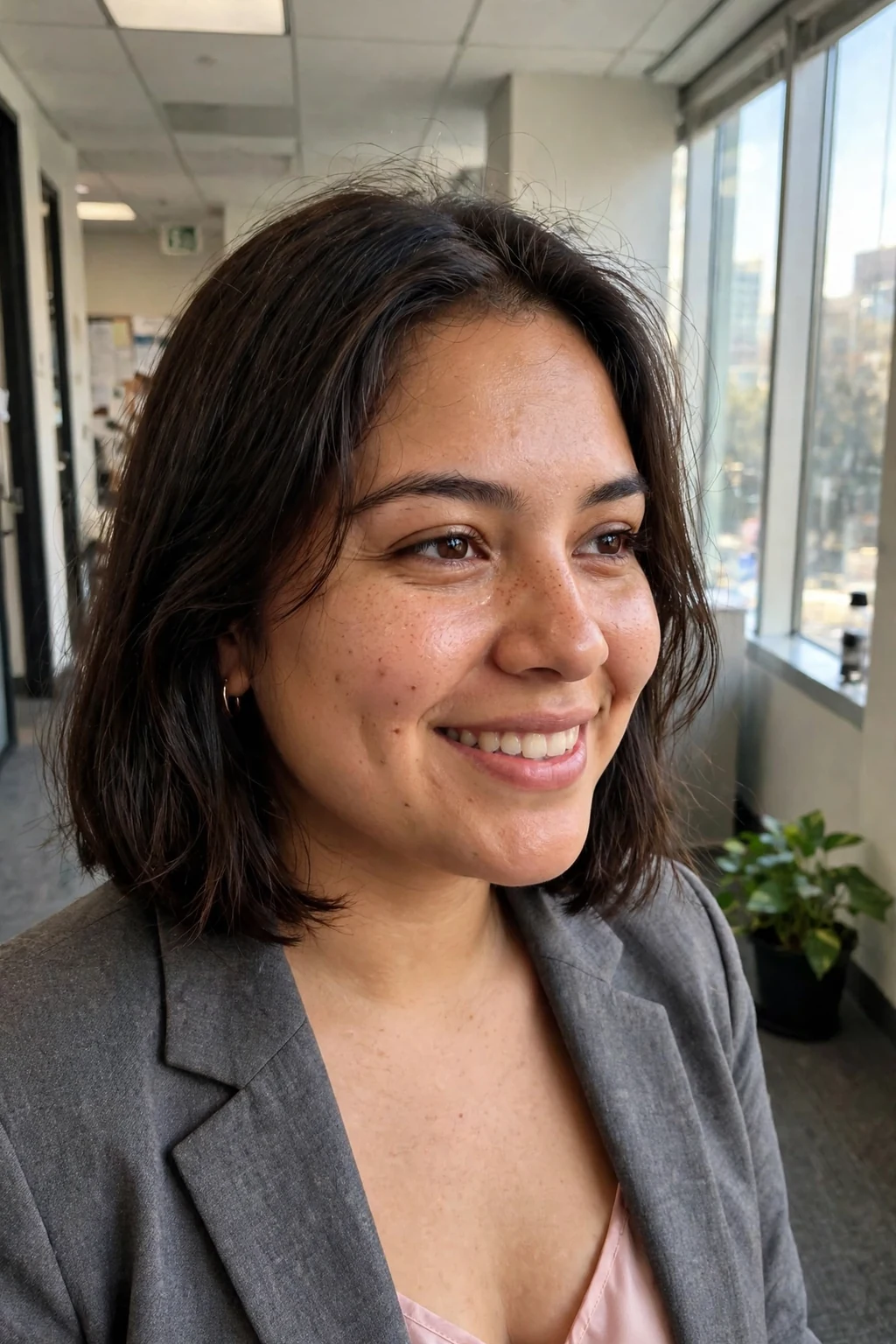
Blunt Chin-Length Bob is a precise bob ending at the chin, with a sharp, even perimeter and a clean line that draws attention to the jaw and cheekbones. The finish is crisp and graphic, with a smooth, almost glassy surface and ends that swing as one solid, confident shape. This polished shape suits oval, heart-shaped and oblong faces, and straight, fine to medium hair that holds a clean line without excessive bulk, because the clean lines keep the focus on the face rather than on the hair itself. For interview wear, the style works best when it is kept neat and intentional, with no stray pieces competing for attention, and it flatters women in their twenties and early thirties who want to look capable, current and completely put together. The overall effect is calm, tidy and quietly authoritative, which is exactly the impression most interviewers remember long after the meeting ends, and it works equally well in person, in photographs and on a video call.
To create it, blow-dry straight with a paddle brush, pass a flat iron lightly over the ends for a sharp edge, and add a drop of smoothing oil. A trim every five to six weeks is essential to keep the line sharp, and grow-out softens gradually into a longer bob rather than losing its shape. Give yourself a few extra minutes on interview morning to check the back of the style in a mirror, adjust any pins, and confirm that the silhouette still looks balanced from the side as well as from the front. If the style starts to lose its shape during a long day, a quick brush-through and a light mist of spray in the restroom will restore its polish without requiring a complete restyle from scratch. On interview day, do a final check in natural light, smooth any flyaways with a tiny amount of serum, and make sure the style feels comfortable enough to forget about once you start talking. The reason to choose it is simple: it projects precision and self-assurance, looks striking in a headshot, and tells an interviewer you pay attention to detail.
7. Side-Swept Soft Waves
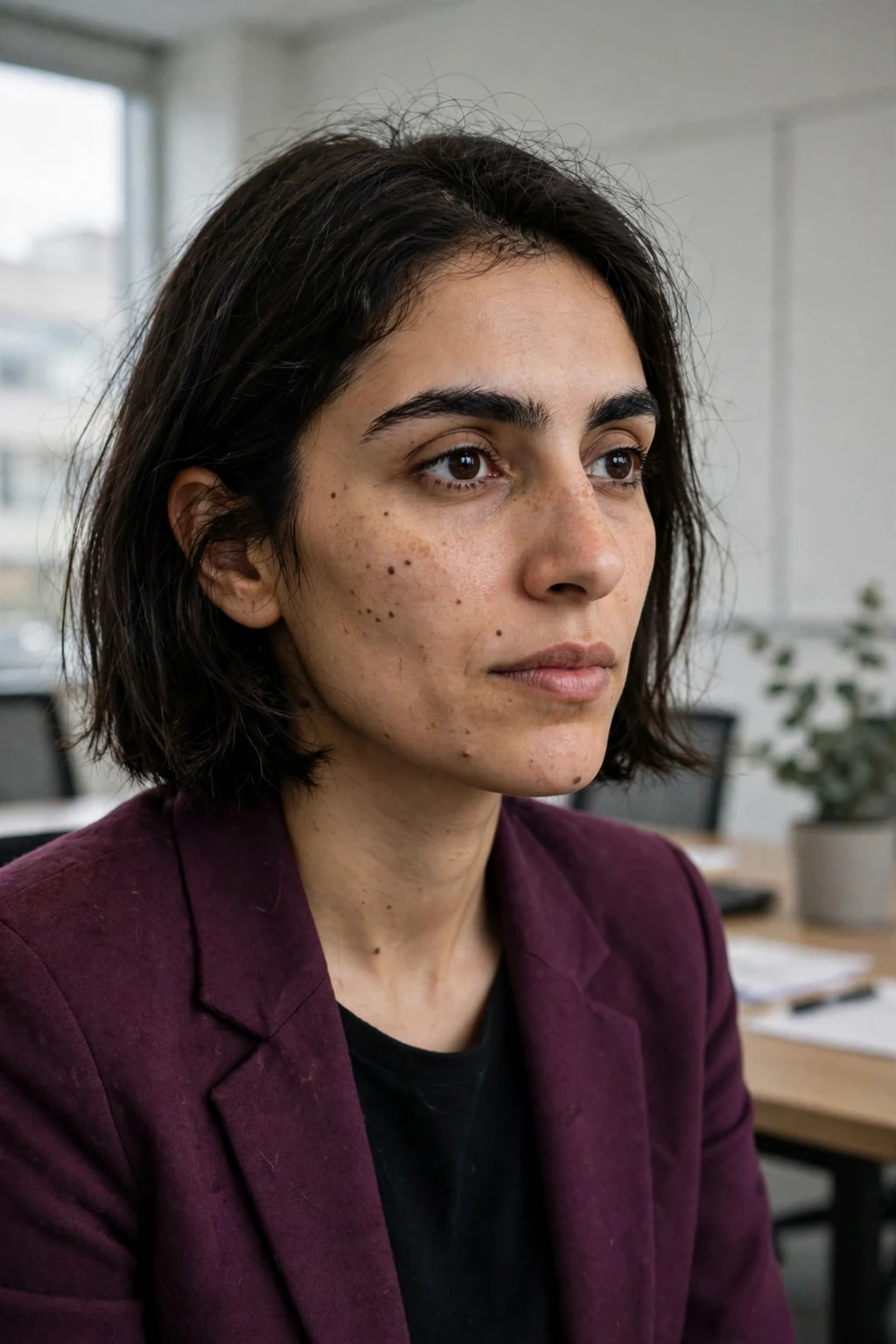
Side-Swept Soft Waves is long layers swept deeply to one side in large, soft waves, with volume at the roots and a gentle, romantic movement through the ends. The finish is touchably soft and bouncy, with a luminous finish and waves that hold their shape without looking set or crunchy. This polished shape suits oval, round and heart-shaped faces, and naturally wavy or thick hair that can hold a wave, as well as straight hair styled with a large barrel iron, because the clean lines keep the focus on the face rather than on the hair itself. For interview wear, the style works best when it is kept neat and intentional, with no stray pieces competing for attention, and it flatters women in their twenties and early thirties who want to look capable, current and completely put together. The overall effect is calm, tidy and quietly authoritative, which is exactly the impression most interviewers remember long after the meeting ends, and it works equally well in person, in photographs and on a video call.
To create it, blow-dry with volume at the roots, curl large sections away from the face, brush them out softly, and set with a flexible spray. Trims every eight to ten weeks keep the layers fresh, and the waves can be revived on the day with a quick curl of the front sections only. Give yourself a few extra minutes on interview morning to check the back of the style in a mirror, adjust any pins, and confirm that the silhouette still looks balanced from the side as well as from the front. If the style starts to lose its shape during a long day, a quick brush-through and a light mist of spray in the restroom will restore its polish without requiring a complete restyle from scratch. On interview day, do a final check in natural light, smooth any flyaways with a tiny amount of serum, and make sure the style feels comfortable enough to forget about once you start talking. The reason to choose it is simple: it softens a formal outfit, photographs with lovely movement, and balances professionalism with warmth and approachability.
8. Elegant Top Knot
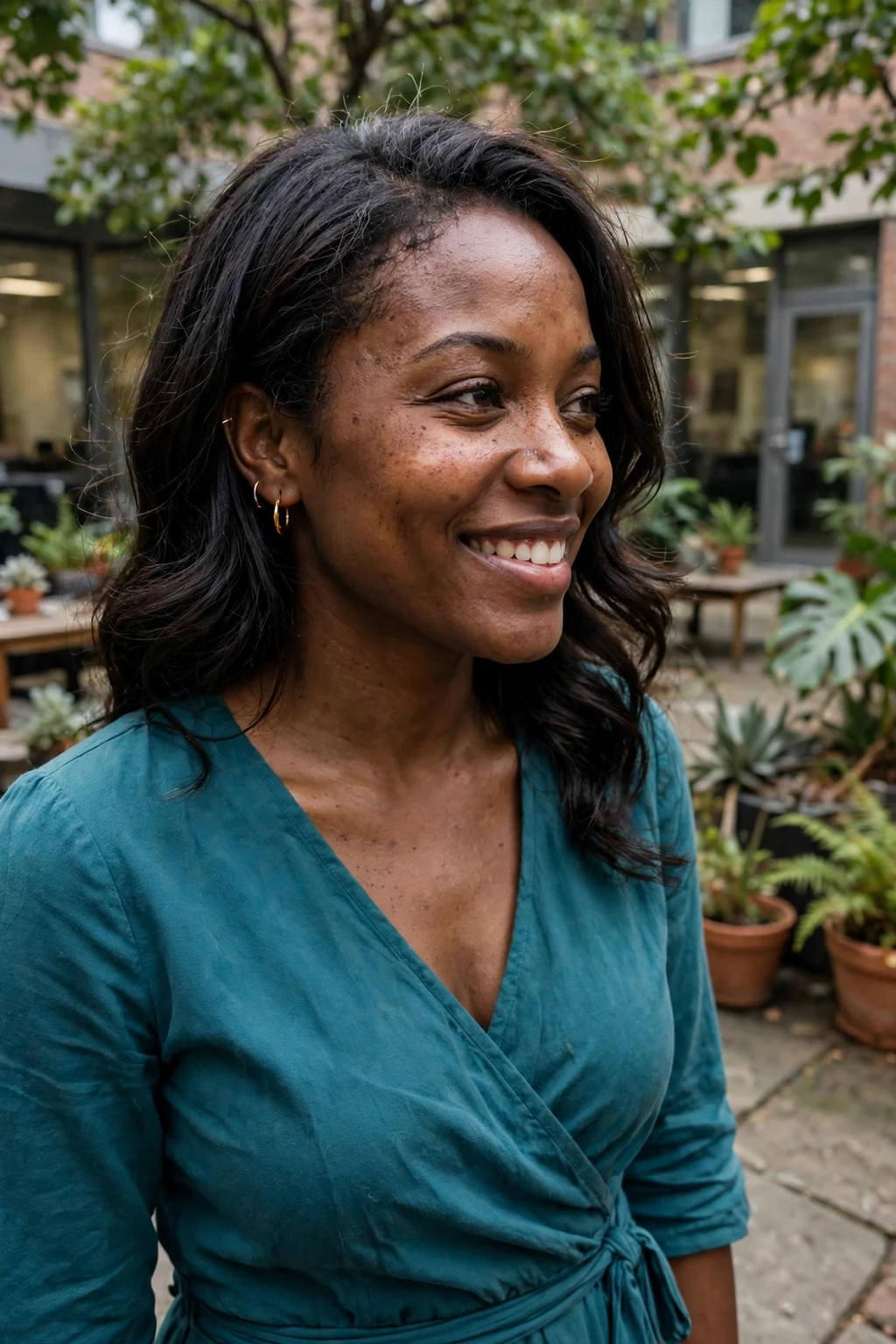
Elegant Top Knot is a high, neatly wound knot placed at the crown, with smooth sides, a clean hairline and a compact, sculpted silhouette. The finish is sleek and controlled, with a polished surface and a shape that elongates the neck and opens the whole face to the interviewer. This polished shape suits oval and heart-shaped faces, and medium to thick hair long enough to wrap into a full knot without visible pins, because the clean lines keep the focus on the face rather than on the hair itself. For interview wear, the style works best when it is kept neat and intentional, with no stray pieces competing for attention, and it flatters women in their twenties and early thirties who want to look capable, current and completely put together. The overall effect is calm, tidy and quietly authoritative, which is exactly the impression most interviewers remember long after the meeting ends, and it works equally well in person, in photographs and on a video call.
To create it, smooth hair back with gel or cream, gather it high, twist and wrap it into a knot, pin it securely, and mist with strong-hold spray. A trim every six to eight weeks keeps the ends neat enough to tuck away, and the knot survives a long interview day without sagging. Give yourself a few extra minutes on interview morning to check the back of the style in a mirror, adjust any pins, and confirm that the silhouette still looks balanced from the side as well as from the front. If the style starts to lose its shape during a long day, a quick brush-through and a light mist of spray in the restroom will restore its polish without requiring a complete restyle from scratch. On interview day, do a final check in natural light, smooth any flyaways with a tiny amount of serum, and make sure the style feels comfortable enough to forget about once you start talking. The reason to choose it is simple: it is bold yet impeccably tidy, keeps every strand away from your face, and pairs beautifully with a structured blazer.
9. Half-Up Crown Twist
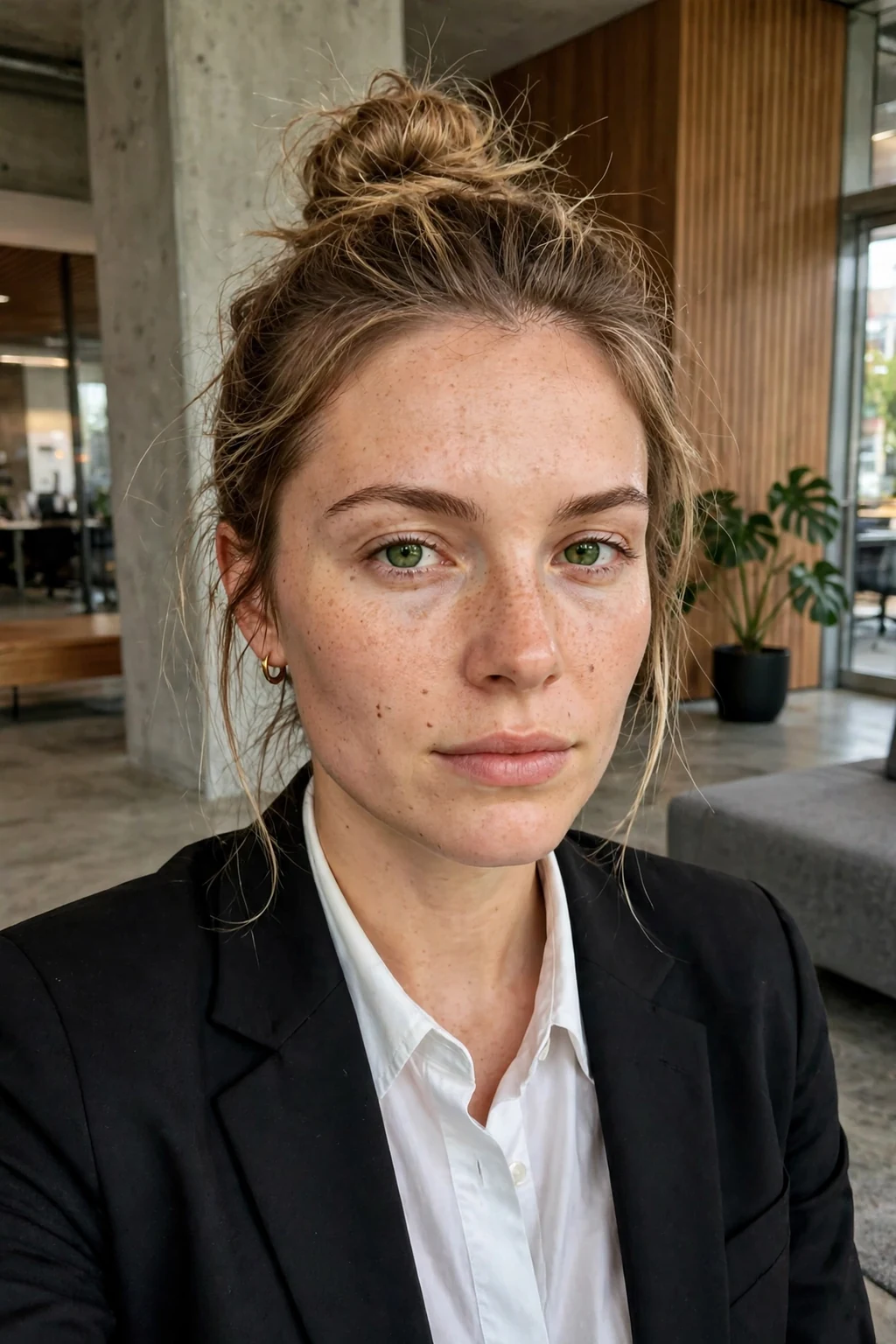
Half-Up Crown Twist is the front sections twisted back from the temples and pinned at the crown, leaving the remaining hair falling smoothly over the shoulders. The finish is neat at the crown and soft through the lengths, with a gentle lift that adds height without any teasing or stiffness. This polished shape suits round, oval and heart-shaped faces, and medium to long straight or wavy hair that benefits from being kept off the face, because the clean lines keep the focus on the face rather than on the hair itself. For interview wear, the style works best when it is kept neat and intentional, with no stray pieces competing for attention, and it flatters women in their twenties and early thirties who want to look capable, current and completely put together. The overall effect is calm, tidy and quietly authoritative, which is exactly the impression most interviewers remember long after the meeting ends, and it works equally well in person, in photographs and on a video call.
To create it, twist each front section back, cross them at the crown, pin them flat, and smooth the lengths with a light serum. Trims every eight weeks maintain the layers, and the twists can be redone in two minutes if they loosen during the day. Give yourself a few extra minutes on interview morning to check the back of the style in a mirror, adjust any pins, and confirm that the silhouette still looks balanced from the side as well as from the front. If the style starts to lose its shape during a long day, a quick brush-through and a light mist of spray in the restroom will restore its polish without requiring a complete restyle from scratch. On interview day, do a final check in natural light, smooth any flyaways with a tiny amount of serum, and make sure the style feels comfortable enough to forget about once you start talking. The reason to choose it is simple: it keeps hair out of your eyes while showing off your length, looks friendly rather than severe, and works for both formal and creative workplaces.

10. Sleek Straight Shoulder-Length Hair
Sleek Straight Shoulder-Length Hair is shoulder-length hair worn perfectly straight, with a clean centre part, even ends and a mirror-like shine from root to tip. The finish is glass-smooth and weighty, with a fluid swing and a finish that looks freshly blow-dried even hours later. This polished shape suits oval, oblong and square faces, and naturally straight or easily straightened hair of fine to medium density, because the clean lines keep the focus on the face rather than on the hair itself. For interview wear, the style works best when it is kept neat and intentional, with no stray pieces competing for attention, and it flatters women in their twenties and early thirties who want to look capable, current and completely put together. The overall effect is calm, tidy and quietly authoritative, which is exactly the impression most interviewers remember long after the meeting ends, and it works equally well in person, in photographs and on a video call.
To create it, apply heat protectant, blow-dry in sections with a paddle brush, finish with a flat iron, and seal with a light shine spray. A trim every six to eight weeks prevents the ends from thinning, and a silk pillowcase helps preserve the smooth finish overnight. Give yourself a few extra minutes on interview morning to check the back of the style in a mirror, adjust any pins, and confirm that the silhouette still looks balanced from the side as well as from the front. If the style starts to lose its shape during a long day, a quick brush-through and a light mist of spray in the restroom will restore its polish without requiring a complete restyle from scratch. On interview day, do a final check in natural light, smooth any flyaways with a tiny amount of serum, and make sure the style feels comfortable enough to forget about once you start talking. The reason to choose it is simple: it is the definition of understated polish, never competes with your outfit, and lets your expressions and answers take centre stage.

11. Low Side Bun
Low Side Bun is a soft bun placed just behind one ear at the nape, with a deep side part and a graceful, slightly asymmetric outline. The finish is smooth on top with a softly textured bun, giving a romantic yet controlled finish that looks elegant without trying too hard. This polished shape suits oval, heart-shaped and diamond faces, and medium to long hair with enough length to sweep across the nape, because the clean lines keep the focus on the face rather than on the hair itself. For interview wear, the style works best when it is kept neat and intentional, with no stray pieces competing for attention, and it flatters women in their twenties and early thirties who want to look capable, current and completely put together. The overall effect is calm, tidy and quietly authoritative, which is exactly the impression most interviewers remember long after the meeting ends, and it works equally well in person, in photographs and on a video call.
To create it, sweep hair to one side, gather it low behind the ear, twist it into a bun, pin it in place, and finish with a medium-hold spray. Trims every seven to nine weeks keep the ends healthy, and the side placement hides any unevenness in grow-out gracefully. Give yourself a few extra minutes on interview morning to check the back of the style in a mirror, adjust any pins, and confirm that the silhouette still looks balanced from the side as well as from the front. If the style starts to lose its shape during a long day, a quick brush-through and a light mist of spray in the restroom will restore its polish without requiring a complete restyle from scratch. On interview day, do a final check in natural light, smooth any flyaways with a tiny amount of serum, and make sure the style feels comfortable enough to forget about once you start talking. The reason to choose it is simple: it adds a touch of personality to a conservative outfit, looks beautiful in profile, and feels special without feeling overdressed.
12. Textured Low Chignon
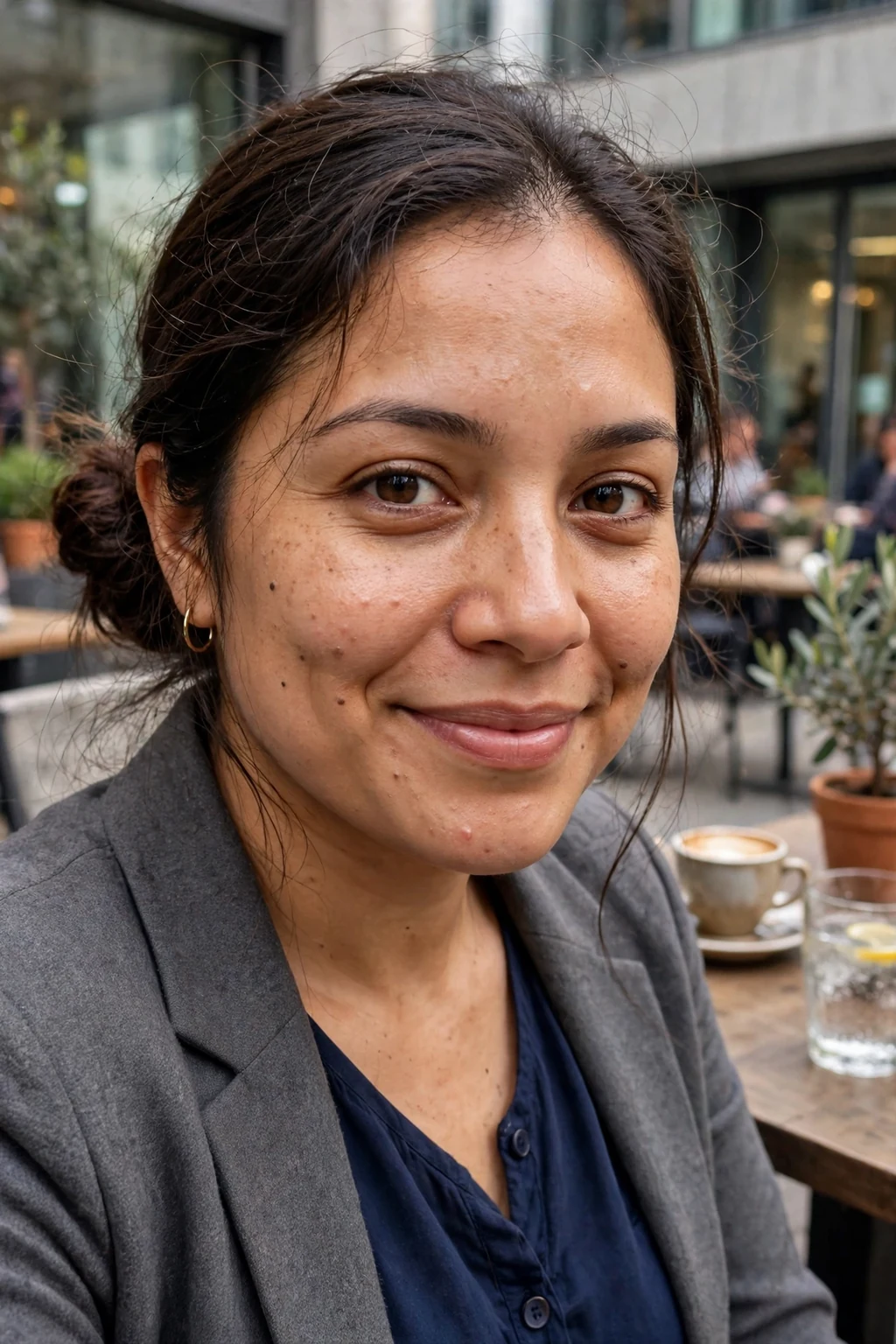
Textured Low Chignon is a low chignon with gentle texture through the crown and softly loosened pieces around the face, giving a modern, lived-in elegance. The finish is softly matte and touchable, with visible texture that keeps the style from looking flat or overly formal. This polished shape suits oval, round and square faces, and wavy or fine hair that needs texture to make a chignon look full rather than sparse, because the clean lines keep the focus on the face rather than on the hair itself. For interview wear, the style works best when it is kept neat and intentional, with no stray pieces competing for attention, and it flatters women in their twenties and early thirties who want to look capable, current and completely put together. The overall effect is calm, tidy and quietly authoritative, which is exactly the impression most interviewers remember long after the meeting ends, and it works equally well in person, in photographs and on a video call.
To create it, add texturising spray to dry hair, gather it loosely low, pin it into a soft knot, and pull a few face-framing pieces free. A trim every eight weeks maintains the shape, and the texture means the style still looks intentional even if a piece escapes. Give yourself a few extra minutes on interview morning to check the back of the style in a mirror, adjust any pins, and confirm that the silhouette still looks balanced from the side as well as from the front. If the style starts to lose its shape during a long day, a quick brush-through and a light mist of spray in the restroom will restore its polish without requiring a complete restyle from scratch. On interview day, do a final check in natural light, smooth any flyaways with a tiny amount of serum, and make sure the style feels comfortable enough to forget about once you start talking. The reason to choose it is simple: it is polished but approachable, ideal for creative and people-focused roles, and photographs as effortlessly elegant.
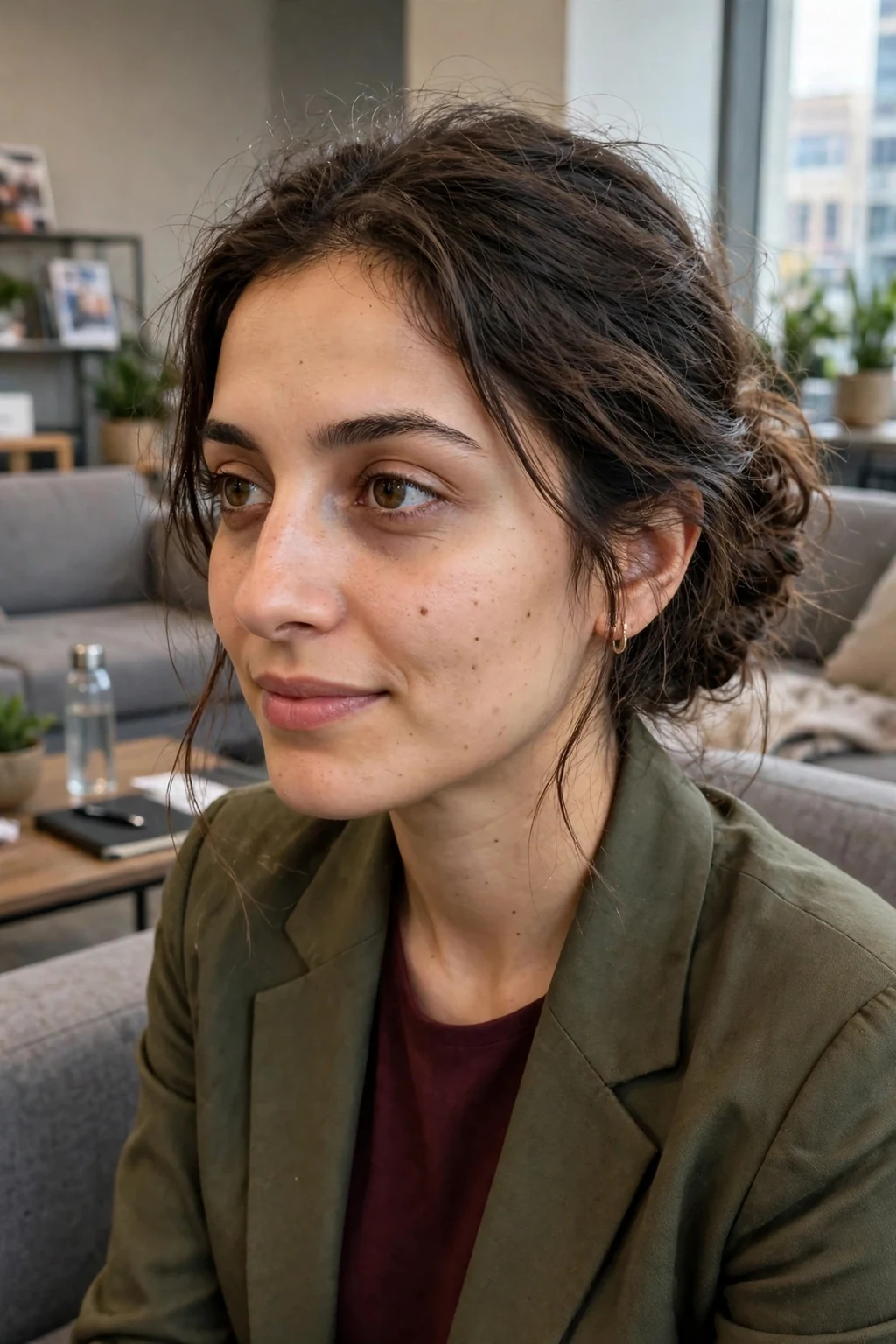
13. Polished Pixie Cut
Polished Pixie Cut is a short pixie with longer, swept-over top layers, neatly tapered sides and a clean, sculpted outline around the ears and nape. The finish is sleek and piecey on top with a smooth, tailored finish at the sides, giving a modern, confident silhouette. This polished shape suits oval, heart-shaped and diamond faces, and straight or wavy fine to medium hair that can be swept and held with a little product, because the clean lines keep the focus on the face rather than on the hair itself. For interview wear, the style works best when it is kept neat and intentional, with no stray pieces competing for attention, and it flatters women in their twenties and early thirties who want to look capable, current and completely put together. The overall effect is calm, tidy and quietly authoritative, which is exactly the impression most interviewers remember long after the meeting ends, and it works equally well in person, in photographs and on a video call.
To create it, blow-dry the top forward and to the side, work a small amount of pomade through the pieces, and define the fringe with your fingers. A trim every four to five weeks keeps the taper sharp, and grow-out passes through a charming longer pixie before needing a reshape. Give yourself a few extra minutes on interview morning to check the back of the style in a mirror, adjust any pins, and confirm that the silhouette still looks balanced from the side as well as from the front. If the style starts to lose its shape during a long day, a quick brush-through and a light mist of spray in the restroom will restore its polish without requiring a complete restyle from scratch. On interview day, do a final check in natural light, smooth any flyaways with a tiny amount of serum, and make sure the style feels comfortable enough to forget about once you start talking. The reason to choose it is simple: it is bold, memorable and supremely low-maintenance on interview morning, and it frames the eyes and smile beautifully.
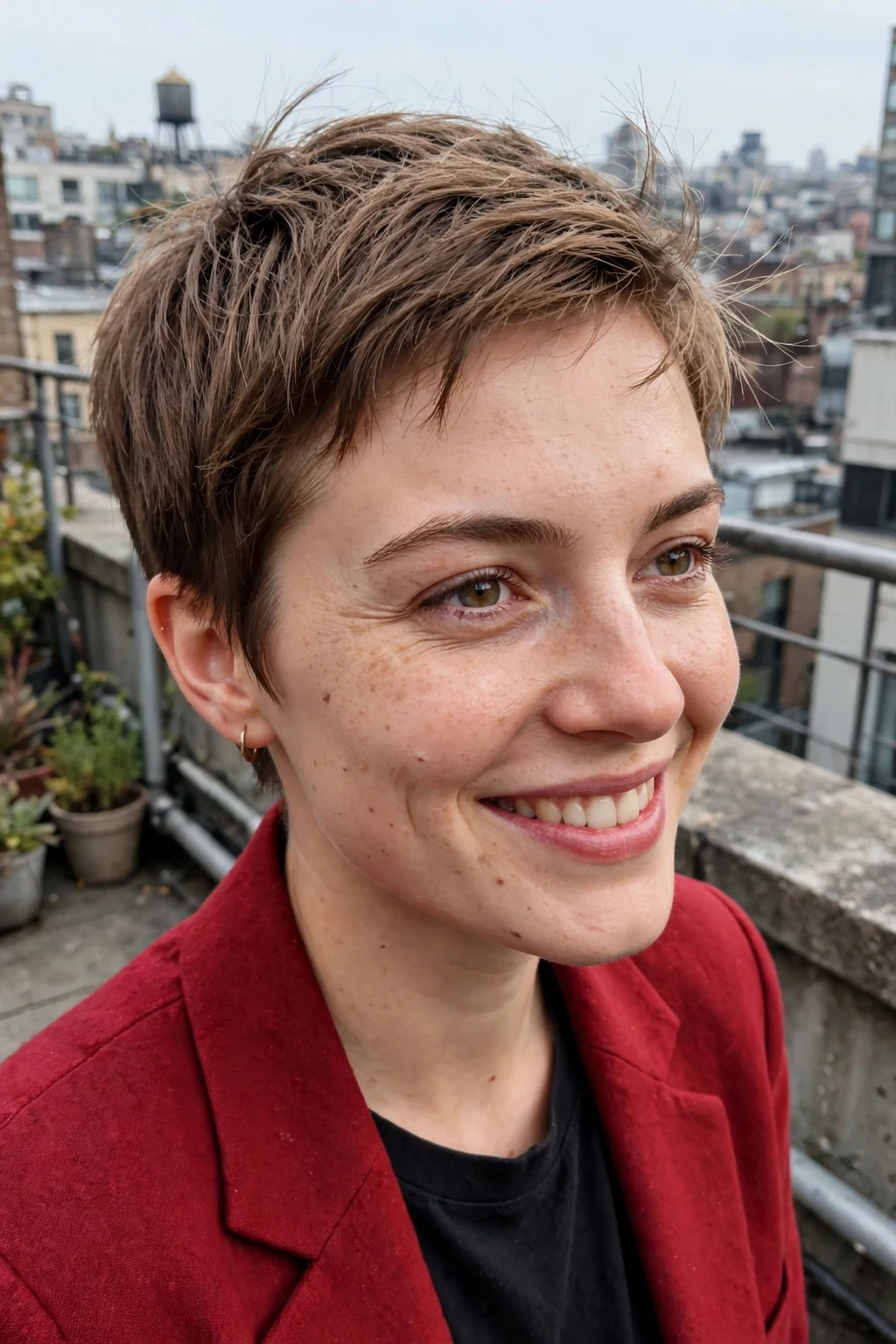
14. Defined Curly Bob
Defined Curly Bob is a chin-to-shoulder bob cut to let natural curls spring into a rounded, balanced shape, with curls defined rather than brushed out. The finish is bouncy and glossy, with individual curls clearly defined, soft volume at the sides and no frizz halo around the outline. This polished shape suits round, oval and heart-shaped faces, and naturally curly or coily hair that benefits from layers that shape rather than fight the curl, because the clean lines keep the focus on the face rather than on the hair itself. For interview wear, the style works best when it is kept neat and intentional, with no stray pieces competing for attention, and it flatters women in their twenties and early thirties who want to look capable, current and completely put together. The overall effect is calm, tidy and quietly authoritative, which is exactly the impression most interviewers remember long after the meeting ends, and it works equally well in person, in photographs and on a video call.
To create it, apply curl cream to soaking-wet hair, scrunch upward, diffuse on low heat or air-dry, and finish with a light oil on the ends. A trim every ten to twelve weeks, ideally on dry curls, keeps the shape round, and regular deep conditioning preserves definition. Give yourself a few extra minutes on interview morning to check the back of the style in a mirror, adjust any pins, and confirm that the silhouette still looks balanced from the side as well as from the front. If the style starts to lose its shape during a long day, a quick brush-through and a light mist of spray in the restroom will restore its polish without requiring a complete restyle from scratch. On interview day, do a final check in natural light, smooth any flyaways with a tiny amount of serum, and make sure the style feels comfortable enough to forget about once you start talking. The reason to choose it is simple: it celebrates natural texture in a thoroughly professional shape, looks confident and authentic, and holds its form all day.
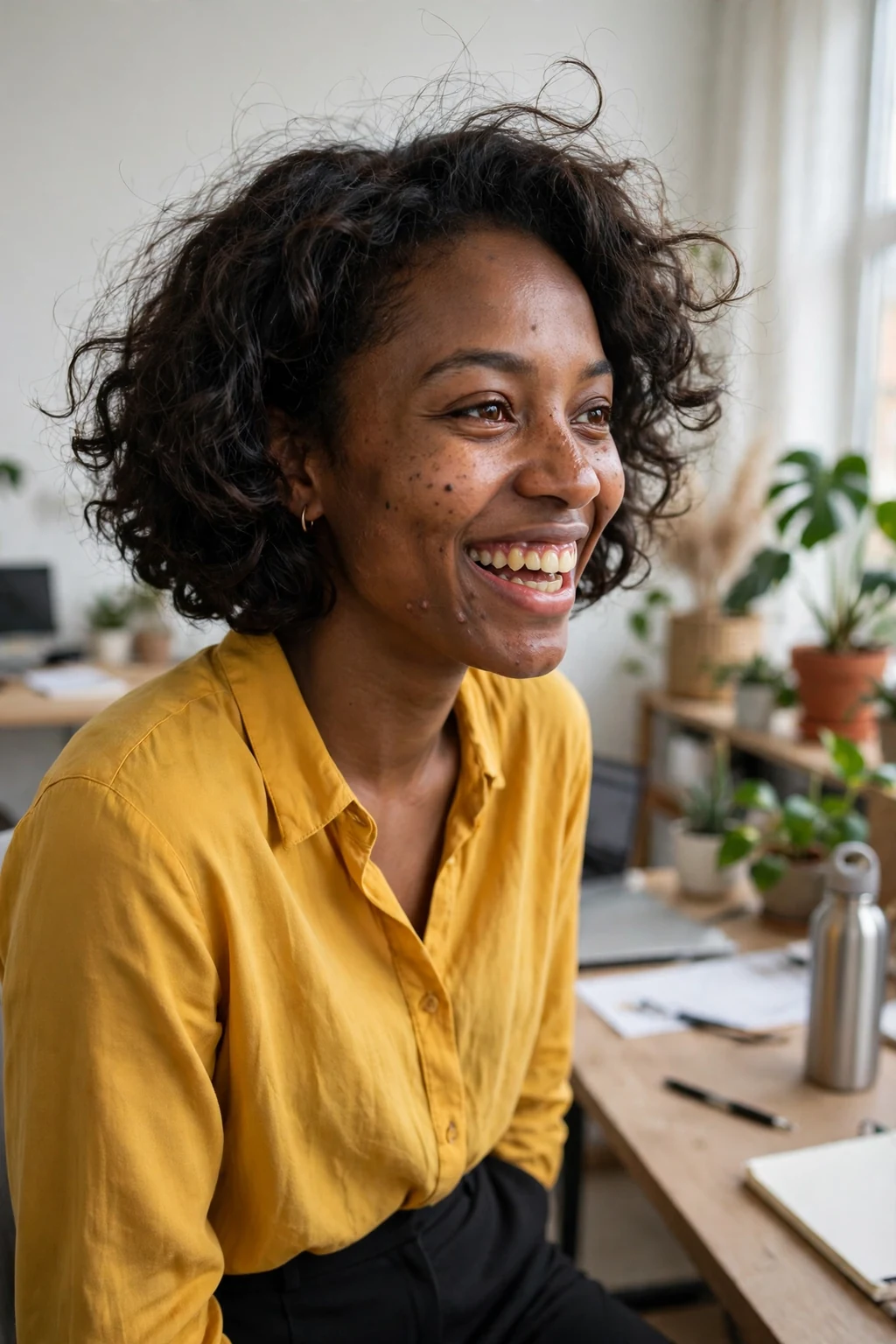
15. Smooth Salon Blowout
Smooth Salon Blowout is a full blowout with root lift, smooth lengths and softly turned-under ends, giving the classic polished, camera-ready finish. The finish is voluminous yet smooth, with a bouncy, glossy movement that looks expensive and freshly styled without stiffness. This polished shape suits oval, oblong and round faces, and medium to thick straight or wavy hair that holds volume and a smooth finish, because the clean lines keep the focus on the face rather than on the hair itself. For interview wear, the style works best when it is kept neat and intentional, with no stray pieces competing for attention, and it flatters women in their twenties and early thirties who want to look capable, current and completely put together. The overall effect is calm, tidy and quietly authoritative, which is exactly the impression most interviewers remember long after the meeting ends, and it works equally well in person, in photographs and on a video call.
To create it, apply volumising mousse at the roots, blow-dry in sections with a large round brush, and finish with a cool shot and light spray. Trims every seven to nine weeks keep the ends full, and a blowout typically lasts two to three days with dry shampoo at the roots. Give yourself a few extra minutes on interview morning to check the back of the style in a mirror, adjust any pins, and confirm that the silhouette still looks balanced from the side as well as from the front. If the style starts to lose its shape during a long day, a quick brush-through and a light mist of spray in the restroom will restore its polish without requiring a complete restyle from scratch. On interview day, do a final check in natural light, smooth any flyaways with a tiny amount of serum, and make sure the style feels comfortable enough to forget about once you start talking. The reason to choose it is simple: it is universally flattering, photographs beautifully, and gives an instant confidence boost before a high-stakes meeting.
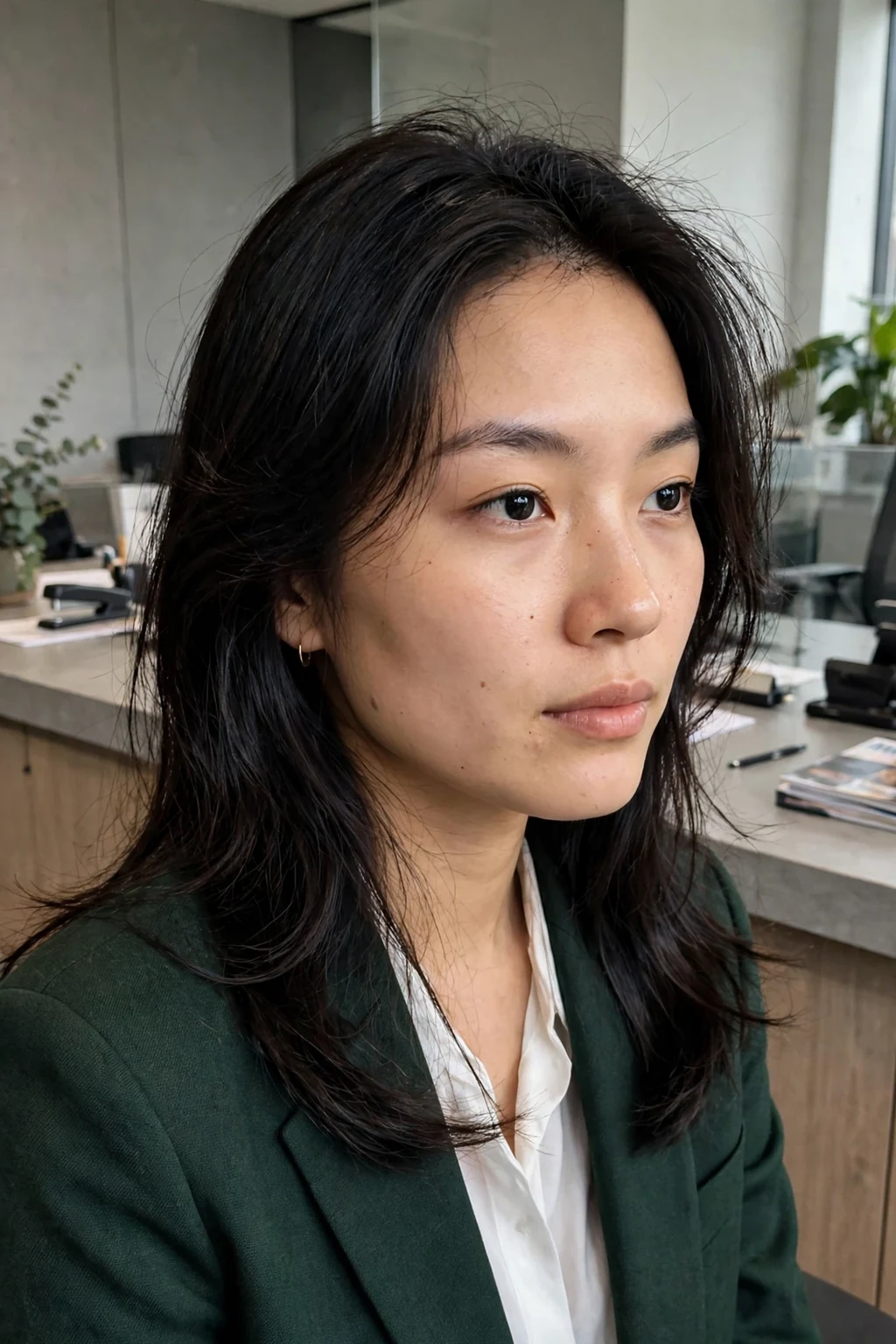
16. Braided Low Bun
Braided Low Bun is a low bun built from a neat braid wrapped into a knot at the nape, with a smooth crown and an intricate, crafted detail at the back. The finish is sleek at the crown with a softly textured, woven finish in the bun, giving quiet craftsmanship rather than fussiness. This polished shape suits oval, heart-shaped and square faces, and medium to long hair with enough length to braid and wrap without pulling, because the clean lines keep the focus on the face rather than on the hair itself. For interview wear, the style works best when it is kept neat and intentional, with no stray pieces competing for attention, and it flatters women in their twenties and early thirties who want to look capable, current and completely put together. The overall effect is calm, tidy and quietly authoritative, which is exactly the impression most interviewers remember long after the meeting ends, and it works equally well in person, in photographs and on a video call.
To create it, smooth the crown, braid the ponytail loosely, wrap it into a bun, pin it securely, and set with a medium-hold spray. A trim every eight weeks keeps the braid ends tidy, and the braided structure holds exceptionally well through a long day. Give yourself a few extra minutes on interview morning to check the back of the style in a mirror, adjust any pins, and confirm that the silhouette still looks balanced from the side as well as from the front. If the style starts to lose its shape during a long day, a quick brush-through and a light mist of spray in the restroom will restore its polish without requiring a complete restyle from scratch. On interview day, do a final check in natural light, smooth any flyaways with a tiny amount of serum, and make sure the style feels comfortable enough to forget about once you start talking. The reason to choose it is simple: it shows patience and attention to detail, stays put from the first handshake to the last question, and looks refined from behind.

17. Tucked Lob with Centre Part
Tucked Lob with Centre Part is a lob with a precise centre part, worn straight and tucked neatly behind both ears, with the ends grazing the jaw and collarbone. The finish is crisp and minimal, with a smooth surface and a clean, symmetrical frame that puts the full focus on the face. This polished shape suits oval and heart-shaped faces, and straight, fine to medium hair that tucks easily and stays in place behind the ears, because the clean lines keep the focus on the face rather than on the hair itself. For interview wear, the style works best when it is kept neat and intentional, with no stray pieces competing for attention, and it flatters women in their twenties and early thirties who want to look capable, current and completely put together. The overall effect is calm, tidy and quietly authoritative, which is exactly the impression most interviewers remember long after the meeting ends, and it works equally well in person, in photographs and on a video call.
To create it, blow-dry straight with a centre part, tuck both sides behind the ears, and secure discreetly with flat pins if needed. Trims every six weeks preserve the exact length, and the tuck means even second-day hair looks deliberate and tidy. Give yourself a few extra minutes on interview morning to check the back of the style in a mirror, adjust any pins, and confirm that the silhouette still looks balanced from the side as well as from the front. If the style starts to lose its shape during a long day, a quick brush-through and a light mist of spray in the restroom will restore its polish without requiring a complete restyle from scratch. On interview day, do a final check in natural light, smooth any flyaways with a tiny amount of serum, and make sure the style feels comfortable enough to forget about once you start talking. The reason to choose it is simple: it is minimal, modern and quietly authoritative, works perfectly with statement earrings or a sharp collar, and never distracts.
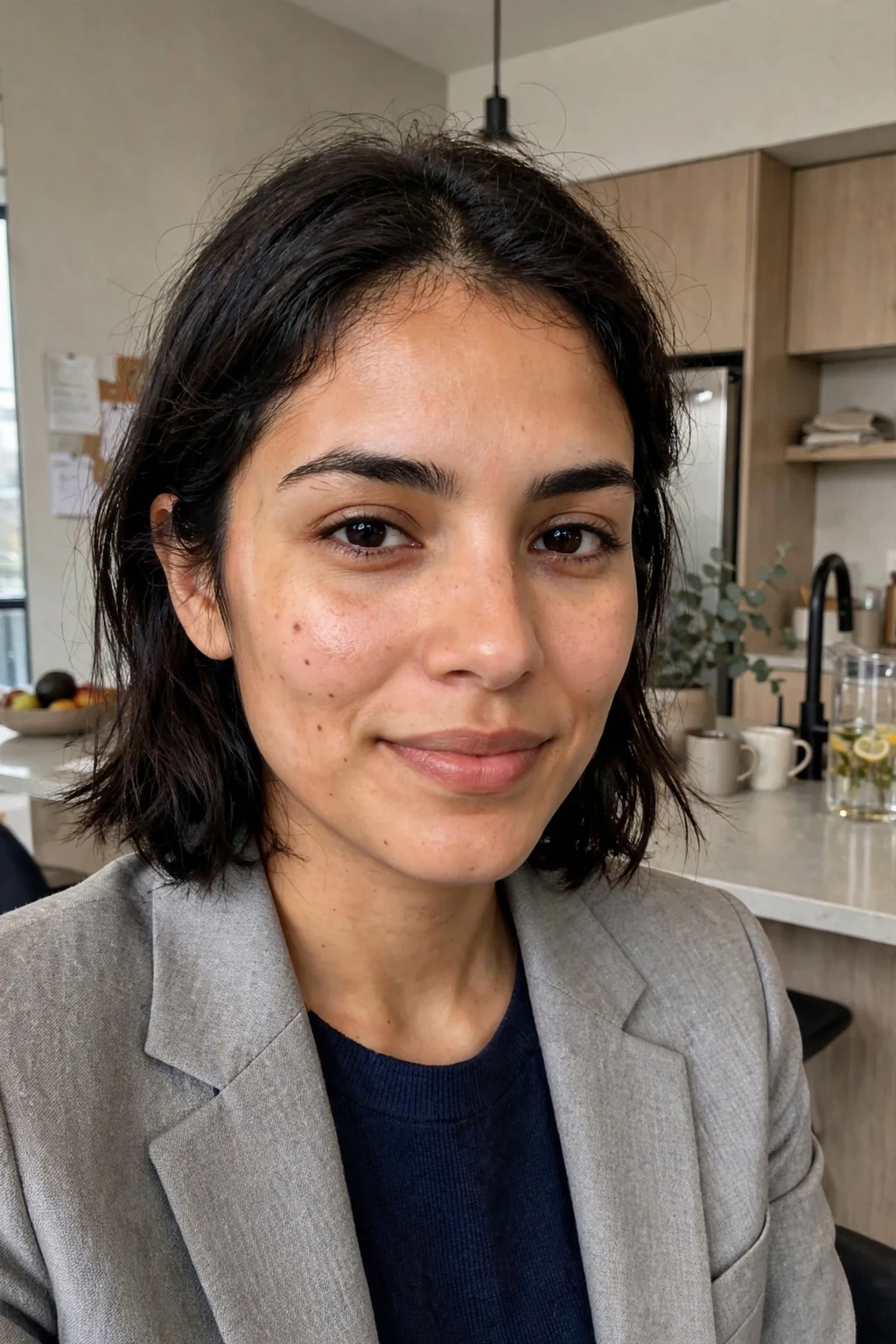
18. Soft Curls with Deep Side Part
Soft Curls with Deep Side Part is voluminous soft curls parted deeply to one side, with the heavier side cascading over the shoulder and the lighter side swept flat. The finish is glossy and bouncy, with large, touchable curls and a dramatic side sweep that adds instant glamour without heaviness. This polished shape suits oval, round and heart-shaped faces, and naturally curly or wavy hair, as well as straight hair curled with a medium barrel iron, because the clean lines keep the focus on the face rather than on the hair itself. For interview wear, the style works best when it is kept neat and intentional, with no stray pieces competing for attention, and it flatters women in their twenties and early thirties who want to look capable, current and completely put together. The overall effect is calm, tidy and quietly authoritative, which is exactly the impression most interviewers remember long after the meeting ends, and it works equally well in person, in photographs and on a video call.
To create it, create a deep side part, curl sections away from the face, brush them gently into soft waves, and set with flexible spray. Trims every eight to ten weeks keep the curls springy, and a silk scarf overnight preserves the part and the volume. Give yourself a few extra minutes on interview morning to check the back of the style in a mirror, adjust any pins, and confirm that the silhouette still looks balanced from the side as well as from the front. If the style starts to lose its shape during a long day, a quick brush-through and a light mist of spray in the restroom will restore its polish without requiring a complete restyle from scratch. On interview day, do a final check in natural light, smooth any flyaways with a tiny amount of serum, and make sure the style feels comfortable enough to forget about once you start talking. The reason to choose it is simple: it balances drama with professionalism, flatters in three-quarter photographs, and feels confident rather than costume-like.
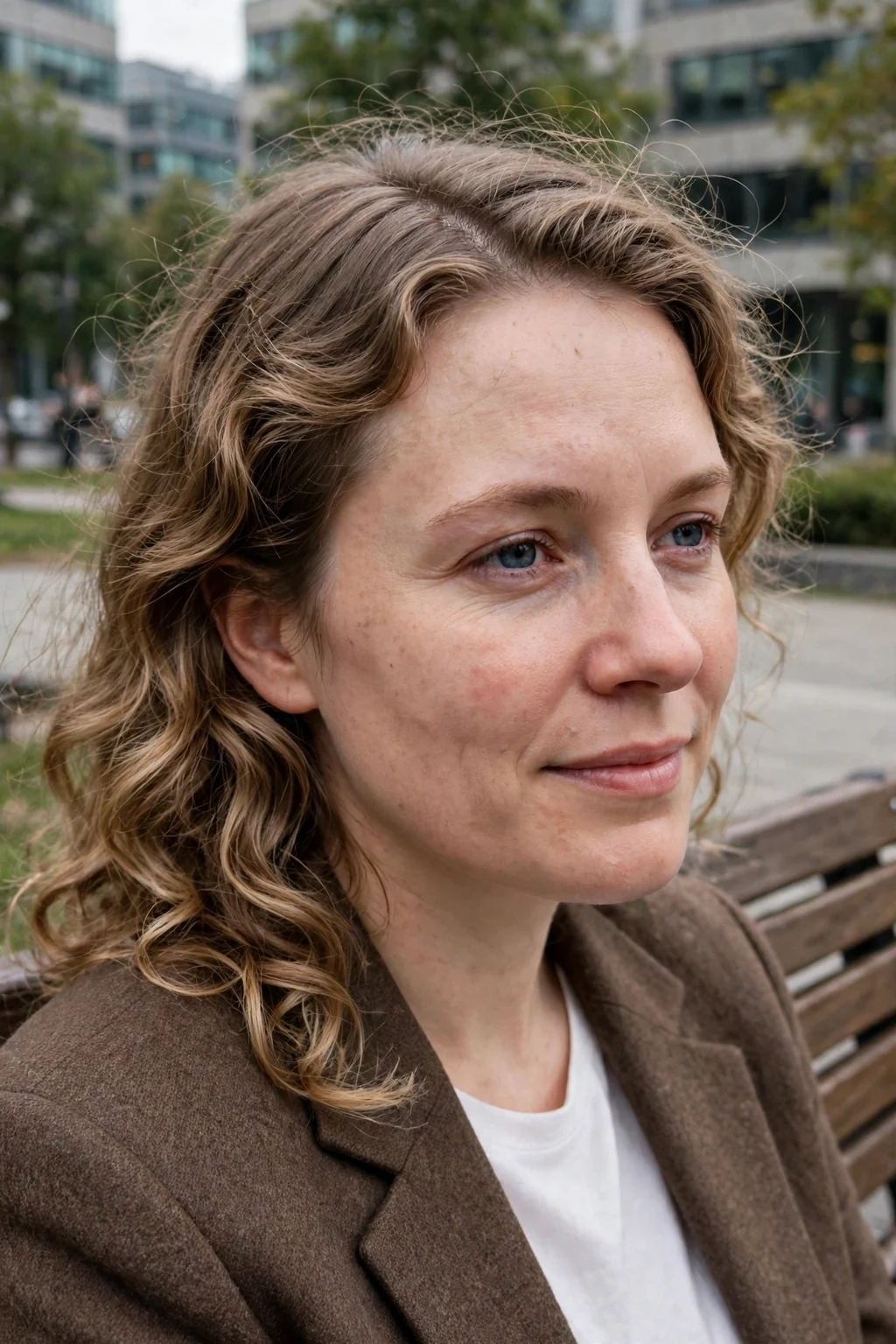
19. Sleek Wrapped Ponytail
Sleek Wrapped Ponytail is a mid-to-low ponytail with the elastic fully concealed by a wrapped section of hair, giving a seamless, salon-finished tail. The finish is ultra-smooth at the roots with a sleek, swinging tail and no visible band, clip or bump anywhere in the style. This polished shape suits oval, oblong and square faces, and straight or wavy medium to thick hair that can be smoothed and wrapped cleanly, because the clean lines keep the focus on the face rather than on the hair itself. For interview wear, the style works best when it is kept neat and intentional, with no stray pieces competing for attention, and it flatters women in their twenties and early thirties who want to look capable, current and completely put together. The overall effect is calm, tidy and quietly authoritative, which is exactly the impression most interviewers remember long after the meeting ends, and it works equally well in person, in photographs and on a video call.
To create it, blow-dry smooth, secure the ponytail, wrap a section around the base, pin it underneath, and finish with shine spray. A trim every seven weeks keeps the tail blunt and healthy, and the wrap can be refreshed in seconds with one pin. Give yourself a few extra minutes on interview morning to check the back of the style in a mirror, adjust any pins, and confirm that the silhouette still looks balanced from the side as well as from the front. If the style starts to lose its shape during a long day, a quick brush-through and a light mist of spray in the restroom will restore its polish without requiring a complete restyle from scratch. On interview day, do a final check in natural light, smooth any flyaways with a tiny amount of serum, and make sure the style feels comfortable enough to forget about once you start talking. The reason to choose it is simple: it elevates the everyday ponytail into something boardroom-ready, looks intentional on video calls, and keeps hair completely controlled.
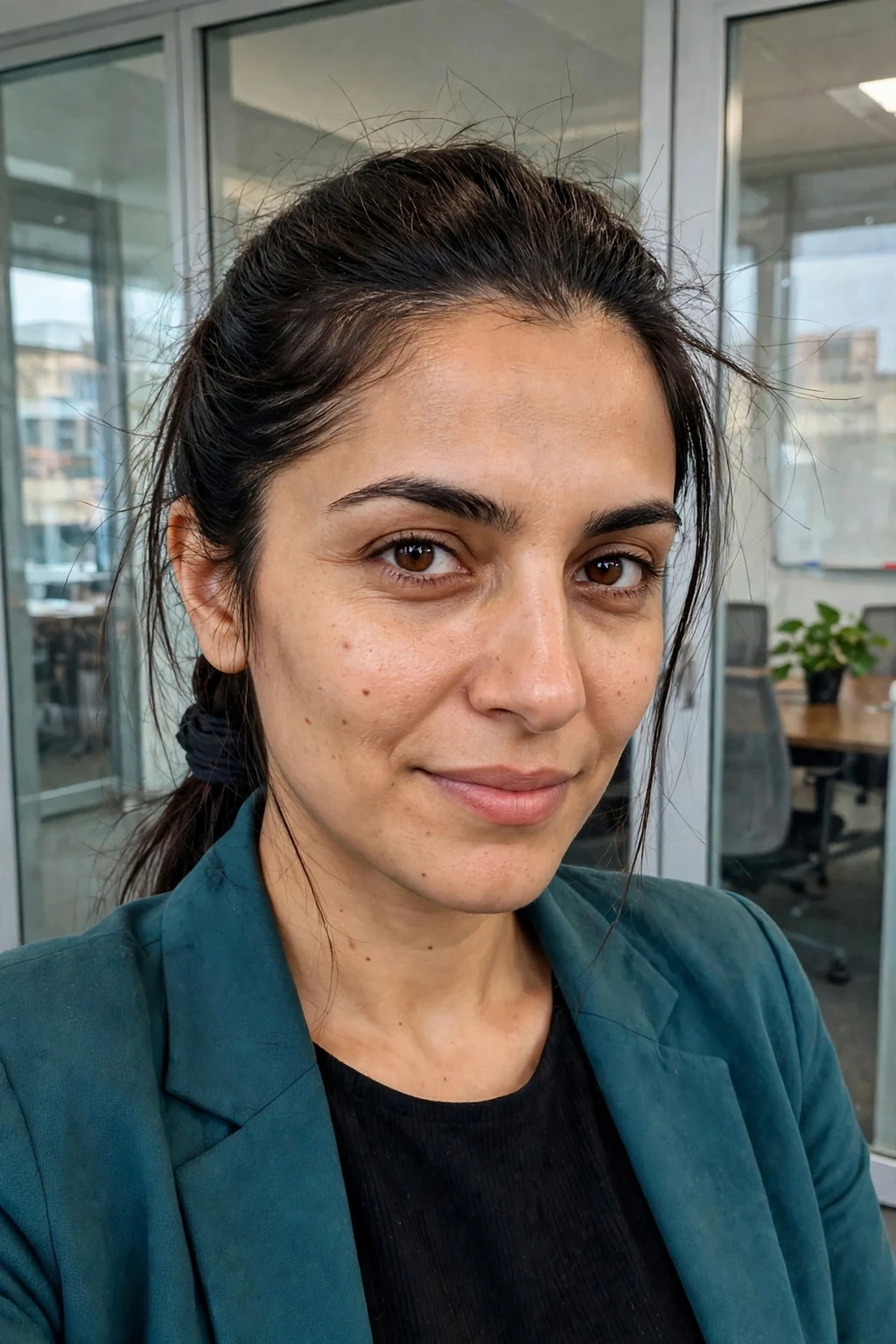
20. Classic Pageboy Bob
Classic Pageboy Bob is a rounded pageboy bob with ends curved gently under, a smooth crown and a soft, vintage-inspired silhouette ending below the ears. The finish is smooth and rounded, with a glossy, almost sculpted finish and ends that curl under in one continuous, elegant line. This polished shape suits oval, round and heart-shaped faces, and straight, fine to medium hair that can be blow-dried into a curved-under shape, because the clean lines keep the focus on the face rather than on the hair itself. For interview wear, the style works best when it is kept neat and intentional, with no stray pieces competing for attention, and it flatters women in their twenties and early thirties who want to look capable, current and completely put together. The overall effect is calm, tidy and quietly authoritative, which is exactly the impression most interviewers remember long after the meeting ends, and it works equally well in person, in photographs and on a video call.
To create it, blow-dry with a medium round brush, rolling the ends under, and finish with a light serum for shine and control. Trims every five to six weeks maintain the rounded shape, and grow-out becomes a soft bob rather than an awkward in-between length. Give yourself a few extra minutes on interview morning to check the back of the style in a mirror, adjust any pins, and confirm that the silhouette still looks balanced from the side as well as from the front. If the style starts to lose its shape during a long day, a quick brush-through and a light mist of spray in the restroom will restore its polish without requiring a complete restyle from scratch. On interview day, do a final check in natural light, smooth any flyaways with a tiny amount of serum, and make sure the style feels comfortable enough to forget about once you start talking. The reason to choose it is simple: it is timeless and ladylike, pairs beautifully with a suit, and signals a classic, reliable professionalism.
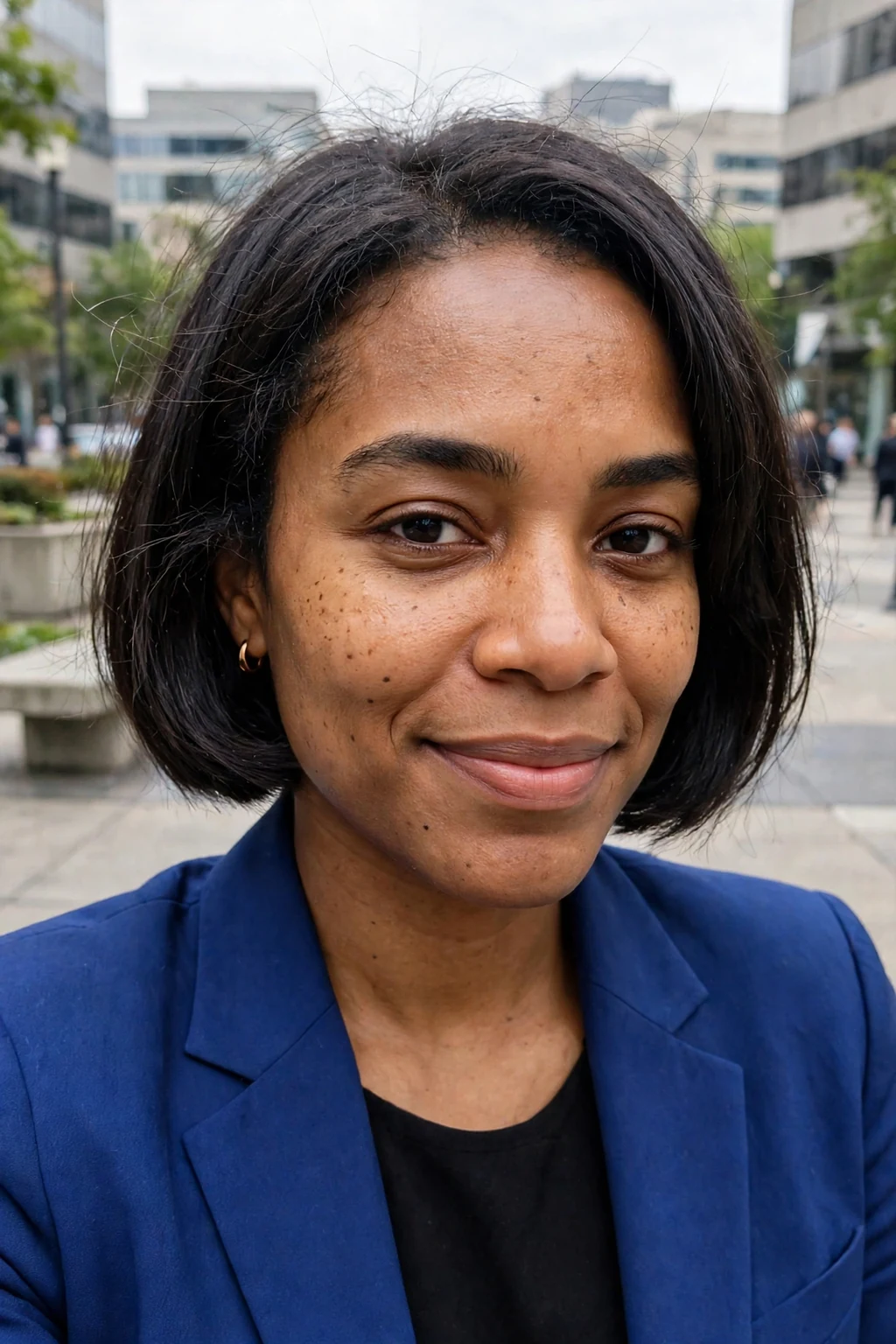
21. Low Twisted Bun
Low Twisted Bun is a low bun formed from two or more twisted sections wound together at the nape, with a smooth crown and a softly rope-like texture. The finish is neat yet textured, with a gentle twist detail that adds interest without any loose or messy pieces. This polished shape suits oval, diamond and square faces, and medium to long straight or wavy hair that twists easily and holds a pin well, because the clean lines keep the focus on the face rather than on the hair itself. For interview wear, the style works best when it is kept neat and intentional, with no stray pieces competing for attention, and it flatters women in their twenties and early thirties who want to look capable, current and completely put together. The overall effect is calm, tidy and quietly authoritative, which is exactly the impression most interviewers remember long after the meeting ends, and it works equally well in person, in photographs and on a video call.
To create it, part the hair, twist each section back toward the nape, wind them together into a bun, pin firmly, and mist with spray. A trim every eight weeks keeps the twists even, and the twisted structure is forgiving if your hair is not freshly washed. Give yourself a few extra minutes on interview morning to check the back of the style in a mirror, adjust any pins, and confirm that the silhouette still looks balanced from the side as well as from the front. If the style starts to lose its shape during a long day, a quick brush-through and a light mist of spray in the restroom will restore its polish without requiring a complete restyle from scratch. On interview day, do a final check in natural light, smooth any flyaways with a tiny amount of serum, and make sure the style feels comfortable enough to forget about once you start talking. The reason to choose it is simple: it is elegant with a handcrafted feel, holds through a full day of interviews, and looks polished from every angle.

22. Voluminous Layered Blowout
Voluminous Layered Blowout is long layers blow-dried into a full, bouncy blowout, with feathered ends, root lift and movement that frames the face softly. The finish is big yet smooth, with a glossy, airy volume that moves naturally and never looks teased, stiff or overdone. This polished shape suits oval, oblong and heart-shaped faces, and medium to thick hair with layers that can carry volume without collapsing, because the clean lines keep the focus on the face rather than on the hair itself. For interview wear, the style works best when it is kept neat and intentional, with no stray pieces competing for attention, and it flatters women in their twenties and early thirties who want to look capable, current and completely put together. The overall effect is calm, tidy and quietly authoritative, which is exactly the impression most interviewers remember long after the meeting ends, and it works equally well in person, in photographs and on a video call.
To create it, apply root-lifting mousse, blow-dry with a large round brush, lifting each section at the root, and finish with a cool shot. Trims every eight to ten weeks keep the layers light, and volume can be revived with a quick blast of dry shampoo and a brush-through. Give yourself a few extra minutes on interview morning to check the back of the style in a mirror, adjust any pins, and confirm that the silhouette still looks balanced from the side as well as from the front. If the style starts to lose its shape during a long day, a quick brush-through and a light mist of spray in the restroom will restore its polish without requiring a complete restyle from scratch. On interview day, do a final check in natural light, smooth any flyaways with a tiny amount of serum, and make sure the style feels comfortable enough to forget about once you start talking. The reason to choose it is simple: it is warm, confident and camera-friendly, softens tailored clothing, and makes a strong first impression in person.

23. Sleek Side Part Bob
Sleek Side Part Bob is a bob with a sharp deep side part, worn sleek and straight, with one side sweeping across the forehead and the other tucked behind the ear. The finish is glossy and graphic, with a dramatic asymmetric sweep and a smooth, controlled finish that looks deliberately styled. This polished shape suits oval, heart-shaped and square faces, and straight, fine to medium hair that holds a deep part and a sleek finish, because the clean lines keep the focus on the face rather than on the hair itself. For interview wear, the style works best when it is kept neat and intentional, with no stray pieces competing for attention, and it flatters women in their twenties and early thirties who want to look capable, current and completely put together. The overall effect is calm, tidy and quietly authoritative, which is exactly the impression most interviewers remember long after the meeting ends, and it works equally well in person, in photographs and on a video call.
To create it, create a deep side part on damp hair, blow-dry smooth in the direction of the part, and finish with serum and a light spray. A trim every five to seven weeks keeps the line precise, and the side part grows out gracefully into a longer swept bob. Give yourself a few extra minutes on interview morning to check the back of the style in a mirror, adjust any pins, and confirm that the silhouette still looks balanced from the side as well as from the front. If the style starts to lose its shape during a long day, a quick brush-through and a light mist of spray in the restroom will restore its polish without requiring a complete restyle from scratch. On interview day, do a final check in natural light, smooth any flyaways with a tiny amount of serum, and make sure the style feels comfortable enough to forget about once you start talking. The reason to choose it is simple: it is striking without being loud, draws attention to the eyes, and reads as fashion-aware yet completely office-appropriate.
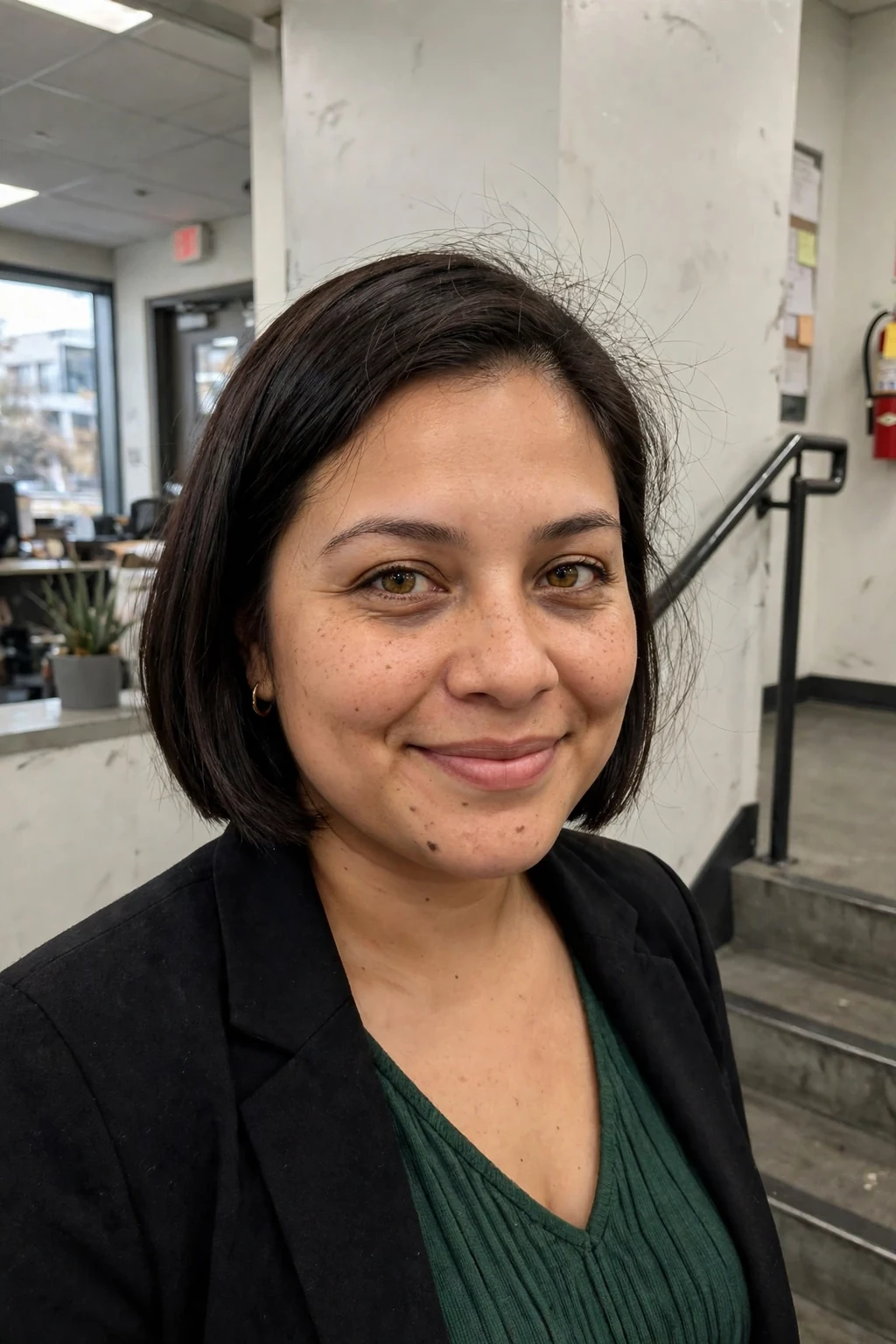
24. Soft Updo with Face-Framing Pieces
Soft Updo with Face-Framing Pieces is a softly pinned updo with loose, face-framing strands left free at the front, giving a romantic softness around an otherwise tidy shape. The finish is softly textured and gently undone at the front, with a smooth, secure updo behind that never looks messy or unfinished. This polished shape suits oval, round and heart-shaped faces, and medium to long wavy or straight hair that can be pinned up while leaving soft front pieces, because the clean lines keep the focus on the face rather than on the hair itself. For interview wear, the style works best when it is kept neat and intentional, with no stray pieces competing for attention, and it flatters women in their twenties and early thirties who want to look capable, current and completely put together. The overall effect is calm, tidy and quietly authoritative, which is exactly the impression most interviewers remember long after the meeting ends, and it works equally well in person, in photographs and on a video call.
To create it, pin the back hair into a loose updo, release two front sections, curl them lightly, and set everything with flexible spray. Trims every eight weeks keep the front pieces at a flattering length, and the soft pieces can be re-curled quickly before the interview. Give yourself a few extra minutes on interview morning to check the back of the style in a mirror, adjust any pins, and confirm that the silhouette still looks balanced from the side as well as from the front. If the style starts to lose its shape during a long day, a quick brush-through and a light mist of spray in the restroom will restore its polish without requiring a complete restyle from scratch. On interview day, do a final check in natural light, smooth any flyaways with a tiny amount of serum, and make sure the style feels comfortable enough to forget about once you start talking. The reason to choose it is simple: it softens a formal suit, flatters on camera, and strikes the perfect balance between relaxed warmth and professional polish.
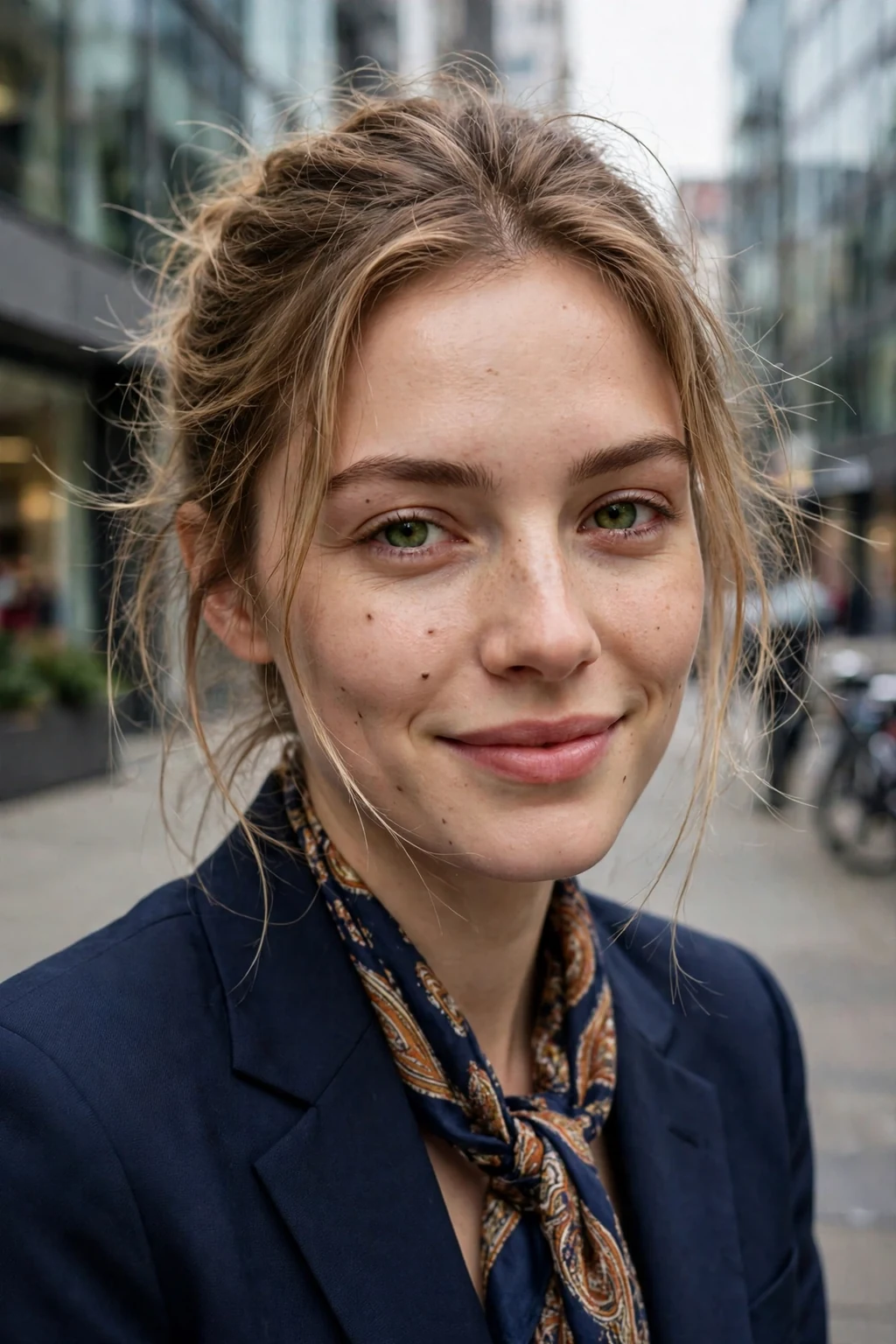
25. Natural Curls Pinned Back
Natural Curls Pinned Back is natural curls worn down with the front sections pinned neatly back from the face, leaving full, defined curls through the lengths. The finish is defined and glossy, with a neat, open face and voluminous curls that fall freely behind the shoulders. This polished shape suits round, oval and heart-shaped faces, and naturally curly or coily hair that is happiest worn in its own texture, because the clean lines keep the focus on the face rather than on the hair itself. For interview wear, the style works best when it is kept neat and intentional, with no stray pieces competing for attention, and it flatters women in their twenties and early thirties who want to look capable, current and completely put together. The overall effect is calm, tidy and quietly authoritative, which is exactly the impression most interviewers remember long after the meeting ends, and it works equally well in person, in photographs and on a video call.
To create it, define curls with cream on wet hair, allow them to dry fully, then pin the front sections back flat with discreet pins. A trim every ten to twelve weeks on dry curls preserves the shape, and a weekly deep-conditioning treatment keeps curls hydrated and defined. Give yourself a few extra minutes on interview morning to check the back of the style in a mirror, adjust any pins, and confirm that the silhouette still looks balanced from the side as well as from the front. If the style starts to lose its shape during a long day, a quick brush-through and a light mist of spray in the restroom will restore its polish without requiring a complete restyle from scratch. On interview day, do a final check in natural light, smooth any flyaways with a tiny amount of serum, and make sure the style feels comfortable enough to forget about once you start talking. The reason to choose it is simple: it is authentic, confident and thoroughly professional, keeps curls out of your eyes while you speak, and celebrates your natural hair.
How to Choose the Right Interview Hairstyle
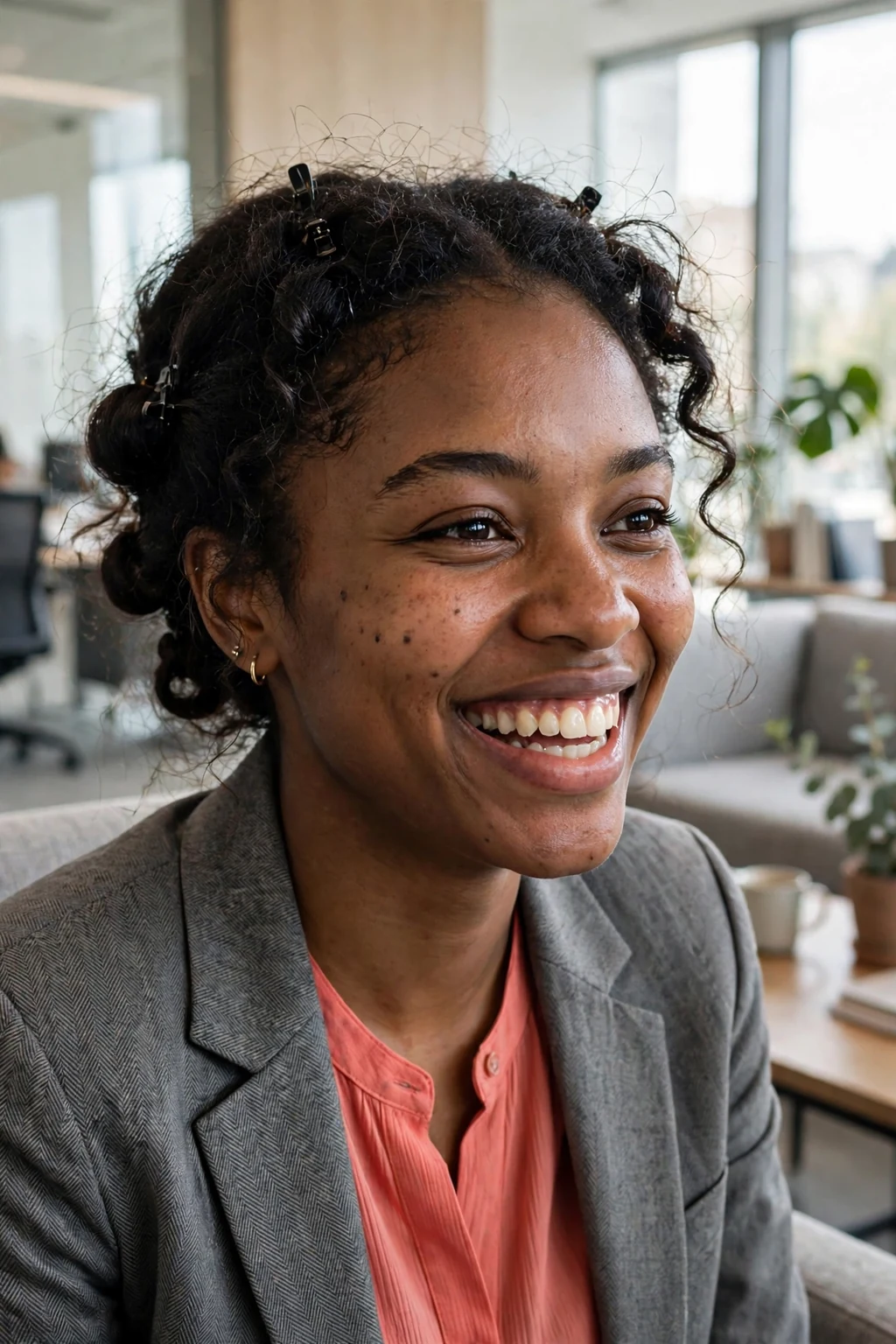
The best interview hairstyle is the one you can wear without thinking about it: a style that stays in place, keeps hair out of your face and matches the formality of the workplace you are hoping to join. Choose a familiar style over a brand-new experiment on interview day, practise it once or twice beforehand, and pick a finish that feels like you on your most polished day. Comfort matters as much as appearance, because a style you trust lets you focus entirely on the conversation.
Interview hairstyles work best when they are neat, intentional and easy to maintain through a long day of meetings, travel and waiting rooms. A trim in the week before your interview, a small bag of pins and a travel-size spray, and a final check in natural light will keep any of these 25 styles looking fresh. Choose the hairstyle that makes you feel confident, capable and ready, and that confidence will come through in every answer you give.
Conclusion
From a sleek low bun to soft, defined curls pinned back, these 25 interview hairstyles prove that professional hair can still feel personal, modern and beautiful. Choose the style that suits your hair, your face and the role you want, practise it before the big day, and walk into your interview looking polished, confident and completely ready.