
Interview hairstyles should look polished, intentional and completely distraction-free, so the interviewer remembers your answers rather than your hair. These 60 interview hairstyles for women are professional, modern and easy to maintain, giving you a confident finish for any job interview, from a corporate office to a creative studio.
1. Sleek Low Bun
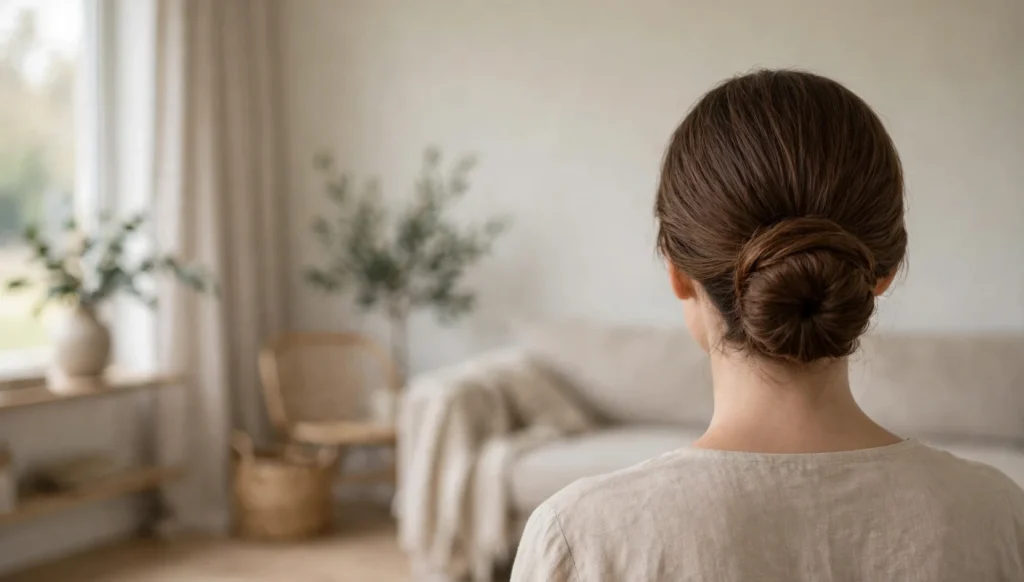
Sleek Low Bun is a smooth, tightly controlled bun sitting low at the nape, with every strand brushed back and no flyaways breaking the silhouette. The finish is glass-smooth and polished, with a neat centre or side part and a softly rounded bun shape that reads calm and deliberate. This polished shape suits oval, round, heart-shaped and square faces, and straight, wavy or lightly textured hair that can be smoothed without fighting its natural pattern, because the clean lines keep the focus on the face rather than on the hair itself. For interview wear, the style works best when it is kept neat and intentional, with no stray pieces competing for attention, and it flatters women in their twenties and early thirties who want to look capable, current and completely put together. The overall effect is calm, tidy and quietly authoritative, which is exactly the impression most interviewers remember long after the meeting ends, and it works equally well in person, in photographs and on a video call.
To create it, brush damp hair with a smoothing cream, gather it low, twist it into a compact bun and secure it with pins and a light-hold hairspray. A trim every six to eight weeks keeps the ends tidy, and the style refreshes easily with a quick re-brush and a second mist of spray on interview morning. Give yourself a few extra minutes on interview morning to check the back of the style in a mirror, adjust any pins, and confirm that the silhouette still looks balanced from the side as well as from the front. If the style starts to lose its shape during a long day, a quick brush-through and a light mist of spray in the restroom will restore its polish without requiring a complete restyle from scratch. On interview day, do a final check in natural light, smooth any flyaways with a tiny amount of serum, and make sure the style feels comfortable enough to forget about once you start talking. The reason to choose it is simple: it keeps your face fully open, looks intentional in photographs and on video calls, and signals that you are organised, detail-oriented and ready to be taken seriously.

2. Classic French Twist
Classic French Twist is an elegant vertical roll swept up the back of the head, with a smooth outer surface and a softly tapered finish at the crown. The finish is sleek and sculpted, with a refined, almost architectural finish that holds its shape for hours without looking stiff. This polished shape suits oval and oblong faces in particular, and medium to thick straight or wavy hair with enough length to roll and pin securely, because the clean lines keep the focus on the face rather than on the hair itself. For interview wear, the style works best when it is kept neat and intentional, with no stray pieces competing for attention, and it flatters women in their twenties and early thirties who want to look capable, current and completely put together. The overall effect is calm, tidy and quietly authoritative, which is exactly the impression most interviewers remember long after the meeting ends, and it works equally well in person, in photographs and on a video call.
To create it, smooth hair with a blow-dry cream, gather it to one side, roll it upward, pin it firmly from the inside, and finish with a firm-hold spray. A trim every six weeks maintains the length and weight the twist needs, and a few practice runs before interview day make the technique second nature. Give yourself a few extra minutes on interview morning to check the back of the style in a mirror, adjust any pins, and confirm that the silhouette still looks balanced from the side as well as from the front. If the style starts to lose its shape during a long day, a quick brush-through and a light mist of spray in the restroom will restore its polish without requiring a complete restyle from scratch. On interview day, do a final check in natural light, smooth any flyaways with a tiny amount of serum, and make sure the style feels comfortable enough to forget about once you start talking. The reason to choose it is simple: it is timelessly professional, works beautifully under office lighting, and pairs perfectly with a blazer, a tailored dress or a classic suit.

3. Polished Low Ponytail
Polished Low Ponytail is a low ponytail anchored at the nape, brushed perfectly smooth on top and falling in a clean, controlled tail behind the shoulders. The finish is sleek at the roots with a soft, healthy shine through the lengths, and no bumps, frizz or stray pieces escaping around the face. This polished shape suits almost every face shape, and straight or wavy hair of medium density that can be brushed smooth and held in place, because the clean lines keep the focus on the face rather than on the hair itself. For interview wear, the style works best when it is kept neat and intentional, with no stray pieces competing for attention, and it flatters women in their twenties and early thirties who want to look capable, current and completely put together. The overall effect is calm, tidy and quietly authoritative, which is exactly the impression most interviewers remember long after the meeting ends, and it works equally well in person, in photographs and on a video call.
To create it, apply a smoothing serum to damp hair, blow-dry it straight, secure it low with a covered band, and wrap a small section of hair around the band. Trims every eight weeks prevent split ends from dulling the finish, and the ponytail can be redone in under five minutes if it loosens. Give yourself a few extra minutes on interview morning to check the back of the style in a mirror, adjust any pins, and confirm that the silhouette still looks balanced from the side as well as from the front. If the style starts to lose its shape during a long day, a quick brush-through and a light mist of spray in the restroom will restore its polish without requiring a complete restyle from scratch. On interview day, do a final check in natural light, smooth any flyaways with a tiny amount of serum, and make sure the style feels comfortable enough to forget about once you start talking. The reason to choose it is simple: it is confident without being fussy, keeps hair completely out of your way while you talk, and looks sharp in person and on camera.
4. Neat Chignon
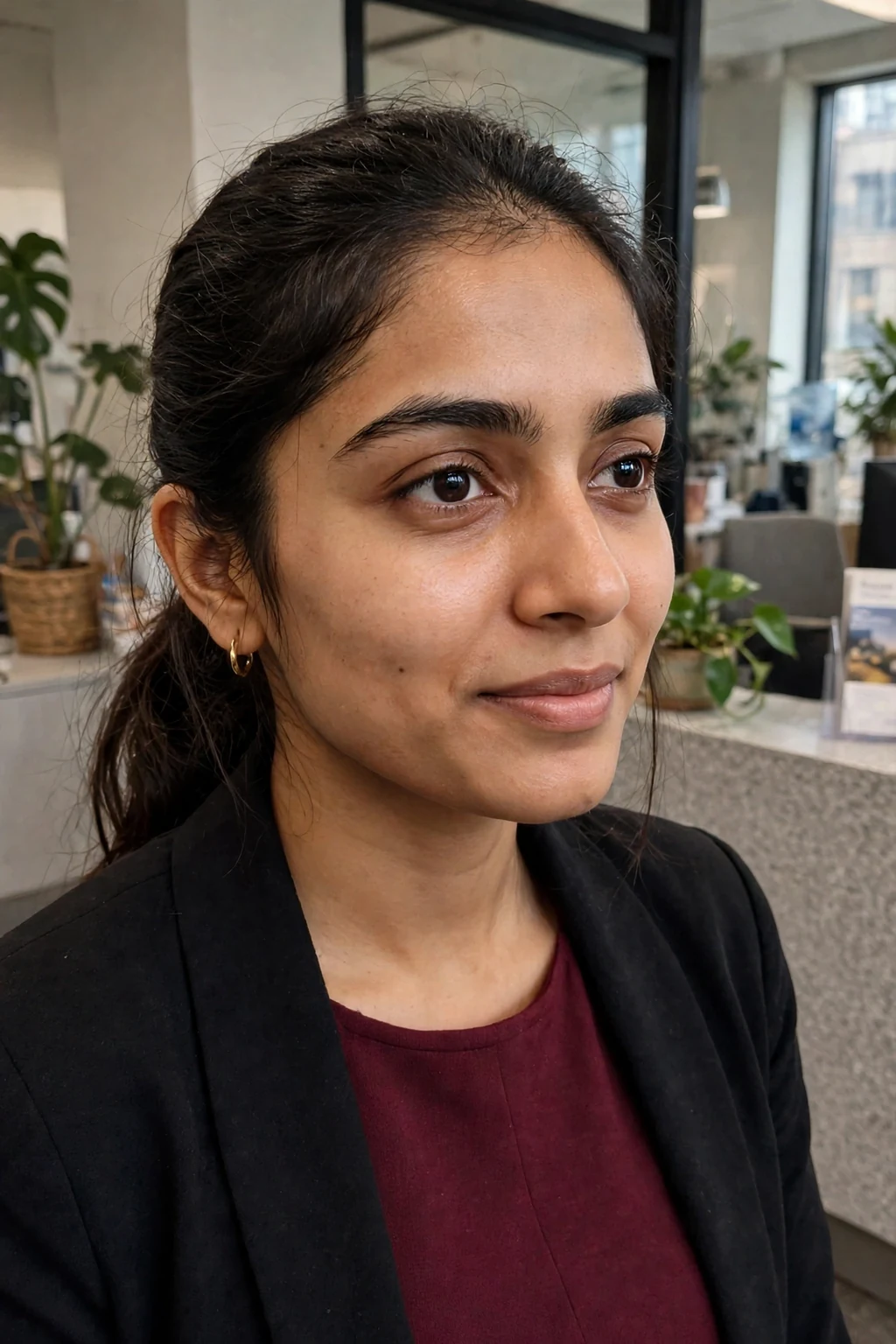
Neat Chignon is a low, softly rounded chignon pinned close to the nape, with a clean parting and a smooth, graceful outline. The finish is softly polished rather than severe, with a gentle sheen and a shape that looks refined from the front, the side and behind. This polished shape suits oval, heart-shaped and diamond faces, and medium-length to long hair with enough density to form a full, balanced knot, because the clean lines keep the focus on the face rather than on the hair itself. For interview wear, the style works best when it is kept neat and intentional, with no stray pieces competing for attention, and it flatters women in their twenties and early thirties who want to look capable, current and completely put together. The overall effect is calm, tidy and quietly authoritative, which is exactly the impression most interviewers remember long after the meeting ends, and it works equally well in person, in photographs and on a video call.
To create it, part the hair neatly, gather it low, loop it into a chignon, pin it in several directions, and set it with a flexible-hold spray. A trim every seven to nine weeks keeps the shape balanced, and bobby pins carried in your bag allow a discreet fix before you walk in. Give yourself a few extra minutes on interview morning to check the back of the style in a mirror, adjust any pins, and confirm that the silhouette still looks balanced from the side as well as from the front. If the style starts to lose its shape during a long day, a quick brush-through and a light mist of spray in the restroom will restore its polish without requiring a complete restyle from scratch. On interview day, do a final check in natural light, smooth any flyaways with a tiny amount of serum, and make sure the style feels comfortable enough to forget about once you start talking. The reason to choose it is simple: it reads as classic and trustworthy, photographs beautifully from every angle, and never distracts from what you are saying.

5. Soft Straight Lob
Soft Straight Lob is a shoulder-grazing lob cut with softly bevelled ends, worn straight with a gentle inward curve that frames the jaw. The finish is smooth and glossy, with a fluid movement that stops just short of curl, giving a modern, quietly expensive finish. This polished shape suits oval, round and square faces, and fine to medium straight or slightly wavy hair that falls neatly without heavy layering, because the clean lines keep the focus on the face rather than on the hair itself. For interview wear, the style works best when it is kept neat and intentional, with no stray pieces competing for attention, and it flatters women in their twenties and early thirties who want to look capable, current and completely put together. The overall effect is calm, tidy and quietly authoritative, which is exactly the impression most interviewers remember long after the meeting ends, and it works equally well in person, in photographs and on a video call.
To create it, blow-dry with a round brush, bending the ends under slightly, and finish with a pea-sized amount of shine serum through the mid-lengths. Trims every six to eight weeks preserve the blunt-but-soft edge, and grow-out remains flattering as the lob lengthens toward the collarbone. Give yourself a few extra minutes on interview morning to check the back of the style in a mirror, adjust any pins, and confirm that the silhouette still looks balanced from the side as well as from the front. If the style starts to lose its shape during a long day, a quick brush-through and a light mist of spray in the restroom will restore its polish without requiring a complete restyle from scratch. On interview day, do a final check in natural light, smooth any flyaways with a tiny amount of serum, and make sure the style feels comfortable enough to forget about once you start talking. The reason to choose it is simple: it is contemporary without being trendy, frames the face while you speak, and suits creative, corporate and client-facing roles alike.

6. Blunt Chin-Length Bob
Blunt Chin-Length Bob is a precise bob ending at the chin, with a sharp, even perimeter and a clean line that draws attention to the jaw and cheekbones. The finish is crisp and graphic, with a smooth, almost glassy surface and ends that swing as one solid, confident shape. This polished shape suits oval, heart-shaped and oblong faces, and straight, fine to medium hair that holds a clean line without excessive bulk, because the clean lines keep the focus on the face rather than on the hair itself. For interview wear, the style works best when it is kept neat and intentional, with no stray pieces competing for attention, and it flatters women in their twenties and early thirties who want to look capable, current and completely put together. The overall effect is calm, tidy and quietly authoritative, which is exactly the impression most interviewers remember long after the meeting ends, and it works equally well in person, in photographs and on a video call.
To create it, blow-dry straight with a paddle brush, pass a flat iron lightly over the ends for a sharp edge, and add a drop of smoothing oil. A trim every five to six weeks is essential to keep the line sharp, and grow-out softens gradually into a longer bob rather than losing its shape. Give yourself a few extra minutes on interview morning to check the back of the style in a mirror, adjust any pins, and confirm that the silhouette still looks balanced from the side as well as from the front. If the style starts to lose its shape during a long day, a quick brush-through and a light mist of spray in the restroom will restore its polish without requiring a complete restyle from scratch. On interview day, do a final check in natural light, smooth any flyaways with a tiny amount of serum, and make sure the style feels comfortable enough to forget about once you start talking. The reason to choose it is simple: it projects precision and self-assurance, looks striking in a headshot, and tells an interviewer you pay attention to detail.

7. Side-Swept Soft Waves
Side-Swept Soft Waves is long layers swept deeply to one side in large, soft waves, with volume at the roots and a gentle, romantic movement through the ends. The finish is touchably soft and bouncy, with a luminous finish and waves that hold their shape without looking set or crunchy. This polished shape suits oval, round and heart-shaped faces, and naturally wavy or thick hair that can hold a wave, as well as straight hair styled with a large barrel iron, because the clean lines keep the focus on the face rather than on the hair itself. For interview wear, the style works best when it is kept neat and intentional, with no stray pieces competing for attention, and it flatters women in their twenties and early thirties who want to look capable, current and completely put together. The overall effect is calm, tidy and quietly authoritative, which is exactly the impression most interviewers remember long after the meeting ends, and it works equally well in person, in photographs and on a video call.
To create it, blow-dry with volume at the roots, curl large sections away from the face, brush them out softly, and set with a flexible spray. Trims every eight to ten weeks keep the layers fresh, and the waves can be revived on the day with a quick curl of the front sections only. Give yourself a few extra minutes on interview morning to check the back of the style in a mirror, adjust any pins, and confirm that the silhouette still looks balanced from the side as well as from the front. If the style starts to lose its shape during a long day, a quick brush-through and a light mist of spray in the restroom will restore its polish without requiring a complete restyle from scratch. On interview day, do a final check in natural light, smooth any flyaways with a tiny amount of serum, and make sure the style feels comfortable enough to forget about once you start talking. The reason to choose it is simple: it softens a formal outfit, photographs with lovely movement, and balances professionalism with warmth and approachability.
8. Elegant Top Knot
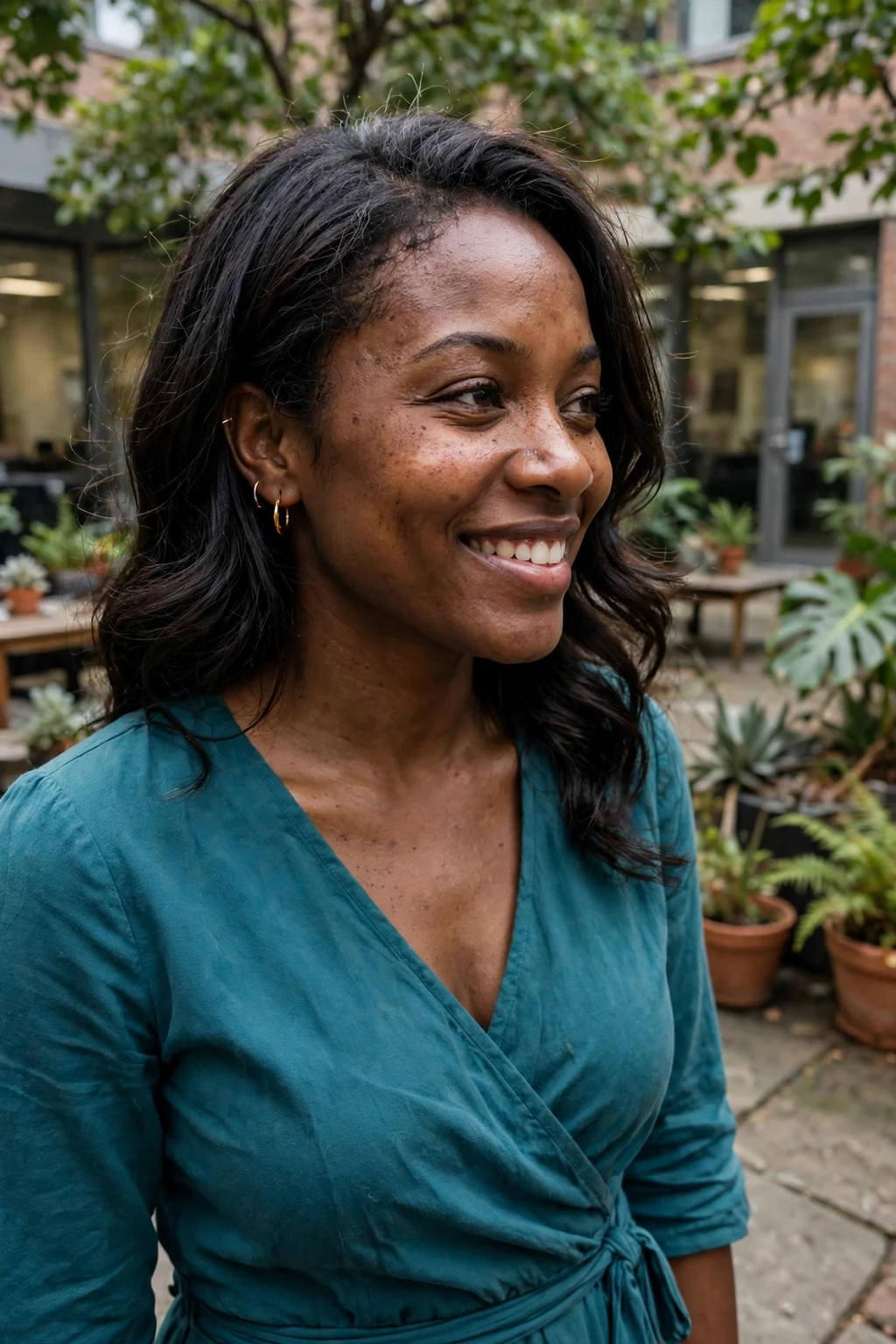
Elegant Top Knot is a high, neatly wound knot placed at the crown, with smooth sides, a clean hairline and a compact, sculpted silhouette. The finish is sleek and controlled, with a polished surface and a shape that elongates the neck and opens the whole face to the interviewer. This polished shape suits oval and heart-shaped faces, and medium to thick hair long enough to wrap into a full knot without visible pins, because the clean lines keep the focus on the face rather than on the hair itself. For interview wear, the style works best when it is kept neat and intentional, with no stray pieces competing for attention, and it flatters women in their twenties and early thirties who want to look capable, current and completely put together. The overall effect is calm, tidy and quietly authoritative, which is exactly the impression most interviewers remember long after the meeting ends, and it works equally well in person, in photographs and on a video call.
To create it, smooth hair back with gel or cream, gather it high, twist and wrap it into a knot, pin it securely, and mist with strong-hold spray. A trim every six to eight weeks keeps the ends neat enough to tuck away, and the knot survives a long interview day without sagging. Give yourself a few extra minutes on interview morning to check the back of the style in a mirror, adjust any pins, and confirm that the silhouette still looks balanced from the side as well as from the front. If the style starts to lose its shape during a long day, a quick brush-through and a light mist of spray in the restroom will restore its polish without requiring a complete restyle from scratch. On interview day, do a final check in natural light, smooth any flyaways with a tiny amount of serum, and make sure the style feels comfortable enough to forget about once you start talking. The reason to choose it is simple: it is bold yet impeccably tidy, keeps every strand away from your face, and pairs beautifully with a structured blazer.

9. Half-Up Crown Twist
Half-Up Crown Twist is the front sections twisted back from the temples and pinned at the crown, leaving the remaining hair falling smoothly over the shoulders. The finish is neat at the crown and soft through the lengths, with a gentle lift that adds height without any teasing or stiffness. This polished shape suits round, oval and heart-shaped faces, and medium to long straight or wavy hair that benefits from being kept off the face, because the clean lines keep the focus on the face rather than on the hair itself. For interview wear, the style works best when it is kept neat and intentional, with no stray pieces competing for attention, and it flatters women in their twenties and early thirties who want to look capable, current and completely put together. The overall effect is calm, tidy and quietly authoritative, which is exactly the impression most interviewers remember long after the meeting ends, and it works equally well in person, in photographs and on a video call.
To create it, twist each front section back, cross them at the crown, pin them flat, and smooth the lengths with a light serum. Trims every eight weeks maintain the layers, and the twists can be redone in two minutes if they loosen during the day. Give yourself a few extra minutes on interview morning to check the back of the style in a mirror, adjust any pins, and confirm that the silhouette still looks balanced from the side as well as from the front. If the style starts to lose its shape during a long day, a quick brush-through and a light mist of spray in the restroom will restore its polish without requiring a complete restyle from scratch. On interview day, do a final check in natural light, smooth any flyaways with a tiny amount of serum, and make sure the style feels comfortable enough to forget about once you start talking. The reason to choose it is simple: it keeps hair out of your eyes while showing off your length, looks friendly rather than severe, and works for both formal and creative workplaces.

10. Sleek Straight Shoulder-Length Hair
Sleek Straight Shoulder-Length Hair is shoulder-length hair worn perfectly straight, with a clean centre part, even ends and a mirror-like shine from root to tip. The finish is glass-smooth and weighty, with a fluid swing and a finish that looks freshly blow-dried even hours later. This polished shape suits oval, oblong and square faces, and naturally straight or easily straightened hair of fine to medium density, because the clean lines keep the focus on the face rather than on the hair itself. For interview wear, the style works best when it is kept neat and intentional, with no stray pieces competing for attention, and it flatters women in their twenties and early thirties who want to look capable, current and completely put together. The overall effect is calm, tidy and quietly authoritative, which is exactly the impression most interviewers remember long after the meeting ends, and it works equally well in person, in photographs and on a video call.
To create it, apply heat protectant, blow-dry in sections with a paddle brush, finish with a flat iron, and seal with a light shine spray. A trim every six to eight weeks prevents the ends from thinning, and a silk pillowcase helps preserve the smooth finish overnight. Give yourself a few extra minutes on interview morning to check the back of the style in a mirror, adjust any pins, and confirm that the silhouette still looks balanced from the side as well as from the front. If the style starts to lose its shape during a long day, a quick brush-through and a light mist of spray in the restroom will restore its polish without requiring a complete restyle from scratch. On interview day, do a final check in natural light, smooth any flyaways with a tiny amount of serum, and make sure the style feels comfortable enough to forget about once you start talking. The reason to choose it is simple: it is the definition of understated polish, never competes with your outfit, and lets your expressions and answers take centre stage.

11. Low Side Bun
Low Side Bun is a soft bun placed just behind one ear at the nape, with a deep side part and a graceful, slightly asymmetric outline. The finish is smooth on top with a softly textured bun, giving a romantic yet controlled finish that looks elegant without trying too hard. This polished shape suits oval, heart-shaped and diamond faces, and medium to long hair with enough length to sweep across the nape, because the clean lines keep the focus on the face rather than on the hair itself. For interview wear, the style works best when it is kept neat and intentional, with no stray pieces competing for attention, and it flatters women in their twenties and early thirties who want to look capable, current and completely put together. The overall effect is calm, tidy and quietly authoritative, which is exactly the impression most interviewers remember long after the meeting ends, and it works equally well in person, in photographs and on a video call.
To create it, sweep hair to one side, gather it low behind the ear, twist it into a bun, pin it in place, and finish with a medium-hold spray. Trims every seven to nine weeks keep the ends healthy, and the side placement hides any unevenness in grow-out gracefully. Give yourself a few extra minutes on interview morning to check the back of the style in a mirror, adjust any pins, and confirm that the silhouette still looks balanced from the side as well as from the front. If the style starts to lose its shape during a long day, a quick brush-through and a light mist of spray in the restroom will restore its polish without requiring a complete restyle from scratch. On interview day, do a final check in natural light, smooth any flyaways with a tiny amount of serum, and make sure the style feels comfortable enough to forget about once you start talking. The reason to choose it is simple: it adds a touch of personality to a conservative outfit, looks beautiful in profile, and feels special without feeling overdressed.

12. Textured Low Chignon
Textured Low Chignon is a low chignon with gentle texture through the crown and softly loosened pieces around the face, giving a modern, lived-in elegance. The finish is softly matte and touchable, with visible texture that keeps the style from looking flat or overly formal. This polished shape suits oval, round and square faces, and wavy or fine hair that needs texture to make a chignon look full rather than sparse, because the clean lines keep the focus on the face rather than on the hair itself. For interview wear, the style works best when it is kept neat and intentional, with no stray pieces competing for attention, and it flatters women in their twenties and early thirties who want to look capable, current and completely put together. The overall effect is calm, tidy and quietly authoritative, which is exactly the impression most interviewers remember long after the meeting ends, and it works equally well in person, in photographs and on a video call.
To create it, add texturising spray to dry hair, gather it loosely low, pin it into a soft knot, and pull a few face-framing pieces free. A trim every eight weeks maintains the shape, and the texture means the style still looks intentional even if a piece escapes. Give yourself a few extra minutes on interview morning to check the back of the style in a mirror, adjust any pins, and confirm that the silhouette still looks balanced from the side as well as from the front. If the style starts to lose its shape during a long day, a quick brush-through and a light mist of spray in the restroom will restore its polish without requiring a complete restyle from scratch. On interview day, do a final check in natural light, smooth any flyaways with a tiny amount of serum, and make sure the style feels comfortable enough to forget about once you start talking. The reason to choose it is simple: it is polished but approachable, ideal for creative and people-focused roles, and photographs as effortlessly elegant.
13. Polished Pixie Cut
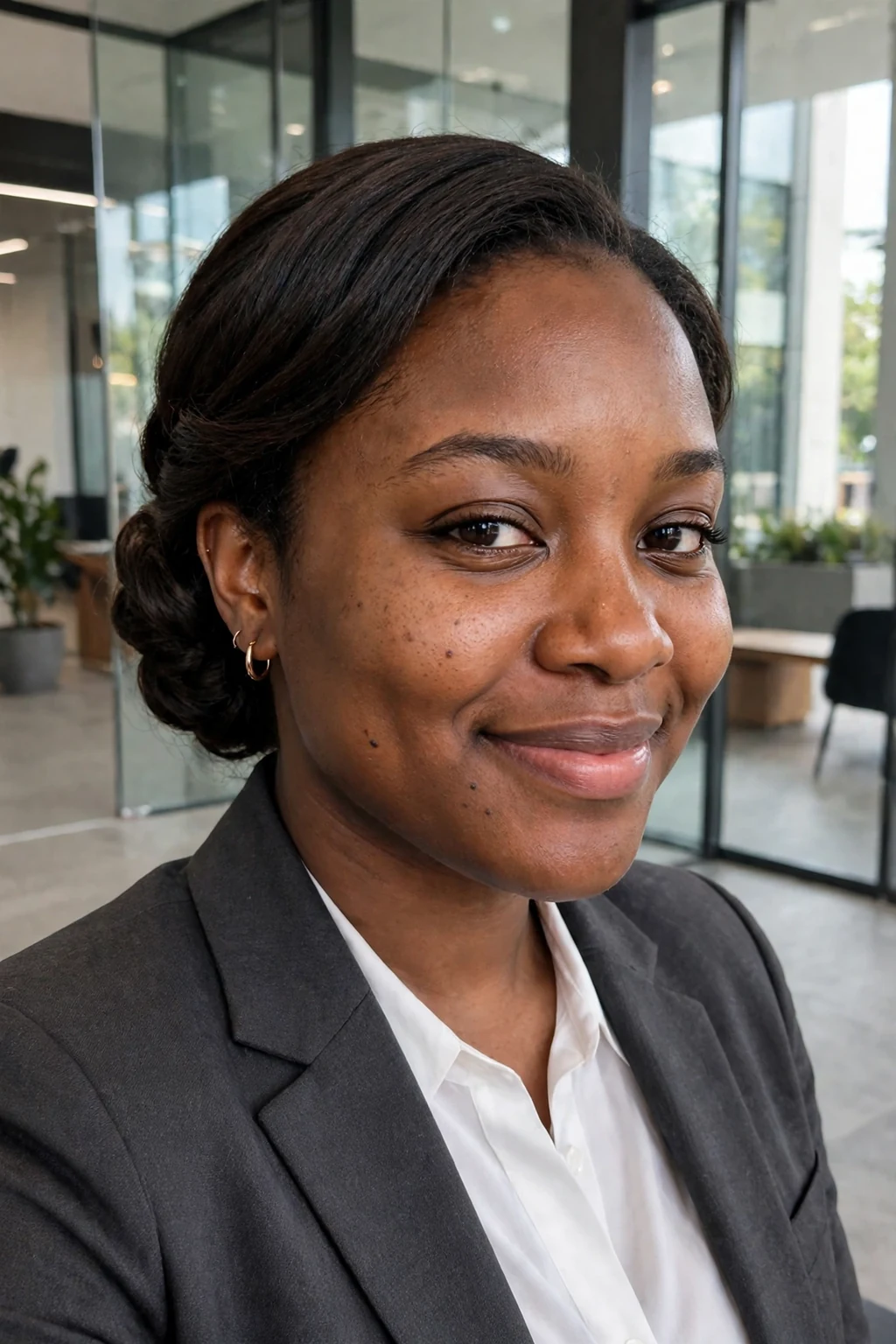
Polished Pixie Cut is a short pixie with longer, swept-over top layers, neatly tapered sides and a clean, sculpted outline around the ears and nape. The finish is sleek and piecey on top with a smooth, tailored finish at the sides, giving a modern, confident silhouette. This polished shape suits oval, heart-shaped and diamond faces, and straight or wavy fine to medium hair that can be swept and held with a little product, because the clean lines keep the focus on the face rather than on the hair itself. For interview wear, the style works best when it is kept neat and intentional, with no stray pieces competing for attention, and it flatters women in their twenties and early thirties who want to look capable, current and completely put together. The overall effect is calm, tidy and quietly authoritative, which is exactly the impression most interviewers remember long after the meeting ends, and it works equally well in person, in photographs and on a video call.
To create it, blow-dry the top forward and to the side, work a small amount of pomade through the pieces, and define the fringe with your fingers. A trim every four to five weeks keeps the taper sharp, and grow-out passes through a charming longer pixie before needing a reshape. Give yourself a few extra minutes on interview morning to check the back of the style in a mirror, adjust any pins, and confirm that the silhouette still looks balanced from the side as well as from the front. If the style starts to lose its shape during a long day, a quick brush-through and a light mist of spray in the restroom will restore its polish without requiring a complete restyle from scratch. On interview day, do a final check in natural light, smooth any flyaways with a tiny amount of serum, and make sure the style feels comfortable enough to forget about once you start talking. The reason to choose it is simple: it is bold, memorable and supremely low-maintenance on interview morning, and it frames the eyes and smile beautifully.

14. Defined Curly Bob
Defined Curly Bob is a chin-to-shoulder bob cut to let natural curls spring into a rounded, balanced shape, with curls defined rather than brushed out. The finish is bouncy and glossy, with individual curls clearly defined, soft volume at the sides and no frizz halo around the outline. This polished shape suits round, oval and heart-shaped faces, and naturally curly or coily hair that benefits from layers that shape rather than fight the curl, because the clean lines keep the focus on the face rather than on the hair itself. For interview wear, the style works best when it is kept neat and intentional, with no stray pieces competing for attention, and it flatters women in their twenties and early thirties who want to look capable, current and completely put together. The overall effect is calm, tidy and quietly authoritative, which is exactly the impression most interviewers remember long after the meeting ends, and it works equally well in person, in photographs and on a video call.
To create it, apply curl cream to soaking-wet hair, scrunch upward, diffuse on low heat or air-dry, and finish with a light oil on the ends. A trim every ten to twelve weeks, ideally on dry curls, keeps the shape round, and regular deep conditioning preserves definition. Give yourself a few extra minutes on interview morning to check the back of the style in a mirror, adjust any pins, and confirm that the silhouette still looks balanced from the side as well as from the front. If the style starts to lose its shape during a long day, a quick brush-through and a light mist of spray in the restroom will restore its polish without requiring a complete restyle from scratch. On interview day, do a final check in natural light, smooth any flyaways with a tiny amount of serum, and make sure the style feels comfortable enough to forget about once you start talking. The reason to choose it is simple: it celebrates natural texture in a thoroughly professional shape, looks confident and authentic, and holds its form all day.

15. Smooth Salon Blowout
Smooth Salon Blowout is a full blowout with root lift, smooth lengths and softly turned-under ends, giving the classic polished, camera-ready finish. The finish is voluminous yet smooth, with a bouncy, glossy movement that looks expensive and freshly styled without stiffness. This polished shape suits oval, oblong and round faces, and medium to thick straight or wavy hair that holds volume and a smooth finish, because the clean lines keep the focus on the face rather than on the hair itself. For interview wear, the style works best when it is kept neat and intentional, with no stray pieces competing for attention, and it flatters women in their twenties and early thirties who want to look capable, current and completely put together. The overall effect is calm, tidy and quietly authoritative, which is exactly the impression most interviewers remember long after the meeting ends, and it works equally well in person, in photographs and on a video call.
To create it, apply volumising mousse at the roots, blow-dry in sections with a large round brush, and finish with a cool shot and light spray. Trims every seven to nine weeks keep the ends full, and a blowout typically lasts two to three days with dry shampoo at the roots. Give yourself a few extra minutes on interview morning to check the back of the style in a mirror, adjust any pins, and confirm that the silhouette still looks balanced from the side as well as from the front. If the style starts to lose its shape during a long day, a quick brush-through and a light mist of spray in the restroom will restore its polish without requiring a complete restyle from scratch. On interview day, do a final check in natural light, smooth any flyaways with a tiny amount of serum, and make sure the style feels comfortable enough to forget about once you start talking. The reason to choose it is simple: it is universally flattering, photographs beautifully, and gives an instant confidence boost before a high-stakes meeting.

16. Braided Low Bun
Braided Low Bun is a low bun built from a neat braid wrapped into a knot at the nape, with a smooth crown and an intricate, crafted detail at the back. The finish is sleek at the crown with a softly textured, woven finish in the bun, giving quiet craftsmanship rather than fussiness. This polished shape suits oval, heart-shaped and square faces, and medium to long hair with enough length to braid and wrap without pulling, because the clean lines keep the focus on the face rather than on the hair itself. For interview wear, the style works best when it is kept neat and intentional, with no stray pieces competing for attention, and it flatters women in their twenties and early thirties who want to look capable, current and completely put together. The overall effect is calm, tidy and quietly authoritative, which is exactly the impression most interviewers remember long after the meeting ends, and it works equally well in person, in photographs and on a video call.
To create it, smooth the crown, braid the ponytail loosely, wrap it into a bun, pin it securely, and set with a medium-hold spray. A trim every eight weeks keeps the braid ends tidy, and the braided structure holds exceptionally well through a long day. Give yourself a few extra minutes on interview morning to check the back of the style in a mirror, adjust any pins, and confirm that the silhouette still looks balanced from the side as well as from the front. If the style starts to lose its shape during a long day, a quick brush-through and a light mist of spray in the restroom will restore its polish without requiring a complete restyle from scratch. On interview day, do a final check in natural light, smooth any flyaways with a tiny amount of serum, and make sure the style feels comfortable enough to forget about once you start talking. The reason to choose it is simple: it shows patience and attention to detail, stays put from the first handshake to the last question, and looks refined from behind.

17. Tucked Lob with Centre Part
Tucked Lob with Centre Part is a lob with a precise centre part, worn straight and tucked neatly behind both ears, with the ends grazing the jaw and collarbone. The finish is crisp and minimal, with a smooth surface and a clean, symmetrical frame that puts the full focus on the face. This polished shape suits oval and heart-shaped faces, and straight, fine to medium hair that tucks easily and stays in place behind the ears, because the clean lines keep the focus on the face rather than on the hair itself. For interview wear, the style works best when it is kept neat and intentional, with no stray pieces competing for attention, and it flatters women in their twenties and early thirties who want to look capable, current and completely put together. The overall effect is calm, tidy and quietly authoritative, which is exactly the impression most interviewers remember long after the meeting ends, and it works equally well in person, in photographs and on a video call.
To create it, blow-dry straight with a centre part, tuck both sides behind the ears, and secure discreetly with flat pins if needed. Trims every six weeks preserve the exact length, and the tuck means even second-day hair looks deliberate and tidy. Give yourself a few extra minutes on interview morning to check the back of the style in a mirror, adjust any pins, and confirm that the silhouette still looks balanced from the side as well as from the front. If the style starts to lose its shape during a long day, a quick brush-through and a light mist of spray in the restroom will restore its polish without requiring a complete restyle from scratch. On interview day, do a final check in natural light, smooth any flyaways with a tiny amount of serum, and make sure the style feels comfortable enough to forget about once you start talking. The reason to choose it is simple: it is minimal, modern and quietly authoritative, works perfectly with statement earrings or a sharp collar, and never distracts.

18. Soft Curls with Deep Side Part
Soft Curls with Deep Side Part is voluminous soft curls parted deeply to one side, with the heavier side cascading over the shoulder and the lighter side swept flat. The finish is glossy and bouncy, with large, touchable curls and a dramatic side sweep that adds instant glamour without heaviness. This polished shape suits oval, round and heart-shaped faces, and naturally curly or wavy hair, as well as straight hair curled with a medium barrel iron, because the clean lines keep the focus on the face rather than on the hair itself. For interview wear, the style works best when it is kept neat and intentional, with no stray pieces competing for attention, and it flatters women in their twenties and early thirties who want to look capable, current and completely put together. The overall effect is calm, tidy and quietly authoritative, which is exactly the impression most interviewers remember long after the meeting ends, and it works equally well in person, in photographs and on a video call.
To create it, create a deep side part, curl sections away from the face, brush them gently into soft waves, and set with flexible spray. Trims every eight to ten weeks keep the curls springy, and a silk scarf overnight preserves the part and the volume. Give yourself a few extra minutes on interview morning to check the back of the style in a mirror, adjust any pins, and confirm that the silhouette still looks balanced from the side as well as from the front. If the style starts to lose its shape during a long day, a quick brush-through and a light mist of spray in the restroom will restore its polish without requiring a complete restyle from scratch. On interview day, do a final check in natural light, smooth any flyaways with a tiny amount of serum, and make sure the style feels comfortable enough to forget about once you start talking. The reason to choose it is simple: it balances drama with professionalism, flatters in three-quarter photographs, and feels confident rather than costume-like.
19. Sleek Wrapped Ponytail
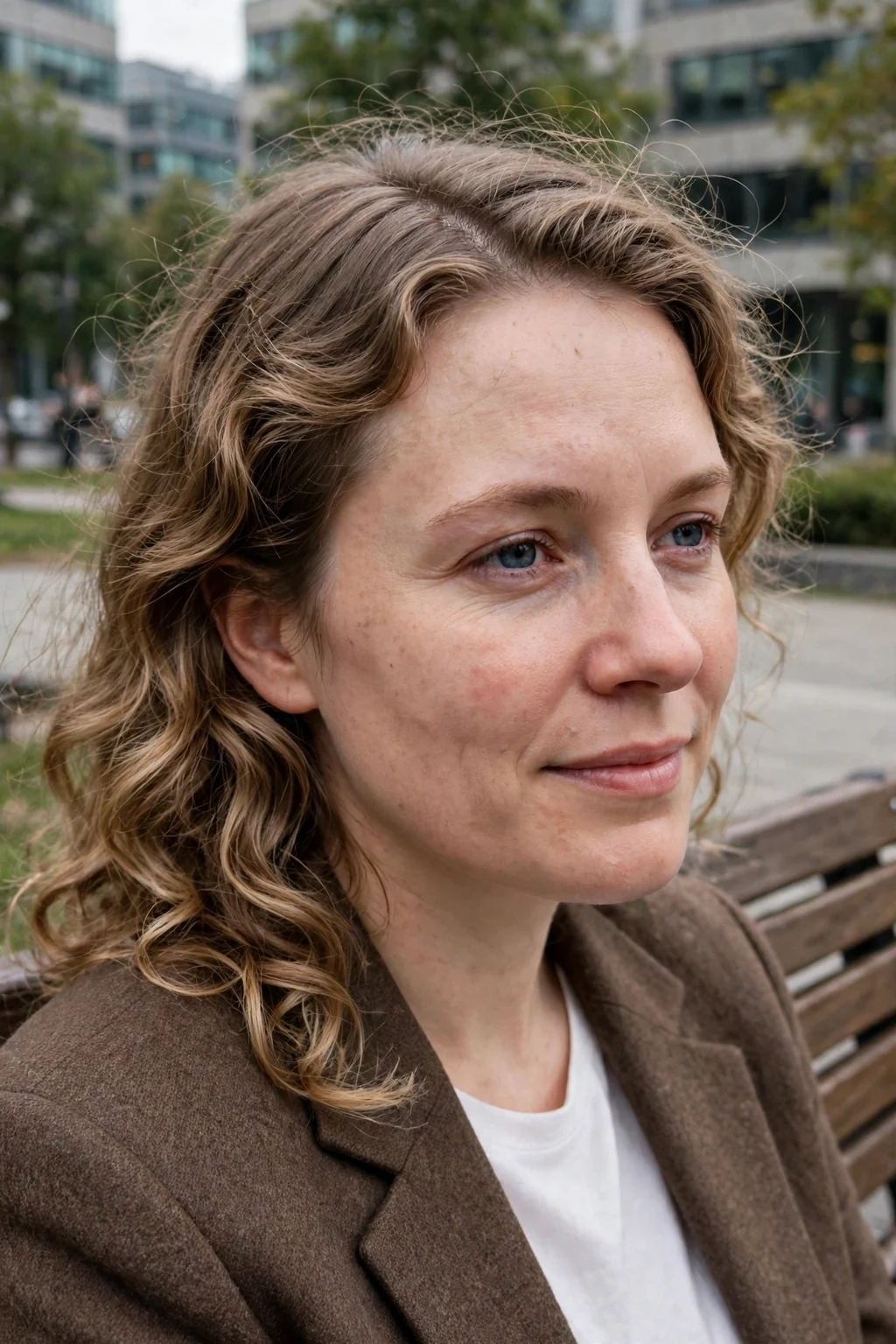
Sleek Wrapped Ponytail is a mid-to-low ponytail with the elastic fully concealed by a wrapped section of hair, giving a seamless, salon-finished tail. The finish is ultra-smooth at the roots with a sleek, swinging tail and no visible band, clip or bump anywhere in the style. This polished shape suits oval, oblong and square faces, and straight or wavy medium to thick hair that can be smoothed and wrapped cleanly, because the clean lines keep the focus on the face rather than on the hair itself. For interview wear, the style works best when it is kept neat and intentional, with no stray pieces competing for attention, and it flatters women in their twenties and early thirties who want to look capable, current and completely put together. The overall effect is calm, tidy and quietly authoritative, which is exactly the impression most interviewers remember long after the meeting ends, and it works equally well in person, in photographs and on a video call.
To create it, blow-dry smooth, secure the ponytail, wrap a section around the base, pin it underneath, and finish with shine spray. A trim every seven weeks keeps the tail blunt and healthy, and the wrap can be refreshed in seconds with one pin. Give yourself a few extra minutes on interview morning to check the back of the style in a mirror, adjust any pins, and confirm that the silhouette still looks balanced from the side as well as from the front. If the style starts to lose its shape during a long day, a quick brush-through and a light mist of spray in the restroom will restore its polish without requiring a complete restyle from scratch. On interview day, do a final check in natural light, smooth any flyaways with a tiny amount of serum, and make sure the style feels comfortable enough to forget about once you start talking. The reason to choose it is simple: it elevates the everyday ponytail into something boardroom-ready, looks intentional on video calls, and keeps hair completely controlled.

20. Classic Pageboy Bob
Classic Pageboy Bob is a rounded pageboy bob with ends curved gently under, a smooth crown and a soft, vintage-inspired silhouette ending below the ears. The finish is smooth and rounded, with a glossy, almost sculpted finish and ends that curl under in one continuous, elegant line. This polished shape suits oval, round and heart-shaped faces, and straight, fine to medium hair that can be blow-dried into a curved-under shape, because the clean lines keep the focus on the face rather than on the hair itself. For interview wear, the style works best when it is kept neat and intentional, with no stray pieces competing for attention, and it flatters women in their twenties and early thirties who want to look capable, current and completely put together. The overall effect is calm, tidy and quietly authoritative, which is exactly the impression most interviewers remember long after the meeting ends, and it works equally well in person, in photographs and on a video call.
To create it, blow-dry with a medium round brush, rolling the ends under, and finish with a light serum for shine and control. Trims every five to six weeks maintain the rounded shape, and grow-out becomes a soft bob rather than an awkward in-between length. Give yourself a few extra minutes on interview morning to check the back of the style in a mirror, adjust any pins, and confirm that the silhouette still looks balanced from the side as well as from the front. If the style starts to lose its shape during a long day, a quick brush-through and a light mist of spray in the restroom will restore its polish without requiring a complete restyle from scratch. On interview day, do a final check in natural light, smooth any flyaways with a tiny amount of serum, and make sure the style feels comfortable enough to forget about once you start talking. The reason to choose it is simple: it is timeless and ladylike, pairs beautifully with a suit, and signals a classic, reliable professionalism.
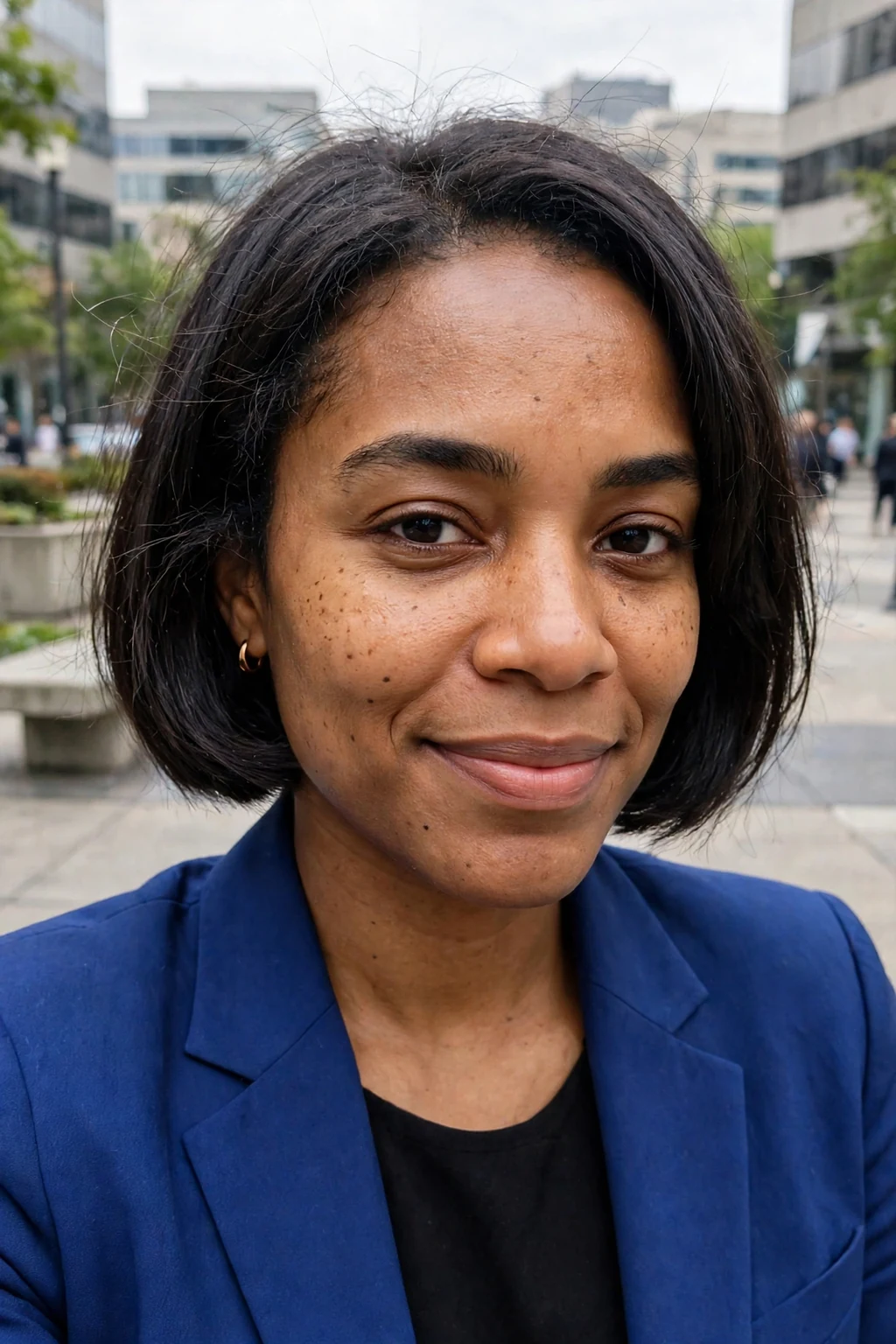
21. Low Twisted Bun
Low Twisted Bun is a low bun formed from two or more twisted sections wound together at the nape, with a smooth crown and a softly rope-like texture. The finish is neat yet textured, with a gentle twist detail that adds interest without any loose or messy pieces. This polished shape suits oval, diamond and square faces, and medium to long straight or wavy hair that twists easily and holds a pin well, because the clean lines keep the focus on the face rather than on the hair itself. For interview wear, the style works best when it is kept neat and intentional, with no stray pieces competing for attention, and it flatters women in their twenties and early thirties who want to look capable, current and completely put together. The overall effect is calm, tidy and quietly authoritative, which is exactly the impression most interviewers remember long after the meeting ends, and it works equally well in person, in photographs and on a video call.
To create it, part the hair, twist each section back toward the nape, wind them together into a bun, pin firmly, and mist with spray. A trim every eight weeks keeps the twists even, and the twisted structure is forgiving if your hair is not freshly washed. Give yourself a few extra minutes on interview morning to check the back of the style in a mirror, adjust any pins, and confirm that the silhouette still looks balanced from the side as well as from the front. If the style starts to lose its shape during a long day, a quick brush-through and a light mist of spray in the restroom will restore its polish without requiring a complete restyle from scratch. On interview day, do a final check in natural light, smooth any flyaways with a tiny amount of serum, and make sure the style feels comfortable enough to forget about once you start talking. The reason to choose it is simple: it is elegant with a handcrafted feel, holds through a full day of interviews, and looks polished from every angle.

22. Voluminous Layered Blowout
Voluminous Layered Blowout is long layers blow-dried into a full, bouncy blowout, with feathered ends, root lift and movement that frames the face softly. The finish is big yet smooth, with a glossy, airy volume that moves naturally and never looks teased, stiff or overdone. This polished shape suits oval, oblong and heart-shaped faces, and medium to thick hair with layers that can carry volume without collapsing, because the clean lines keep the focus on the face rather than on the hair itself. For interview wear, the style works best when it is kept neat and intentional, with no stray pieces competing for attention, and it flatters women in their twenties and early thirties who want to look capable, current and completely put together. The overall effect is calm, tidy and quietly authoritative, which is exactly the impression most interviewers remember long after the meeting ends, and it works equally well in person, in photographs and on a video call.
To create it, apply root-lifting mousse, blow-dry with a large round brush, lifting each section at the root, and finish with a cool shot. Trims every eight to ten weeks keep the layers light, and volume can be revived with a quick blast of dry shampoo and a brush-through. Give yourself a few extra minutes on interview morning to check the back of the style in a mirror, adjust any pins, and confirm that the silhouette still looks balanced from the side as well as from the front. If the style starts to lose its shape during a long day, a quick brush-through and a light mist of spray in the restroom will restore its polish without requiring a complete restyle from scratch. On interview day, do a final check in natural light, smooth any flyaways with a tiny amount of serum, and make sure the style feels comfortable enough to forget about once you start talking. The reason to choose it is simple: it is warm, confident and camera-friendly, softens tailored clothing, and makes a strong first impression in person.

23. Sleek Side Part Bob
Sleek Side Part Bob is a bob with a sharp deep side part, worn sleek and straight, with one side sweeping across the forehead and the other tucked behind the ear. The finish is glossy and graphic, with a dramatic asymmetric sweep and a smooth, controlled finish that looks deliberately styled. This polished shape suits oval, heart-shaped and square faces, and straight, fine to medium hair that holds a deep part and a sleek finish, because the clean lines keep the focus on the face rather than on the hair itself. For interview wear, the style works best when it is kept neat and intentional, with no stray pieces competing for attention, and it flatters women in their twenties and early thirties who want to look capable, current and completely put together. The overall effect is calm, tidy and quietly authoritative, which is exactly the impression most interviewers remember long after the meeting ends, and it works equally well in person, in photographs and on a video call.
To create it, create a deep side part on damp hair, blow-dry smooth in the direction of the part, and finish with serum and a light spray. A trim every five to seven weeks keeps the line precise, and the side part grows out gracefully into a longer swept bob. Give yourself a few extra minutes on interview morning to check the back of the style in a mirror, adjust any pins, and confirm that the silhouette still looks balanced from the side as well as from the front. If the style starts to lose its shape during a long day, a quick brush-through and a light mist of spray in the restroom will restore its polish without requiring a complete restyle from scratch. On interview day, do a final check in natural light, smooth any flyaways with a tiny amount of serum, and make sure the style feels comfortable enough to forget about once you start talking. The reason to choose it is simple: it is striking without being loud, draws attention to the eyes, and reads as fashion-aware yet completely office-appropriate.
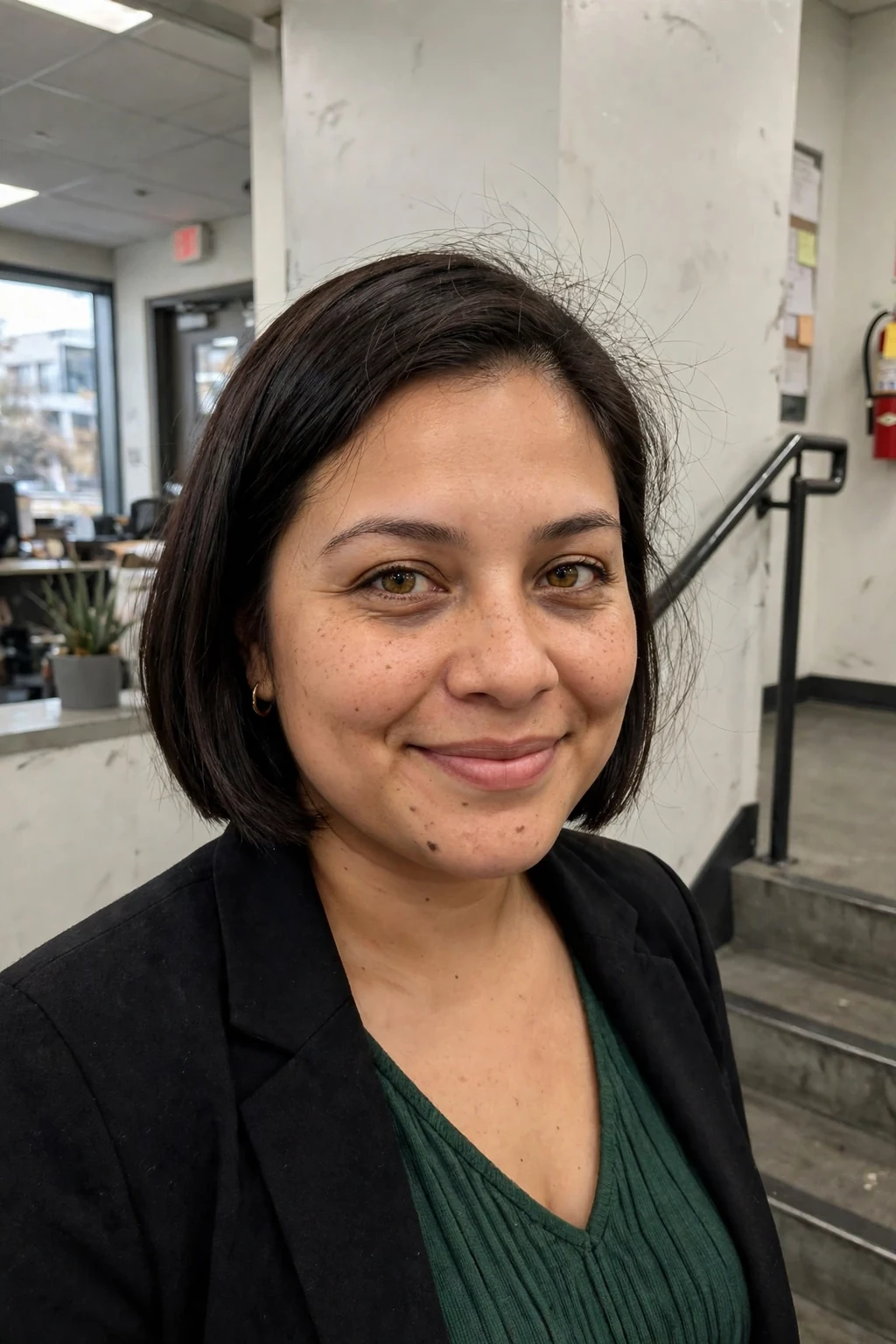
24. Soft Updo with Face-Framing Pieces
Soft Updo with Face-Framing Pieces is a softly pinned updo with loose, face-framing strands left free at the front, giving a romantic softness around an otherwise tidy shape. The finish is softly textured and gently undone at the front, with a smooth, secure updo behind that never looks messy or unfinished. This polished shape suits oval, round and heart-shaped faces, and medium to long wavy or straight hair that can be pinned up while leaving soft front pieces, because the clean lines keep the focus on the face rather than on the hair itself. For interview wear, the style works best when it is kept neat and intentional, with no stray pieces competing for attention, and it flatters women in their twenties and early thirties who want to look capable, current and completely put together. The overall effect is calm, tidy and quietly authoritative, which is exactly the impression most interviewers remember long after the meeting ends, and it works equally well in person, in photographs and on a video call.
To create it, pin the back hair into a loose updo, release two front sections, curl them lightly, and set everything with flexible spray. Trims every eight weeks keep the front pieces at a flattering length, and the soft pieces can be re-curled quickly before the interview. Give yourself a few extra minutes on interview morning to check the back of the style in a mirror, adjust any pins, and confirm that the silhouette still looks balanced from the side as well as from the front. If the style starts to lose its shape during a long day, a quick brush-through and a light mist of spray in the restroom will restore its polish without requiring a complete restyle from scratch. On interview day, do a final check in natural light, smooth any flyaways with a tiny amount of serum, and make sure the style feels comfortable enough to forget about once you start talking. The reason to choose it is simple: it softens a formal suit, flatters on camera, and strikes the perfect balance between relaxed warmth and professional polish.

25. Natural Curls Pinned Back
Natural Curls Pinned Back is natural curls worn down with the front sections pinned neatly back from the face, leaving full, defined curls through the lengths. The finish is defined and glossy, with a neat, open face and voluminous curls that fall freely behind the shoulders. This polished shape suits round, oval and heart-shaped faces, and naturally curly or coily hair that is happiest worn in its own texture, because the clean lines keep the focus on the face rather than on the hair itself. For interview wear, the style works best when it is kept neat and intentional, with no stray pieces competing for attention, and it flatters women in their twenties and early thirties who want to look capable, current and completely put together. The overall effect is calm, tidy and quietly authoritative, which is exactly the impression most interviewers remember long after the meeting ends, and it works equally well in person, in photographs and on a video call.
To create it, define curls with cream on wet hair, allow them to dry fully, then pin the front sections back flat with discreet pins. A trim every ten to twelve weeks on dry curls preserves the shape, and a weekly deep-conditioning treatment keeps curls hydrated and defined. Give yourself a few extra minutes on interview morning to check the back of the style in a mirror, adjust any pins, and confirm that the silhouette still looks balanced from the side as well as from the front. If the style starts to lose its shape during a long day, a quick brush-through and a light mist of spray in the restroom will restore its polish without requiring a complete restyle from scratch. On interview day, do a final check in natural light, smooth any flyaways with a tiny amount of serum, and make sure the style feels comfortable enough to forget about once you start talking. The reason to choose it is simple: it is authentic, confident and thoroughly professional, keeps curls out of your eyes while you speak, and celebrates your natural hair.
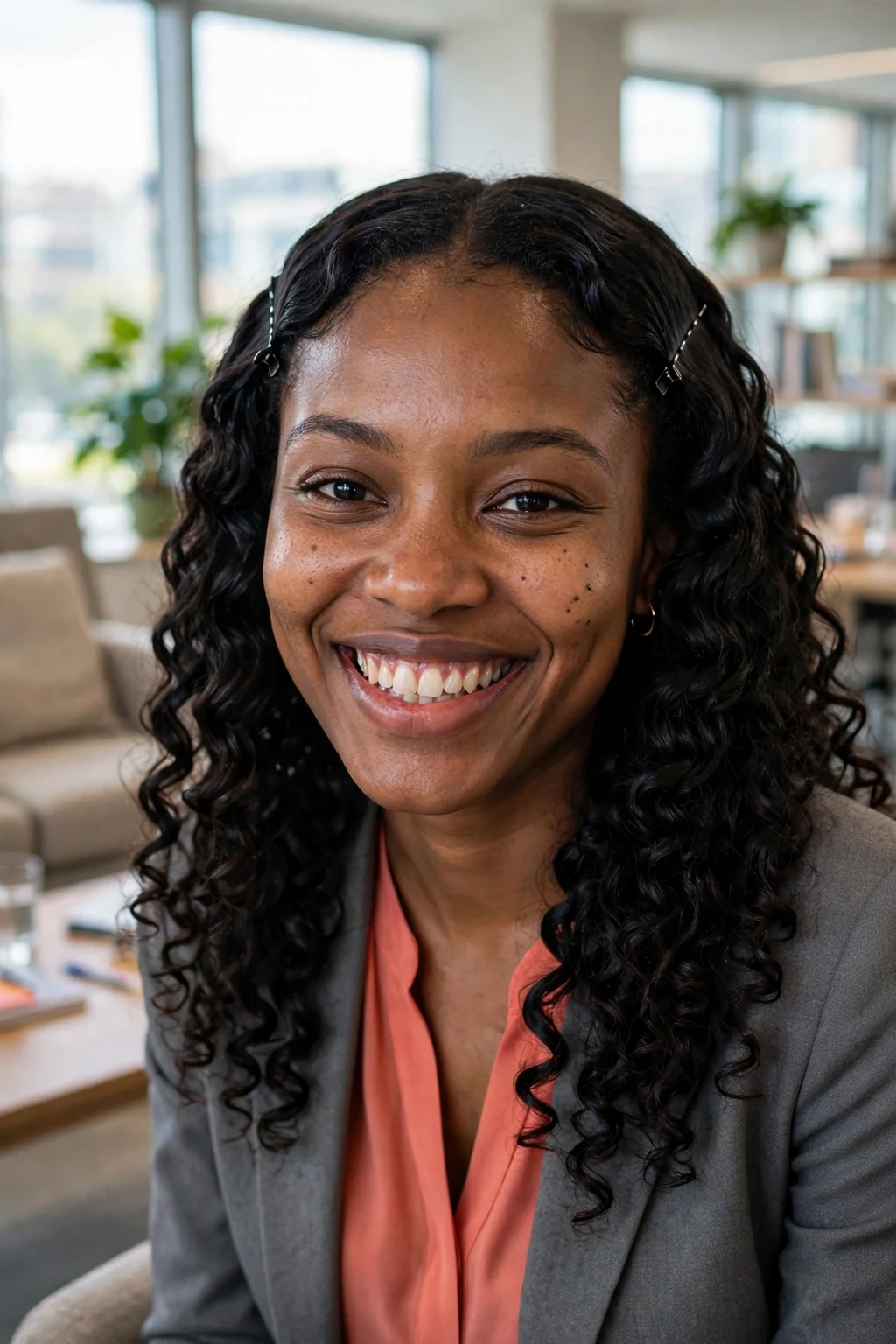
26. Low Knot with Side Part
Low Knot with Side Part is a low, compact knot anchored at the nape with a clean side part that sweeps the front hair smoothly across the forehead. The finish is sleek at the roots with a softly rounded knot that looks deliberate rather than severe, and a gentle sheen that catches office light. This polished shape suits oval, heart-shaped and diamond faces, and straight or wavy hair of medium density that can be swept to one side without springing back, because the clean lines keep the focus on the face rather than on the hair itself. For interview wear, the style works best when it is kept neat and intentional, with no stray pieces competing for attention, and it flatters women in their twenties and early thirties who want to look capable, current and completely put together. The overall effect is calm, tidy and quietly authoritative, which is exactly the impression most interviewers remember long after the meeting ends, and it works equally well in person, in photographs and on a video call.
To create it, blow-dry hair smooth with a side part, brush it low, twist the lengths into a firm knot and pin it from underneath, finishing with a light spray. A trim every six to eight weeks keeps the knot full and even, and a spare pin in your bag lets you re-secure it in seconds. Give yourself a few extra minutes on interview morning to check the back of the style in a mirror, adjust any pins, and confirm that the silhouette still looks balanced from the side as well as from the front. If the style starts to lose its shape during a long day, a quick brush-through and a light mist of spray in the restroom will restore its polish without requiring a complete restyle from scratch. On interview day, do a final check in natural light, smooth any flyaways with a tiny amount of serum, and make sure the style feels comfortable enough to forget about once you start talking. The reason to choose it is simple: it keeps your face open and your silhouette tidy, reads as calm and organised, and works beautifully for conservative corporate interviews.
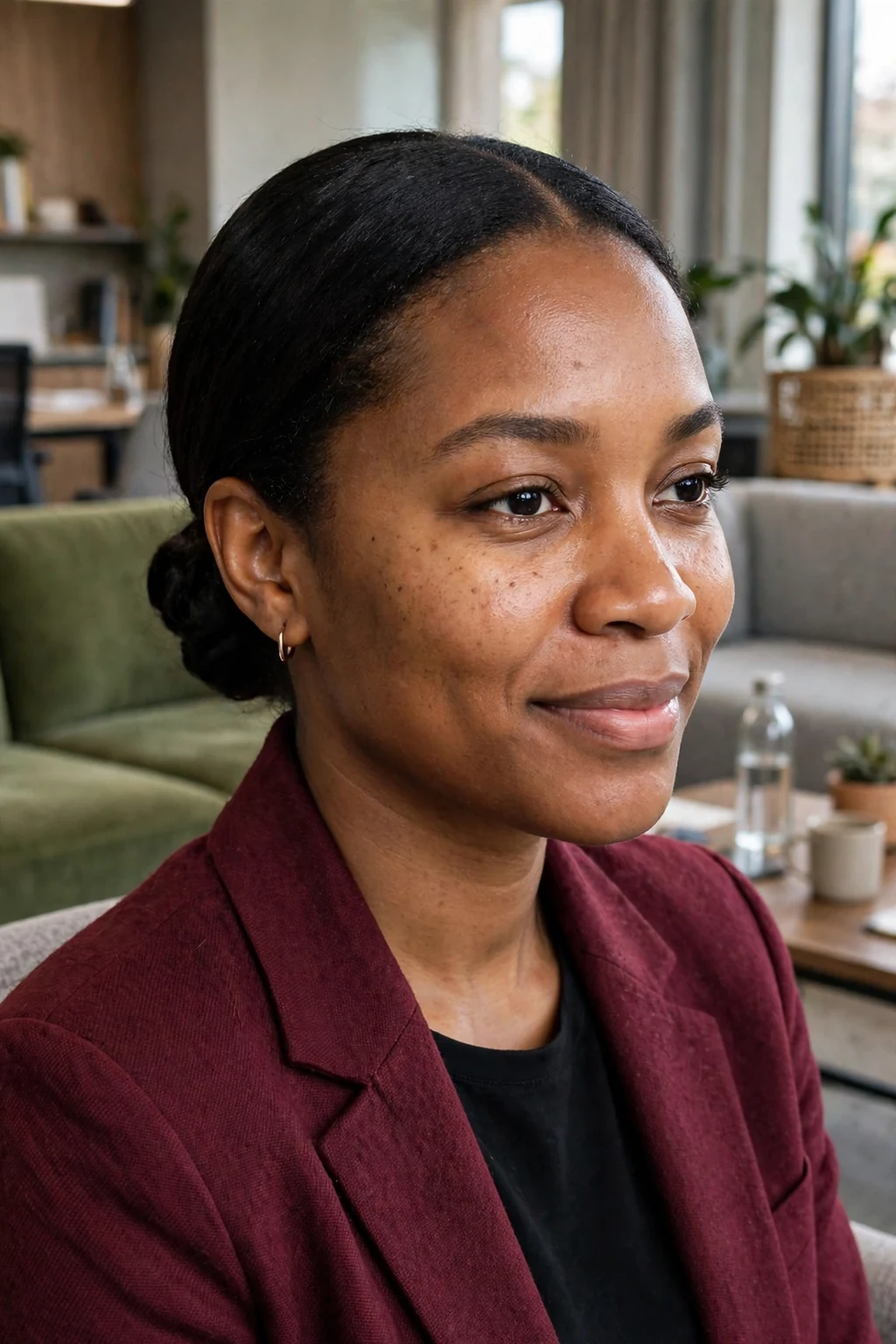
27. Braided Crown Updo
Braided Crown Updo is a braided crown wrapped neatly around the head with the remaining hair pinned into a low, tidy shape at the back. The finish is smooth at the hairline with a woven, handcrafted texture through the crown that adds interest without looking busy. This polished shape suits oval, round and heart-shaped faces, and medium to long hair with enough length to braid around the head and pin securely, because the clean lines keep the focus on the face rather than on the hair itself. For interview wear, the style works best when it is kept neat and intentional, with no stray pieces competing for attention, and it flatters women in their twenties and early thirties who want to look capable, current and completely put together. The overall effect is calm, tidy and quietly authoritative, which is exactly the impression most interviewers remember long after the meeting ends, and it works equally well in person, in photographs and on a video call.
To create it, part the hair, braid two sections along the hairline toward the back, cross and pin them at the nape, and set with a medium-hold spray. A trim every eight weeks keeps the braid ends neat, and the pinned structure holds its shape through a full day of interviews. Give yourself a few extra minutes on interview morning to check the back of the style in a mirror, adjust any pins, and confirm that the silhouette still looks balanced from the side as well as from the front. If the style starts to lose its shape during a long day, a quick brush-through and a light mist of spray in the restroom will restore its polish without requiring a complete restyle from scratch. On interview day, do a final check in natural light, smooth any flyaways with a tiny amount of serum, and make sure the style feels comfortable enough to forget about once you start talking. The reason to choose it is simple: it shows patience and polish, keeps every strand away from the face, and looks refined and memorable from every angle.
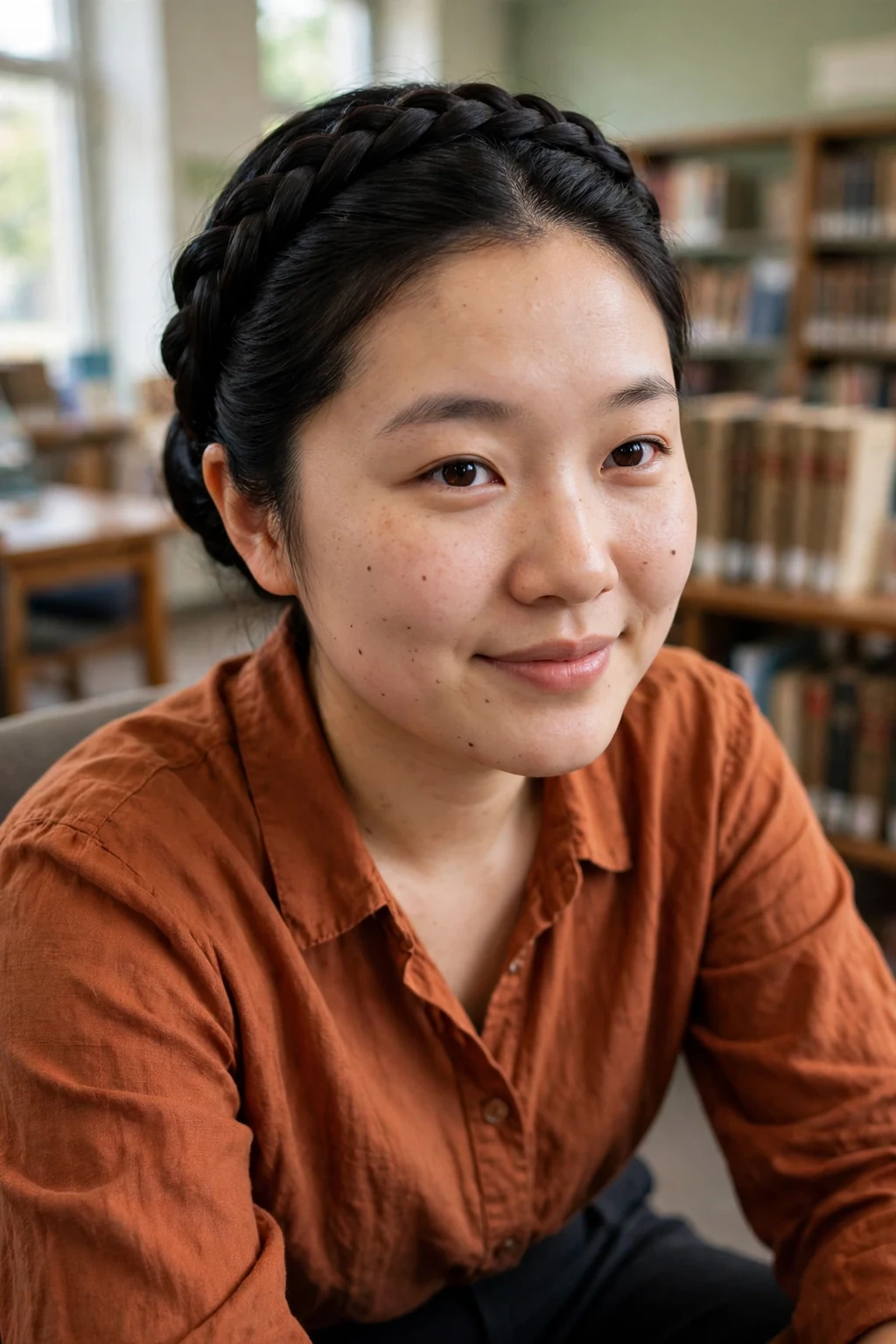
28. Polished High Ponytail
Polished High Ponytail is a high ponytail lifted at the crown, brushed perfectly smooth on top and falling in a sleek, controlled tail down the back. The finish is glossy and lifted, with a taut, clean hairline and a tail that swings as one smooth, healthy shape. This polished shape suits oval, oblong and heart-shaped faces, and straight or wavy hair of medium to thick density that can hold height at the crown, because the clean lines keep the focus on the face rather than on the hair itself. For interview wear, the style works best when it is kept neat and intentional, with no stray pieces competing for attention, and it flatters women in their twenties and early thirties who want to look capable, current and completely put together. The overall effect is calm, tidy and quietly authoritative, which is exactly the impression most interviewers remember long after the meeting ends, and it works equally well in person, in photographs and on a video call.
To create it, apply smoothing cream, brush hair upward with a boar-bristle brush, secure it high, wrap a strand around the base and finish with shine spray. Trims every seven to nine weeks keep the tail blunt, and the ponytail can be rebuilt in under five minutes on interview morning. Give yourself a few extra minutes on interview morning to check the back of the style in a mirror, adjust any pins, and confirm that the silhouette still looks balanced from the side as well as from the front. If the style starts to lose its shape during a long day, a quick brush-through and a light mist of spray in the restroom will restore its polish without requiring a complete restyle from scratch. On interview day, do a final check in natural light, smooth any flyaways with a tiny amount of serum, and make sure the style feels comfortable enough to forget about once you start talking. The reason to choose it is simple: it projects energy and confidence, lengthens the neck, and looks sharp in person and on video calls.
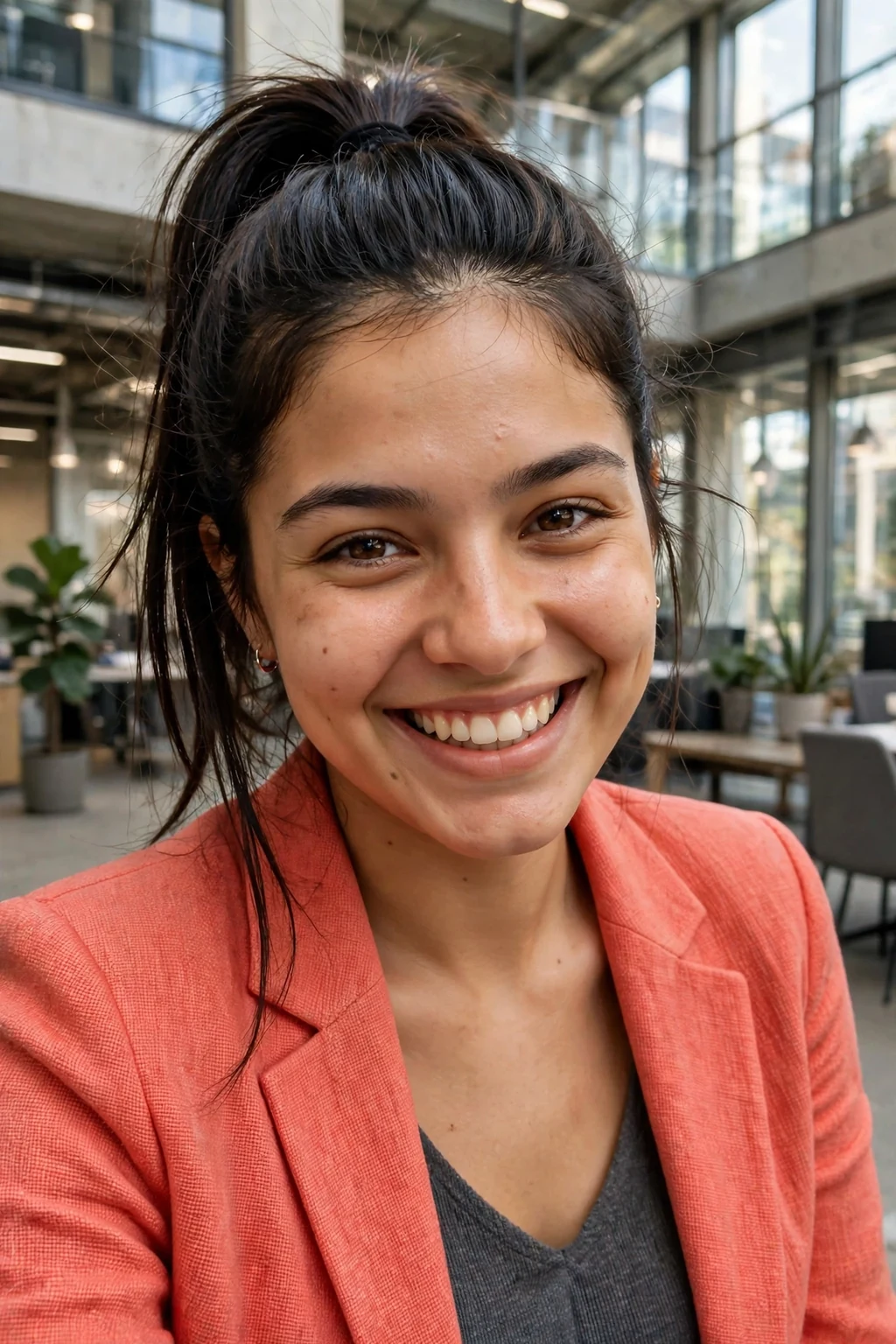
29. French Braid into Low Ponytail
French Braid into Low Ponytail is a neat French braid running from the crown down into a low ponytail, with a smooth top and a tidy, woven tail. The finish is sleek at the crown with a crisp, even braid pattern that looks intentional and carefully finished. This polished shape suits oval, square and diamond faces, and medium to long straight or wavy hair that braids evenly without slipping, because the clean lines keep the focus on the face rather than on the hair itself. For interview wear, the style works best when it is kept neat and intentional, with no stray pieces competing for attention, and it flatters women in their twenties and early thirties who want to look capable, current and completely put together. The overall effect is calm, tidy and quietly authoritative, which is exactly the impression most interviewers remember long after the meeting ends, and it works equally well in person, in photographs and on a video call.
To create it, smooth the crown, French-braid from the front hairline to the nape, secure the tail low with a covered band and mist with spray. A trim every eight weeks keeps the braid tidy, and a small amount of pomade on the braid edges prevents flyaways. Give yourself a few extra minutes on interview morning to check the back of the style in a mirror, adjust any pins, and confirm that the silhouette still looks balanced from the side as well as from the front. If the style starts to lose its shape during a long day, a quick brush-through and a light mist of spray in the restroom will restore its polish without requiring a complete restyle from scratch. On interview day, do a final check in natural light, smooth any flyaways with a tiny amount of serum, and make sure the style feels comfortable enough to forget about once you start talking. The reason to choose it is simple: it stays put for hours, keeps hair completely controlled, and signals discipline and attention to detail.

30. Classic Gibson Tuck
Classic Gibson Tuck is a vintage-inspired roll tucked under at the nape, with a smooth crown, a soft side part and a rounded, elegant silhouette. The finish is softly polished and sculpted, with a graceful, almost sculptural finish that holds its shape without stiffness. This polished shape suits oval, oblong and heart-shaped faces, and medium-length to long hair with enough length to roll and tuck underneath, because the clean lines keep the focus on the face rather than on the hair itself. For interview wear, the style works best when it is kept neat and intentional, with no stray pieces competing for attention, and it flatters women in their twenties and early thirties who want to look capable, current and completely put together. The overall effect is calm, tidy and quietly authoritative, which is exactly the impression most interviewers remember long after the meeting ends, and it works equally well in person, in photographs and on a video call.
To create it, part the hair to one side, gather it low, roll the ends upward and tuck them into a fabric roll or pinned pocket, then set with spray. A trim every six to eight weeks maintains the length the roll needs, and practising it once beforehand makes it quick on the day. Give yourself a few extra minutes on interview morning to check the back of the style in a mirror, adjust any pins, and confirm that the silhouette still looks balanced from the side as well as from the front. If the style starts to lose its shape during a long day, a quick brush-through and a light mist of spray in the restroom will restore its polish without requiring a complete restyle from scratch. On interview day, do a final check in natural light, smooth any flyaways with a tiny amount of serum, and make sure the style feels comfortable enough to forget about once you start talking. The reason to choose it is simple: it is timelessly elegant, photographs beautifully from the side, and pairs perfectly with a suit or a tailored dress.

31. Curtain-Bang Lob
Curtain-Bang Lob is a shoulder-length lob with soft curtain bangs parted in the centre, framing the cheekbones and opening up the face. The finish is smooth and airy, with a gentle, face-framing movement and ends that curve softly inward. This polished shape suits oval, round and square faces, and fine to medium straight or wavy hair that can hold a soft, feathered fringe, because the clean lines keep the focus on the face rather than on the hair itself. For interview wear, the style works best when it is kept neat and intentional, with no stray pieces competing for attention, and it flatters women in their twenties and early thirties who want to look capable, current and completely put together. The overall effect is calm, tidy and quietly authoritative, which is exactly the impression most interviewers remember long after the meeting ends, and it works equally well in person, in photographs and on a video call.
To create it, blow-dry the bangs forward and outward with a round brush, smooth the lob with a paddle brush and finish with a light serum. Trims every six weeks keep the curtain bangs at eye level, and the lob grows out gracefully toward the collarbone. Give yourself a few extra minutes on interview morning to check the back of the style in a mirror, adjust any pins, and confirm that the silhouette still looks balanced from the side as well as from the front. If the style starts to lose its shape during a long day, a quick brush-through and a light mist of spray in the restroom will restore its polish without requiring a complete restyle from scratch. On interview day, do a final check in natural light, smooth any flyaways with a tiny amount of serum, and make sure the style feels comfortable enough to forget about once you start talking. The reason to choose it is simple: it softens a formal outfit, draws attention to the eyes, and feels modern without being distracting.

32. Blunt Shoulder-Length Lob
Blunt Shoulder-Length Lob is a blunt lob ending at the shoulders with a sharp, even perimeter and a clean line that gives the hair real weight. The finish is crisp and glossy, with ends that move as one solid shape and a surface that looks freshly cut. This polished shape suits oval, heart-shaped and square faces, and straight, fine to medium hair that holds a clean line without bulk, because the clean lines keep the focus on the face rather than on the hair itself. For interview wear, the style works best when it is kept neat and intentional, with no stray pieces competing for attention, and it flatters women in their twenties and early thirties who want to look capable, current and completely put together. The overall effect is calm, tidy and quietly authoritative, which is exactly the impression most interviewers remember long after the meeting ends, and it works equally well in person, in photographs and on a video call.
To create it, blow-dry straight in sections with a paddle brush, pass a flat iron lightly over the ends and add a drop of smoothing oil. A trim every six to seven weeks is essential to keep the line sharp, and grow-out softens into a longer lob. Give yourself a few extra minutes on interview morning to check the back of the style in a mirror, adjust any pins, and confirm that the silhouette still looks balanced from the side as well as from the front. If the style starts to lose its shape during a long day, a quick brush-through and a light mist of spray in the restroom will restore its polish without requiring a complete restyle from scratch. On interview day, do a final check in natural light, smooth any flyaways with a tiny amount of serum, and make sure the style feels comfortable enough to forget about once you start talking. The reason to choose it is simple: it projects precision and self-assurance, looks striking in a headshot, and tells an interviewer you notice detail.
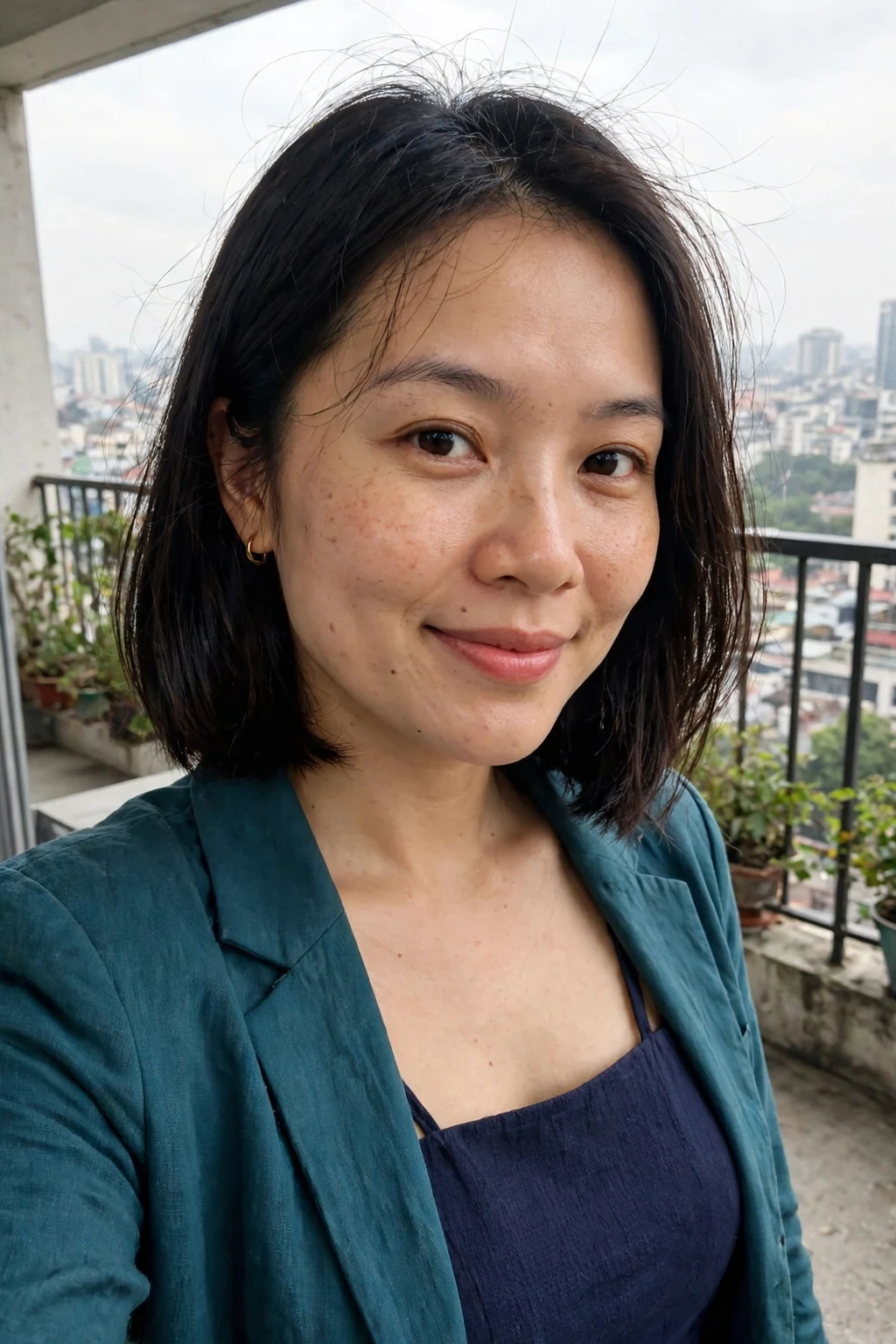
33. Wavy Bob with Side Part
Wavy Bob with Side Part is a chin-to-jaw bob with loose, polished waves and a deep side part that sweeps volume across the forehead. The finish is softly wavy and glossy, with waves that hold their shape without looking set or crunchy. This polished shape suits round, oval and heart-shaped faces, and naturally wavy or thick hair, as well as straight hair waved with a medium barrel iron, because the clean lines keep the focus on the face rather than on the hair itself. For interview wear, the style works best when it is kept neat and intentional, with no stray pieces competing for attention, and it flatters women in their twenties and early thirties who want to look capable, current and completely put together. The overall effect is calm, tidy and quietly authoritative, which is exactly the impression most interviewers remember long after the meeting ends, and it works equally well in person, in photographs and on a video call.
To create it, create a deep side part, curl sections away from the face with a medium iron, brush them out softly and set with flexible spray. Trims every six to eight weeks keep the waves bouncy, and the front sections can be re-curled quickly on the day. Give yourself a few extra minutes on interview morning to check the back of the style in a mirror, adjust any pins, and confirm that the silhouette still looks balanced from the side as well as from the front. If the style starts to lose its shape during a long day, a quick brush-through and a light mist of spray in the restroom will restore its polish without requiring a complete restyle from scratch. On interview day, do a final check in natural light, smooth any flyaways with a tiny amount of serum, and make sure the style feels comfortable enough to forget about once you start talking. The reason to choose it is simple: it balances warmth with professionalism, flatters in three-quarter photographs, and feels confident rather than fussy.

34. Low Ponytail with Deep Side Sweep
Low Ponytail with Deep Side Sweep is a low ponytail with the front hair swept deeply to one side, giving a dramatic, asymmetric frame to the face. The finish is sleek at the roots with a smooth, sweeping front section and a tidy tail that falls neatly behind one shoulder. This polished shape suits oval, heart-shaped and diamond faces, and straight or wavy hair of medium density that can hold a deep sweep, because the clean lines keep the focus on the face rather than on the hair itself. For interview wear, the style works best when it is kept neat and intentional, with no stray pieces competing for attention, and it flatters women in their twenties and early thirties who want to look capable, current and completely put together. The overall effect is calm, tidy and quietly authoritative, which is exactly the impression most interviewers remember long after the meeting ends, and it works equally well in person, in photographs and on a video call.
To create it, part the hair deeply to one side, smooth the heavier side across the forehead, gather the tail low and wrap the base. A trim every seven weeks keeps the sweep even, and a flat pin hidden behind the ear holds the sweep all day. Give yourself a few extra minutes on interview morning to check the back of the style in a mirror, adjust any pins, and confirm that the silhouette still looks balanced from the side as well as from the front. If the style starts to lose its shape during a long day, a quick brush-through and a light mist of spray in the restroom will restore its polish without requiring a complete restyle from scratch. On interview day, do a final check in natural light, smooth any flyaways with a tiny amount of serum, and make sure the style feels comfortable enough to forget about once you start talking. The reason to choose it is simple: it draws attention to the eyes, looks fashion-aware yet office-appropriate, and keeps hair out of the way while you talk.
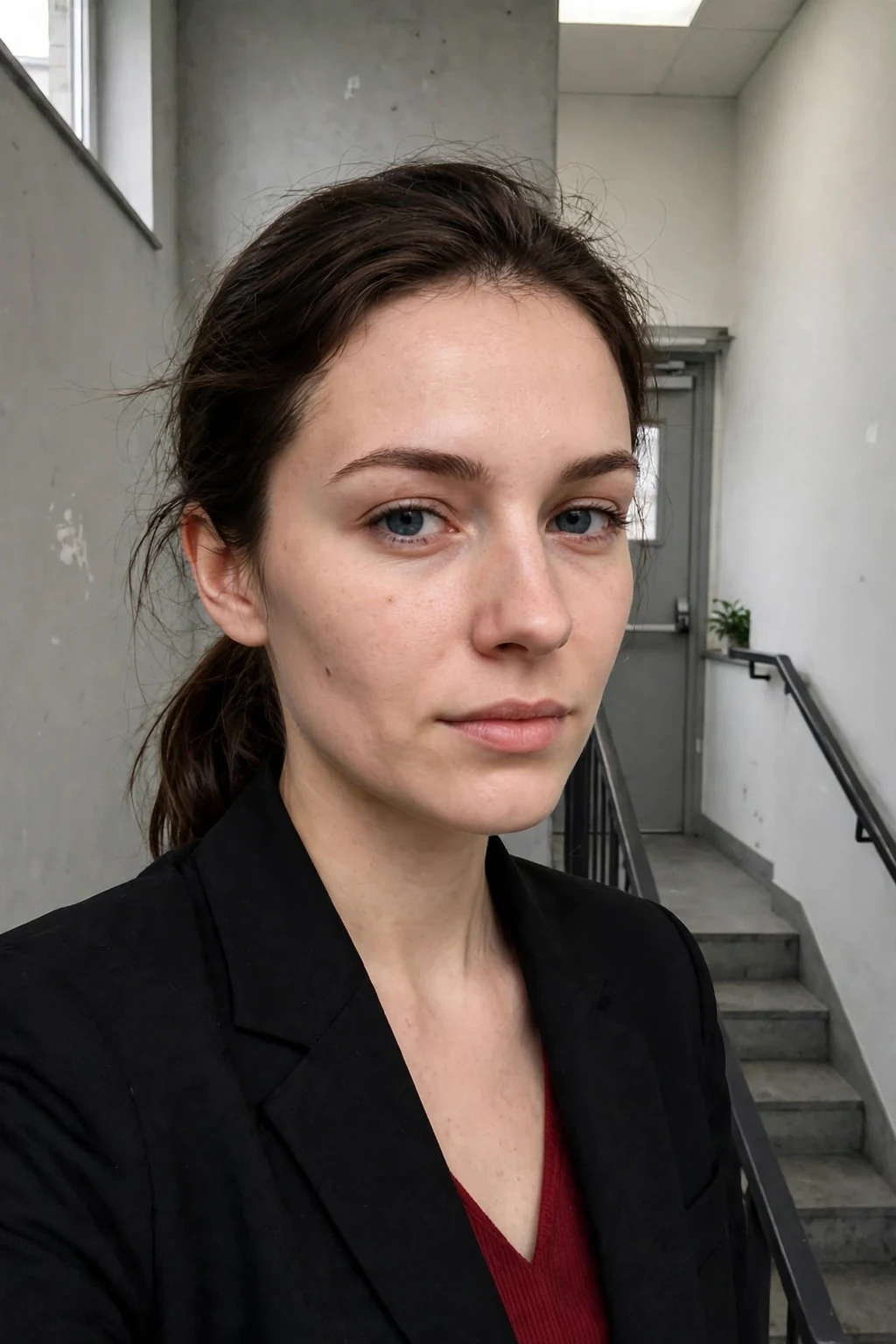
35. Twisted Half-Up Style
Twisted Half-Up Style is the front sections twisted back from the temples and pinned at the back of the crown, with the rest of the hair falling smooth. The finish is neat at the crown and soft through the lengths, with a gentle lift that adds height without teasing or stiffness. This polished shape suits round, oval and square faces, and medium to long straight or wavy hair that benefits from being kept off the face, because the clean lines keep the focus on the face rather than on the hair itself. For interview wear, the style works best when it is kept neat and intentional, with no stray pieces competing for attention, and it flatters women in their twenties and early thirties who want to look capable, current and completely put together. The overall effect is calm, tidy and quietly authoritative, which is exactly the impression most interviewers remember long after the meeting ends, and it works equally well in person, in photographs and on a video call.
To create it, twist each front section back, cross them at the crown, pin them flat and smooth the lengths with a light serum. Trims every eight weeks maintain the layers, and the twists can be redone in two minutes if they loosen. Give yourself a few extra minutes on interview morning to check the back of the style in a mirror, adjust any pins, and confirm that the silhouette still looks balanced from the side as well as from the front. If the style starts to lose its shape during a long day, a quick brush-through and a light mist of spray in the restroom will restore its polish without requiring a complete restyle from scratch. On interview day, do a final check in natural light, smooth any flyaways with a tiny amount of serum, and make sure the style feels comfortable enough to forget about once you start talking. The reason to choose it is simple: it keeps hair out of your eyes while showing off your length, looks friendly rather than severe, and suits formal and creative workplaces alike.

36. Tucked-Ends Bob
Tucked-Ends Bob is a bob with the ends tucked neatly under all the way round, giving a rounded, compact silhouette that sits just below the ears. The finish is smooth and rounded, with a glossy finish and ends that curl under in one continuous, tidy line. This polished shape suits oval, round and heart-shaped faces, and straight, fine to medium hair that can be blow-dried into a curved-under shape, because the clean lines keep the focus on the face rather than on the hair itself. For interview wear, the style works best when it is kept neat and intentional, with no stray pieces competing for attention, and it flatters women in their twenties and early thirties who want to look capable, current and completely put together. The overall effect is calm, tidy and quietly authoritative, which is exactly the impression most interviewers remember long after the meeting ends, and it works equally well in person, in photographs and on a video call.
To create it, blow-dry with a medium round brush, rolling the ends under, and finish with a light serum for shine and control. Trims every five to six weeks maintain the rounded shape, and grow-out becomes a soft bob rather than an awkward length. Give yourself a few extra minutes on interview morning to check the back of the style in a mirror, adjust any pins, and confirm that the silhouette still looks balanced from the side as well as from the front. If the style starts to lose its shape during a long day, a quick brush-through and a light mist of spray in the restroom will restore its polish without requiring a complete restyle from scratch. On interview day, do a final check in natural light, smooth any flyaways with a tiny amount of serum, and make sure the style feels comfortable enough to forget about once you start talking. The reason to choose it is simple: it is timeless and neat, pairs beautifully with a suit, and signals classic, reliable professionalism.

37. Elegant Low Roll
Elegant Low Roll is a low, horizontal roll pinned close to the nape, with a smooth crown and a softly rounded, sculpted outline. The finish is sleek and sculpted, with a refined finish that holds its shape for hours without looking stiff or overdone. This polished shape suits oval and oblong faces in particular, and medium to thick straight or wavy hair with enough length to roll and pin, because the clean lines keep the focus on the face rather than on the hair itself. For interview wear, the style works best when it is kept neat and intentional, with no stray pieces competing for attention, and it flatters women in their twenties and early thirties who want to look capable, current and completely put together. The overall effect is calm, tidy and quietly authoritative, which is exactly the impression most interviewers remember long after the meeting ends, and it works equally well in person, in photographs and on a video call.
To create it, smooth hair with a blow-dry cream, gather it low, roll it inward, pin it firmly from the inside and finish with firm-hold spray. A trim every six weeks maintains the length and weight the roll needs, and a practice run beforehand makes it second nature. Give yourself a few extra minutes on interview morning to check the back of the style in a mirror, adjust any pins, and confirm that the silhouette still looks balanced from the side as well as from the front. If the style starts to lose its shape during a long day, a quick brush-through and a light mist of spray in the restroom will restore its polish without requiring a complete restyle from scratch. On interview day, do a final check in natural light, smooth any flyaways with a tiny amount of serum, and make sure the style feels comfortable enough to forget about once you start talking. The reason to choose it is simple: it is quietly luxurious, works beautifully under office lighting, and pairs perfectly with a blazer or a classic suit.

38. Pinned-Back Straight Layers
Pinned-Back Straight Layers is straight, layered hair worn down with the front sections pinned neatly back from the face, leaving smooth lengths behind the shoulders. The finish is glass-smooth and weighty, with a neat, open face and layers that move fluidly as you speak. This polished shape suits oval, oblong and square faces, and naturally straight or easily straightened hair of fine to medium density, because the clean lines keep the focus on the face rather than on the hair itself. For interview wear, the style works best when it is kept neat and intentional, with no stray pieces competing for attention, and it flatters women in their twenties and early thirties who want to look capable, current and completely put together. The overall effect is calm, tidy and quietly authoritative, which is exactly the impression most interviewers remember long after the meeting ends, and it works equally well in person, in photographs and on a video call.
To create it, apply heat protectant, blow-dry in sections with a paddle brush, finish with a flat iron, then pin the front sections back flat. A trim every six to eight weeks prevents the ends from thinning, and a silk pillowcase helps preserve the smooth finish overnight. Give yourself a few extra minutes on interview morning to check the back of the style in a mirror, adjust any pins, and confirm that the silhouette still looks balanced from the side as well as from the front. If the style starts to lose its shape during a long day, a quick brush-through and a light mist of spray in the restroom will restore its polish without requiring a complete restyle from scratch. On interview day, do a final check in natural light, smooth any flyaways with a tiny amount of serum, and make sure the style feels comfortable enough to forget about once you start talking. The reason to choose it is simple: it is understated polish that never competes with your outfit, and it lets your expressions and answers take centre stage.

39. Classic Ballerina Bun
Classic Ballerina Bun is a high, perfectly round bun placed at the crown, with every strand brushed back and a clean, sculpted hairline. The finish is sleek and controlled, with a polished surface and a shape that elongates the neck and opens the whole face. This polished shape suits oval and heart-shaped faces, and medium to thick hair long enough to wrap into a full, round bun without visible pins, because the clean lines keep the focus on the face rather than on the hair itself. For interview wear, the style works best when it is kept neat and intentional, with no stray pieces competing for attention, and it flatters women in their twenties and early thirties who want to look capable, current and completely put together. The overall effect is calm, tidy and quietly authoritative, which is exactly the impression most interviewers remember long after the meeting ends, and it works equally well in person, in photographs and on a video call.
To create it, smooth hair back with gel or cream, gather it high, twist and wrap it into a round bun, pin it securely and mist with strong spray. A trim every six to eight weeks keeps the ends neat enough to tuck away, and the bun survives a long interview day without sagging. Give yourself a few extra minutes on interview morning to check the back of the style in a mirror, adjust any pins, and confirm that the silhouette still looks balanced from the side as well as from the front. If the style starts to lose its shape during a long day, a quick brush-through and a light mist of spray in the restroom will restore its polish without requiring a complete restyle from scratch. On interview day, do a final check in natural light, smooth any flyaways with a tiny amount of serum, and make sure the style feels comfortable enough to forget about once you start talking. The reason to choose it is simple: it is bold yet impeccably tidy, keeps every strand away from your face, and pairs beautifully with a structured blazer.

40. Textured French Twist
Textured French Twist is a French twist with gentle texture through the crown and a slightly softer, more modern surface than the classic version. The finish is softly matte and touchable, with visible texture that keeps the twist from looking flat or overly formal. This polished shape suits oval, round and square faces, and wavy or fine hair that needs texture to make a twist look full rather than sparse, because the clean lines keep the focus on the face rather than on the hair itself. For interview wear, the style works best when it is kept neat and intentional, with no stray pieces competing for attention, and it flatters women in their twenties and early thirties who want to look capable, current and completely put together. The overall effect is calm, tidy and quietly authoritative, which is exactly the impression most interviewers remember long after the meeting ends, and it works equally well in person, in photographs and on a video call.
To create it, add texturising spray to dry hair, gather it to one side, roll it upward loosely, pin it firmly and pull a little texture free at the crown. A trim every eight weeks maintains the shape, and the texture means the style still looks intentional even if a piece escapes. Give yourself a few extra minutes on interview morning to check the back of the style in a mirror, adjust any pins, and confirm that the silhouette still looks balanced from the side as well as from the front. If the style starts to lose its shape during a long day, a quick brush-through and a light mist of spray in the restroom will restore its polish without requiring a complete restyle from scratch. On interview day, do a final check in natural light, smooth any flyaways with a tiny amount of serum, and make sure the style feels comfortable enough to forget about once you start talking. The reason to choose it is simple: it is polished but approachable, ideal for creative and people-focused roles, and photographs as effortlessly elegant.
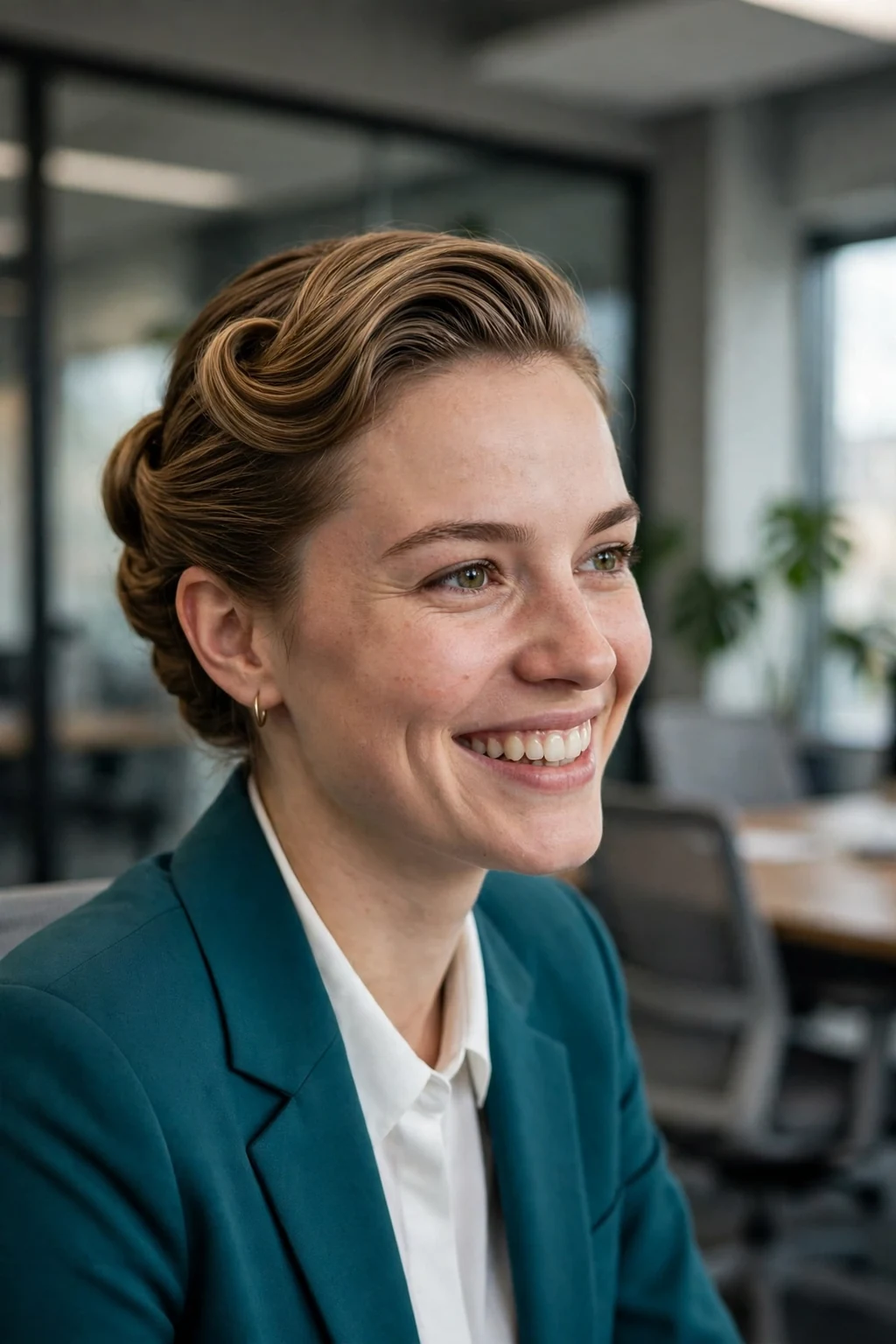
41. Low Bun with Face-Framing Layers
Low Bun with Face-Framing Layers is a low bun with soft, layered pieces left free around the face, giving a romantic softness around an otherwise tidy shape. The finish is softly textured at the front with a smooth, secure bun behind that never looks messy or unfinished. This polished shape suits oval, round and heart-shaped faces, and medium to long wavy or straight hair that can be pinned up while leaving soft front pieces, because the clean lines keep the focus on the face rather than on the hair itself. For interview wear, the style works best when it is kept neat and intentional, with no stray pieces competing for attention, and it flatters women in their twenties and early thirties who want to look capable, current and completely put together. The overall effect is calm, tidy and quietly authoritative, which is exactly the impression most interviewers remember long after the meeting ends, and it works equally well in person, in photographs and on a video call.
To create it, pin the back hair into a low bun, release two front sections, curl them lightly and set everything with flexible spray. Trims every eight weeks keep the front pieces at a flattering length, and the soft pieces can be re-curled quickly before the interview. Give yourself a few extra minutes on interview morning to check the back of the style in a mirror, adjust any pins, and confirm that the silhouette still looks balanced from the side as well as from the front. If the style starts to lose its shape during a long day, a quick brush-through and a light mist of spray in the restroom will restore its polish without requiring a complete restyle from scratch. On interview day, do a final check in natural light, smooth any flyaways with a tiny amount of serum, and make sure the style feels comfortable enough to forget about once you start talking. The reason to choose it is simple: it softens a formal suit, flatters on camera, and strikes the perfect balance between relaxed warmth and professional polish.

42. Middle-Part Sleek Ponytail
Middle-Part Sleek Ponytail is a mid-height ponytail with a precise centre part, brushed perfectly smooth on both sides and falling in a clean tail. The finish is ultra-smooth at the roots with a sleek, swinging tail and a symmetrical frame that puts the focus on the face. This polished shape suits oval and heart-shaped faces, and straight, fine to medium hair that parts cleanly and stays smooth, because the clean lines keep the focus on the face rather than on the hair itself. For interview wear, the style works best when it is kept neat and intentional, with no stray pieces competing for attention, and it flatters women in their twenties and early thirties who want to look capable, current and completely put together. The overall effect is calm, tidy and quietly authoritative, which is exactly the impression most interviewers remember long after the meeting ends, and it works equally well in person, in photographs and on a video call.
To create it, create a centre part on damp hair, blow-dry smooth in both directions, secure the tail at mid-height and finish with serum and spray. A trim every six to seven weeks keeps the line precise, and the centre part grows out gracefully. Give yourself a few extra minutes on interview morning to check the back of the style in a mirror, adjust any pins, and confirm that the silhouette still looks balanced from the side as well as from the front. If the style starts to lose its shape during a long day, a quick brush-through and a light mist of spray in the restroom will restore its polish without requiring a complete restyle from scratch. On interview day, do a final check in natural light, smooth any flyaways with a tiny amount of serum, and make sure the style feels comfortable enough to forget about once you start talking. The reason to choose it is simple: it is minimal, modern and quietly authoritative, works perfectly with a sharp collar, and never distracts from your answers.
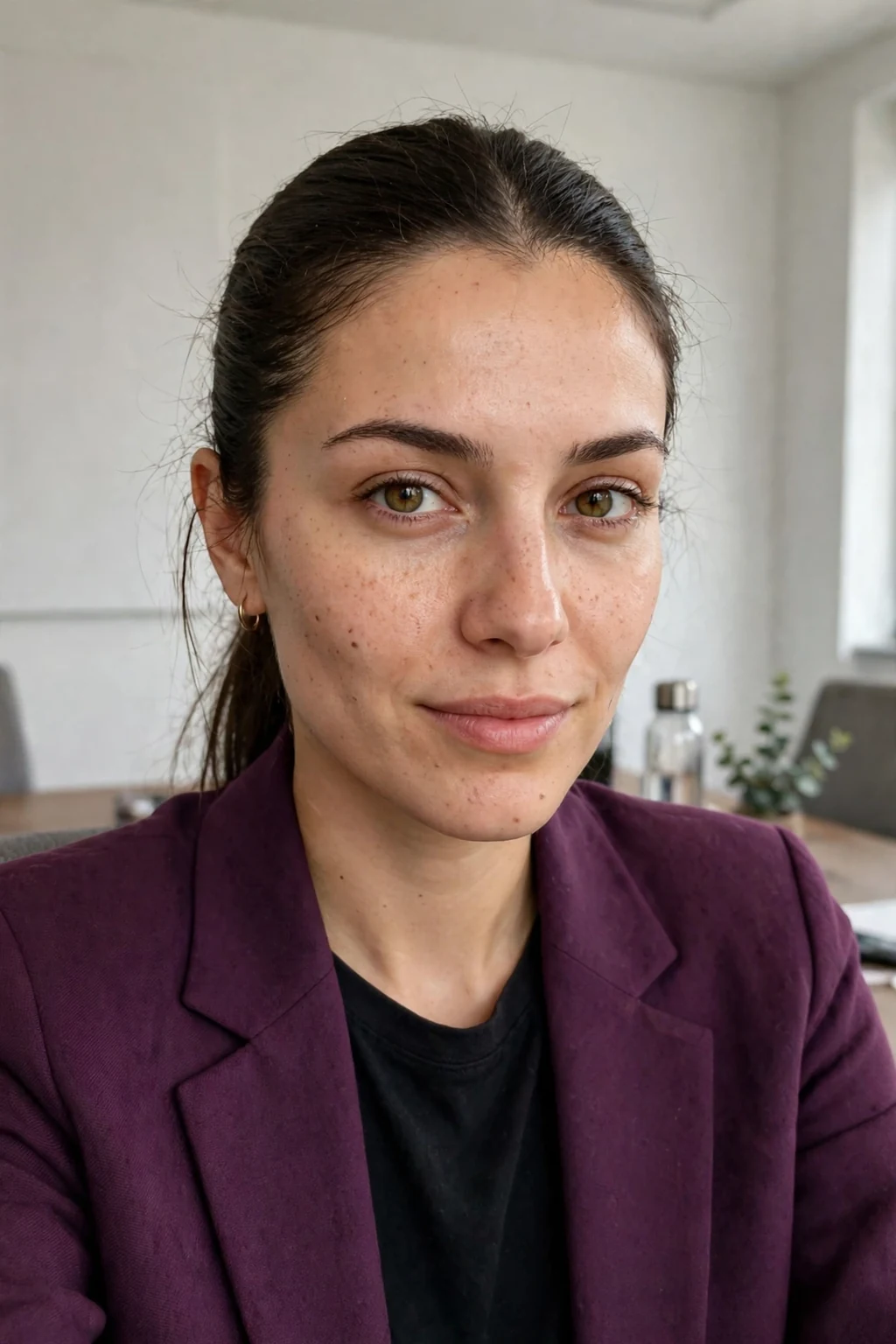
43. Layered Shoulder-Length Blowout
Layered Shoulder-Length Blowout is shoulder-length layers blow-dried into a smooth, full blowout, with feathered ends, root lift and movement framing the face. The finish is big yet smooth, with a glossy, airy volume that moves naturally and never looks teased, stiff or overdone. This polished shape suits oval, oblong and heart-shaped faces, and medium to thick hair with layers that can carry volume without collapsing, because the clean lines keep the focus on the face rather than on the hair itself. For interview wear, the style works best when it is kept neat and intentional, with no stray pieces competing for attention, and it flatters women in their twenties and early thirties who want to look capable, current and completely put together. The overall effect is calm, tidy and quietly authoritative, which is exactly the impression most interviewers remember long after the meeting ends, and it works equally well in person, in photographs and on a video call.
To create it, apply root-lifting mousse, blow-dry with a large round brush, lifting each section at the root, and finish with a cool shot. Trims every eight to ten weeks keep the layers light, and volume can be revived with a quick blast of dry shampoo and a brush-through. Give yourself a few extra minutes on interview morning to check the back of the style in a mirror, adjust any pins, and confirm that the silhouette still looks balanced from the side as well as from the front. If the style starts to lose its shape during a long day, a quick brush-through and a light mist of spray in the restroom will restore its polish without requiring a complete restyle from scratch. On interview day, do a final check in natural light, smooth any flyaways with a tiny amount of serum, and make sure the style feels comfortable enough to forget about once you start talking. The reason to choose it is simple: it is warm, confident and camera-friendly, softens tailored clothing, and makes a strong first impression in person.

44. Neat High Puff
Neat High Puff is natural hair gathered into a neat, rounded high puff, with smooth, brushed edges and a full, healthy crown of curls. The finish is defined and glossy, with a tidy hairline, smooth edges and a beautifully rounded, voluminous shape. This polished shape suits round, oval and heart-shaped faces, and naturally curly or coily hair that is happiest worn in its own texture, because the clean lines keep the focus on the face rather than on the hair itself. For interview wear, the style works best when it is kept neat and intentional, with no stray pieces competing for attention, and it flatters women in their twenties and early thirties who want to look capable, current and completely put together. The overall effect is calm, tidy and quietly authoritative, which is exactly the impression most interviewers remember long after the meeting ends, and it works equally well in person, in photographs and on a video call.
To create it, moisturise and define curls with cream on damp hair, brush the edges smooth with a soft brush, gather the puff high and secure it gently. A trim every ten to twelve weeks on dry curls preserves the shape, and weekly deep conditioning keeps curls hydrated and defined. Give yourself a few extra minutes on interview morning to check the back of the style in a mirror, adjust any pins, and confirm that the silhouette still looks balanced from the side as well as from the front. If the style starts to lose its shape during a long day, a quick brush-through and a light mist of spray in the restroom will restore its polish without requiring a complete restyle from scratch. On interview day, do a final check in natural light, smooth any flyaways with a tiny amount of serum, and make sure the style feels comfortable enough to forget about once you start talking. The reason to choose it is simple: it is authentic, confident and thoroughly professional, keeps curls out of your eyes, and celebrates your natural hair.

45. Flat-Twist Low Bun
Flat-Twist Low Bun is flat twists running back from the hairline into a low bun at the nape, with a smooth crown and a neat, woven detail. The finish is sleek at the crown with a crisp, even twist pattern that looks intentional and carefully finished. This polished shape suits oval, square and heart-shaped faces, and medium to long textured or straight hair that twists evenly without slipping, because the clean lines keep the focus on the face rather than on the hair itself. For interview wear, the style works best when it is kept neat and intentional, with no stray pieces competing for attention, and it flatters women in their twenties and early thirties who want to look capable, current and completely put together. The overall effect is calm, tidy and quietly authoritative, which is exactly the impression most interviewers remember long after the meeting ends, and it works equally well in person, in photographs and on a video call.
To create it, part the hair neatly, flat-twist sections back toward the nape, gather the ends into a low bun, pin securely and set with spray. A trim every eight weeks keeps the twist ends tidy, and a small amount of edge control keeps the hairline smooth all day. Give yourself a few extra minutes on interview morning to check the back of the style in a mirror, adjust any pins, and confirm that the silhouette still looks balanced from the side as well as from the front. If the style starts to lose its shape during a long day, a quick brush-through and a light mist of spray in the restroom will restore its polish without requiring a complete restyle from scratch. On interview day, do a final check in natural light, smooth any flyaways with a tiny amount of serum, and make sure the style feels comfortable enough to forget about once you start talking. The reason to choose it is simple: it stays put for hours, shows craftsmanship and care, and looks refined from the front, the side and behind.

46. Cornrow Crown Bun
Cornrow Crown Bun is neat cornrows braided back from the hairline and gathered into a low, tidy bun, with a clean parting pattern and a smooth finish. The finish is sleek and sculpted, with a precise braided pattern at the crown and a compact bun that holds its shape all day. This polished shape suits oval, round and heart-shaped faces, and textured hair with enough length to braid and gather into a bun, because the clean lines keep the focus on the face rather than on the hair itself. For interview wear, the style works best when it is kept neat and intentional, with no stray pieces competing for attention, and it flatters women in their twenties and early thirties who want to look capable, current and completely put together. The overall effect is calm, tidy and quietly authoritative, which is exactly the impression most interviewers remember long after the meeting ends, and it works equally well in person, in photographs and on a video call.
To create it, part the hair in neat rows, cornrow each section back, gather the ends low, wrap them into a bun and pin securely. A trim every eight to ten weeks keeps the ends healthy, and the braided structure holds exceptionally well through a long day. Give yourself a few extra minutes on interview morning to check the back of the style in a mirror, adjust any pins, and confirm that the silhouette still looks balanced from the side as well as from the front. If the style starts to lose its shape during a long day, a quick brush-through and a light mist of spray in the restroom will restore its polish without requiring a complete restyle from scratch. On interview day, do a final check in natural light, smooth any flyaways with a tiny amount of serum, and make sure the style feels comfortable enough to forget about once you start talking. The reason to choose it is simple: it is elegant with a handcrafted feel, keeps hair completely controlled, and signals patience and attention to detail.
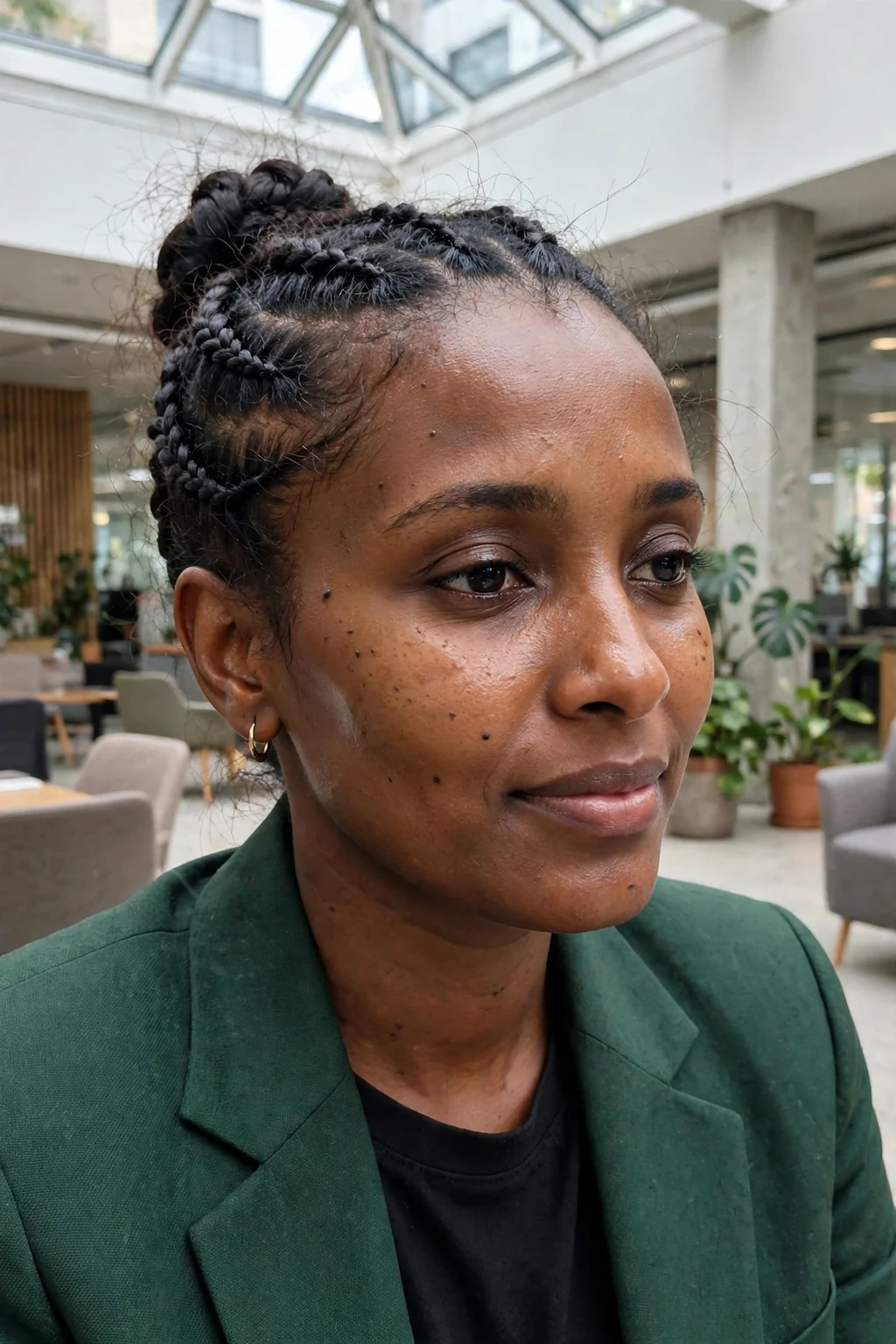
47. Asymmetrical Sleek Bob
Asymmetrical Sleek Bob is a sleek bob cut longer on one side than the other, worn straight with a sharp, graphic line and a dramatic asymmetric sweep. The finish is glossy and graphic, with a dramatic longer side and a smooth, controlled finish that looks deliberately styled. This polished shape suits oval, heart-shaped and square faces, and straight, fine to medium hair that holds a sleek finish and a sharp line, because the clean lines keep the focus on the face rather than on the hair itself. For interview wear, the style works best when it is kept neat and intentional, with no stray pieces competing for attention, and it flatters women in their twenties and early thirties who want to look capable, current and completely put together. The overall effect is calm, tidy and quietly authoritative, which is exactly the impression most interviewers remember long after the meeting ends, and it works equally well in person, in photographs and on a video call.
To create it, blow-dry straight with a paddle brush, pass a flat iron over the lengths for a sharp edge and add a drop of smoothing oil. A trim every five to six weeks is essential to keep the asymmetry crisp, and grow-out softens gradually into a longer bob. Give yourself a few extra minutes on interview morning to check the back of the style in a mirror, adjust any pins, and confirm that the silhouette still looks balanced from the side as well as from the front. If the style starts to lose its shape during a long day, a quick brush-through and a light mist of spray in the restroom will restore its polish without requiring a complete restyle from scratch. On interview day, do a final check in natural light, smooth any flyaways with a tiny amount of serum, and make sure the style feels comfortable enough to forget about once you start talking. The reason to choose it is simple: it is striking without being loud, draws attention to the eyes, and reads as fashion-aware yet completely office-appropriate.
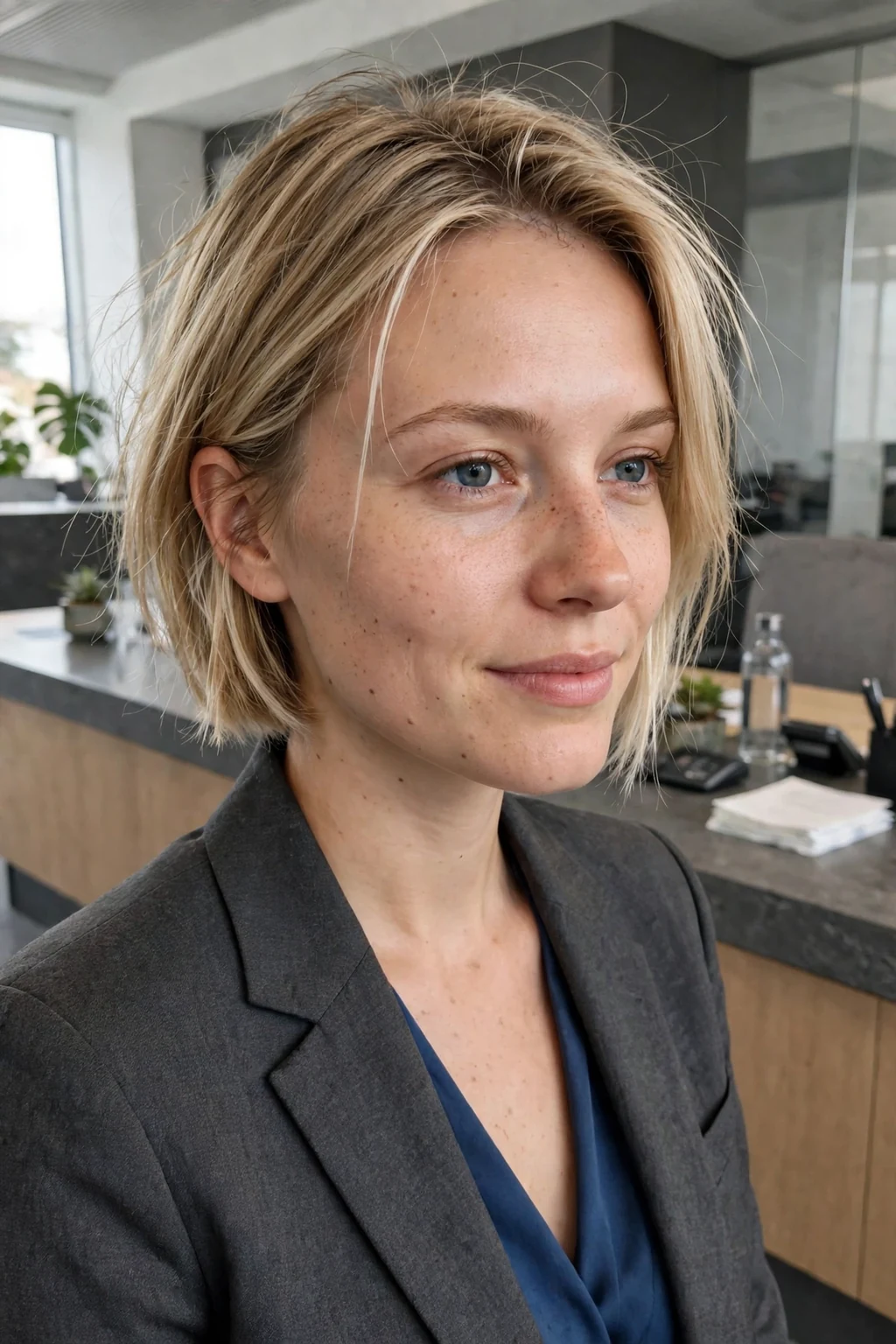
48. Layered Polished Bob
Layered Polished Bob is a bob with subtle internal layers that give movement and lightness, worn smooth with softly bevelled ends. The finish is smooth and glossy, with a fluid movement that stops just short of curl, giving a modern, quietly expensive finish. This polished shape suits oval, round and square faces, and fine to medium straight or slightly wavy hair that falls neatly without heavy layering, because the clean lines keep the focus on the face rather than on the hair itself. For interview wear, the style works best when it is kept neat and intentional, with no stray pieces competing for attention, and it flatters women in their twenties and early thirties who want to look capable, current and completely put together. The overall effect is calm, tidy and quietly authoritative, which is exactly the impression most interviewers remember long after the meeting ends, and it works equally well in person, in photographs and on a video call.
To create it, blow-dry with a round brush, bending the ends under slightly, and finish with a pea-sized amount of shine serum through the mid-lengths. Trims every six to eight weeks preserve the layered edge, and grow-out remains flattering as the bob lengthens. Give yourself a few extra minutes on interview morning to check the back of the style in a mirror, adjust any pins, and confirm that the silhouette still looks balanced from the side as well as from the front. If the style starts to lose its shape during a long day, a quick brush-through and a light mist of spray in the restroom will restore its polish without requiring a complete restyle from scratch. On interview day, do a final check in natural light, smooth any flyaways with a tiny amount of serum, and make sure the style feels comfortable enough to forget about once you start talking. The reason to choose it is simple: it is contemporary without being trendy, frames the face while you speak, and suits creative, corporate and client-facing roles alike.

49. Chignon with Braided Detail
Chignon with Braided Detail is a low chignon with a slim braid wrapped around its base, adding a delicate, crafted detail to a classic shape. The finish is softly polished with a woven accent, giving quiet craftsmanship rather than fussiness to an otherwise simple knot. This polished shape suits oval, heart-shaped and square faces, and medium to long hair with enough length to braid and wrap around the chignon, because the clean lines keep the focus on the face rather than on the hair itself. For interview wear, the style works best when it is kept neat and intentional, with no stray pieces competing for attention, and it flatters women in their twenties and early thirties who want to look capable, current and completely put together. The overall effect is calm, tidy and quietly authoritative, which is exactly the impression most interviewers remember long after the meeting ends, and it works equally well in person, in photographs and on a video call.
To create it, form a low chignon, braid a small section separately, wrap it around the base of the knot, pin it discreetly and set with spray. A trim every seven to nine weeks keeps the shape balanced, and bobby pins carried in your bag allow a discreet fix before you walk in. Give yourself a few extra minutes on interview morning to check the back of the style in a mirror, adjust any pins, and confirm that the silhouette still looks balanced from the side as well as from the front. If the style starts to lose its shape during a long day, a quick brush-through and a light mist of spray in the restroom will restore its polish without requiring a complete restyle from scratch. On interview day, do a final check in natural light, smooth any flyaways with a tiny amount of serum, and make sure the style feels comfortable enough to forget about once you start talking. The reason to choose it is simple: it reads as classic and trustworthy, photographs beautifully from every angle, and never distracts from what you are saying.

50. Half-Up Sleek Ponytail
Half-Up Sleek Ponytail is the top half of the hair pulled back into a sleek, small ponytail at the crown, with the remaining hair falling smooth over the shoulders. The finish is neat at the crown and sleek through the lengths, with a gentle lift that adds height without any stiffness. This polished shape suits round, oval and heart-shaped faces, and medium to long straight or wavy hair that benefits from being kept off the face, because the clean lines keep the focus on the face rather than on the hair itself. For interview wear, the style works best when it is kept neat and intentional, with no stray pieces competing for attention, and it flatters women in their twenties and early thirties who want to look capable, current and completely put together. The overall effect is calm, tidy and quietly authoritative, which is exactly the impression most interviewers remember long after the meeting ends, and it works equally well in person, in photographs and on a video call.
To create it, section the top half, smooth it back, secure it at the crown, wrap a strand around the base and smooth the lengths with serum. Trims every eight weeks maintain the layers, and the half-up section can be redone in two minutes if it loosens. Give yourself a few extra minutes on interview morning to check the back of the style in a mirror, adjust any pins, and confirm that the silhouette still looks balanced from the side as well as from the front. If the style starts to lose its shape during a long day, a quick brush-through and a light mist of spray in the restroom will restore its polish without requiring a complete restyle from scratch. On interview day, do a final check in natural light, smooth any flyaways with a tiny amount of serum, and make sure the style feels comfortable enough to forget about once you start talking. The reason to choose it is simple: it keeps hair out of your eyes while showing off your length, looks friendly rather than severe, and works for formal and creative workplaces.
51. Curtain-Layer Blowout
Curtain-Layer Blowout is a full blowout with long curtain layers that open away from the face, giving root lift, soft movement and a face-framing finish. The finish is voluminous yet smooth, with a bouncy, glossy movement that looks expensive and freshly styled without stiffness. This polished shape suits oval, oblong and round faces, and medium to thick straight or wavy hair that holds volume and a smooth finish, because the clean lines keep the focus on the face rather than on the hair itself. For interview wear, the style works best when it is kept neat and intentional, with no stray pieces competing for attention, and it flatters women in their twenties and early thirties who want to look capable, current and completely put together. The overall effect is calm, tidy and quietly authoritative, which is exactly the impression most interviewers remember long after the meeting ends, and it works equally well in person, in photographs and on a video call.
To create it, apply volumising mousse at the roots, blow-dry in sections with a large round brush, rolling the curtain layers away from the face, and finish with a cool shot. Trims every seven to nine weeks keep the layers fresh, and a blowout typically lasts two to three days with dry shampoo at the roots. Give yourself a few extra minutes on interview morning to check the back of the style in a mirror, adjust any pins, and confirm that the silhouette still looks balanced from the side as well as from the front. If the style starts to lose its shape during a long day, a quick brush-through and a light mist of spray in the restroom will restore its polish without requiring a complete restyle from scratch. On interview day, do a final check in natural light, smooth any flyaways with a tiny amount of serum, and make sure the style feels comfortable enough to forget about once you start talking. The reason to choose it is simple: it is universally flattering, photographs beautifully, and gives an instant confidence boost before a high-stakes meeting.
52. Tucked-Under Chin Bob
Tucked-Under Chin Bob is a chin-length bob with the ends tucked under and the sides tucked neatly behind the ears, giving a compact, minimal frame. The finish is crisp and minimal, with a smooth surface and a clean, symmetrical frame that puts the full focus on the face. This polished shape suits oval and heart-shaped faces, and straight, fine to medium hair that tucks easily and stays in place behind the ears, because the clean lines keep the focus on the face rather than on the hair itself. For interview wear, the style works best when it is kept neat and intentional, with no stray pieces competing for attention, and it flatters women in their twenties and early thirties who want to look capable, current and completely put together. The overall effect is calm, tidy and quietly authoritative, which is exactly the impression most interviewers remember long after the meeting ends, and it works equally well in person, in photographs and on a video call.
To create it, blow-dry straight, tuck both sides behind the ears, roll the ends under with a round brush and secure discreetly with flat pins if needed. Trims every six weeks preserve the exact length, and the tuck means even second-day hair looks deliberate and tidy. Give yourself a few extra minutes on interview morning to check the back of the style in a mirror, adjust any pins, and confirm that the silhouette still looks balanced from the side as well as from the front. If the style starts to lose its shape during a long day, a quick brush-through and a light mist of spray in the restroom will restore its polish without requiring a complete restyle from scratch. On interview day, do a final check in natural light, smooth any flyaways with a tiny amount of serum, and make sure the style feels comfortable enough to forget about once you start talking. The reason to choose it is simple: it is minimal, modern and quietly authoritative, works perfectly with statement earrings or a sharp collar, and never distracts.

53. Side-Swept Low Updo
Side-Swept Low Updo is a low updo swept to one side with a deep side part, giving a graceful, slightly asymmetric outline at the nape. The finish is smooth on top with a softly pinned shape, giving a romantic yet controlled finish that looks elegant without trying too hard. This polished shape suits oval, heart-shaped and diamond faces, and medium to long hair with enough length to sweep across the nape, because the clean lines keep the focus on the face rather than on the hair itself. For interview wear, the style works best when it is kept neat and intentional, with no stray pieces competing for attention, and it flatters women in their twenties and early thirties who want to look capable, current and completely put together. The overall effect is calm, tidy and quietly authoritative, which is exactly the impression most interviewers remember long after the meeting ends, and it works equally well in person, in photographs and on a video call.
To create it, sweep hair to one side, gather it low behind the ear, pin it into a soft updo, and finish with a medium-hold spray. Trims every seven to nine weeks keep the ends healthy, and the side placement hides any unevenness in grow-out gracefully. Give yourself a few extra minutes on interview morning to check the back of the style in a mirror, adjust any pins, and confirm that the silhouette still looks balanced from the side as well as from the front. If the style starts to lose its shape during a long day, a quick brush-through and a light mist of spray in the restroom will restore its polish without requiring a complete restyle from scratch. On interview day, do a final check in natural light, smooth any flyaways with a tiny amount of serum, and make sure the style feels comfortable enough to forget about once you start talking. The reason to choose it is simple: it adds a touch of personality to a conservative outfit, looks beautiful in profile, and feels special without feeling overdressed.
54. Wavy Low Bun with Centre Part
Wavy Low Bun with Centre Part is a low bun with gentle waves through the crown and a precise centre part, giving a soft, symmetrical, romantic shape. The finish is softly wavy and polished, with a gentle sheen and a balanced, centred frame that looks refined from the front. This polished shape suits oval, round and heart-shaped faces, and naturally wavy or thick hair that can hold a soft wave, as well as straight hair waved lightly, because the clean lines keep the focus on the face rather than on the hair itself. For interview wear, the style works best when it is kept neat and intentional, with no stray pieces competing for attention, and it flatters women in their twenties and early thirties who want to look capable, current and completely put together. The overall effect is calm, tidy and quietly authoritative, which is exactly the impression most interviewers remember long after the meeting ends, and it works equally well in person, in photographs and on a video call.
To create it, create a centre part, wave the lengths lightly, gather the hair low, twist it into a soft bun and set with flexible spray. Trims every eight to ten weeks keep the waves fresh, and the bun can be revived with a quick re-twist of the front sections only. Give yourself a few extra minutes on interview morning to check the back of the style in a mirror, adjust any pins, and confirm that the silhouette still looks balanced from the side as well as from the front. If the style starts to lose its shape during a long day, a quick brush-through and a light mist of spray in the restroom will restore its polish without requiring a complete restyle from scratch. On interview day, do a final check in natural light, smooth any flyaways with a tiny amount of serum, and make sure the style feels comfortable enough to forget about once you start talking. The reason to choose it is simple: it softens a formal outfit, photographs with lovely movement, and balances professionalism with warmth and approachability.

55. Side-Swept Polished Pixie
Side-Swept Polished Pixie is a short pixie with longer, side-swept top layers, neatly tapered sides and a clean, sculpted outline around the ears and nape. The finish is sleek and piecey on top with a smooth, tailored finish at the sides, giving a modern, confident silhouette. This polished shape suits oval, heart-shaped and diamond faces, and straight or wavy fine to medium hair that can be swept and held with a little product, because the clean lines keep the focus on the face rather than on the hair itself. For interview wear, the style works best when it is kept neat and intentional, with no stray pieces competing for attention, and it flatters women in their twenties and early thirties who want to look capable, current and completely put together. The overall effect is calm, tidy and quietly authoritative, which is exactly the impression most interviewers remember long after the meeting ends, and it works equally well in person, in photographs and on a video call.
To create it, blow-dry the top forward and to the side, work a small amount of pomade through the pieces and define the fringe with your fingers. A trim every four to five weeks keeps the taper sharp, and grow-out passes through a charming longer pixie before needing a reshape. Give yourself a few extra minutes on interview morning to check the back of the style in a mirror, adjust any pins, and confirm that the silhouette still looks balanced from the side as well as from the front. If the style starts to lose its shape during a long day, a quick brush-through and a light mist of spray in the restroom will restore its polish without requiring a complete restyle from scratch. On interview day, do a final check in natural light, smooth any flyaways with a tiny amount of serum, and make sure the style feels comfortable enough to forget about once you start talking. The reason to choose it is simple: it is bold, memorable and supremely low-maintenance on interview morning, and it frames the eyes and smile beautifully.

56. Voluminous Curls Pinned to One Side
Voluminous Curls Pinned to One Side is voluminous curls swept and pinned to one side, with the heavier side cascading over one shoulder and the lighter side held flat. The finish is glossy and bouncy, with large, touchable curls and a dramatic side sweep that adds instant presence without heaviness. This polished shape suits oval, round and heart-shaped faces, and naturally curly or wavy hair, as well as straight hair curled with a medium barrel iron, because the clean lines keep the focus on the face rather than on the hair itself. For interview wear, the style works best when it is kept neat and intentional, with no stray pieces competing for attention, and it flatters women in their twenties and early thirties who want to look capable, current and completely put together. The overall effect is calm, tidy and quietly authoritative, which is exactly the impression most interviewers remember long after the meeting ends, and it works equally well in person, in photographs and on a video call.
To create it, define curls with cream, sweep them to one side, pin the lighter side flat with discreet pins and set with flexible spray. Trims every eight to ten weeks keep the curls springy, and a silk scarf overnight preserves the sweep and the volume. Give yourself a few extra minutes on interview morning to check the back of the style in a mirror, adjust any pins, and confirm that the silhouette still looks balanced from the side as well as from the front. If the style starts to lose its shape during a long day, a quick brush-through and a light mist of spray in the restroom will restore its polish without requiring a complete restyle from scratch. On interview day, do a final check in natural light, smooth any flyaways with a tiny amount of serum, and make sure the style feels comfortable enough to forget about once you start talking. The reason to choose it is simple: it balances drama with professionalism, flatters in three-quarter photographs, and feels confident rather than costume-like.

57. Crown-Volume Low Ponytail
Crown-Volume Low Ponytail is a low ponytail with gentle volume teased into the crown, giving height at the top and a sleek, controlled tail below. The finish is smooth at the sides with soft, lifted volume at the crown and a tidy, healthy-looking tail. This polished shape suits oval, oblong and round faces, and fine to medium hair that needs a little lift to keep a low ponytail from looking flat, because the clean lines keep the focus on the face rather than on the hair itself. For interview wear, the style works best when it is kept neat and intentional, with no stray pieces competing for attention, and it flatters women in their twenties and early thirties who want to look capable, current and completely put together. The overall effect is calm, tidy and quietly authoritative, which is exactly the impression most interviewers remember long after the meeting ends, and it works equally well in person, in photographs and on a video call.
To create it, backcomb the crown lightly, smooth the top layer over it, secure the tail low with a covered band and finish with light spray. Trims every eight weeks keep the tail full, and the crown volume can be refreshed with a quick brush-through and a mist of spray. Give yourself a few extra minutes on interview morning to check the back of the style in a mirror, adjust any pins, and confirm that the silhouette still looks balanced from the side as well as from the front. If the style starts to lose its shape during a long day, a quick brush-through and a light mist of spray in the restroom will restore its polish without requiring a complete restyle from scratch. On interview day, do a final check in natural light, smooth any flyaways with a tiny amount of serum, and make sure the style feels comfortable enough to forget about once you start talking. The reason to choose it is simple: it is confident without being fussy, keeps hair completely out of your way while you talk, and looks sharp in person and on camera.

58. Polished Wavy Lob
Polished Wavy Lob is a shoulder-length lob with polished, uniform waves, giving a modern, camera-ready finish that moves softly as you speak. The finish is touchably soft and bouncy, with a luminous finish and waves that hold their shape without looking set or crunchy. This polished shape suits oval, round and heart-shaped faces, and naturally wavy or thick hair that can hold a wave, as well as straight hair styled with a large barrel iron, because the clean lines keep the focus on the face rather than on the hair itself. For interview wear, the style works best when it is kept neat and intentional, with no stray pieces competing for attention, and it flatters women in their twenties and early thirties who want to look capable, current and completely put together. The overall effect is calm, tidy and quietly authoritative, which is exactly the impression most interviewers remember long after the meeting ends, and it works equally well in person, in photographs and on a video call.
To create it, blow-dry with volume at the roots, curl large sections away from the face, brush them out softly and set with a flexible spray. Trims every eight to ten weeks keep the layers fresh, and the waves can be revived on the day with a quick curl of the front sections only. Give yourself a few extra minutes on interview morning to check the back of the style in a mirror, adjust any pins, and confirm that the silhouette still looks balanced from the side as well as from the front. If the style starts to lose its shape during a long day, a quick brush-through and a light mist of spray in the restroom will restore its polish without requiring a complete restyle from scratch. On interview day, do a final check in natural light, smooth any flyaways with a tiny amount of serum, and make sure the style feels comfortable enough to forget about once you start talking. The reason to choose it is simple: it softens a formal outfit, photographs with lovely movement, and balances professionalism with warmth and approachability.
59. Double-Twist Low Updo
Double-Twist Low Updo is a low updo formed from two twisted sections wound together at the nape, with a smooth crown and a softly rope-like texture. The finish is neat yet textured, with a gentle twist detail that adds interest without any loose or messy pieces. This polished shape suits oval, diamond and square faces, and medium to long straight or wavy hair that twists easily and holds a pin well, because the clean lines keep the focus on the face rather than on the hair itself. For interview wear, the style works best when it is kept neat and intentional, with no stray pieces competing for attention, and it flatters women in their twenties and early thirties who want to look capable, current and completely put together. The overall effect is calm, tidy and quietly authoritative, which is exactly the impression most interviewers remember long after the meeting ends, and it works equally well in person, in photographs and on a video call.
To create it, part the hair, twist each section back toward the nape, wind them together into a low updo, pin firmly and mist with spray. A trim every eight weeks keeps the twists even, and the twisted structure is forgiving if your hair is not freshly washed. Give yourself a few extra minutes on interview morning to check the back of the style in a mirror, adjust any pins, and confirm that the silhouette still looks balanced from the side as well as from the front. If the style starts to lose its shape during a long day, a quick brush-through and a light mist of spray in the restroom will restore its polish without requiring a complete restyle from scratch. On interview day, do a final check in natural light, smooth any flyaways with a tiny amount of serum, and make sure the style feels comfortable enough to forget about once you start talking. The reason to choose it is simple: it is elegant with a handcrafted feel, holds through a full day of interviews, and looks polished from every angle.

60. Sleek Long Layers with Inward Ends
Sleek Long Layers with Inward Ends is long, layered hair worn perfectly straight with the ends curved gently inward, giving a clean, weighty silhouette past the shoulders. The finish is glass-smooth and weighty, with a fluid swing and a finish that looks freshly blow-dried even hours later. This polished shape suits oval, oblong and square faces, and naturally straight or easily straightened hair of fine to medium density, because the clean lines keep the focus on the face rather than on the hair itself. For interview wear, the style works best when it is kept neat and intentional, with no stray pieces competing for attention, and it flatters women in their twenties and early thirties who want to look capable, current and completely put together. The overall effect is calm, tidy and quietly authoritative, which is exactly the impression most interviewers remember long after the meeting ends, and it works equally well in person, in photographs and on a video call.
To create it, apply heat protectant, blow-dry in sections with a round brush, curving the ends inward, finish with a flat iron and seal with shine spray. A trim every six to eight weeks prevents the ends from thinning, and a silk pillowcase helps preserve the smooth finish overnight. Give yourself a few extra minutes on interview morning to check the back of the style in a mirror, adjust any pins, and confirm that the silhouette still looks balanced from the side as well as from the front. If the style starts to lose its shape during a long day, a quick brush-through and a light mist of spray in the restroom will restore its polish without requiring a complete restyle from scratch. On interview day, do a final check in natural light, smooth any flyaways with a tiny amount of serum, and make sure the style feels comfortable enough to forget about once you start talking. The reason to choose it is simple: it is the definition of understated polish, never competes with your outfit, and lets your expressions and answers take centre stage.
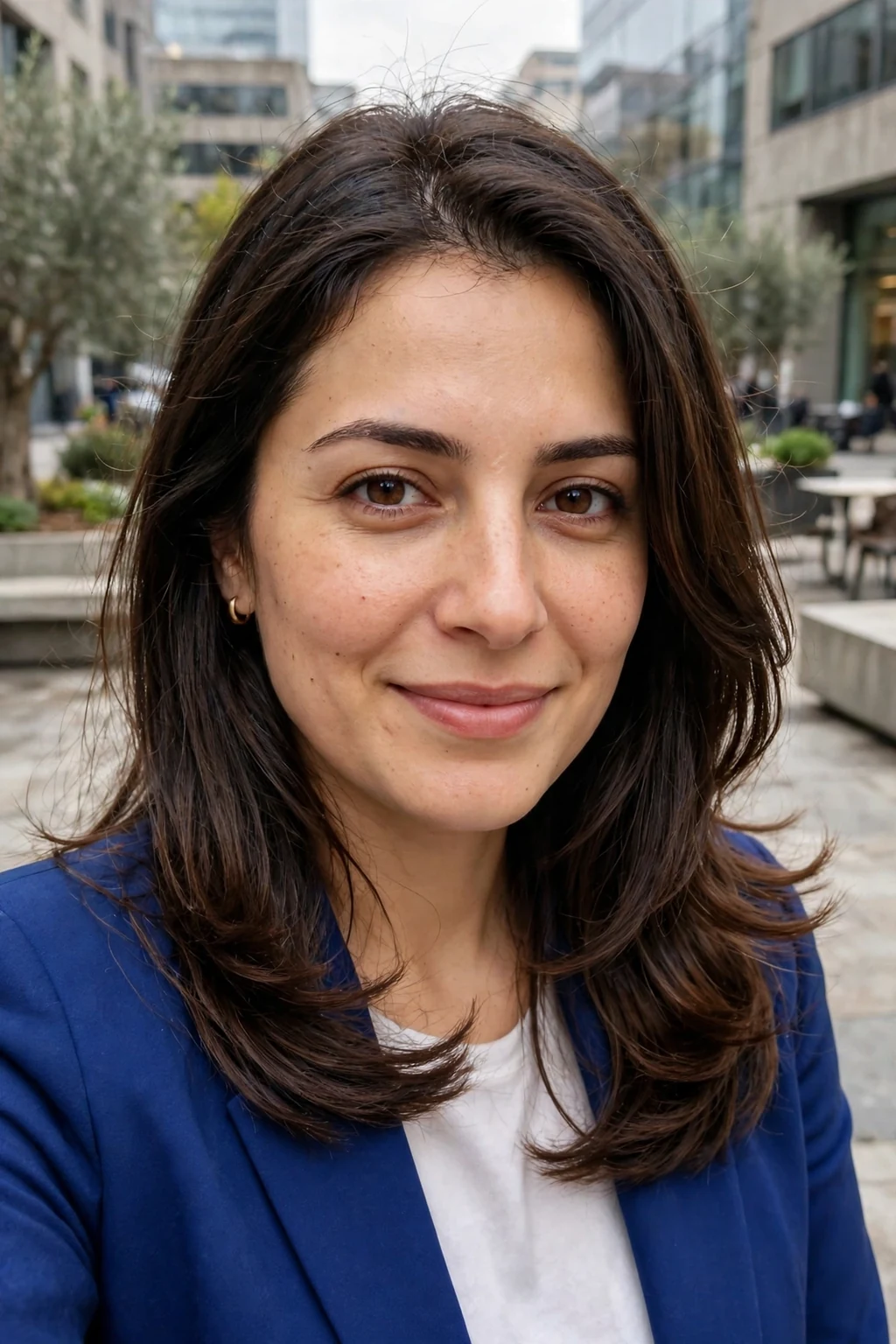
How to Choose the Right Interview Hairstyle
The best interview hairstyle is the one you can wear without thinking about it: a style that stays in place, keeps hair out of your face and matches the formality of the workplace you are hoping to join. Choose a familiar style over a brand-new experiment on interview day, practise it once or twice beforehand, and pick a finish that feels like you on your most polished day. Comfort matters as much as appearance, because a style you trust lets you focus entirely on the conversation.
Interview hairstyles work best when they are neat, intentional and easy to maintain through a long day of meetings, travel and waiting rooms. A trim in the week before your interview, a small bag of pins and a travel-size spray, and a final check in natural light will keep any of these 60 styles looking fresh. Choose the hairstyle that makes you feel confident, capable and ready, and that confidence will come through in every answer you give.
Conclusion
From a sleek low bun to soft, defined curls pinned back, these 60 interview hairstyles prove that professional hair can still feel personal, modern and beautiful. Choose the style that suits your hair, your face and the role you want, practise it before the big day, and walk into your interview looking polished, confident and completely ready.