
Winter hairstyles are all about warmth, protection, and effortless style that holds up against cold wind, hats, and dry air. These 25 winter hairstyles are cozy, chic, and practical, giving you beautiful hair that looks polished from frosty mornings to festive evenings.
1. Cozy Layered Lob
The cozy layered lob is winter's most wearable cut: a collarbone-length bob with soft, blended layers that add movement without sacrificing warmth or coverage around the neck. Its shape is rounded and full, with ends that curve gently inward and layers that keep thick hair from feeling heavy under a coat. The finish is smooth yet touchable, with natural swing that survives a scarf and revives easily after a hat. It looks polished at work, relaxed on weekends, and effortlessly pretty at winter gatherings, making it the season's true all-rounder. Against heavy coats, chunky scarves, and knit hats, this silhouette keeps its balance, adding softness where winter clothing adds bulk and structure where an outfit needs polish. The texture is deliberately winter-friendly, resisting the flattening effect of hats and the frizz that dry heated rooms can cause, so the style still looks intentional at the end of a long day. From the front, the framing around the face is the star, while from the side and back the shape holds its outline, which matters when coats and scarves hide much of the hair.
This cut suits oval, round, and heart-shaped faces beautifully, and it works on straight, wavy, and lightly curled hair of fine to medium density. To style, apply a heat protectant and a pea-sized amount of smoothing cream to damp hair, then blow-dry with a round brush, turning the ends under for that cozy curved finish. A light oil on the ends prevents winter static and split ends. Trim every six to eight weeks to keep the shape crisp, and grow-out is graceful, lengthening into a layered midi cut. Try it when you want a low-fuss winter style that frames the face, flatters a coat collar, and always looks intentionally finished. Keep a travel-sized hair oil or smoothing cream in your coat pocket for midday touch-ups, pressing a single drop over flyaways rather than adding more heat or heavy product. If you wear a beanie or hood often, shake the style out gently at the roots when you arrive indoors and mist lightly with texturizing spray instead of brushing it flat.

2. Winter Curtain Bangs
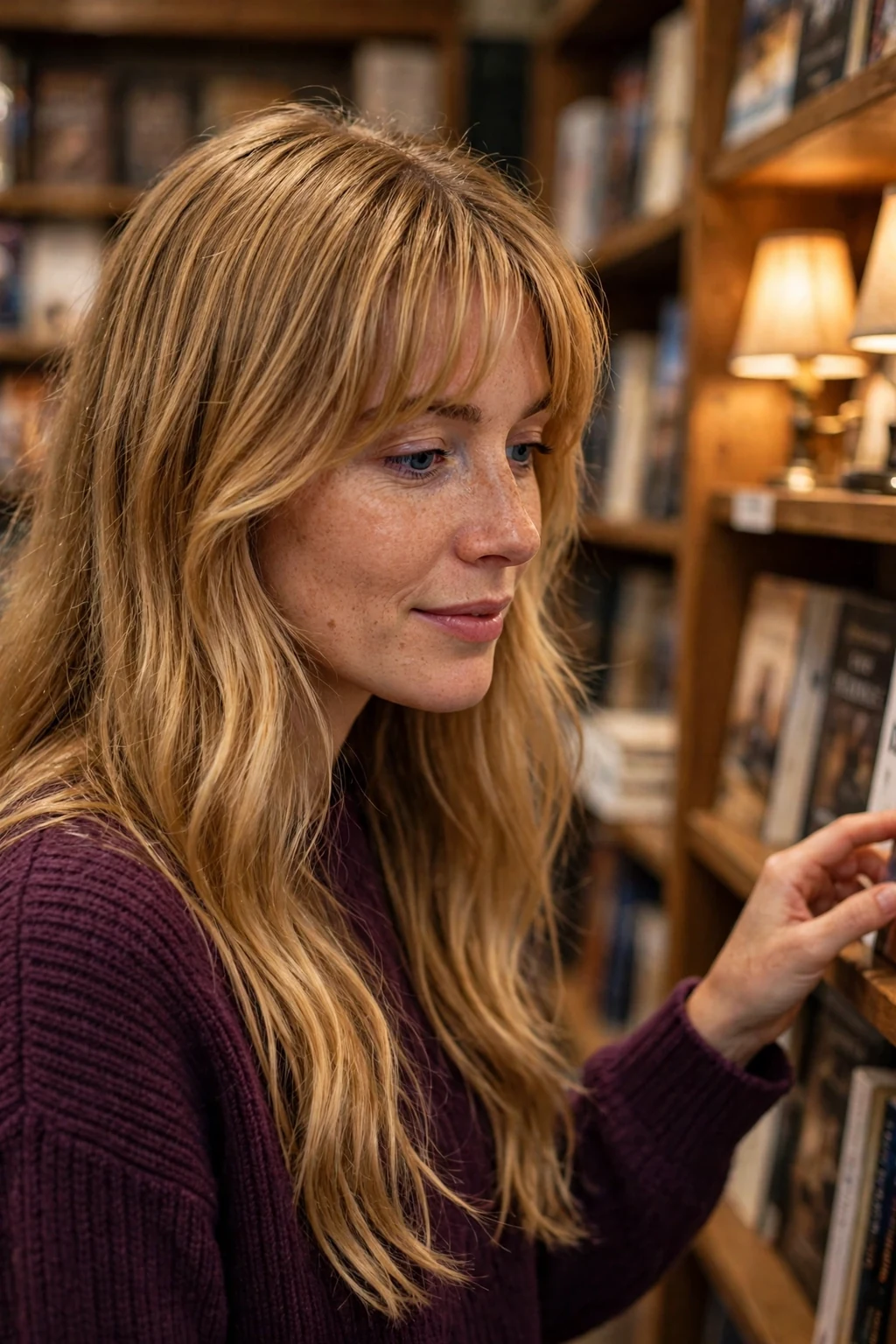
Winter curtain bangs are the softest way to refresh long hair for the cold season: face-framing layers parted in the middle that sweep outward like curtains, drawing attention to the eyes and cheekbones. Their shape is romantic and forgiving, with longer pieces that blend into the lengths so they grow out beautifully under winter hats. The finish is feathered and airy rather than blunt, which means they sit gracefully even when flattened by a beanie and spring back with a quick finger-comb. They add instant polish to simple winter outfits without demanding a full restyle every morning. The texture is deliberately winter-friendly, resisting the flattening effect of hats and the frizz that dry heated rooms can cause, so the style still looks intentional at the end of a long day. From the front, the framing around the face is the star, while from the side and back the shape holds its outline, which matters when coats and scarves hide much of the hair. It photographs beautifully in winter settings, from snowy sidewalks to candlelit rooms, because the finish has enough dimension to catch light without looking overstyled or stiff.
These bangs flatter oval, round, square, and heart-shaped faces, and they suit straight to wavy hair of medium density best. To style, blow-dry the front sections away from the face with a small round brush, or twist them while damp and let them air-dry for a softer curve. A dab of light styling cream tames flyaways caused by dry winter air, and a dry shampoo refreshes the fringe between washes. Trim the bangs every four to five weeks to hold the length, while the rest of the hair needs only a standard eight-week trim. Choose curtain bangs when you want a noticeable but low-risk winter change that softens the face and pairs perfectly with turtlenecks and coats. If you wear a beanie or hood often, shake the style out gently at the roots when you arrive indoors and mist lightly with texturizing spray instead of brushing it flat. Protect the lengths from scarf friction by smoothing them under a silk-lined hood or by choosing this contained shape on especially windy days, which also reduces tangling.
3. Sleek Low Chignon
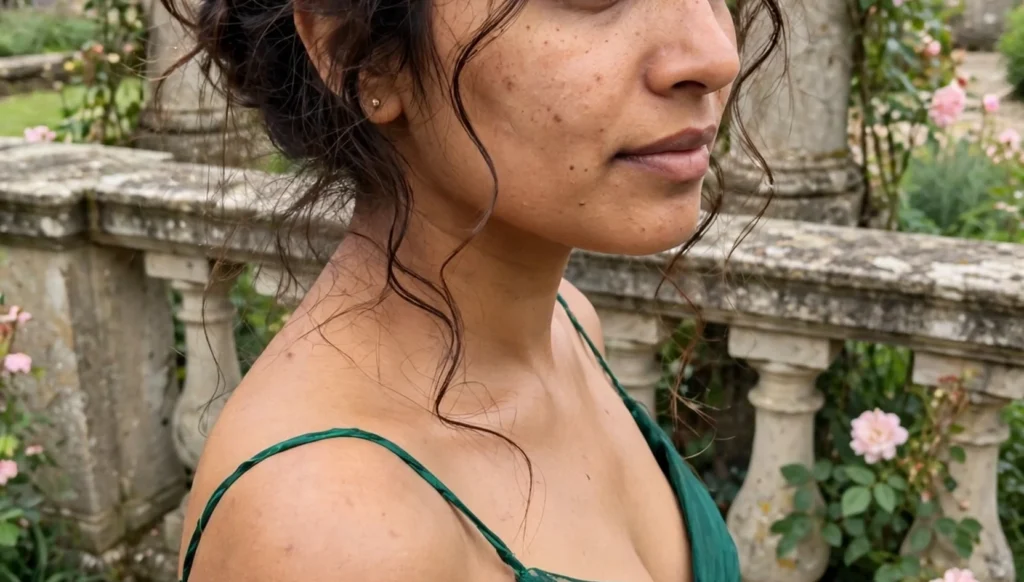
The sleek low chignon is winter elegance distilled: hair smoothed back and twisted into a low, polished knot at the nape, with a glossy, controlled finish that never fights a coat collar. Its shape is refined and elongated, lengthening the neck and showcasing earrings, a high collar, or a festive neckline. The surface is smooth and shiny, with no flyaways escaping, which makes it ideal for holiday parties, weddings, and formal dinners when the weather outside is anything but calm. It photographs beautifully and holds its shape for hours, even through a long evening indoors. From the front, the framing around the face is the star, while from the side and back the shape holds its outline, which matters when coats and scarves hide much of the hair. It photographs beautifully in winter settings, from snowy sidewalks to candlelit rooms, because the finish has enough dimension to catch light without looking overstyled or stiff. The overall impression is warm and approachable rather than severe, which suits the season's social rhythm of gatherings, markets, family meals, and quiet evenings indoors.
This updo suits oval, oblong, and heart-shaped faces, and it works best on straight or smoothed wavy hair of medium to thick density. To style, apply smoothing serum to damp hair, blow-dry straight, gather hair low at the nape, twist, and pin securely with bobby pins that match your hair color. Finish with a flexible-hold hairspray and a touch of shine spray for the glossy effect. Because it is an updo, maintenance is about hair health rather than trims: keep ends moisturized through winter and trim every eight weeks. Try the sleek low chignon when you need a timeless, weather-proof formal style that looks expensive, feels secure, and flatters almost every festive outfit. Protect the lengths from scarf friction by smoothing them under a silk-lined hood or by choosing this contained shape on especially windy days, which also reduces tangling. A silk or satin pillowcase helps preserve the style overnight in winter, reducing friction and frizz so morning styling takes only a few minutes rather than a full redo.

4. Textured Winter Shag
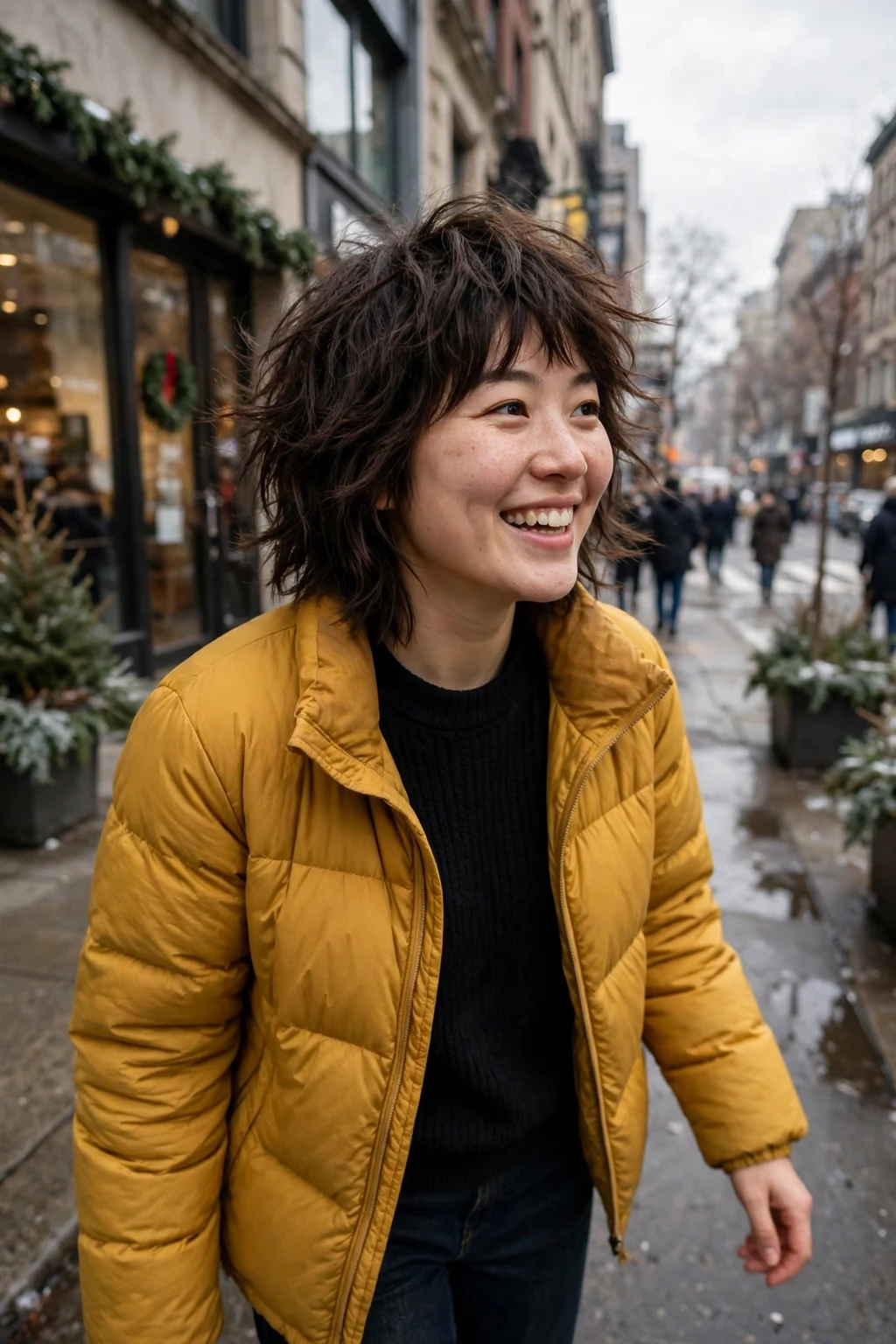
The textured winter shag is cold-weather cool: choppy, broken-up layers with a piecey crown, soft volume, and face-framing bits that look better the less you fuss over them. Its shape is full and slightly undone, with ends that flick naturally and movement that survives wind, hats, and scarves. The finish is lived-in and touchable, never stiff or over-styled, which is exactly why it thrives in winter when perfect blowouts collapse by midday. It brings youthful energy to heavy coats and chunky knits, balancing bulk with airy texture on top. It photographs beautifully in winter settings, from snowy sidewalks to candlelit rooms, because the finish has enough dimension to catch light without looking overstyled or stiff. The overall impression is warm and approachable rather than severe, which suits the season's social rhythm of gatherings, markets, family meals, and quiet evenings indoors. Because winter hair often battles static and dryness, the cut is designed with enough internal movement that a little natural texture only adds character instead of looking messy.
This cut suits oval, round, and heart-shaped faces, and it works best on straight to wavy hair of medium density. To style, work a small amount of texturizing cream through damp hair, scrunch, and air-dry or diffuse on low heat, then shake out the layers with your fingers. A texturizing spray revives the shape after wearing a hat. Trim every seven to nine weeks to keep the choppiness intentional rather than overgrown, and grow-out softens into a longer shag rather than losing its shape. Choose the textured winter shag when you want a fun, low-maintenance cut that embraces winter messiness, adds volume to flat cold-weather hair, and looks effortlessly stylish every day. A silk or satin pillowcase helps preserve the style overnight in winter, reducing friction and frizz so morning styling takes only a few minutes rather than a full redo. Schedule trims before the coldest weeks and again in late winter, since removing dry ends early prevents splits from travelling upward and keeps the shape looking fresh.
5. Voluminous Winter Blowout
The voluminous winter blowout is pure cold-season glamour: big, bouncy hair with lifted roots, smooth lengths, and ends that flip with movement. Its shape is full and rounded, with volume placed at the crown and through the mid-lengths so hair never looks flat under a coat hood. The finish is glossy and polished, with a healthy shine that stands out beautifully against dark winter clothing and festive lights. It is the style for holiday photos, date nights, and any day when you want your hair to feel like the main event rather than an afterthought. The overall impression is warm and approachable rather than severe, which suits the season's social rhythm of gatherings, markets, family meals, and quiet evenings indoors. Because winter hair often battles static and dryness, the cut is designed with enough internal movement that a little natural texture only adds character instead of looking messy. It also transitions gracefully between outdoor cold and indoor warmth, so you do not need to restyle completely when you step inside and remove your hat or scarf.
This blowout suits oval, oblong, and heart-shaped faces, and it works on straight to wavy hair of fine to medium density, where root lift creates convincing fullness. To style, apply volumizing mousse to damp roots, blow-dry in sections with a large round brush, lifting at the crown and rolling the ends, then set with a cool shot and a light flexible-hold spray. A silk scarf under a hat protects the volume on the way out. Blowouts last two to three days with dry shampoo at the roots. Trim every eight weeks to keep ends healthy. Try it when you want maximum winter impact, camera-ready shine, and hair that feels celebratory all season. Schedule trims before the coldest weeks and again in late winter, since removing dry ends early prevents splits from travelling upward and keeps the shape looking fresh. On wash days, let hair dry most of the way before using heat tools, and always use a heat protectant, because winter hair is already drier and more vulnerable to damage.

6. Soft Snowy Waves
Soft snowy waves are winter romance in hair form: loose, touchable waves that fall gently past the shoulders with a matte, snowy softness rather than summer shine. Their shape is relaxed and full, with waves that start below the cheekbones so the face stays open and the lengths carry all the movement. The finish is soft and slightly tousled, as if shaped by cold air rather than a styling tool, which makes them forgiving on busy mornings. They pair beautifully with knitwear, scarves, and coats, adding softness to the structured layers of a winter wardrobe. Because winter hair often battles static and dryness, the cut is designed with enough internal movement that a little natural texture only adds character instead of looking messy. It also transitions gracefully between outdoor cold and indoor warmth, so you do not need to restyle completely when you step inside and remove your hat or scarf. In winter light, the shape reads even more clearly, because soft daylight and festive indoor lighting both highlight the layers, texture, and movement without exposing every stray hair.
These waves suit oval, round, and heart-shaped faces, and they work best on naturally wavy or easily waved hair of medium density. To style, apply a wave-enhancing cream to damp hair, braid loosely overnight or use a large-barrel curling wand on alternating sections, then brush through gently for softness. A light texturizing spray holds the wave without stiffness, and a drop of oil smooths winter frizz. Trim every eight to ten weeks to prevent dry ends from breaking the wave pattern. Choose soft snowy waves when you want a feminine, low-effort winter look that feels cozy, moves beautifully in cold air, and never looks overdone. On wash days, let hair dry most of the way before using heat tools, and always use a heat protectant, because winter hair is already drier and more vulnerable to damage. Between washes, dry shampoo at the roots and a light mist of leave-in conditioner on the ends will revive the look without stripping the natural oils winter hair needs.

7. Braided Winter Crown
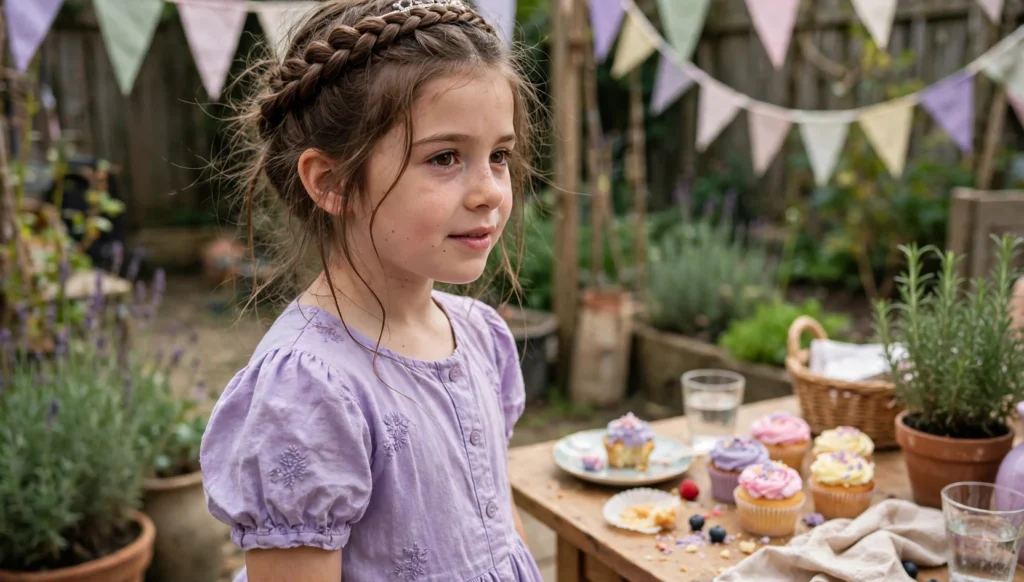
The braided winter crown wraps elegance around the head: two braids drawn up and pinned across the crown like a halo, leaving the face open and the neck free. Its shape is regal yet cozy, with braid texture adding visual interest from every angle and a soft, slightly loosened finish that keeps it romantic rather than severe. It holds up brilliantly under winter conditions because braids resist wind, static, and hat flattening, then look just as pretty hours later at a holiday table. It is festive without being fussy, and it works for both casual gatherings and formal winter events. It also transitions gracefully between outdoor cold and indoor warmth, so you do not need to restyle completely when you step inside and remove your hat or scarf. In winter light, the shape reads even more clearly, because soft daylight and festive indoor lighting both highlight the layers, texture, and movement without exposing every stray hair. Against heavy coats, chunky scarves, and knit hats, this silhouette keeps its balance, adding softness where winter clothing adds bulk and structure where an outfit needs polish.
This style suits oval, round, and heart-shaped faces, and it works on medium to long hair of most textures, with thicker hair giving a fuller crown. To style, part hair down the middle, braid each side, wrap the braids across the top of the head, and pin securely, pulling a few face-framing pieces loose for softness. A light hairspray and a few extra pins keep it secure in wind. It is a one-day style that protects ends from cold air, so pair it with a weekly hydrating mask and trims every eight weeks. Try the braided winter crown when you want a show-stopping, weather-proof updo that feels like a winter fairytale and keeps hair completely out of your scarf. Between washes, dry shampoo at the roots and a light mist of leave-in conditioner on the ends will revive the look without stripping the natural oils winter hair needs. For winter care, switch to a richer conditioner and a weekly hydrating mask, since cold air outside and heated air inside both strip moisture and make ends more prone to splitting.
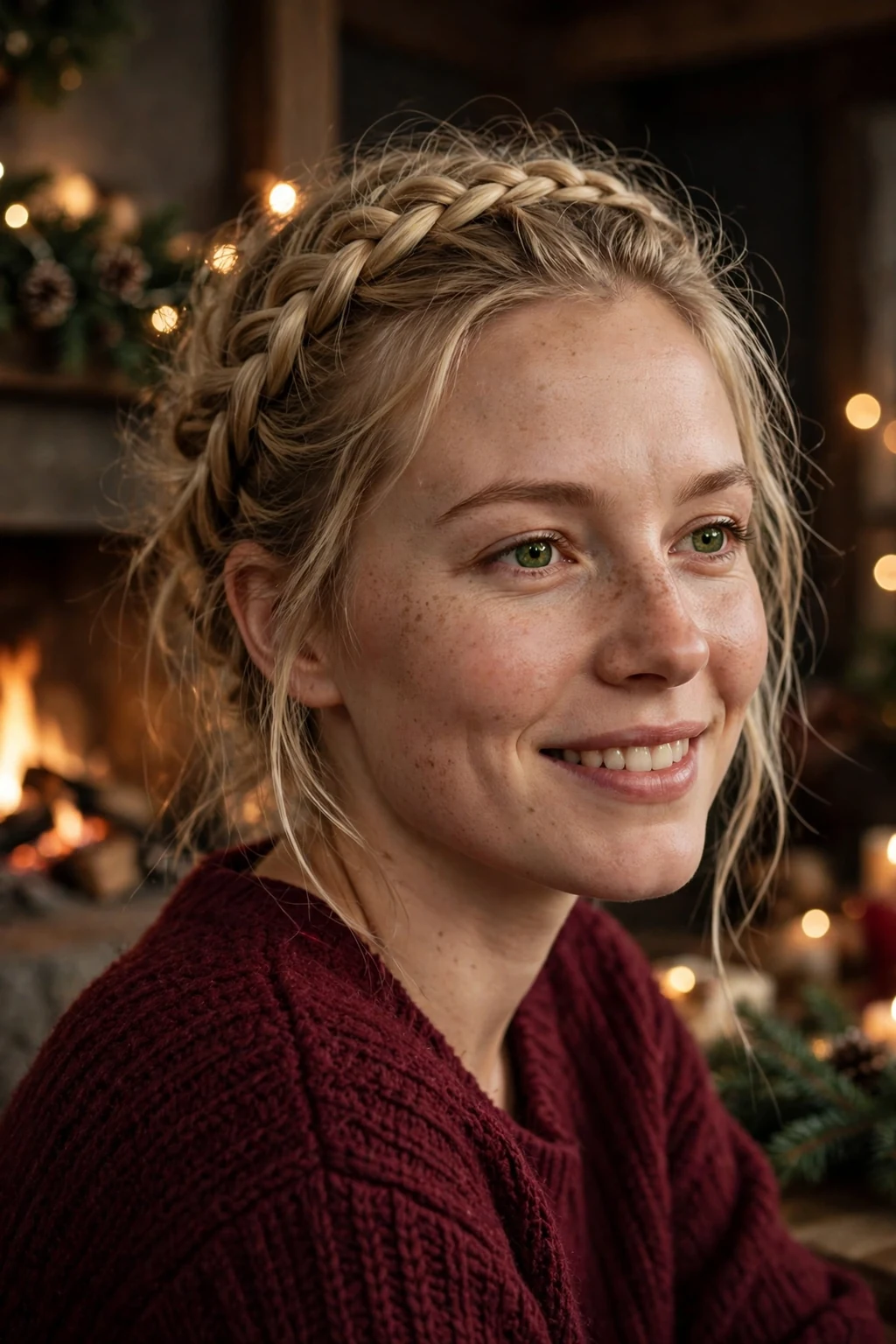
8. Fishtail Winter Braid
The fishtail winter braid is intricate beauty that actually survives winter: a woven braid with a distinctive herringbone pattern that lies flat, stays secure, and looks far more complex than it is to create. Its shape is long and elegant, draping over one shoulder or down the back, with a slightly loosened, pancaked finish that adds fullness and texture. The finish is neat yet relaxed, and because the braid is contained, it resists tangling in scarves, wind, and coat collars far better than loose hair. It is a practical everyday style that still earns compliments at winter markets and office parties alike. In winter light, the shape reads even more clearly, because soft daylight and festive indoor lighting both highlight the layers, texture, and movement without exposing every stray hair. Against heavy coats, chunky scarves, and knit hats, this silhouette keeps its balance, adding softness where winter clothing adds bulk and structure where an outfit needs polish. The texture is deliberately winter-friendly, resisting the flattening effect of hats and the frizz that dry heated rooms can cause, so the style still looks intentional at the end of a long day.
This braid suits all face shapes, especially oval and heart-shaped faces, and it works on medium to long hair of straight to wavy texture. To create it, divide hair into two sections and alternately cross small outer pieces to the opposite side, then gently pull the braid wider for fullness. A texturizing spray before braiding gives grip, and a clear elastic plus a light spray finish the look. It protects ends from cold damage and can be worn for a day or two. Trim every eight weeks to keep ends neat. Choose the fishtail winter braid when you want a protective, eye-catching style that keeps hair tidy in wind and looks beautifully detailed up close. For winter care, switch to a richer conditioner and a weekly hydrating mask, since cold air outside and heated air inside both strip moisture and make ends more prone to splitting. Keep a travel-sized hair oil or smoothing cream in your coat pocket for midday touch-ups, pressing a single drop over flyaways rather than adding more heat or heavy product.
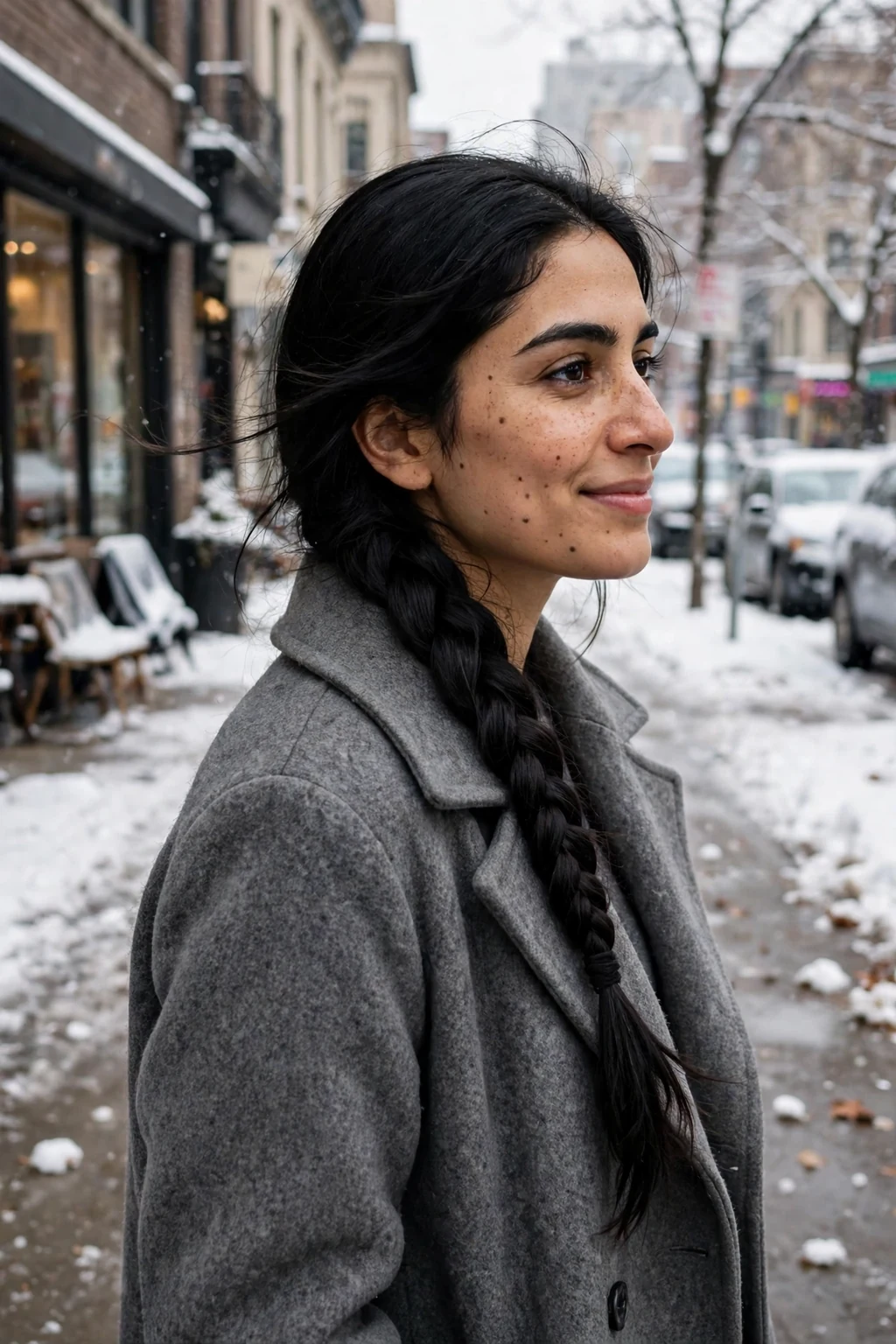
9. High Winter Ponytail
The high winter ponytail is energy and polish in one pull: hair gathered high at the crown, with a smooth base, lifted roots, and lengths that swing freely. Its shape is youthful and elongating, opening the face and showing off cheekbones while keeping hair completely away from scarves and coat collars. The finish can be sleek or slightly textured, and wrapping a small section of hair around the elastic gives it a finished, expensive look. It is ideal for active winter days, from ice skating to holiday shopping, when you need hair secure but still stylish. Against heavy coats, chunky scarves, and knit hats, this silhouette keeps its balance, adding softness where winter clothing adds bulk and structure where an outfit needs polish. The texture is deliberately winter-friendly, resisting the flattening effect of hats and the frizz that dry heated rooms can cause, so the style still looks intentional at the end of a long day. From the front, the framing around the face is the star, while from the side and back the shape holds its outline, which matters when coats and scarves hide much of the hair.
This ponytail suits oval, heart, and diamond-shaped faces, and it works on straight to wavy hair of medium to thick density. To style, smooth hair back with a light gel or cream, secure high with a strong elastic, wrap a strand around the base, and add a wave or curl to the lengths for movement. A light hairspray controls flyaways from dry air, and a silk scrunchie prevents breakage. Because it pulls hair up, keep the scalp comfortable by varying ponytail height across days, and trim every eight weeks. Try it when you want a confident, sporty winter style that stays put in wind, flatters a high collar, and takes under five minutes. Keep a travel-sized hair oil or smoothing cream in your coat pocket for midday touch-ups, pressing a single drop over flyaways rather than adding more heat or heavy product. If you wear a beanie or hood often, shake the style out gently at the roots when you arrive indoors and mist lightly with texturizing spray instead of brushing it flat.

10. Messy Winter Top Knot
The messy winter top knot is cozy-day perfection: hair twisted loosely on top of the head with soft, face-framing pieces left free for a relaxed, lived-in finish. Its shape is high and airy, adding height that balances chunky knits and oversized scarves, while the loose texture keeps it from looking severe. The finish is intentionally imperfect, with gentle wisps and volume that make it feel effortless rather than undone. It is the ultimate winter weekend style, perfect for coffee runs, lazy mornings, and days when a hat has flattened everything else. The texture is deliberately winter-friendly, resisting the flattening effect of hats and the frizz that dry heated rooms can cause, so the style still looks intentional at the end of a long day. From the front, the framing around the face is the star, while from the side and back the shape holds its outline, which matters when coats and scarves hide much of the hair. It photographs beautifully in winter settings, from snowy sidewalks to candlelit rooms, because the finish has enough dimension to catch light without looking overstyled or stiff.
This knot suits oval, round, and heart-shaped faces, and it works on medium to long hair of most textures, with wavy hair giving the best natural texture. To style, gather hair high, twist loosely, wrap into a bun, and pin, pulling out a few strands around the face and nape for softness. A texturizing spray adds grip and hold, and a light spray keeps flyaways in check without stiffness. It protects ends from cold air and friction, so it doubles as a protective style. Trim every eight weeks for healthy ends. Choose the messy winter top knot when you want a fast, forgiving, and cute winter updo that looks deliberately stylish and survives a beanie with ease. If you wear a beanie or hood often, shake the style out gently at the roots when you arrive indoors and mist lightly with texturizing spray instead of brushing it flat. Protect the lengths from scarf friction by smoothing them under a silk-lined hood or by choosing this contained shape on especially windy days, which also reduces tangling.

11. Classic Winter Bob
The classic winter bob is timeless structure for cold weather: a chin-to-jaw-length cut with a clean silhouette, smooth surface, and ends that tuck neatly under scarves without flipping out uncontrollably. Its shape is precise and elegant, with a rounded or slightly angled outline that frames the face and showcases a coat collar or statement earrings. The finish is glossy and controlled, which makes it look polished even on the grayest winter day. Shorter hair also dries faster on cold mornings, a practical winter advantage that never goes out of style. From the front, the framing around the face is the star, while from the side and back the shape holds its outline, which matters when coats and scarves hide much of the hair. It photographs beautifully in winter settings, from snowy sidewalks to candlelit rooms, because the finish has enough dimension to catch light without looking overstyled or stiff. The overall impression is warm and approachable rather than severe, which suits the season's social rhythm of gatherings, markets, family meals, and quiet evenings indoors.
This bob suits oval, heart, and square faces, and it works best on straight to slightly wavy hair of fine to medium density. To style, apply smoothing cream to damp hair, blow-dry with a round brush turning ends under, and finish with shine serum for the signature gloss. A flat iron smooths any winter frizz, and a light spray holds the shape in wind. Trim every five to six weeks to keep the line sharp, and grow-out transitions into a soft lob. Try the classic winter bob when you want a chic, low-drying-time cut that looks intentional every day, flatters winter tailoring, and never battles your scarf. Protect the lengths from scarf friction by smoothing them under a silk-lined hood or by choosing this contained shape on especially windy days, which also reduces tangling. A silk or satin pillowcase helps preserve the style overnight in winter, reducing friction and frizz so morning styling takes only a few minutes rather than a full redo. Schedule trims before the coldest weeks and again in late winter, since removing dry ends early prevents splits from travelling upward and keeps the shape looking fresh.
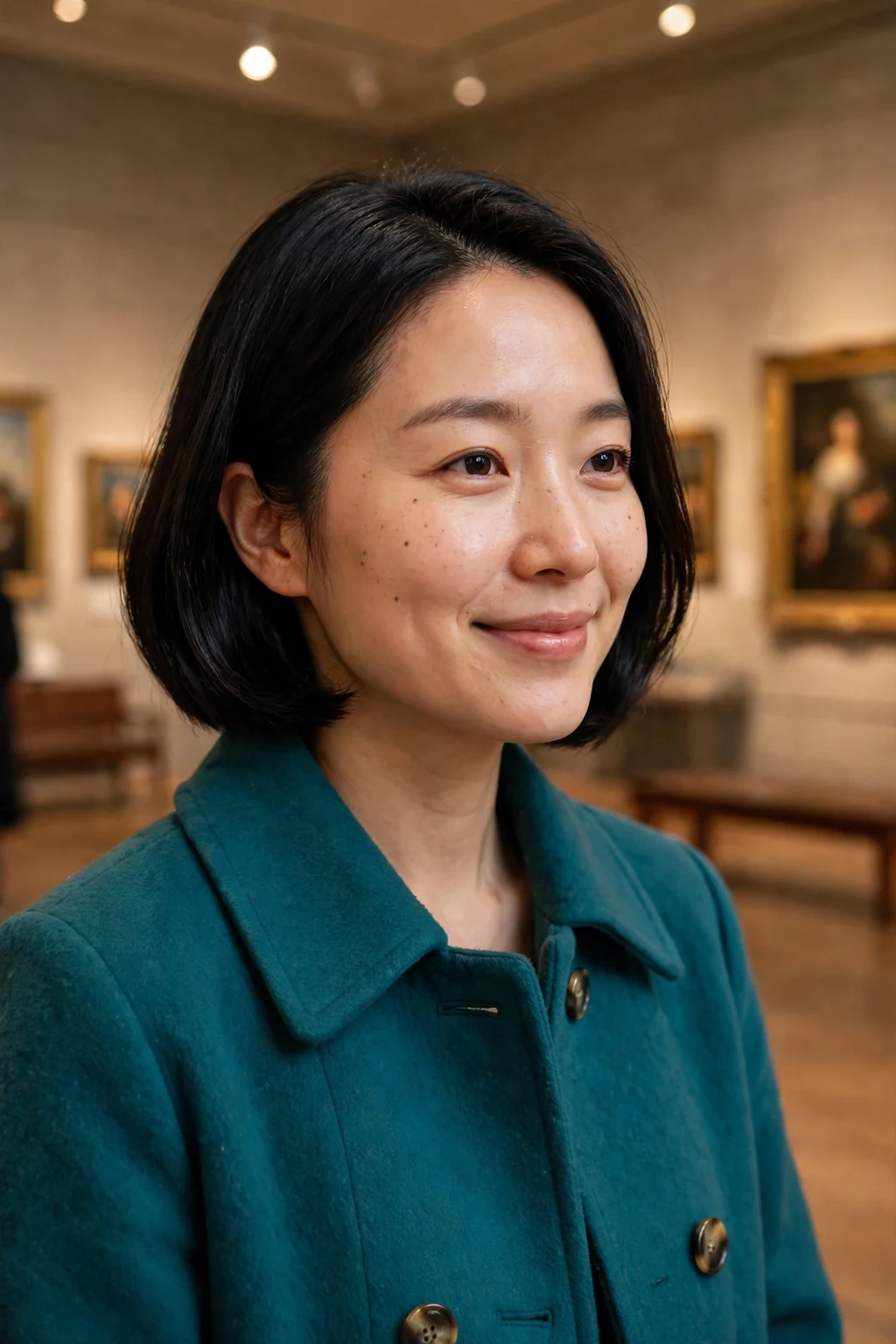
12. Warm Balayage Winter Layers
Warm balayage winter layers bring light to the darkest season: hand-painted ribbons of caramel, honey, and cinnamon woven through layered hair for dimension that mimics winter sunlight. The shape is layered and flowing, with color placed to brighten the face and add depth through the lengths without harsh regrowth lines. The finish is dimensional and glossy, with warm tones that glow against dark coats and pale winter skin. It is the ideal winter color refresh because balayage grows out softly, so you are not tied to frequent salon visits in bad weather. It photographs beautifully in winter settings, from snowy sidewalks to candlelit rooms, because the finish has enough dimension to catch light without looking overstyled or stiff. The overall impression is warm and approachable rather than severe, which suits the season's social rhythm of gatherings, markets, family meals, and quiet evenings indoors. Because winter hair often battles static and dryness, the cut is designed with enough internal movement that a little natural texture only adds character instead of looking messy.
This look suits oval, round, and heart-shaped faces, and it works on straight to wavy hair of medium to thick density. To achieve it, ask your colorist for warm balayage with face-framing brightness and layered cutting to showcase the dimension. At home, use color-safe shampoo, a weekly hydrating mask, and a gloss treatment every six weeks to keep warmth rich rather than brassy. Style with a round-brush blow-dry or loose waves to show off the color. Trim every eight weeks. Choose warm balayage winter layers when you want winter hair that looks sun-kissed, dimensional, and low-maintenance, with color that flatters festive outfits and brightens dreary days. A silk or satin pillowcase helps preserve the style overnight in winter, reducing friction and frizz so morning styling takes only a few minutes rather than a full redo. Schedule trims before the coldest weeks and again in late winter, since removing dry ends early prevents splits from travelling upward and keeps the shape looking fresh. On wash days, let hair dry most of the way before using heat tools, and always use a heat protectant, because winter hair is already drier and more vulnerable to damage.

13. Winter Pixie with Side Sweep
The winter pixie with side sweep is bold warmth in miniature: a short, tailored pixie with longer swept fringe across the forehead, giving coverage, softness, and striking shape in minimal length. Its shape is sculpted yet feminine, with textured layers on top, neat sides, and a sweeping fringe that frames the eyes and cheekbones. The finish is piecey and modern, with enough length on top to style differently each day. It pairs beautifully with scarves, high collars, and statement coats, because the short silhouette never competes with winter layers. The overall impression is warm and approachable rather than severe, which suits the season's social rhythm of gatherings, markets, family meals, and quiet evenings indoors. Because winter hair often battles static and dryness, the cut is designed with enough internal movement that a little natural texture only adds character instead of looking messy. It also transitions gracefully between outdoor cold and indoor warmth, so you do not need to restyle completely when you step inside and remove your hat or scarf.
This pixie suits oval, heart, and diamond faces, and it works on straight to wavy hair of fine to medium density, where texture creates fullness. To style, work a pea-sized amount of pomade or texturizing cream through damp hair, sweep the fringe to one side, and air-dry or blow-dry with fingers for piecey separation. A light spray holds the sweep in wind. Trim every four to five weeks to keep the shape crisp, and grow-out becomes a soft short shag. Try it when you want a confident, fast-drying winter cut that looks edgy yet wearable, frees you from hat hair entirely, and makes a strong impression with minimal effort. Schedule trims before the coldest weeks and again in late winter, since removing dry ends early prevents splits from travelling upward and keeps the shape looking fresh. On wash days, let hair dry most of the way before using heat tools, and always use a heat protectant, because winter hair is already drier and more vulnerable to damage.

14. Half-Up Winter Twist
The half-up winter twist is the perfect middle ground: the top section twisted back and pinned, leaving the lengths free to move, curl, or wave. Its shape is open and romantic, with twisted detail at the crown adding interest while the loose hair keeps the look soft and winter-appropriate. The finish is polished but relaxed, with face-framing pieces softening the twist and preventing a scraped-back look. It survives hats better than a full updo because the loose lengths can be refreshed quickly, and it transitions easily from daytime errands to evening gatherings. Because winter hair often battles static and dryness, the cut is designed with enough internal movement that a little natural texture only adds character instead of looking messy. It also transitions gracefully between outdoor cold and indoor warmth, so you do not need to restyle completely when you step inside and remove your hat or scarf. In winter light, the shape reads even more clearly, because soft daylight and festive indoor lighting both highlight the layers, texture, and movement without exposing every stray hair.
This style suits oval, round, and heart-shaped faces, and it works on medium to long hair of straight to wavy texture. To style, take two front sections, twist each back toward the crown, cross and pin them, then curl or wave the remaining lengths loosely. A texturizing spray gives the twist grip, and a light hairspray holds it through wind and indoor heat. It is gentle on ends and pairs well with weekly conditioning in winter. Trim every eight weeks. Choose the half-up winter twist when you want a pretty, practical style that keeps hair out of your face, shows off your length, and looks festive with almost no effort. On wash days, let hair dry most of the way before using heat tools, and always use a heat protectant, because winter hair is already drier and more vulnerable to damage. Between washes, dry shampoo at the roots and a light mist of leave-in conditioner on the ends will revive the look without stripping the natural oils winter hair needs.

15. Deep Side Part Winter Glam
Deep side part winter glam is old-Hollywood drama for cold nights: hair parted deeply to one side, with voluminous waves cascading over one shoulder and a sleek, controlled side. Its shape is asymmetrical and striking, creating instant volume at the crown and a sweeping line that draws the eye across the face. The finish is glossy and sculpted, with waves that hold their shape through an evening of dancing, dining, and moving between cold outdoors and warm rooms. It is the definitive winter party hairstyle, made for festive dresses, sparkling jewelry, and memorable photos. It also transitions gracefully between outdoor cold and indoor warmth, so you do not need to restyle completely when you step inside and remove your hat or scarf. In winter light, the shape reads even more clearly, because soft daylight and festive indoor lighting both highlight the layers, texture, and movement without exposing every stray hair. Against heavy coats, chunky scarves, and knit hats, this silhouette keeps its balance, adding softness where winter clothing adds bulk and structure where an outfit needs polish.
This glam style suits oval, oblong, and heart-shaped faces, and it works on straight to wavy hair of medium to thick density. To style, create a deep side part on damp hair, apply volumizing mousse, blow-dry with a round brush, then set large sections with a curling wand away from the face and brush into soft waves. Strong yet flexible hairspray and a shine spray finish the look. It is a one-evening style, so protect hair afterward with a hydrating mask and trim every eight weeks. Try deep side part winter glam when you want maximum festive impact, a face-framing sweep that flatters almost everyone, and hair that looks red-carpet ready all night. Between washes, dry shampoo at the roots and a light mist of leave-in conditioner on the ends will revive the look without stripping the natural oils winter hair needs. For winter care, switch to a richer conditioner and a weekly hydrating mask, since cold air outside and heated air inside both strip moisture and make ends more prone to splitting.
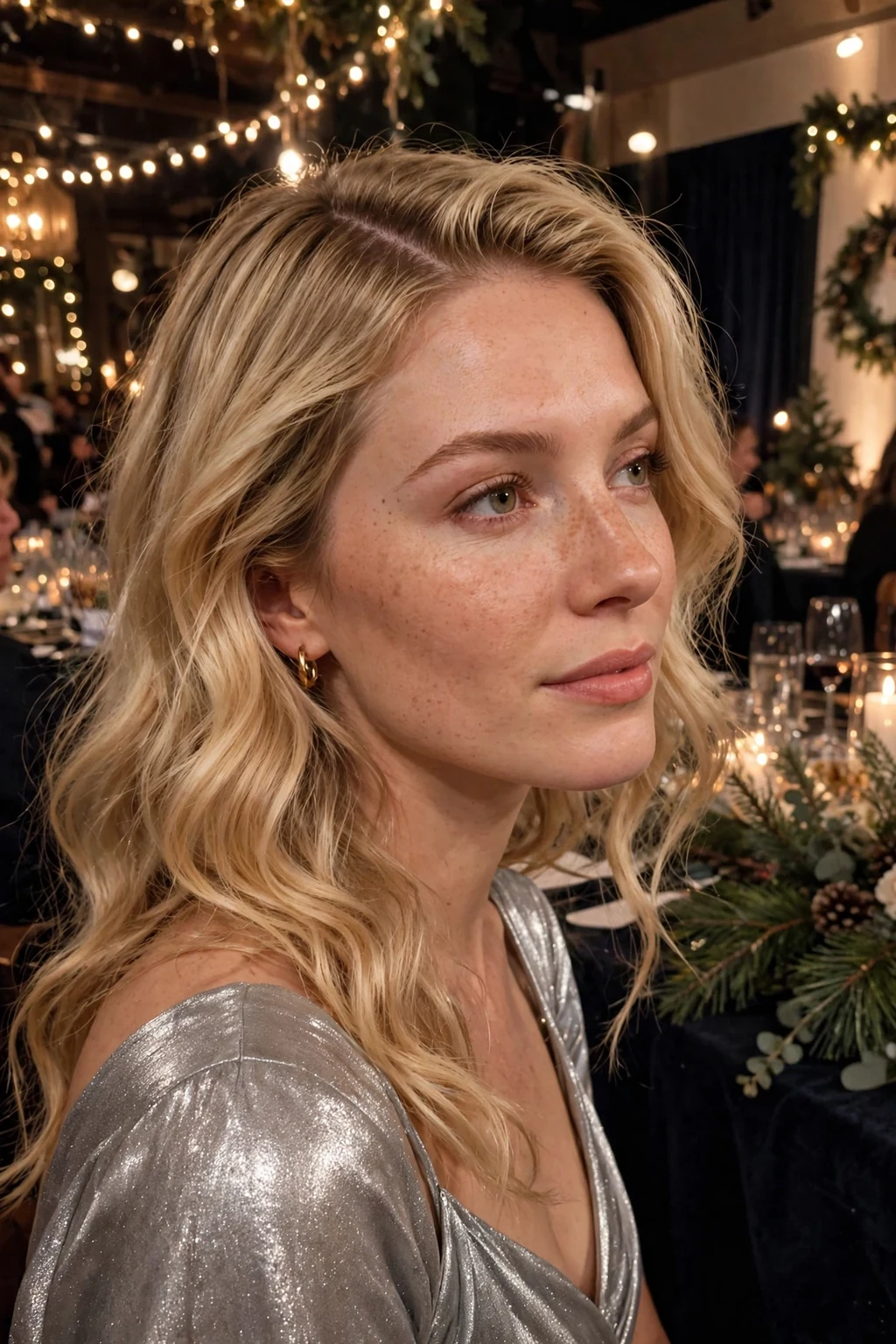
16. Winter French Braid
The winter French braid is the classic protective style that never fails: hair woven from the crown down into a single neat braid that stays secure through wind, snow, and long days outdoors. Its shape is tidy and elongated, hugging the head at the top and falling gracefully down the back, with a smooth finish that resists frizz and tangling. It keeps every strand contained under hats and scarves, which means no knots, no static flyaways, and no midday restyling. It is equally at home on a winter hike, at the office, or under a festive hat at a holiday market. In winter light, the shape reads even more clearly, because soft daylight and festive indoor lighting both highlight the layers, texture, and movement without exposing every stray hair. Against heavy coats, chunky scarves, and knit hats, this silhouette keeps its balance, adding softness where winter clothing adds bulk and structure where an outfit needs polish. The texture is deliberately winter-friendly, resisting the flattening effect of hats and the frizz that dry heated rooms can cause, so the style still looks intentional at the end of a long day.
This braid suits all face shapes and works on medium to long hair of most textures, with slightly textured hair giving the best grip. To style, brush hair smooth, braid from the hairline adding sections as you go, secure with an elastic, and loosen the braid slightly for softness if desired. A light styling cream before braiding controls winter flyaways, and a silk scrunchie at the end prevents breakage. It protects ends from cold and friction, so it is excellent for winter hair health. Trim every eight weeks. Choose the winter French braid when you need a reliable, elegant, weather-proof style that takes minutes, lasts all day, and keeps hair healthy through the harshest season. For winter care, switch to a richer conditioner and a weekly hydrating mask, since cold air outside and heated air inside both strip moisture and make ends more prone to splitting. Keep a travel-sized hair oil or smoothing cream in your coat pocket for midday touch-ups, pressing a single drop over flyaways rather than adding more heat or heavy product.

17. Cozy Winter Curls
Cozy winter curls celebrate natural texture with warmth: defined, bouncy curls with soft volume, rounded shape, and a touchable finish that looks joyful against winter knits. Their shape is full and balanced, with layers placed to prevent heaviness at the bottom and encourage curls to spring upward. The finish is defined yet soft, with curls that hold their pattern despite dry indoor air when properly moisturized. They bring life to gray days, frame the face beautifully, and pair perfectly with cozy coats, scarves, and festive accessories. Against heavy coats, chunky scarves, and knit hats, this silhouette keeps its balance, adding softness where winter clothing adds bulk and structure where an outfit needs polish. The texture is deliberately winter-friendly, resisting the flattening effect of hats and the frizz that dry heated rooms can cause, so the style still looks intentional at the end of a long day. From the front, the framing around the face is the star, while from the side and back the shape holds its outline, which matters when coats and scarves hide much of the hair.
These curls suit round, oval, and heart-shaped faces, and they are designed for naturally curly and coily hair of medium to thick density. To style, apply curl cream and a little gel to soaking-wet hair, scrunch upward, and diffuse on low heat or air-dry, then fluff the roots gently for volume. In winter, a weekly deep-conditioning mask is essential to fight dryness, and a silk scarf under hats prevents frizz. Trim every ten to twelve weeks, ideally with a curl specialist cutting dry. Choose cozy winter curls when you want to embrace your natural texture, enjoy a style that thrives with moisture-focused care, and wear joyful, full hair all winter long. Keep a travel-sized hair oil or smoothing cream in your coat pocket for midday touch-ups, pressing a single drop over flyaways rather than adding more heat or heavy product. If you wear a beanie or hood often, shake the style out gently at the roots when you arrive indoors and mist lightly with texturizing spray instead of brushing it flat.

18. Straight Winter Glass Hair
Straight winter glass hair is sleek perfection for the season: pin-straight, ultra-glossy hair with a mirror-like shine and a sharp, clean silhouette. Its shape is long and streamlined, falling like a polished sheet past the shoulders with blunt or softly layered ends that catch light beautifully. The finish is smooth and reflective, with no frizz, flyaways, or texture interrupting the surface, which makes it striking against matte winter fabrics. It is a bold, modern look that turns a simple coat and boots into a complete, fashion-forward outfit. The texture is deliberately winter-friendly, resisting the flattening effect of hats and the frizz that dry heated rooms can cause, so the style still looks intentional at the end of a long day. From the front, the framing around the face is the star, while from the side and back the shape holds its outline, which matters when coats and scarves hide much of the hair. It photographs beautifully in winter settings, from snowy sidewalks to candlelit rooms, because the finish has enough dimension to catch light without looking overstyled or stiff.
This style suits oval, oblong, and heart-shaped faces, and it works best on straight or easily straightened hair of fine to medium density. To style, apply heat protectant and smoothing serum to damp hair, blow-dry straight with a paddle brush, then flat-iron in small sections and finish with shine spray. An anti-humidity serum is essential in winter to fight static and indoor dryness. Trim every six to eight weeks to keep ends blunt and healthy, and use a weekly hydrating mask to prevent heat damage. Try straight winter glass hair when you want a dramatic, polished look that showcases shine, flatters winter minimalism, and looks impeccable in photos. If you wear a beanie or hood often, shake the style out gently at the roots when you arrive indoors and mist lightly with texturizing spray instead of brushing it flat. Protect the lengths from scarf friction by smoothing them under a silk-lined hood or by choosing this contained shape on especially windy days, which also reduces tangling.

19. Winter Braided Low Bun
The winter braided low bun combines two classics into one elegant updo: a braid wrapped into a low, textured bun at the nape, with soft detail and a secure, weather-proof shape. Its form is refined and compact, sitting neatly below coat collars and scarves without bulk or slipping. The finish is textured yet polished, with braid pattern adding interest that a plain bun lacks, and a few loosened pieces keeping it romantic. It is perfect for winter weddings, holiday dinners, and formal events when you need hair to stay flawless from arrival to farewell. From the front, the framing around the face is the star, while from the side and back the shape holds its outline, which matters when coats and scarves hide much of the hair. It photographs beautifully in winter settings, from snowy sidewalks to candlelit rooms, because the finish has enough dimension to catch light without looking overstyled or stiff. The overall impression is warm and approachable rather than severe, which suits the season's social rhythm of gatherings, markets, family meals, and quiet evenings indoors.
This bun suits oval, heart, and oblong faces, and it works on medium to long hair of straight to wavy texture. To style, braid hair loosely, coil the braid into a low bun, pin securely, and pull a few face-framing strands free for softness. Texturizing spray before braiding gives grip, and a flexible-hold spray finishes the style without stiffness. It protects ends from cold air and is comfortable under hats for travel to the event. Trim every eight weeks for healthy ends. Choose the winter braided low bun when you want an updo that is detailed, secure, and timeless, with texture that photographs beautifully and holds through a long winter evening. Protect the lengths from scarf friction by smoothing them under a silk-lined hood or by choosing this contained shape on especially windy days, which also reduces tangling. A silk or satin pillowcase helps preserve the style overnight in winter, reducing friction and frizz so morning styling takes only a few minutes rather than a full redo.

20. Tousled Winter Wolf Cut
The tousled winter wolf cut is the season's boldest texture: a hybrid of shag and mullet with heavy layers, a voluminous crown, and wispy, tapered lengths that create wild, effortless movement. Its shape is deliberately untamed, with short layers on top giving lift and longer pieces at the back keeping length and warmth around the neck. The finish is tousled and airy, never neat, which means wind and hats only enhance its character rather than ruining it. It is a statement cut that pairs brilliantly with edgy winter fashion, from leather jackets to oversized coats. It photographs beautifully in winter settings, from snowy sidewalks to candlelit rooms, because the finish has enough dimension to catch light without looking overstyled or stiff. The overall impression is warm and approachable rather than severe, which suits the season's social rhythm of gatherings, markets, family meals, and quiet evenings indoors. Because winter hair often battles static and dryness, the cut is designed with enough internal movement that a little natural texture only adds character instead of looking messy.
This cut suits oval, heart, and diamond faces, and it works best on straight to wavy hair of medium to thick density. To style, apply texturizing spray to damp hair, scrunch and air-dry or diffuse, then piece the layers with your fingers for separation. A matte pomade defines the ends without weight. Trim every seven to eight weeks to maintain the layered shape, and grow-out remains stylish as the layers lengthen into a shag. Choose the tousled winter wolf cut when you want a fearless, fashion-forward style that embraces winter chaos, adds dramatic volume, and guarantees your hair is never boring. A silk or satin pillowcase helps preserve the style overnight in winter, reducing friction and frizz so morning styling takes only a few minutes rather than a full redo. Schedule trims before the coldest weeks and again in late winter, since removing dry ends early prevents splits from travelling upward and keeps the shape looking fresh. On wash days, let hair dry most of the way before using heat tools, and always use a heat protectant, because winter hair is already drier and more vulnerable to damage.

21. Winter Vintage Waves
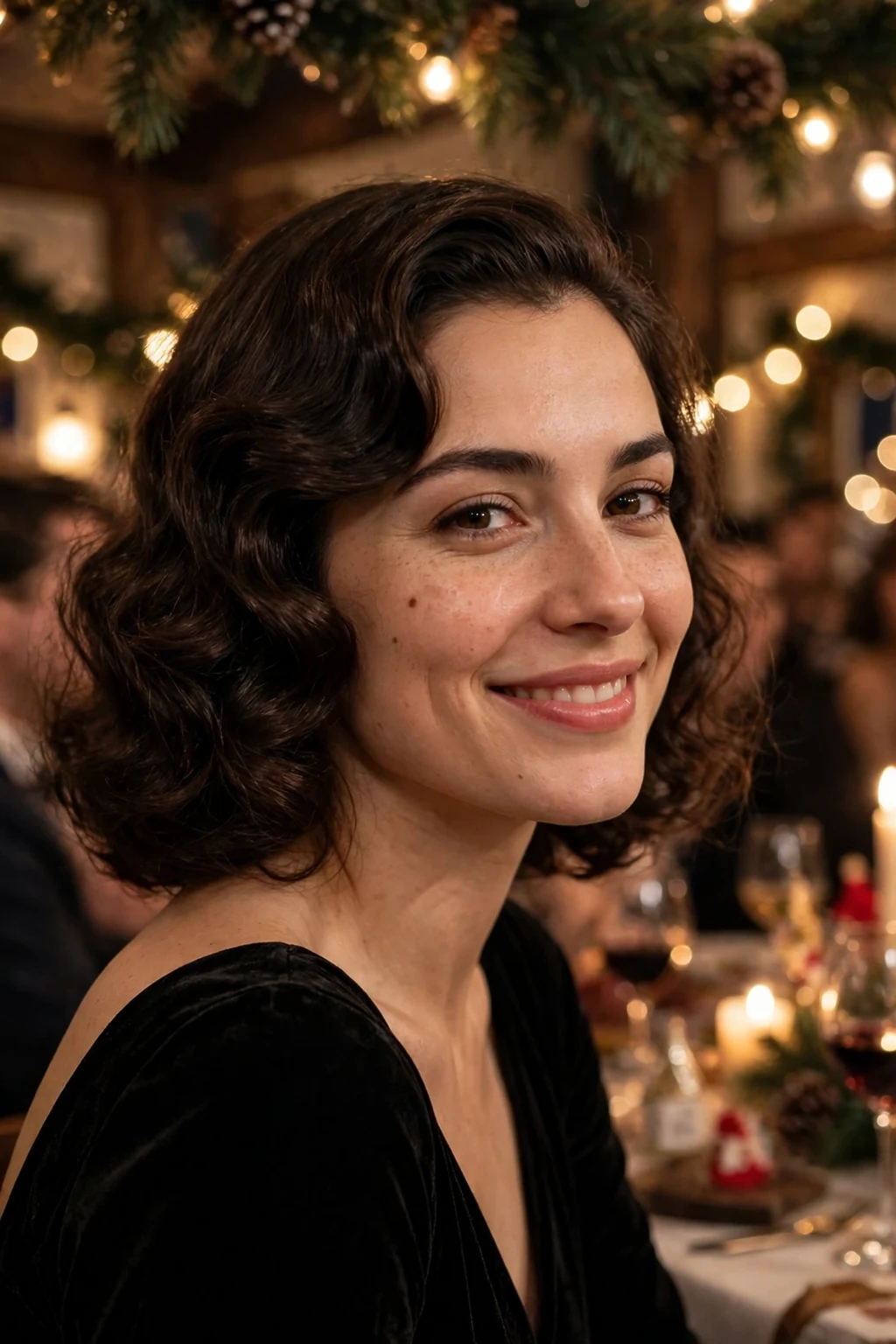
Winter vintage waves bring timeless glamour to the festive season: sculpted, uniform waves with a polished, finger-wave-inspired finish and deep shine. Their shape is controlled and elegant, with waves set close to the head at the top and flowing into soft, defined curves through the lengths. The finish is glossy and deliberate, with a vintage silhouette that looks stunning with evening dresses, pearls, and classic winter coats. It is the hairstyle for New Year's Eve, holiday galas, and any occasion when you want to channel old-Hollywood sophistication rather than casual winter ease. The overall impression is warm and approachable rather than severe, which suits the season's social rhythm of gatherings, markets, family meals, and quiet evenings indoors. Because winter hair often battles static and dryness, the cut is designed with enough internal movement that a little natural texture only adds character instead of looking messy. It also transitions gracefully between outdoor cold and indoor warmth, so you do not need to restyle completely when you step inside and remove your hat or scarf.
These waves suit oval, heart, and oblong faces, and they work on straight to wavy hair of medium density that holds a set well. To style, apply setting lotion to damp hair, create waves with a curling wand or pin curls, brush through gently into uniform waves, and set with strong-hold spray and shine serum. The style lasts an evening and can be preserved overnight with a silk scarf. Protect hair with a hydrating mask afterward and trim every eight weeks. Try winter vintage waves when you want a show-stopping, nostalgic look that photographs like a dream, flatters festive fashion, and makes any winter night feel special. Schedule trims before the coldest weeks and again in late winter, since removing dry ends early prevents splits from travelling upward and keeps the shape looking fresh. On wash days, let hair dry most of the way before using heat tools, and always use a heat protectant, because winter hair is already drier and more vulnerable to damage.
22. Winter Milkmaid Braids
Winter milkmaid braids are storybook charm made practical: two braids wrapped across the top of the head like a crown, keeping every strand secure, warm, and completely out of the way. Their shape is soft and rounded, with braid texture circling the head and a gentle, romantic finish that suits both casual winter days and festive gatherings. The style resists wind, snow, and scarf friction better than almost any other, and it looks just as neat after hours outdoors as it did in the morning. It is cozy, feminine, and quietly eye-catching, like something from a winter fairytale. Because winter hair often battles static and dryness, the cut is designed with enough internal movement that a little natural texture only adds character instead of looking messy. It also transitions gracefully between outdoor cold and indoor warmth, so you do not need to restyle completely when you step inside and remove your hat or scarf. In winter light, the shape reads even more clearly, because soft daylight and festive indoor lighting both highlight the layers, texture, and movement without exposing every stray hair.
These braids suit oval, round, and heart-shaped faces, and they work on medium to long hair of most textures, with thicker hair creating a fuller crown. To style, part hair down the middle, braid each side, bring the braids up and across the head, pin securely, and loosen slightly for softness. A texturizing spray gives grip, and a few face-framing pieces keep it modern rather than costume-like. It protects ends from cold damage and can be worn all day. Trim every eight weeks. Choose winter milkmaid braids when you want a protective, romantic, weather-proof style that keeps hair tidy in any winter weather and looks enchanting at holiday events. On wash days, let hair dry most of the way before using heat tools, and always use a heat protectant, because winter hair is already drier and more vulnerable to damage. Between washes, dry shampoo at the roots and a light mist of leave-in conditioner on the ends will revive the look without stripping the natural oils winter hair needs.

23. Winter Claw Clip Updo
The winter claw clip updo is effortless chic for busy cold days: hair twisted up and secured with a large claw clip, with soft volume at the crown and loose pieces framing the face. Its shape is relaxed and elevated, lifting hair off the neck while keeping the silhouette soft rather than severe. The finish is casual yet polished, with texture and gentle wisps that make it look intentional rather than thrown together. It is the perfect work-from-home, errand-running, and casual Friday style, and it survives a coat hood and scarf without collapsing. It also transitions gracefully between outdoor cold and indoor warmth, so you do not need to restyle completely when you step inside and remove your hat or scarf. In winter light, the shape reads even more clearly, because soft daylight and festive indoor lighting both highlight the layers, texture, and movement without exposing every stray hair. Against heavy coats, chunky scarves, and knit hats, this silhouette keeps its balance, adding softness where winter clothing adds bulk and structure where an outfit needs polish.
This updo suits oval, round, and heart-shaped faces, and it works on medium to long hair of straight to wavy texture, with thicker hair holding the clip best. To style, gather hair at the back, twist upward, fold, and secure with a sturdy claw clip, pulling out a few strands for softness. A texturizing spray adds grip so the clip holds all day, and a light spray controls winter flyaways. It is gentle on hair, avoids elastic breakage, and protects ends from friction. Trim every eight weeks. Try the winter claw clip updo when you want a one-minute, damage-free style that looks put-together, keeps hair off your coat collar, and works for almost any casual winter occasion. Between washes, dry shampoo at the roots and a light mist of leave-in conditioner on the ends will revive the look without stripping the natural oils winter hair needs. For winter care, switch to a richer conditioner and a weekly hydrating mask, since cold air outside and heated air inside both strip moisture and make ends more prone to splitting.

24. Frosted Winter Highlights Lob
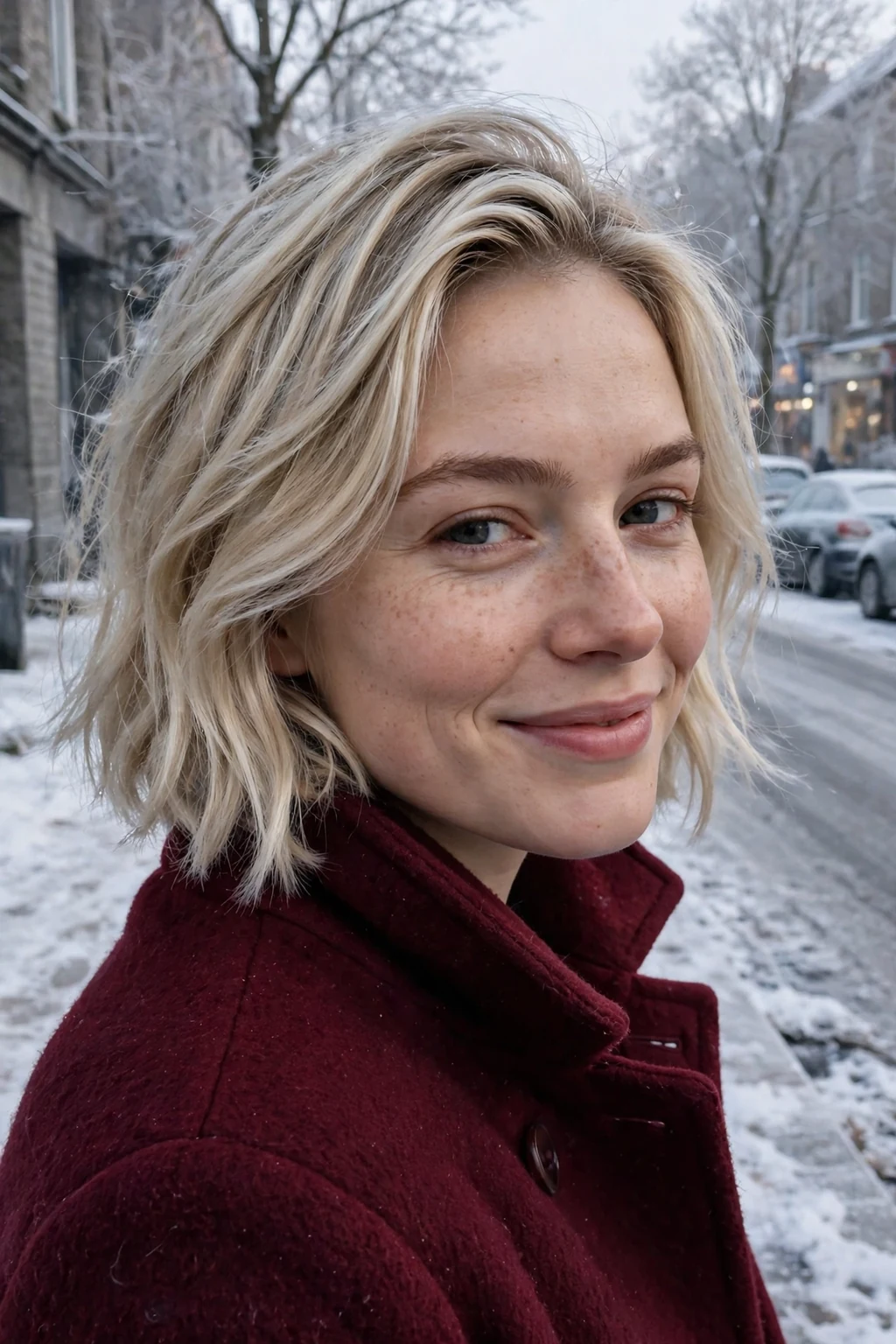
The frosted winter highlights lob pairs a chic collarbone cut with cool, icy highlights that shimmer like frost: fine, cool-toned strands woven through a layered lob for brightness and dimension. Its shape is soft and full, with layers that move freely and highlights placed to brighten the face and add depth without a stark contrast. The finish is luminous and modern, with cool tones that look stunning against winter light and dark clothing. It is a fresh alternative to warm winter color, perfect for anyone who loves icy blondes, silver tones, or cool brunettes. In winter light, the shape reads even more clearly, because soft daylight and festive indoor lighting both highlight the layers, texture, and movement without exposing every stray hair. Against heavy coats, chunky scarves, and knit hats, this silhouette keeps its balance, adding softness where winter clothing adds bulk and structure where an outfit needs polish. The texture is deliberately winter-friendly, resisting the flattening effect of hats and the frizz that dry heated rooms can cause, so the style still looks intentional at the end of a long day.
This lob suits oval, round, and heart-shaped faces, and it works on straight to wavy hair of fine to medium density. To achieve it, ask your colorist for fine frosted highlights with a cool toner, plus a layered lob cut to showcase the dimension. At home, use purple shampoo occasionally to maintain cool tones, a hydrating mask weekly to fight winter dryness, and a gloss every six weeks. Style with a round-brush blow-dry or soft waves. Trim every seven to eight weeks. Choose the frosted winter highlights lob when you want cool, luminous winter color, a flattering mid-length cut, and hair that sparkles like a frosty morning. For winter care, switch to a richer conditioner and a weekly hydrating mask, since cold air outside and heated air inside both strip moisture and make ends more prone to splitting. Keep a travel-sized hair oil or smoothing cream in your coat pocket for midday touch-ups, pressing a single drop over flyaways rather than adding more heat or heavy product.
25. Winter Bubble Ponytail
The winter bubble ponytail is playful polish for the season: a high or low ponytail divided into rounded, puffed sections with elastics, creating a fun, bouncy bubble effect down the length. Its shape is eye-catching and youthful, with volume in each bubble and a smooth base that keeps the look intentional rather than childish. The finish is sleek at the roots and full through the bubbles, which hold their shape beautifully under winter hats and scarves once the ponytail is released. It is perfect for festivals, parties, and days when you want your hair to be the fun part of your outfit. Against heavy coats, chunky scarves, and knit hats, this silhouette keeps its balance, adding softness where winter clothing adds bulk and structure where an outfit needs polish. The texture is deliberately winter-friendly, resisting the flattening effect of hats and the frizz that dry heated rooms can cause, so the style still looks intentional at the end of a long day. From the front, the framing around the face is the star, while from the side and back the shape holds its outline, which matters when coats and scarves hide much of the hair.
This ponytail suits oval, heart, and round faces, and it works on medium to long hair of straight to wavy texture, with thicker hair giving fuller bubbles. To style, secure a ponytail, add elastics every few inches down the length, gently pull each section wider to form bubbles, and finish with light hairspray. A smoothing cream on the base controls winter flyaways, and matching elastics keep it neat. It is a one-day style that protects lengths from tangling in scarves. Trim every eight weeks. Try the winter bubble ponytail when you want a joyful, photo-ready winter style that is easy to create, holds up in cold weather, and always draws compliments. Keep a travel-sized hair oil or smoothing cream in your coat pocket for midday touch-ups, pressing a single drop over flyaways rather than adding more heat or heavy product. If you wear a beanie or hood often, shake the style out gently at the roots when you arrive indoors and mist lightly with texturizing spray instead of brushing it flat.

How to Choose the Right Winter Hairstyle
The best winter hairstyle is the one that survives hats, scarves, dry indoor air, and biting wind while still making you feel beautiful when you step inside. Think about your hair texture first, then your routine: if you wear a beanie daily, choose a style that flattens gracefully and revives with a quick shake, and if you battle static, lean toward layered cuts and moisturizing products that keep ends smooth. Length matters too, since shorter cuts dry faster on cold mornings while longer hair tucks neatly under coats and scarves without tangling.
Winter is also the perfect season to protect your hair while experimenting with richer color, softer layers, and elegant updos that would feel too heavy in summer. Book a trim every six to eight weeks to remove dry, split ends before they travel upward, switch to a hydrating mask once a week, and keep a small bottle of hair oil in your bag for midday flyaways. Choose the winter hairstyle that fits your life, your face shape, and your coat collection, and wear it with confidence all season long.
Conclusion
From cozy layered lobs to elegant winter chignons and playful bubble ponytails, these 25 winter hairstyles prove cold weather is no reason to hide great hair. Choose a style that protects your strands, flatters your face, and fits your winter routine, keep up with moisturizing care and regular trims, and enjoy a season of warm, stylish, head-turning hair.