
Shoulder-length haircuts with layers are the sweet spot of hairstyling: long enough to tie up, short enough to feel light, and endlessly versatile. These 57 layered cuts add movement, volume, and personality to medium-length hair, whether your texture is straight, wavy, or curly.
1. Classic Shoulder-Length Layers
Classic shoulder-length layers are the timeless foundation of medium-length hair: hair cut to graze the collarbone with long, graduated layers that blend seamlessly from the crown to the ends. The overall appearance is smooth, polished, and full of gentle movement, with the layers removing just enough weight to let the hair swing naturally without looking thin or choppy. The finish is soft and touchable, with ends that curve slightly inward or flick out depending on how you style them, and the silhouette reads as effortlessly put-together from every angle. It is the kind of cut that looks equally at home in a boardroom or at a weekend brunch, and it photographs beautifully because the layers catch light and create dimension. There are no harsh lines or dramatic steps, just a flowing shape that enhances whatever texture you already have and makes medium-length hair feel intentional rather than in-between. The layers also frame the collarbone beautifully, making necklaces and off-the-shoulder tops look especially elegant, and the cut holds its shape well between salon visits.
This cut suits nearly every face shape, including oval, round, square, and heart-shaped faces, because the collarbone length and soft graduation are inherently balancing. It works best on straight to wavy hair of fine to medium density, though thick hair can wear it with slightly deeper layering to remove bulk. To style, apply a lightweight leave-in conditioner to damp hair and blow-dry with a round brush, turning the ends under for polish, or let it air-dry for a softer finish. A volumizing mousse at the roots adds lift for finer hair, while a smoothing serum tames frizz on thicker textures. Maintenance is simple, with trims every eight to ten weeks keeping the layers fresh, and grow-out is graceful since the shape simply lengthens into a long layered cut. Choose classic shoulder-length layers when you want a reliable, flattering cut that never dates and always looks healthy, feminine, and refined. For extra polish, a quick pass with a flat iron over the top layer smooths any flyaways, and the cut pairs beautifully with both center and side parts for easy variety.

2. Face-Framing Layers
Face-framing layers are the spotlight treatment for medium-length hair: shorter layers cut around the face, starting near the cheekbones and cascading down to the collarbone, while the back stays longer and fuller. The appearance is luminous and immediately flattering, because the shorter front pieces draw the eye to your eyes and cheekbones and soften the jawline, creating a natural contouring effect without any makeup. The finish is polished yet relaxed, with the front layers curving gently inward or sweeping outward depending on the styling, and the overall shape feels open and face-brightening. This cut works beautifully whether the rest of the hair is sleek and straight or softly waved, and the framing pieces add movement every time you turn your head. It is a subtle change that delivers a dramatic difference, transforming a plain medium cut into something that looks custom-designed for your face. The framing pieces also soften the transition between the face and the lengths, so the whole cut looks cohesive and intentional rather than simply grown out.
These layers flatter virtually every face shape, but they are especially magical on round and square faces, where the vertical front pieces create slimming length, and on heart-shaped faces, where they balance a wider forehead. They suit straight, wavy, and loosely curly hair of fine to thick density, and they are a brilliant choice for anyone growing out bangs. To style, blow-dry the front sections with a round brush, directing them away from the face for an open, airy frame, or curl them loosely with a flat iron for a bouncy finish. A light texturizing spray keeps the pieces from falling flat, and a shine serum adds polish. Trims every eight weeks keep the framing precise, and grow-out simply lengthens the frame into longer layers. Choose face-framing layers when you want maximum flattery with minimum effort, because they are the closest thing to a guaranteed compliment in haircut form. If you want extra drama, curl the framing pieces away from the face with a one-inch iron, which creates a bouncy, salon-finished frame that lasts all day.

3. Long Layers with Curtain Bangs
Long layers with curtain bangs pair the ease of medium-length hair with the most flattering fringe of the decade: layers that begin below the chin and flow to the shoulders, plus a middle-parted curtain fringe that sweeps outward like drapes on either side of the face. The appearance is soft, romantic, and effortlessly chic, with the curtain bangs opening up the face and drawing attention to the eyes while the long layers keep the overall shape full and swinging. The finish is airy and modern, never heavy, and the cut has a beautiful lived-in quality that looks even better on day two. It is the hairstyle equivalent of a perfectly broken-in pair of jeans: relaxed, flattering, and endlessly wearable. The curtain fringe also adds styling versatility, since it can be worn parted, swept to one side, or pinned back when you want it out of the way. The fringe also grows out gracefully, blending into the face-framing layers over time, so you never face that awkward in-between stage that heavier bangs create.
This combination suits oval, round, and heart-shaped faces particularly well, because the center part and sweeping fringe create balance and soften width. It works best on straight to wavy hair of medium density, and it is a great choice for fine hair since the long layers preserve fullness at the ends. To style, blow-dry the curtain bangs with a round brush, rolling them away from the face, and add loose waves through the lengths with a large-barrel curling iron or a flat iron. A root-lifting spray gives the crown gentle volume, and a flexible-hold hairspray keeps the fringe in place without stiffness. Trims every eight to ten weeks keep the bangs at cheekbone length and the layers fresh, and grow-out is forgiving because the fringe simply blends into the face-framing layers. Choose this cut when you want a current, romantic style that frames your face beautifully every single day. A light dry shampoo at the roots on day two revives the fringe and crown, keeping the whole style fresh without a full wash and restyle.

4. Textured Shaggy Layers
Textured shaggy layers are the cool-girl classic of medium-length hair: choppy, broken-up layers with piecey ends, soft volume at the crown, and face-framing bits that fall exactly where they flatter. The appearance is full of movement and attitude, with layers that refuse to sit still and a finish that is perfectly imperfect, carrying that coveted lived-in quality that looks better the less you fuss with it. The silhouette is rounded and voluminous on top, tapering into feathered ends at the shoulders, and the texture gives the hair a rock-and-roll spirit without sacrificing wearability. It is the cut for anyone who finds polished styles a little boring and wants hair with genuine personality. The shaggy texture also catches light beautifully, creating dimension and depth that make even a single hair color look multi-tonal and interesting. The texture also makes the cut incredibly photogenic, since the piecey layers catch light and shadow in ways that give the hair depth from every angle.
This cut suits straight to wavy hair of medium density best, and it flatters oval, round, and heart-shaped faces with its face-framing texture and crown height. Very fine hair can wear a softer version with fewer, longer layers, while very thick hair benefits from internal thinning to keep the shape from expanding. To style, scrunch texturizing spray or sea-salt spray into damp hair and air-dry, then shake it out with your fingers and piece the ends with a dab of matte pomade. That is genuinely the entire routine, and the messier the result, the better it looks. Trims every eight to ten weeks refresh the texture and keep the shape intentional, and grow-out is forgiving since shagginess only improves with length. Choose textured shaggy layers when you want edge in an everyday package: they are youthful, low-maintenance, and cooler than a polished cut could ever hope to be. On second-day hair, a spritz of dry texturizing spray revives the piecey separation instantly, making this one of the easiest cuts to maintain between washes.

5. Feathered Layers
Feathered layers are softness given form: delicate, wispy layers feathered through the lengths that create airy movement and a light, floating finish at shoulder length. The appearance is gentle and feminine, with hair that looks full of air and ends that flicker and separate naturally, as if caught in a soft breeze. There is nothing heavy or blunt about feathered layers; the whole effect is one of lightness and grace, and the cut makes medium-length hair look thicker and more dynamic than a one-length cut ever could. The feathering also adds beautiful dimension, because the layered ends catch light at different angles and create a soft halo of movement around the shoulders. It is a romantic style that never feels fussy, and it works just as well for a casual day out as for a formal evening. The airy ends also move beautifully in a breeze, giving the cut a romantic, almost cinematic quality that looks stunning in photographs and in real life.
These layers are beautiful for fine to medium hair, because the feathering creates the illusion of fullness without sacrificing length, and they flatter round, square, and heart-shaped faces by softening angles. They suit straight to wavy textures best, since the feathered ends need a smooth base to flick and separate cleanly. To style, apply volumizing mousse at the roots on damp hair, blow-dry with a round brush turning the ends outward for a feathered flick, and finish with a light-hold spray. A large-barrel curling iron can add extra flip to the ends for special occasions. Trims every eight to ten weeks keep the feathering fresh and prevent the ends from looking straggly, and grow-out is graceful because the layers simply lengthen. Choose feathered layers when you want romance without effort: they are the softest way to wear layers, and they make fine hair look twice as thick. For special occasions, a few loose curls through the mid-lengths with a large iron add extra bounce while preserving the feathered, weightless finish.

6. Choppy Layers
Choppy layers are texture with genuine attitude: boldly piecey, deliberately uneven layers cut into shoulder-length hair to create striking separation and edgy, head-turning movement. The appearance is modern and spirited, with visibly textured ends that have real personality and a finish that is dynamic and confident rather than demure or predictable. Unlike soft blended layers, choppy layers make their architecture visible, with distinct pieces that flick, separate, and catch the eye from across the room. The cut has a fashion-forward energy that pairs beautifully with bold personal style, and it gives medium-length hair a sense of intention and edge that a plain cut simply cannot match. It is layers for women who want their hair to have opinions and are not afraid to show them. The visible texture also gives the cut a fashion-editorial feel, making it a favorite for women who want their hair to look as bold as their wardrobe.
These layers suit straight to wavy hair of medium to thick density, flattering oval, heart, and square faces with their energetic texture. They need enough hair to chop into without looking sparse, so very fine hair should keep the choppiness moderate and concentrated at the ends. To style, work matte texturizer or styling paste through dry hair and piece it with your fingers, encouraging the ends to flick and separate naturally. A quick blast with a diffuser adds extra texture for wavy hair, and a flat iron can sharpen individual pieces for a more graphic finish. A trim every six to eight weeks keeps the choppiness looking intentional rather than overgrown, and grow-out softens beautifully into a textured shag. Choose choppy layers when subtlety bores you: they are fun, fearless, and full of life. A small amount of shine serum smoothed over the very ends keeps the choppy pieces looking healthy and intentional rather than dry or damaged.

7. Blunt Layers with Soft Ends
Blunt layers with soft ends are the best of both worlds for medium-length hair: a strong, clean perimeter at the shoulders combined with subtle internal layers that add movement without breaking the bold outline. The appearance is polished and expensive-looking, with a thick, healthy-looking hemline and just enough hidden layering to keep the hair from falling flat or looking boxy. The finish is sleek and controlled, with ends that look dense and deliberate, and the internal layers create gentle swing when you move. This cut is a favorite among women who love the power of a blunt cut but want a little more life and versatility than a one-length shape offers. It also grows out beautifully, since the strong perimeter holds the shape while the internal layers keep it from turning heavy. The strong perimeter also makes the hair look thicker and healthier, which is why this cut is so popular among women growing out shorter styles.
This cut suits straight to slightly wavy hair of medium to thick density, and it flatters oval, oblong, and heart-shaped faces with its clean, elongating lines. Fine hair can wear it too, since the blunt ends create the illusion of thickness, though the internal layering should stay minimal. To style, blow-dry smooth with a paddle brush and finish with a shine serum for a glassy finish, or add a single loose bend through the mid-lengths with a flat iron for soft movement. A heat protectant is essential for the sleek finish, and a smoothing cream tames flyaways. Trims every eight weeks keep the perimeter sharp and the ends healthy, and grow-out transitions gracefully into a long layered cut. Choose blunt layers with soft ends when you want hair that looks expensive, intentional, and effortlessly powerful. A weekly hair mask keeps the blunt ends smooth and split-free, preserving the expensive, polished finish, and a silk pillowcase reduces friction overnight so the sleek shape lasts longer between washes.

8. Wavy Layers
Wavy layers are beach-day beauty refined for real life: layers cut into shoulder-length hair that enhance natural waves into perfectly imperfect, touchable texture. The appearance is relaxed and radiant, with soft, separated waves that have natural, effortless movement and a finish that looks sun-kissed even in the depths of winter. The layers prevent the dreaded triangle shape by removing weight from the mid-lengths, so waves spring up evenly instead of collapsing at the roots and puffing at the ends. The result is hair that looks like you spent the morning at the coast, even if you spent it at your desk. It is the hair equivalent of a deep, contented breath: easy, open, and completely free of fuss. The layered shape also prevents the heaviness that can drag waves down, so the texture stays lifted and lively from roots to ends, and the cut looks just as good on day two as it does fresh from the salon.
These layers suit naturally wavy hair best, flattering oval, oblong, and heart-shaped faces with their soft, face-framing movement, and they work beautifully on fine to thick densities. They are also a wonderful choice for straight hair that holds a wave with a curling iron, since the layers help the wave last. To style, scrunch a wave-enhancing cream or sea-salt spray into damp hair and air-dry, or diffuse on low heat for extra definition. A curling wand can refine a few face-framing pieces for a more polished finish, and a light texturizing spray adds lasting hold. Trims every ten to twelve weeks keep the waves springy and the ends healthy, and grow-out simply means longer, lovelier waves. Choose wavy layers when you want to work with your texture instead of against it: they are the lowest-effort path to beautiful hair. A diffuser attachment on low heat enhances the natural wave pattern without creating frizz, giving you a polished finish in under fifteen minutes.

9. Curly Layers
Curly layers are essential architecture for curls at shoulder length: layers cut specifically to let each curl form, bounce, and settle exactly where it should for the most flattering rounded shape. The appearance is gloriously full, with defined, springy curls, volume placed exactly where it beautifies, and a finish that is bouncy and touchable. Properly layered curls have a sculpted, deliberate quality that unlayered curls simply cannot achieve, transforming a heavy triangle into a beautifully balanced shape. The layers also reduce drying time and bulk, which is a genuine quality-of-life improvement for anyone with dense curls. At shoulder length, the cut is long enough to show off curl pattern and short enough to keep the volume under control, making it one of the most flattering lengths for curly hair. The rounded shape also balances the shoulders and neck beautifully, making this cut especially flattering when worn with open necklines and statement earrings.
These layers are essential for naturally curly and coily hair, flattering round, oval, and heart-shaped faces with their balanced volume, and they must be cut dry by a curl specialist who can see the true curl pattern and how each curl will spring. To style, apply curl-defining cream or gel to soaking-wet hair, scrunch upward, and diffuse on low heat or air-dry, then shake out the roots for volume once fully dry. A silk pillowcase and a weekly deep-conditioning mask keep curls hydrated and frizz-free. Trims every ten to twelve weeks keep the curls lively and the shape intact, and grow-out simply adds glorious volume. Choose curly layers when you want your curls at their absolute best: they are the difference between curls that merely happen and curls that are genuinely designed. Pineappling the curls loosely overnight preserves the shape and definition, so mornings require only a quick refresh with water and curl cream rather than a full restyle.

10. Bouncy Blowout Layers
Bouncy blowout layers are pure glamour in haircut form: shoulder-length layers cut specifically to maximize spring, movement, and the kind of voluminous blowout that turns heads on the street. The appearance is vibrant and full of life, with hair that moves when you move, ends that kick and flip playfully, and a finish that is polished, bouncy, and undeniably glamorous. The layers are placed to support volume at the roots and movement through the ends, so a blow-dry creates that salon-fresh bounce that lasts for days rather than collapsing by lunchtime. It is the cut behind every hair commercial you have ever admired, and at shoulder length it is achievable at home without professional help. The style radiates confidence and vitality, making it a favorite for women who want their hair to feel as alive as they do. The bounce also photographs beautifully, giving the hair a glamorous, high-energy quality that looks stunning in both candid snapshots and professional portraits.
These layers suit medium to thick straight or wavy hair best, flattering oval, round, and heart-shaped faces with their lively movement and face-framing volume. Fine hair can wear them too, with shorter layers at the crown to build lift, though a volumizing product becomes essential. To style, apply volumizing mousse to damp roots, blow-dry with a large round brush, lifting at the crown and flipping the ends outward or under, and finish with a flexible-hold spray that preserves movement. Velcro rollers at the crown while you do your makeup add extra bounce. Trims every eight weeks keep the bounce springy and the ends healthy, and grow-out stays lively and pretty. Choose bouncy blowout layers when you want salon glamour every day: they are fun, flattering, and guaranteed to lift your mood each morning. A cool shot from the dryer at the end of styling locks in the volume and shine, helping the blowout survive humidity and long days.

11. Razored Layers
Razored layers are precision with a soft edge: shoulder-length layers cut with a razor rather than scissors, creating feathered ends and the most seamless blending imaginable. The appearance is sleek and modern, with ends that taper to whispers rather than stopping at blunt lines, and a finish that is smooth yet full of subtle, touchable texture. The razor creates a distinctive softness and fluidity that scissor-cutting alone cannot achieve, and the cut moves beautifully, with layers that flow into one another like water. It is a favorite among stylists for thick hair, because razoring removes weight without creating visible steps, and the result looks expensive and intentional. The soft, tapered ends also make the hair easier to style, since they fall naturally into place. The tapered ends also reduce bulk without sacrificing length, which makes this cut a smart choice for women whose thick hair tends to feel heavy. The result feels light, airy, and easy to wear.
These layers suit medium to thick straight or wavy hair, flattering oval, oblong, and heart-shaped faces with their fluid movement. They are not ideal for very fine, fragile, or damaged hair, which can look thinner and frizzier with razoring, so a consultation matters. To style, smooth a light serum or smoothing cream through damp hair and air-dry or blow-dry with a paddle brush, letting the feathered ends fall into place. A flat iron can sharpen the sleekness for a polished finish, and a shine spray adds the signature gloss. Trims every eight weeks keep the razor texture fresh and defined, and grow-out is soft and forgiving since there are no harsh lines to outgrow. Choose razored layers when you want the sleekest possible texture: they are modern, refined, and quietly luxurious. A glossing treatment every few weeks enhances the razor texture and keeps the feathered ends looking smooth, shiny, and freshly cut rather than fuzzy or worn.

12. Invisible Layers
Invisible layers are the secret weapon of truly great medium-length hair: layers cut so seamlessly and with such precision that they are felt rather than seen. The appearance is smooth and completely natural, with hair that moves beautifully and swings with body, no visible layering lines whatsoever, and a finish that looks like your hair simply behaves perfectly on its own. It is the haircut equivalent of no-makeup makeup: undetectable to the eye, but utterly transformative in effect. The hidden layers remove weight and add swing, so shoulder-length hair feels light and bouncy instead of heavy and flat, and the cut works with every styling choice from sleek blowouts to air-dried waves. Friends will ask what changed, but they will not be able to pinpoint it, which is exactly the point. The hidden layering also makes the hair dry faster and style more easily, a practical bonus that busy women appreciate every single morning.
These layers suit medium to thick hair that wants movement and lightness without obvious texture, flattering every face shape with their quiet refinement. They are ideal for professional settings where polish matters more than edge, and they work on straight, wavy, and loosely curly textures alike. To style, simply air-dry or blow-dry smooth, since the invisible layers do their quiet work with zero special attention, though a lightweight oil on the ends adds polish. A volumizing spray at the roots is optional for finer hair. Trims every eight to twelve weeks maintain the effect, and grow-out is completely seamless since there are no lines to outgrow. Choose invisible layers when you want improvement without evidence: they are the sophisticated choice for women who prefer their effort to show only in the beautiful result. A boar-bristle brush distributes natural oils from root to tip, adding shine and keeping the seamless shape looking smooth and healthy between salon visits.

13. Layered Lob with Side Part
The layered lob with a side part is the power move of medium-length hair: a long bob that grazes the shoulders, layered through the ends for movement, and parted deeply to one side for instant volume and drama. The appearance is sophisticated and modern, with the deep side part creating a sweeping cascade of hair across the forehead and a beautiful asymmetry that flatters from every angle. The layers keep the lob from looking heavy or boxy, adding swing and lightness, while the side part gives the crown natural lift without any teasing. The finish is polished yet full of personality, and the cut works for everything from a client presentation to a Saturday night out. It is the rare style that manages to look both effortless and deliberate at the same time. The deep part also creates a flattering diagonal across the forehead, which softens strong features and adds a touch of old-Hollywood glamour.
This cut suits oval, round, and heart-shaped faces beautifully, because the side part and sweeping front layers break up symmetry and add slimming diagonal lines. It works best on straight to wavy hair of fine to medium density, though thick hair can wear it with deeper internal layers to control volume. To style, create a deep side part on damp hair, apply volumizing mousse at the roots, and blow-dry with a round brush, directing the longer side across the forehead. A large-barrel curling iron adds soft bends through the ends, and a light-hold spray keeps the part in place. Trims every eight weeks maintain the lob length and layer shape, and grow-out transitions gracefully into a longer layered cut. Choose the layered lob with a side part when you want a chic, confident cut that instantly elevates any outfit. Switching the part to the opposite side occasionally adds instant root lift and gives the cut a fresh feel without any additional styling effort.

14. Layers with Wispy Bangs
Layers with wispy bangs are softness from every angle: shoulder-length layers paired with a light, feathery fringe that barely kisses the forehead and blends seamlessly into the face-framing pieces. The appearance is gentle and romantic, with the wispy bangs adding a youthful, airy quality that opens up the face without the commitment of a heavy fringe. The finish is delicate and touchable, with the bangs moving naturally and the layers providing swing and lightness through the shoulders. This combination is wonderfully forgiving, since wispy bangs grow out gracefully and can be swept aside on days when you want them out of the way. It is the perfect choice for anyone curious about bangs but nervous about the upkeep, offering all of the charm with almost none of the risk. The soft fringe also draws attention to the eyes, acting like a natural frame that makes eye makeup and brows look more defined and polished.
This style suits oval, oblong, and heart-shaped faces especially well, because the soft fringe shortens a long forehead and balances proportions, and it works on straight to wavy hair of fine to medium density. Very curly hair can wear it too, with the bangs cut longer and allowed to curl naturally. To style, blow-dry the bangs with a small round brush or simply finger-dry them forward, then sweep them lightly to each side for a feathered effect. A tiny amount of texturizing spray keeps them from separating into stringy pieces, and the layers need only a quick blow-dry or air-dry. Trims every six to eight weeks keep the bangs at brow length, and grow-out blends the fringe into the face-framing layers. Choose layers with wispy bangs when you want a soft, romantic update that flatters your face and feels completely effortless. A mini flat iron gives you precise control over the fringe on humid days, smoothing any kinks in seconds without disturbing the rest of the style.

15. Voluminous Layers
Voluminous layers are glamour engineered from the inside out: shoulder-length layers cut and styled specifically for maximum body, bounce, and fullness from root to tip. The appearance is lush and dramatic, with hair that has serious presence, beautiful lift at the roots, cascading body through the lengths, and a finish that is bouncy and touchable. The strategic layering removes weight where it would drag the hair down and adds shorter pieces where lift is needed, so the volume looks built-in rather than teased or forced. It is the definitive answer for anyone who has ever looked in the mirror and wished for more hair, and at shoulder length the volume is easy to achieve and maintain. The style photographs beautifully, with dimension and movement in every shot. The built-in body also means the style survives wind, humidity, and long days far better than a flat cut, holding its shape from morning to midnight.
These layers suit fine to medium hair craving fullness best, flattering oval, oblong, and heart-shaped faces with their face-framing body and crown height. Thick hair can wear them too, but the layering should focus on removing bulk rather than adding height. To style, apply volumizing mousse to damp roots, blow-dry with a round brush lifting at the crown, and finish with a light texturizing spray for lasting lift. Velcro rollers set for ten minutes while you finish your makeup add extra staying power, and a root-lifting powder refreshes volume on day two. Trims every eight weeks maintain the bounce and shape, and grow-out keeps its volume gracefully. Choose voluminous layers when you want hair with undeniable presence: they are joyful, glamorous, and turn every single day into an occasion. Sleeping on a silk pillowcase preserves the volume overnight, so the second-day style needs only a quick root refresh rather than a full blowout.
16. Piecey Layers
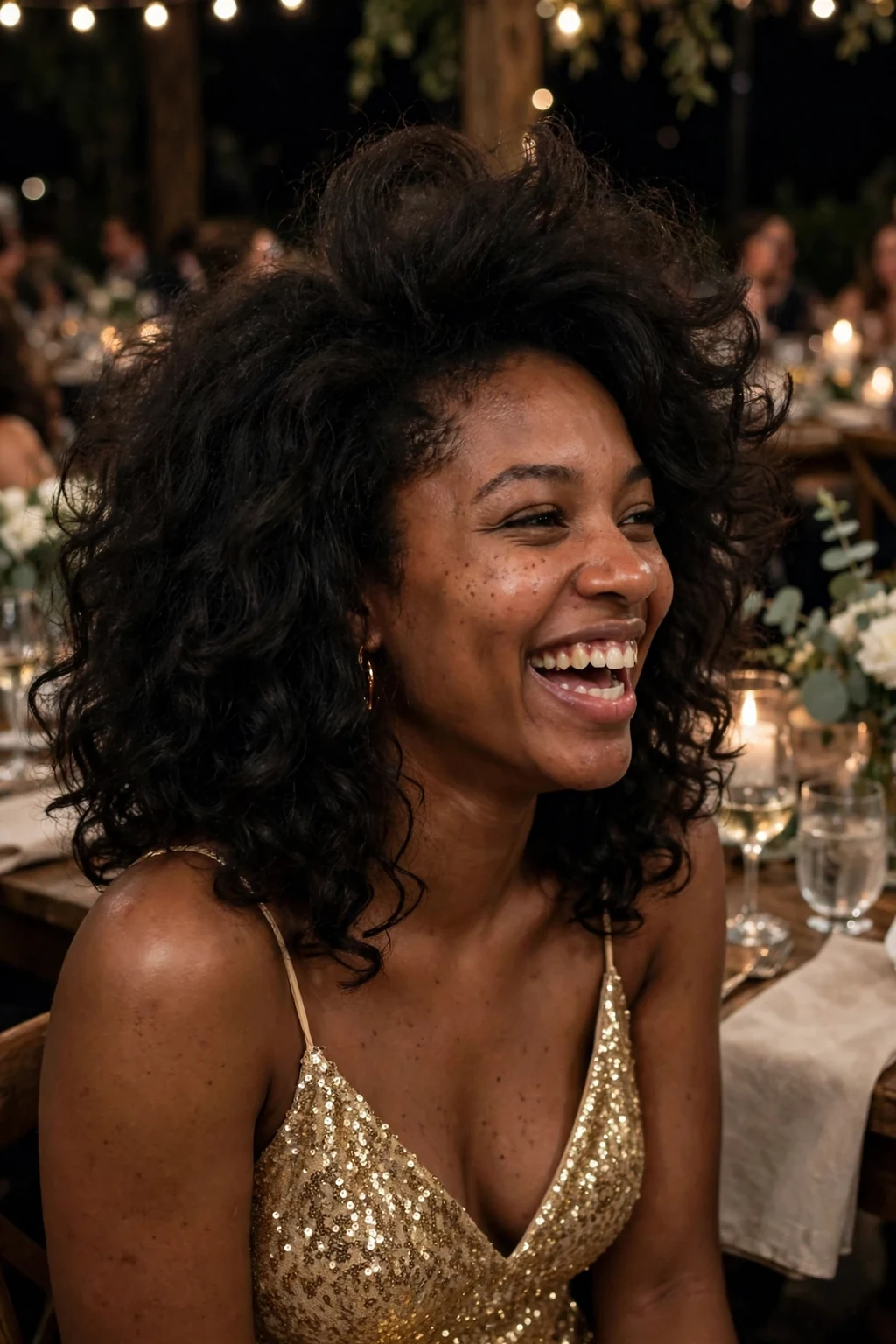
Piecey layers are modern texture at its most wearable: shoulder-length layers with defined, separated ends that create visible dimension and a contemporary, lived-in finish. The appearance is fresh and current, with individual pieces that catch the light and move independently, giving the hair a sense of depth and detail that a smooth cut cannot match. The finish is neither messy nor overly polished, sitting in that perfect middle ground where the hair looks intentionally styled but never stiff. Piecey layers are particularly flattering at shoulder length, because the length gives the pieces room to separate and swing, and the cut works with everything from a casual tee to a tailored blazer. It is the kind of style that looks great in motion and even better in photographs. The defined pieces also add visual interest to solid hair colors, creating dimension and depth even without highlights, and making the cut look more expensive than it is.
These layers suit straight to wavy hair of medium density best, flattering oval, heart, and diamond face shapes with their textured movement. Fine hair should keep the pieceiness subtle and concentrated at the ends to avoid looking sparse, while thick hair can handle more aggressive separation. To style, work a pea-sized amount of texturizing cream or pomade through dry hair, pinching and piecing sections with your fingers to encourage separation. A light mist of texturizing spray adds lasting grit and hold, and a flat iron can define individual pieces for a sharper finish. Trims every eight weeks keep the texture crisp rather than overgrown, and grow-out stays attractively textured since the cut is designed to evolve gracefully. Choose piecey layers when you want hair with visible craftsmanship: they are contemporary, lively, and endlessly interesting to wear. A flexible-hold hairspray misted from a distance locks in the piecey separation without making the hair stiff or crunchy, so the texture stays touchable all day.

17. Swoopy Layers
Swoopy layers are movement with a capital M: long, sweeping layers at shoulder length that curve and swoop around the face and shoulders in soft, dramatic arcs. The appearance is glamorous and fluid, with layers that seem to dance as you move, creating beautiful curved lines that draw the eye along the face and down to the collarbone. The finish is polished and bouncy, with ends that flip and curve rather than hanging straight, and the overall effect is one of effortless elegance with a hint of retro glamour. Swoopy layers are a wonderful choice for anyone who loves the feeling of hair in motion, because every turn of the head sends the layers swinging. The cut also adds instant sophistication to medium-length hair, elevating a simple style into something that looks salon-finished. The curved lines also elongate the neck visually, giving the whole silhouette a graceful, statuesque quality that pairs beautifully with elegant clothing.
These layers suit straight to wavy hair of medium to thick density, flattering oval, round, and square faces with their curving, face-softening lines. Fine hair can wear a softer version with longer layers and a round-brush blowout to create the swoop. To style, blow-dry with a large round brush, rolling sections outward and under to create the signature curves, and finish with a flexible-hold spray that preserves movement. A large-barrel curling iron can enhance the swoop on the face-framing pieces, and a shine serum adds the glossy finish. Trims every eight weeks keep the curves crisp and the ends healthy, and grow-out stays pretty as the swoops simply lengthen. Choose swoopy layers when you want your hair to move beautifully: they are glamorous, feminine, and full of life. A paddle brush and a cool shot at the end of blow-drying set the swoop in place, helping the curves hold their shape throughout the day.

18. Tousled Beachy Layers
Tousled beachy layers are vacation hair made wearable every day: shoulder-length layers with loose, undone waves and a casual, sun-kissed texture that looks like you just stepped off the sand. The appearance is relaxed and radiant, with waves that are deliberately imperfect, ends that look naturally sun-lightened, and a finish that is touchable and free. The layers are key to the look, because they break up the hair into pieces that wave independently instead of falling in one heavy sheet, creating that effortless, windswept quality. It is the style for anyone who wants to look like they live a little closer to the ocean than they actually do, and it pairs beautifully with minimal makeup and casual clothes. The cut is also wonderfully forgiving, since a little frizz and imperfection only make it look more authentic. The undone texture also hides new growth and frizz better than sleek styles, making this one of the most forgiving cuts between salon appointments.
These layers suit naturally wavy hair best, flattering oval, oblong, and heart-shaped faces with their soft, open movement, and they work on fine to thick densities. Straight hair can achieve the look with braids overnight or a curling wand, since the layers help the wave hold. To style, scrunch sea-salt spray or wave spray into damp hair and air-dry, twisting a few sections for extra definition, or braid damp hair loosely overnight for heat-free waves. A texturizing spray adds grit and hold, and a light oil on the ends prevents dryness. Trims every ten to twelve weeks keep the layers fresh and the ends healthy, and grow-out simply means longer beachy waves. Choose tousled beachy layers when you want carefree, sun-kissed beauty with almost no effort: they are the ultimate low-maintenance vacation style. A leave-in conditioner with UV protection keeps the sun-kissed texture healthy, preventing dryness and breakage during the warmer months when beachy styles get the most wear.

19. Sleek Straight Layers
Sleek straight layers are minimalism at its most luxurious: shoulder-length hair with subtle, precise layers and a glassy, smooth finish that looks like liquid silk. The appearance is clean and expensive, with hair that falls in a perfect, shiny curtain, layers so subtle they are nearly invisible, and ends that look thick and healthy. The finish is glossy and controlled, with not a flyaway in sight, and the cut has a quiet confidence that pairs beautifully with tailored clothes and bold accessories. It is the hairstyle equivalent of a perfectly pressed shirt: simple, sharp, and impossible to ignore. The subtle layers are what separate it from a plain one-length cut, adding just enough movement to keep the hair from looking flat or severe while preserving the sleek silhouette. The glassy finish also reflects light beautifully, making the hair look healthier and more vibrant in photographs and under indoor lighting than any other finish.
This cut suits straight hair of fine to medium density best, flattering oval, oblong, and heart-shaped faces with its clean, elongating lines. Wavy or curly hair can wear it too, but it requires regular straightening, so it suits women who already enjoy heat styling. To style, apply a heat protectant and smoothing cream to damp hair, blow-dry smooth with a paddle brush, and finish with a flat iron in small sections for a glassy result. A shine serum or gloss spray adds the signature luster, and a silk pillowcase helps preserve the sleekness overnight. Trims every eight weeks keep the ends blunt and healthy, and grow-out is graceful as the layers lengthen. Choose sleek straight layers when you love polished, high-shine hair: they are the ultimate power cut for the minimalist at heart. A heat-protectant spray with smoothing properties is non-negotiable for this style, guarding against damage while preserving the mirror-like shine through daily flat-iron use.

20. Layered Shag with Curtain Fringe
The layered shag with curtain fringe is the ultimate cool-girl cut at shoulder length: shaggy, rock-and-roll layers combined with a middle-parted curtain fringe that frames the face like a seventies icon. The appearance is textured and gloriously full of life, with choppy ends, a piecey crown, curtain bangs that sweep outward, and layers that refuse to behave in the best possible way. The finish is perfectly imperfect, carrying a rebellious spirit that never looks like it is trying too hard, and the curtain fringe adds a soft, face-brightening frame that keeps the shag from feeling too edgy. It is the cut for anyone who wants to channel a little rock-star energy while still looking completely wearable for everyday life, and it photographs with incredible dimension and attitude. The combination also offers incredible versatility, since the shag can be worn messy for concerts or smoothed slightly for work without losing its character.
This cut suits straight to wavy hair of medium density, flattering oval, heart, and diamond faces with its textured framing and curtain fringe. It is ideal for anyone young at heart who wants hair with genuine personality and does not mind a little texture. To style, work texturizing cream through damp hair, scrunch generously, and air-dry, then blow-dry the curtain fringe away from the face with a round brush for the signature sweep. The messier the result, the better it looks, and a dry texturizing spray refreshes it on day two. Trims every eight weeks keep it intentional rather than overgrown, and grow-out only gets wilder and cooler. Choose the layered shag with curtain fringe when you refuse to be boring: it is the most fun you can have with layers at shoulder length. A wide-tooth comb instead of a brush preserves the shaggy texture, preventing the layers from blending into a smooth shape you did not intend.

21. Soft Rounded Layers
Soft rounded layers are the gentle curve of medium-length hair: layers cut to create a rounded, bouncy silhouette that curves under at the shoulders and frames the face in a soft, continuous arc. The appearance is feminine and polished, with hair that looks full and healthy, ends that tuck neatly under, and a finish that is smooth, shiny, and beautifully shaped. The rounded shape gives the hair a sense of completeness and intention, as if it were sculpted rather than simply cut, and it flatters the neck and shoulders by drawing the eye along a graceful curve. It is a timeless style that feels both classic and fresh, and it works beautifully for women who want their hair to look done without looking over-styled. The rounded layers also add natural volume, making the hair look thicker than it is. The curved silhouette also flatters the shoulders and collarbone, making it an excellent choice for special occasions and open-neckline outfits where the shape can truly shine.
These layers suit straight to wavy hair of fine to medium density, flattering oval, round, and heart-shaped faces with their soft, curving lines. They are especially lovely on fine hair, where the rounded shape creates the illusion of fullness and body. To style, blow-dry with a large round brush, rolling the ends under to create the signature curve, and finish with a shine serum for polish. A volumizing mousse at the roots adds lift, and velcro rollers can set the rounded shape for extra staying power. Trims every eight weeks keep the curve crisp and the ends healthy, and grow-out lengthens gracefully into a longer rounded cut. Choose soft rounded layers when you want timeless, feminine polish: they are the layers for women who love a beautifully finished shape. A round brush with a ceramic barrel holds heat evenly, helping the rounded ends set with a smooth, long-lasting curve that survives even humid weather.
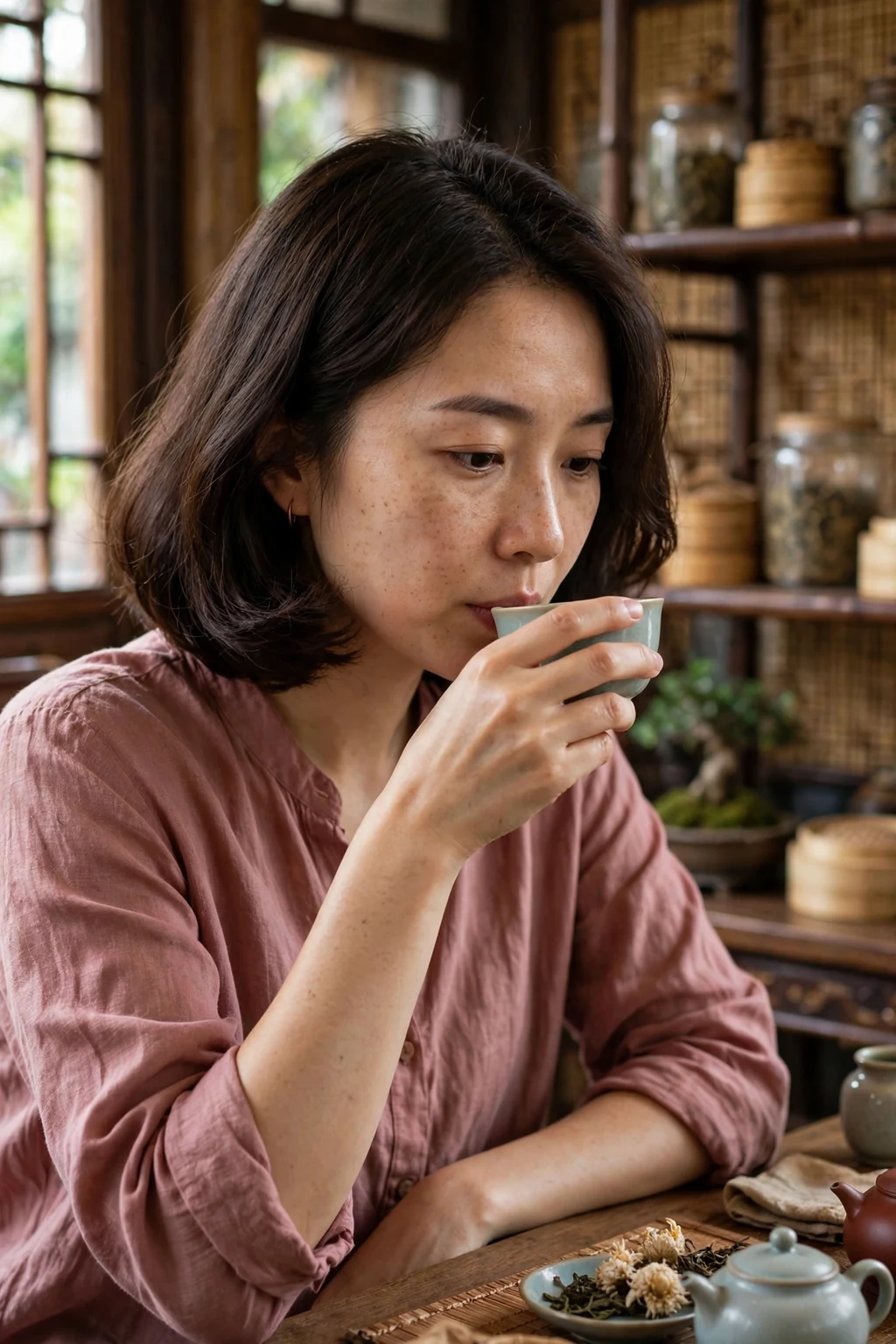
22. Asymmetrical Layers
Asymmetrical layers are modern edge in haircut form: shoulder-length layers cut with a deliberate imbalance, one side falling slightly longer than the other, creating a bold, fashion-forward silhouette. The appearance is striking and contemporary, with the asymmetry drawing the eye and giving the cut an artistic, editorial quality that a symmetrical style cannot match. The finish is sleek or textured depending on styling, but the shape always makes a statement, and the longer side creates a beautiful diagonal line across the collarbone. It is the cut for women who treat their hair as a form of self-expression and want something that stands out in a room full of safe styles. Despite the drama, the cut remains completely wearable, since the length difference is usually just a few centimeters and the layers keep it soft. The diagonal line also creates a slimming effect on the face, making this cut a clever choice for anyone who wants a little visual contouring.
This cut suits straight to wavy hair of medium density, flattering oval, round, and square faces with its diagonal, face-slimming lines. It is especially effective on round faces, where the asymmetry breaks up width and adds angles. To style, blow-dry smooth with a paddle brush for a sharp, graphic finish, or add loose waves with a flat iron for a softer take on the asymmetry. A shine serum emphasizes the sleek lines, while a texturizing spray gives a more casual, lived-in version. Trims every six to eight weeks keep the asymmetry precise and intentional, since even growth changes the balance, and grow-out can be managed by trimming the longer side back into shape. Choose asymmetrical layers when you want your hair to make a statement: they are bold, modern, and unforgettable. A smoothing balm applied to the longer side keeps it sleek and defined, ensuring the asymmetry reads as intentional rather than accidental even on busy mornings.

23. Flippy Layers
Flippy layers are retro fun with a modern twist: shoulder-length layers with ends that flip outward playfully, creating a bouncy, carefree silhouette with serious vintage charm. The appearance is joyful and full of movement, with the flipped ends giving the hair a sense of energy and lightness, and a finish that is polished but never serious. The layers are cut to encourage the flip, with shorter pieces at the crown and longer pieces that kick out at the shoulders, so the style practically creates itself with a round brush. It is the haircut equivalent of a great pop song: catchy, upbeat, and impossible not to smile at. The flip also adds width and volume at the ends, which balances the face beautifully and makes the hair look thicker and more dynamic. The outward flip also adds width at the jawline, which balances longer face shapes beautifully and gives the whole cut a cheerful, open feel.
These layers suit straight to wavy hair of fine to medium density, flattering oval, heart, and oblong faces with their playful, face-framing movement. They are especially fun on fine hair, where the flip creates the illusion of fullness and body. To style, blow-dry with a round brush, rolling the ends outward instead of under, and finish with a light-hold spray that keeps the flip without stiffness. A large-barrel curling iron can reinforce the flip on stubborn sections, and a shine spray adds polish. Trims every eight weeks keep the flip fresh and the ends healthy, and grow-out softens the flip into gentle waves. Choose flippy layers when you want hair that feels like fun: they are playful, flattering, and guaranteed to brighten your day. A large round brush is the key tool for this style, since its barrel size determines how dramatic or subtle the flip turns out. Practice makes the flip quick and consistent.

24. Effortless Air-Dried Layers
Effortless air-dried layers are the wash-and-go dream: shoulder-length layers cut to work with your natural texture, so the hair looks beautiful with zero heat styling and almost no effort. The appearance is natural and relaxed, with layers that enhance whatever your hair does on its own, whether that is a gentle wave, a soft bend, or a smooth fall, and a finish that looks healthy, touchable, and completely unforced. The cut is designed around air-drying, with layers placed to remove weight and encourage natural movement, so the hair dries into shape instead of into a shapeless mass. It is the perfect style for busy mornings, hot climates, and anyone who has made peace with their natural texture and wants a cut that celebrates it. The result looks like you, on your very best hair day, every day. The natural finish also means the cut looks different, and beautiful, on everyone, since it adapts to your unique texture rather than forcing a uniform shape.
These layers suit every texture, from straight to curly, because the cut is customized to how your hair dries naturally, and they flatter every face shape when the layers are placed with your features in mind. They are ideal for women who want to ditch the blow-dryer and embrace a lower-maintenance routine without sacrificing style. To style, apply a leave-in conditioner or curl cream to damp hair, scrunch or smooth as your texture requires, and let it air-dry completely without touching it. A microfiber towel reduces frizz, and a light oil on the ends adds shine once dry. Trims every ten to twelve weeks keep the shape fresh, and grow-out is graceful since the cut is designed to evolve naturally. Choose effortless air-dried layers when you want beautiful hair with no heat and no hassle: they are freedom in haircut form. A satin-lined cap or bonnet overnight protects the air-dried texture, keeping frizz at bay and preserving the natural shape until morning.

25. Sun-Kissed Dimensional Layers
Sun-kissed dimensional layers are the glow-up of medium-length hair: shoulder-length layers enhanced with soft, hand-painted highlights that mimic the way the sun naturally lightens hair, creating depth, warmth, and movement. The appearance is radiant and multi-tonal, with the layers giving the color room to shine, lighter pieces catching the light around the face and darker depth underneath for contrast. The finish is luminous and natural, never stripy or harsh, and the combination of layers and dimension makes the hair look thicker, healthier, and more expensive. It is the style for anyone who wants their hair to look like they just returned from a month in the Mediterranean, and it flatters nearly everyone because the placement is customized to your skin tone and base color. The layers and color work together, each making the other look better. The dimensional color also grows out more gracefully than all-over color, since the soft, hand-painted placement blurs the line between new growth and highlights.
This style suits straight to wavy hair of fine to thick density, flattering every face shape when the lighter pieces are placed around the features you want to highlight. It works on every base color, from dark brown to blonde, since the highlights are tailored to be just a few shades lighter than your natural color. To style, blow-dry with a round brush for polish or air-dry with wave spray for a casual finish, and use a color-safe shampoo and a weekly gloss treatment to keep the dimension bright. A purple shampoo helps blonde dimension stay cool, while a warm gloss keeps brunette dimension rich. Trims every eight to ten weeks keep the layers fresh, and the color grows out softly since it is hand-painted rather than foiled. Choose sun-kissed dimensional layers when you want glow, depth, and effortless radiance: they are sunshine you can wear every day. A sulfate-free shampoo preserves the dimensional color far longer, protecting your investment and keeping the sun-kissed tones bright between salon visits.

26. Graduated Stacked Layers
Graduated stacked layers bring architectural shape to shoulder-length hair, with shorter layers stacked neatly at the back of the head and longer layers falling forward to frame the face. The back is cut in a graduated progression, so each layer sits slightly on top of the one below it, creating rounded volume and a beautifully curved silhouette that looks polished from behind. From the front, the longer pieces graze the collarbone and soften the jawline, so the cut never looks severe despite its structured shape. The finish is smooth and full, with ends that curve gently inward, and the layers give the hair natural lift at the crown without any teasing or heavy styling products. The stacked shape also photographs beautifully from behind, which is why it suits occasions where the back of the hair will be seen, such as weddings and formal dinners. A light volumising mousse worked through damp roots before blow-drying helps the graduation hold its rounded curve all day.
This cut suits oval, round, and heart-shaped faces especially well, because the stacked back adds height and the longer front pieces create slimming vertical lines. It works best on straight to slightly wavy hair of medium to thick density, where the graduation can hold its rounded shape, while very fine hair should keep the stacking softer to avoid a thin-looking perimeter. Styling is simple: blow-dry with a round brush, rolling the back sections under for that curved finish, and smooth with a light serum or a pea-sized amount of smoothing cream. A trim every six to eight weeks keeps the graduation crisp, and as it grows out the shape softens into a classic layered lob, so the cut is forgiving between appointments. Try it if you want a shoulder-length style with real structure, salon polish, and volume that lasts all day. If the hair is naturally wavy, a large-barrel iron can be used on just the front pieces to keep them smooth while the back keeps its stacked curve. Between cuts, a weekly deep-conditioning mask keeps the shorter back layers from looking dry or frayed.
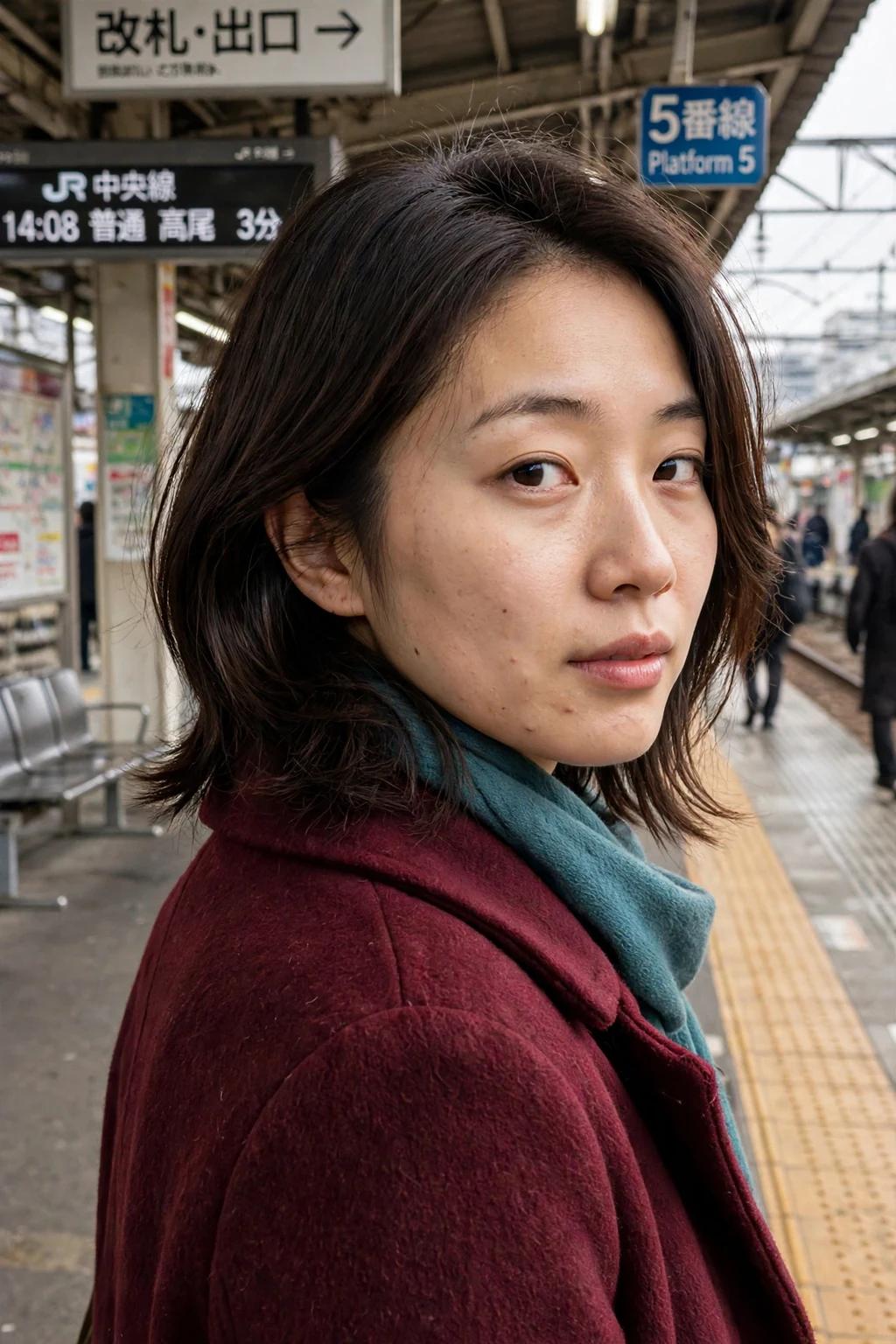
27. Bottleneck Bang Layers
Bottleneck bang layers pair shoulder-length hair with the cleverest fringe shape of recent years: bangs that are shortest in the centre of the forehead and grow gradually longer toward the temples, mimicking the silhouette of a bottle neck. The fringe opens up the face rather than closing it off, because the shorter middle section shows the brow while the longer sides melt into the face-framing layers at cheekbone level. The rest of the cut is layered through the lengths, so the hair moves freely around the shoulders instead of sitting in a heavy sheet, and the overall effect is soft, French, and effortlessly chic. Worn with a centre or slightly off-centre part, the bangs sweep naturally to each side, giving the style a relaxed, lived-in finish even on days when styling time is short. The fringe also works beautifully with the hair tied back, because the longer side pieces soften the hairline while the shorter centre keeps the forehead open. A pea-sized amount of lightweight pomade pressed through the fringe ends prevents flyaways without making the bangs look stiff.
This style flatters oval, heart-shaped, and long faces particularly well, because the fringe shortens a high forehead and the longer sides balance wider cheekbones. It works on straight to wavy hair of fine to medium density, and it is a smart choice if you have always wanted bangs but feared a heavy, blunt fringe. Style the fringe with a small round brush or a flat brush, blow-drying it forward and then flicking the sides outward, and keep a dry shampoo or texturising spray nearby to refresh it between washes. The fringe needs a trim every three to four weeks to keep its bottleneck shape, while the layers can go six to eight weeks. Choose this cut for a shoulder-length look that feels current, face-framing, and far easier to grow out than a full fringe. On humid days, a quick blast with a mini dryer and a small round brush restores the bottleneck curve in under a minute. If the fringe grows too long between appointments, it can be swept to one side and worn as side-swept bangs until the next trim.

28. Soft Wolf Layers
Soft wolf layers take the rock-and-roll energy of the wolf cut and tame it for everyday shoulder-length hair, with short, choppy layers through the crown and longer, softer layers through the ends. The top is cut to create lift and piecey texture, while the bottom keeps enough length to graze the shoulders, so the silhouette is shaggy and full without looking wild or unfinished. The layers are disconnected just enough to create movement, but they are blended at the edges so the cut still looks intentional and wearable for work, weekends, and evenings out. The finish is textured and touchable, with ends that flick and bend in different directions, giving the hair a cool, modern shape that looks great slightly undone. The wolf shape also layers beautifully with soft waves, because the shorter crown pieces wave up naturally while the longer ends keep their shaggy texture. A diffuser used on a low heat setting encourages the piecey ends to separate without creating frizz.
This cut suits oval, heart-shaped, and diamond faces best, because the crown volume balances a narrower chin and the face-framing pieces soften the cheekbones. It works beautifully on wavy and straight hair of medium to thick density, and it can give fine hair the illusion of fullness if the top layers are kept light rather than heavily thinned. Style it by scrunching in a salt spray or a light mousse, diffusing or air-drying for natural texture, and finishing with a tiny amount of pomade on the ends for separation. A trim every seven to nine weeks keeps the shape, and the cut grows out gracefully into a shaggy layered lob. Try the soft wolf if you want a shoulder-length style with personality, volume, and a modern edge that never looks overdone. For a sleeker take, the crown can be smoothed with a flat iron while the ends are left textured, giving a polished yet edgy contrast. Regular dusting of split ends is important, since the many layer ends in this cut show damage more quickly than a blunt style.

29. Centre-Parted Layered Lob
The centre-parted layered lob is symmetry done beautifully: a long bob that sits at the shoulders, layered gently through the ends, and parted precisely in the middle so the hair frames the face in two even curtains. Without bangs to distract, the cut relies on clean lines and subtle layering, with the shortest layers starting near the chin and the longest pieces reaching the collarbone. The result is sleek, balanced, and quietly confident, with movement that comes from the layers rather than from curls or waves. It can be worn pin-straight for a polished finish or with a soft bend through the ends for a more relaxed feel, and it photographs beautifully because the symmetry flatters the face from every angle. The centre part also makes the lob an excellent canvas for subtle highlights, because the even fall on both sides shows colour placement symmetrically. A shine-enhancing gloss treatment every few months keeps the clean lines looking expensive and healthy.
This lob suits oval and heart-shaped faces especially well, and it can also flatter round faces when the front layers are kept long enough to create vertical lines. It works best on straight to slightly wavy hair of fine to medium density, where the clean perimeter stays visible, while very thick hair benefits from internal layers that remove bulk without shortening the outline. Styling is straightforward: blow-dry smooth with a paddle brush, use a flat iron only on the ends if needed, and finish with a shine spray for a glassy effect. A trim every six to eight weeks maintains the shoulder length and the even shape. Choose this cut if you love minimal, elegant hair that looks intentional with very little daily effort. If the hair tends to fall flat, a root-lifting spray applied before blow-drying gives the crown gentle height without disturbing the symmetry. Sleeping on a silk pillowcase helps the centre part stay neat and reduces morning frizz at the part line.

30. Defined Coil Layers
Defined coil layers are cut to celebrate tight curls and coils at shoulder length, with layers shaped so each coil can spring up, form properly, and sit exactly where it belongs. Unlike a blunt cut, which can turn coily hair into a heavy triangle, strategic layers remove weight from the interior and create a rounded, balanced silhouette that frames the face and shoulders. The shortest layers sit near the crown and cheekbones, while the longest coils reach the shoulders when stretched, giving the style height, width, and beautiful dimension. The finish is full of spring and definition, with individual coils visible rather than blended into a single mass, and the cut looks stunning worn naturally with no heat styling at all. The rounded silhouette also means the style looks intentional from every angle, with coils framing the face rather than collapsing flat on top. A satin-lined cap or pineapple method at night protects the coil definition and reduces tangling between wash days.
This cut is essential for naturally coily and tightly curly hair, and it flatters round, oval, and heart-shaped faces when the volume is balanced around the face rather than concentrated at the sides. It must be cut dry, curl by curl, by a stylist experienced with coily textures, because wet cutting cannot predict how each coil will spring up once dry. At home, wash and condition with rich, moisturising products, apply a curl cream or gel to soaking-wet hair, and either diffuse on low heat or air-dry without touching the coils as they set. A trim every ten to twelve weeks keeps the shape, and protective styling between cuts helps retain length. Try defined coil layers if you want your natural texture to be the star, with shape, bounce, and volume built into the cut itself. Deep-conditioning treatments every two weeks keep coily hair moisturised, which in turn keeps the layers springing correctly instead of drooping. A wide-tooth comb used only on wet, conditioned hair prevents breakage and preserves the carefully cut coil shapes.

31. Airy Butterfly Layers
Airy butterfly layers borrow the viral butterfly cut and adapt it to shoulder length, with short, bouncy layers around the face and longer layers through the back that keep the overall length intact. The front layers start near the cheekbones and flick outward like wings, giving the illusion of a much shorter cut from the front, while the back layers fall gracefully to the shoulders. This two-length effect creates extraordinary movement, because the shorter pieces bounce and swing independently of the longer ones, and the hair looks full and airy rather than heavy. The finish is soft and feathered, with ends that curve away from the face, and the style works beautifully blown out with a round brush or worn with natural waves. The butterfly shape also creates a beautiful frame for earrings and necklaces, because the short front layers draw attention upward toward the face. A flexible-hold hairspray misted lightly over the finished style keeps the wing-like flicks in place without stiffness.
This cut suits oval, round, and heart-shaped faces well, because the short front layers open up the face and the longer back layers add slimming length. It works best on straight to wavy hair of medium density, where the contrast between short and long layers is clearly visible, and it is a brilliant choice for anyone who wants to try shorter-looking hair without actually losing shoulder length. Style it by blow-drying the front layers outward with a round brush and the back layers under, then shaking the hair out for airy separation. A trim every six to eight weeks keeps the butterfly shape distinct, and the cut grows out into a classic layered lob. Choose it for a playful, voluminous shoulder-length style with instant movement. For extra bounce on special occasions, the front layers can be set on large Velcro rollers for fifteen minutes before shaking out. A lightweight oil applied only to the very ends prevents the shorter front pieces from looking dry or wispy.

32. Micro-Fringe Layers
Micro-fringe layers pair a bold, short fringe with soft shoulder-length layers, creating a striking contrast between the cropped brow-grazing fringe and the longer, flowing lengths below. The fringe sits well above the eyebrows, cut in a slightly softened line rather than a harsh straight edge, so it frames the eyes and cheekbones dramatically without looking costume-like. The layers through the shoulders keep the overall style wearable and feminine, balancing the edginess of the fringe with movement and softness around the face. The finish is modern and editorial, with the fringe acting as the focal point while the layered lengths provide versatility for tying up, tucking behind the ears, or wearing loose and wavy. The micro fringe also pairs beautifully with statement earrings, because nothing competes with the eyes and cheekbones for attention. A tiny amount of smoothing serum pressed over the fringe after styling keeps it sleek through wind and humidity.
This daring style suits oval and heart-shaped faces best, and it works beautifully on people with strong brows and cheekbones who want to highlight their features. It is most flattering on straight to slightly wavy hair of fine to medium density, because the fringe needs to lie smoothly, while very curly hair requires straightening the fringe daily. Styling the fringe takes only a minute: blow-dry it flat with a small brush, or smooth it with a mini flat iron, and keep the layers soft with a light wave spray. The fringe needs trimming every two to three weeks to stay above the brow, while the layers can go six to eight weeks. Try micro-fringe layers if you want a shoulder-length cut with genuine fashion edge and a memorable, confident finish. If the fringe feels too bold for weekdays, it can be softened by sweeping it slightly to one side with a bobby pin hidden at the temple. A silk scarf wrapped loosely at night prevents the short fringe from creasing or bending while sleeping.

33. Zigzag-Part Textured Layers
Zigzag-part textured layers use a playful parting trick to transform ordinary shoulder-length layers into a voluminous, modern style. Instead of a straight centre or side part, the hair is parted in a zigzag at the crown, which instantly lifts the roots, breaks up any flatness, and creates a casual, textured finish that looks deliberately undone. The layers underneath are cut with texture through the ends, so the hair has separation and movement, and the zigzag part adds a retro-nineties nod without making the style feel dated. Worn with loose waves or natural texture, the result is fun, youthful, and full of body, and it is an easy way to refresh a layered cut without changing its length or shape at all. The zigzag part also disguises a widening part line or thinning at the crown, because the eye follows the zigzag rather than a straight line of scalp. A root powder in a matching shade can be dusted along the zigzag for extra fullness on fine hair.
This style suits every face shape, because the zigzag part softens a severe centre part and adds height that flatters round and square faces in particular. It works on straight, wavy, and curly hair of fine to thick density, and it is especially helpful for fine hair, where the zigzag instantly creates the illusion of fuller roots. To create the part, use the tail of a comb to draw a zigzag line back from the hairline, then style the layers with a texturising spray or salt spray and scrunch for separation. The part can be refreshed daily in seconds, and the underlying layers need a trim every seven to nine weeks. Choose this cut if you want an easy, personality-filled twist on shoulder-length layers that adds volume with zero extra effort. The zigzag can be made wider or narrower depending on mood, with a wide zigzag giving a bolder retro effect and a narrow one looking subtly textured. A light texturising powder at the roots helps the zigzag hold its lift throughout a long day.

34. Money-Piece Highlight Layers
Money-piece highlight layers combine a flattering shoulder-length cut with bold, face-framing colour: two lighter pieces placed right at the front of the hair, framing the face like a highlight halo. The layers are cut to showcase the colour, with the shortest face-framing pieces starting at the cheekbones so the bright strands fall exactly where they catch the light. The rest of the hair keeps its natural or deeper base colour, which makes the front pieces pop by contrast and gives the whole style instant dimension without colouring the entire head. The finish is fresh and eye-catching, with the lighter front layers brightening the complexion and making the eyes stand out, and the layered shape keeps the colour looking modern rather than striped or harsh. The money pieces also make the style remarkably photogenic, because the bright front sections catch light in selfies and outdoor photos. A gloss treatment over the front pieces every few weeks keeps them luminous rather than dull or brassy.
This style suits every face shape, because the bright front pieces draw attention to the features you want to highlight, and it works on straight to wavy hair of any density. It is ideal if you want a colour change with less commitment and less maintenance than a full head of highlights, since only the front sections need regular refreshing. Styling is simple: blow-dry the front layers forward and slightly outward so the money pieces sit visibly around the face, and use a colour-safe shampoo and a purple or toning treatment occasionally to keep blonde pieces from turning brassy. Refresh the money pieces every eight to ten weeks, with a layer trim at the same appointment. Try this cut if you want shoulder-length layers with a bright, face-lifting twist that photographs beautifully and grows out softly. If the contrast feels too strong at first, the stylist can soften the money pieces with a root melt that blends them into the base colour. A heat protectant is essential, since highlighted front pieces are more vulnerable to damage from irons and dryers.

35. Debulked Layers for Thick Hair
Debulked layers for thick hair are a game-changer for anyone whose shoulder-length hair feels heavy, bulky, or impossible to style: internal layers and careful thinning remove weight from inside the cut without shortening the visible length. The stylist cuts shorter layers underneath the top section, so the surface of the hair stays smooth and long while the interior is lighter, allowing the hair to move, swing, and fall naturally instead of sitting in a solid, triangular block. The silhouette stays at the shoulders, but it is narrower, softer, and far easier to manage, with ends that taper gently rather than flipping out in a heavy shelf. The finish is polished yet lightweight, and the hair dries faster, holds a blowout better, and feels dramatically more comfortable in hot weather. The debulked interior also means the hair sits better under hats and hoods, because there is less bulk bunching at the sides. A light leave-in conditioner keeps the thinned interior smooth without adding the weight the cut just removed.
This cut is made for thick, dense, straight to wavy hair, and it flatters oval, round, and square faces by removing side bulk that can widen the face. It is not suitable for fine hair, which needs every strand for fullness, but for thick hair it is transformative. Ask your stylist specifically for internal layers rather than aggressive surface thinning, which can create frizz and wispy ends. Style with a smoothing cream or light oil, blow-dry in sections with a round brush, and avoid heavy products that reintroduce weight. A trim every eight to ten weeks keeps the debulking even as the hair grows, and the cut grows out gracefully without sudden bulk returning. Choose it if your thick shoulder-length hair has ever felt more like a burden than a style. Thick hair often benefits from a clarifying shampoo once a month, since product build-up can quickly recreate the heaviness debulking removed. Ask the stylist to check the interior layers at each trim, as uneven regrowth can restore bulk in patches.

36. Lightweight Layers for Fine Hair
Lightweight layers for fine hair prove that layering can add movement without stealing volume, when the layers are cut long, gentle, and sparingly. Instead of many short, choppy layers that can make fine hair look thinner, this cut uses just a few long layers through the lengths, starting below the chin, so the hair keeps a full-looking perimeter at the shoulders while gaining soft swing and shape. The ends are cut bluntly enough to look thick, but the subtle layering stops the hair from hanging flat and lifeless, and the overall silhouette is airy, bouncy, and deceptively full. The finish is soft and touchable, with layers that move when you turn your head, giving fine hair a liveliness it rarely achieves with a one-length cut. The gentle layering also means the style holds a curl better than a one-length cut, because the subtle movement helps waves grip and last. A large-barrel iron used on just a few sections adds soft bends without sacrificing the full-looking ends.
This cut is ideal for fine, straight to slightly wavy hair, and it flatters oval, heart-shaped, and oblong faces, where the longer layers add width without overwhelming delicate features. It is the safest layered option if you have always feared layers will thin your hair out, because the layering is deliberately minimal and the perimeter stays strong. Style with a volumising mousse at the roots, blow-dry with a round brush for lift, and use dry shampoo or a light texturising spray rather than heavy oils or serums that flatten fine hair. A trim every six to eight weeks keeps the ends looking thick and healthy, and regular clarifying washes prevent product build-up from weighing the style down. Try it if you want shoulder-length layers that make fine hair look fuller, not thinner. Fine hair should be washed with a volumising shampoo and conditioned only from mid-lengths down, to avoid flattening the roots. A root-lifting powder applied on second-day hair revives the airy movement between washes without a full restyle.
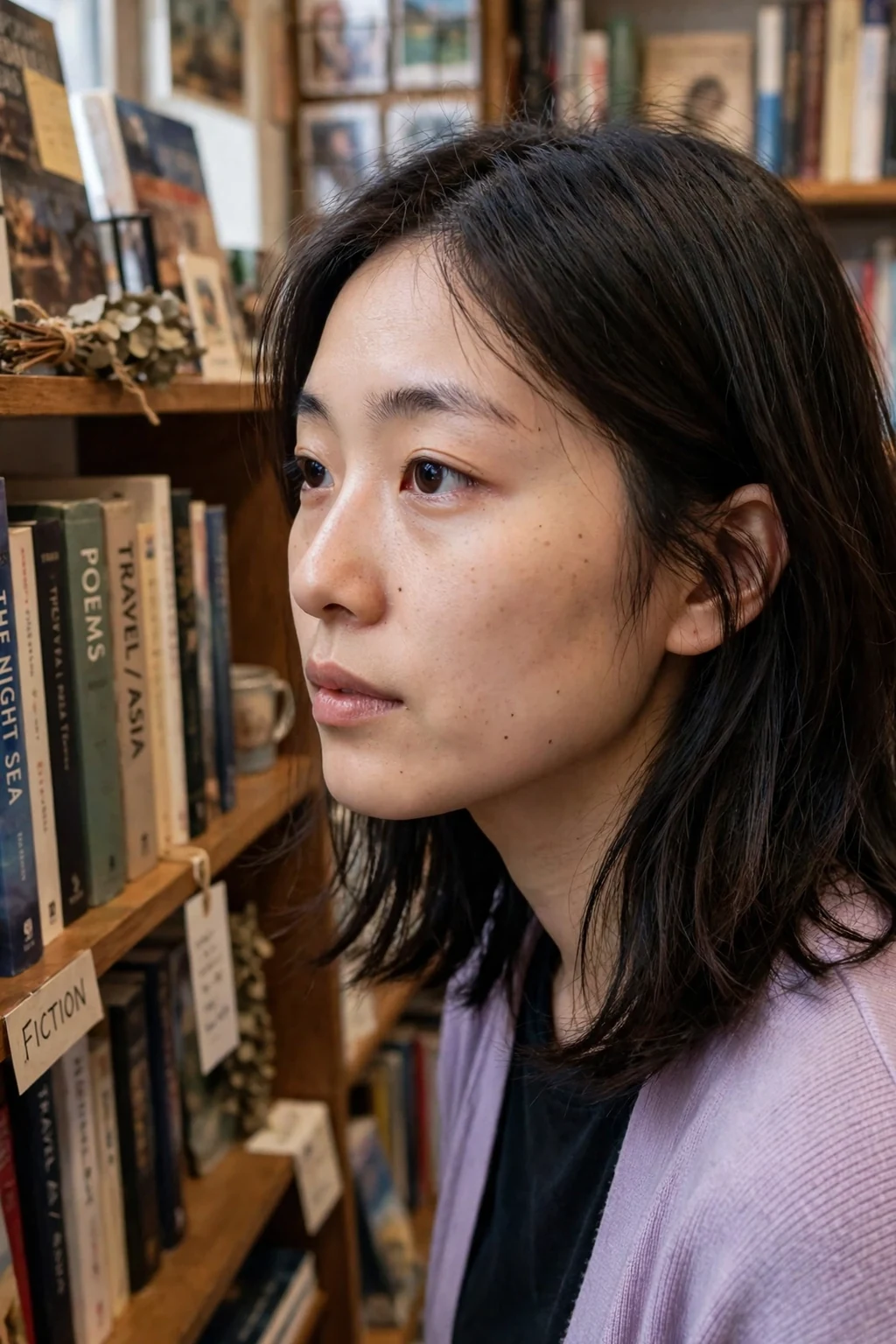
37. Side-Swept Bang Layers
Side-swept bang layers are the classic fringe for people who want softness without commitment: a long fringe swept diagonally across the forehead, blending seamlessly into the shoulder-length layers at the side of the face. The fringe starts shorter near the part and grows longer toward the opposite temple, creating a diagonal line that opens up the face and draws the eye across the cheekbones. The layers through the lengths echo that diagonal movement, with face-framing pieces that curve gently around the jaw and shoulders, so the whole cut flows in one graceful direction. The finish is romantic and polished, with the fringe adding instant style to an otherwise simple layered cut, and it can be swept more dramatically for evenings or worn softer and more casual for daytime. The diagonal fringe also works beautifully with glasses, because it sweeps above most frames rather than colliding with them. A small amount of styling cream worked through the fringe ends keeps the sweep soft and prevents it falling across the eyes.
This style flatters round, square, and heart-shaped faces especially well, because the diagonal fringe breaks up symmetry and creates slimming lines across a wider forehead or jaw. It works on straight to wavy hair of fine to medium density, and it is a forgiving first fringe because it grows out into face-framing layers with no awkward stage. Style the fringe by blow-drying it across the forehead with a round brush, directing it to the opposite side of the part, and finish with a light-hold spray so it stays swept without stiffness. Trim the fringe every four to five weeks, and the layers every seven to eight weeks. Choose side-swept bang layers for a timeless, flattering shoulder-length style that softens the face and never goes out of fashion. On days when the fringe will not cooperate, a discreet clip at the temple can hold it swept while still looking like part of the style. A mini flat iron is useful for smoothing only the fringe on busy mornings, leaving the layers natural.

38. Wet-Look Textured Layers
Wet-look textured layers bring runway gloss to everyday shoulder-length hair, with layers styled to a sleek, damp-looking finish that catches the light and shows off every wave and piece. The cut itself uses textured layers through the ends, so the hair has natural separation, and the styling transforms that texture into glossy, defined sections that look freshly tousled by water. The roots are smoothed down for a sleek, controlled start, while the lengths keep their movement, creating a striking contrast between polish at the top and undone texture below. The finish is bold, modern, and editorial, yet surprisingly wearable for evenings out, parties, and special occasions, and it makes a simple layered cut look instantly high-fashion. The wet look also pairs strikingly with bold makeup and statement jewellery, because the sleek roots frame the face like a polished frame. A shine spray layered over the gel once dry intensifies the glossy, just-stepped-out-of-water effect.
This style suits oval, heart-shaped, and diamond faces best, because the sleek roots highlight the cheekbones and the textured lengths add balance around the jaw. It works on straight, wavy, and curly hair of medium density, since the layers provide the texture that the wet-look styling defines. To create it, apply a strong-hold gel or wet-look cream to damp hair, comb the roots smooth, scrunch the lengths for definition, and let the hair air-dry or diffuse gently without touching it too much. A shine serum over the finished style boosts the glossy effect, and the look can be refreshed with a little water and gel the next day. Trim the layers every seven to nine weeks. Try wet-look layers when you want your shoulder-length cut to make a statement. To remove the style without residue, wash twice with a clarifying shampoo and follow with a deep conditioner, since strong gels can dry the hair if left in. A wide-tooth comb is best for distributing gel evenly, avoiding the streaky patches a brush can create.

39. Retro Pageboy Layers
Retro pageboy layers revive a beloved vintage silhouette for modern shoulder-length hair, with layers curved smoothly under at the ends to create a rounded, polished shape that hugs the jaw and shoulders. The cut is layered gently through the interior so the hair has movement and does not sit like a solid helmet, but the defining feature is that continuous curved outline, with the ends rolling under in one soft, unbroken line. A deep side part or a soft fringe often completes the look, giving it a glamorous, old-Hollywood feel that is both nostalgic and surprisingly fresh. The finish is sleek, shiny, and immaculately groomed, with the curved ends catching the light as the head turns, and it looks equally at home at a formal event or worn with casual clothes for a touch of vintage polish. The curved pageboy outline also makes the style look wonderful from behind, with the rolled-under ends forming a continuous, elegant line. A shine serum combed through the lengths before the final brush-through gives the vintage shape a modern, healthy gleam.
This style suits oval, round, and heart-shaped faces well, because the curved outline softens the jaw and adds width in a flattering, balanced way. It works best on straight to slightly wavy hair of fine to medium density, where the smooth curve can be clearly seen, while very curly hair needs straightening to achieve the pageboy shape. Style it by blow-drying with a large round brush, rolling the ends firmly under, and finishing with a smoothing serum and a light-hold spray for shine and hold. A trim every six weeks keeps the curve crisp, since grown-out ends lose the pageboy line quickly. Choose retro pageboy layers if you love vintage glamour and want a shoulder-length cut with a distinctive, elegant silhouette. For a softer daytime version, the ends can be rolled under less tightly, creating a gentle curve rather than a strict pageboy roll. A boar-bristle brush used during blow-drying helps smooth the cuticle and enhances the glossy vintage finish.

40. Lived-In Grown-Out Layers
Lived-in grown-out layers are the low-maintenance dream of shoulder-length hair: a cut designed from the start to look even better as it grows, with soft, blended layers that never develop a harsh line or an awkward stage. The layers are cut with a feathered, diffused technique, so the shortest and longest pieces melt into each other, and the perimeter is kept soft rather than blunt, allowing the hair to gain length gracefully over months. The silhouette stays flattering at every stage, moving from a neat shoulder-length cut to a longer, layered midi style without an emergency salon visit, and the finish is relaxed, natural, and touchable, with layers that fall where they want to rather than demanding precise styling. It is the perfect cut for busy lives, for growing hair out, or for anyone who simply does not want to live in the salon chair. The feathered layering also means the style rarely has a bad hair day, because there is no blunt line to grow out unevenly or flip awkwardly. A sea-salt spray on damp hair enhances the relaxed texture and makes the grown-out shape look intentional.
This cut suits every face shape and almost every hair type, because the soft layering can be customised to the individual, and it is especially kind to wavy and curly hair, which grows out with beautiful natural shape. Styling is minimal: wash, apply a leave-in cream or light mousse, and air-dry or diffuse for natural texture, with occasional waves from a large-barrel iron if desired. Because the cut is designed to grow, trims can stretch to ten or twelve weeks, with just a light dusting of the ends to prevent split ends from travelling up the hair. Choose lived-in grown-out layers if you want a shoulder-length style that respects your time, your budget, and your hair's natural behaviour. Even with longer gaps between cuts, a tiny trim of just the very ends every few months prevents split ends from weakening the feathered layers. A silk scrunchie for tying the hair up avoids dents and breakage that can spoil the soft, lived-in outline.

41. Hidden Undercut Layers
Hidden undercut layers add a secret edge to shoulder-length hair: the top layers fall normally to the shoulders, completely covering a closely clipped section at the nape or behind one ear. With the hair worn down, the cut looks like a classic layered style, soft and professional, but when the hair is lifted, tied up, or swept to one side, the undercut reveals itself as a bold, unexpected detail. The undercut also removes a surprising amount of weight and bulk from thick hair, making the remaining layers lighter, cooler, and easier to style, especially in summer. The contrast between the soft, flowing top layers and the crisp clipped section underneath gives the style a modern, confident character that can be as subtle or as daring as you choose, from a simple clipped nape to a patterned design. The clipped section also keeps the neck noticeably cooler in summer, which is a practical bonus many wearers love as much as the edgy look. A soothing scalp oil massaged into the undercut after clipping prevents itching as the short hair regrows.
This cut suits oval, round, and square faces, and it is a brilliant option for thick, dense hair that needs weight removed without losing visible length. It also suits anyone who wants an edgy detail they can hide for work and reveal for weekends, since the top layers provide full coverage when worn down. The undercut needs clipping every three to four weeks to stay sharp, while the top layers can be trimmed every seven to eight weeks, so the two parts of the cut run on different schedules. Style the top layers as usual, with waves, a blowout, or air-dried texture, and use a little pomade to define the hairline around the undercut when it is on show. Try hidden undercut layers for a shoulder-length cut with a playful secret and a genuinely cooler, lighter feel. If a patterned undercut is chosen, a skilled barber can refresh the design at the same three-week clipping appointment. A little concealer-free styling is best around the undercut, since heavy products can clog the clipped area and dull its crisp edge.

42. Bouncy Curled-Under Layers
Bouncy curled-under layers are the cheerful, polished cousin of the blowout, with shoulder-length layers whose ends are deliberately rolled under to create a rounded, springy silhouette. Each layer is blow-dried with a round brush and curved inward, so the hair forms a continuous, bouncy curve around the shoulders rather than flipping outward or hanging straight. The layers give the style its lift and movement, with shorter top layers adding crown volume and longer bottom layers providing the weight that makes the curl-under hold its shape. The finish is glossy, healthy-looking, and full of energy, with ends that bounce as you walk, and it has a timeless, put-together quality that works for offices, weddings, and everyday life alike. The curled-under shape also flatters necklaces and high necklines, because the rounded ends sit neatly above collars without flipping outward awkwardly. A large round brush is the key tool, and rolling the brush slowly at the ends creates a smoother, longer-lasting curl.
This cut suits oval, round, and heart-shaped faces well, because the inward curve softens the jaw and frames the face in a flattering, rounded line. It works best on straight to slightly wavy hair of fine to medium density, where the curled-under ends can be clearly shaped, while very thick hair needs internal layers to prevent the curve from becoming too bulky. Style it by blow-drying in sections with a medium round brush, rolling each section under at the ends, and setting the shape with a cool shot from the dryer and a light-hold spray. Velcro rollers on the ends for ten minutes add extra bounce on special occasions. A trim every six to eight weeks keeps the curve crisp. Choose this cut for a shoulder-length style that is bouncy, feminine, and endlessly wearable. For humid weather, a humidity-resistant finishing spray applied before leaving the house helps the inward curve survive damp air. Sleeping with the hair loosely wrapped in a silk scarf preserves the curl-under shape for a second day.

43. Root-Shadow Dimensional Layers
Root-shadow dimensional layers use clever colour placement to add depth to a shoulder-length cut, with the roots kept darker and blended gradually into lighter lengths through a soft, shadowed transition. The layers are cut to show off that dimension, with shorter face-framing pieces catching the lighter tones and longer back layers revealing the full gradient from dark to light. The result is hair that looks thicker, more textured, and more expensive, because the eye reads the contrast between shadow and light as extra layers and movement, even where the cut itself is relatively simple. The finish is natural and sun-grown rather than salon-obvious, with no harsh line at the roots, so the style looks beautiful for weeks after colouring and grows out with remarkable softness. The shadowed root also allows the lighter lengths to appear brighter by contrast, so the overall colour looks richer without using stronger bleach. A purple shampoo used once a week keeps the lighter ends cool-toned and prevents unwanted warmth.
This style suits every face shape and works on straight to wavy hair of fine to thick density, since the dimension itself creates the illusion of fullness that benefits fine hair and breaks up the heaviness of thick hair. It is ideal if you love lighter hair but hate frequent root touch-ups, because the shadowed root is designed to grow out gracefully. Style the layers with a blowout or loose waves to show the colour gradient, and use colour-safe shampoo, a weekly mask, and occasional gloss treatments to keep the tones rich. Refresh the root shadow and the layers every ten to twelve weeks, far less often than traditional highlights. Try root-shadow dimensional layers for a shoulder-length cut with depth, low maintenance, and a naturally expensive-looking finish. Between colour appointments, a clear gloss treatment refreshes shine and seals the cuticle, making the dimension look freshly done. A heat protectant spray is particularly important here, since lightened lengths are more prone to dryness and breakage.

44. Braid-Ready Layers
Braid-ready layers are cut with braiding in mind, so shoulder-length hair can be plaited easily without layers poking out at every angle or the braid falling apart within an hour. The layers are kept long and blended, with the shortest pieces starting below the chin, so that when the hair is gathered into a side braid, a French braid, or a loose fishtail, the layers stay tucked inside the plait rather than escaping as short wisps. The cut still looks beautiful worn loose, with soft movement and face-framing pieces, but its real magic appears in braided styles, where the layers create texture and fullness inside the braid instead of fighting against it. The finish is romantic and practical, with braids that look thicker, more textured, and more secure than braids cut from a one-length style. The long, blended layers also mean braids can be worn high, low, or to one side without the style collapsing, giving genuine versatility. A little dry shampoo worked into the roots before braiding adds grip and makes the plait look fuller and more textured.
This cut suits every face shape, because the face-framing layers can be adjusted to the individual, and it works on straight, wavy, and curly hair of fine to medium density. It is perfect for active lifestyles, for festival and wedding styling, and for anyone who wears braids weekly and is tired of layers ruining the effect. Style braids on second-day hair with a little texturising spray for grip, braid loosely rather than tightly to keep the layers inside, and pull gently at the braid edges to create fullness. Wear the layers loose with waves on non-braid days for an equally pretty finish. A trim every eight weeks keeps the layers long enough to braid cleanly. Choose braid-ready layers if your shoulder-length hair needs to work as hard in braids as it does worn down. For formal occasions, the braid can be loosened and pinned into a low braided bun, with the face-framing layers left out to soften the look. A clear elastic at the braid end, hidden under a wrapped strand of hair, gives a polished finish.

45. Sculpted Wave Layers
Sculpted wave layers bring old-glamour precision to shoulder-length hair, with layers shaped into smooth, defined waves that curve in elegant, continuous S-shapes around the face and shoulders. Unlike tousled beach waves, which are deliberately messy, sculpted waves are polished and intentional, with each wave placed to frame the cheekbones and jaw in a flattering, rhythmic pattern. The layers support the waves by giving the hair different lengths to curl around, so the shorter face-framing pieces form tighter curves near the face while the longer back layers create broader, softer waves. The finish is glossy, refined, and red-carpet ready, with waves that hold their shape for hours and catch the light beautifully, making this one of the most elegant ways to wear layered shoulder-length hair. The sculpted waves also hold their shape remarkably well under a light mist of flexible spray, making them reliable for long events. A shine serum applied sparingly to the outer surface of the waves enhances their glossy, sculpted definition without weighing them down.
This style suits oval, heart-shaped, and oblong faces especially well, because the sculpted curves soften long faces and highlight the cheekbones. It works best on straight to wavy hair of fine to medium density, where the waves can be set cleanly, while curly hair needs smoothing first to achieve the sculpted effect. Create it with a large-barrel curling iron, curling sections in the same direction and brushing them out into smooth waves, then setting with a flexible-hold spray and a shine serum. Pin curls overnight offer a heat-free alternative for special occasions. A trim every six to eight weeks keeps the layers even enough for the waves to fall correctly. Try sculpted wave layers for a shoulder-length style with vintage elegance and serious staying power. To convert the style for daytime, the waves can be brushed out more thoroughly into soft, flowing bends that still show the sculpted pattern. A silk pillowcase helps preserve the wave shape overnight, so the style can often be worn for a second day.

46. Octopus-Inspired Layers
Octopus-inspired layers take a bold, editorial trend and make it wearable at shoulder length, with short, wispy layers around the face and crown that contrast with longer, textured layers through the ends. Like the sea creature that inspires it, the cut has a rounded, voluminous top section and longer, thinner tentacle-like pieces falling below, creating a silhouette that is full at the top and piecey at the bottom. The face-framing layers are cut to flick outward and move independently, while the longer layers keep the shoulder length intact, so the style feels adventurous without sacrificing versatility. The finish is textured, edgy, and fashion-forward, with visible separation between layers that gives the hair a modern, almost sculptural quality, and it looks best worn slightly tousled rather than perfectly smooth. The octopus silhouette also looks striking when the hair is half tied up, because the wispy top layers stay full while the longer pieces fall free below. A sea-salt spray enhances the piecey separation that defines this cut and keeps it from looking merely messy.
This cut suits oval, heart-shaped, and diamond faces best, because the voluminous top balances a narrower chin and the wispy front pieces soften the cheekbones. It works on straight to wavy hair of medium density, where the contrast between the full top and the piecey ends is clearly visible, and it is a great choice for anyone who loves the wolf cut or shag but wants something newer and more distinctive. Style it with a texturising spray and a light mousse, scrunching the ends for separation and letting the top layers air-dry with natural lift. A trim every seven to nine weeks maintains the octopus silhouette, and the cut grows out into a textured shag. Choose it for a shoulder-length style that is bold, current, and full of personality. If the top layers ever feel too voluminous, a tiny amount of smoothing cream pressed over the crown calms them without flattening the shape. A diffuser attachment helps the wispy ends dry with definition rather than frizz, especially on wavy hair.

47. Hime-Inspired Layers
Hime-inspired layers borrow from the Japanese princess cut, adapting its dramatic geometry to soft, wearable shoulder-length hair. The defining feature is a pair of straight, cheek-length front pieces that frame the face like a curtain, cut bluntly at cheek or jaw level, while the remaining hair falls in layered lengths to the shoulders behind them. This contrast between the sharp, graphic front sections and the softer, flowing back layers creates a striking, fashion-forward silhouette that is both elegant and edgy. The finish is sleek and precise, with the front pieces acting as a built-in face frame that highlights the eyes and cheekbones, while the layered back keeps the style from looking severe or costume-like. It is a cut that turns heads precisely because it is so different from ordinary layers. The blunt front pieces also create a natural frame for bold lip colour and dramatic eye makeup, since the graphic lines draw attention to the face. A flat iron with a narrow plate is ideal for keeping the front pieces crisp without disturbing the softer back layers.
This style suits oval and heart-shaped faces especially well, and it works beautifully on people with strong, symmetrical features who want to showcase them. It is most striking on straight hair of fine to medium density, because the blunt front pieces need to fall smoothly, while wavy or curly hair requires straightening the front sections daily. Style the front pieces with a flat iron for a crisp edge, keep the back layers soft with a blowout or light waves, and finish with a shine serum for a polished effect. The front pieces need trimming every four weeks to maintain their cheek length, while the back layers can go seven to eight weeks. Try hime-inspired layers for a shoulder-length cut with genuine artistry and unforgettable geometry. As the front pieces grow, they can be tucked behind the ears for a softer look until the next trim restores the cheek length. A shine spray misted over the finished style emphasises the sleek, precise geometry that makes this cut so distinctive.

48. Clavicut Layers
Clavicut layers are precision shoulder-length hair at its most flattering: a cut that ends exactly at the collarbone, with layers that follow that line and create a clean, elegant silhouette. The name comes from the clavicle, and the length is no accident, because collarbone length is widely considered one of the most universally flattering lengths, long enough to feel feminine and versatile, yet short enough to feel light and modern. The layers are subtle and blended, starting near the chin and falling to the collarbone, so the hair has movement and shape without losing the strong, clean perimeter that defines the clavicut. The finish is polished and effortless, with hair that swings gently at the shoulders and frames the neck and collarbones beautifully, whether worn straight, wavy, or with a soft bend. The collarbone length also means the hair can still be tied into a low ponytail or a small bun, giving the clavicut practical versatility. A light texturising spray adds grip and movement on days when the clean lines feel too polished or flat.
This cut suits virtually every face shape, because collarbone length balances the proportions of round, square, oval, and heart-shaped faces alike, and it works on straight, wavy, and curly hair of fine to thick density. It is the ideal shoulder-length cut if you are unsure which layered style to choose, because its length and subtle layering are universally safe yet never boring. Style it with a blowout for smoothness, with loose waves for softness, or air-dried for natural texture, and finish with a light serum for shine. A trim every six to eight weeks is essential, since even a centimetre of growth moves the cut away from the collarbone and changes its character. Choose clavicut layers for a timeless, flattering shoulder-length style that simply works. Because the length is so precise, even a small amount of growth changes the silhouette, so booking the next trim before leaving the salon helps maintain it. A weekly hair mask keeps the ends healthy, which is essential when the perimeter itself is the style's main feature.

49. U-Shaped Layers
U-shaped layers shape shoulder-length hair into a gentle, curved outline, with the sides falling slightly shorter around the face and the back dipping longer in a soft U-shape. This perimeter shape gives the hair a beautiful, rounded silhouette from behind, with layers that follow the curve and create movement as the hair swings. The face-framing layers are cut to blend into the U, so there is no harsh step between the front and the back, and the overall effect is soft, feminine, and full of flow. The finish is bouncy and healthy-looking, with the curved outline making the hair look thicker at the ends than a straight-across cut would, and it works beautifully worn straight, wavy, or with a blowout that emphasises the curve. The curved outline also looks beautiful when the hair is worn in a low ponytail, because the longer centre back creates a graceful tail shape. A round brush used during blow-drying, following the U-curve, helps the shape read clearly from behind.
This cut suits oval, round, and heart-shaped faces well, because the curved perimeter adds softness and the longer back provides slimming length. It works on straight to wavy hair of fine to thick density, and it is especially flattering for fine hair, since the U-shape keeps the centre back longer and fuller-looking than a layered cut with a straight perimeter. Style it by blow-drying with a round brush, following the curve of the cut, and finishing with a light serum to keep the ends smooth and the U-shape visible. A trim every seven to nine weeks maintains the curve, and the cut grows out gracefully as the U simply becomes a longer, softer version of itself. Try U-shaped layers for a shoulder-length style with a beautiful, flowing outline that flatters from every angle. For extra shine, a lightweight oil smoothed over just the outer layer of hair enhances the curved silhouette without flattening the layers. A loose braid worn overnight creates soft waves that still follow the U-shape beautifully the next morning.

50. V-Shaped Layers
V-shaped layers cut shoulder-length hair into a dramatic, pointed outline, with the hair longest at the centre back and gradually shorter toward the sides of the face. This V perimeter creates a striking silhouette from behind, with layers that cascade down to a soft point, giving the hair a sense of length and movement even at shoulder length. The face-framing layers are kept long enough to flatter the jaw and cheekbones, while the back layers build the V-shape gradually, so the cut looks intentional and elegant rather than accidentally grown out. The finish is sleek and dynamic, with the pointed outline drawing the eye downward and making the hair look longer than it actually is, and it works beautifully straight, with a blowout, or with loose waves that follow the V. The pointed outline also makes the hair look longer in photographs taken from behind, which is a bonus for anyone growing their hair out. A paddle brush used during blow-drying keeps the back layers straight and the V-point clearly defined.
This cut suits oval, round, and square faces well, because the V-shape creates elongating vertical lines that slim and lengthen the overall silhouette. It works on straight to wavy hair of medium to thick density, where the point can be clearly shaped, while very fine hair should keep the V softer to avoid a thin-looking tip. Style it by blow-drying the back layers smooth and straight so the V remains visible, and finish with a serum to keep the point neat rather than frayed. A trim every seven to nine weeks maintains the point, since growth quickly softens the V into a U-shape if left too long. Choose V-shaped layers for a shoulder-length style with drama, length illusion, and a beautifully distinctive outline. If the point ever looks too sharp, a single loose wave through the centre back softens it while keeping the V-shape visible. A split-end treatment applied to the longest tip is worthwhile, since that point bears the most wear and shows damage first.

51. Curly Fringe Layers
Curly fringe layers celebrate natural curls from forehead to shoulders, pairing a soft, curly fringe with layered curls that fall to shoulder length. The fringe is cut dry, curl by curl, so each curl in the fringe can spring to its natural length without shrinking unexpectedly short, and it blends into the face-framing layers at the temples for a seamless, rounded shape. The layers through the lengths remove weight and prevent the dreaded triangle shape, allowing the curls to stack beautifully and form a balanced, bouncy silhouette. The finish is joyful, full of texture and personality, with curls that move independently and a fringe that frames the eyes in a way straight bangs never could, making this one of the most charming ways to wear curly shoulder-length hair. The curly fringe also softens the forehead in a way no straight fringe can, because the curls create a broken, textured hairline rather than a solid line. A curl-refreshing spray revives the fringe on second-day hair without a full wash and restyle.
This cut is made for naturally curly and wavy hair, and it flatters round, oval, and heart-shaped faces when the fringe and layers are balanced to avoid too much volume at the sides. It must be cut dry by a curl specialist, because wet curls shrink dramatically as they dry and a wet-cut fringe can end up far shorter than intended. At home, apply curl cream and gel to soaking-wet hair, scrunch gently, and diffuse or air-dry without touching the curls as they set, then shake the roots gently for volume once fully dry. A trim every ten to twelve weeks keeps the fringe and layers in proportion. Try curly fringe layers if you want your natural curls, fringe included, to be shaped, celebrated, and full of bounce. Pineappling the hair at night, with the fringe left free at the front, protects the curl pattern while keeping the fringe from flattening. A silk bonnet worn loosely over the lengths preserves the layers and the fringe equally well.

52. Layered Cut with Chunky Highlights
A layered cut with chunky highlights brings bold, high-contrast colour back to shoulder-length hair, with thick, clearly defined lighter sections woven through the layers instead of fine, blended babylights. The chunky pieces are placed strategically, often around the face and through the top layers, so they show clearly as the hair moves, creating stripes of brightness that emphasise the layering itself. The layers are cut to display the colour, with shorter top layers revealing the highlights and longer bottom layers providing depth and contrast underneath. The finish is confident, playful, and unmistakably modern, with the chunky colour giving a simple layered cut instant attitude and dimension, and it photographs strikingly because the contrast reads clearly even in casual phone photos. The chunky colour also gives the style a nostalgic nineties and early-2000s energy that feels fresh again when paired with modern layering. A colour-depositing conditioner in the highlight shade keeps the chunky pieces vivid between salon visits.
This style suits oval, heart-shaped, and square faces, because the bold front pieces draw attention to the eyes and cheekbones, and it works on straight to wavy hair of medium density, where the chunky sections can be placed cleanly. It is ideal if you love visible, statement colour and are tired of subtle, barely-there highlights, though it does require more upkeep than blended colour to keep the contrast crisp. Use colour-safe shampoo, a toning treatment to prevent brassiness, and a weekly mask to keep highlighted hair healthy, and style the layers with waves or a blowout so the chunky pieces catch the light. Refresh the highlights every eight to ten weeks with a layer trim. Try this cut for shoulder-length layers with bold, unforgettable colour and real personality. If the contrast ever feels too bold, the stylist can add a few finer highlights between the chunky pieces to soften the transition at the next appointment. A deep-conditioning mask is important, since the highlighted sections are more porous and can dry out faster.

53. Rough-Dried Textured Layers
Rough-dried textured layers are the ultimate low-effort, high-texture shoulder-length style, created by blow-drying the hair roughly with the fingers instead of smoothing it with a brush. The layers are cut with texture through the ends, so the hair already has separation and movement, and the rough-drying technique amplifies that texture, lifting the roots, bending the lengths in different directions, and producing a tousled, lived-in finish that looks like it took hours but actually took minutes. The roots gain natural volume from the rough drying, the mid-lengths develop soft, irregular waves, and the ends flick and separate in a way that feels modern and undone. The finish is casual, cool, and touchable, with texture that survives wind, humidity, and a long day far better than a sleek blowout would. The rough-dried finish also hides minor imperfections like a cowlick or uneven growth, because the intentionally irregular texture disguises them completely. A volumising powder dusted at the roots before rough-drying gives extra lift that lasts into the evening.
This style suits every face shape, because the tousled texture softens strong features and adds height that flatters round faces, and it works on straight to wavy hair of fine to medium density. It is perfect for anyone who dislikes precise styling or who wants a wash-and-go routine that still looks intentional. To create it, apply a mousse or texturising spray to damp hair, tip the head upside down and blow-dry roughly while scrunching and lifting with the fingers, then finish with a dry texturising spray for separation. Avoid heavy serums that flatten the texture. A trim every seven to nine weeks keeps the textured ends fresh. Choose rough-dried textured layers for a shoulder-length style that is fast, forgiving, and full of natural movement. On second-day hair, a quick spritz of water followed by rough-drying just the roots revives the texture without a full wash. A dry shampoo applied the night before absorbs oil overnight and leaves the rough-dried texture ready in the morning.

54. Soft Perm Wave Layers
Soft perm wave layers use a modern, gentle perm to give shoulder-length layered hair lasting waves and body that survive washing, sleeping, and humid days. Unlike the tight, frizzy perms of decades past, today's soft perms create loose, natural-looking waves that blend beautifully with layers, adding volume at the roots and a soft, rhythmic wave through the lengths. The layers are cut first to shape the hair, then the perm is wrapped to follow that shape, so the waves fall in a flattering pattern around the face and shoulders rather than in a uniform, helmet-like curl. The finish is romantic, bouncy, and effortlessly textured, with waves that look like they were styled with a large iron every morning, except they are simply the hair's new natural texture. The perm waves also mean the hair can be washed and left to air-dry with a genuinely styled result, which saves significant time every morning. A diffuser used on a low setting enhances the wave pattern without creating the frizz that rough drying can cause.
This style suits oval, round, and heart-shaped faces well, because the waves add width and softness in balanced proportions, and it works best on straight to slightly wavy hair of fine to medium density that struggles to hold a curl. It is not ideal for very damaged, bleached, or extremely fine hair, so a strand test and a consultation with an experienced perm stylist are essential. At home, use sulfate-free shampoo, a rich conditioner, and a curl cream or mousse, scrunching the waves as they dry and avoiding brushing dry hair, which breaks the wave pattern. A perm lasts three to five months, with layer trims every eight weeks to maintain the shape. Try soft perm wave layers if you want shoulder-length waves without daily heat styling. After a perm, avoid washing the hair for at least forty-eight hours so the new wave pattern sets fully and lasts longer. A wide-tooth comb used only on wet, conditioned hair keeps the waves intact, since brushing dry permed hair breaks the pattern.

55. Blunt-Fringe Layers
Blunt-fringe layers pair a strong, full fringe with soft shoulder-length layers, creating a beautiful tension between the graphic straight line across the forehead and the flowing, moving lengths below. The fringe is cut bluntly at or just above the eyebrows, with a clean, solid edge that frames the eyes dramatically and gives the whole style a confident, editorial feel. The layers through the shoulders keep the cut wearable and balanced, preventing the blunt fringe from looking severe, and the contrast between the structured fringe and the softer layers makes the style look both polished and modern. The finish is striking and memorable, with the fringe acting as a built-in accessory that elevates even the simplest outfit, and it works beautifully worn straight, wavy, or with a blowout. The blunt fringe also provides a natural frame for hats and headbands, because the solid line sits neatly beneath them without bunching. A mini flat iron is the fastest tool for touching up just the fringe on mornings when the layers need no styling at all.
This style suits oval and heart-shaped faces best, and it works wonderfully on people with strong eyes and brows who want to highlight them. It is most flattering on straight to slightly wavy hair of medium density, because the fringe needs to lie smoothly in a solid line, while very curly hair requires daily straightening of the fringe. Style the fringe by blow-drying it flat with a paddle brush, smoothing it with a flat iron if needed, and keeping the layers soft with a light wave or blowout. The fringe needs trimming every three to four weeks to stay at brow level, while the layers can go six to eight weeks. Choose blunt-fringe layers for a shoulder-length cut with bold, confident geometry and timeless appeal. If the fringe grows past the brows between trims, it can be swept to one side temporarily, though the blunt shape returns as soon as it is trimmed. A dry shampoo misted lightly over the fringe absorbs oil quickly, since fringes show greasiness sooner than the lengths.

56. Windswept Layers
Windswept layers capture the feeling of hair caught in a fresh breeze: voluminous, brushed-back layers with a natural, airy lift that looks like the wind itself styled it. The layers are cut to encourage movement away from the face, with shorter top layers that lift easily and longer layers that flow back over the shoulders, creating a sense of motion even when the hair is completely still. The styling emphasises volume at the roots and a brushed-back direction through the lengths, so the hair has height, openness, and a carefree energy that feels both glamorous and relaxed. The finish is full, touchable, and dynamic, with layers that separate softly in the breeze and fall back into place, making it a wonderful style for outdoor events, coastal days, and anyone who loves big, confident hair. The brushed-back direction also makes windswept layers an excellent choice for showing off earrings and an open neckline, since nothing falls across the face. A root-lifting mousse applied before blow-drying gives the brushed-back volume a foundation that holds for hours.
This style suits oval, heart-shaped, and oblong faces especially well, because the brushed-back volume opens up the face and adds height that balances longer proportions. It works on straight to wavy hair of fine to medium density, where the lift can be created and held, and it is a brilliant choice for fine hair that needs the illusion of fullness. Style it by blow-drying the roots upward and backward with a round brush, backcombing very lightly at the crown if needed, and finishing with a volumising spray and a flexible-hold hairspray. The windswept look can be refreshed throughout the day by tipping the head forward and shaking the roots. A trim every six to eight weeks keeps the layers light enough to lift. Try windswept layers for shoulder-length hair with drama, volume, and joyful movement. For an evening version, the crown volume can be increased with gentle backcombing, then smoothed over with a soft brush for a polished finish. A strong but flexible hairspray is essential outdoors, so the windswept shape survives real wind without turning stiff.

57. Loose Ringlet Layers
Loose ringlet layers bring soft, romantic curls to shoulder-length hair, with layers shaped so the ends form gentle, open ringlets rather than tight coils or straight ends. The layers are cut to different lengths through the hair, so each section can curl independently, creating ringlets that vary slightly in size and direction for a natural, organic finish rather than a uniform, doll-like curl. The top layers are kept longer to avoid excessive volume at the crown, while the bottom layers are encouraged to ringlet freely, giving the style a beautiful, cascading shape that moves as you walk. The finish is feminine, bouncy, and full of charm, with ringlets that catch the light and frame the shoulders, making this a lovely choice for weddings, parties, and everyday romance alike. The ringlet shape also means the style looks beautiful when partially pinned up, with a few ringlets left loose around the face and shoulders. A curl-enhancing mousse applied to damp hair before finger-twisting helps each ringlet form cleanly and hold its shape.
This style suits oval, round, and heart-shaped faces well, because the ringlets soften the jaw and add width in flattering proportions around the shoulders. It works best on naturally wavy to curly hair, which forms ringlets with minimal styling, while straight hair can achieve the look with a small-barrel curling iron and a light-hold spray. At home, apply a curl-defining cream to damp hair, twist sections gently around a finger as they dry, and diffuse on low heat or air-dry without brushing, which would break the ringlets into frizz. A trim every eight to ten weeks keeps the ringlets defined and prevents split ends from loosening the curl pattern. Choose loose ringlet layers for a shoulder-length style that is soft, romantic, and endlessly pretty. To refresh ringlets on the second day, mist the hair lightly with water, re-twist any loosened sections around a finger, and let them air-dry. A satin pillowcase reduces friction overnight, which is the main cause of ringlet frizz and loosening.

How to Choose the Right Shoulder-Length Layered Haircut
The most flattering shoulder-length layered haircut is the one that works with your natural texture, your face shape, and the amount of time you honestly want to spend styling. Fine hair usually loves long, subtle layers that preserve density, while thick hair benefits from deeper, more removed layers that take out bulk. If your face is round, longer face-framing pieces add slimming vertical lines; if it is long or oblong, shorter layers and a side part add welcome width. Bring reference photos to your stylist, talk about your daily routine, and choose the version you will actually enjoy wearing on a busy Tuesday morning, not just on salon day.
Shoulder-length layers are wonderfully forgiving, which is part of their appeal. They grow out gracefully, they can be restyled with a part change or a quick wave, and they suit almost every occasion from the office to a wedding. A trim every eight to ten weeks keeps the shape fresh, and a good leave-in product plus one styling tool is usually all the maintenance they need. Choose the layered cut that makes you feel confident and current, and your hair will do the rest.
Conclusion
From classic graduated layers to edgy shaggy cuts, these 57 shoulder-length haircuts with layers prove that medium length is anything but boring. Pick the style that suits your texture and lifestyle, keep up with regular trims, and enjoy hair that moves, shines, and turns heads every single day.