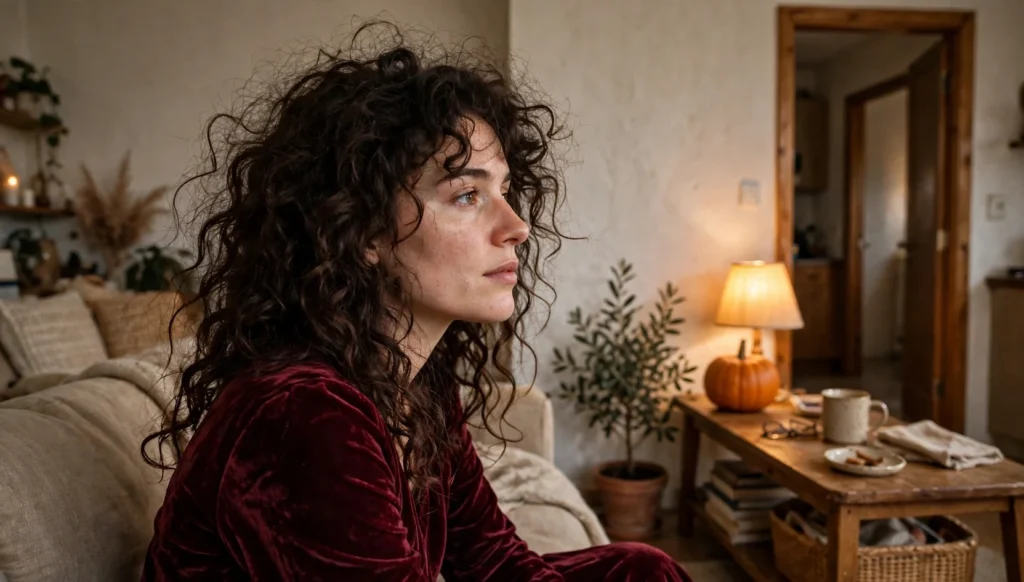

Short haircuts for older women with fine hair are the secret to fuller-looking, youthful, effortlessly chic hair. These 25 short haircuts add volume, movement, and shape exactly where fine hair needs it, proving that short hair can look thicker, more polished, and more flattering than long, flat lengths ever could.
1. Classic Short Pixie
Classic Short Pixie is a neatly tapered pixie with a soft, rounded crown and clean lines around the ears and nape. The cut sits kept close at the sides with slightly longer length on top for soft height, so fine hair gains shape instead of falling flat, and the silhouette stays neat from every angle. The texture is smooth, fine strands lie neatly with a light, polished finish and gentle shine, which is exactly what fine hair needs: instead of one heavy sheet that shows every thin spot, the cut breaks the hair into lighter, livelier pieces that catch light and look fuller. The finish feels modern and wearable rather than severe or fussy, with soft edges that move naturally when you walk, talk, and turn your head. This style suits women in their 50s, 60s, and 70s with fine hair, flattering oval, heart, and diamond faces by adding balance where it matters most and drawing attention to the eyes and cheekbones. It works beautifully on straight and gently wavy fine hair, and it is especially kind to thinning crowns and temples because the layering disguises sparse areas instead of exposing them. For older women who want a cut that feels current without demanding constant attention, it is a confident, age-appropriate choice that still feels fresh and full of life.
To style classic short pixie, start with damp hair and work a pea-sized amount of lightweight styling cream through the lengths, focusing on the roots where fine hair needs the most lift. Use your fingers and a small vent brush to shape the cut, lifting at the crown and directing the front pieces where they flatter your face, then let the hair air-dry or finish with a low-heat blow-dry for extra body. A light mist of flexible-hold spray keeps the shape without stiffness, and a quick finger-comb through the day revives the texture far better than heavy brushing, which can flatten fine hair. Maintenance is simple: book a trim every four to five weeks to keep the shape crisp, since short cuts lose their architecture faster than long hair, and ask your stylist to preserve the internal layering that creates the fullness. Grow-out is forgiving, because it grows out into a soft, longer pixie before it needs reshaping, so you will never face an awkward in-between stage. Choose this cut because it delivers timeless polish with almost no daily effort: it makes fine hair look thicker, styling takes minutes, and the result is a polished, youthful short haircut you will genuinely enjoy wearing every day.
2. Textured Pixie Crop
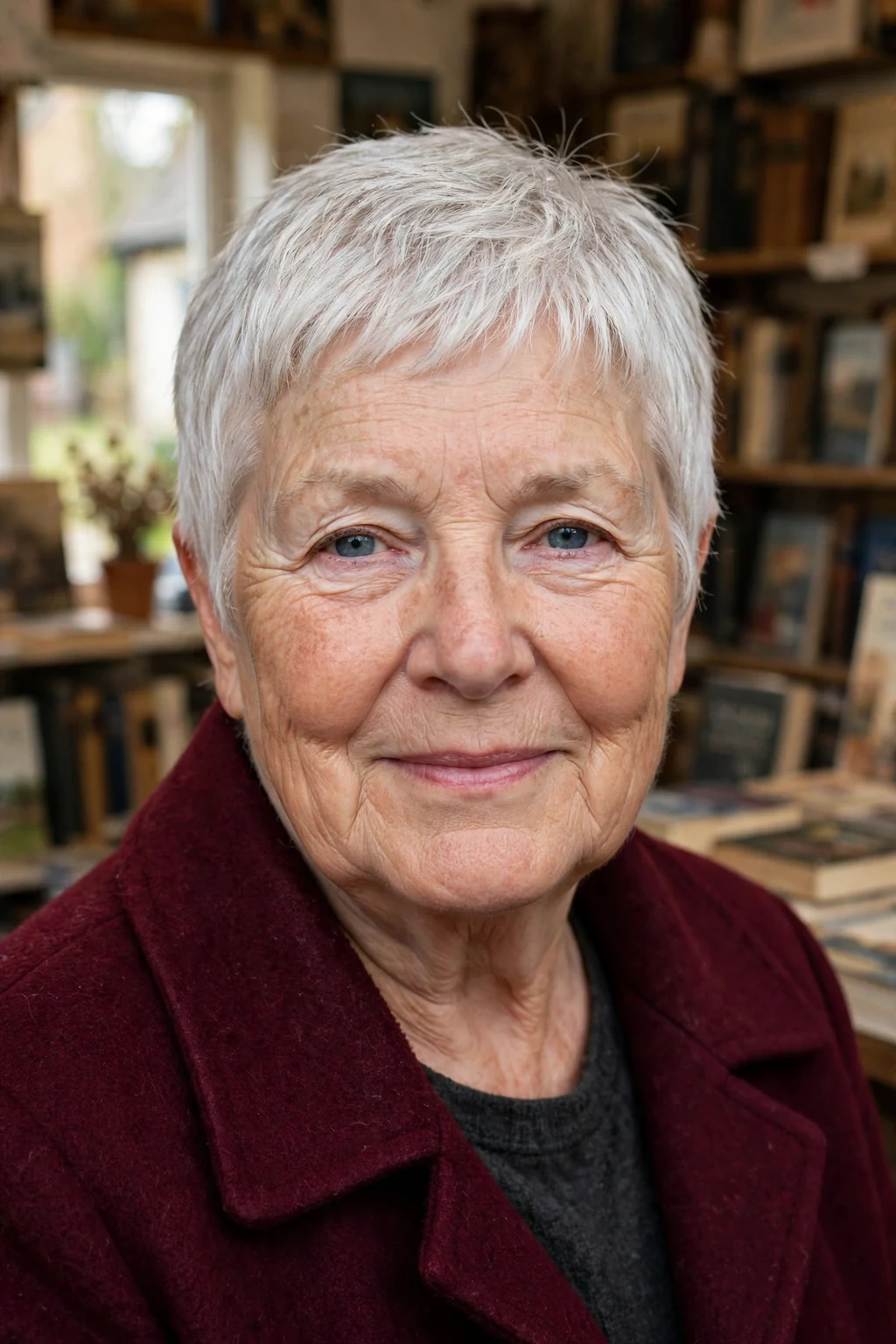
Textured Pixie Crop is a choppy pixie with point-cut ends and piecey separation through the crown. The cut sits short at the back with textured, finger-length pieces on top, so fine hair gains shape instead of falling flat, and the silhouette stays neat from every angle. The texture is textured, airy pieces create visible separation and the illusion of thicker hair, which is exactly what fine hair needs: instead of one heavy sheet that shows every thin spot, the cut breaks the hair into lighter, livelier pieces that catch light and look fuller. The finish feels modern and wearable rather than severe or fussy, with soft edges that move naturally when you walk, talk, and turn your head. This style suits women in their 50s, 60s, and 70s with fine hair, flattering oval, square, and heart faces by adding balance where it matters most and drawing attention to the eyes and cheekbones. It works beautifully on straight and gently wavy fine hair, and it is especially kind to thinning crowns and temples because the layering disguises sparse areas instead of exposing them. For older women who want a cut that feels current without demanding constant attention, it is a confident, age-appropriate choice that still feels fresh and full of life.
To style textured pixie crop, start with damp hair and work matte texturizing paste through the lengths, focusing on the roots where fine hair needs the most lift. Use your fingertips to pinch and piece the ends to shape the cut, lifting at the crown and directing the front pieces where they flatter your face, then let the hair air-dry or finish with a low-heat blow-dry for extra body. A light mist of flexible-hold spray keeps the shape without stiffness, and a quick finger-comb through the day revives the texture far better than heavy brushing, which can flatten fine hair. Maintenance is simple: book a trim every five to six weeks to keep the shape crisp, since short cuts lose their architecture faster than long hair, and ask your stylist to preserve the internal layering that creates the fullness. Grow-out is forgiving, because it softens into a tousled crop as it grows, so you will never face an awkward in-between stage. Choose this cut because it delivers instant fullness and modern energy for fine hair: it makes fine hair look thicker, styling takes minutes, and the result is a polished, youthful short haircut you will genuinely enjoy wearing every day.
3. Feathered Pixie
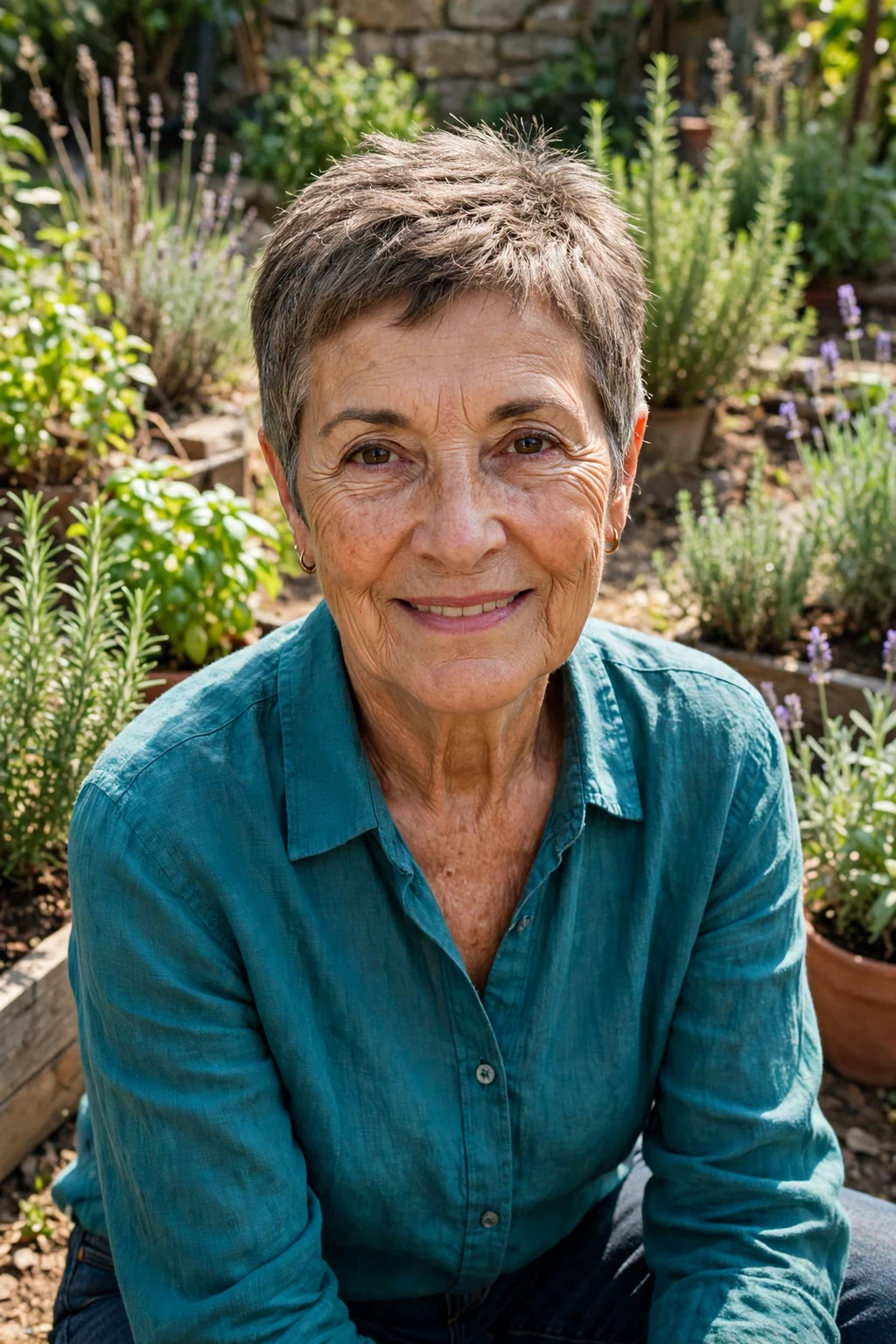
Feathered Pixie is a softly feathered pixie with wispy, airy layers swept gently forward and back. The cut sits short and light, with feathered length framing the forehead and temples, so fine hair gains shape instead of falling flat, and the silhouette stays neat from every angle. The texture is feathered, weightless ends move softly and never look heavy or blunt, which is exactly what fine hair needs: instead of one heavy sheet that shows every thin spot, the cut breaks the hair into lighter, livelier pieces that catch light and look fuller. The finish feels modern and wearable rather than severe or fussy, with soft edges that move naturally when you walk, talk, and turn your head. This style suits women in their 50s, 60s, and 70s with fine hair, flattering round, square, and heart faces by adding balance where it matters most and drawing attention to the eyes and cheekbones. It works beautifully on straight and gently wavy fine hair, and it is especially kind to thinning crowns and temples because the layering disguises sparse areas instead of exposing them. For older women who want a cut that feels current without demanding constant attention, it is a confident, age-appropriate choice that still feels fresh and full of life.
To style feathered pixie, start with damp hair and work volumizing mousse applied at the roots through the lengths, focusing on the roots where fine hair needs the most lift. Use a small round brush for a gentle lift to shape the cut, lifting at the crown and directing the front pieces where they flatter your face, then let the hair air-dry or finish with a low-heat blow-dry for extra body. A light mist of flexible-hold spray keeps the shape without stiffness, and a quick finger-comb through the day revives the texture far better than heavy brushing, which can flatten fine hair. Maintenance is simple: book a trim every six to seven weeks to keep the shape crisp, since short cuts lose their architecture faster than long hair, and ask your stylist to preserve the internal layering that creates the fullness. Grow-out is forgiving, because it grows out gracefully as the feathering simply lengthens, so you will never face an awkward in-between stage. Choose this cut because it delivers softness that flatters and makes fine hair look airier: it makes fine hair look thicker, styling takes minutes, and the result is a polished, youthful short haircut you will genuinely enjoy wearing every day.
4. Short Layered Bob
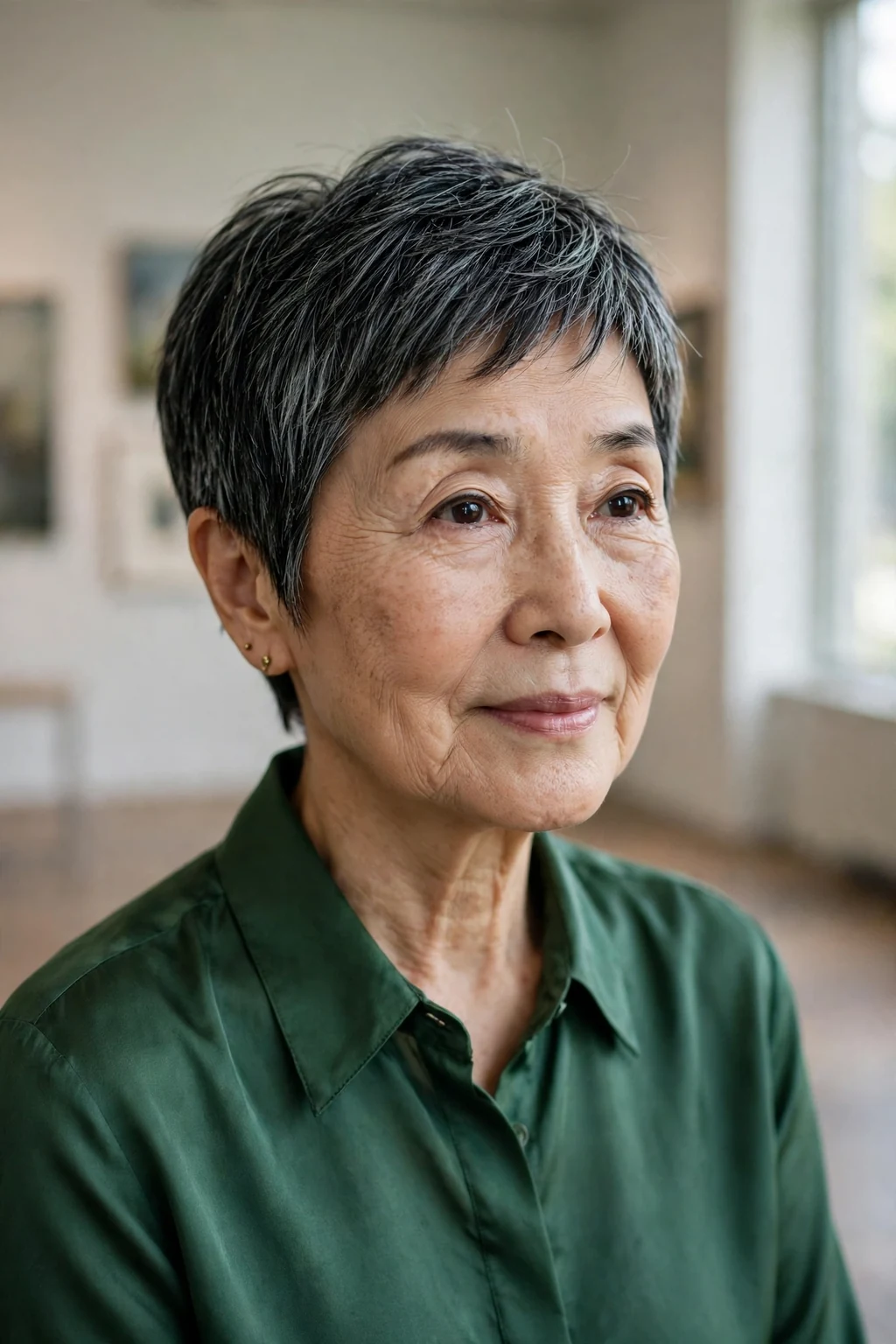
Short Layered Bob is a chin-skimming bob with soft internal layers that remove weight and add swing. The cut sits chin length, with layers hidden inside to keep the outline clean, so fine hair gains shape instead of falling flat, and the silhouette stays neat from every angle. The texture is smooth with subtle, flowing movement through the ends and a touchable finish, which is exactly what fine hair needs: instead of one heavy sheet that shows every thin spot, the cut breaks the hair into lighter, livelier pieces that catch light and look fuller. The finish feels modern and wearable rather than severe or fussy, with soft edges that move naturally when you walk, talk, and turn your head. This style suits women in their 50s, 60s, and 70s with fine hair, flattering oval, round, and heart faces by adding balance where it matters most and drawing attention to the eyes and cheekbones. It works beautifully on straight and gently wavy fine hair, and it is especially kind to thinning crowns and temples because the layering disguises sparse areas instead of exposing them. For older women who want a cut that feels current without demanding constant attention, it is a confident, age-appropriate choice that still feels fresh and full of life.
To style short layered bob, start with damp hair and work a light leave-in conditioner through the lengths, focusing on the roots where fine hair needs the most lift. Use a paddle brush for a smooth blow-dry to shape the cut, lifting at the crown and directing the front pieces where they flatter your face, then let the hair air-dry or finish with a low-heat blow-dry for extra body. A light mist of flexible-hold spray keeps the shape without stiffness, and a quick finger-comb through the day revives the texture far better than heavy brushing, which can flatten fine hair. Maintenance is simple: book a trim every seven to eight weeks to keep the shape crisp, since short cuts lose their architecture faster than long hair, and ask your stylist to preserve the internal layering that creates the fullness. Grow-out is forgiving, because it becomes a longer layered bob as it grows, so you will never face an awkward in-between stage. Choose this cut because it delivers a versatile classic that adds movement without losing neatness: it makes fine hair look thicker, styling takes minutes, and the result is a polished, youthful short haircut you will genuinely enjoy wearing every day.
5. Chin-Length Stacked Bob
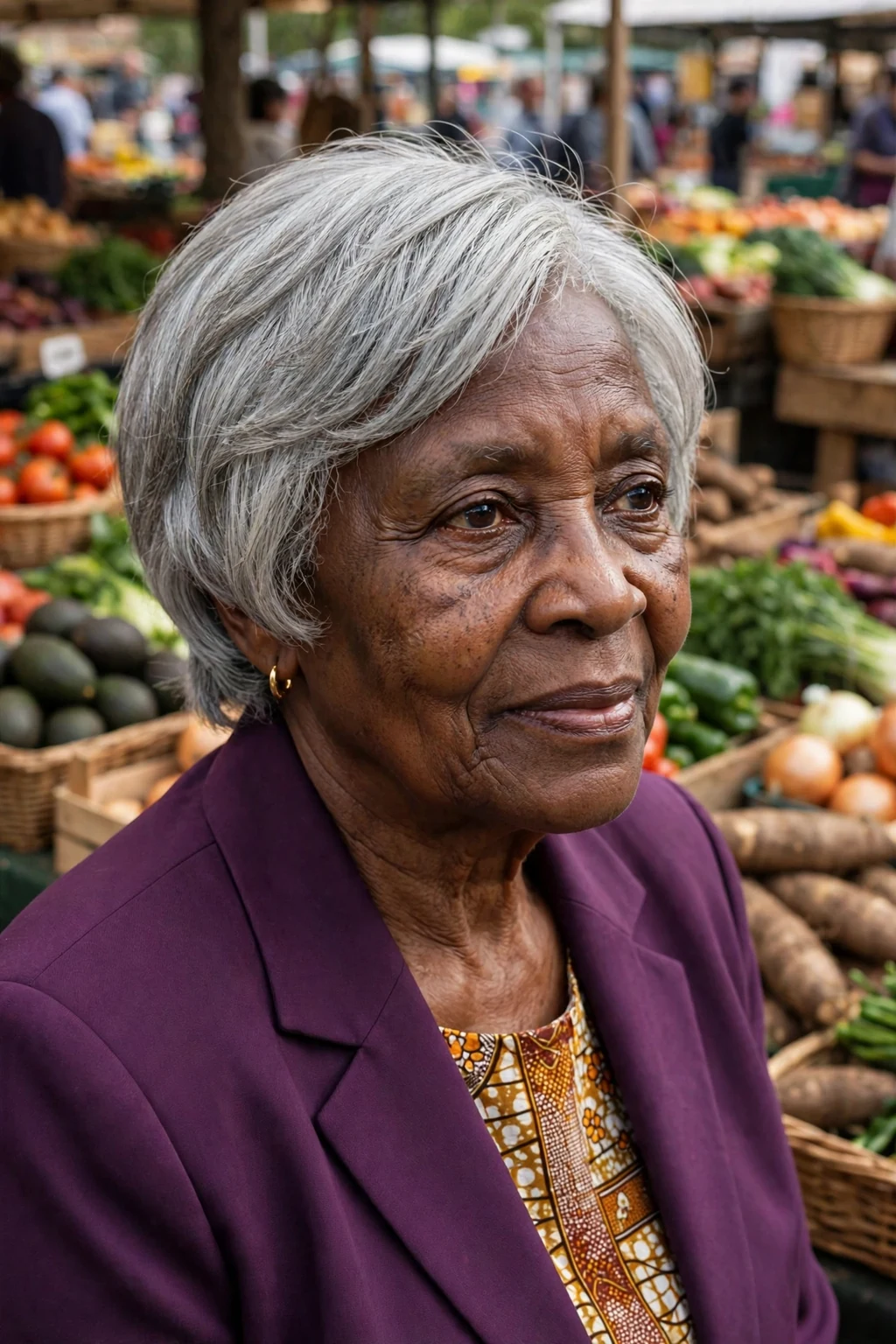
Chin-Length Stacked Bob is a stacked bob with graduated layers at the back that build rounded volume. The cut sits chin length in front, stacked shorter at the nape for built-in lift, so fine hair gains shape instead of falling flat, and the silhouette stays neat from every angle. The texture is smooth and rounded, with a full, curved silhouette and polished ends, which is exactly what fine hair needs: instead of one heavy sheet that shows every thin spot, the cut breaks the hair into lighter, livelier pieces that catch light and look fuller. The finish feels modern and wearable rather than severe or fussy, with soft edges that move naturally when you walk, talk, and turn your head. This style suits women in their 50s, 60s, and 70s with fine hair, flattering oval, oblong, and round faces by adding balance where it matters most and drawing attention to the eyes and cheekbones. It works beautifully on straight and gently wavy fine hair, and it is especially kind to thinning crowns and temples because the layering disguises sparse areas instead of exposing them. For older women who want a cut that feels current without demanding constant attention, it is a confident, age-appropriate choice that still feels fresh and full of life.
To style chin-length stacked bob, start with damp hair and work root-lifting spray through the lengths, focusing on the roots where fine hair needs the most lift. Use a round brush to shape the curved back to shape the cut, lifting at the crown and directing the front pieces where they flatter your face, then let the hair air-dry or finish with a low-heat blow-dry for extra body. A light mist of flexible-hold spray keeps the shape without stiffness, and a quick finger-comb through the day revives the texture far better than heavy brushing, which can flatten fine hair. Maintenance is simple: book a trim every six weeks to keep the shape crisp, since short cuts lose their architecture faster than long hair, and ask your stylist to preserve the internal layering that creates the fullness. Grow-out is forgiving, because it loses its stacked curve gradually and can be reshaped easily, so you will never face an awkward in-between stage. Choose this cut because it delivers built-in volume exactly where fine hair needs it most: it makes fine hair look thicker, styling takes minutes, and the result is a polished, youthful short haircut you will genuinely enjoy wearing every day.
6. Graduated Bob
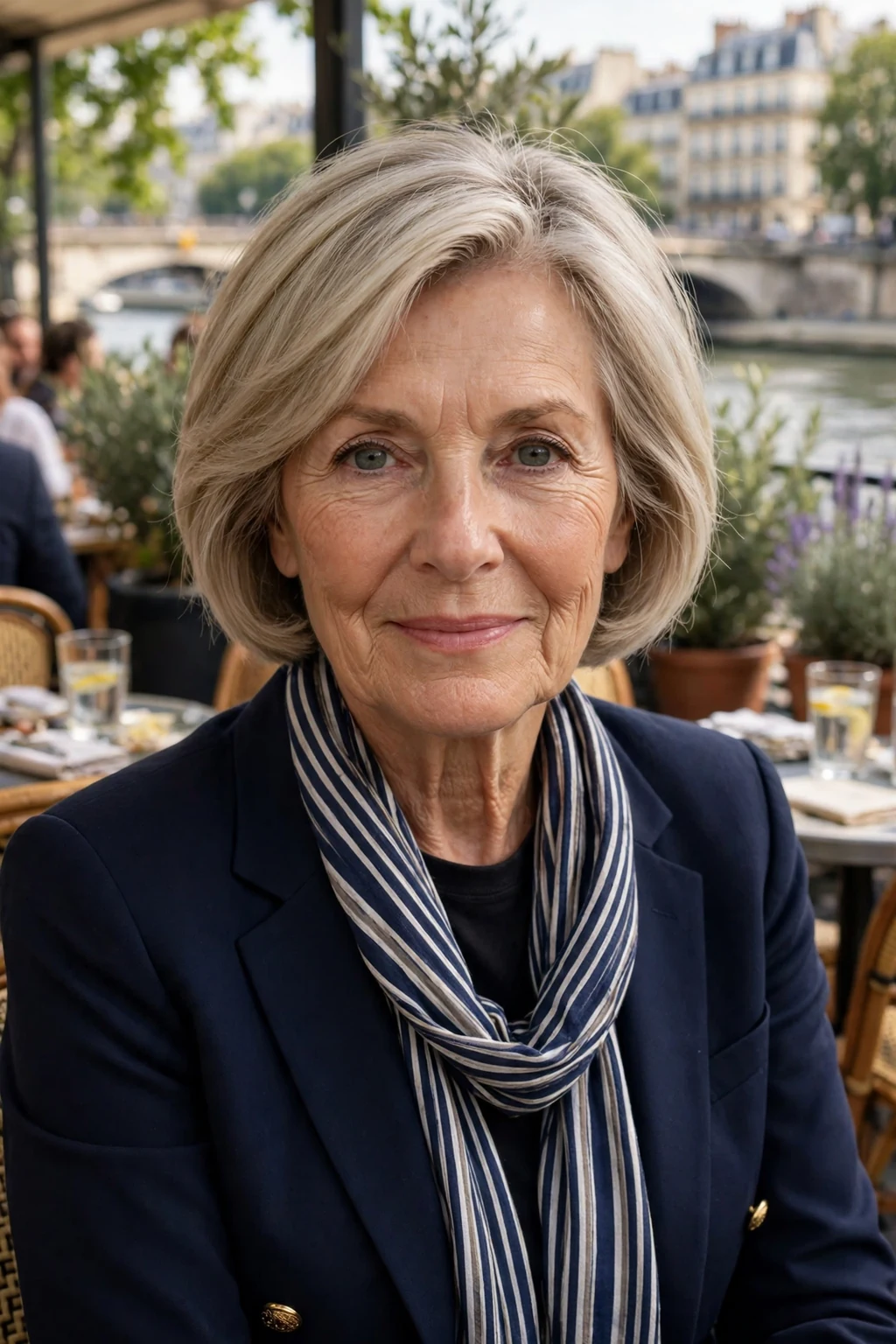
Graduated Bob is a graduated bob that angles gently forward, shorter at the back and longer at the front. The cut sits jaw length in front, graduating up at the nape, so fine hair gains shape instead of falling flat, and the silhouette stays neat from every angle. The texture is sleek and precise, with a smooth, angled outline and glossy ends, which is exactly what fine hair needs: instead of one heavy sheet that shows every thin spot, the cut breaks the hair into lighter, livelier pieces that catch light and look fuller. The finish feels modern and wearable rather than severe or fussy, with soft edges that move naturally when you walk, talk, and turn your head. This style suits women in their 50s, 60s, and 70s with fine hair, flattering oval, heart, and square faces by adding balance where it matters most and drawing attention to the eyes and cheekbones. It works beautifully on straight and gently wavy fine hair, and it is especially kind to thinning crowns and temples because the layering disguises sparse areas instead of exposing them. For older women who want a cut that feels current without demanding constant attention, it is a confident, age-appropriate choice that still feels fresh and full of life.
To style graduated bob, start with damp hair and work a smoothing serum through the lengths, focusing on the roots where fine hair needs the most lift. Use a flat brush and a straightener on low heat for polish to shape the cut, lifting at the crown and directing the front pieces where they flatter your face, then let the hair air-dry or finish with a low-heat blow-dry for extra body. A light mist of flexible-hold spray keeps the shape without stiffness, and a quick finger-comb through the day revives the texture far better than heavy brushing, which can flatten fine hair. Maintenance is simple: book a trim every six to seven weeks to keep the shape crisp, since short cuts lose their architecture faster than long hair, and ask your stylist to preserve the internal layering that creates the fullness. Grow-out is forgiving, because it the angle softens as the back grows, keeping a flattering shape, so you will never face an awkward in-between stage. Choose this cut because it delivers a smart, face-framing shape that looks intentional every day: it makes fine hair look thicker, styling takes minutes, and the result is a polished, youthful short haircut you will genuinely enjoy wearing every day.
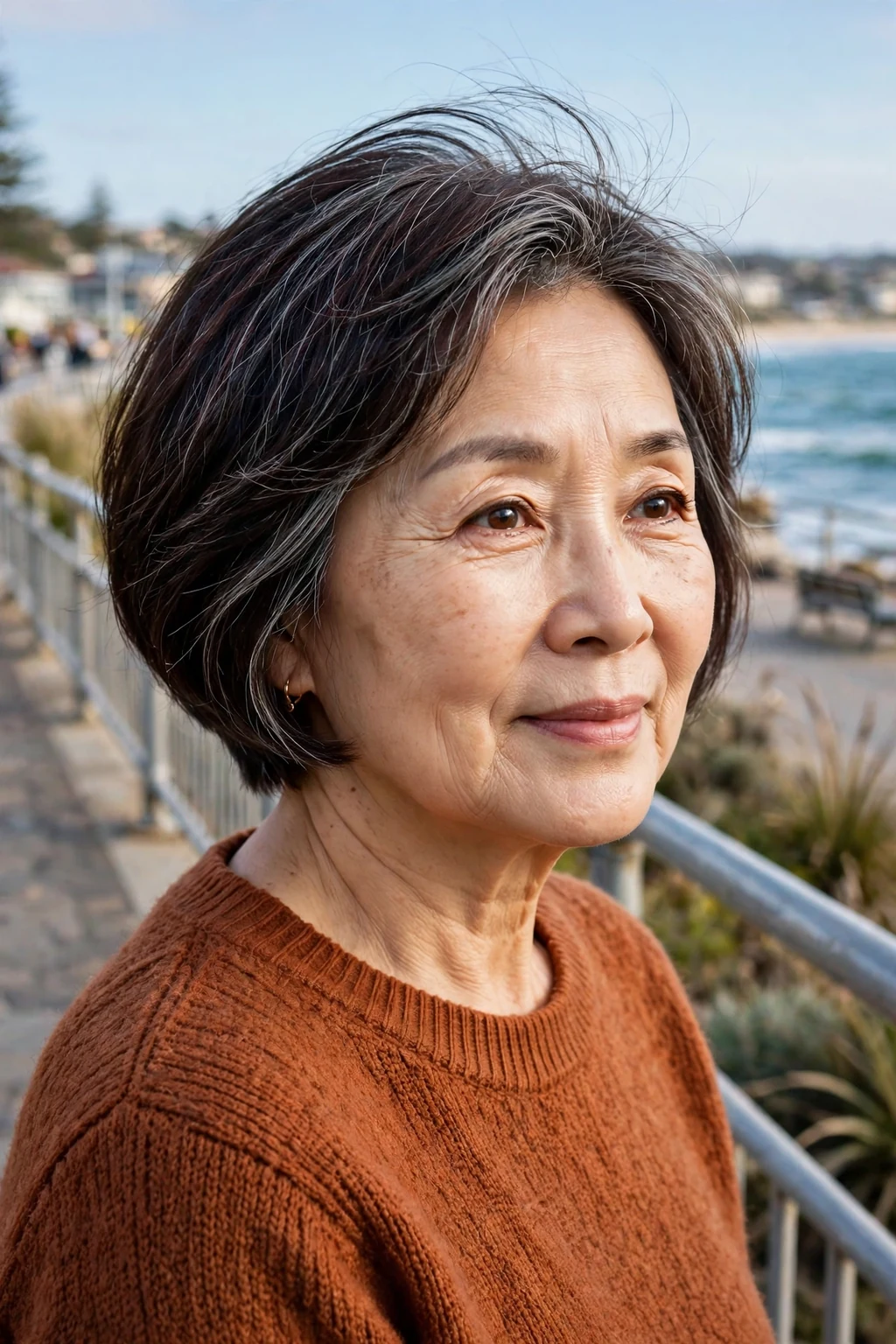
7. Soft A-Line Bob
Soft A-Line Bob is a soft A-line bob with a gentle forward angle and softly rounded ends. The cut sits just below the chin in front, slightly shorter behind, so fine hair gains shape instead of falling flat, and the silhouette stays neat from every angle. The texture is soft and bouncy, with ends that curve under naturally and a light finish, which is exactly what fine hair needs: instead of one heavy sheet that shows every thin spot, the cut breaks the hair into lighter, livelier pieces that catch light and look fuller. The finish feels modern and wearable rather than severe or fussy, with soft edges that move naturally when you walk, talk, and turn your head. This style suits women in their 50s, 60s, and 70s with fine hair, flattering round, oval, and heart faces by adding balance where it matters most and drawing attention to the eyes and cheekbones. It works beautifully on straight and gently wavy fine hair, and it is especially kind to thinning crowns and temples because the layering disguises sparse areas instead of exposing them. For older women who want a cut that feels current without demanding constant attention, it is a confident, age-appropriate choice that still feels fresh and full of life.
To style soft a-line bob, start with damp hair and work a volumizing foam through the lengths, focusing on the roots where fine hair needs the most lift. Use a medium round brush to turn the ends under to shape the cut, lifting at the crown and directing the front pieces where they flatter your face, then let the hair air-dry or finish with a low-heat blow-dry for extra body. A light mist of flexible-hold spray keeps the shape without stiffness, and a quick finger-comb through the day revives the texture far better than heavy brushing, which can flatten fine hair. Maintenance is simple: book a trim every seven weeks to keep the shape crisp, since short cuts lose their architecture faster than long hair, and ask your stylist to preserve the internal layering that creates the fullness. Grow-out is forgiving, because it grows into a soft lob with the angle still visible, so you will never face an awkward in-between stage. Choose this cut because it delivers gentle structure that slims and frames the face: it makes fine hair look thicker, styling takes minutes, and the result is a polished, youthful short haircut you will genuinely enjoy wearing every day.
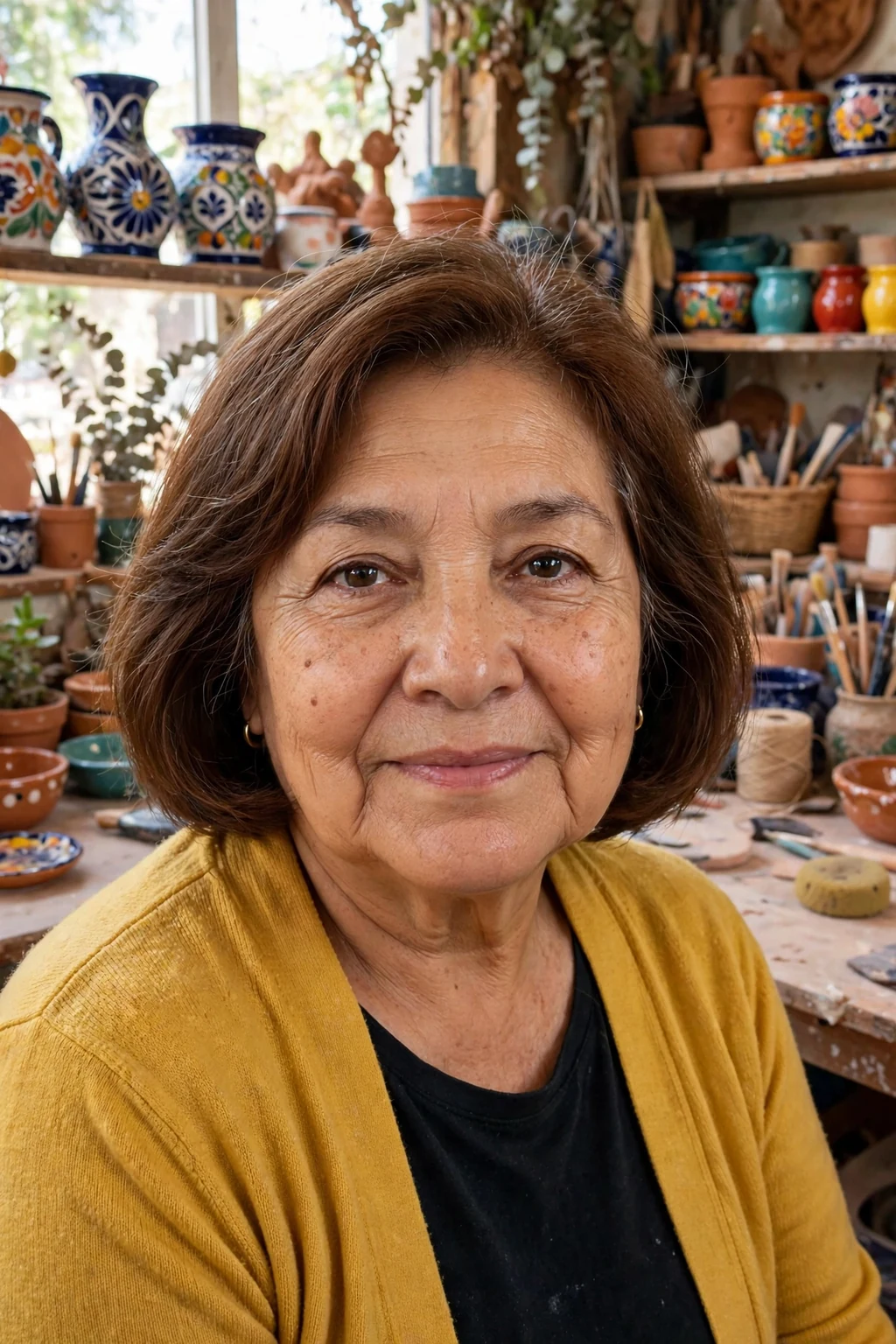
8. French Bob
French Bob is a chic French bob with a blunt-meets-soft outline and a light, airy fringe. The cut sits cheek-to-chin length, with a wispy fringe that opens the face, so fine hair gains shape instead of falling flat, and the silhouette stays neat from every angle. The texture is light and swingy, with a slightly undone, lived-in texture and soft ends, which is exactly what fine hair needs: instead of one heavy sheet that shows every thin spot, the cut breaks the hair into lighter, livelier pieces that catch light and look fuller. The finish feels modern and wearable rather than severe or fussy, with soft edges that move naturally when you walk, talk, and turn your head. This style suits women in their 50s, 60s, and 70s with fine hair, flattering oval, heart, and diamond faces by adding balance where it matters most and drawing attention to the eyes and cheekbones. It works beautifully on straight and gently wavy fine hair, and it is especially kind to thinning crowns and temples because the layering disguises sparse areas instead of exposing them. For older women who want a cut that feels current without demanding constant attention, it is a confident, age-appropriate choice that still feels fresh and full of life.
To style french bob, start with damp hair and work a sea-salt texturizing spray through the lengths, focusing on the roots where fine hair needs the most lift. Use your fingers for scrunching and shaping to shape the cut, lifting at the crown and directing the front pieces where they flatter your face, then let the hair air-dry or finish with a low-heat blow-dry for extra body. A light mist of flexible-hold spray keeps the shape without stiffness, and a quick finger-comb through the day revives the texture far better than heavy brushing, which can flatten fine hair. Maintenance is simple: book a trim every six to eight weeks to keep the shape crisp, since short cuts lose their architecture faster than long hair, and ask your stylist to preserve the internal layering that creates the fullness. Grow-out is forgiving, because it grows into a longer bob while keeping its Parisian ease, so you will never face an awkward in-between stage. Choose this cut because it delivers effortless chic that never looks over-styled: it makes fine hair look thicker, styling takes minutes, and the result is a polished, youthful short haircut you will genuinely enjoy wearing every day.

9. Curly Pixie Cut
Curly Pixie Cut is a rounded curly pixie shaped to let each curl spring into place. The cut sits short all over, with slightly longer curls on top for shape, so fine hair gains shape instead of falling flat, and the silhouette stays neat from every angle. The texture is springy, defined curls with a soft, rounded silhouette and natural bounce, which is exactly what fine hair needs: instead of one heavy sheet that shows every thin spot, the cut breaks the hair into lighter, livelier pieces that catch light and look fuller. The finish feels modern and wearable rather than severe or fussy, with soft edges that move naturally when you walk, talk, and turn your head. This style suits women in their 50s, 60s, and 70s with fine hair, flattering round, oval, and heart faces by adding balance where it matters most and drawing attention to the eyes and cheekbones. It works beautifully on straight and gently wavy fine hair, and it is especially kind to thinning crowns and temples because the layering disguises sparse areas instead of exposing them. For older women who want a cut that feels current without demanding constant attention, it is a confident, age-appropriate choice that still feels fresh and full of life.
To style curly pixie cut, start with damp hair and work a curl-defining cream through the lengths, focusing on the roots where fine hair needs the most lift. Use a diffuser on low heat or simple air-drying to shape the cut, lifting at the crown and directing the front pieces where they flatter your face, then let the hair air-dry or finish with a low-heat blow-dry for extra body. A light mist of flexible-hold spray keeps the shape without stiffness, and a quick finger-comb through the day revives the texture far better than heavy brushing, which can flatten fine hair. Maintenance is simple: book a trim every eight to ten weeks to keep the shape crisp, since short cuts lose their architecture faster than long hair, and ask your stylist to preserve the internal layering that creates the fullness. Grow-out is forgiving, because it curls lengthen into a fuller curly crop before reshaping, so you will never face an awkward in-between stage. Choose this cut because it delivers curls finally given a shape that flatters instead of fighting them: it makes fine hair look thicker, styling takes minutes, and the result is a polished, youthful short haircut you will genuinely enjoy wearing every day.
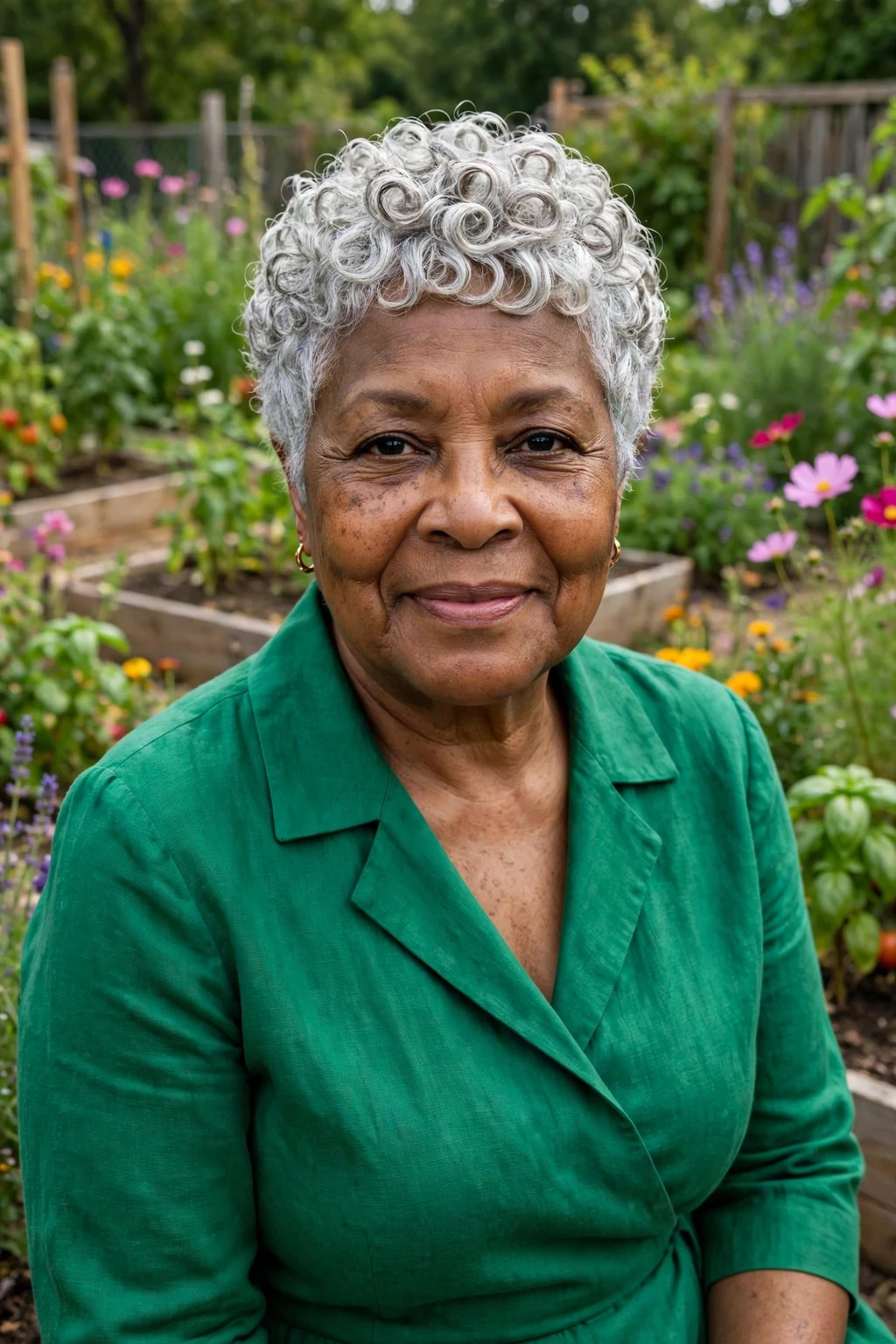
10. Wavy Short Shag
Wavy Short Shag is a short shag with choppy layers that enhance natural wave and movement. The cut sits short to ear length, with longer wavy pieces around the face, so fine hair gains shape instead of falling flat, and the silhouette stays neat from every angle. The texture is tousled and wavy, with piecey layers and a relaxed, undone finish, which is exactly what fine hair needs: instead of one heavy sheet that shows every thin spot, the cut breaks the hair into lighter, livelier pieces that catch light and look fuller. The finish feels modern and wearable rather than severe or fussy, with soft edges that move naturally when you walk, talk, and turn your head. This style suits women in their 50s, 60s, and 70s with fine hair, flattering oval, round, and heart faces by adding balance where it matters most and drawing attention to the eyes and cheekbones. It works beautifully on straight and gently wavy fine hair, and it is especially kind to thinning crowns and temples because the layering disguises sparse areas instead of exposing them. For older women who want a cut that feels current without demanding constant attention, it is a confident, age-appropriate choice that still feels fresh and full of life.
To style wavy short shag, start with damp hair and work a wave-enhancing cream through the lengths, focusing on the roots where fine hair needs the most lift. Use your fingers and a diffuser for gentle definition to shape the cut, lifting at the crown and directing the front pieces where they flatter your face, then let the hair air-dry or finish with a low-heat blow-dry for extra body. A light mist of flexible-hold spray keeps the shape without stiffness, and a quick finger-comb through the day revives the texture far better than heavy brushing, which can flatten fine hair. Maintenance is simple: book a trim every eight weeks to keep the shape crisp, since short cuts lose their architecture faster than long hair, and ask your stylist to preserve the internal layering that creates the fullness. Grow-out is forgiving, because it grows into a longer shaggy bob with waves intact, so you will never face an awkward in-between stage. Choose this cut because it delivers youthful movement that works with your natural texture: it makes fine hair look thicker, styling takes minutes, and the result is a polished, youthful short haircut you will genuinely enjoy wearing every day.
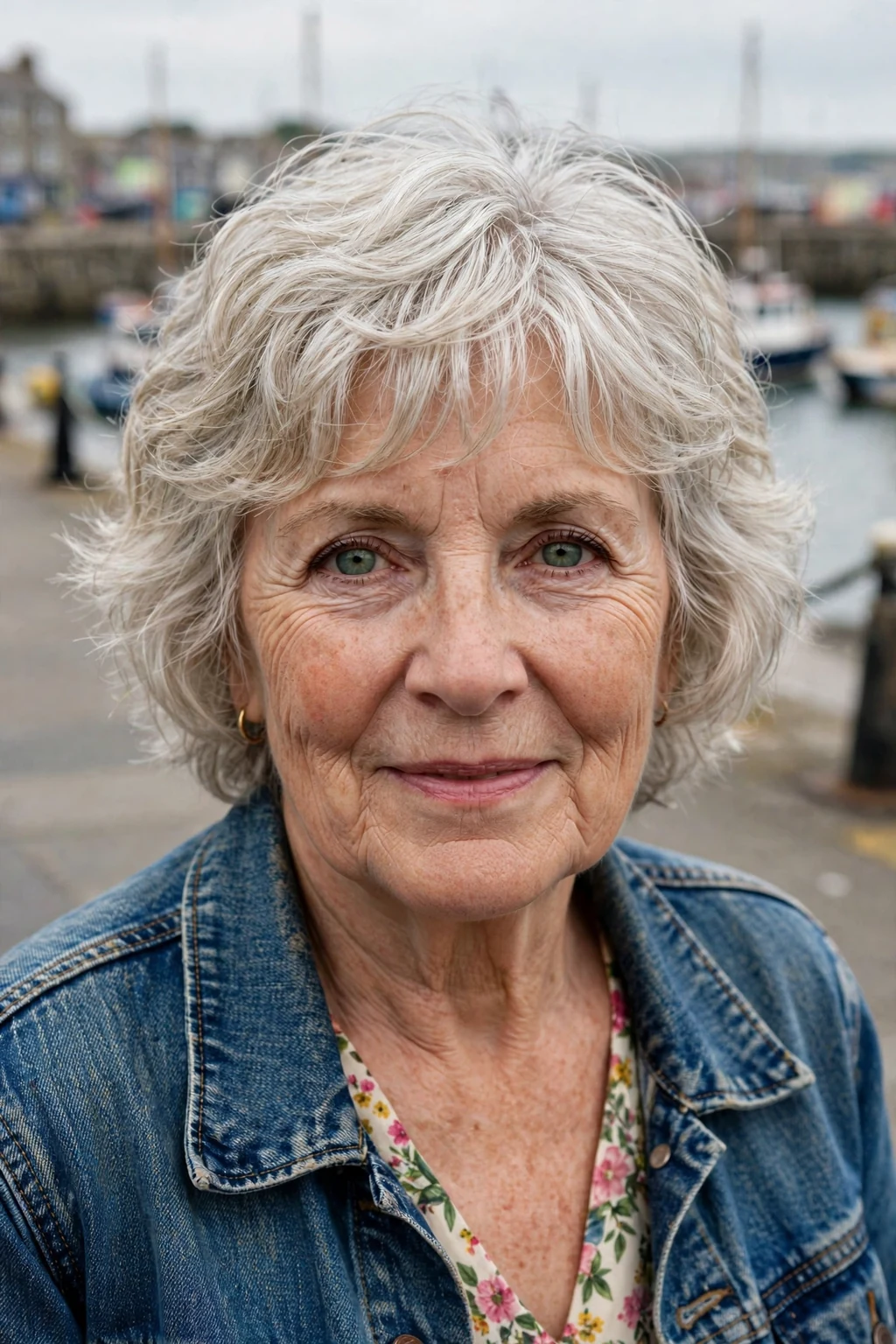
11. Tapered Nape Crop
Tapered Nape Crop is a neat crop with a closely tapered nape and soft length on top. The cut sits very short at the nape, with finger-length texture on top, so fine hair gains shape instead of falling flat, and the silhouette stays neat from every angle. The texture is neat and tidy at the back, with soft, touchable texture on top, which is exactly what fine hair needs: instead of one heavy sheet that shows every thin spot, the cut breaks the hair into lighter, livelier pieces that catch light and look fuller. The finish feels modern and wearable rather than severe or fussy, with soft edges that move naturally when you walk, talk, and turn your head. This style suits women in their 50s, 60s, and 70s with fine hair, flattering oval, square, and diamond faces by adding balance where it matters most and drawing attention to the eyes and cheekbones. It works beautifully on straight and gently wavy fine hair, and it is especially kind to thinning crowns and temples because the layering disguises sparse areas instead of exposing them. For older women who want a cut that feels current without demanding constant attention, it is a confident, age-appropriate choice that still feels fresh and full of life.
To style tapered nape crop, start with damp hair and work a light pomade through the lengths, focusing on the roots where fine hair needs the most lift. Use a small comb for a neat side part to shape the cut, lifting at the crown and directing the front pieces where they flatter your face, then let the hair air-dry or finish with a low-heat blow-dry for extra body. A light mist of flexible-hold spray keeps the shape without stiffness, and a quick finger-comb through the day revives the texture far better than heavy brushing, which can flatten fine hair. Maintenance is simple: book a trim every four weeks to keep the shape crisp, since short cuts lose their architecture faster than long hair, and ask your stylist to preserve the internal layering that creates the fullness. Grow-out is forgiving, because it the taper grows out softly and is easy to tidy, so you will never face an awkward in-between stage. Choose this cut because it delivers a crisp, low-maintenance cut that always looks groomed: it makes fine hair look thicker, styling takes minutes, and the result is a polished, youthful short haircut you will genuinely enjoy wearing every day.

12. Side-Swept Pixie
Side-Swept Pixie is a pixie with a long, side-swept fringe that drapes softly across the forehead. The cut sits short at the back, with a longer sweeping fringe in front, so fine hair gains shape instead of falling flat, and the silhouette stays neat from every angle. The texture is smooth and sweeping, with a soft fringe that adds width and softness, which is exactly what fine hair needs: instead of one heavy sheet that shows every thin spot, the cut breaks the hair into lighter, livelier pieces that catch light and look fuller. The finish feels modern and wearable rather than severe or fussy, with soft edges that move naturally when you walk, talk, and turn your head. This style suits women in their 50s, 60s, and 70s with fine hair, flattering heart, oval, and oblong faces by adding balance where it matters most and drawing attention to the eyes and cheekbones. It works beautifully on straight and gently wavy fine hair, and it is especially kind to thinning crowns and temples because the layering disguises sparse areas instead of exposing them. For older women who want a cut that feels current without demanding constant attention, it is a confident, age-appropriate choice that still feels fresh and full of life.
To style side-swept pixie, start with damp hair and work a lightweight smoothing cream through the lengths, focusing on the roots where fine hair needs the most lift. Use a round brush to sweep the fringe to one side to shape the cut, lifting at the crown and directing the front pieces where they flatter your face, then let the hair air-dry or finish with a low-heat blow-dry for extra body. A light mist of flexible-hold spray keeps the shape without stiffness, and a quick finger-comb through the day revives the texture far better than heavy brushing, which can flatten fine hair. Maintenance is simple: book a trim every five to six weeks to keep the shape crisp, since short cuts lose their architecture faster than long hair, and ask your stylist to preserve the internal layering that creates the fullness. Grow-out is forgiving, because it the fringe grows into a longer side sweep before it needs trimming, so you will never face an awkward in-between stage. Choose this cut because it delivers instant face-framing softness and a flattering diagonal line: it makes fine hair look thicker, styling takes minutes, and the result is a polished, youthful short haircut you will genuinely enjoy wearing every day.
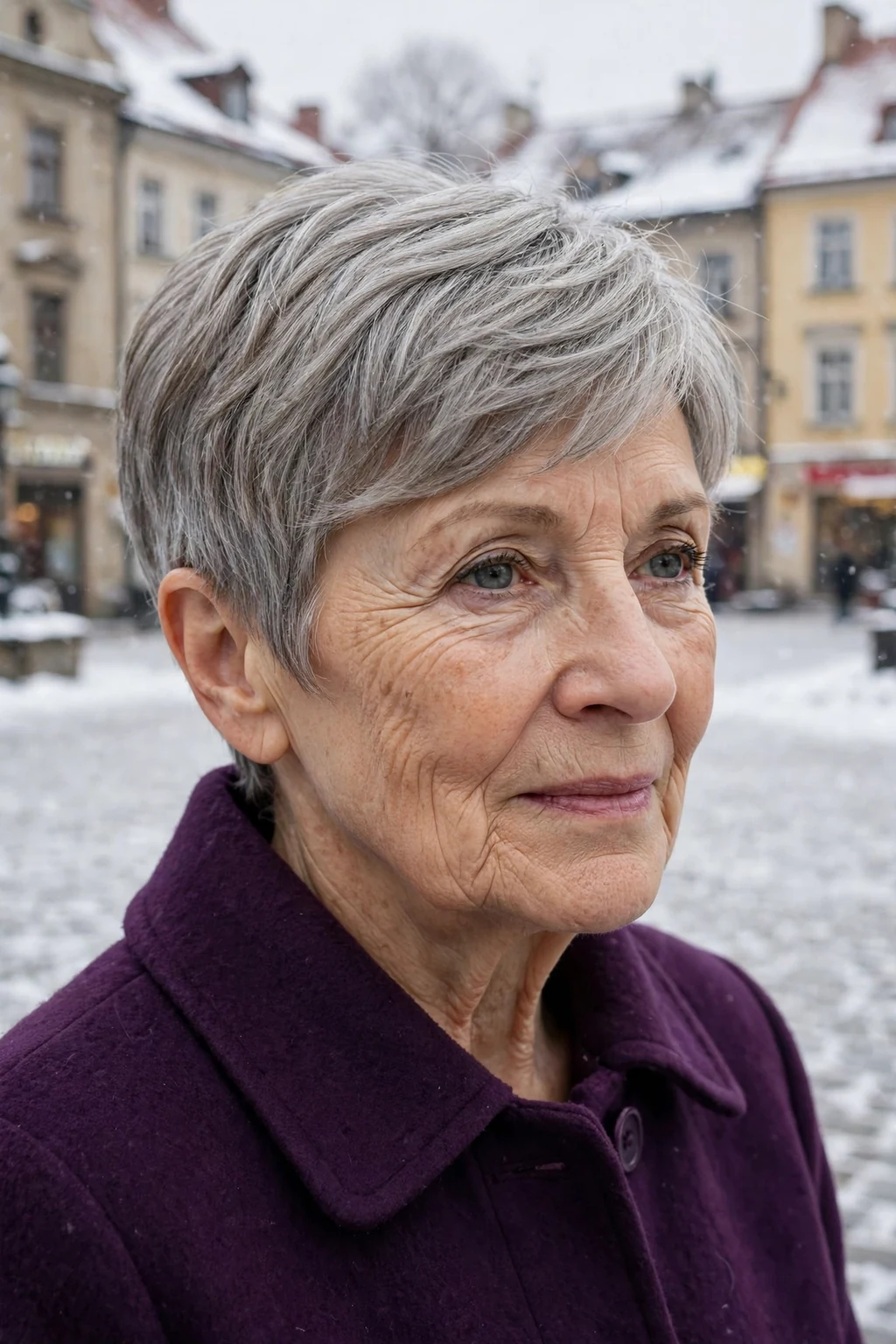
13. Short Bixie Cut
Short Bixie Cut is a bixie that blends bob softness with pixie shortness, layered and swingy. The cut sits between a pixie and a bob, brushing the ears and nape, so fine hair gains shape instead of falling flat, and the silhouette stays neat from every angle. The texture is lightly layered and swingy, with soft, flicked ends and airy movement, which is exactly what fine hair needs: instead of one heavy sheet that shows every thin spot, the cut breaks the hair into lighter, livelier pieces that catch light and look fuller. The finish feels modern and wearable rather than severe or fussy, with soft edges that move naturally when you walk, talk, and turn your head. This style suits women in their 50s, 60s, and 70s with fine hair, flattering oval, round, and square faces by adding balance where it matters most and drawing attention to the eyes and cheekbones. It works beautifully on straight and gently wavy fine hair, and it is especially kind to thinning crowns and temples because the layering disguises sparse areas instead of exposing them. For older women who want a cut that feels current without demanding constant attention, it is a confident, age-appropriate choice that still feels fresh and full of life.
To style short bixie cut, start with damp hair and work a texturizing cream through the lengths, focusing on the roots where fine hair needs the most lift. Use a vent brush for a quick, bouncy blow-dry to shape the cut, lifting at the crown and directing the front pieces where they flatter your face, then let the hair air-dry or finish with a low-heat blow-dry for extra body. A light mist of flexible-hold spray keeps the shape without stiffness, and a quick finger-comb through the day revives the texture far better than heavy brushing, which can flatten fine hair. Maintenance is simple: book a trim every six weeks to keep the shape crisp, since short cuts lose their architecture faster than long hair, and ask your stylist to preserve the internal layering that creates the fullness. Grow-out is forgiving, because it grows into a short shaggy bob, so you will never face an awkward in-between stage. Choose this cut because it delivers the best of both worlds for women unsure about going very short: it makes fine hair look thicker, styling takes minutes, and the result is a polished, youthful short haircut you will genuinely enjoy wearing every day.
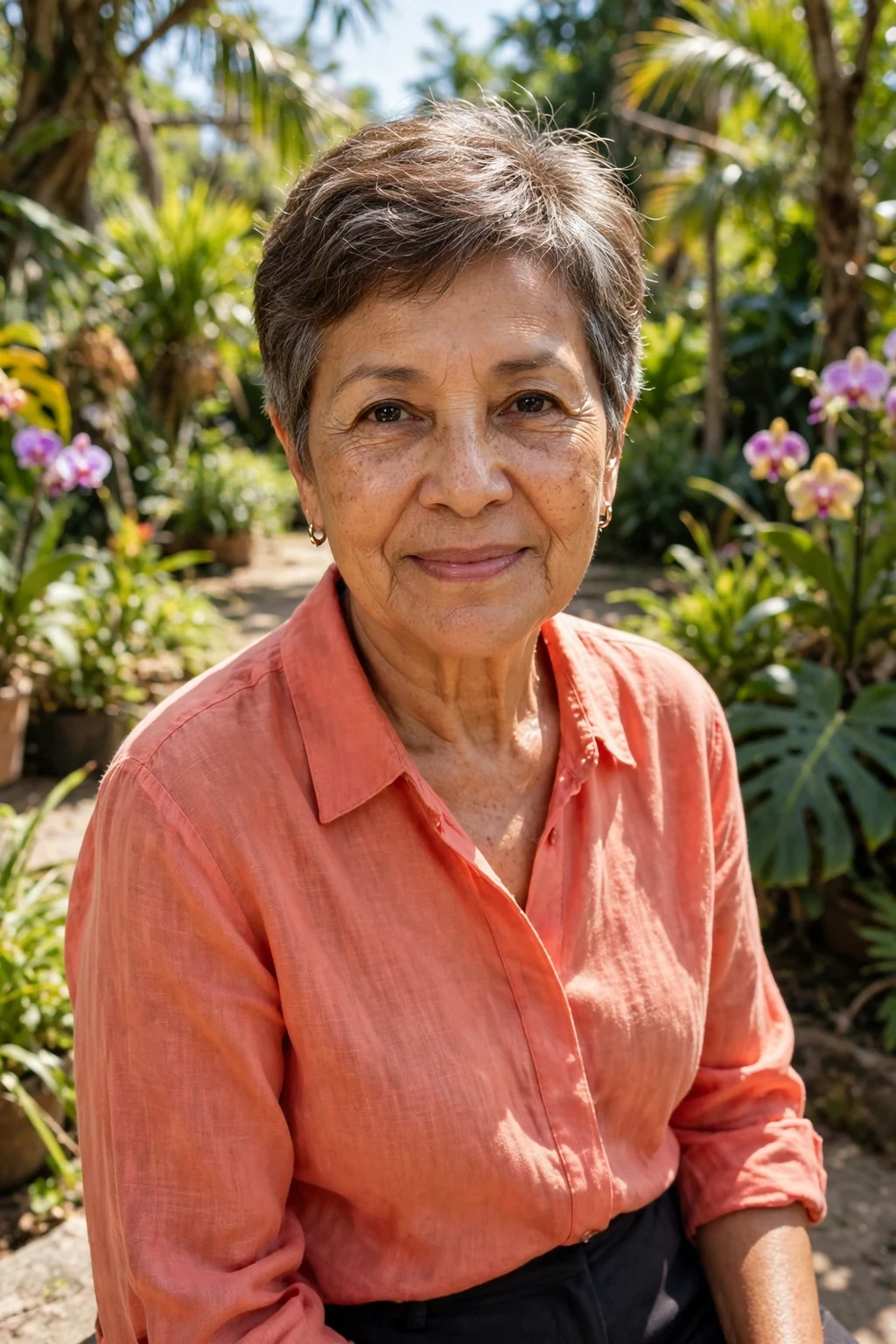
14. Wispy Crop with Bangs
Wispy Crop with Bangs is a wispy short crop with a feathery, see-through fringe that softens the forehead. The cut sits short and light, with a wispy fringe skimming the brows, so fine hair gains shape instead of falling flat, and the silhouette stays neat from every angle. The texture is delicate and feathery, with whisper-light ends and a soft, airy finish, which is exactly what fine hair needs: instead of one heavy sheet that shows every thin spot, the cut breaks the hair into lighter, livelier pieces that catch light and look fuller. The finish feels modern and wearable rather than severe or fussy, with soft edges that move naturally when you walk, talk, and turn your head. This style suits women in their 50s, 60s, and 70s with fine hair, flattering oval, heart, and oblong faces by adding balance where it matters most and drawing attention to the eyes and cheekbones. It works beautifully on straight and gently wavy fine hair, and it is especially kind to thinning crowns and temples because the layering disguises sparse areas instead of exposing them. For older women who want a cut that feels current without demanding constant attention, it is a confident, age-appropriate choice that still feels fresh and full of life.
To style wispy crop with bangs, start with damp hair and work a light texturizing spray through the lengths, focusing on the roots where fine hair needs the most lift. Use your fingers to separate the wispy pieces to shape the cut, lifting at the crown and directing the front pieces where they flatter your face, then let the hair air-dry or finish with a low-heat blow-dry for extra body. A light mist of flexible-hold spray keeps the shape without stiffness, and a quick finger-comb through the day revives the texture far better than heavy brushing, which can flatten fine hair. Maintenance is simple: book a trim every six to seven weeks to keep the shape crisp, since short cuts lose their architecture faster than long hair, and ask your stylist to preserve the internal layering that creates the fullness. Grow-out is forgiving, because it the fringe grows out softly into face-framing pieces, so you will never face an awkward in-between stage. Choose this cut because it delivers gentle coverage that softens lines without hiding the face: it makes fine hair look thicker, styling takes minutes, and the result is a polished, youthful short haircut you will genuinely enjoy wearing every day.
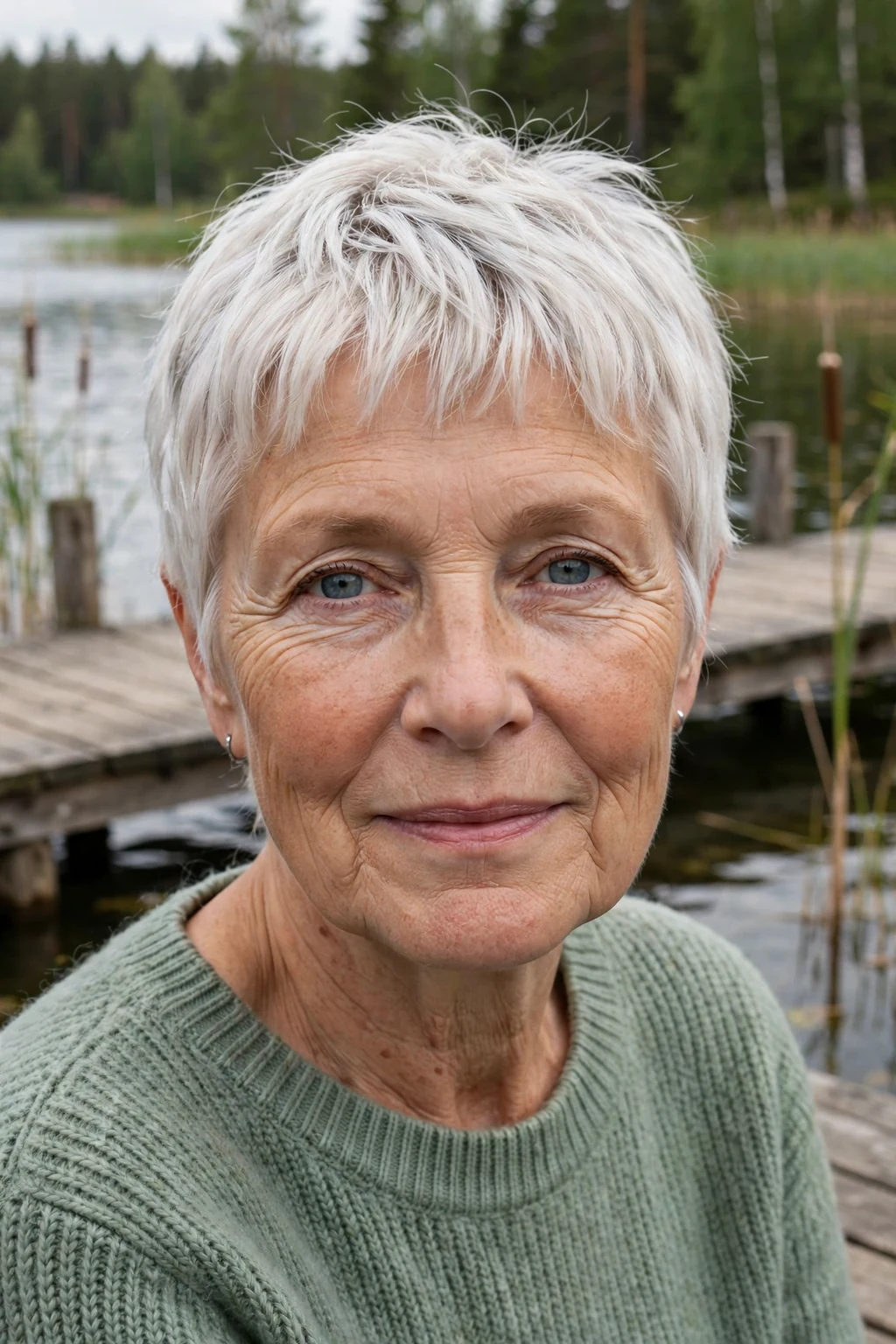
15. Short Choppy Shag
Short Choppy Shag is a bold short shag with choppy, broken-up layers and a piecey crown. The cut sits ear length, with choppy layers stacked through the crown, so fine hair gains shape instead of falling flat, and the silhouette stays neat from every angle. The texture is choppy and piecey, with visible separation and energetic, edgy movement, which is exactly what fine hair needs: instead of one heavy sheet that shows every thin spot, the cut breaks the hair into lighter, livelier pieces that catch light and look fuller. The finish feels modern and wearable rather than severe or fussy, with soft edges that move naturally when you walk, talk, and turn your head. This style suits women in their 50s, 60s, and 70s with fine hair, flattering oval, heart, and diamond faces by adding balance where it matters most and drawing attention to the eyes and cheekbones. It works beautifully on straight and gently wavy fine hair, and it is especially kind to thinning crowns and temples because the layering disguises sparse areas instead of exposing them. For older women who want a cut that feels current without demanding constant attention, it is a confident, age-appropriate choice that still feels fresh and full of life.
To style short choppy shag, start with damp hair and work matte texturizer through the lengths, focusing on the roots where fine hair needs the most lift. Use your fingers to flick and separate the ends to shape the cut, lifting at the crown and directing the front pieces where they flatter your face, then let the hair air-dry or finish with a low-heat blow-dry for extra body. A light mist of flexible-hold spray keeps the shape without stiffness, and a quick finger-comb through the day revives the texture far better than heavy brushing, which can flatten fine hair. Maintenance is simple: book a trim every six to eight weeks to keep the shape crisp, since short cuts lose their architecture faster than long hair, and ask your stylist to preserve the internal layering that creates the fullness. Grow-out is forgiving, because it softens into a textured shag as it grows, so you will never face an awkward in-between stage. Choose this cut because it delivers personality and edge that make fine hair look far thicker: it makes fine hair look thicker, styling takes minutes, and the result is a polished, youthful short haircut you will genuinely enjoy wearing every day.
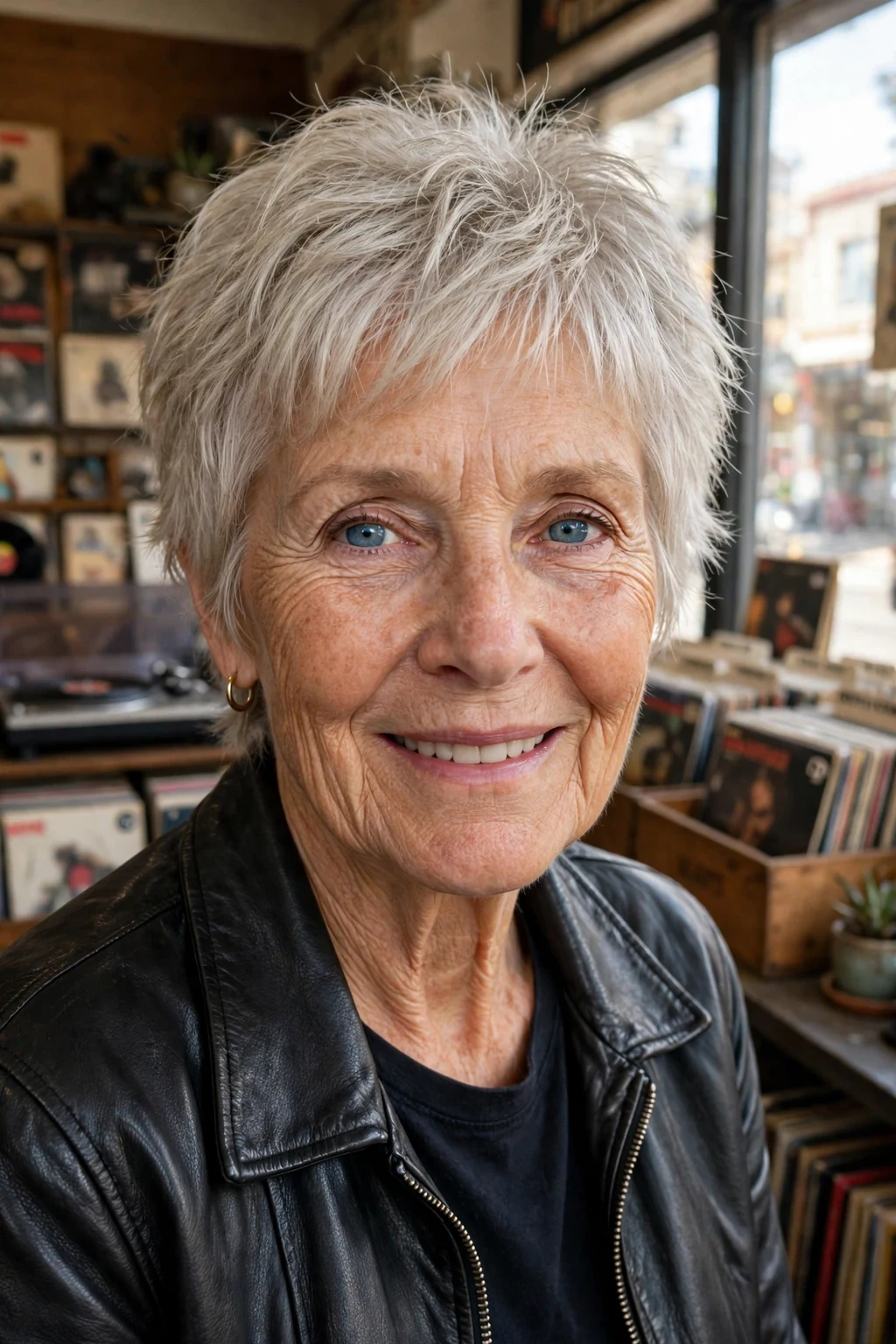
16. Sleek Short Bob
Sleek Short Bob is a sleek, polished bob with a clean outline and a smooth, glossy finish. The cut sits chin length, with a clean, even outline all around, so fine hair gains shape instead of falling flat, and the silhouette stays neat from every angle. The texture is sleek and glossy, with a mirror-smooth surface and precise ends, which is exactly what fine hair needs: instead of one heavy sheet that shows every thin spot, the cut breaks the hair into lighter, livelier pieces that catch light and look fuller. The finish feels modern and wearable rather than severe or fussy, with soft edges that move naturally when you walk, talk, and turn your head. This style suits women in their 50s, 60s, and 70s with fine hair, flattering oval, oblong, and square faces by adding balance where it matters most and drawing attention to the eyes and cheekbones. It works beautifully on straight and gently wavy fine hair, and it is especially kind to thinning crowns and temples because the layering disguises sparse areas instead of exposing them. For older women who want a cut that feels current without demanding constant attention, it is a confident, age-appropriate choice that still feels fresh and full of life.
To style sleek short bob, start with damp hair and work a shine serum through the lengths, focusing on the roots where fine hair needs the most lift. Use a flat brush and straightener for a glass-like finish to shape the cut, lifting at the crown and directing the front pieces where they flatter your face, then let the hair air-dry or finish with a low-heat blow-dry for extra body. A light mist of flexible-hold spray keeps the shape without stiffness, and a quick finger-comb through the day revives the texture far better than heavy brushing, which can flatten fine hair. Maintenance is simple: book a trim every six weeks to keep the shape crisp, since short cuts lose their architecture faster than long hair, and ask your stylist to preserve the internal layering that creates the fullness. Grow-out is forgiving, because it grows into a longer sleek bob without losing polish, so you will never face an awkward in-between stage. Choose this cut because it delivers understated elegance that makes fine hair look healthy and expensive: it makes fine hair look thicker, styling takes minutes, and the result is a polished, youthful short haircut you will genuinely enjoy wearing every day.
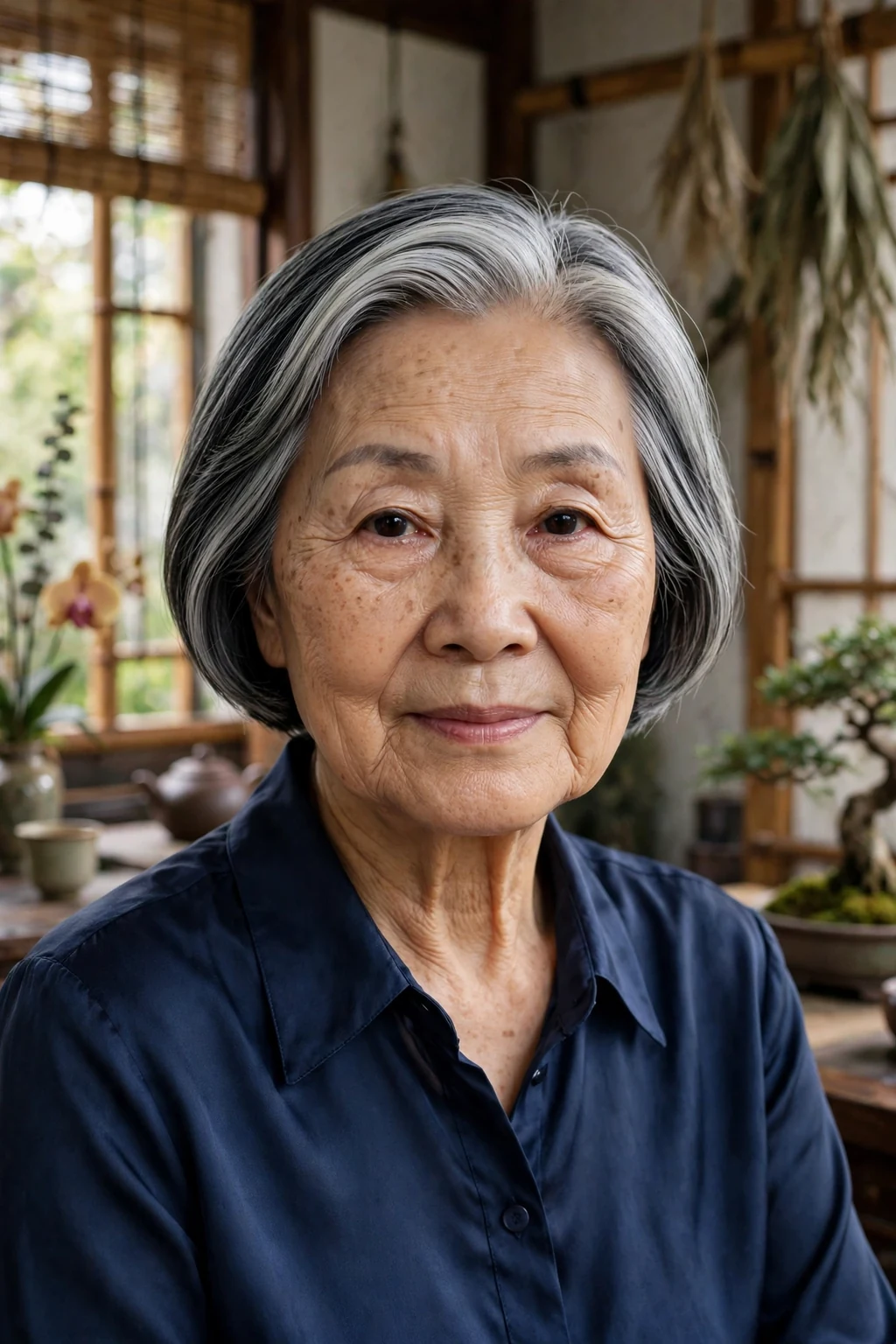
17. Volumizing Crown Crop
Volumizing Crown Crop is a crop cut and layered specifically for lift, with shorter layers stacked at the crown. The cut sits short at the sides, with stacked, lifted layers on top, so fine hair gains shape instead of falling flat, and the silhouette stays neat from every angle. The texture is full and lifted at the crown, with airy, bouncy texture through the top, which is exactly what fine hair needs: instead of one heavy sheet that shows every thin spot, the cut breaks the hair into lighter, livelier pieces that catch light and look fuller. The finish feels modern and wearable rather than severe or fussy, with soft edges that move naturally when you walk, talk, and turn your head. This style suits women in their 50s, 60s, and 70s with fine hair, flattering round, oval, and heart faces by adding balance where it matters most and drawing attention to the eyes and cheekbones. It works beautifully on straight and gently wavy fine hair, and it is especially kind to thinning crowns and temples because the layering disguises sparse areas instead of exposing them. For older women who want a cut that feels current without demanding constant attention, it is a confident, age-appropriate choice that still feels fresh and full of life.
To style volumizing crown crop, start with damp hair and work volumizing mousse and a root spray through the lengths, focusing on the roots where fine hair needs the most lift. Use a round brush, lifting sections at the crown while blow-drying to shape the cut, lifting at the crown and directing the front pieces where they flatter your face, then let the hair air-dry or finish with a low-heat blow-dry for extra body. A light mist of flexible-hold spray keeps the shape without stiffness, and a quick finger-comb through the day revives the texture far better than heavy brushing, which can flatten fine hair. Maintenance is simple: book a trim every five to six weeks to keep the shape crisp, since short cuts lose their architecture faster than long hair, and ask your stylist to preserve the internal layering that creates the fullness. Grow-out is forgiving, because it crown lift softens gradually as length increases, so you will never face an awkward in-between stage. Choose this cut because it delivers maximum height and fullness for flat, fine hair: it makes fine hair look thicker, styling takes minutes, and the result is a polished, youthful short haircut you will genuinely enjoy wearing every day.
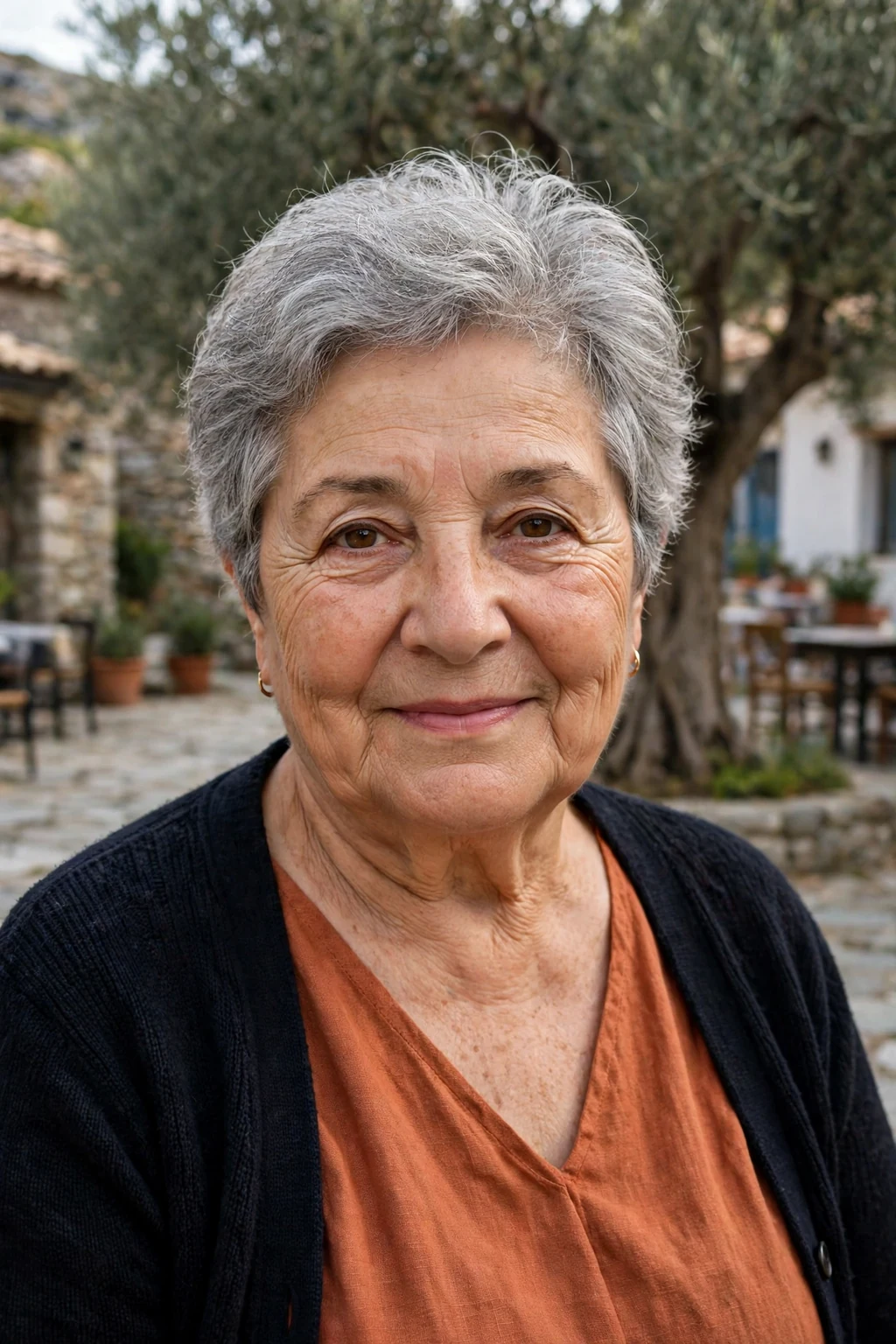
18. Short Asymmetrical Cut
Short Asymmetrical Cut is an asymmetrical short cut, longer on one side for a striking diagonal line. The cut sits short on one side, sweeping to jaw length on the other, so fine hair gains shape instead of falling flat, and the silhouette stays neat from every angle. The texture is smooth with a bold, modern edge, the longer side swinging softly, which is exactly what fine hair needs: instead of one heavy sheet that shows every thin spot, the cut breaks the hair into lighter, livelier pieces that catch light and look fuller. The finish feels modern and wearable rather than severe or fussy, with soft edges that move naturally when you walk, talk, and turn your head. This style suits women in their 50s, 60s, and 70s with fine hair, flattering oval, heart, and square faces by adding balance where it matters most and drawing attention to the eyes and cheekbones. It works beautifully on straight and gently wavy fine hair, and it is especially kind to thinning crowns and temples because the layering disguises sparse areas instead of exposing them. For older women who want a cut that feels current without demanding constant attention, it is a confident, age-appropriate choice that still feels fresh and full of life.
To style short asymmetrical cut, start with damp hair and work a smoothing cream through the lengths, focusing on the roots where fine hair needs the most lift. Use a flat brush to direct the longer side forward to shape the cut, lifting at the crown and directing the front pieces where they flatter your face, then let the hair air-dry or finish with a low-heat blow-dry for extra body. A light mist of flexible-hold spray keeps the shape without stiffness, and a quick finger-comb through the day revives the texture far better than heavy brushing, which can flatten fine hair. Maintenance is simple: book a trim every five weeks to keep the shape crisp, since short cuts lose their architecture faster than long hair, and ask your stylist to preserve the internal layering that creates the fullness. Grow-out is forgiving, because it the asymmetry softens as the short side grows, still flattering, so you will never face an awkward in-between stage. Choose this cut because it delivers a modern, confident statement that draws the eye upward: it makes fine hair look thicker, styling takes minutes, and the result is a polished, youthful short haircut you will genuinely enjoy wearing every day.
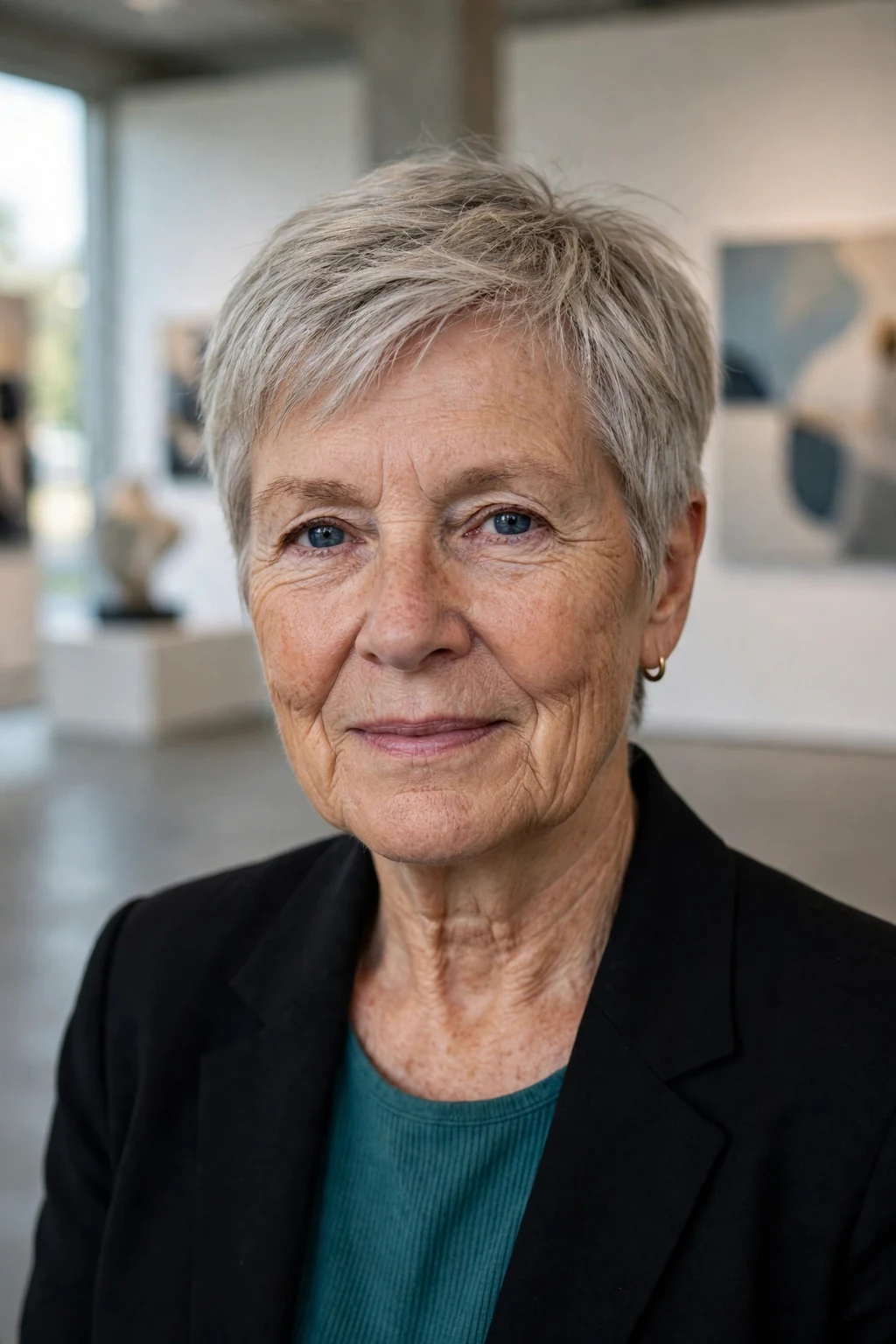
19. Tousled Pixie Bob
Tousled Pixie Bob is a tousled pixie bob with soft, messy layers and a relaxed, lived-in finish. The cut sits ear to jaw length, with tousled layers throughout, so fine hair gains shape instead of falling flat, and the silhouette stays neat from every angle. The texture is tousled and touchable, with soft, separated layers and gentle volume, which is exactly what fine hair needs: instead of one heavy sheet that shows every thin spot, the cut breaks the hair into lighter, livelier pieces that catch light and look fuller. The finish feels modern and wearable rather than severe or fussy, with soft edges that move naturally when you walk, talk, and turn your head. This style suits women in their 50s, 60s, and 70s with fine hair, flattering oval, round, and heart faces by adding balance where it matters most and drawing attention to the eyes and cheekbones. It works beautifully on straight and gently wavy fine hair, and it is especially kind to thinning crowns and temples because the layering disguises sparse areas instead of exposing them. For older women who want a cut that feels current without demanding constant attention, it is a confident, age-appropriate choice that still feels fresh and full of life.
To style tousled pixie bob, start with damp hair and work a sea-salt spray through the lengths, focusing on the roots where fine hair needs the most lift. Use your fingers to scrunch and tousle while air-drying to shape the cut, lifting at the crown and directing the front pieces where they flatter your face, then let the hair air-dry or finish with a low-heat blow-dry for extra body. A light mist of flexible-hold spray keeps the shape without stiffness, and a quick finger-comb through the day revives the texture far better than heavy brushing, which can flatten fine hair. Maintenance is simple: book a trim every seven to eight weeks to keep the shape crisp, since short cuts lose their architecture faster than long hair, and ask your stylist to preserve the internal layering that creates the fullness. Grow-out is forgiving, because it grows into a tousled bob, so you will never face an awkward in-between stage. Choose this cut because it delivers carefree texture that looks styled even on no-effort days: it makes fine hair look thicker, styling takes minutes, and the result is a polished, youthful short haircut you will genuinely enjoy wearing every day.
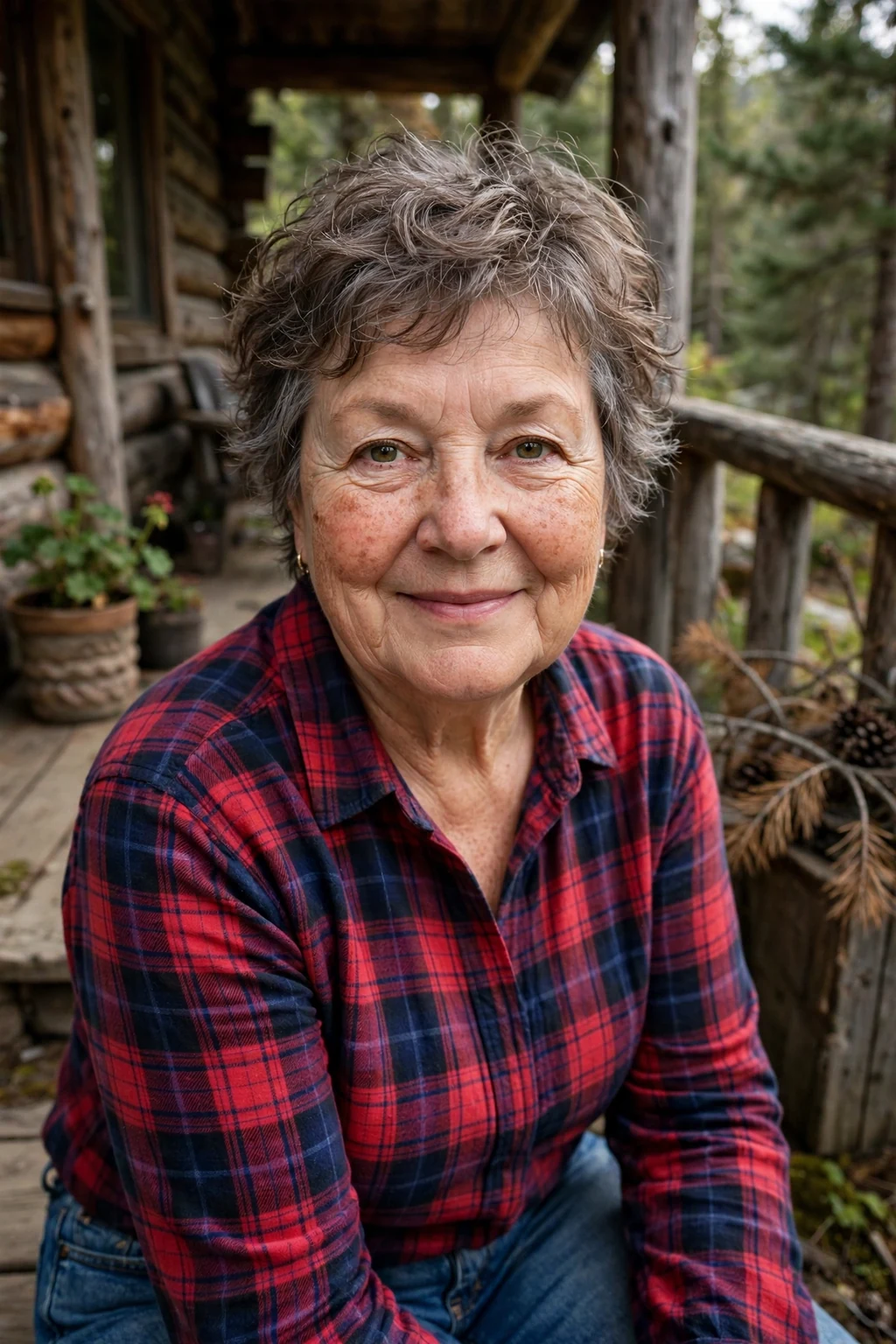
20. Short Spiky Crop
Short Spiky Crop is a playful short crop with soft, spiky texture on top and neat sides. The cut sits very short at the sides, with spiky, finger-length pieces on top, so fine hair gains shape instead of falling flat, and the silhouette stays neat from every angle. The texture is softly spiky and piecey on top, with clean, tidy sides and a fun finish, which is exactly what fine hair needs: instead of one heavy sheet that shows every thin spot, the cut breaks the hair into lighter, livelier pieces that catch light and look fuller. The finish feels modern and wearable rather than severe or fussy, with soft edges that move naturally when you walk, talk, and turn your head. This style suits women in their 50s, 60s, and 70s with fine hair, flattering oval, heart, and diamond faces by adding balance where it matters most and drawing attention to the eyes and cheekbones. It works beautifully on straight and gently wavy fine hair, and it is especially kind to thinning crowns and temples because the layering disguises sparse areas instead of exposing them. For older women who want a cut that feels current without demanding constant attention, it is a confident, age-appropriate choice that still feels fresh and full of life.
To style short spiky crop, start with damp hair and work a strong but flexible wax through the lengths, focusing on the roots where fine hair needs the most lift. Use your fingertips to lift and spike small sections to shape the cut, lifting at the crown and directing the front pieces where they flatter your face, then let the hair air-dry or finish with a low-heat blow-dry for extra body. A light mist of flexible-hold spray keeps the shape without stiffness, and a quick finger-comb through the day revives the texture far better than heavy brushing, which can flatten fine hair. Maintenance is simple: book a trim every four to five weeks to keep the shape crisp, since short cuts lose their architecture faster than long hair, and ask your stylist to preserve the internal layering that creates the fullness. Grow-out is forgiving, because it spikes soften into a textured crop as it grows, so you will never face an awkward in-between stage. Choose this cut because it delivers fun, youthful energy that proves short hair can be playful: it makes fine hair look thicker, styling takes minutes, and the result is a polished, youthful short haircut you will genuinely enjoy wearing every day.
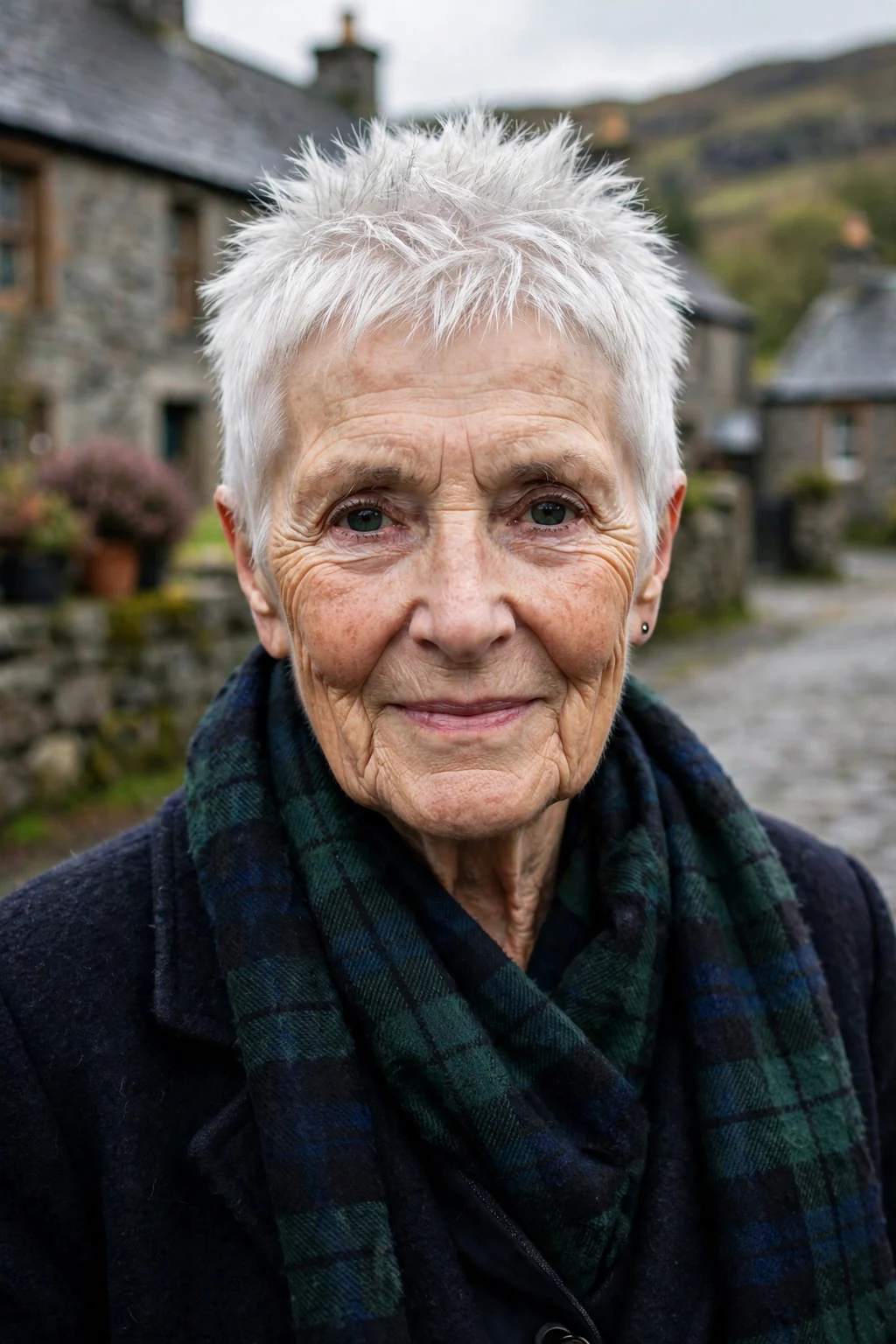
21. Classic Short Wedge
Classic Short Wedge is a classic wedge with stacked layers at the back and a smooth, rounded shape. The cut sits short and stacked at the back, with longer, smooth length in front, so fine hair gains shape instead of falling flat, and the silhouette stays neat from every angle. The texture is smooth and rounded, with a sculpted, vintage-inspired silhouette, which is exactly what fine hair needs: instead of one heavy sheet that shows every thin spot, the cut breaks the hair into lighter, livelier pieces that catch light and look fuller. The finish feels modern and wearable rather than severe or fussy, with soft edges that move naturally when you walk, talk, and turn your head. This style suits women in their 50s, 60s, and 70s with fine hair, flattering oval, round, and square faces by adding balance where it matters most and drawing attention to the eyes and cheekbones. It works beautifully on straight and gently wavy fine hair, and it is especially kind to thinning crowns and temples because the layering disguises sparse areas instead of exposing them. For older women who want a cut that feels current without demanding constant attention, it is a confident, age-appropriate choice that still feels fresh and full of life.
To style classic short wedge, start with damp hair and work a smoothing lotion through the lengths, focusing on the roots where fine hair needs the most lift. Use a round brush to sculpt the rounded back to shape the cut, lifting at the crown and directing the front pieces where they flatter your face, then let the hair air-dry or finish with a low-heat blow-dry for extra body. A light mist of flexible-hold spray keeps the shape without stiffness, and a quick finger-comb through the day revives the texture far better than heavy brushing, which can flatten fine hair. Maintenance is simple: book a trim every six weeks to keep the shape crisp, since short cuts lose their architecture faster than long hair, and ask your stylist to preserve the internal layering that creates the fullness. Grow-out is forgiving, because it the wedge shape softens gradually and is easy to restack, so you will never face an awkward in-between stage. Choose this cut because it delivers a timeless, sculpted shape with built-in back volume: it makes fine hair look thicker, styling takes minutes, and the result is a polished, youthful short haircut you will genuinely enjoy wearing every day.
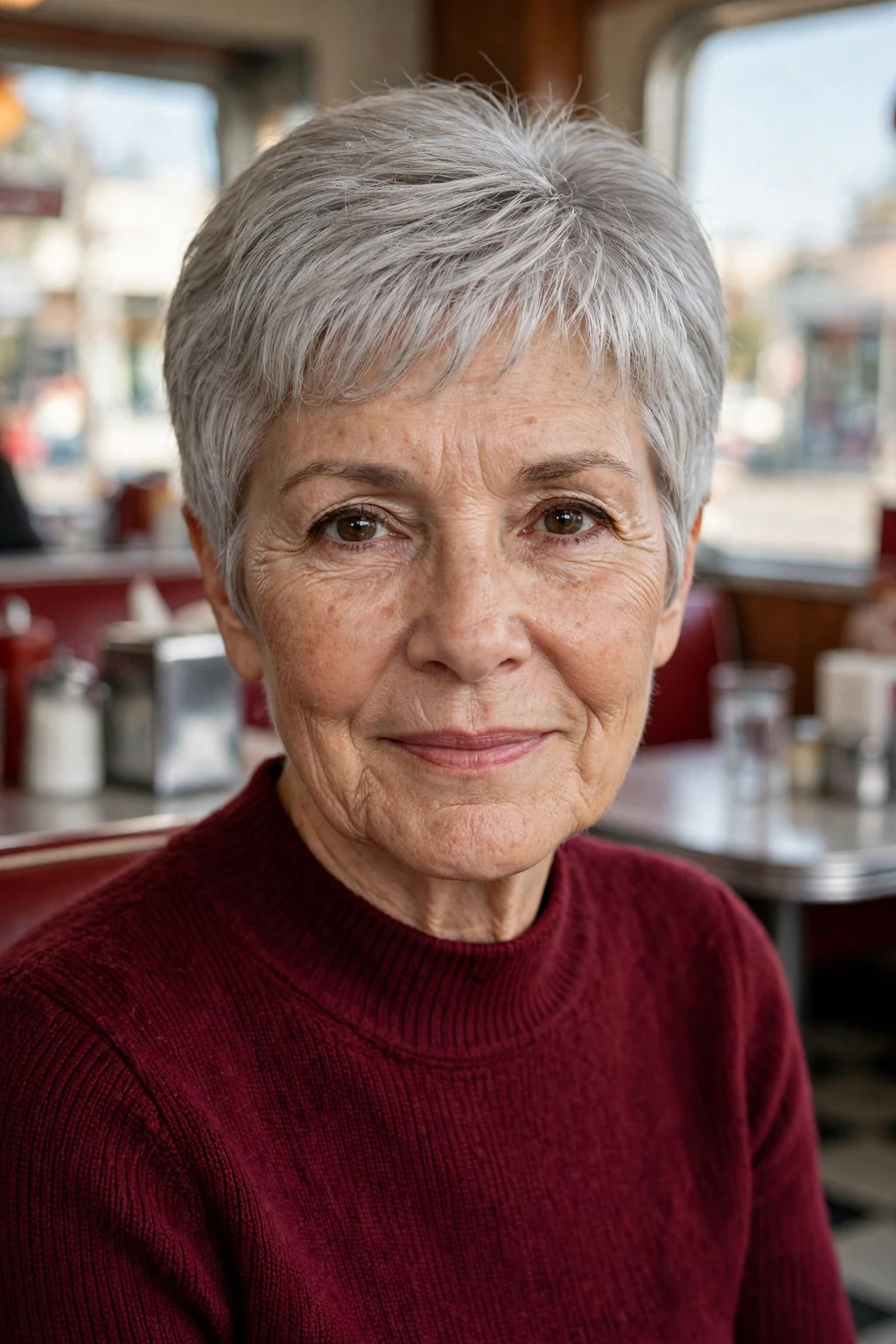
22. Soft Bowl-Inspired Crop
Soft Bowl-Inspired Crop is a modern, softened bowl crop with rounded shape and wispy, broken edges. The cut sits short and rounded, with soft, broken edges around the face, so fine hair gains shape instead of falling flat, and the silhouette stays neat from every angle. The texture is rounded and soft, with wispy edges that keep it modern rather than severe, which is exactly what fine hair needs: instead of one heavy sheet that shows every thin spot, the cut breaks the hair into lighter, livelier pieces that catch light and look fuller. The finish feels modern and wearable rather than severe or fussy, with soft edges that move naturally when you walk, talk, and turn your head. This style suits women in their 50s, 60s, and 70s with fine hair, flattering oval, heart, and round faces by adding balance where it matters most and drawing attention to the eyes and cheekbones. It works beautifully on straight and gently wavy fine hair, and it is especially kind to thinning crowns and temples because the layering disguises sparse areas instead of exposing them. For older women who want a cut that feels current without demanding constant attention, it is a confident, age-appropriate choice that still feels fresh and full of life.
To style soft bowl-inspired crop, start with damp hair and work a light styling cream through the lengths, focusing on the roots where fine hair needs the most lift. Use a paddle brush for a smooth, rounded blow-dry to shape the cut, lifting at the crown and directing the front pieces where they flatter your face, then let the hair air-dry or finish with a low-heat blow-dry for extra body. A light mist of flexible-hold spray keeps the shape without stiffness, and a quick finger-comb through the day revives the texture far better than heavy brushing, which can flatten fine hair. Maintenance is simple: book a trim every six to seven weeks to keep the shape crisp, since short cuts lose their architecture faster than long hair, and ask your stylist to preserve the internal layering that creates the fullness. Grow-out is forgiving, because it grows into a rounded bob as the edges lengthen, so you will never face an awkward in-between stage. Choose this cut because it delivers a surprisingly flattering, modern take on a retro shape: it makes fine hair look thicker, styling takes minutes, and the result is a polished, youthful short haircut you will genuinely enjoy wearing every day.

23. Short Layered Shaggy Bob
Short Layered Shaggy Bob is a shaggy bob with layered, feathered ends and soft volume through the crown. The cut sits chin length, with shaggy layers that add movement, so fine hair gains shape instead of falling flat, and the silhouette stays neat from every angle. The texture is shaggy and feathered, with soft, airy layers and a relaxed finish, which is exactly what fine hair needs: instead of one heavy sheet that shows every thin spot, the cut breaks the hair into lighter, livelier pieces that catch light and look fuller. The finish feels modern and wearable rather than severe or fussy, with soft edges that move naturally when you walk, talk, and turn your head. This style suits women in their 50s, 60s, and 70s with fine hair, flattering oval, heart, and diamond faces by adding balance where it matters most and drawing attention to the eyes and cheekbones. It works beautifully on straight and gently wavy fine hair, and it is especially kind to thinning crowns and temples because the layering disguises sparse areas instead of exposing them. For older women who want a cut that feels current without demanding constant attention, it is a confident, age-appropriate choice that still feels fresh and full of life.
To style short layered shaggy bob, start with damp hair and work a texturizing spray through the lengths, focusing on the roots where fine hair needs the most lift. Use your fingers and a diffuser for soft, airy texture to shape the cut, lifting at the crown and directing the front pieces where they flatter your face, then let the hair air-dry or finish with a low-heat blow-dry for extra body. A light mist of flexible-hold spray keeps the shape without stiffness, and a quick finger-comb through the day revives the texture far better than heavy brushing, which can flatten fine hair. Maintenance is simple: book a trim every eight weeks to keep the shape crisp, since short cuts lose their architecture faster than long hair, and ask your stylist to preserve the internal layering that creates the fullness. Grow-out is forgiving, because it grows into a longer shaggy lob, so you will never face an awkward in-between stage. Choose this cut because it delivers relaxed, youthful texture with easy, forgiving grow-out: it makes fine hair look thicker, styling takes minutes, and the result is a polished, youthful short haircut you will genuinely enjoy wearing every day.

24. Elegant Short Crop with Side Part
Elegant Short Crop with Side Part is an elegant short crop with a deep side part and smooth, swept-over length. The cut sits short at the back, with longer, swept length on top, so fine hair gains shape instead of falling flat, and the silhouette stays neat from every angle. The texture is smooth and refined, with a deep part that adds volume and graceful sweep, which is exactly what fine hair needs: instead of one heavy sheet that shows every thin spot, the cut breaks the hair into lighter, livelier pieces that catch light and look fuller. The finish feels modern and wearable rather than severe or fussy, with soft edges that move naturally when you walk, talk, and turn your head. This style suits women in their 50s, 60s, and 70s with fine hair, flattering oval, oblong, and heart faces by adding balance where it matters most and drawing attention to the eyes and cheekbones. It works beautifully on straight and gently wavy fine hair, and it is especially kind to thinning crowns and temples because the layering disguises sparse areas instead of exposing them. For older women who want a cut that feels current without demanding constant attention, it is a confident, age-appropriate choice that still feels fresh and full of life.
To style elegant short crop with side part, start with damp hair and work a shine-enhancing cream through the lengths, focusing on the roots where fine hair needs the most lift. Use a side-part comb and round brush for a polished sweep to shape the cut, lifting at the crown and directing the front pieces where they flatter your face, then let the hair air-dry or finish with a low-heat blow-dry for extra body. A light mist of flexible-hold spray keeps the shape without stiffness, and a quick finger-comb through the day revives the texture far better than heavy brushing, which can flatten fine hair. Maintenance is simple: book a trim every five to six weeks to keep the shape crisp, since short cuts lose their architecture faster than long hair, and ask your stylist to preserve the internal layering that creates the fullness. Grow-out is forgiving, because it the part and sweep stay flattering as it grows longer, so you will never face an awkward in-between stage. Choose this cut because it delivers quiet sophistication that works for every occasion: it makes fine hair look thicker, styling takes minutes, and the result is a polished, youthful short haircut you will genuinely enjoy wearing every day.

25. Short Silver Textured Cut
Short Silver Textured Cut is a short textured cut designed to show off natural silver dimension and movement. The cut sits short all over, with textured length on top to display silver variation, so fine hair gains shape instead of falling flat, and the silhouette stays neat from every angle. The texture is textured and luminous, with silver tones catching light across piecey layers, which is exactly what fine hair needs: instead of one heavy sheet that shows every thin spot, the cut breaks the hair into lighter, livelier pieces that catch light and look fuller. The finish feels modern and wearable rather than severe or fussy, with soft edges that move naturally when you walk, talk, and turn your head. This style suits women in their 50s, 60s, and 70s with fine hair, flattering oval, round, and heart faces by adding balance where it matters most and drawing attention to the eyes and cheekbones. It works beautifully on straight and gently wavy fine hair, and it is especially kind to thinning crowns and temples because the layering disguises sparse areas instead of exposing them. For older women who want a cut that feels current without demanding constant attention, it is a confident, age-appropriate choice that still feels fresh and full of life.
To style short silver textured cut, start with damp hair and work a purple shampoo used occasionally plus leave-in conditioner through the lengths, focusing on the roots where fine hair needs the most lift. Use your fingers to piece the textured top to shape the cut, lifting at the crown and directing the front pieces where they flatter your face, then let the hair air-dry or finish with a low-heat blow-dry for extra body. A light mist of flexible-hold spray keeps the shape without stiffness, and a quick finger-comb through the day revives the texture far better than heavy brushing, which can flatten fine hair. Maintenance is simple: book a trim every seven to eight weeks to keep the shape crisp, since short cuts lose their architecture faster than long hair, and ask your stylist to preserve the internal layering that creates the fullness. Grow-out is forgiving, because it silver texture grows out seamlessly, so you will never face an awkward in-between stage. Choose this cut because it delivers a joyful celebration of natural silver, with texture that makes it shine: it makes fine hair look thicker, styling takes minutes, and the result is a polished, youthful short haircut you will genuinely enjoy wearing every day.
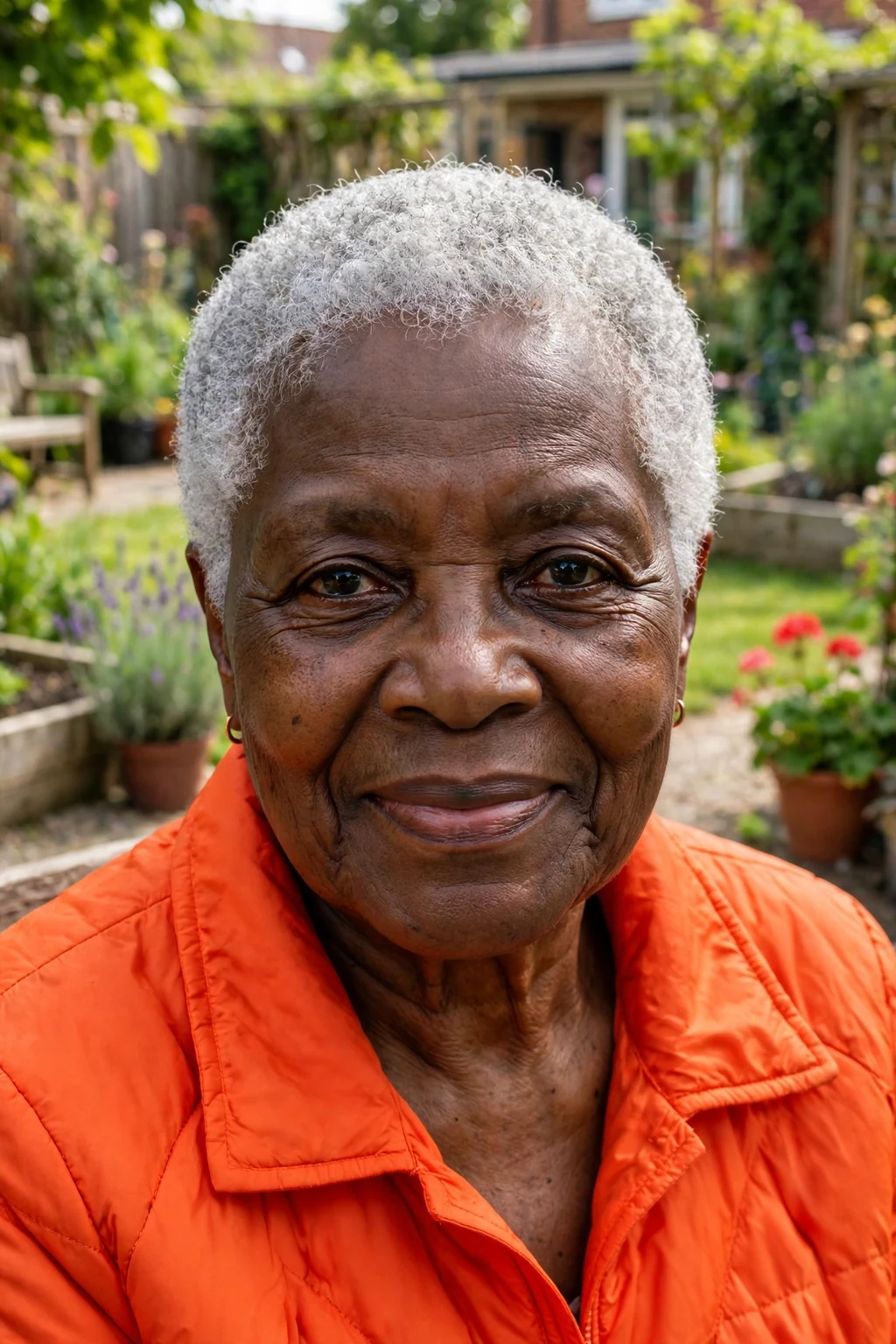
How to Choose the Right Short Haircut for Fine Hair
The most flattering short haircut for fine hair is the one that builds volume into the cut itself, rather than relying on products alone. Look for internal layers, a stacked or tapered back, and texture on top, and choose a length that lets your stylist create lift at the crown. Bring photos, talk honestly about thinning areas, and ask for a cut that still looks good air-dried, because the best short cut should flatter you on your easiest days too.
Short haircuts for older women with fine hair are wonderfully low-maintenance once the shape is right: most need only a trim every five to eight weeks, a lightweight volumizer, and a few minutes of finger styling. Choose the style that makes you feel confident and youthful, keep up with regular trims, and enjoy hair that finally looks as full and vibrant as you feel.
Conclusion
From classic pixies to textured crops and voluminous bobs, these 25 short haircuts prove fine hair can look full, stylish, and youthful at any age. Choose the cut that suits your face shape and routine, keep up with regular trims, and wear your short haircut with total confidence.