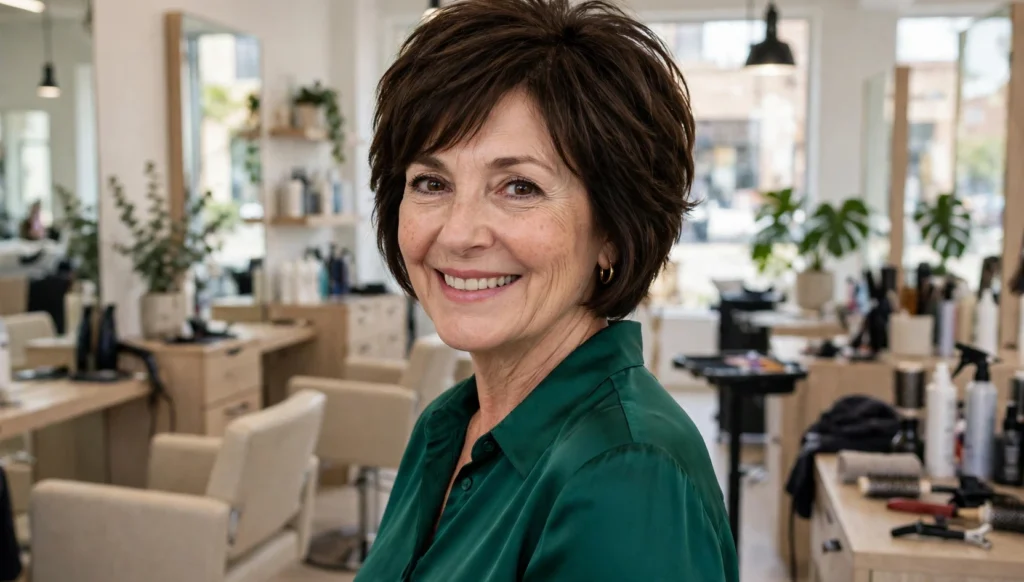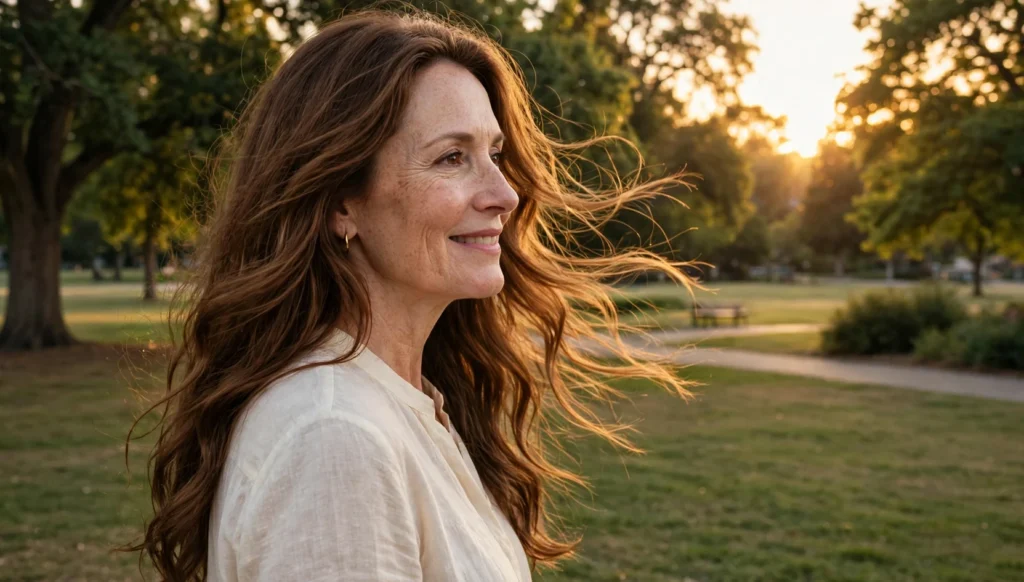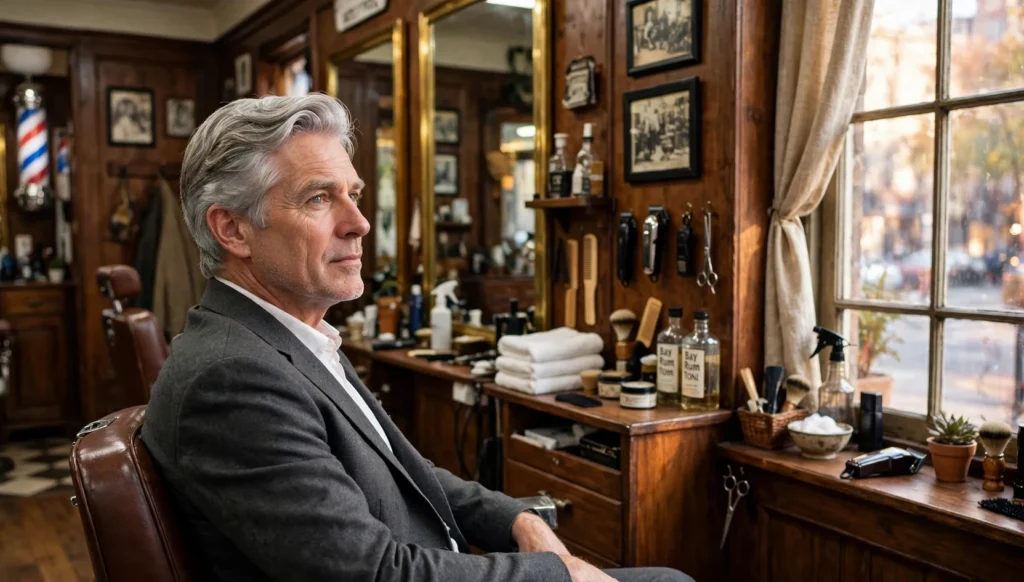

Shag hairstyles for fine hair are textured, voluminous, and effortlessly chic. These 46 shag hairstyles are modern, flattering, and beautiful, giving you that perfect lived-in texture that makes fine hair look thicker and fuller.
1. Classic Shag
The classic shag is the original texture-maker, and it remains one of the smartest cuts ever designed for fine hair: choppy, face-framing layers through the crown and sides, feathered ends, and that signature lived-in silhouette that is somehow both structured and undone. The genius of the shag for fine hair lies in how the layers are distributed — shorter pieces through the crown create lift and the illusion of density at the roots, while the textured ends remove just enough weight to let the hair move instead of lying flat. The result reads as twice as much hair as you actually have, with a cool, rock-and-roll spirit that works on straight, wavy, and loosely curly fine hair alike, flattering oval, heart, and longer face shapes especially well.
Styling plays to fine hair's strengths: work a volumizing mousse through damp roots, then blow-dry with your head flipped upside down or scrunch with a texturizing spray for piece-y separation — fine hair takes texture beautifully and holds it longer than thick hair does. Avoid heavy oils and silicone serums that collapse volume. Trims every eight to ten weeks keep the layers bouncy rather than stringy. Choose the classic shag when you are tired of fine hair looking limp: it is the cut that finally makes thin hair look intentionally, gorgeously textured instead of just thin.

2. Layered Shag Bob
The layered shag bob takes the beloved bob silhouette and injects it with shaggy, piece-y texture — a chin-to-shoulder cut where the classic bob line is broken up by choppy layers, flicked ends, and effortless movement. For fine hair, this hybrid is strategic brilliance: the bob's solid perimeter keeps the ends looking full and blunt (no wispy thinness), while the interior shag layers create volume and the illusion of thickness through the mid-lengths. It suits straight and wavy fine hair beautifully, flatters round and square faces because the texture breaks up width, and reads modern and chic rather than severe.
Style by blow-drying with a round brush for a polished shaggy bob, or scrunching with texturizing spray for a more undone, casual finish — fine hair holds both. A root-lifting spray at the crown prevents the top from falling flat. Trims every six to eight weeks keep the perimeter strong, which is essential for fine hair since thin ends are the enemy. Try it when you want bob sophistication with shag soul: it is professional enough for the office, cool enough for the weekend, and it makes fine hair look deliberately, beautifully full.

3. Curly Shag
The curly shag is pure joy for fine curly hair: bouncy, layered curls with a shaggy silhouette that turns natural texture into a voluminous, celebratory shape. The shag's signature layering is transformative for fine curls, removing weight so each curl springs upward instead of being pulled long and stringy, which creates remarkable fullness even on the finest curl patterns. The layers also prevent the dreaded triangle shape, giving fine curly hair a beautiful rounded profile with the liveliest curls framing the face. It suits all face shapes — the height elongates round faces while the width softens long ones — and it radiates infectious energy.
Enhance your pattern with curl cream applied to soaking-wet hair, scrunching upward and diffusing on low heat; fine curls dry fast and hold definition well with lightweight products. Never brush dry curls, and sleep on silk to preserve the shape. See a curl specialist every eight to ten weeks, since fine curls need precise layering. Choose the curly shag when you are ready to stop fighting your texture: it makes fine curly hair look abundant, lively, and completely intentional — volume you were born with, finally revealed.

4. Wavy Shag
The wavy shag is the embodiment of effortless cool for fine hair: tousled, beachy layers that give straight-ish fine hair the texture and movement it usually lacks. The shag cutting technique — point-cut ends, interior layers, face-framing pieces — coaxes wave and bend out of hair that might otherwise hang straight and limp, creating the illusion of much thicker, more dynamic hair. It is especially flattering on oval and heart-shaped faces, suits fine hair of all densities, and carries a relaxed, California-girl spirit that makes even Monday mornings feel like vacation.
Fine wavy hair is wonderfully responsive to styling: mist sea salt spray or a light wave-enhancing spray on damp hair, scrunch, and air-dry or diffuse for authentic texture that lasts for days. A texturizing powder at the roots adds grip and lift where fine hair needs it most. Trims every eight to ten weeks refresh the layers. Try the wavy shag when you want your fine hair to look like it has a personality — it is the cut that finally gives thin hair the movement, body, and casual beauty it deserves.

5. Shag with Bangs
The shag with bangs pairs the volume-building shag with a bold fringe, and for fine hair this combination is doubly strategic: the bangs add density and interest across the forehead while the shaggy layers build body everywhere else. The fringe can be cut full and piece-y to maximize the appearance of thickness, or wispy and textured for a softer effect, and it blends seamlessly into the face-framing shag layers at the temples. It suits oval, heart, and longer faces beautifully — the bangs visually shorten a long face — and it works on straight to wavy fine hair, giving the whole head a cohesive, intentional shape.
Style the bangs forward with a round brush or your fingers and a touch of lightweight mousse, keeping products airy so the fringe stays bouncy rather than separated into thin strings. Bangs on fine hair need trims every three to four weeks to stay at the perfect length. The rest of the shag gets the usual texturizing treatment. Choose the shag with bangs when you want maximum impact: the fringe frames your eyes dramatically while the shag gives your fine hair the body it has always deserved — a complete transformation in one appointment.
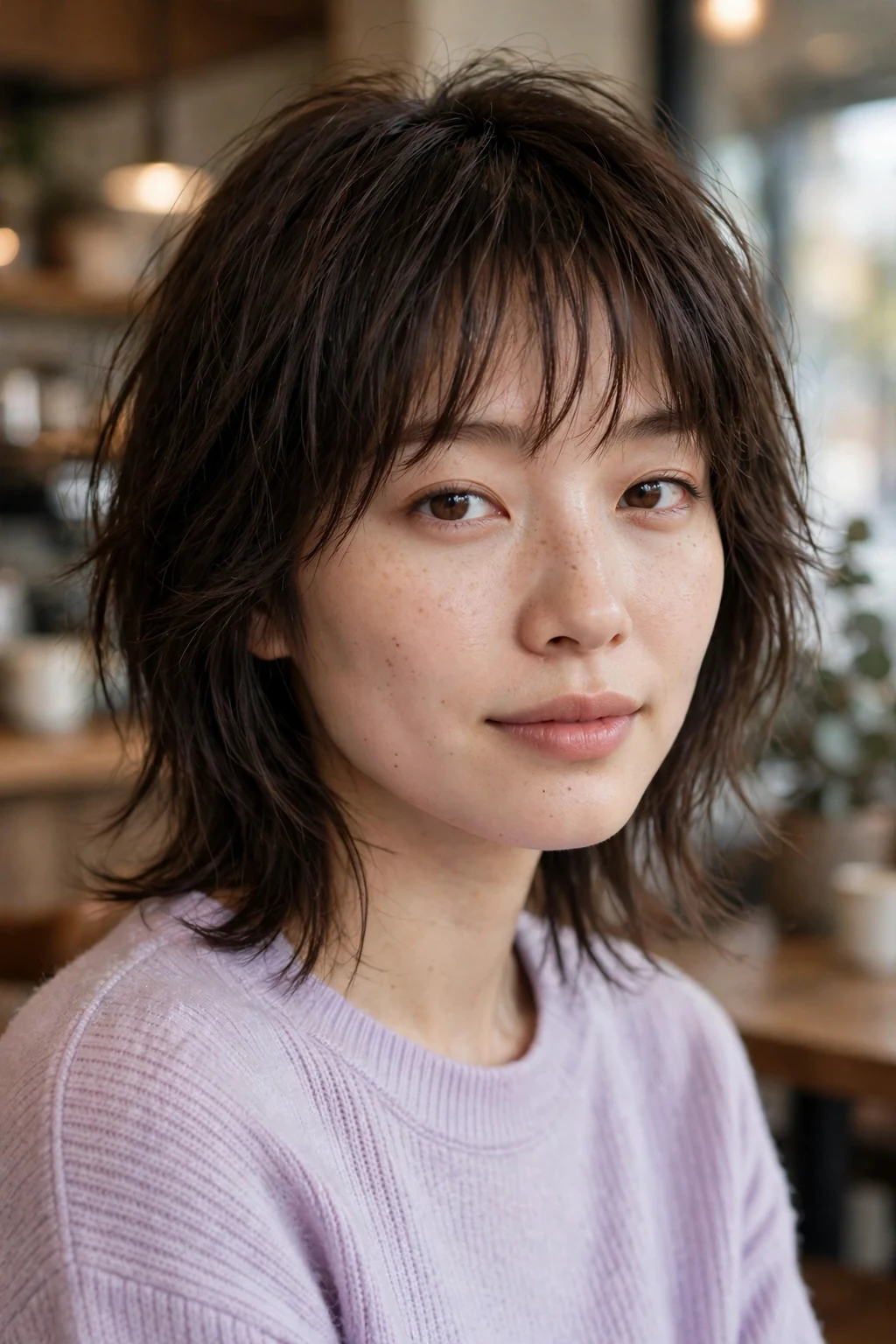
6. Textured Shag
The textured shag is the boldest, most piece-y interpretation of the cut: aggressively separated strands, visible layering, and a deliberately undone finish that makes fine hair look wildly abundant. The heavy texturizing is the secret weapon for thin hair — by creating separation and air between pieces, the eye reads depth and dimension instead of flatness, and fine hair actually holds piece-y texture longer than thick hair because there is less weight pulling it down. It suits straight and wavy fine hair best, flatters oval and angular faces with its edgy energy, and carries a confident, fashion-forward attitude.
Create the texture with matte clay or fiber paste worked through dry hair, twisting individual pieces between your fingers — fine hair responds instantly, so use sparingly. A dry texturizing spray adds gritty volume that lasts all day. Trims every seven to nine weeks keep the pieces distinct. Try the textured shag when subtle is not in your vocabulary: it is the fine-hair cut with the most personality, turning thinness into an asset by making separation and airiness the entire aesthetic.

7. Soft Shag
The soft shag is the gentle, romantic soul of the shag family: the same volume-building layers rendered with a lighter touch — blended rather than choppy, feathered rather than jagged, with a tender, touchable finish. For fine hair, this softness is strategic: the layers still create lift and movement, but the blended cutting keeps the ends looking full rather than wispy, which is the main risk when texturizing thin hair too aggressively. It flatters every face shape with its forgiving softness, suits straight to wavy fine hair, and feels feminine and approachable rather than edgy.
Style with a light mousse and a soft blow-dry, brushing the layers smooth for polish or scrunching lightly for gentle texture — fine hair shines in this cut because the softness lets its natural silkiness show. Keep conditioning lightweight to preserve body. Trims every eight to ten weeks maintain the soft shape. Choose the soft shag when you want shag volume without shag attitude: it is pretty, easy, and quietly transformative, proving fine hair can be both delicate and full of life.

8. Choppy Shag
The choppy shag dials the texture to dramatic: sharp, jagged layers with bold, visible separation that gives fine hair an unmistakable edge and remarkable perceived volume. The choppiness works almost like an optical illusion on thin hair — the irregular lengths and flicked ends create shadows and depth that the eye interprets as thickness, while the bold texture distracts entirely from any sparseness. It suits straight fine hair best, where the jagged ends stay crisp, flatters oval and longer faces, and carries a confident, rock-chic spirit that is anything but timid.
Emphasize the chop with texturizing spray or dry wax, piece-ing out the ends with your fingers for maximum separation — fine hair takes this styling beautifully with minimal product. Keep the layers fresh with trims every seven to nine weeks, since grown-out choppiness can turn stringy on fine hair. Try it when you want your fine hair to have attitude: the choppy shag does not apologize for thinness, it weaponizes texture until thinness becomes completely irrelevant.

9. Shaggy Lob
The shaggy lob — the long bob with shag soul — is arguably the most flattering shag length for fine hair: falling between chin and collarbone, it keeps enough length to feel feminine while the shaggy layers prevent the dreaded flat, lank look that long fine hair so often suffers. The perimeter stays relatively solid to keep ends looking thick, while interior layers and face-framing pieces create movement and the illusion of density. It suits all face shapes, works on straight to wavy fine hair, and reads effortlessly chic — the hair equivalent of the perfect blazer.
Style with volumizing mousse at the roots and a round-brush blow-dry for polished bounce, or air-dry with wave spray for undone texture; fine hair holds both beautifully at this length. The solid perimeter is key — trims every seven to nine weeks keep ends blunt and full. Choose the shaggy lob when you want length without limpness: it is sophisticated, modern, and the rare longer cut that genuinely makes fine hair look thicker than it is.

10. Feathered Shag
The feathered shag floats: airy, finely layered ends that flick and flutter with movement, giving fine hair a delicate, ethereal quality while still building real volume. The feathering technique — tapering the very ends to soft points — is beautiful on fine hair because it creates movement without removing the interior fullness that thin hair needs, and the flicked-out ends add width and body through the mid-lengths. It flatters oval, heart, and square faces with its softening effect, suits straight to wavy fine hair, and carries a romantic, 1970s-inspired femininity.
Blow-dry with a round brush, flicking ends outward for the signature feathered movement, with a light mousse for flexible hold — fine hair feathers beautifully and the style lasts. Avoid heavy serums that would glue the delicate ends together. Trims every eight to ten weeks keep the feathering fresh. Try it when you want your fine hair to feel light as air but look full of life: the feathered shag is graceful, timeless, and quietly voluminous.

11. Pixie Shag
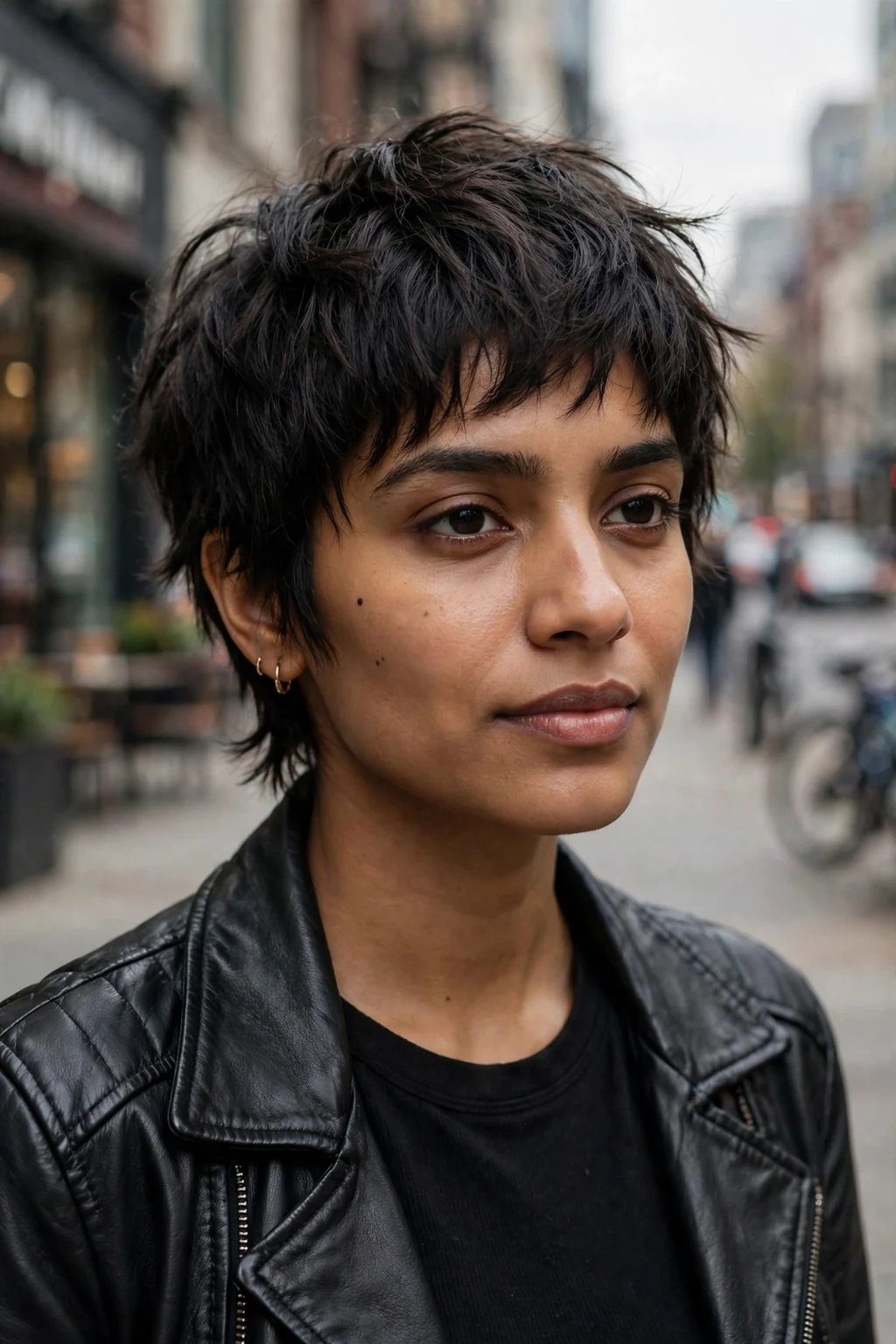
The pixie shag is the boldest move for fine hair: a short, cropped silhouette fused with shaggy, piece-y texture, proving that going shorter can actually make thin hair look thicker. The logic is simple — with less length weighing it down, fine hair gains instant lift and volume, and the shaggy texturizing throughout creates the separation and airiness that reads as abundance. The cropped shape spotlights the face beautifully, suits oval, heart, and petite features especially well, and carries a confident, fashion-forward energy that is utterly liberating.
Styling is minimal and fast: a dab of matte paste scrunched through dry hair creates instant piece-y texture, and fine hair responds with impressive volume at this short length. Wash-and-go is genuinely realistic. Trims every four to six weeks keep the shape sharp, since short cuts show growth quickly. Choose the pixie shag when you are ready for the truth about fine hair — shorter is often fuller — and want a cut that is bold, modern, and completely freeing.
12. Curtain Bang Shag
The curtain bang shag frames fine hair in the most flattering way possible: a center-parted curtain fringe that melts into shaggy, face-framing layers, creating softness and the appearance of density around the face where it matters most. The curtain bangs add visual weight across the forehead — a gift for fine hair — while the parted drape keeps the look light and modern rather than heavy. It suits nearly every face shape, with the framing especially kind to round and square faces, and it works beautifully on straight to wavy fine hair.
Part the bangs down the center while damp and blow-dry each side away from the face with a round brush to set the curtain swoop; a touch of texturizing spray keeps the pieces defined. Curtain bangs need trims every four to six weeks to maintain the perfect cheekbone-grazing length. The shag layers get the usual volumizing treatment. Try it when you want fringe without the commitment of a full bang: it is soft, trendy, and it makes fine hair look intentionally, beautifully styled from every angle.

13. Messy Shag
The messy shag is gloriously undone: tousled, lived-in texture that looks like you rolled out of bed stylish, and for fine hair it is secretly strategic — the 'messiness' is really just maximized texture, separation, and air, all of which create the illusion of much thicker hair. Because the style celebrates imperfection, fine hair's natural lightness becomes an asset: it tousles easily, holds airy volume, and never looks weighed down. It suits all face shapes, works on straight to wavy fine hair, and carries a carefree, youthful spirit that is impossible not to love.
This is the lowest-effort shag: wash, apply texturizing spray or mousse, scrunch, and air-dry — done. Fine hair excels here because it needs so little product to achieve the look. Trims every eight to ten weeks keep the mess intentional rather than neglected. Choose the messy shag when you want great hair with zero fuss: it is the fine-hair cut that asks the least and gives the most, turning 'I woke up like this' from a myth into a morning routine.

14. Voluminous Shag
The voluminous shag is engineered for maximum body: layers cut specifically to build height and fullness, with shorter crown layers that lift the roots and textured ends that keep the volume from collapsing. For fine hair, honest talk matters — no cut creates hair you do not have, but strategic layering genuinely maximizes what you do have, and this shag is the masterclass: the shape encourages volume at the crown where fine hair typically falls flat, while the textured perimeter keeps everything bouncy. It suits oval, heart, and longer faces, works on straight to wavy fine hair, and delivers unapologetic glamour.
Build the volume with volumizing mousse concentrated at the roots, then blow-dry upside down or with a round brush lifting at the crown; a root-lifting spray adds staying power that fine hair needs. Diffusing enhances the body further. Trims every seven to nine weeks keep the layers bouncy. Try it when you want your fine hair to make an entrance: the voluminous shag is proof that thin hair, cut brilliantly and styled smartly, can look every bit as lush as thick hair.
15. Asymmetrical Shag
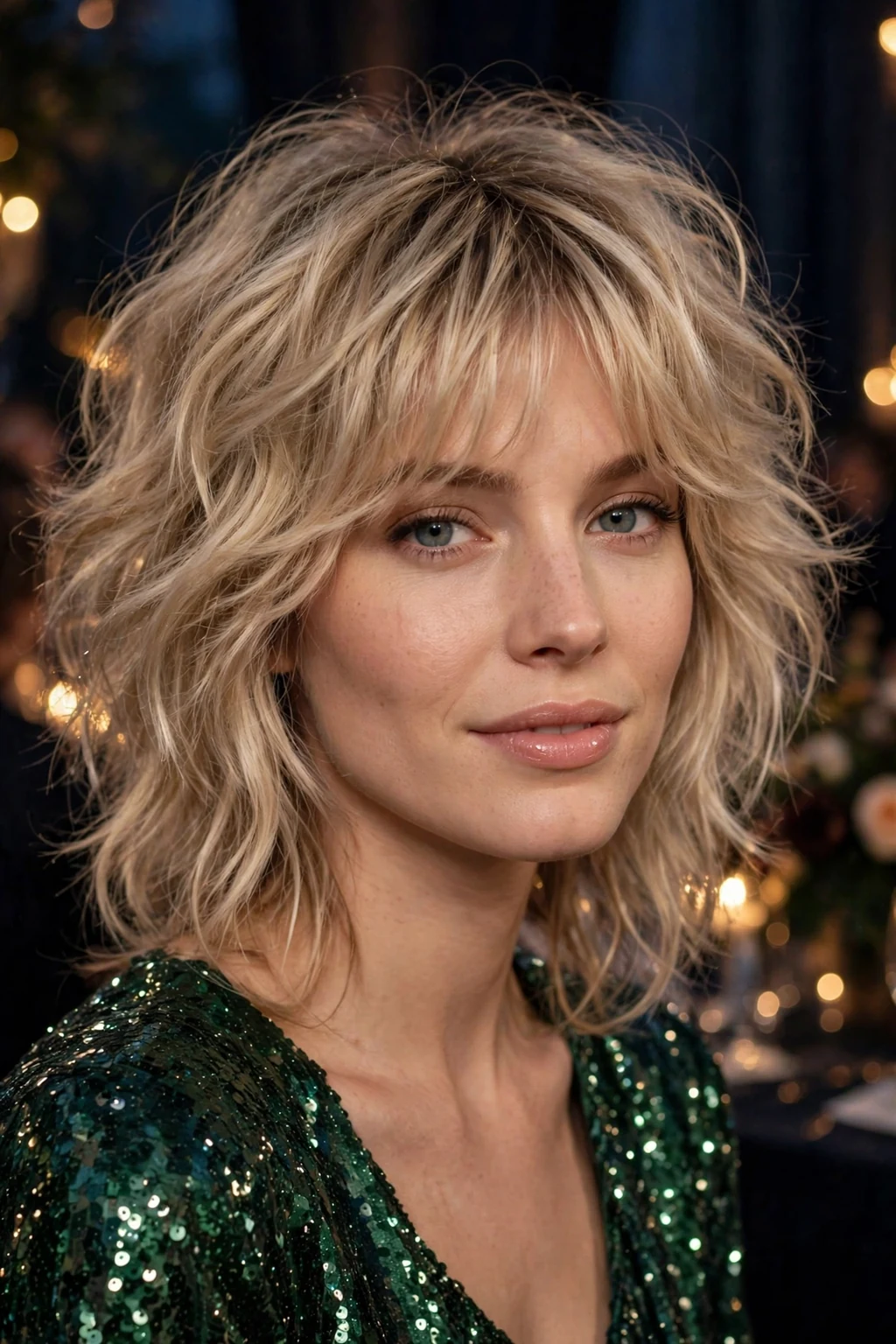
The asymmetrical shag is wearable art for fine hair: deliberately uneven lengths — one side longer, angles that defy symmetry — combined with the shag's signature texture for a cut that is utterly unique. The asymmetry is flattering on fine hair because the eye follows the dramatic lines instead of assessing density, and the varied lengths create natural volume and movement that thin hair often lacks. It suits oval and round faces especially well, since the diagonal lines are slimming, works on straight to wavy fine hair, and carries a creative, gallery-worthy confidence.
Style to emphasize the asymmetry: smooth with a flat iron for graphic precision or scrunch with texturizing cream for an artistic undone feel. The uneven shape needs trims every six to eight weeks to stay intentional rather than accidental. Choose the asymmetrical shag when you want hair nobody else has: it turns fine hair into a canvas, proving that distinctive cutting matters far more than density.
16. Wispy Shag
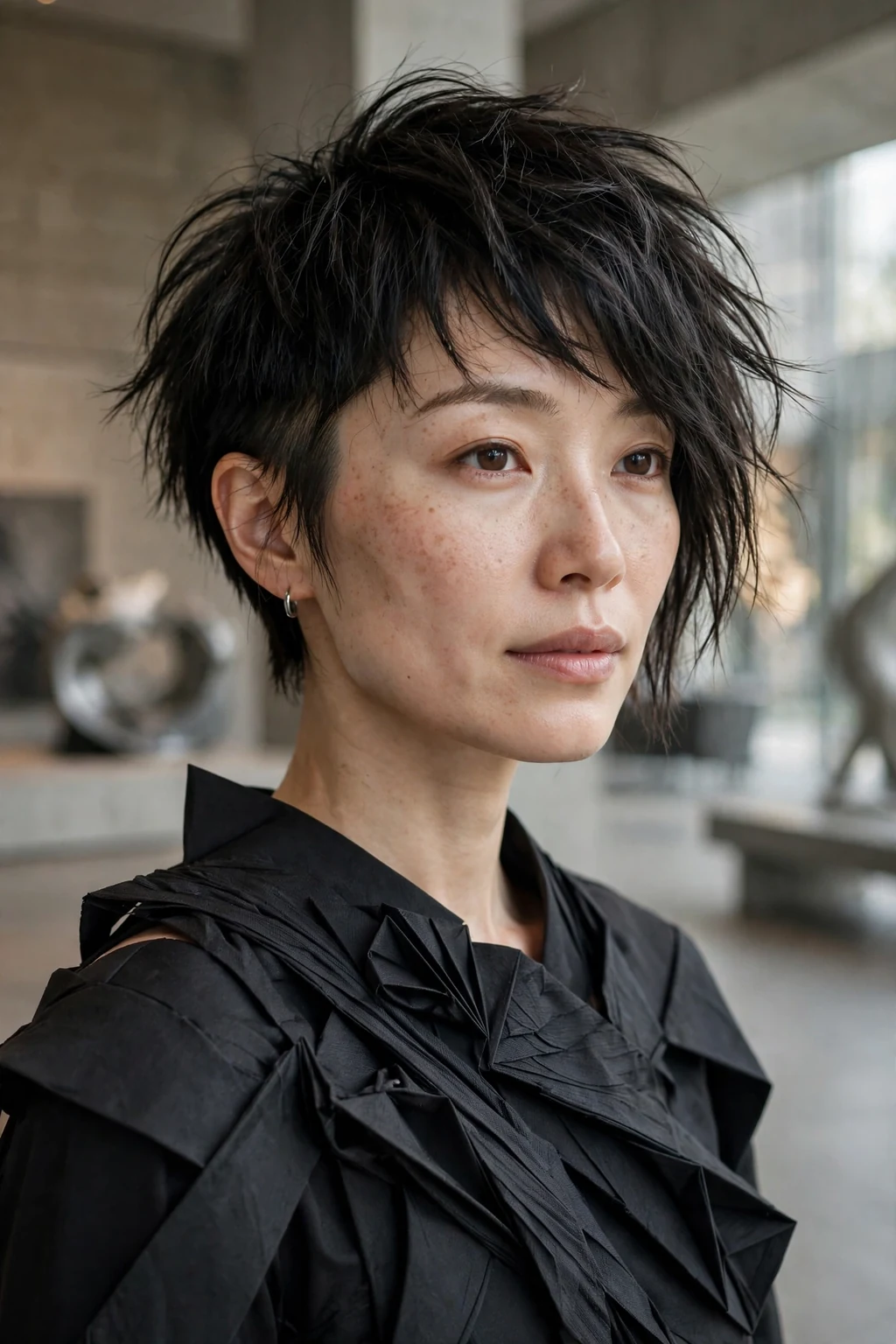
The wispy shag flutters: delicate, feather-light layers that give fine hair an ethereal, airy quality while the shag's underlying structure quietly builds volume. This is the shag for fine hair at its finest — literally — because the wispy cutting technique is designed for thin textures: it creates movement and softness without removing the precious interior density that keeps fine hair from looking sparse. The result is romantic and feminine, flattering every face shape with its gentle touch, and it suits straight to wavy fine hair beautifully.
Keep styling feather-light to match: a whisper of mousse, a gentle blow-dry, and the wisps fall into place on their own — heavy products are the enemy here. Trims every eight to ten weeks keep the wispy ends from growing thin and straggly. Try the wispy shag when your fine hair wants to feel like silk and look like poetry: it is the most delicate shag, and on the right thin hair it is pure magic.

17. Layered Shag
The layered shag in its purest form is all about dimensional cutting: rich, stacked layers throughout that create depth, shadow, and movement — the three things fine hair needs most. Unlike blunt cuts that can make thin hair look flat and one-dimensional, these layers build a three-dimensional shape where light catches different lengths and the eye reads fullness. It suits every face shape because the layers are fully customizable, works on straight, wavy, and curly fine hair, and delivers that coveted 'expensive hair' look of depth and polish.
Style for dimension: blow-dry with a round brush to emphasize the layered shape, or scrunch with mousse for textured depth — fine hair shows off layering beautifully. A volumizing spray at the roots prevents the crown from falling flat. Trims every seven to nine weeks keep the layers distinct. Choose the layered shag when you want the definitive fine-hair solution: it is the cut stylists reach for when thin hair needs to look like much, much more.

18. Piecey Shag
The piecey shag defines every strand: deliberately separated pieces with visible definition that give fine hair remarkable texture and modern edge. The pieciness is transformative for thin hair — separated strands create air and shadow between them, which the eye interprets as depth and fullness, and fine hair holds piece-y separation longer than heavy thick hair because there is less weight dragging it down. It suits straight fine hair best, where the definition stays crisp, flatters oval and angular faces, and reads chic and contemporary.
Create the pieces with a small amount of fiber paste or matte pomade on dry hair, pinching strands between your fingertips — use sparingly, since fine hair needs very little. A dry texturizing spray enhances the separation. Trims every seven to nine weeks keep pieces distinct. Try the piecey shag when you want your fine hair to look expertly styled every single day: it is modern, polished, and proof that definition beats density.

19. Lived-In Shag
The lived-in shag is the slow-fashion haircut: an effortlessly grown, natural-looking shag that actually improves as it grows, with soft layers that blend and settle into an even better shape over time. For fine hair, this grow-out friendliness is precious — the cut is designed so that new growth adds to the texture rather than ruining it, meaning fewer salon visits and a consistently good-looking head of hair. It suits all face shapes, works on straight to wavy fine hair, and carries a relaxed, authentic spirit that feels refreshingly real.
Maintenance is the whole selling point: wash, apply a little mousse or texturizing spray, air-dry, and the cut does the rest — fine hair's lightness keeps it bouncy between appointments. Trims every ten to twelve weeks just tidy the ends. Choose the lived-in shag when you want beautiful hair without the beauty schedule: it is the fine-hair cut for real life, getting better with time like all the best things do.

20. 70s Shag
The 70s shag grooves with vintage soul: the authentic retro silhouette — feathered wings, curtain-ish fringe, flowing layered shape — that started it all, now worn with modern polish. On fine hair, the 70s shag is historically perfect: the original shag icons had fine to medium hair, and the cut was literally invented to give it body and movement. The feathered layers and face-framing shape create gorgeous fullness, it flatters oval and heart faces with its soft retro frame, and it carries a nostalgic, free-spirited glamour that feels both vintage and completely current.
Channel the era with a round-brush blowout, flicking the layers outward and back for authentic winged movement, with volumizing mousse for hold — fine hair achieves the feathered look beautifully. Curtain-style bangs complete the homage. Trims every eight to ten weeks keep the feathers fresh. Try the 70s shag when you want hair with a story: it is the original fine-hair miracle cut, and wearing it now feels like discovering a perfect vintage treasure.

21. Modern Shag
The modern shag updates the classic with contemporary polish: cleaner lines, more intentional texture, and a refined finish that keeps the shag's volume-building soul while reading sleek and current. For fine hair, the modern interpretation is ideal — it delivers all the layering and body of a traditional shag but with a more controlled, sophisticated silhouette that works in professional settings. It suits every face shape, works on straight to wavy fine hair, and proves the shag is not a retro costume but a living, evolving haircut.
Style with a smooth blow-dry and light texturizing cream for polish with subtle piece-iness — the modern shag is about controlled texture, not chaos. Fine hair responds well to this refined approach. Trims every seven to nine weeks maintain the clean shape. Choose the modern shag when you love shag volume but need boardroom polish: it is the fine-hair cut that works as hard as you do, from morning meetings to evening plans.

22. Tousled Shag
The tousled shag is carefree texture at its finest: windswept, touchable layers that look like you have been at the beach, even if you have been at your desk. For fine hair, tousling is transformative — the deliberately rumpled finish creates maximum separation and airiness, which reads as volume and thickness, while the shag's layers ensure the tousle has shape rather than collapsing into frizz. It suits all face shapes, works on straight to wavy fine hair, and carries an irresistible vacation-state-of-mind.
Fine hair tousles beautifully with minimal effort: sea salt spray or texturizing mousse on damp hair, scrunch, and air-dry — the lighter your hair, the better the tousle holds. A quick shake at the roots refreshes it through the day. Trims every eight to ten weeks keep the tousle intentional. Try it when you want your fine hair to look like fun: the tousled shag is relaxed, youthful, and the easiest volume you will ever wear.

23. Elegant Shag
The elegant shag refines the rock-and-roll cut into something polished: the same body-building layers smoothed and shaped into a sophisticated silhouette that would not look out of place at a gala. For fine hair, this is the special-occasion shag — proof that thin hair can look utterly luxurious when the layers are cut precisely and styled with polish. The smooth finish shows off the dimensional cutting, it flatters oval and heart faces with its graceful shape, and it suits straight to wavy fine hair that can hold a sleek blowout.
Achieve the polish with a round-brush blow-dry and a smoothing cream, finishing with a light shine mist — fine hair takes beautifully to sleek styling and the layers create movement within the smoothness. This is a cut that rewards good blow-drying technique. Trims every seven to nine weeks keep the elegant shape crisp. Choose the elegant shag when fine hair needs to dress up: it is sophisticated, timeless, and quietly show-stopping.

24. Silver Shag
The silver shag is luminous confidence: natural gray or silver hair cut into textured shaggy layers that catch the light and show off every shimmering tone. For fine silver hair — which can sometimes look wispy — the shag's layers are the perfect solution, building body and movement that make gray hair look intentional and stunning rather than thinning. The texture displays the multidimensional tones of natural silver beautifully, it flatters every face shape and age, and it carries the powerful message that gray is not giving up — it is glowing up.
Enhance silver tones with purple shampoo to prevent yellowing, and style with lightweight mousse for body — fine silver hair needs volume support. The shag's texture does the heavy lifting, so daily styling stays simple. Trims every eight to ten weeks keep the shape vibrant. Try the silver shag when you are ready to make your gray the star: it is radiant, modern, and the most beautiful answer to going natural.

25. Ultimate Shag
The ultimate shag is the perfected synthesis of everything this cut can do for fine hair: ideal layer placement for maximum volume, texture calibrated to your exact density, and a shape customized to your face — the definitive version of the fine-hair shag. It represents what happens when a skilled stylist applies every shag principle — crown lift, interior layers, textured ends, face-framing — in perfect balance for thin hair specifically. It suits everyone because 'ultimate' means personalized, and it works across straight, wavy, and curly fine textures.
Styling follows the classic fine-hair shag playbook: volumizing mousse at roots, texturizing spray through lengths, and a blow-dry or air-dry that encourages the layers' natural bounce. Regular trims every eight to ten weeks preserve the precision. Choose the ultimate shag when you are done compromising about fine hair: it is the cut that finally delivers on the promise — thin hair, made to look and feel genuinely, gloriously abundant.

26. Short Shag with Side-Swept Bangs
The short shag with side-swept bangs is a cheekbone-length cut that turns fine hair into a study in movement, with short choppy layers through the crown, a sweeping fringe that crosses the forehead diagonally, and feathered ends that flick softly around the ears and jaw. The side sweep is the key volume trick for thin hair: by directing a generous section of hair across the forehead, the cut creates instant density where fine hair usually looks thinnest, while the short layers behind it lift the roots and keep the whole shape from collapsing. The finish is soft rather than severe, with piece-y texture that catches the light and makes the hair look far thicker than it is. It suits oval, heart, and round faces especially well, because the diagonal fringe breaks up width and draws the eye toward the cheekbones, and it works beautifully on straight to slightly wavy fine hair in the twenties and beyond. It also transitions gracefully from day to evening, since a quick finger-tousle revives the sweep and the crown lift without a full restyle, making it a practical favourite for busy schedules and social plans alike.
To style, apply volumizing mousse to damp roots and blow-dry the fringe to the side with a small round brush, then scrunch the crown with texturizing spray for piece-y separation that fine hair holds easily. A light matte paste on the ends adds definition without weight, while heavy oils and silicone serums should be avoided because they flatten thin hair fast. The fringe needs a trim every three to four weeks to keep the sweep at brow level, and the shag layers need refreshing every six to eight weeks so the shape stays bouncy rather than stringy. Choose this cut when you want short hair with a flattering frame for your face and real, visible volume: it is chic, low-fuss, and it makes fine hair look deliberately styled from the moment you wake up. For the best salon result, bring reference photos showing both the sweep direction and the crown texture you want, and tell your stylist honestly how much time you spend styling each morning, so the fringe length and layer weight are calibrated to your routine rather than to an idealized photo. With that conversation, the cut stays flattering between appointments instead of becoming a daily battle.

27. Medium Shag with Face-Framing Layers
The medium shag with face-framing layers falls to the shoulders or just below, with the longest layers at the back and progressively shorter, feathered pieces that curve around the cheeks, jaw, and collarbone. For fine hair, this length is a sweet spot: it is long enough to feel feminine and versatile, yet the face-framing layers remove just enough weight to stop the hair from hanging flat, while the interior layering builds movement and the illusion of density through the mid-lengths. The shape is soft and lived-in, with ends that flick and bend rather than sitting in a heavy curtain, and it flatters oval, square, and heart-shaped faces because the framing pieces soften strong jawlines and highlight the eyes. It works on straight, wavy, and loosely curly fine hair, and it photographs beautifully because the layers create depth and shadow. The medium length also photographs and moves beautifully in everyday life, whether the hair is worn down, half-up, or swept over one shoulder, because the framing pieces keep their shape instead of disappearing into a single flat curtain.
Style it by blow-drying with a round brush, turning the face-framing pieces away from the face for a gentle swoop, or by scrunching with wave spray for a more undone finish that fine hair holds for days. A root-lifting spray at the crown prevents the top from falling flat, and a pea-sized amount of smoothing cream tames flyaways without collapsing volume. Trims every eight to ten weeks keep the framing pieces at the perfect cheekbone and jaw lengths, which is essential because grown-out framing can drag fine hair down. Try this shag when you want length without limpness: it is elegant, adaptable, and it makes thin hair look full, dimensional, and quietly expensive. When you visit the salon, ask your stylist to keep the shortest framing pieces no higher than the cheekbones unless you want a bolder look, and to point-cut the ends lightly so the perimeter stays full while the interior moves freely. That small detail is what separates a medium shag that looks expensive from one that simply looks long and layered, and it makes grow-out far more forgiving.

28. Shag with Micro Bangs
The shag with micro bangs is the boldest fringe in the shag family: a short, choppy fringe that sits well above the eyebrows, paired with textured, layered lengths that keep the rest of the cut soft and voluminous. For fine hair, the micro bang is surprisingly strategic, because a short fringe uses relatively little hair yet creates a strong focal point across the forehead, making the whole head look denser and more intentional, while the shag layers behind it build body and movement. The contrast between the graphic fringe and the tousled layers gives the cut a fashion-editor edge, and it suits oval and heart-shaped faces best, where the exposed forehead and cheekbones balance the short fringe beautifully. It works on straight to wavy fine hair that can hold a piece-y texture. The look also pairs strikingly with bold accessories and simple outfits, since the graphic fringe does the visual work and the tousled lengths keep the overall effect from feeling costume-like or overly severe.
Styling the micro fringe takes only a minute: blow-dry it forward with your fingers and a dab of matte paste, piece-ing out the ends so it reads textured rather than blunt, and keep the rest of the shag tousled with dry texturizing spray. Because the fringe is short, it grows out visibly, so plan a fringe trim every two to three weeks, with full shag trims every seven to nine weeks to keep the layers distinct. Avoid heavy styling creams on the fringe, which can separate fine hair into thin strings. Choose this cut when you want a statement look: the micro bang shag is daring, modern, and it turns fine hair into a conversation piece. If you are trying micro bangs for the first time, ask your stylist to start slightly longer than you think you want, because a fringe that feels daring on day one can feel extreme by week two, and fine hair shows every millimetre of length. A cautious first cut lets you test the style, learn how it behaves on your forehead, and go shorter at the next visit with complete confidence.

29. Blunt-End Shag
The blunt-end shag solves the classic fine-hair dilemma by combining two opposite ideas: shaggy, volume-building layers through the interior and crown, and a strong, blunt perimeter that keeps the ends looking thick and healthy instead of wispy. Most heavily layered cuts thin out the ends of fine hair, but this hybrid protects them, so the hair reads full from roots to tips while still enjoying the lift, movement, and texture that shag layering provides. The silhouette is clean and modern, with flicked interior pieces softening the blunt line, and it suits straight to slightly wavy fine hair best, flattering oval, round, and square faces because the solid ends frame the jaw with satisfying weight. It is an excellent choice for anyone who loves shag texture but has been disappointed by ends that look see-through. This balance also makes the blunt-end shag unusually photogenic, since the solid ends give the hair a healthy outline in pictures while the interior layers provide the movement and shadow that stop it from looking like a simple blunt bob.
To style, blow-dry smooth with a round brush, lifting at the roots with volumizing mousse, then add a light texturizing spray through the mid-lengths to wake up the interior layers without disturbing the blunt perimeter. A flat iron can polish the ends on days when you want extra sleekness, finished with a shine mist. Trims every six to eight weeks are important for this cut, since the blunt line is its whole point and split ends would undermine it immediately. Choose the blunt-end shag when you want the best of both worlds: shag volume on top, and ends that look as thick and healthy as you have always wanted. At your appointment, be specific about the perimeter: ask for a clean, blunt baseline with interior shag layers that stop well above the ends, so the stylist does not over-layer and accidentally recreate the wispy tips you are trying to avoid. Bringing a photo of the exact end thickness you like helps enormously, because blunt is a matter of degree and your stylist needs to see where you draw the line.

30. Razor-Cut Shag
The razor-cut shag is created with a razor rather than scissors, producing whisper-soft, feathered ends and layers that melt into each other with an airy, almost weightless finish. For fine hair, the razor technique is a revelation when used skillfully: instead of blunt layer steps, it creates graduated texture that moves beautifully and gives the hair a soft, diffused edge, so thin hair looks like it has natural, effortless body rather than a harshly cut shape. The overall silhouette is relaxed and slightly undone, with ends that flutter and bend, and it suits oval, heart, and longer faces particularly well, working best on straight to wavy fine hair that is not prone to frizz. Ask for a stylist experienced with razor work on fine hair, since the technique must be light-handed to preserve density. The razor finish also catches light in a uniquely soft way, with the feathered ends diffusing highlights rather than reflecting them in a hard line, which gives fine hair a gentle, almost airbrushed glow in photographs.
Style the razor-cut shag with a light mousse and a gentle blow-dry, or simply scrunch with texturizing cream and air-dry for a soft, lived-in finish that fine hair achieves with almost no effort. Avoid heavy waxes that would clump the feathered ends together, and use a heat protectant if you flat-iron, since razored ends can be more fragile. Trims every eight to ten weeks refresh the feathering before it grows wispy. Choose this shag when you want the softest, most touchable version of texture: it makes fine hair feel like silk and look like it moves on its own. Before committing, confirm that your stylist is comfortable razor-cutting fine hair specifically, since the same razor technique that creates beautiful softness on thick hair can remove too much density from thin hair if applied too aggressively. A skilled razor cut should feel lighter and more mobile immediately, never thinner or sparser, and if it does, a scissor clean-up of the perimeter will usually restore the balance.

31. Shag with Deep Side Part
The shag with a deep side part is pure old-Hollywood drama adapted for fine hair: the hair is parted far to one side, so a generous sweep of layered hair falls across the forehead and over one cheek, instantly creating the illusion of much greater density. The deep part is one of the simplest volume tricks in hairstyling, because it piles hair where fine hair usually lies flat, and when combined with shag layering through the crown and sides, the result is a cut with genuine height, swing, and asymmetry. The longer sweep softens round and square faces, while the shorter side keeps the shape modern and light, and it works on straight to wavy fine hair at almost any shag length, from chin to shoulders. The finish can be polished or tousled, depending on the occasion. The deep part also offers easy versatility, because the same cut can be worn with a softer centre part on casual days, then switched back to the dramatic side sweep whenever you want a more polished or evening-ready effect.
To style, part the hair deeply while damp, apply root-lifting mousse to the heavier side, and blow-dry with a round brush, lifting the roots upward and over for maximum height. A light-hold hairspray locks the sweep in place without stiffness, and a texturizing spray through the lengths keeps the shag texture visible. Because the part does much of the work, daily styling is quick, and trims every seven to nine weeks keep the layers balanced on both sides of the part. Choose this shag when you want instant glamour: the deep side part makes fine hair look abundant, dramatic, and red-carpet ready with minimal effort. To keep the sweep from falling flat by midday, train the part while the hair is still damp and use a root clip or a quick blast of cool air at the crown on the heavier side, a trick that gives fine hair a memory for height without teasing or stiffness. With that habit, the deep side part becomes a reliable daily shortcut to volume, not a style that only looks good for the first hour after styling.

32. Bouncy Blowout Shag
The bouncy blowout shag is the shag dressed for its best night out: layered lengths cut to encourage curl and lift, styled into a rounded, voluminous blowout with ends that curve under and flick outward in turn. For fine hair, this cut is a masterclass in engineered body, because the layers are placed so that each section supports the one above it, creating a rounded shape that holds its bounce instead of collapsing within an hour. The result looks lush, polished, and full of movement, with a healthy shine that makes thin hair look expensive, and it flatters oval, heart, and round faces, since the rounded shape frames the face in soft, generous curves. It works best on straight to wavy fine hair that can hold a blow-dry. The blowout shape also holds up well in photographs and under indoor lighting, where the rounded layers catch highlights and create a sense of fullness that flat, straight fine hair rarely achieves on its own.
Achieve the bounce with volumizing mousse at the roots and a large round brush, drying each section upward and outward, then setting the shape with a cool shot and a light-hold spray. A velcro roller at the crown while you finish your makeup adds extra lift that fine hair holds surprisingly well. Avoid heavy serums that would weigh the bounce down, and refresh second-day hair with dry shampoo at the roots. Trims every seven to nine weeks keep the layers springy. Choose the bouncy blowout shag when you want fine hair that looks like a salon blowout every day: it is glamorous, joyful, and full of life. For a blowout that lasts, dry the hair in sections from the nape upward, keeping each section taut on the round brush until it is completely cool before moving on, because fine hair sets its shape as it cools rather than as it heats. Rushing this step is the most common reason a bouncy blowout falls flat, while patience with the cool shot turns the same cut into a style that survives a full workday and an evening out.

33. Wolf-Cut Shag
The wolf-cut shag is the shag's wilder younger cousin: a dramatic contrast between short, voluminous layers at the crown and longer, textured lengths below, creating a shape that is bold, edgy, and unmistakably modern. For fine hair, the wolf cut works brilliantly because the short crown layers generate instant lift and height where thin hair needs it most, while the longer ends keep the cut feeling feminine and versatile rather than severe. The silhouette is deliberately untamed, with choppy, piece-y texture throughout, and it suits oval, heart, and angular faces best, where the strong shape complements defined features. It works on straight to wavy fine hair, and it carries a confident, trend-aware energy that photographs strikingly. The wolf cut also works surprisingly well with accessories, since the strong crown shape holds headbands and clips without collapsing, and the longer ends keep the look from feeling too severe when worn casually.
Style it by scrunching texturizing mousse through damp hair and diffusing or air-drying for maximum piece-y separation, then defining the crown pieces with a touch of matte paste. Fine hair takes this texture readily, so use products sparingly to avoid buildup that flattens volume. The dramatic layer contrast needs trims every six to eight weeks to stay intentional, since grown-out wolf layers can lose their shape on fine hair faster than on thick hair. Choose the wolf-cut shag when you want the most fashion-forward shag available: it turns fine hair into a statement of confidence and creativity. When discussing this cut, show your stylist photos that distinguish the wolf cut from a standard shag, emphasizing the short crown and the longer, disconnected ends, because the contrast is the entire point and a blended, cautious version will simply read as another layered cut. A confident stylist will map the crown layers first and then connect them to the lengths, preserving the drama that makes the wolf cut worth choosing.

34. Long Shag with Curtain Layers
The long shag with curtain layers keeps the hair at or below the shoulders while using long, sweeping layers that part softly around the face like curtains, framing the features without sacrificing length. For fine hair, long lengths are usually the enemy of volume, but this cut outsmarts that problem: the curtain layers remove weight from around the face and through the crown, so the hair gains movement and lift, while the longer back layers preserve the feeling of length. The finish is romantic and flowing, with ends that bend and flick gently, and it flatters oval, round, and square faces, since the curtain framing narrows and softens the face beautifully. It works on straight, wavy, and loosely curly fine hair, and it is ideal for anyone reluctant to cut their hair short. The long length also lends itself to easy updos and half-up styles, since the curtain layers fall naturally around the face when the back is gathered, giving even a quick ponytail a soft, finished frame.
Style the curtain layers by blow-drying each side away from the face with a round brush, or by using a large-barrel curling iron to create soft bends that open up the face. Volumizing mousse at the roots and a light texturizing spray through the lengths keep the long layers from falling flat, which is the main risk for fine hair at this length. Trims every nine to ten weeks keep the curtain pieces at cheekbone length and the ends healthy. Choose this shag when you want length, romance, and volume together: it proves long fine hair can move, breathe, and look full. To prevent long fine hair from looking stringy between trims, use a lightweight leave-in conditioner only through the mid-lengths and ends, and avoid applying conditioner near the roots where it weighs the curtain layers down. That single change often transforms a long shag, because it protects the ends that need moisture while keeping the crown and face-framing pieces free to lift and move as intended.

35. Shag with Feathered Fringe
The shag with a feathered fringe pairs a soft, airy fringe with the shag's signature layered texture, creating a cut that feels light, romantic, and endlessly flattering for fine hair. Unlike a heavy blunt fringe, which can look thin and stringy on fine hair, the feathered fringe is cut in wispy, graduated pieces that blend seamlessly into the face-framing shag layers at the temples, so the forehead gains soft coverage without a hard line. The feathering also creates movement around the eyes and cheekbones, drawing attention to the face while the shag layers build body elsewhere, and it suits oval, heart, and longer faces especially well, working beautifully on straight to wavy fine hair. The overall effect is gentle, feminine, and quietly glamorous. The feathered fringe also softens the overall impression of the shag, making it a good bridge for anyone who loves shag texture but worries that a choppy, edgy version might feel too bold for their workplace or personal style.
Style the fringe by blow-drying it forward with a small round brush, feathering the ends outward with your fingers, and keep the rest of the shag tousled with a light texturizing spray. A tiny amount of smoothing cream prevents flyaways without weighing the feathered pieces down, which is crucial for fine hair. Fringe trims every three to four weeks keep the feathering at brow or cheekbone level, with full shag trims every eight to ten weeks. Choose this cut when you want fringe without commitment or heaviness: the feathered fringe shag is soft, pretty, and it makes fine hair look thoughtfully, beautifully styled. Ask your stylist to cut the fringe dry or to check it dry after cutting, since fine hair shrinks and springs as it dries and a fringe cut perfectly while wet can end up noticeably shorter once styled. That dry check is a small step that prevents the most common fringe disappointment, and it lets the feathered pieces be tailored precisely to your brow and cheekbone proportions.

36. Cropped Shag Bob
The cropped shag bob is a chin-length cut that fuses the precision of a bob with the freedom of a shag: a short, rounded silhouette broken up by choppy layers, flicked ends, and piece-y texture that keeps it from ever looking stiff. For fine hair, this short length is a volume secret, because removing length removes weight, so the hair springs up with natural lift, and the shag texturizing adds separation and air that read as thickness. The cropped shape spotlights the jawline and neck beautifully, flatters oval, heart, and petite faces, and carries a chic, Parisian energy that works equally well in the office and on a night out. It suits straight to wavy fine hair best, where the flicked ends stay crisp and defined. The cropped length also makes the bob remarkably versatile for accessories and occasions, since it pairs cleanly with statement earrings, scarves, and collared outfits without competing for attention or getting tangled.
Styling is delightfully quick: apply mousse to damp hair, blow-dry with a round brush, flicking the ends outward or tucking them under, then piece out the layers with a dab of matte paste. Fine hair at this length dries fast and holds texture well, making wash-and-go genuinely realistic. Trims every five to seven weeks keep the cropped shape sharp, since short cuts show growth quickly on fine hair. Choose the cropped shag bob when you want short hair with maximum impact: it is bold, elegant, and it makes thin hair look intentionally, fashionably full. Because a cropped cut reveals growth quickly, book your next trim before you leave the salon, treating it as part of the haircut rather than an afterthought, and ask your stylist to show you a two-minute finger-styling routine for mornings when you have no time for a brush. With those two habits, the cropped shag bob stays sharp and effortless instead of drifting into an awkward in-between length.

37. Dimensional Highlight Shag
The dimensional highlight shag uses color as a volume tool: subtle, strategically placed highlights and lowlights woven through shaggy layers create depth, shadow, and light that make fine hair look dramatically thicker. The eye reads the contrast between tones as dimension, so even a modest amount of fine hair appears to have far more body, and the shag's layered cutting amplifies the effect by letting different tones catch the light at different lengths. The cut itself is a classic medium shag with face-framing pieces and textured ends, while the color can be as subtle as a few face-framing ribbons or as rich as a full balayage, tailored to your skin tone. It suits every face shape, works on straight to wavy fine hair, and it is the smartest option for anyone whose fine hair also looks flat in color. The colour dimension also means the shag looks different, and interesting, in different lighting, with sunlight revealing warm ribbons and indoor light emphasizing cooler shadows, so the hair never reads as flat or one-note.
Maintain the dimension with color-safe shampoo, a gloss or toner every six to eight weeks to keep the tones fresh, and lightweight styling products that preserve both volume and shine. Style the shag as usual, with mousse at the roots and texturizing spray through the lengths, letting the layers show off the color variation. Full cuts every eight to ten weeks keep the shape and the color placement aligned, since grown-out layers can blur the dimensional effect. Choose this shag when you want volume you can see in color as well as shape: it is the most transformative option for fine hair that looks both thin and one-dimensional. When planning dimensional colour, bring photos taken in natural light rather than filtered social media images, and discuss your natural regrowth pattern honestly, because fine hair shows roots quickly and a colour placement that grows out softly will save you frequent salon visits. A good colourist will place the brightest pieces where the shag layers move most, so the dimension stays visible even as the hair grows and the style evolves.

38. Curly Shag with Bangs
The curly shag with bangs is a celebration of natural texture: bouncy, layered curls throughout, crowned by a curly fringe that frames the forehead with soft, springy definition. For fine curly hair, this combination is transformative, because the shag layering removes weight so each curl springs upward instead of being pulled long and stringy, while the curly fringe adds density and personality across the forehead, making the whole head look abundant. The shape is rounded and joyful, with the liveliest curls framing the face, and it suits all face shapes, since the height elongates round faces while the width softens long ones. It works on naturally curly and wavy fine hair, and it radiates confidence and playfulness. The curly fringe also changes how the whole face reads, drawing attention upward to the eyes and cheekbones and giving the cut a playful, youthful frame that photographs with remarkable energy and warmth.
Enhance the pattern with curl cream on soaking-wet hair, scrunching upward and diffusing on low heat, and style the fringe by scrunching it separately so it falls in defined curls rather than a solid block. Fine curls need lightweight products only, since heavy butters flatten them, and a silk pillowcase preserves the shape overnight. See a curl specialist every eight to ten weeks, because precise layering matters enormously for fine curls, and the fringe may need shaping between visits. Choose this shag when you are ready to let your curls lead: it makes fine curly hair look abundant, intentional, and completely joyful. For the best result, have the fringe cut while the curls are dry and in their natural pattern, since wet curls stretch and shrink unpredictably, and a fringe shaped on wet hair can spring several centimetres shorter than expected. A curl specialist will also teach you how to refresh the fringe separately on non-wash days, usually with a light mist of water and a scrunch, so the whole style stays defined without a full wash.

39. Sleek Polished Shag
The sleek polished shag proves that shag texture does not have to mean mess: the same volume-building layers are smoothed and shaped into a refined, glossy silhouette with a smooth finish and gently curved ends. For fine hair, the polished approach is surprisingly flattering, because the smooth blowout shows off the dimensional layering clearly, with light catching each layer and creating the illusion of depth, while the shag cutting underneath guarantees the hair still has body and movement rather than lying flat. The shape is sophisticated and controlled, flattering oval, heart, and square faces with its graceful lines, and it suits straight to slightly wavy fine hair that can hold a smooth blow-dry. It is the shag for professional settings, formal occasions, and anyone who loves polish. The polished finish also makes the sleek shag unusually adaptable, since it can be dressed down the next day with a scrunch of texturizing spray, giving you two distinct looks from a single precise cut.
Achieve the sleekness with a smoothing cream on damp hair, a round-brush blow-dry section by section, and a flat iron only on stubborn pieces, finished with a light shine mist rather than heavy serum. Fine hair takes beautifully to sleek styling, but it also shows oil quickly, so use dry shampoo at the roots on second days to preserve the polished look. Trims every seven to nine weeks keep the layered shape crisp and the ends healthy. Choose the sleek polished shag when fine hair needs to dress up: it is elegant, modern, and proof that thin hair can look utterly luxurious. To keep sleek fine hair from turning oily by afternoon, apply styling products only to damp hair and in smaller amounts than you think you need, then add dry shampoo at the roots before the hair looks greasy rather than after, which preserves volume instead of trying to rescue it. That preventive approach is what separates a sleek shag that lasts all day from one that collapses by lunchtime, and it takes only a minute each morning.

40. Chin-Length Shag
The chin-length shag is a short, spirited cut that ends right at the jaw, with choppy layers, feathered ends, and a rounded shape that gives fine hair instant lift and attitude. At this length, fine hair gains a natural advantage: with less weight pulling it down, the roots lift easily and the layers spring into place, creating a shape that looks full and intentional with minimal effort. The chin-length frame highlights the jawline and cheekbones beautifully, flatters oval, heart, and round faces because the texture breaks up width, and carries a fresh, youthful energy that feels both classic and current. It works on straight to wavy fine hair, and it is an excellent choice for anyone ready to go short without committing to a pixie. The chin length also frames earrings and necklines beautifully, making it a flattering companion to everything from simple studs to bold statement jewellery, and it keeps the focus on the face in photographs.
Style it by blow-drying with a small round brush, tucking the ends under for polish or flicking them out for edge, then adding texturizing spray for piece-y definition that fine hair holds well. A dab of matte paste on the ends keeps the shape defined through the day, while heavy creams should be avoided. Trims every six to eight weeks are essential at this length, since growth quickly changes the chin-grazing line. Choose the chin-length shag when you want short hair that is easy, flattering, and full of personality: it makes fine hair look bouncy, modern, and completely alive. If you are nervous about going this short, ask your stylist to start at jaw length rather than true chin length for the first cut, then refine it shorter at the follow-up once you have lived with the shape and seen how your fine hair behaves. That staged approach removes the fear from a short cut, because you experience the volume and ease of the chin-length shag before committing to its boldest version.

41. Shoulder-Length Shag with Flipped Ends
The shoulder-length shag with flipped ends is playful polish at its best: layered hair falling to the shoulders, with the ends flicked outward in a light, retro-inspired flip that adds width, movement, and instant personality. For fine hair, the flip is a clever volume trick, because the outward flick creates the illusion of width through the mid-lengths and ends, making the hair look broader and fuller than a straight, hanging length ever could. The layers underneath keep the shape from looking heavy, while the flipped ends give it a fun, 1960s-meets-modern spirit, and it flatters oval, heart, and longer faces, since the width balances longer features. It works on straight to wavy fine hair that can hold a flicked finish. The flipped ends also add a cheerful, retro energy that works well for both casual weekends and dressier occasions, since the flip can be softened for daytime or exaggerated for a night out with the same basic cut.
Create the flip with a round brush, drying the ends outward and away from the neck, or with a flat iron turned outward at the very tips, set with a light-hold spray. Volumizing mousse at the roots keeps the crown lifted, which balances the flipped width below, and a smoothing cream prevents flyaways without flattening the flip. Trims every seven to nine weeks keep the ends healthy enough to flip cleanly, since split ends refuse to flick. Choose this shag when you want fine hair with a smile: it is cheerful, stylish, and it makes thin hair look deliberately, delightfully full. The key to a flip that lasts on fine hair is completely dry, cool-set ends, so finish each section with a cool shot and resist touching the flip until it has set, because warm, handled ends will drop straight within minutes. Once set, a light mist of flexible spray holds the shape without stiffness, and a quick re-flip with a flat iron on the second day revives the style faster than a full restyle ever could.

42. Shag with Airy Crown Layers
The shag with airy crown layers is engineered around the single biggest problem for fine hair: a flat crown. Short, feather-light layers are concentrated at the top of the head, creating lift, height, and airiness exactly where thin hair usually collapses, while the longer layers below keep the cut feeling soft and feminine. The result is a shape with genuine height and a beautiful, rounded profile, where the crown looks full and the lengths move freely beneath it, and the airy cutting means the top never looks teased or stiff, just naturally voluminous. It suits oval, round, and heart-shaped faces, since the added height elongates and balances the face, and it works on straight to wavy fine hair at chin to shoulder lengths. The crown height also improves how hats, headbands, and clips sit, since the lifted shape supports accessories instead of being flattened by them, which is a welcome bonus for fine hair that usually disappears under a hat.
Build the crown volume with root-lifting mousse or spray applied directly to the roots, blow-drying the crown sections upward and over a round brush, then backcombing very lightly only if needed for special occasions. A dry texturizing powder at the crown adds grip that fine hair needs to hold height through the day, while the lengths need only a light scrunch. Trims every seven to nine weeks keep the crown layers short enough to lift, since grown-out crown layers lose their spring. Choose this shag when flat roots are your frustration: it is the cut that finally gives fine hair lasting, natural-looking height. To train lasting crown lift, alternate your part slightly from day to day and blow-dry the crown in the opposite direction to its natural fall, a simple habit that prevents fine hair from developing a stubborn flat spot. Combined with a root powder applied the night before for next-day volume, this routine gives the airy crown layers a foundation of grip, so the height you create in the morning is still visible in the evening.

43. Shag with Tapered Nape
The shag with a tapered nape combines a neat, closely tapered neckline with voluminous, textured layers on top, creating a shape that is tidy at the back and full of life everywhere else. For fine hair, the tapered nape is a smart structural choice: by keeping the nape clean and close, the cut removes straggly, thin ends at the neck that can make fine hair look sparse, while all the visual weight and volume is concentrated at the crown and sides where it counts. The silhouette is elegant from behind and dynamic from the front, with face-framing layers softening the precision of the nape, and it flatters oval, heart, and longer faces, working best on straight to wavy fine hair that can hold a tapered finish. The tapered nape also makes the cut feel cooler and lighter in warm weather, since the neck stays neat and free of straggly ends, while the voluminous top keeps the overall look from feeling severe or overly short.
Style the top with volumizing mousse and a round-brush blow-dry for lift, while the nape needs only smoothing with a brush and a touch of cream to keep it neat. The contrast between the tidy nape and the textured crown is the whole appeal, so keep products light on top to preserve movement. Nape trims every four to six weeks keep the taper crisp, with full shag trims every eight weeks to maintain the layered shape. Choose this shag when you want a cut that looks polished from every angle: it is refined, modern, and it makes fine hair look thick on top and impeccably finished behind. Because the nape grows out faster than the rest of the cut visually, keep a standing short appointment just for the taper, even if the full shag does not need a trim yet, and ask your stylist to show you how to smooth the nape at home with a brush and a dab of cream. That maintenance rhythm keeps the contrast between neat nape and textured crown crisp, which is precisely what makes this shag look intentional rather than grown-out.

44. Wavy Shag with Side Bangs
The wavy shag with side bangs is beachy texture meets face-framing polish: tousled, wavy layers throughout, softened by a side-swept fringe that crosses the forehead and melts into the wavy face-framing pieces. For fine hair, this pairing is doubly effective, because the waves create natural separation and air that read as volume, while the side bang adds density across the forehead and draws the eye diagonally across the face, flattering round, square, and heart-shaped faces beautifully. The overall spirit is relaxed and romantic, with waves that look touched by sea air rather than styled within an inch of their life, and it works on naturally wavy and loosely curly fine hair, as well as straight fine hair that takes a wave easily. The side bang also gives the wavy shag an easy day-to-night range, since the fringe can be swept more dramatically for evening or softened with a centre part for a relaxed daytime look without changing the cut.
Style it with sea salt spray or wave-enhancing mousse on damp hair, scrunching and air-drying or diffusing for authentic texture, then sweeping the fringe to the side while damp so it sets in a soft diagonal. A texturizing spray refreshes the waves on second days, which is when fine wavy hair often looks its best. Side-bang trims every four to six weeks keep the sweep at cheekbone level, with full shag trims every eight to ten weeks. Choose this shag when you want fine hair that looks like a vacation: it is effortless, feminine, and full of movement. For waves that hold on fine hair, let the hair dry about eighty percent naturally before diffusing the remaining dampness, because fully diffusing soaking-wet fine hair often creates frizz while air-drying alone can leave the waves limp. That middle path preserves the wave pattern and the volume together, and a final scrunch with a pea-sized amount of curl cream seals the ends without weighing the side bang down.

45. Shag with Long Bangs and Layers
The shag with long bangs and layers is the softest way to wear a fringe with a shag: a long, sweeping bang that reaches the cheekbones or jaw, blending gradually into the shag's face-framing layers so there is no hard line between fringe and lengths. For fine hair, long bangs are a gift, because they use a generous section of hair across the face, creating the appearance of density, while the gradual blend means the fringe grows out gracefully and can be swept to either side or parted in the middle. The shape is romantic and versatile, flattering oval, round, and square faces, since the long diagonal lines slim and soften the face, and it works on straight to wavy fine hair at medium to long shag lengths. The long fringe also works beautifully when the rest of the hair is pulled back, since the sweeping bangs remain as a soft frame even in a ponytail or bun, giving updos an instantly finished, romantic quality.
Style the long bangs by blow-drying them forward and to the side with a round brush, or by parting them softly in the center for a curtain effect, then tousle the shag layers with texturizing spray for movement. Because the bangs are long, they need trims only every six to eight weeks, in line with the full shag, which makes this one of the lowest-maintenance fringe options for fine hair. Keep products light so the long fringe stays bouncy rather than separated. Choose this shag when you want fringe flexibility: it is soft, flattering, and it makes fine hair look full, romantic, and endlessly wearable. When growing out shorter bangs into this long version, resist the urge to trim the fringe back to its old length, and instead ask your stylist to blend it into the face-framing layers at each visit, so the awkward in-between stage becomes part of the style rather than a frustration. With that blending approach, the long-bang shag evolves gracefully, and you gain a fringe that can be worn swept, parted, or tucked behind the ears as the mood takes you.

46. Effortless Air-Dried Shag
The effortless air-dried shag is the shag for real life: a cut designed to look its best with no heat styling at all, relying on clever layering to create texture, movement, and volume as the hair simply dries. For fine hair, this is a revelation, because the right layers encourage natural bend and lift as the hair dries, so thin hair that usually falls flat instead settles into a soft, tousled shape with genuine body. The cutting is the whole secret: interior layers remove weight, face-framing pieces create shape, and textured ends prevent the dreaded wet-look limpness, resulting in a cut that looks intentionally undone. It suits all face shapes, works on straight to wavy fine hair with a natural wave or bend, and it is ideal for busy mornings and low-maintenance routines. The air-dried approach also protects fine hair over time, since skipping daily heat reduces breakage and split ends, which in turn keeps the layers looking fuller and healthier between salon visits.
Styling could not be simpler: wash, apply a leave-in volumizing spray or light mousse, scrunch gently, and let the hair air-dry, shaking the roots occasionally for lift. Fine hair dries quickly, so the whole routine takes minutes, and a spritz of texturizing spray refreshes the shape on second days. Avoid heavy leave-in creams that would flatten the air-dried texture, and trim every eight to ten weeks to keep the layers encouraging that natural movement. Choose this shag when you want great hair without the effort: it is honest, easy, and it proves fine hair can look beautiful on its own terms. To get the most from an air-dried shag, experiment with how much product your hair actually needs, starting with none at all on wash day and adding only a light spray if the texture feels undefined, because fine hair often needs far less help than product marketing suggests. Once you find your minimum, the routine becomes almost automatic, and the cut rewards you with consistent, natural-looking volume that no amount of heat styling can quite replicate.

How to Choose the Right Shag Hairstyle for Fine Hair
The most flattering shag hairstyle for fine hair is textured, voluminous, and personal — layers that create the illusion of thickness, a length that suits your face shape, and a finish that reflects your personality will always look amazing. Choose the shag that makes you feel wonderful, and your hairstyle will always turn heads.
Shag hairstyles are wonderfully versatile for fine hair: they add volume and movement, work with straight, wavy, and curly textures, and look great with minimal styling. A trim every eight to ten weeks keeps the layers fresh. Choose the shag hairstyle that makes you feel confident — that is always the most flattering choice.
Conclusion
From classic shaggy to modern textured, these 46 shag hairstyles prove the shag is endlessly flattering for fine hair. Choose the shag style that makes you feel wonderful, keep up with regular trims, and wear your shag with total confidence.