Healthy, shiny hair is often a sign of proper care, but daily exposure to heat styling tools, hair coloring, bleaching, UV rays, pollution, hard water, and harsh shampoos can leave strands dry, brittle, and prone to breakage. Whether you have straight, wavy, curly, coily, fine, thick, color-treated, or chemically processed hair, using the right hair damage repair treatments can restore moisture, strengthen the hair shaft, reduce split ends, and improve overall texture. Ingredients like keratin, argan oil, coconut oil, shea butter, biotin, collagen peptides, ceramides, silk proteins, hyaluronic acid, and amino acids work together to nourish damaged hair from root to tip.
In this guide, you’ll discover the 19 best hair damage repair treatments for every hair type, each carefully selected to improve hair health naturally and effectively. From deep conditioning masks and protein treatments to hot oil therapy and leave-in conditioners, these proven solutions help repair damaged cuticles, increase elasticity, minimize frizz, and bring back softness and shine. Whether your hair has been damaged by heat, bleach, excessive styling, or environmental stress, these treatments will help you achieve stronger, healthier, salon-worthy hair.
1. Deep Conditioning Hair Mask
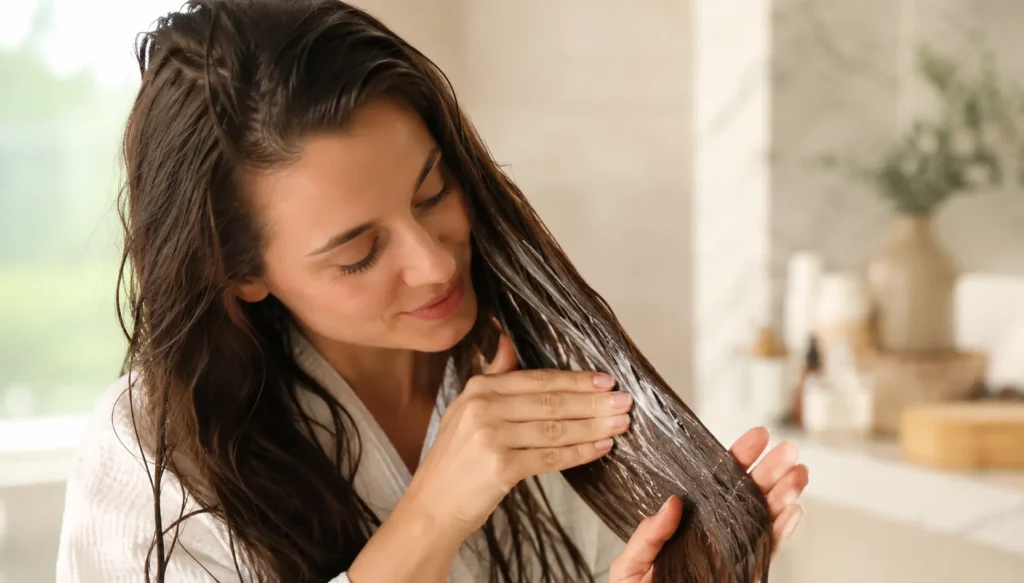
A deep conditioning hair mask is one of the most effective treatments for restoring dry and damaged hair. Unlike regular conditioners, deep masks penetrate the hair shaft with nourishing ingredients such as shea butter, argan oil, avocado oil, coconut oil, aloe vera, glycerin, and ceramides. These ingredients replenish lost moisture, smooth rough cuticles, reduce frizz, and improve elasticity. Weekly treatments can transform dull, lifeless hair into soft, shiny, and manageable locks while preventing further breakage caused by heat styling or chemical treatments.
Deep conditioning is suitable for nearly every hair type, especially curly, wavy, color-treated, coarse, and chemically processed hair. Applying gentle heat with a warm towel or shower cap helps the nutrients absorb more effectively, leaving hair noticeably healthier. Consistent use strengthens each strand, minimizes split ends, enhances natural shine, and makes detangling much easier. This simple routine provides long-lasting hydration and keeps your hair looking vibrant throughout the week.
2. Protein Hair Treatment
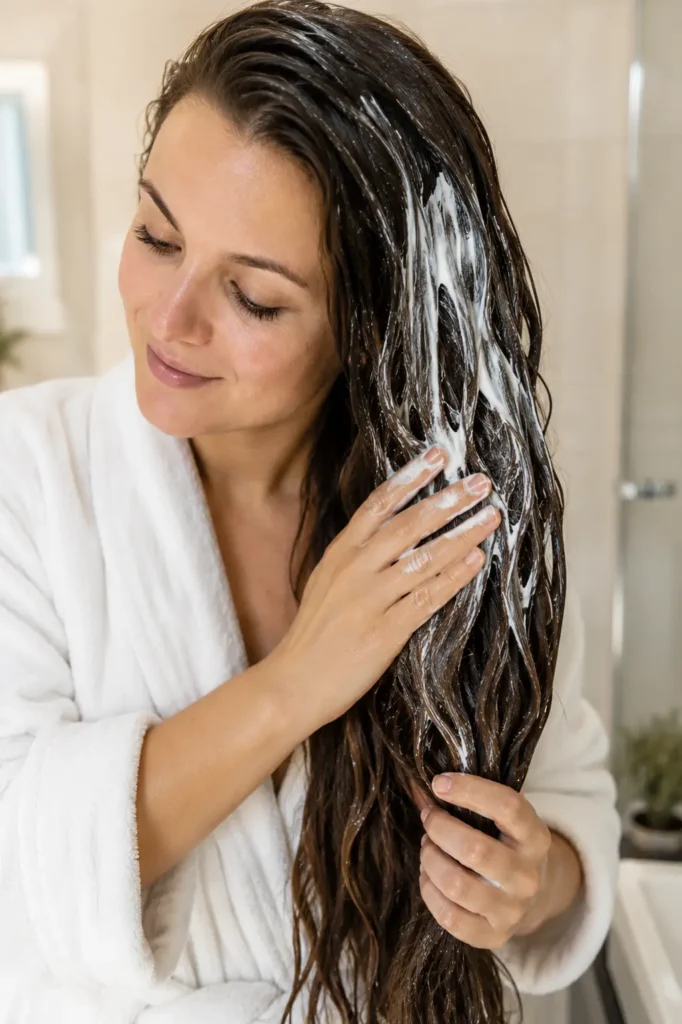
Protein treatments rebuild weakened hair by replacing lost keratin and amino acids, making them ideal for hair damaged by bleaching, coloring, or excessive heat styling. These treatments strengthen the internal structure of each strand, reduce breakage, improve elasticity, and restore resilience. Hydrolyzed proteins, collagen, silk proteins, and wheat proteins bond temporarily to damaged areas, helping hair appear fuller, smoother, and healthier after only a few applications.
Because excessive protein may make hair feel stiff, it’s important to balance protein treatments with moisturizing products. Fine, bleached, and chemically treated hair typically benefits most from monthly protein treatments. Combining protein with hydrating ingredients such as panthenol, aloe vera, and natural oils creates an ideal repair routine that protects hair from future damage while maintaining softness and flexibility.
3. Hot Oil Treatment
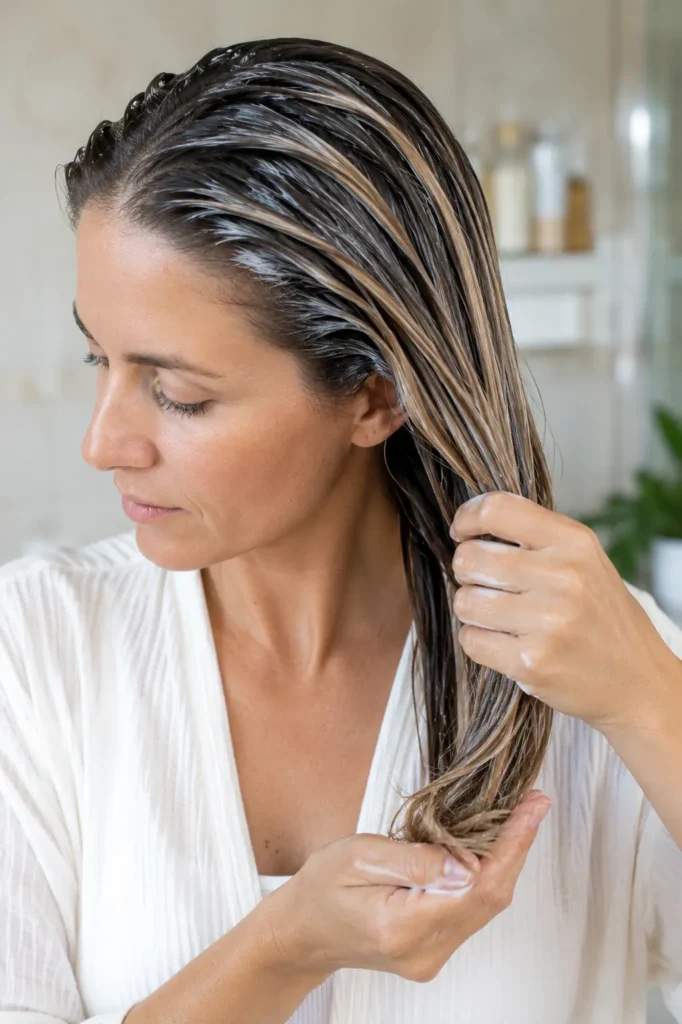
Hot oil treatments have been trusted for decades to revive dry, brittle hair naturally. Warm oils like coconut oil, argan oil, olive oil, jojoba oil, almond oil, and castor oil deeply nourish the hair cuticle while sealing in moisture. These oils help reduce protein loss, soften rough strands, tame frizz, and add incredible shine. They also improve scalp health by increasing circulation and reducing dryness that contributes to weak hair growth.
For the best results, warm the oil slightly before massaging it into both the scalp and hair lengths. Leave it on for 30–60 minutes before shampooing with a gentle sulfate-free cleanser. Regular hot oil treatments leave hair noticeably smoother, more manageable, and less prone to breakage, making them an excellent solution for dry, coarse, curly, and heat-damaged hair.
4. Leave-In Conditioner Therapy
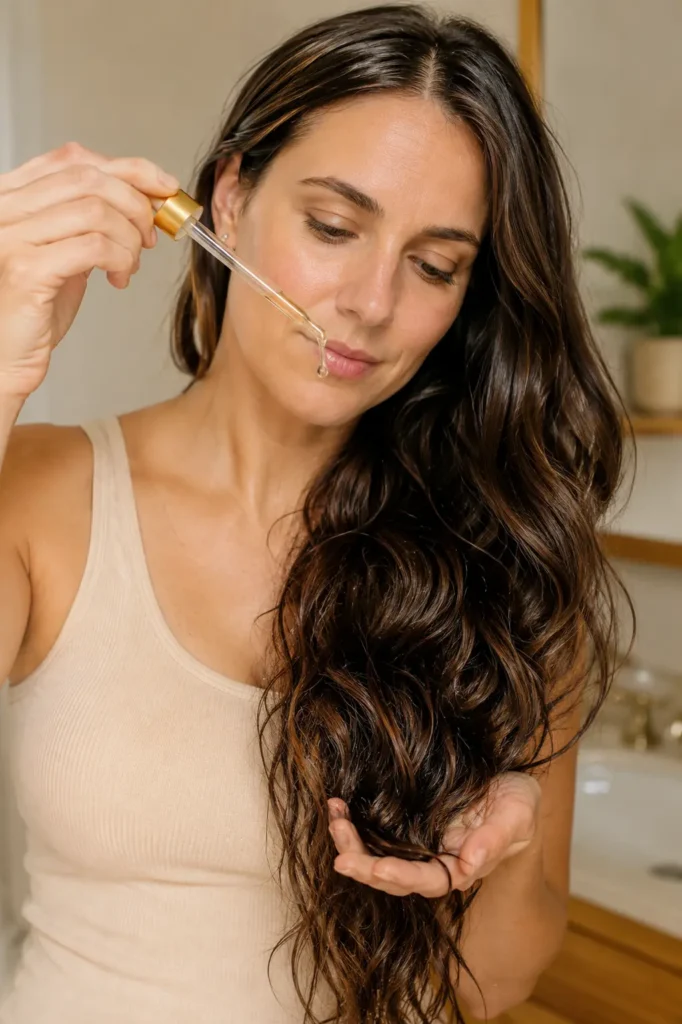
A quality leave-in conditioner provides continuous hydration and protection throughout the day. Packed with ingredients like panthenol, glycerin, aloe vera, ceramides, coconut milk, and lightweight botanical oils, leave-in conditioners reduce frizz, prevent tangles, and shield hair from humidity and heat damage. They also create a protective barrier around the hair shaft that minimizes moisture loss and keeps hair smoother for longer.
This treatment is especially beneficial for fine, curly, wavy, and color-treated hair because it adds moisture without weighing strands down. Applying leave-in conditioner to damp hair before styling enhances softness, improves manageability, and helps preserve color vibrancy. Daily use results in healthier-looking hair with greater shine and reduced breakage over time.
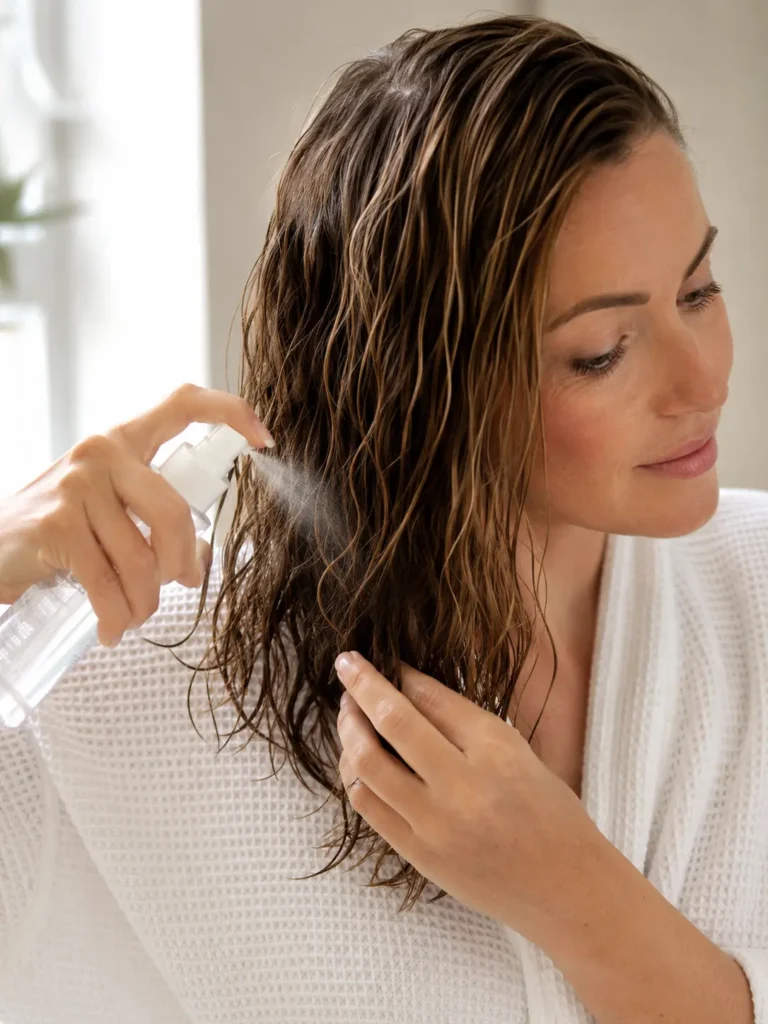
5. Keratin Repair Treatment
Keratin repair treatments restore damaged hair by replenishing the natural protein that forms the hair structure. These treatments smooth raised cuticles, strengthen weakened strands, reduce frizz, and dramatically improve shine. Hair becomes softer, more manageable, and resistant to humidity while maintaining a sleek appearance. Keratin-infused products are particularly effective for hair affected by frequent heat styling, bleaching, or chemical processing.
For long-lasting results, pair keratin treatments with sulfate-free shampoos, moisturizing conditioners, and heat protectant sprays. Proper aftercare helps preserve the treatment while reducing future damage. Whether performed professionally or at home, keratin repair remains one of the most effective solutions for transforming rough, dull hair into smooth, healthy-looking locks with improved strength and elasticity.
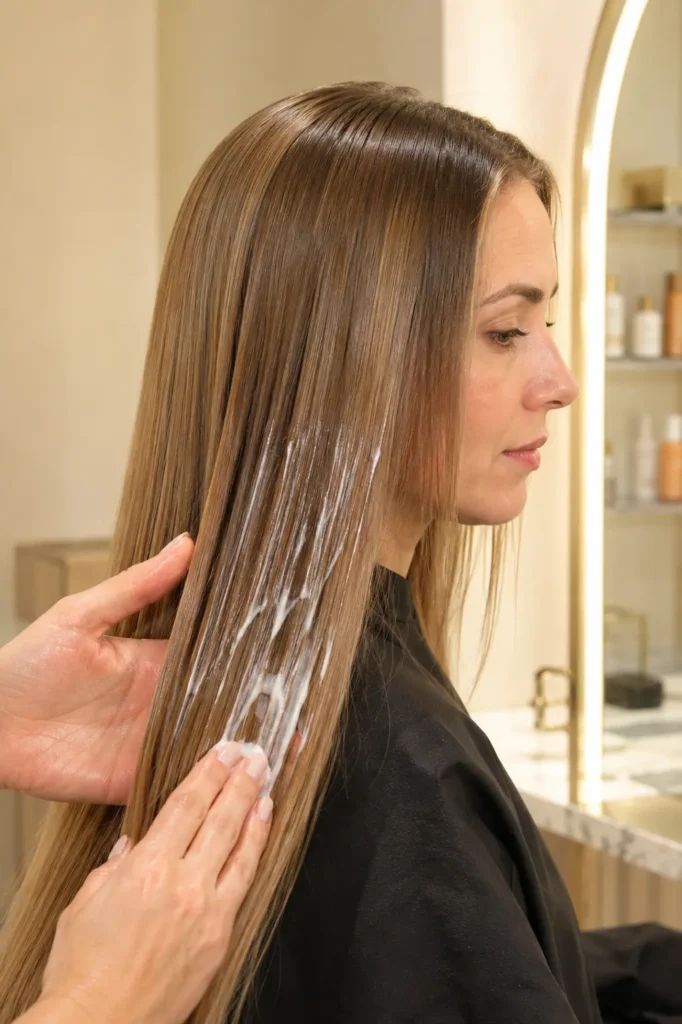
6. Coconut Oil Overnight Treatment
An overnight coconut oil treatment is one of the easiest ways to repair severely dry and damaged hair. Rich in lauric acid, vitamin E, essential fatty acids, and antioxidants, coconut oil penetrates the hair shaft better than many other natural oils. It helps reduce protein loss, strengthens weakened strands, locks in moisture, and protects hair from breakage caused by heat styling, coloring, and environmental damage. This treatment is especially effective for thick, curly, coarse, and chemically treated hair that needs intense hydration.
To use this treatment, apply warm virgin coconut oil from the mid-lengths to the ends and gently massage a small amount into the scalp. Cover your hair with a satin bonnet or shower cap and leave it overnight before washing with a sulfate-free shampoo. Regular weekly treatments improve elasticity, reduce frizz, minimize split ends, and restore softness, leaving hair noticeably shinier, healthier, and easier to style.
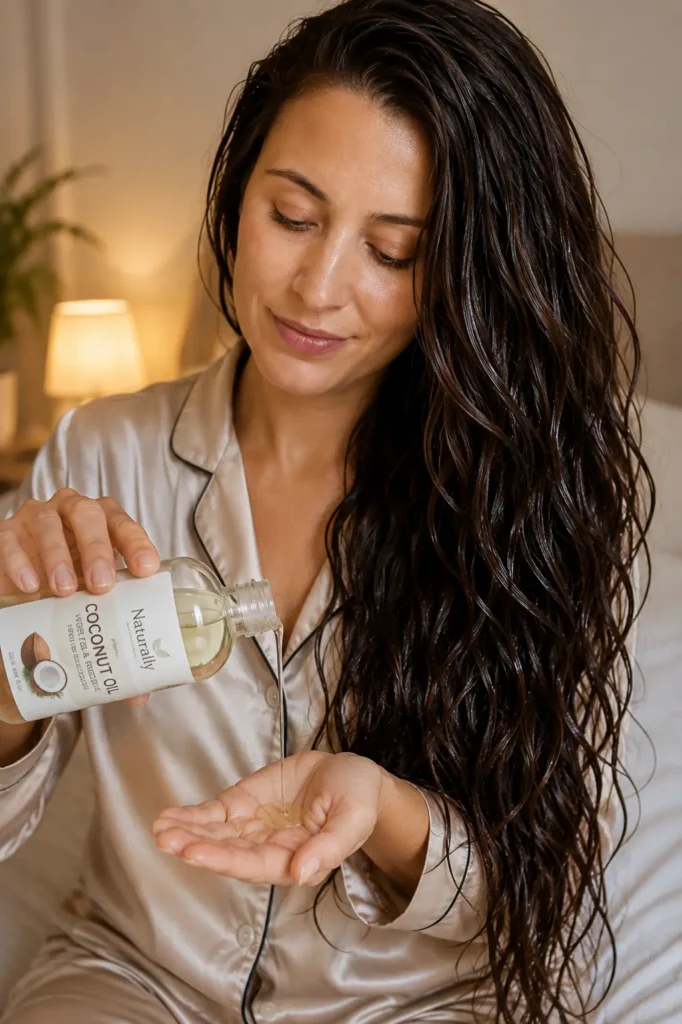
7. Aloe Vera Hair Repair Mask
An aloe vera hair mask is an excellent natural treatment for repairing dry, irritated, and damaged hair while soothing the scalp. Packed with vitamins A, C, E, B12, folic acid, amino acids, enzymes, and minerals, aloe vera delivers lightweight hydration without making hair greasy. It smooths the hair cuticle, reduces frizz, improves softness, and helps restore shine while supporting a healthier scalp environment that encourages stronger hair growth.
For added nourishment, combine fresh aloe vera gel with ingredients like honey, argan oil, or yogurt before applying it evenly through damp hair. Leave the mask on for 30–40 minutes before rinsing thoroughly. Weekly use helps strengthen brittle strands, reduce dryness, improve manageability, and give every hair type—from fine to curly—a refreshed, naturally healthy appearance.
8. Argan Oil Hair Therapy
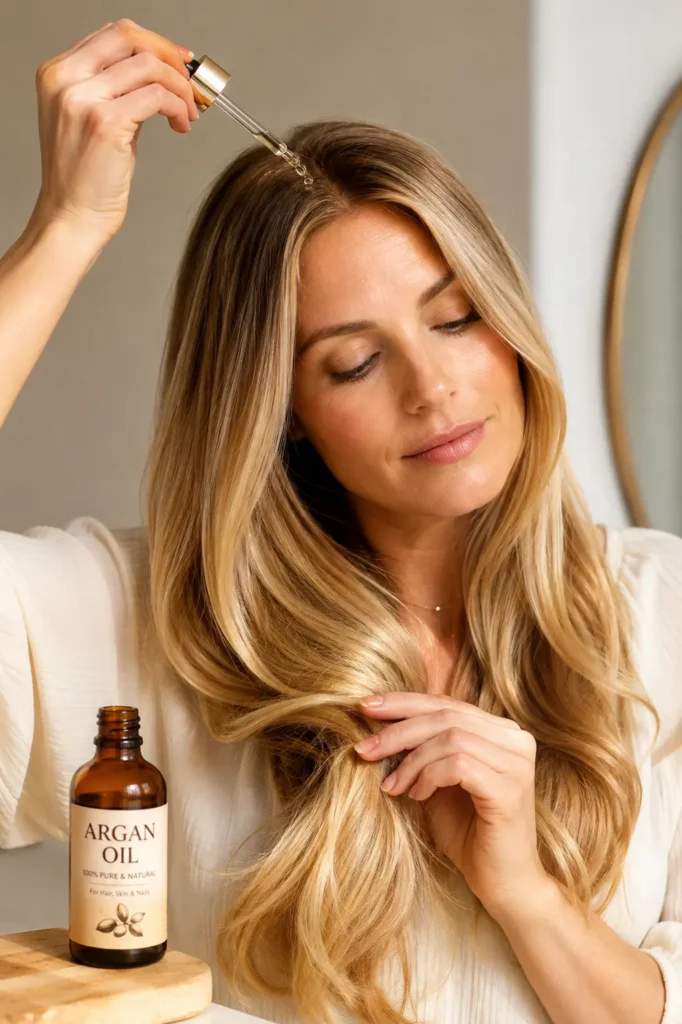
Known as “liquid gold,” argan oil is one of the most effective natural remedies for repairing damaged hair. Rich in vitamin E, omega fatty acids, antioxidants, linoleic acid, and essential lipids, argan oil nourishes the hair cuticle while reducing frizz, improving softness, and protecting strands from UV rays and heat styling. It restores moisture without weighing hair down, making it ideal for fine, medium, thick, straight, and curly hair types.
Apply a few drops of pure argan oil to damp or dry hair, concentrating on the mid-lengths and ends where damage is usually greatest. Consistent use enhances shine, smooths flyaways, improves elasticity, and prevents future breakage. Hair becomes silkier, healthier, and much easier to manage while maintaining natural volume and movement.
9. Rice Water Strengthening Treatment
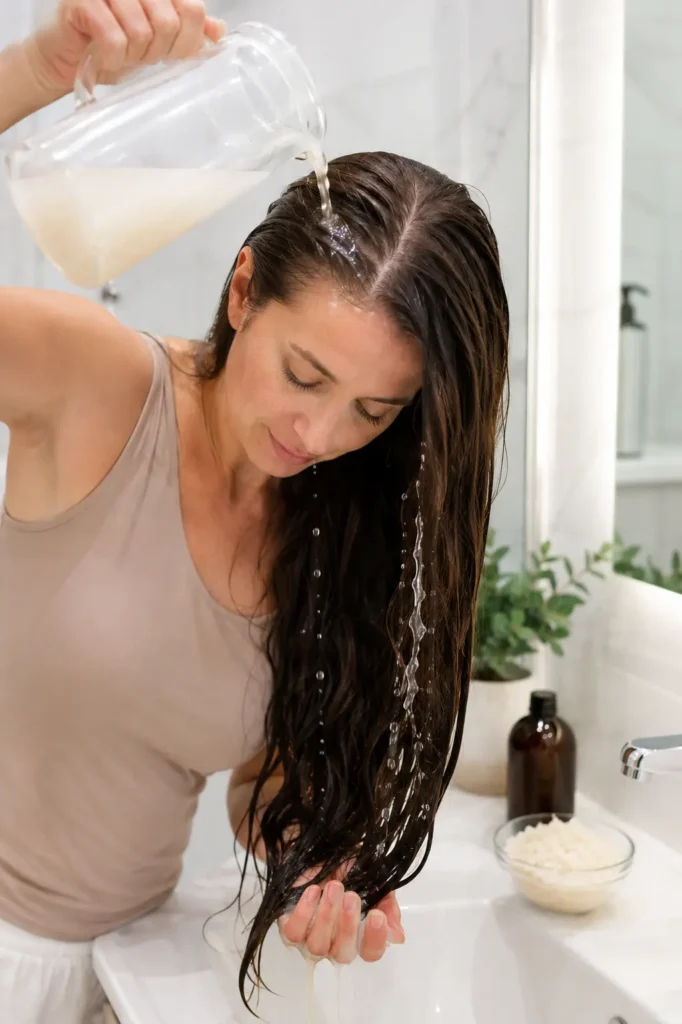
A rice water hair treatment has become increasingly popular for strengthening weak, damaged hair naturally. Fermented rice water contains inositol, amino acids, vitamins B and E, antioxidants, and minerals that help improve elasticity, reduce breakage, smooth rough cuticles, and increase shine. Regular use supports healthier-looking hair while protecting strands from future mechanical and heat damage.
After shampooing, pour cooled fermented rice water over clean hair and allow it to sit for 15–20 minutes before rinsing thoroughly. Used once every week or two, this treatment enhances softness, improves hair texture, reduces frizz, and gives hair a fuller, smoother appearance. It works well for straight, wavy, curly, and fine hair seeking extra strength without heavy oils.
10. Bond Repair Hair Treatment
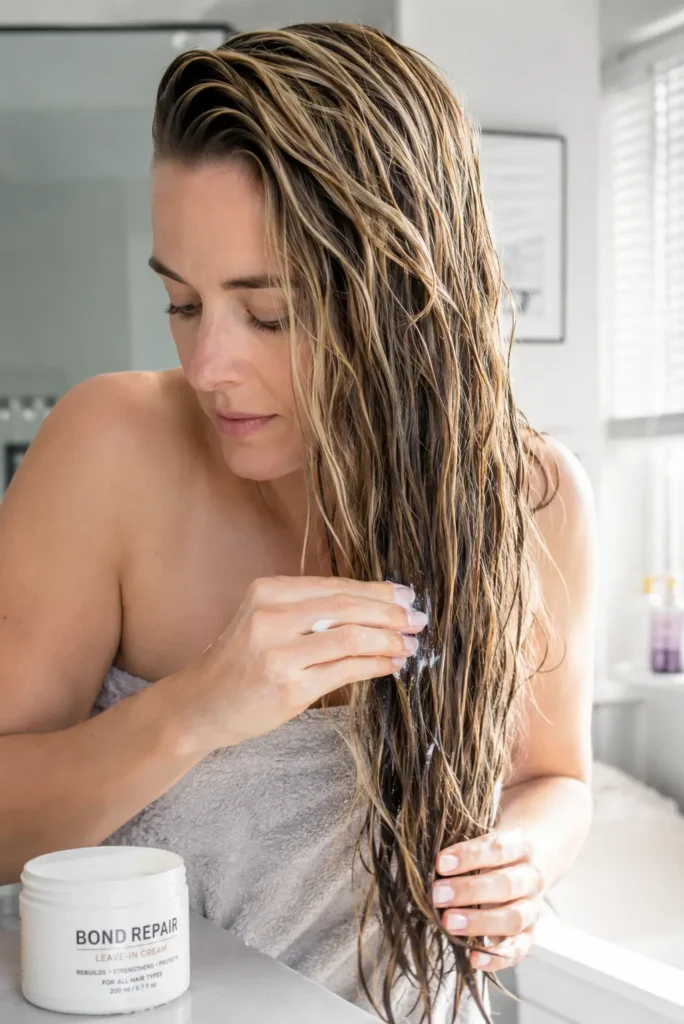
Bond repair treatments are specifically designed to rebuild broken disulfide bonds inside the hair caused by bleaching, coloring, heat styling, and chemical processing. These advanced formulas help reconnect weakened internal hair structures, making strands stronger, smoother, and more resistant to future breakage. They significantly improve elasticity, reduce split ends, and restore softness while helping color-treated hair maintain a healthier appearance.
For the best results, apply a bond-building treatment according to the product instructions before conditioning. Follow with moisturizing products to maintain hydration and flexibility. Regular use dramatically improves damaged hair over time, leaving it shinier, stronger, and easier to style. This treatment is particularly valuable for anyone with heavily bleached, highlighted, or chemically processed hair seeking professional-level repair at home.
11. Shea Butter Hair Moisture Treatment
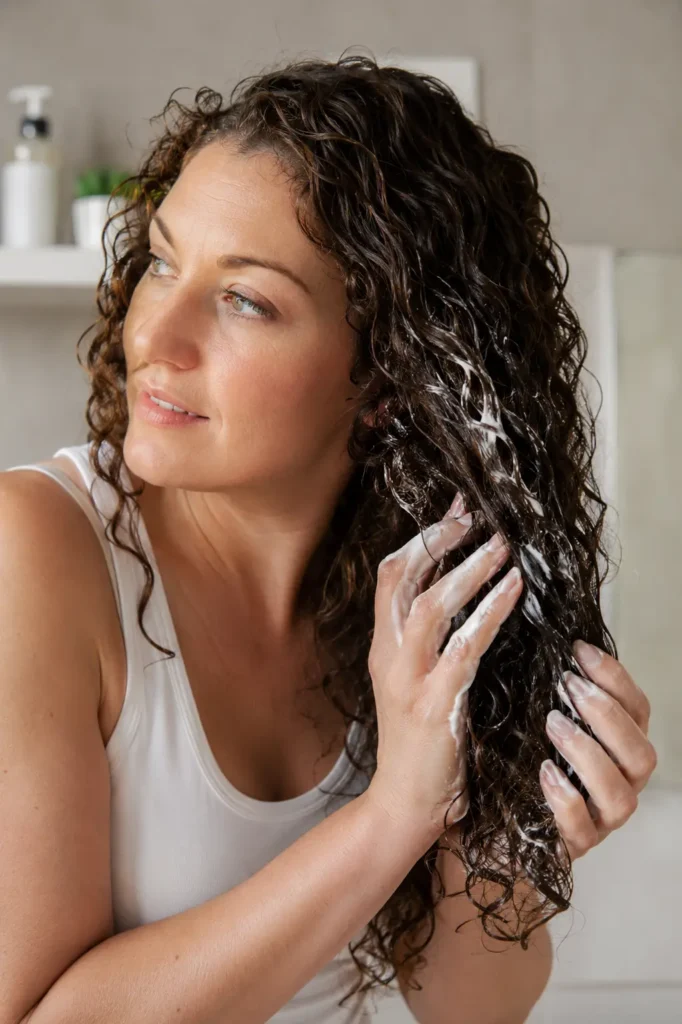
A shea butter hair treatment is one of the best solutions for extremely dry, coarse, curly, and damaged hair. Naturally rich in vitamins A, E, F, essential fatty acids, antioxidants, and anti-inflammatory compounds, shea butter deeply nourishes each strand while locking in long-lasting moisture. It smooths rough cuticles, softens brittle hair, reduces frizz, and creates a protective barrier against heat styling, pollution, and harsh weather conditions. Regular use restores elasticity and helps prevent split ends and breakage.
Melt a small amount of raw shea butter and blend it with argan oil or jojoba oil before applying it from mid-lengths to the ends. Leave the treatment on for 30–60 minutes before rinsing with a gentle shampoo. Weekly use transforms dry hair into soft, manageable, and shiny locks while maintaining natural curls and reducing tangles. It’s an excellent choice for anyone looking to revive dehydrated hair naturally.
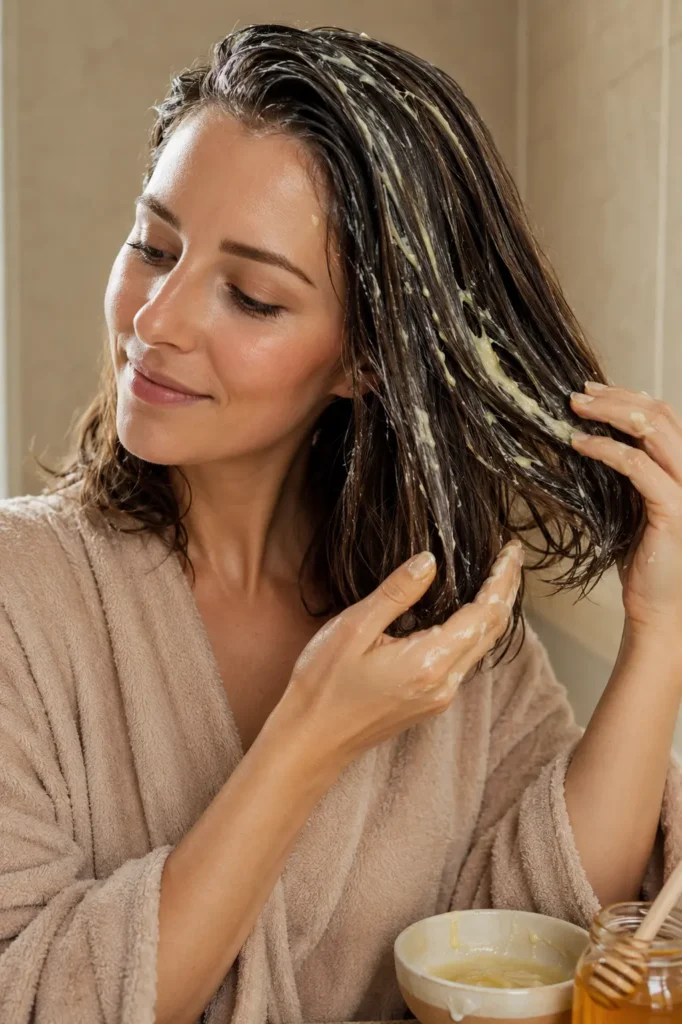
12. Honey and Yogurt Hair Mask
A honey and yogurt hair mask delivers deep hydration while strengthening damaged hair naturally. Honey acts as a natural humectant, attracting moisture into the hair shaft, while yogurt contains protein, lactic acid, calcium, probiotics, and vitamins that nourish weak strands and gently cleanse the scalp. Together, they reduce dryness, improve elasticity, minimize frizz, and restore softness to hair damaged by heat styling, coloring, or environmental stress.
Mix two tablespoons of plain yogurt with one tablespoon of raw honey and apply evenly to damp hair. Leave the mask on for about 30 minutes before rinsing thoroughly. Weekly use leaves hair smoother, shinier, and easier to manage while improving overall scalp health. This gentle treatment is suitable for fine, straight, wavy, and curly hair that needs extra moisture without feeling heavy.
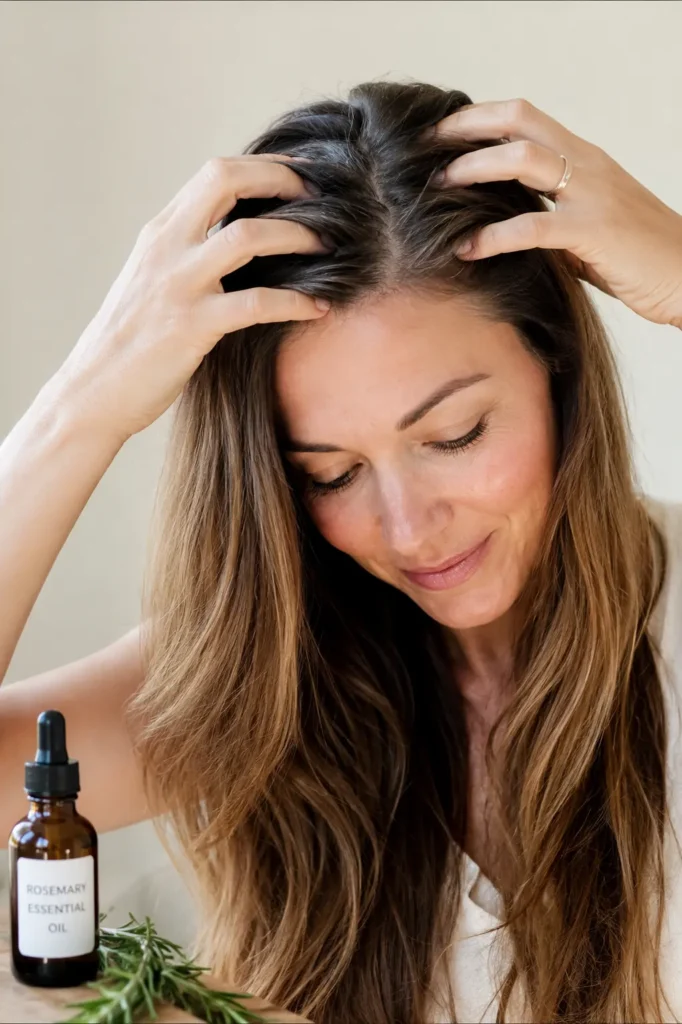
13. Scalp Massage with Essential Oils
A relaxing scalp massage using essential oils improves blood circulation while supporting healthier hair growth and stronger roots. Oils such as rosemary oil, peppermint oil, lavender oil, tea tree oil, and jojoba oil nourish the scalp, reduce dryness, and help improve the overall condition of damaged hair. Combined with gentle massage techniques, these oils distribute natural scalp oils more evenly, leaving hair softer, shinier, and better protected against breakage.
Dilute a few drops of essential oil with a carrier oil like coconut or sweet almond oil before gently massaging the scalp for five to ten minutes. This relaxing routine reduces scalp tension, encourages healthier follicles, and enhances the absorption of nourishing nutrients. When practiced weekly, scalp massages contribute to healthier-looking hair with improved strength, natural shine, and better moisture retention.
14. Silk Pillowcase Hair Protection
Although it isn’t a traditional treatment, switching to a silk pillowcase can significantly reduce hair damage while you sleep. Unlike cotton, silk creates less friction, helping prevent hair breakage, split ends, frizz, tangles, and moisture loss. It allows hairstyles to stay smoother overnight while protecting delicate hair cuticles from unnecessary stress. This simple change is especially beneficial for curly, wavy, color-treated, and fragile hair types.
Pairing a silk pillowcase with a lightweight leave-in conditioner or nourishing hair serum creates an effective overnight repair routine. Hair feels softer, looks shinier, and becomes easier to style each morning. Over time, reduced friction helps preserve healthy strands and minimizes the need for excessive brushing or heat styling, making silk an excellent investment for healthier hair.

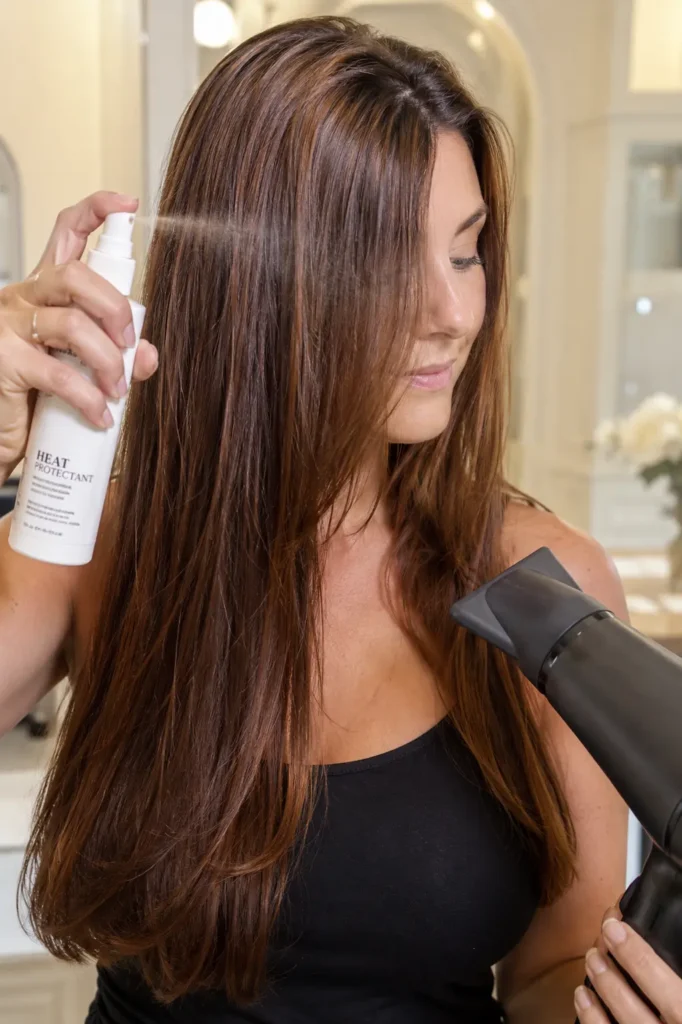
15. Heat Protectant Spray Before Styling
A heat protectant spray is essential for preventing future hair damage caused by blow dryers, curling irons, straighteners, and hot brushes. Quality formulas contain silicones, keratin, panthenol, hydrolyzed proteins, botanical extracts, and conditioning agents that coat each strand with a protective barrier. This helps reduce moisture loss, minimize cuticle damage, prevent split ends, and maintain smooth, shiny hair even after frequent heat styling.
Always apply the spray evenly to damp or dry hair before using any heated styling tools. Comb the product through to ensure complete coverage and use moderate heat settings whenever possible. Consistent use dramatically reduces breakage, preserves color-treated hair, and keeps strands looking healthy, glossy, and resilient. A heat protectant is one of the simplest yet most effective additions to any hair repair routine.
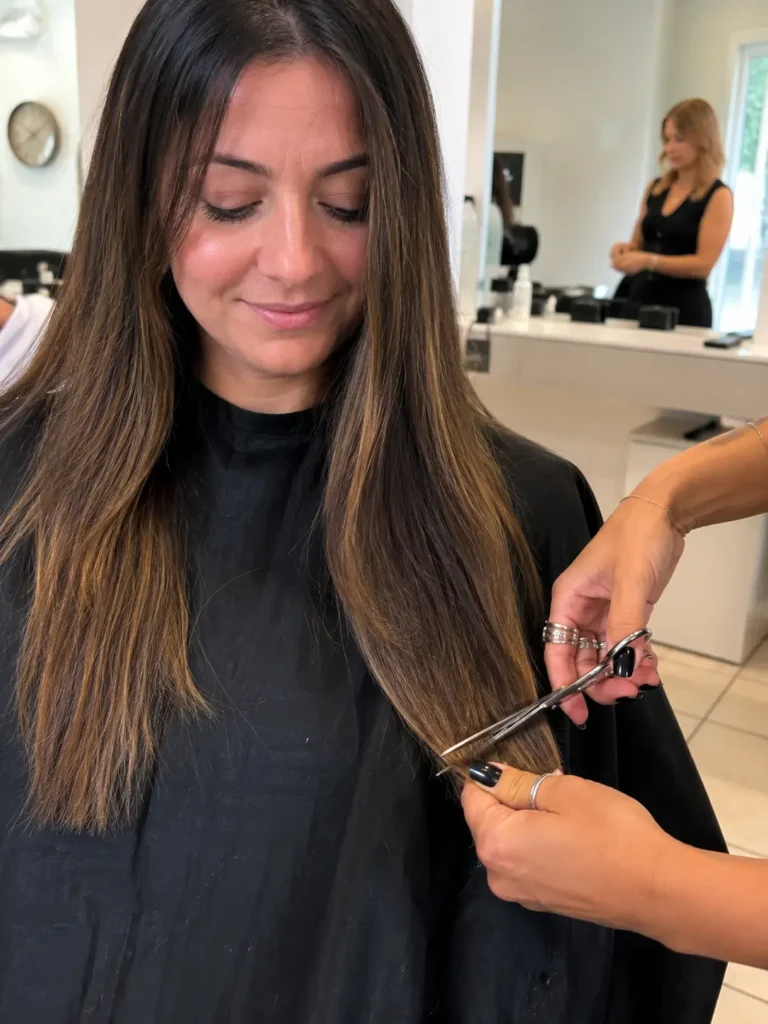
16. Trim Split Ends Regularly
Regular trims are one of the simplest yet most effective ways to keep damaged hair looking healthy. While trimming doesn’t repair existing split ends, it prevents them from traveling further up the hair shaft and causing additional breakage. Scheduling a trim every 6–8 weeks helps maintain stronger ends, improves the overall appearance of your hairstyle, and makes hair feel smoother and easier to manage. This practice is especially beneficial for people who frequently use heat styling tools or chemical treatments.
Healthy hair starts with healthy ends, so combining regular trims with moisturizing treatments creates the perfect repair routine. Pair trims with deep conditioning masks, leave-in conditioners, and nourishing oils to preserve moisture and reduce future damage. Consistent maintenance keeps hair looking fuller, shinier, and healthier while supporting longer, stronger growth over time.
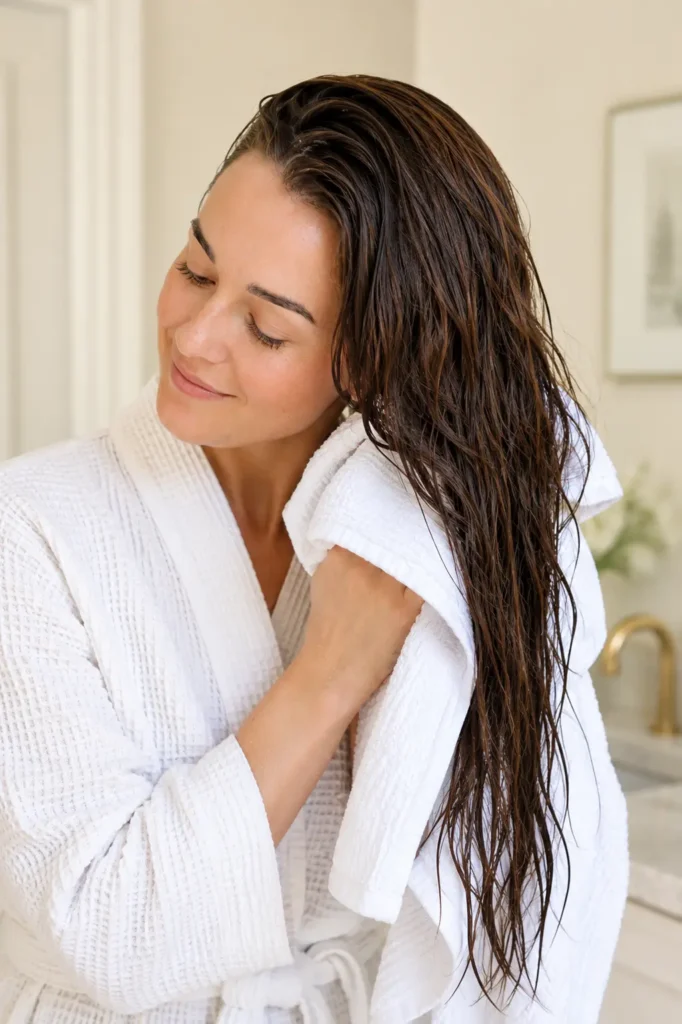
17. Use a Microfiber Towel
Wet hair is more vulnerable to stretching and breakage than dry hair, making the drying process an important part of any hair repair routine. A microfiber towel absorbs excess water quickly while creating far less friction than a traditional cotton towel. This helps reduce frizz, prevent split ends, protect the hair cuticle, and maintain natural shine. It’s especially beneficial for curly, wavy, fine, and color-treated hair that can easily become damaged from rough towel drying.
Instead of rubbing the hair vigorously, gently squeeze and wrap it in a microfiber towel for several minutes. This simple habit preserves moisture, minimizes tangles, and keeps strands smoother before styling. When combined with a leave-in conditioner or heat protectant, microfiber drying helps maintain healthier, softer hair and reduces everyday wear and tear.
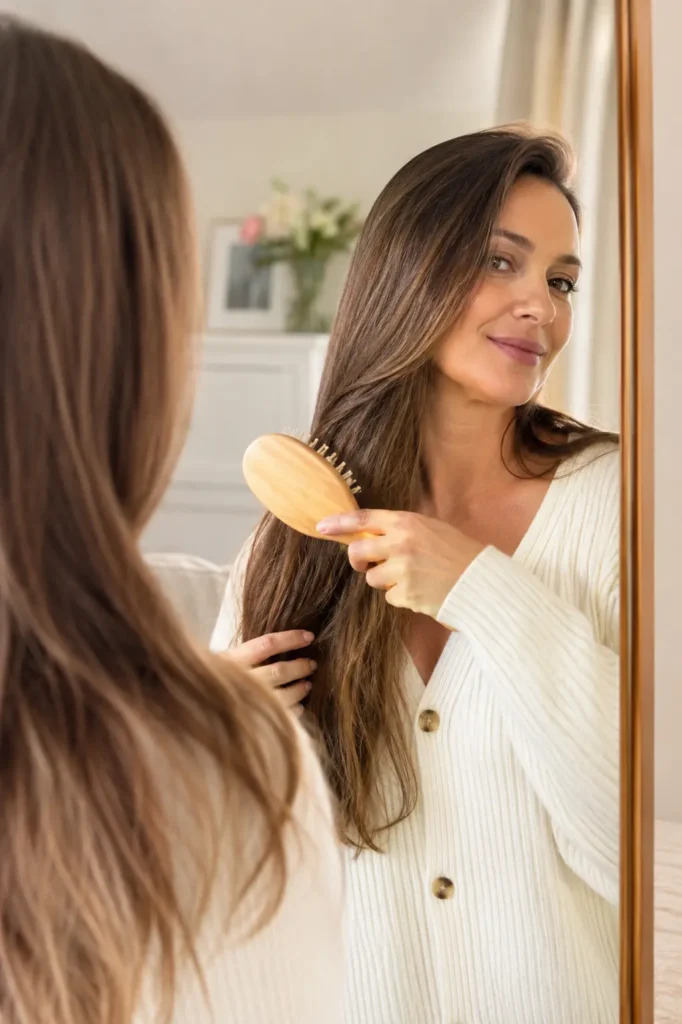
18. Use a Wooden Hair Brush
Switching to a wooden hair brush is a simple yet effective way to minimize daily hair damage. Unlike plastic brushes, wooden bristles create less static electricity, helping reduce frizz, flyaways, and unnecessary breakage. They also distribute the scalp’s natural oils evenly from the roots to the ends, leaving hair smoother, shinier, and naturally conditioned. Wooden brushes gently massage the scalp, stimulating circulation while detangling without pulling or snapping delicate strands. This makes them an excellent choice for straight, wavy, curly, thick, and color-treated hair.
For the healthiest results, brush your hair gently, starting at the ends and gradually working upward to prevent tugging and split ends. Use a wooden brush on dry or slightly damp hair rather than soaking wet hair, when strands are most fragile. Combined with moisturizing treatments and regular trims, a wooden brush helps maintain stronger, softer, and healthier-looking hair while reducing everyday mechanical damage.
19. Wear a Silk Sleep Cap
A silk sleep cap is one of the best overnight hair protection accessories for preventing friction, tangles, frizz, and moisture loss while you sleep. Unlike cotton fabrics that absorb natural oils, silk allows hair to glide smoothly, helping preserve hairstyles and reduce split ends. Wearing a silk bonnet is especially beneficial for curly, coily, wavy, long, color-treated, and chemically processed hair, as it keeps strands hydrated and minimizes overnight breakage. It also helps extend blowouts, curls, and protective styles for longer.
Before putting on a silk sleep cap, apply a lightweight leave-in conditioner or a few drops of argan oil to the ends for extra overnight nourishment. Secure your hair loosely inside the cap to avoid tension on the roots. With consistent use, you’ll wake up with smoother, shinier, and more manageable hair that requires less brushing and heat styling, making a silk sleep cap an essential part of a healthy hair repair routine.

Conclusion
Repairing damaged hair doesn’t require expensive salon visits alone—it starts with choosing the right treatment for your specific hair type and maintaining a consistent hair care routine. Whether your strands are suffering from heat damage, bleach, chemical processing, excessive coloring, UV exposure, hard water, or daily styling, treatments like deep conditioning masks, protein therapies, coconut oil, argan oil, bond repair formulas, keratin treatments, aloe vera masks, and heat protectants can dramatically improve hair health over time. These solutions work together to restore moisture, strengthen weakened hair fibers, reduce split ends, minimize breakage, and bring back natural softness and shine.
Remember that healthy hair is built through regular care rather than quick fixes. Pair these repair treatments with sulfate-free shampoos, nourishing conditioners, microfiber towels, silk pillowcases, balanced nutrition, adequate hydration, and limited heat styling to protect your results. With patience and the right combination of moisturizing and strengthening ingredients, every hair type—from fine and straight to thick, curly, or color-treated—can become smoother, stronger, and more resilient. Start incorporating these 19 best hair damage repair treatments into your weekly routine and enjoy healthier, shinier, salon-worthy hair that looks and feels its absolute best