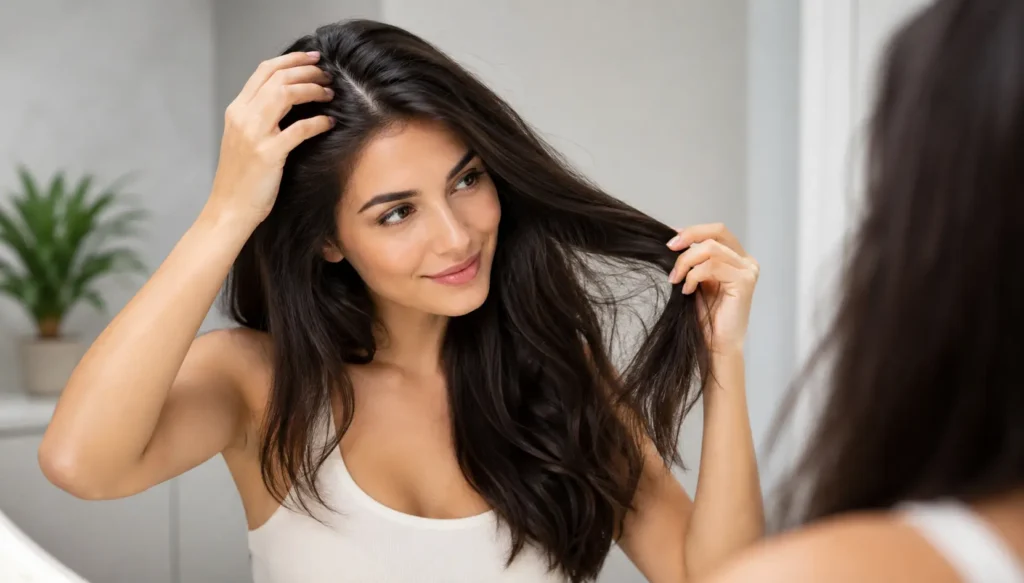
Thick hair can feel like both a blessing and a challenge. One day your strands look full, voluminous, and healthy, and the next you’re struggling with frizz, heavy ponytails, or endless drying time. If you’ve ever wondered whether your hair is actually thick or just appears dense, there are simple signs that can help you figure it out. From the way your scalp shows to how your hairstyles hold shape, your hair texture reveals more than you think.
Knowing if your hair is thick is important because it changes the way you should care for it. The right haircut, styling routine, hair products, and moisture balance can make thick hair look soft, defined, and manageable instead of bulky or hard to style. In this guide, you’ll discover 23 easy ways to tell if you have thick hair, plus helpful tips to keep your strands healthy, smooth, and easier to manage every day.
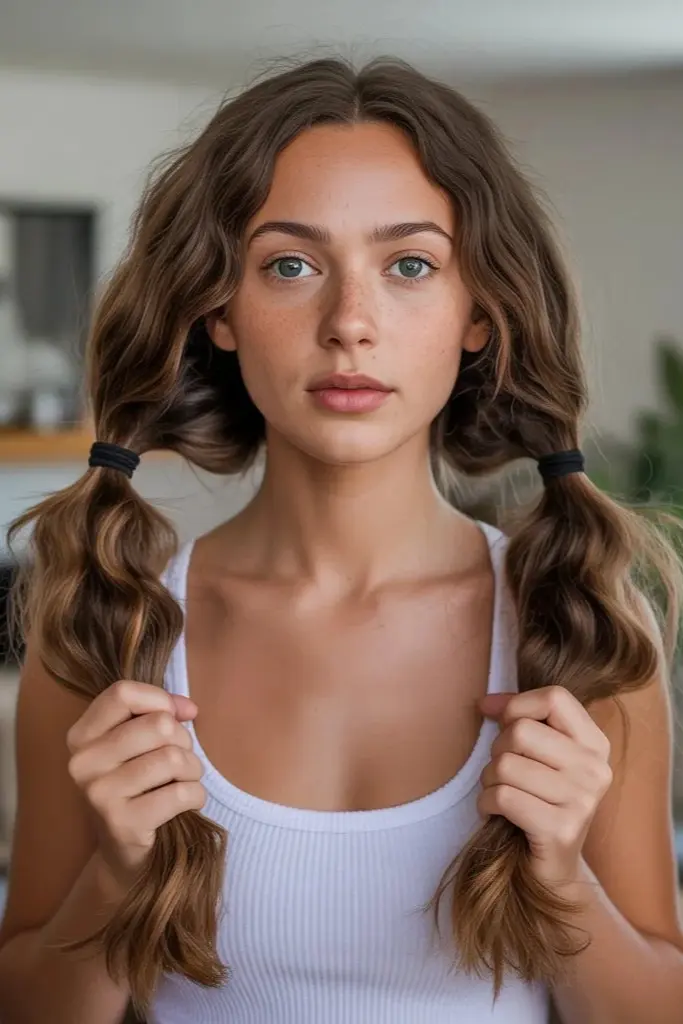
1. Your Ponytail Feels Heavy
If your ponytail feels surprisingly heavy by the end of the day, it is often a strong sign of thick hair. Thick strands and high hair density create extra weight that can strain hair ties and even cause headaches. Many women with thick hair notice that regular elastic bands snap quickly or slide down throughout the day. This natural volume also makes hairstyles appear fuller without requiring extensions, volumizing mousse, or salon styling tricks.
Thick hair benefits from lightweight hydration and layered haircuts that reduce bulk while keeping movement natural. Using sulfate free shampoo, argan oil, and a wide tooth comb can help prevent frizz and tangles. Pinterest beauty trends often recommend curtain layers and long textured cuts for thick hair because they enhance shape without removing fullness. Avoid heavy creams that can flatten your roots and make your hair feel overly dense or greasy.
2. Hair Clips Break Easily
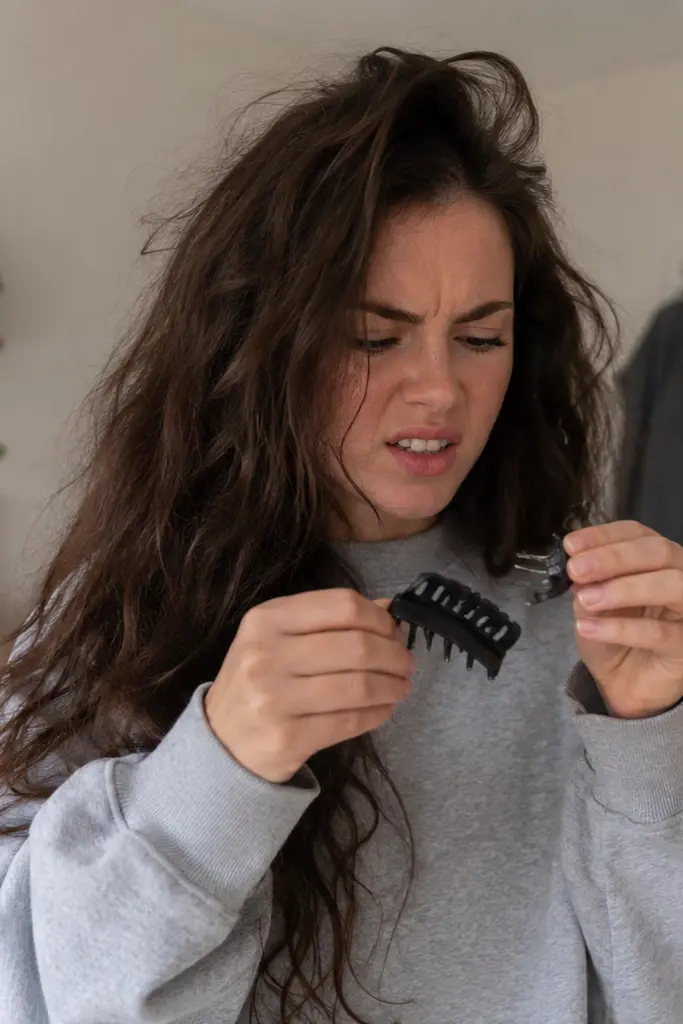
Hair clips, claw clips, and elastic bands often struggle to hold thick hair securely in place. If accessories constantly snap, stretch, or lose grip, your hair density may be much higher than average. Women with thick hair usually need oversized clips or spiral ties designed for extra volume. Thick hair also creates more pressure near the scalp, making smaller accessories uncomfortable after a few hours of wear.
To manage thick hair more comfortably, choose durable hair accessories made for high density textures. Satin scrunchies and jumbo claw clips reduce tension while protecting strands from breakage. Haircare experts often recommend loose braided hairstyles for thick hair because they distribute weight evenly and reduce scalp stress. Regular trimming every six to eight weeks also helps maintain healthy ends and prevents bulky shapes from becoming difficult to style.
3. Your Hair Takes Hours to Dry
One of the easiest ways to identify thick hair is noticing how long it takes to air dry after washing. Thick hair contains more strands and often holds moisture longer, especially near the roots. Even after using a blow dryer, the inner layers may still feel damp. Women with thick curly hair or dense straight hair frequently spend extra time styling because moisture remains trapped deep inside the hair.
Using microfiber towels and ionic hair dryers can dramatically reduce drying time without damaging your strands. Heat protectant spray is essential because thick hair often requires longer styling sessions with hot tools. Hair stylists also recommend sectioning thick hair into smaller layers while drying to improve airflow. Lightweight leave in conditioners help maintain softness without causing buildup, making your thick hair easier to manage every day.
4. Your Scalp Is Hard to See
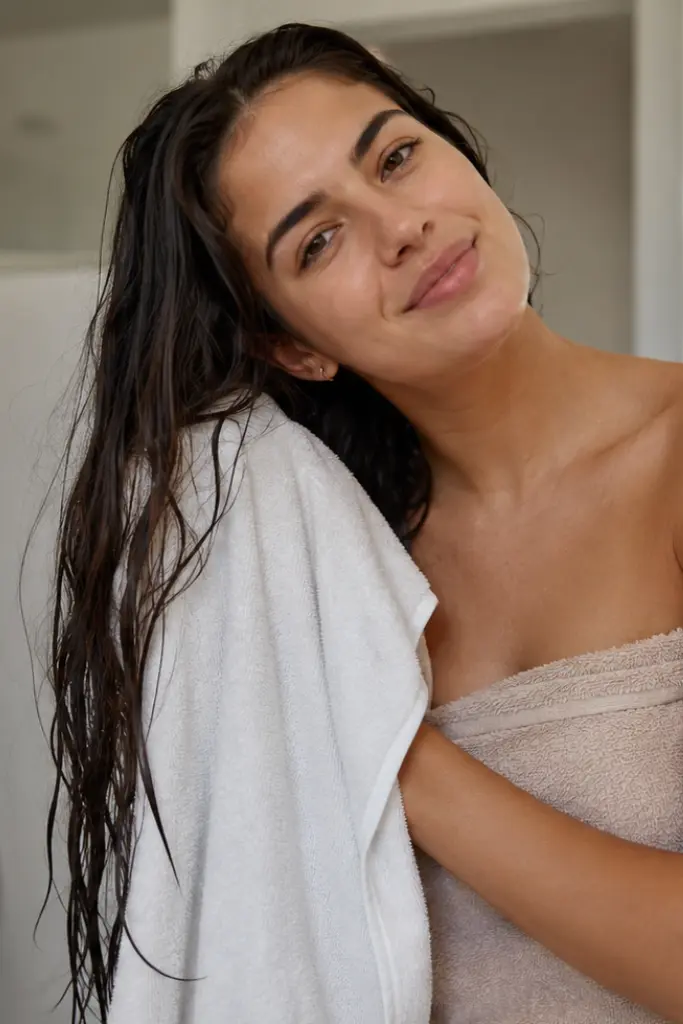
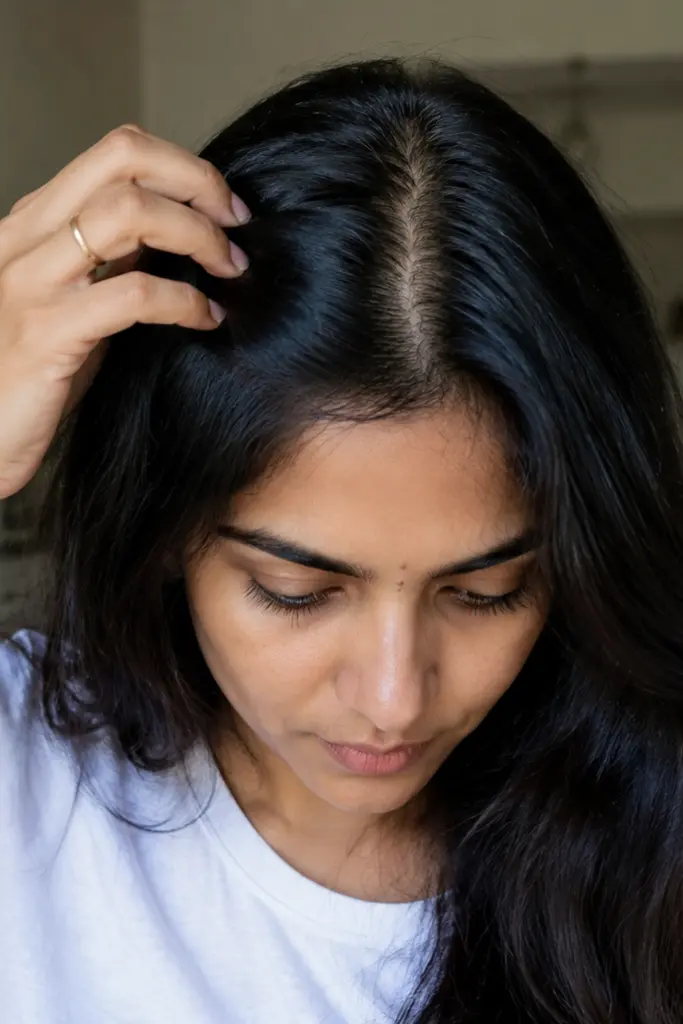
If your scalp is barely visible even under bright light, you likely have thick hair with high density. Thick hair naturally covers the scalp more completely than fine or thin hair. Many women notice that part lines appear narrower and fuller. This dense coverage often creates natural volume without requiring teasing sprays, root lifting powder, or salon blowouts.
Maintaining scalp health is extremely important when you have thick hair because product buildup can easily collect between dense strands. Clarifying shampoo once a week helps remove oils and residue while keeping roots fresh. Tea tree scalp treatments and lightweight serums can improve circulation without weighing hair down. Pinterest haircare communities often recommend scalp massagers to promote healthy growth and maintain clean, balanced roots.
5. You Need More Shampoo Than Others
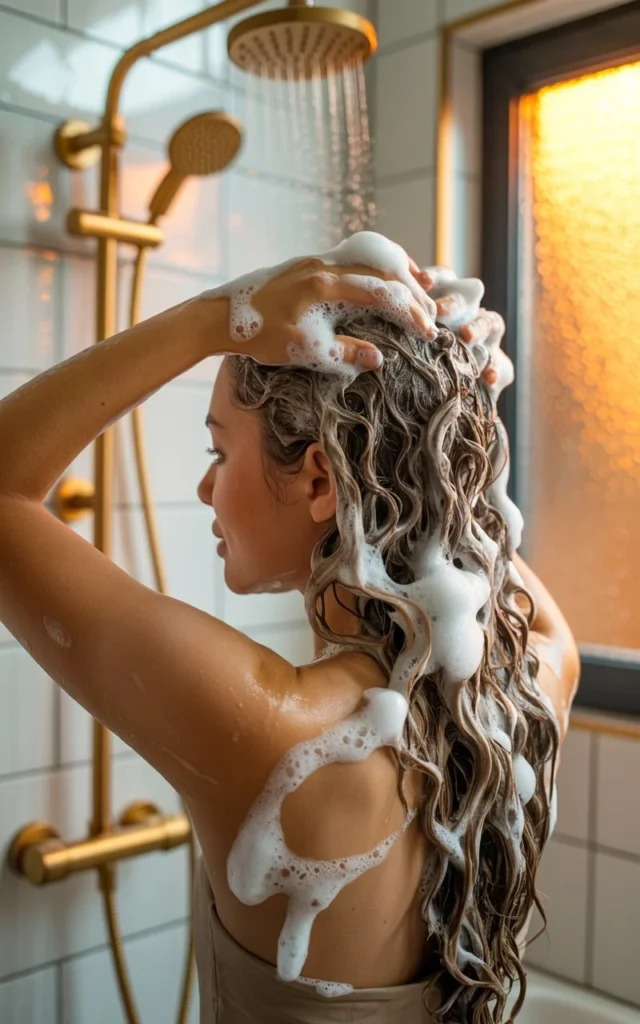
Women with thick hair usually notice they use much more shampoo and conditioner during every wash day. Dense hair requires additional product to fully cleanse the scalp and coat every strand evenly. If standard bottle sizes disappear quickly in your shower, thick hair may be the reason. Thick curls and long layered hairstyles often require double washing to remove oils, dry shampoo residue, and styling products effectively.
Switching to salon size haircare products can save money while improving consistency in your routine. Sulfate free formulas with coconut oil, keratin, or shea butter work especially well for thick textured hair. Avoid applying heavy conditioner directly to the roots because it can create greasy buildup. Haircare professionals recommend focusing moisture mainly on mid lengths and ends to keep thick hair balanced and lightweight.
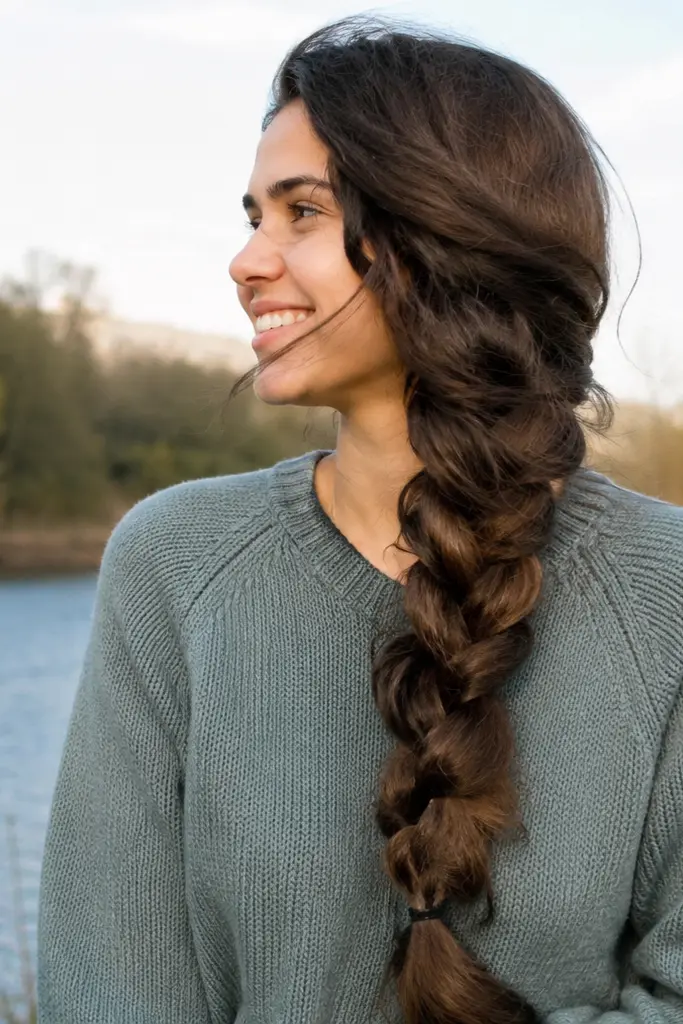
6. Braids Look Extra Full
Thick hair naturally creates fuller braids that appear wide, textured, and voluminous even without extensions. If your simple braid looks larger than most tutorials online, your hair density is likely above average. Thick strands help braided hairstyles maintain shape longer and create dramatic texture naturally. Dutch braids, fishtail braids, and boho hairstyles often look especially stunning on women with thick hair.
To keep braids smooth and manageable, apply lightweight anti frizz serum before styling. Satin pillowcases also help reduce tangling and maintain braid definition overnight. Thick hair benefits from protective hairstyles because they minimize breakage and reduce heat exposure. Pinterest hairstyle trends frequently feature oversized braids paired with face framing layers, making thick hair appear polished while preserving its natural movement and fullness.
7. Your Hair Holds Volume Naturally
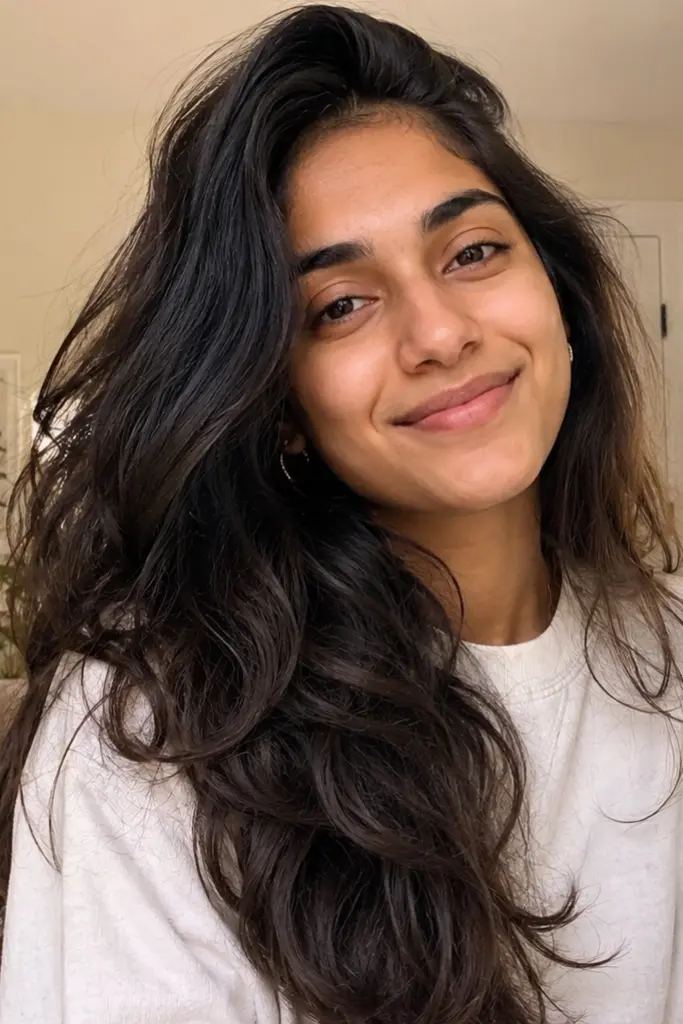
If your hair maintains lift and bounce without volumizing spray, you probably have thick hair. Thick strands create natural body that remains visible even after sleeping or wearing hats. Women with fine hair often struggle to achieve this fullness, while thick hair tends to look naturally elevated around the roots. This texture also supports layered cuts beautifully, giving hairstyles extra dimension and movement.
To enhance natural volume without creating puffiness, use lightweight mousse and round brush blow drying techniques. Avoid overly heavy oils that can flatten your roots and reduce movement. Thick hair responds well to long layers because they remove excess bulk while keeping volume balanced. Pinterest beauty searches often highlight butterfly cuts and soft waves as ideal hairstyles for thick, naturally voluminous hair textures.
8. Hairdressers Mention Your Density
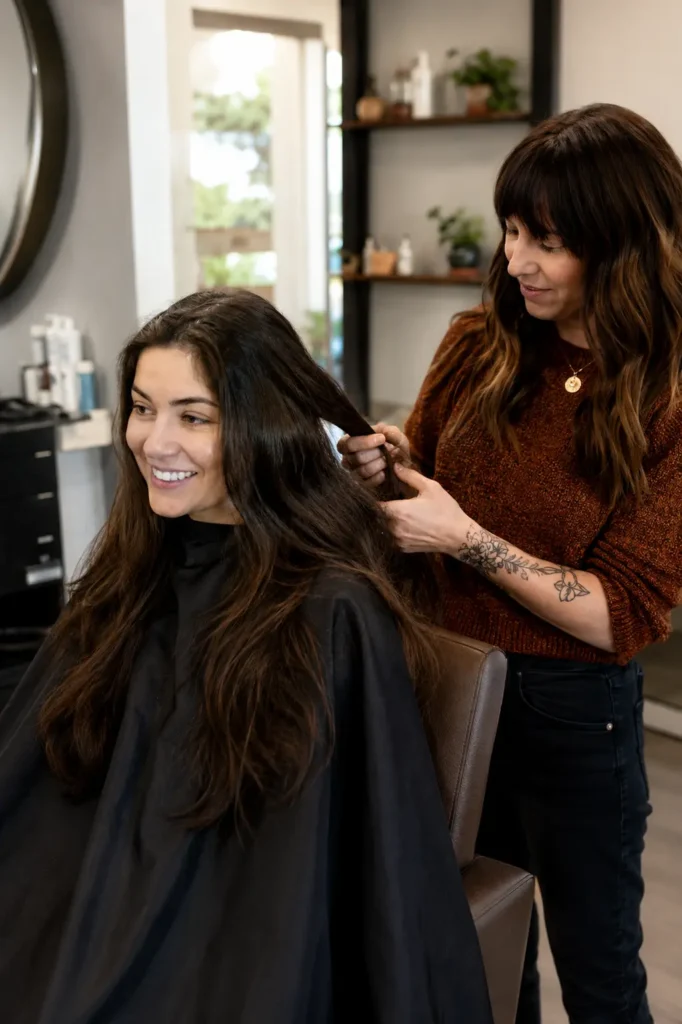
Professional hairstylists can often identify thick hair immediately during consultations and trims. If hairdressers regularly comment on your hair density or mention needing extra time for cutting and blow drying, your strands are likely thick. Thick hair usually requires sectioning techniques and special thinning methods to shape properly. Many salons also charge additional styling fees for extra dense or very long hair textures.
Layered haircuts are often the best option for thick hair because they create movement and reduce heaviness. Ask your stylist about face framing layers, textured ends, or feathered cuts that suit your face shape. Deep conditioning masks with avocado oil or keratin help maintain softness while preventing dryness. Pinterest haircut inspiration boards frequently showcase layered styles specifically designed to flatter thick, heavy hair.
9. Your Hair Feels Warm Easily
Thick hair traps heat more effectively than thin hair because dense strands create insulation around the scalp. During summer weather or workouts, women with thick hair often feel warmer and sweat more near the roots. This extra density can make hair feel heavy during humid conditions. Curly thick hair may also expand significantly in moisture rich environments, creating larger volume and frizz.
Breathable hairstyles like loose buns, layered cuts, and braided ponytails can improve comfort during hot weather. Lightweight dry shampoo helps absorb oil while refreshing the scalp between washes. Using anti humidity hair serum can reduce swelling and maintain smoother texture throughout the day. Pinterest haircare trends often recommend claw clip hairstyles for thick hair because they secure volume comfortably without creating tension.
10. You Need Strong Hair Ties
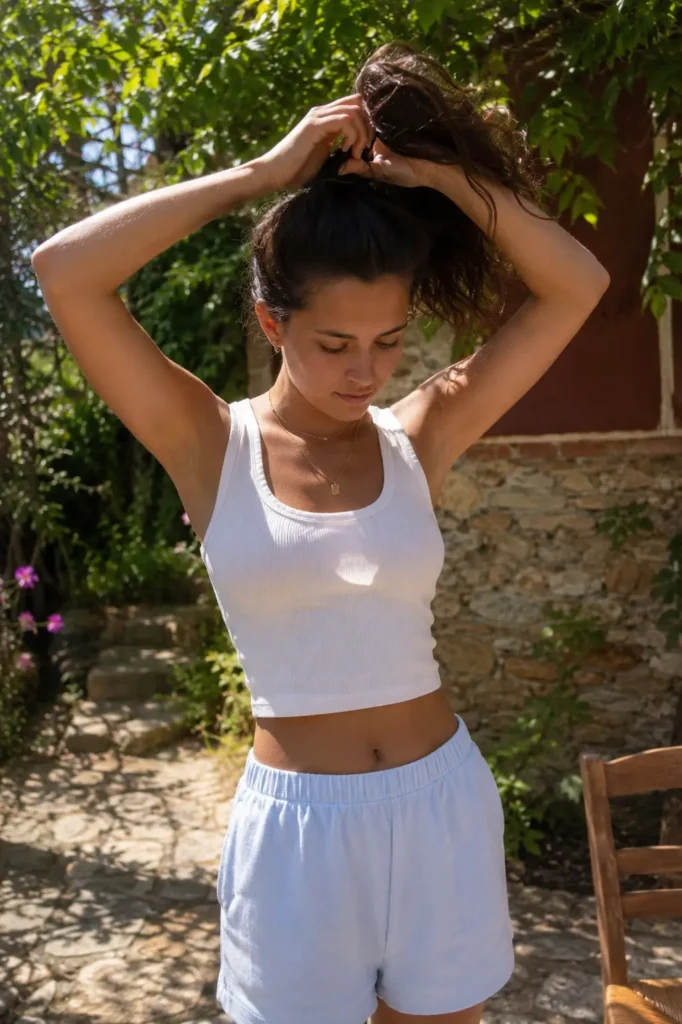
Standard hair ties often stretch out quickly when used on thick hair because they cannot handle the extra density. Women with thick hair usually prefer spiral bands, reinforced elastics, or oversized scrunchies for better support. Thick ponytails place more tension on accessories and can even loosen hairstyles throughout the day. This is especially common with long layered cuts and curly hair textures.
Using soft satin scrunchies helps reduce breakage while holding thick hair securely in place. Avoid tight hairstyles every day because excess tension may stress your scalp and edges. Hair experts also recommend alternating hairstyles to reduce strain on specific areas. Pinterest hairstyle collections often feature low buns, claw clip twists, and loose braids as practical options for women managing thick, heavy hair.
11. Layers Make a Huge Difference
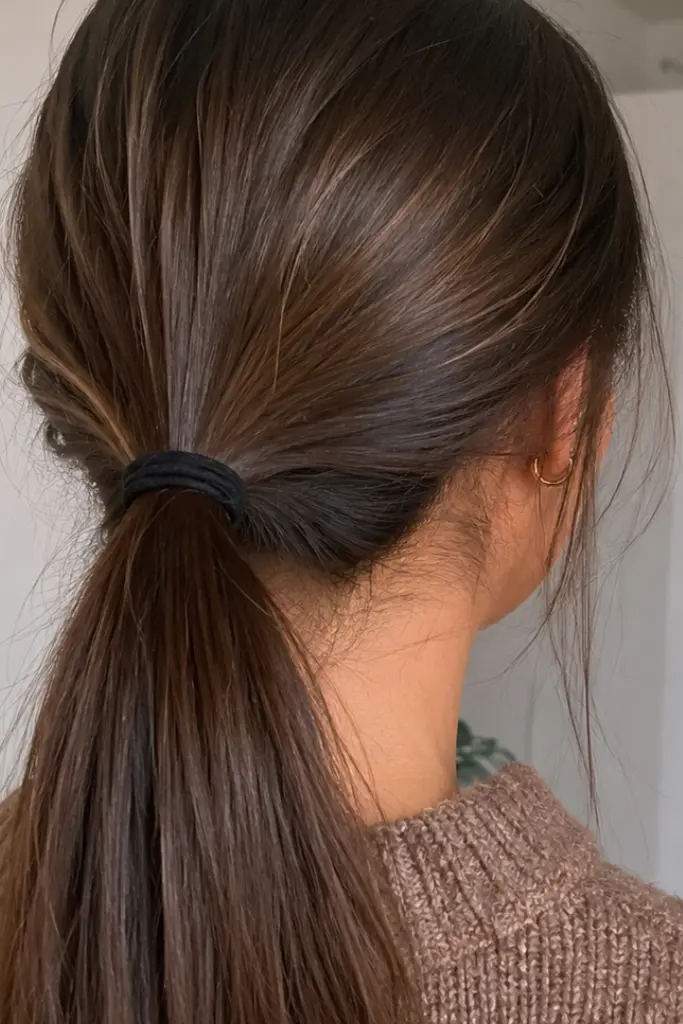
If layered haircuts dramatically change how your hair looks and feels, thick hair is likely the reason. Thick strands create bulk that can appear heavy without proper shaping. Layers remove excess weight while improving movement and texture. Many women notice their hair becomes easier to brush, style, and dry after adding strategic layers.
Long layers, butterfly cuts, and textured shags are especially flattering for thick hair because they preserve volume while reducing heaviness. Styling creams with lightweight hydration help maintain softness without flattening the roots. Regular salon maintenance keeps layers balanced and prevents thick ends from appearing triangular. Pinterest haircut inspiration often highlights feathered layers for thick hair because they create a soft, airy appearance.
12. Your Hair Looks Full in Photos
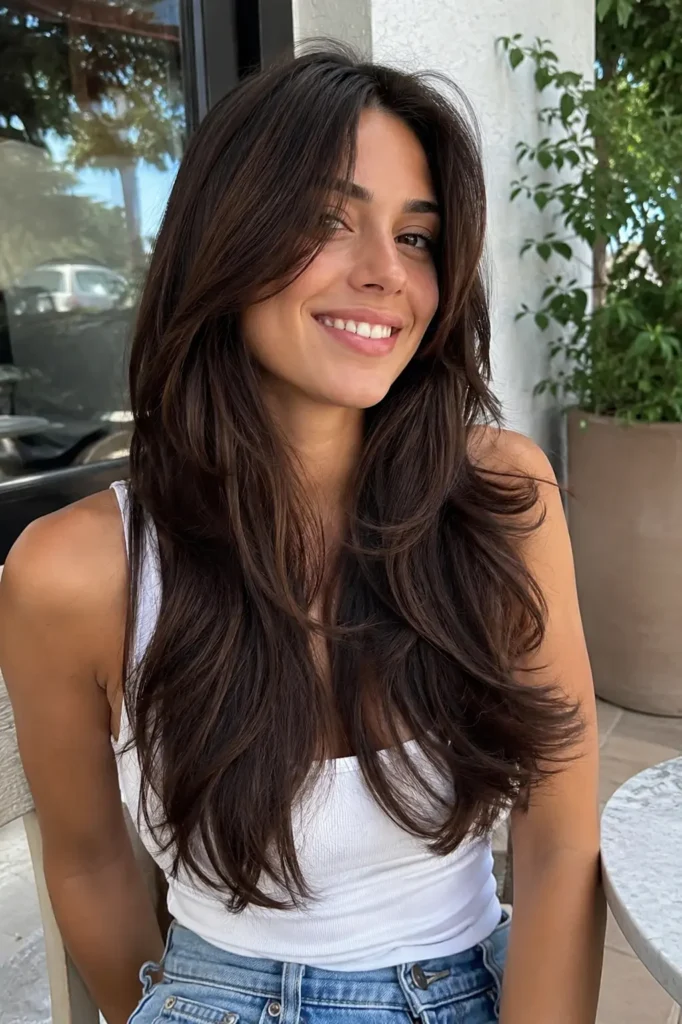
Thick hair naturally photographs with more dimension and body, making hairstyles appear fuller from every angle. Even casual selfies often reveal noticeable texture and volume around the crown and sides. Women with thick hair usually need less teasing or volumizing spray before taking pictures. Dense strands reflect light differently, giving hairstyles richer shape and depth in both indoor and outdoor settings.
To make thick hair look even healthier in photos, use shine serum sparingly and smooth flyaways with lightweight finishing spray. Avoid overusing oils because they can reduce natural bounce and make hair appear greasy. Haircare influencers on Pinterest often recommend loose waves and soft curtain bangs to highlight thick hair beautifully while maintaining movement and realistic texture.
13. Wind Barely Moves Your Hair
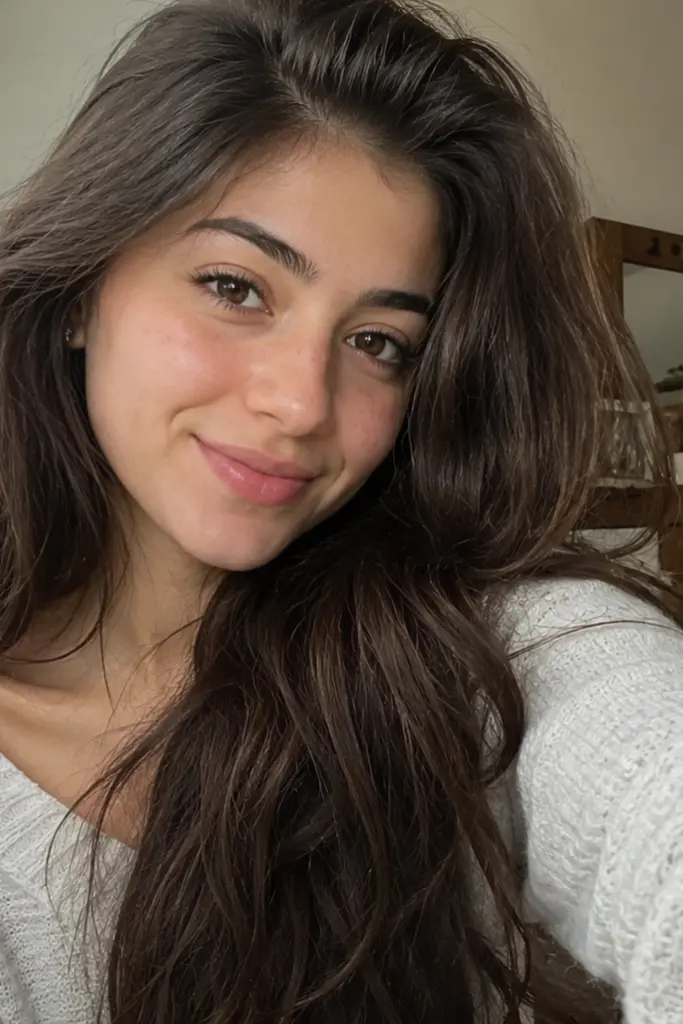
When windy weather barely affects your hairstyle, thick hair may be the reason. Dense strands create more structure and weight, making hair less likely to shift dramatically outdoors. Thick hair often maintains curls, waves, and blowouts longer because the volume provides natural support. This texture can also help hairstyles hold shape without requiring excessive hairspray or styling products.
To maintain flexibility and softness, use lightweight leave in conditioner and avoid stiff styling gels. Thick hair benefits from regular detangling with wide tooth combs because dense strands can knot easily. Hair masks with argan oil or coconut oil provide hydration while improving manageability. Pinterest hairstyle boards frequently feature layered beach waves for thick hair because they balance movement and fullness beautifully.
14. You Have Natural Texture
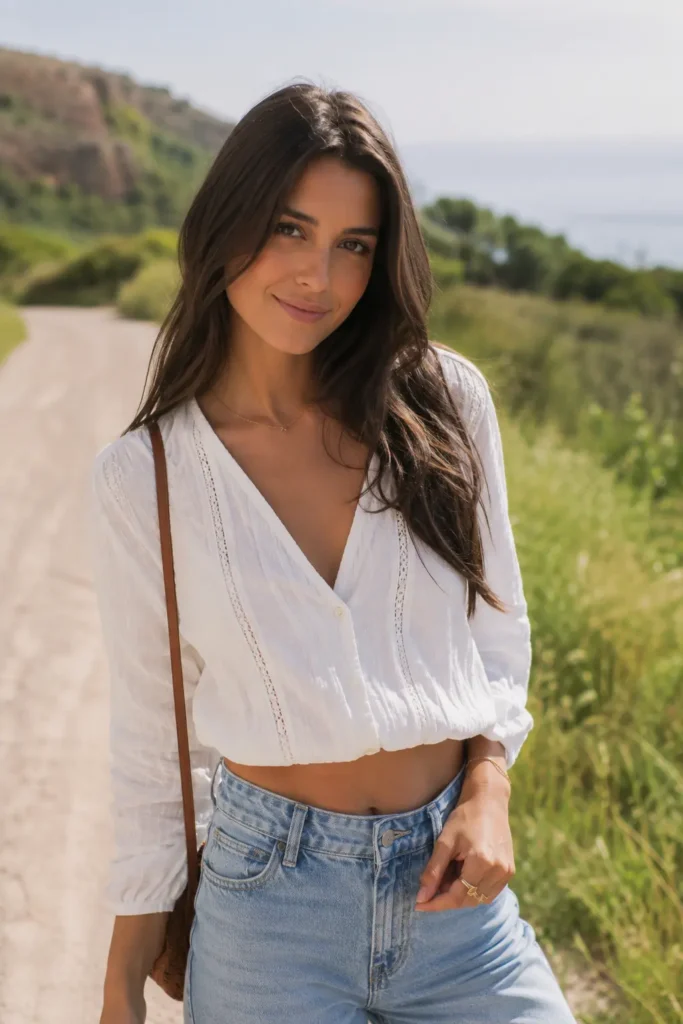
Many women with thick hair notice stronger natural waves, curls, or texture compared to thinner hair types. Dense strands often hold patterns more effectively, creating visible movement without styling tools. Thick textured hair can appear especially voluminous after air drying, making hairstyles look effortlessly full. This natural body is one reason textured thick hair remains popular across Pinterest beauty trends and haircut inspiration boards.
Curly creams, diffusers, and sulfate free shampoos help enhance natural texture while reducing frizz and dryness. Avoid brushing thick curls aggressively because it may disrupt curl patterns and create puffiness. Satin pillowcases and microfiber towels also protect textured strands from breakage. Haircare experts frequently recommend layered cuts for thick curly hair because they define texture while controlling excessive bulk.
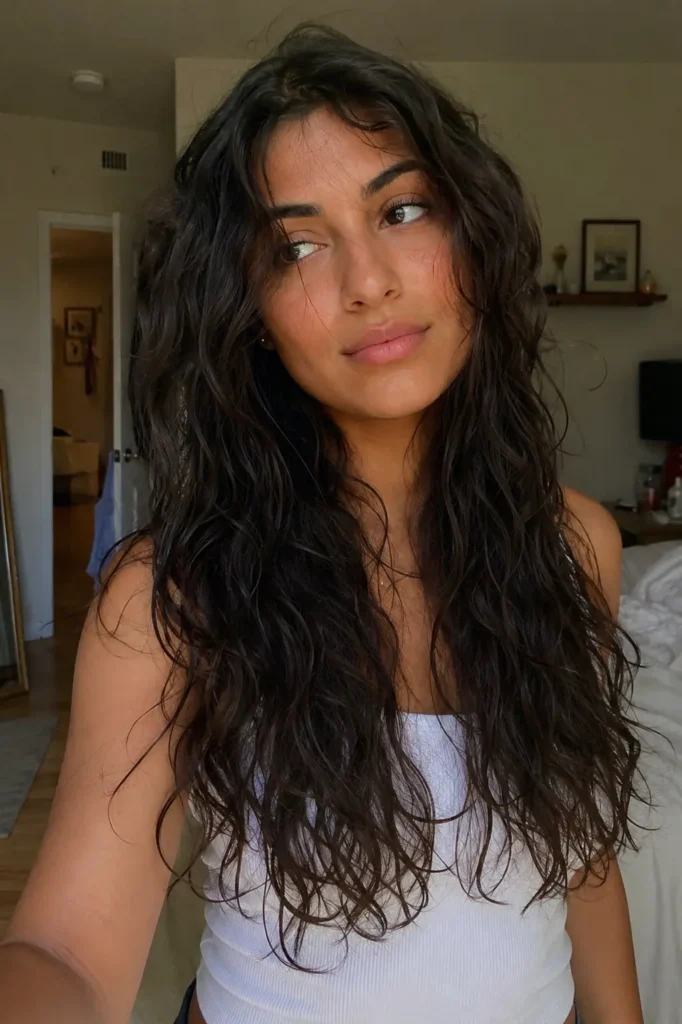
15. Styling Takes Longer
Women with thick hair usually spend more time blow drying, straightening, or curling because there are more strands to style. Dense hair often requires sectioning into smaller layers to ensure even heat distribution. Thick hair can also resist certain styles if not properly prepared with heat protectant and styling products. This extra effort is one of the clearest signs of naturally thick hair.
Using professional quality styling tools with adjustable heat settings can make thick hair routines faster and safer. Ceramic straighteners and ionic dryers help reduce frizz while preserving shine. Heat protectant spray is essential to prevent dryness and split ends from repeated styling. Pinterest beauty creators often recommend overnight heatless curls for thick hair because they save time while maintaining volume and softness.
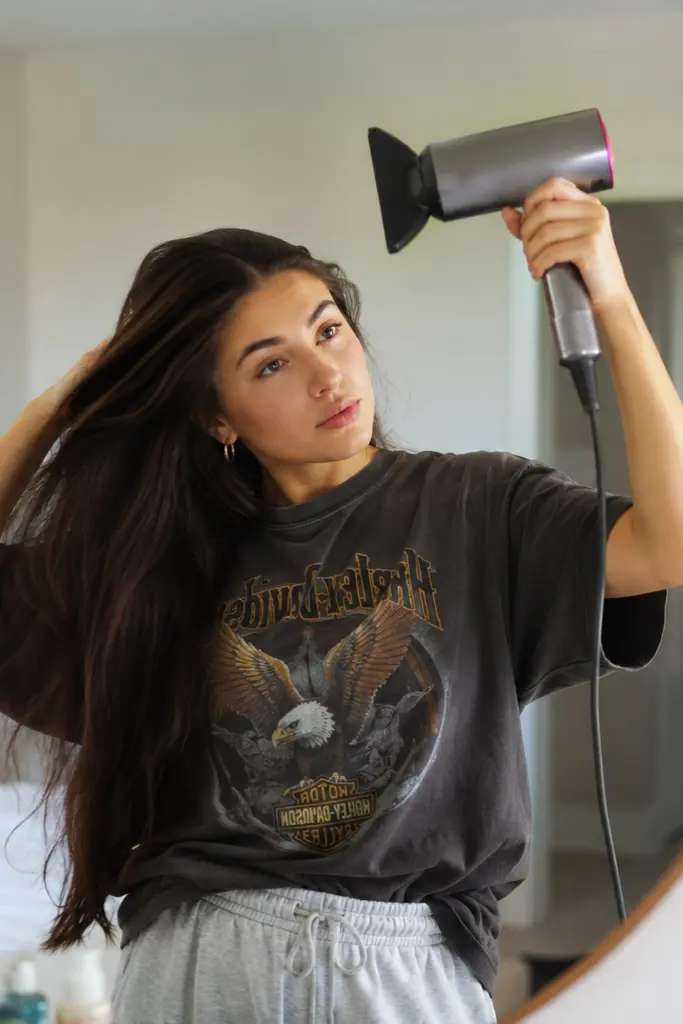
16. Thick Hair Feels Dense at the Roots
If your roots feel extremely full when you run your fingers through your scalp, your hair density is likely high. Thick hair creates a crowded feeling near the roots because more strands grow from each section of scalp. This density gives natural lift but can also make hair feel heavier during humid weather or after applying too many products.
Lightweight scalp serums and clarifying shampoos can keep dense roots refreshed without stripping moisture. Avoid layering heavy creams near the scalp because they may flatten natural volume. Haircare professionals often suggest root focused blow drying techniques to improve airflow and reduce heaviness. Pinterest hair trends regularly feature airy layered cuts that soften thick roots while preserving fullness and movement.
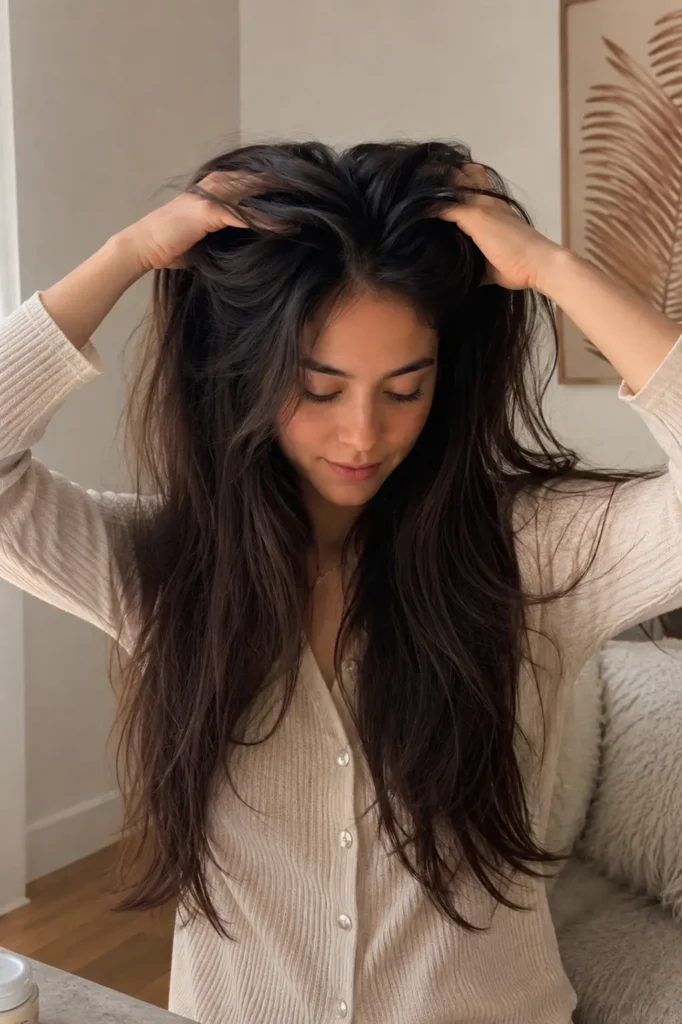
17. Your Bun Looks Oversized
A simple bun appearing unusually large is another common sign of thick hair. Dense strands naturally create fuller updos without needing extensions or padding accessories. Women with thick hair often struggle fitting all their hair into small buns or clips. Messy buns, braided buns, and claw clip twists usually appear more dramatic and textured on thick hair types.
To avoid tension headaches, use larger hair accessories and avoid twisting thick hair too tightly. Satin scrunchies reduce breakage while helping oversized buns stay secure throughout the day. Layered cuts can also make updos feel lighter and more manageable. Pinterest hairstyle inspiration frequently showcases oversized messy buns because they highlight thick hair volume in a relaxed, effortless way.
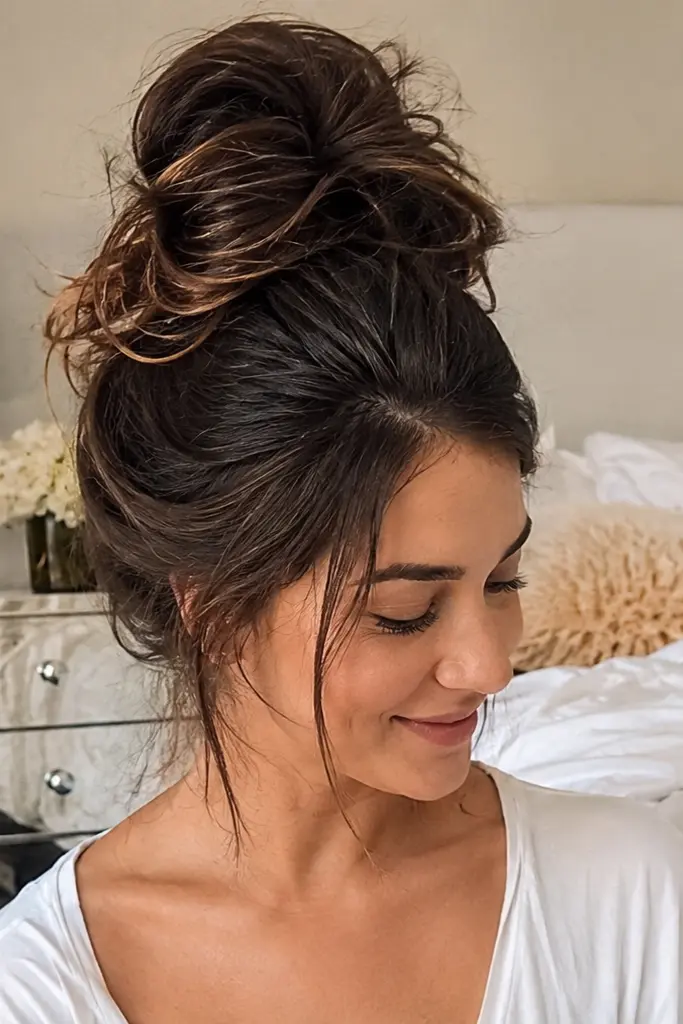
18. Frizz Appears in Humidity
Thick hair often reacts strongly to humidity because dense strands absorb moisture from the air. Women with thick wavy or curly hair commonly notice expansion, puffiness, and flyaways during rainy weather. This texture can make hairstyles appear larger and less defined throughout the day. Thick hair also tends to trap moisture longer, increasing frizz in humid environments.
Anti humidity sprays, silk pillowcases, and hydrating leave in conditioners can help control frizz while maintaining softness. Avoid over washing thick hair because it may remove natural oils and worsen dryness. Haircare experts recommend deep conditioning weekly to improve smoothness and manageability. Pinterest beauty routines frequently highlight sleek braids and low buns as practical hairstyles for humid weather and thick hair textures.
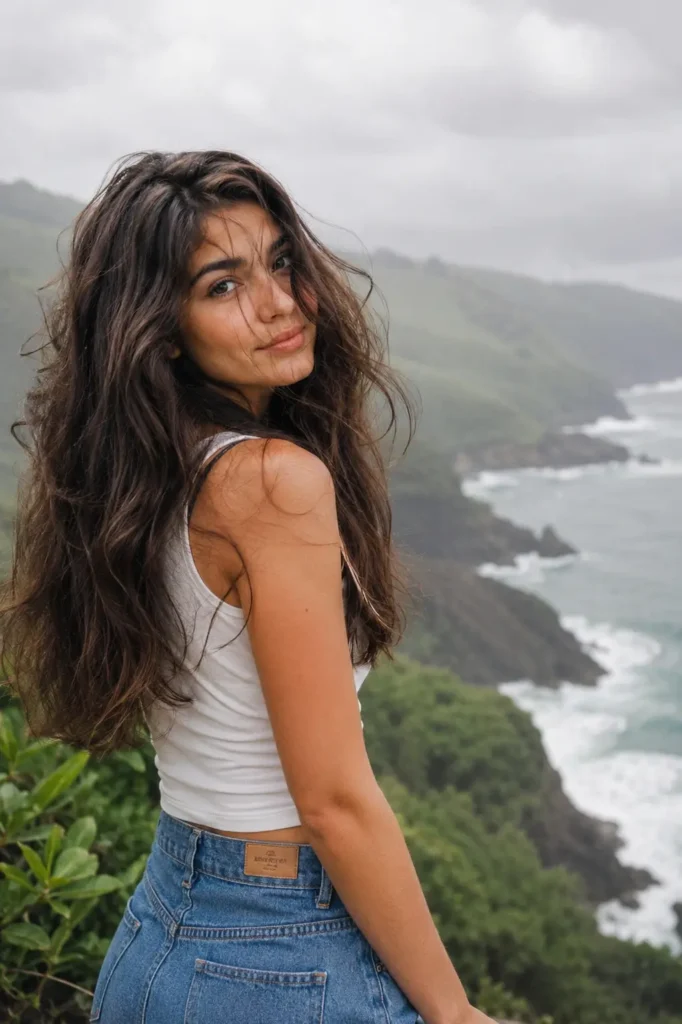
19. Your Hair Feels Strong
Thick hair often feels stronger and more resilient because there are more strands supporting overall volume. Dense hair can tolerate certain hairstyles better than fine hair, although proper care is still essential. Women with thick hair usually notice less visible scalp exposure and greater fullness around the crown. This natural strength contributes to healthier looking hairstyles and fuller ponytails.
Maintaining strong thick hair requires balanced hydration, protein treatments, and regular trims to prevent split ends. Keratin masks and nourishing oils like argan oil can improve shine while protecting the cuticle. Avoid excessive heat styling that may weaken strands over time. Pinterest haircare inspiration commonly focuses on glossy healthy thick hair because it photographs beautifully and enhances natural texture.
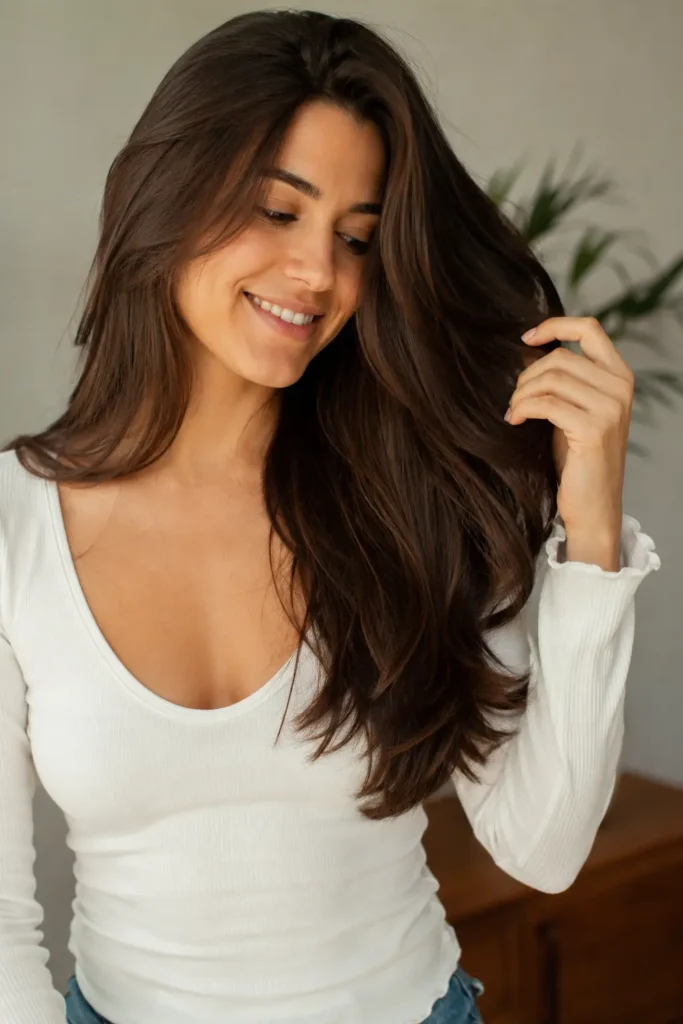
20. You Rarely Need Extensions
Women with naturally thick hair usually do not require extensions to create fuller hairstyles because their density already provides volume. Ponytails, curls, and braids often appear dramatic without additional hair pieces. Thick hair naturally supports trendy Pinterest hairstyles including Hollywood waves, braided crowns, and layered blowouts while maintaining body and texture.
To keep thick hair healthy and manageable, focus on hydration and gentle detangling rather than adding unnecessary products. Wide tooth combs and moisturizing masks help reduce breakage and preserve softness. Hair professionals frequently recommend lightweight layering techniques for women with naturally dense hair. Pinterest beauty trends continue celebrating authentic thick hair textures with minimal styling and effortless movement.
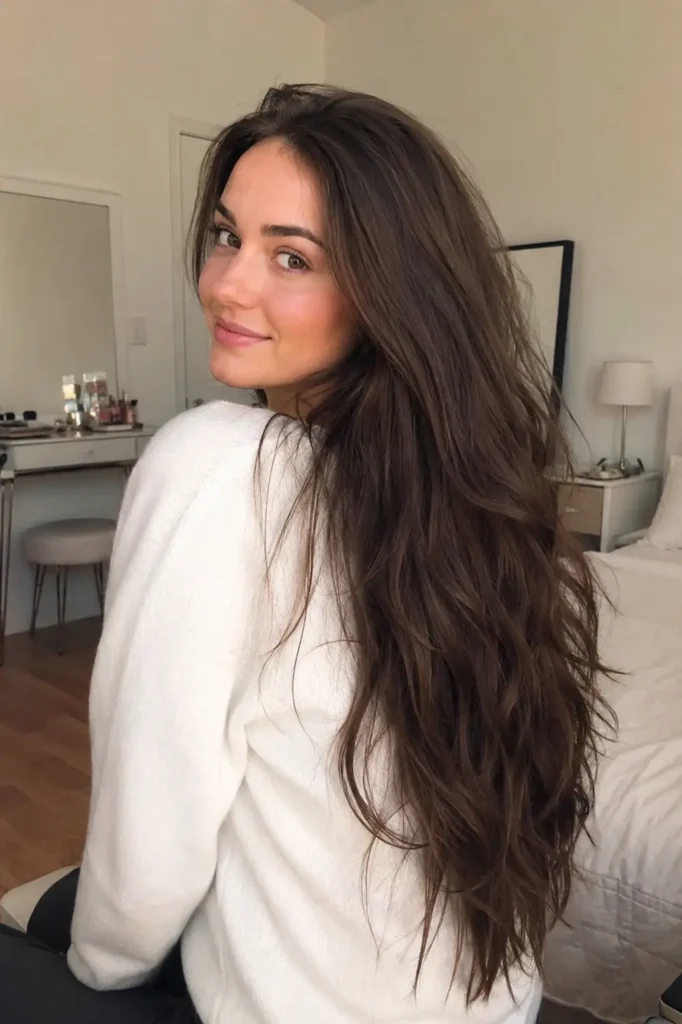
21. Thick Hair Creates Big Waves
If your curls or waves appear especially large and voluminous, thick hair could be the reason. Dense strands hold texture more dramatically, creating fuller movement throughout the hair. Thick wavy hair often appears naturally beachy even without salt sprays or curling tools. This texture photographs beautifully and remains highly popular across Pinterest hairstyle boards.
To define waves without creating stiffness, use lightweight curl cream and diffuse hair on low heat settings. Avoid brushing dry waves because it can increase frizz and disrupt natural patterns. Hydrating masks with shea butter or coconut oil improve softness while preserving bounce. Haircare experts frequently suggest layered cuts to help thick waves maintain shape without becoming too bulky.
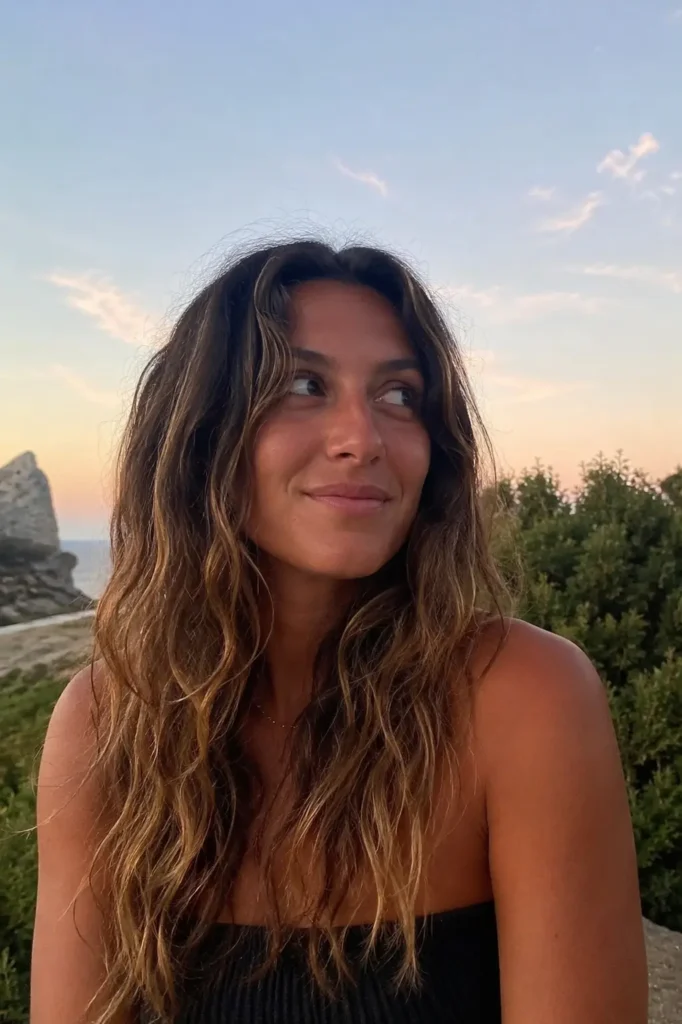
22. You Feel Bulk Around the Neck
Women with thick hair often notice extra bulk and warmth around the neck, especially with longer hairstyles. Dense strands collect near the shoulders and can feel heavy during summer weather. Thick straight hair and textured curls both create noticeable fullness around the lower sections of the hair. This added volume is one of the most recognizable signs of thick hair density.
Long layers and thinning techniques can reduce bulk while maintaining healthy fullness and movement. Lightweight leave in sprays help soften thick ends without creating buildup. Haircare specialists also recommend breathable updos during warm seasons for greater comfort. Pinterest hairstyle inspiration commonly features layered shoulder length cuts because they balance thickness while framing the face beautifully.
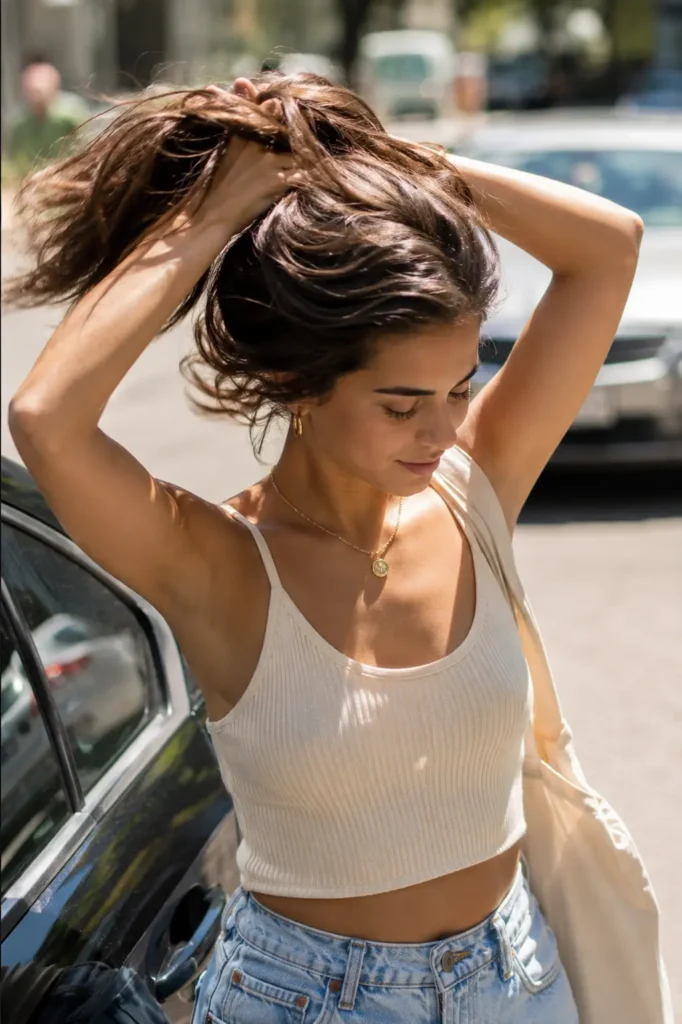
23. People Constantly Compliment Your Hair
Frequent compliments about your hair volume, fullness, or texture are often signs that your hair is naturally thick. Thick hair tends to stand out because it appears healthy, vibrant, and visually striking in everyday settings. Friends may ask about your hair routine or assume you use extensions because of the noticeable density and movement your hair naturally has.
To maintain beautiful thick hair long term, prioritize scalp care, hydration, and regular trims that prevent split ends and heaviness. Lightweight oils, silk pillowcases, and heat protection products help preserve shine and softness. Pinterest beauty communities consistently celebrate thick healthy hair because it supports countless trendy hairstyles while maintaining natural body and texture.

Conclusion
Understanding whether your hair is thick is not just about appearance—it’s about how your strands behave in daily life, from drying time and styling effort to natural volume and density at the roots. If you relate to several of these signs, you likely have naturally thick hair, which is highly versatile and trend-friendly. On Pinterest, thick hair is often celebrated for its volume, texture, and ability to hold braids, waves, and layered styles effortlessly without much enhancement.
The key next step is learning how to manage and enhance it correctly. Focus on lightweight hydration, regular trims, and layered cuts that reduce bulk while keeping movement natural. Avoid heavy buildup products and prioritize scalp care for long-term health. With the right routine, thick hair becomes easier to style and more defined, helping you achieve effortless, aesthetic looks that perform well in both real life and Pinterest-inspired beauty trends.