Gentleman haircuts are timeless, sharp, and effortlessly confident, blending classic barbering with modern polish. These 30 gentleman haircuts cover everything from the classic side part to textured crops and bold pompadours, giving every man a refined style that suits his face, hair type, and lifestyle.
1. Classic Side Part
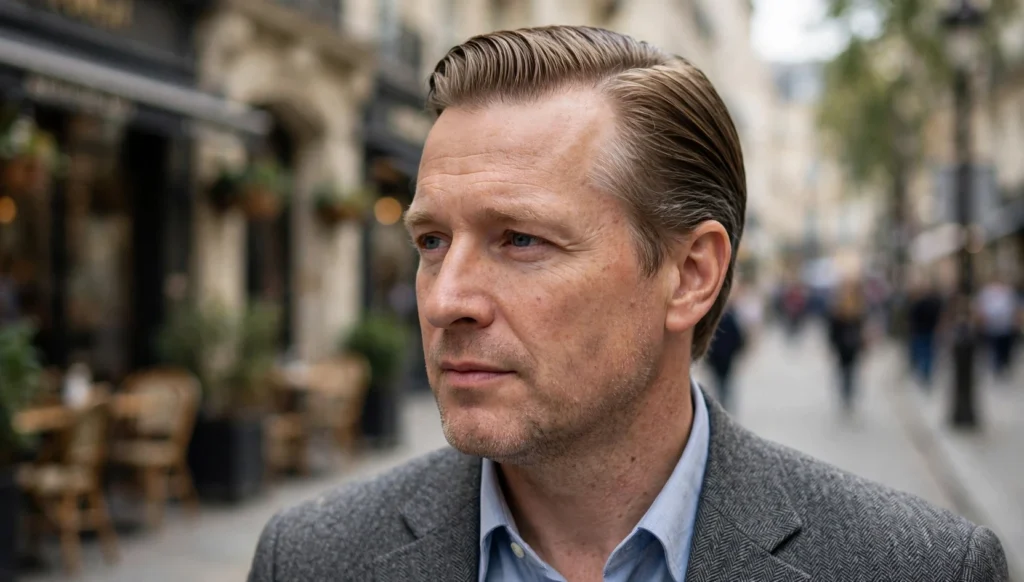
The classic side part is the definitive gentleman haircut, defined by a clean part line, neatly combed top hair, and short tapered sides that keep the whole silhouette tidy and refined. The top is left long enough to sweep smoothly to one side, usually two to three inches, with a subtle natural shine that reads polished rather than stiff. The sides blend gradually into the skin or taper close at the edges, giving the cut a crisp outline without any harsh contrast. Its finish is smooth, controlled, and quietly confident, the kind of haircut that looks equally at home in a boardroom, at a wedding, or on a relaxed weekend lunch. Nothing about it shouts for attention, yet it instantly signals care, taste, and attention to detail. The part itself can be placed high for a sharper, more dramatic sweep or lower for a softer, more conservative look, and a good barber will position it to suit your natural growth pattern and crown. It also photographs beautifully, which is why it remains the default choice for grooms, graduates, and professionals who want to look their best without experimenting.
Men with straight to slightly wavy hair and medium density get the best results from a side part, and it flatters oval, square, and rectangular face shapes by adding neat structure without extra width. To style it, work a small amount of medium-hold pomade or cream through damp hair, create the part with a comb, and sweep the top into place, finishing with a light blow-dry for staying power. A barber visit every three to four weeks keeps the taper sharp and the part line clean, while grow-out stays graceful because the top simply gains a little extra sweep. Choose this cut when you want a timeless, low-risk style that never dates, always looks intentional, and pairs beautifully with both tailored suits and smart casual outfits. For evening occasions, a touch of extra pomade and a final comb-through gives the side part a sleeker, more formal finish, while a matte cream keeps it relaxed for daytime. Ask your barber to thin the top slightly if your hair is very thick, so the sweep lies flat instead of puffing up, and always comb from the part outward for the cleanest result.
2. Ivy League Cut
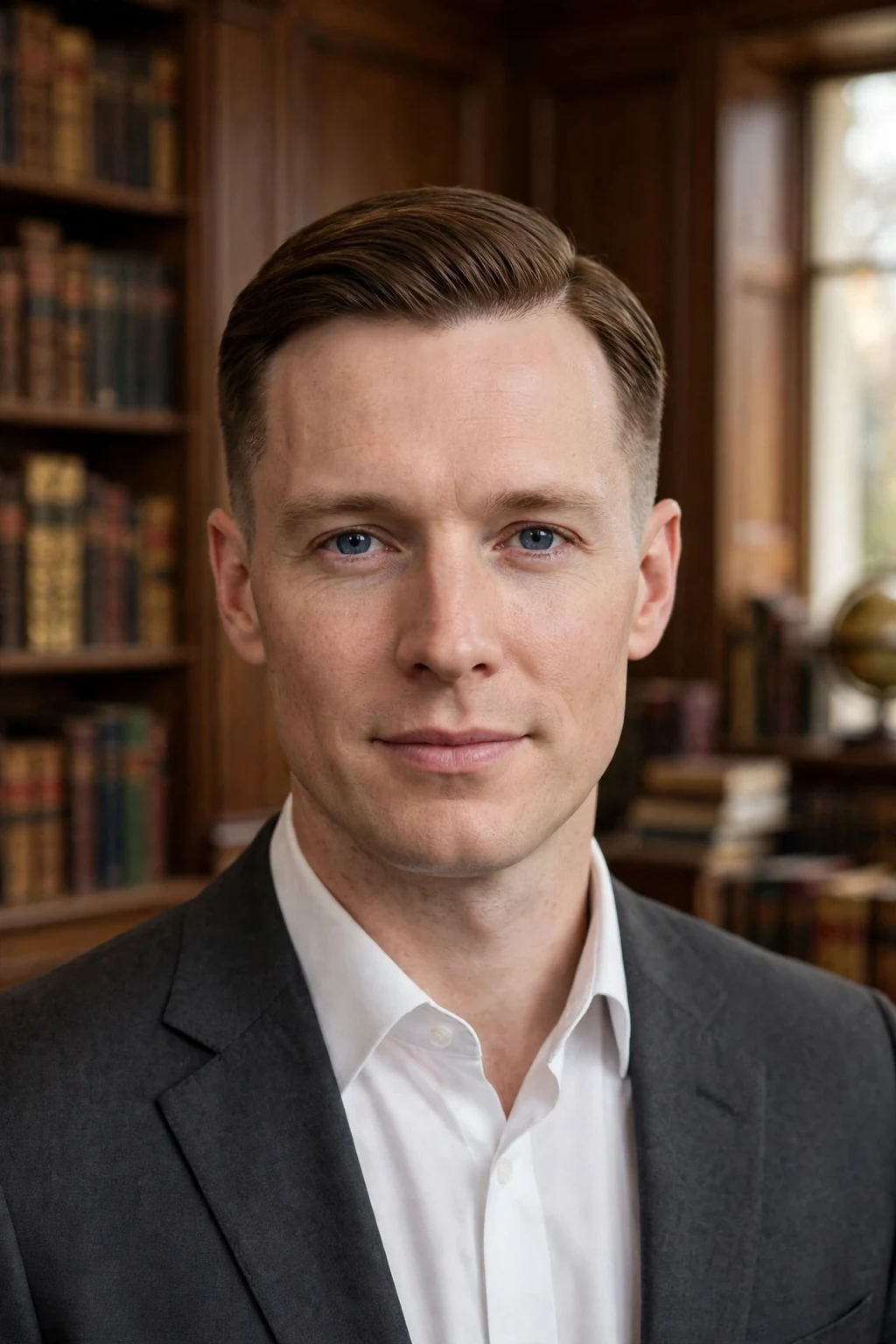
The Ivy League cut is a short, smart gentleman haircut with tapered sides and just enough length on top to sweep neatly to the side or brush slightly forward. It is essentially a longer crew cut, refined for grown-up life, with a top of about one to two inches that gives it versatility without any fuss. The silhouette is clean and close at the back and sides, while the top retains enough texture to look soft and natural rather than military. Its finish is tidy, approachable, and quietly preppy, a haircut that suggests good manners and an easy confidence rather than hours spent in front of a mirror. The cut also adapts well to different settings because the top can be worn slightly tousled on weekends and neatly combed for work, without changing the underlying shape. Its short length means it dries quickly after a shower and never falls into the eyes, which makes it a practical favourite for busy mornings and active lifestyles alike.
This cut suits men of all ages, particularly those in their twenties and thirties, and works best on straight or wavy hair with average to thick density. It flatters round, oval, and square faces by keeping the sides tight and adding a touch of height on top. Styling takes minutes: apply a dab of matte paste or light cream to damp hair, comb or finger-style the top to the side, and let it air-dry or give it a quick blow-dry. Trims every three to four weeks maintain the taper, and grow-out simply turns it into a slightly longer side-swept style. Choose the Ivy League when you want a polished everyday cut that is effortless, professional, and always appropriate. A light styling cream is usually all you need, though men with cowlicks may prefer a stronger paste to keep the sweep in place. Because the cut is so forgiving, it also works as a safe first step for men moving away from longer hair toward a shorter, smarter style.

3. Slicked Back Undercut
The slicked back undercut pairs a dramatic contrast with old-school polish: the sides and back are clipped short or faded tight, while the top is left long, usually three to five inches, and combed straight back. The result is a bold, sculpted silhouette with a glossy, controlled finish that catches the light and draws the eye upward. It feels both vintage and modern, echoing the screen idols of the past while fitting perfectly into today's barbershop culture. The sharp disconnect between the long top and the short sides gives it attitude, but the smooth, swept-back finish keeps it firmly in gentleman territory rather than rebellious excess. The shine level is entirely up to you: a high-shine pomade gives a vintage, red-carpet gleam, while a matte paste creates a more contemporary, understated version of the same shape. The undercut also makes the top look thicker, since the contrast draws the eye upward and gives the longer hair a sense of weight and presence.
This style works best on straight or slightly wavy hair with medium to thick density, and it suits oval, square, and oblong faces that can carry the height and length on top. To style it, apply a strong-hold pomade to damp hair, comb the top straight back, and blow-dry backwards for volume that lasts all day. A touch of extra pomade smooths any flyaways and adds shine. Visit the barber every two to three weeks to keep the undercut crisp, since grow-out quickly softens the contrast. Choose this cut when you want a statement style with real polish, one that works brilliantly with tailored clothing, evening wear, and a confident stride. Be prepared for regular upkeep, because the undercut grows out visibly within a few weeks and the sleek top needs daily combing to stay smooth. A wide-tooth comb is useful for the initial sweep, followed by a fine comb for the final polish, and a small amount of product reapplied midday revives the hold.
4. Textured Gentleman's Crop
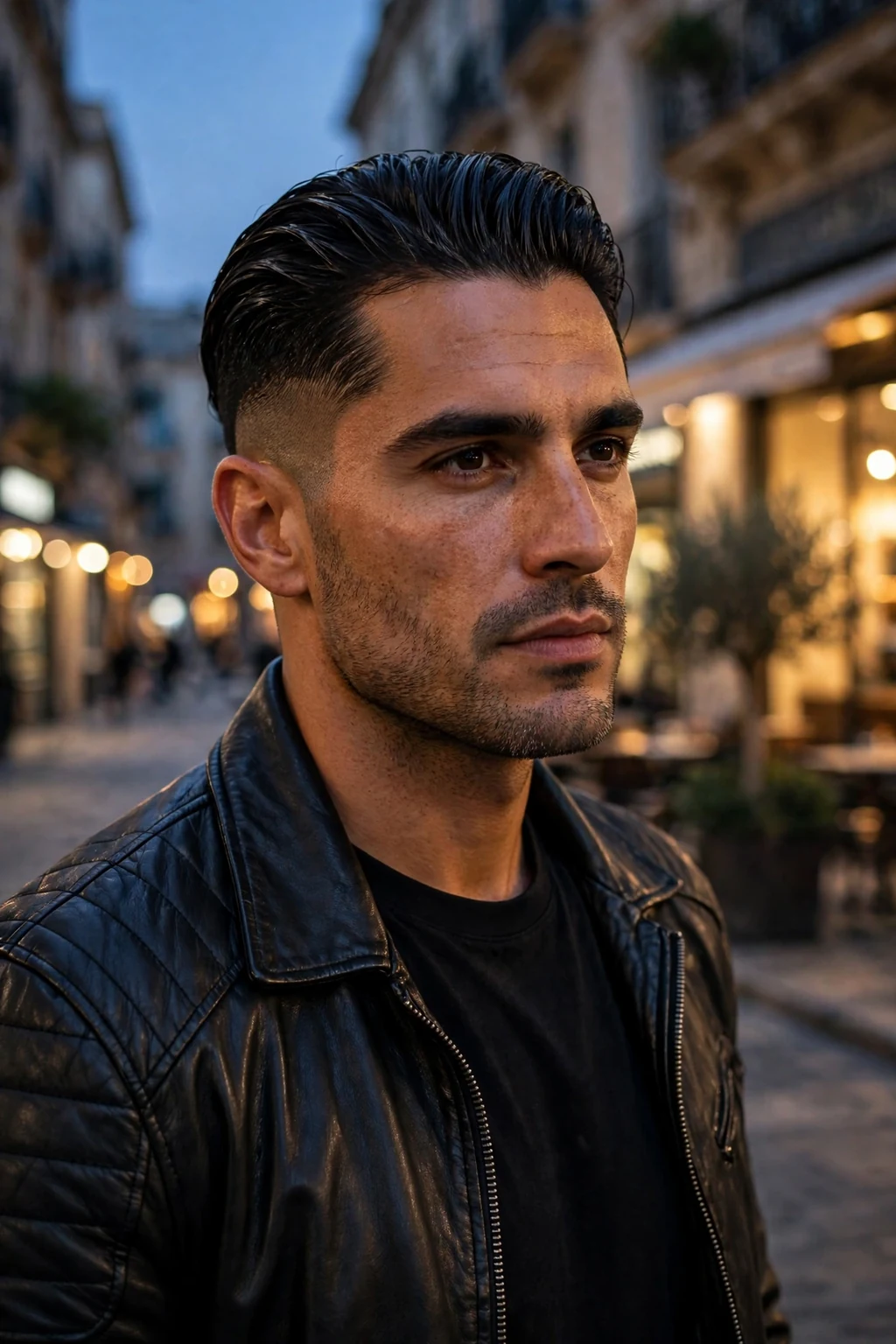
The textured gentleman's crop is a modern, low-maintenance take on classic short hair, with a short fringe, choppy layers on top, and faded or tapered sides. Its appearance is relaxed yet deliberately styled, with visible texture and separation that gives the hair movement and personality without looking messy. The top is usually one to two inches long, cut with point-cutting techniques that create a natural, piecey finish, while the fringe sits softly across the forehead. It is the haircut for a man who wants to look current and well-groomed but has no interest in spending twenty minutes styling his hair each morning. The crop also works well with a short, well-groomed beard, since the textured top and faded sides create a balanced frame for facial hair without competing with it. Its short fringe can be worn straight across or slightly swept to one side, giving you a little flexibility even within such a short, simple cut.
This crop suits straight, wavy, and even slightly curly hair, and it flatters most face shapes, especially oval and square, by keeping the sides neat and the top interesting. Men with thinner hair benefit too, since the texture creates an illusion of fullness. To style it, rub a small amount of matte clay or texturising paste between your palms, work it through dry or damp hair, and pinch sections forward for definition. No comb is needed, and air-drying works perfectly. Trims every three to four weeks keep the fringe and fade fresh, and grow-out turns it into a longer textured style rather than a mess. Choose this crop for effortless modern style with genuine gentleman polish. For extra definition, a pinch of texturising powder at the roots adds grip and volume without any shine, which is ideal for men who dislike the feel of heavy products. The crop also survives hats, helmets, and windy weather better than longer styles, since there is simply less hair to be disturbed.

5. Classic Pompadour
The classic pompadour is the gentleman haircut with real presence, featuring a high, swept-up front that rolls back over the crown, paired with neat tapered sides. The top is left long, typically three to five inches at the front, and styled upward and back to create impressive height and a smooth, rounded silhouette. Its finish is polished and glossy, with a sculpted shape that holds all day and photographs beautifully. This is a haircut with history, from mid-century icons to modern red carpets, and it still carries an unmistakable air of swagger, charm, and old-fashioned romance. The pompadour's height can be adjusted to suit the occasion, with a taller, glossier version for evenings and a slightly lower, more relaxed version for everyday wear. It also pairs naturally with vintage-inspired clothing, from tailored suits to leather jackets, because the silhouette itself carries so much character and history. It remains a favourite for special occasions, anniversaries, and evenings when you want to look your absolute best.
The pompadour suits men with thick, straight to wavy hair who can support the volume, and it flatters oval, square, and oblong faces by adding height and elongating the profile. Round faces benefit from the added length on top as well. To style it, apply volumising mousse or pomade to damp hair, blow-dry the front upward and back with a round brush, then smooth the surface with a comb and a little extra pomade. A strong-hold product is essential for all-day lift. Barber visits every three to four weeks keep the sides tidy, and grow-out requires restyling rather than a full cut. Choose the pompadour when you want a bold, romantic classic that turns heads and never goes out of style. A pre-styling spray or volumising mousse applied before blow-drying makes a real difference, giving the hair grip and lift that pomade alone cannot achieve. Finish with a light hairspray on humid days, and carry a pocket comb for quick touch-ups, since the pompadour rewards a little attention throughout the day.
6. Gentleman's Quiff
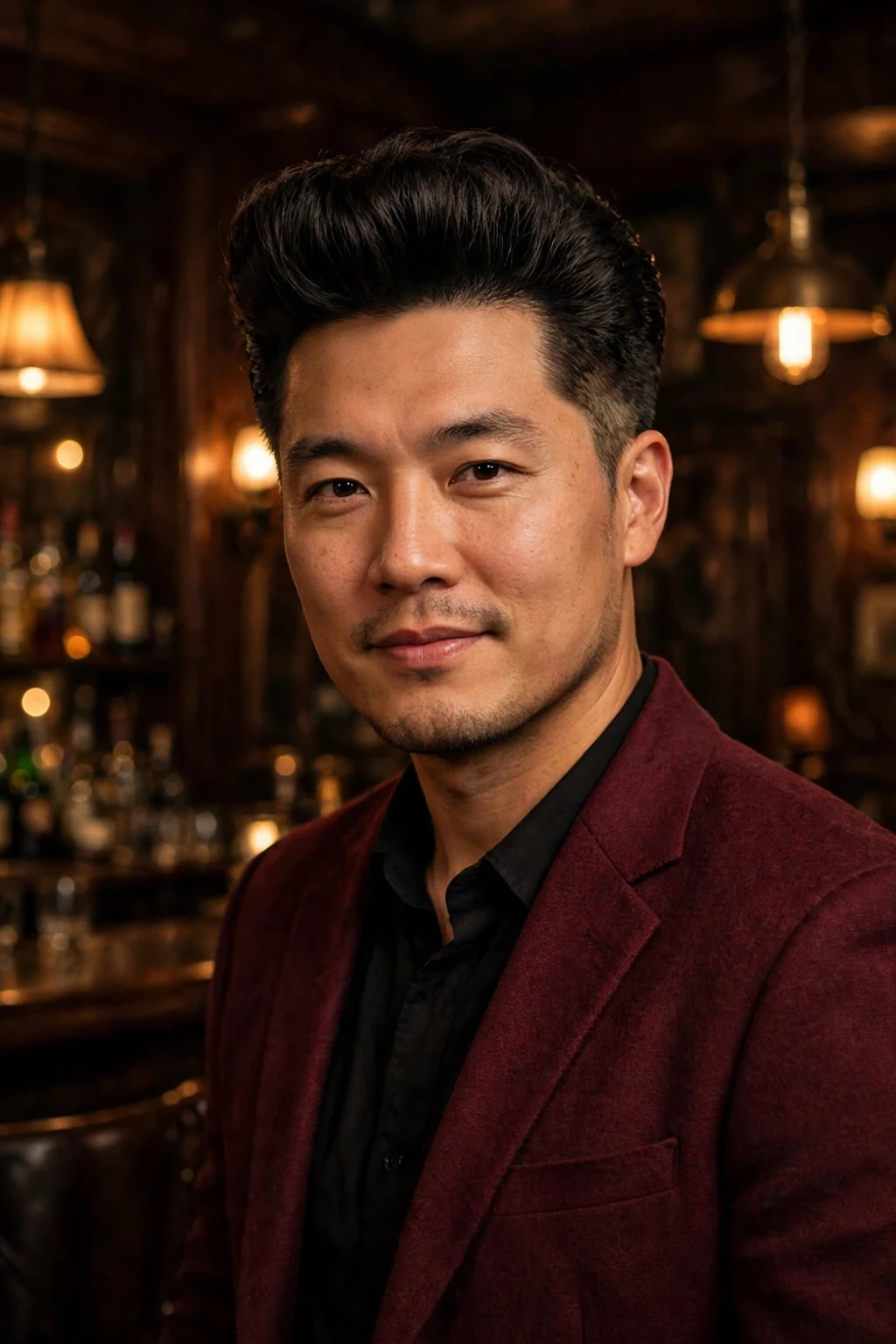
The gentleman's quiff is a softer, more wearable cousin of the pompadour, with the front hair swept up and slightly forward or to the side, creating relaxed height without a rigid sculpted shape. The top is usually two to four inches long, textured rather than slick, while the sides are tapered or faded to keep the silhouette clean. Its finish is natural and touchable, with a gentle lift at the front that opens up the face and adds a youthful, approachable energy. Unlike the formal pompadour, the quiff feels equally comfortable with a suit or a simple t-shirt, making it one of the most versatile gentleman styles around. The quiff's relaxed texture means it never looks overdone, even when it has been carefully styled, which is part of its appeal for men who dislike rigid, helmet-like hair. It also transitions well between seasons, looking fresh with a light jacket in spring and equally smart under a heavy coat in winter.
This cut works well on straight and wavy hair with medium to thick density, and it suits oval, square, and heart-shaped faces particularly well. Men with a shorter forehead should keep the quiff modest to avoid exaggerating proportions. To style it, apply a volumising powder or matte paste to damp hair, blow-dry the front upward with your fingers or a vent brush, and finish by tousling the top for texture. A light-hold product keeps it flexible rather than stiff. Trims every three to four weeks maintain the fade and shape, and grow-out softens into a longer textured fringe. Choose the quiff for relaxed confidence and a style that adapts to every occasion. If your hair tends to fall flat, a volumising powder sprinkled at the roots before styling gives lasting lift without stiffness. Avoid heavy, shiny pomades unless you want a sleeker quiff, since matte products preserve the soft, natural movement that makes this cut so appealing.
7. Side Swept Crew Cut
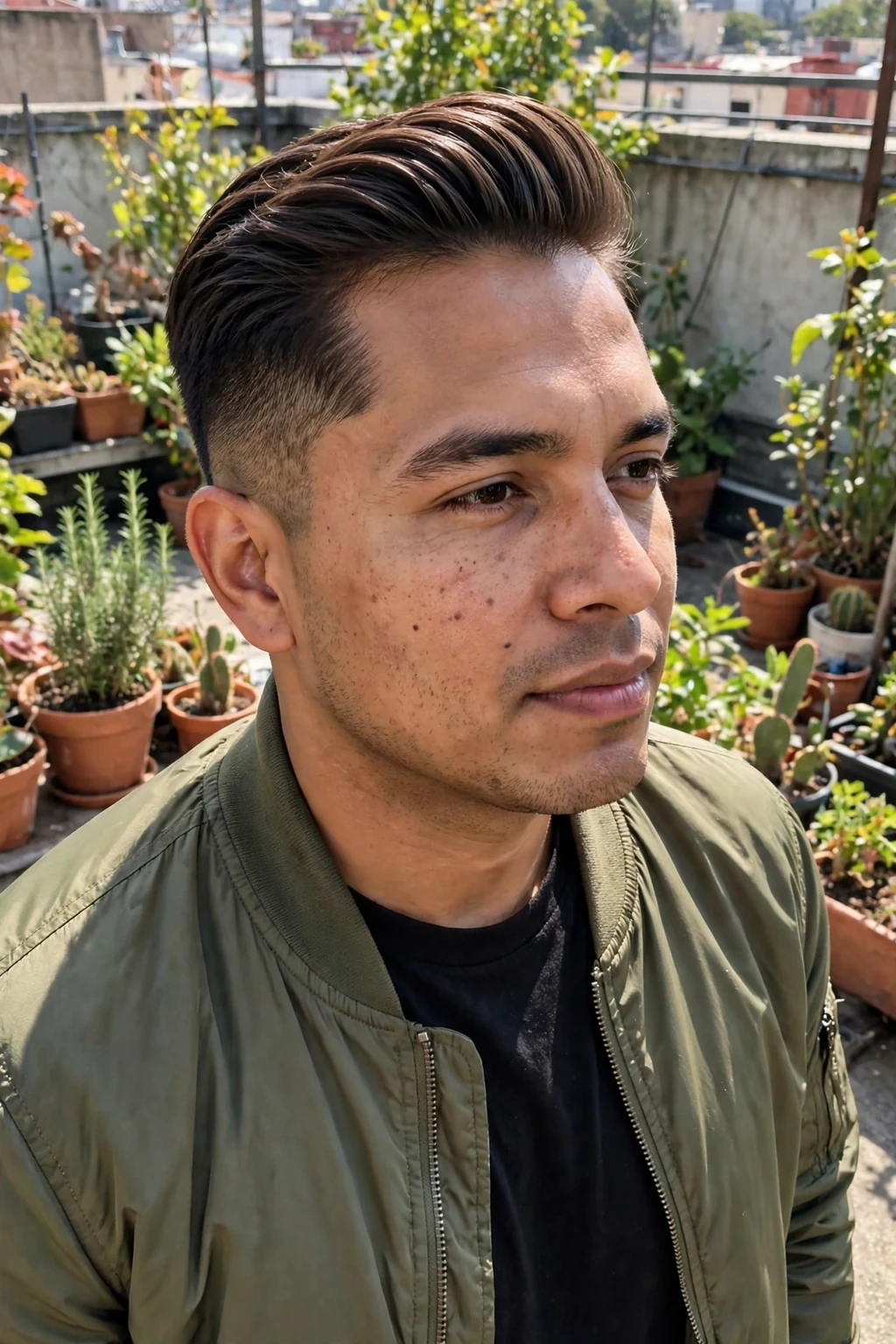
The side swept crew cut is short, sharp, and quietly distinguished, with a top of about one inch that is brushed gently to one side rather than worn flat or spiked. The sides and back are tapered close, giving a clean military-inspired outline, while the slight sweep on top adds a touch of softness and personality. Its finish is neat, matte, and understated, the kind of haircut that looks freshly groomed every single day without any visible effort. It is an excellent choice for men who want a genuinely short cut that still reads as a gentleman style rather than a purely functional buzz. The gentle sweep also helps the crew cut look less severe than a flat buzz, giving it a touch of personality while retaining all the practical benefits of short hair. It is a particularly smart choice for summer, since the short length stays cool and comfortable in heat, and it dries almost instantly after swimming or showering.
This cut suits nearly all hair types, including fine hair, because the short length removes weight and the sweep adds direction and interest. It flatters oval, square, and round faces, and it is particularly kind to receding hairlines, since the short top draws less attention to the hairline. Styling is almost effortless: a tiny amount of matte cream on damp hair, a quick comb to the side, and you are done in under a minute. Trims every two to three weeks keep it crisp, though grow-out is forgiving and simply becomes a short side-swept style. Choose this cut when you want maximum neatness with minimum daily effort and a timeless, masculine finish. Because the cut is so short, even a small amount of product goes a long way, and many men find they can skip styling products entirely on casual days. A weekly check in the mirror for stray hairs at the neckline keeps it looking intentional between barber visits.

8. Hard Part Fade
The hard part fade combines two barbershop signatures: a precisely shaved part line etched into the hair and a fade that melts from skin at the bottom to longer hair on top. The top is usually combed neatly to one side, two to three inches long, with a smooth, glossy finish, while the shaved line gives the part an unmistakable sharpness that a natural part can never match. The fade adds a modern edge, with a clean gradient around the ears and neckline. Together, the effect is crisp, confident, and highly polished, a haircut that looks like it was finished five minutes ago even at the end of a long day. The shaved line itself is a small detail with a large visual impact, creating a crisp focal point that makes the whole haircut look more deliberate and crafted. It also helps the comb-over sit more naturally, since the hair has a clear direction to follow rather than falling wherever it pleases.
This style suits straight and wavy hair best, and it works beautifully on thick hair that holds a comb-over shape. It flatters oval, square, and diamond face shapes, and it is a strong choice for men who like a defined, graphic look. To style it, apply pomade to damp hair, comb the top along the shaved part, and blow-dry for a smooth finish, using a little extra product to keep the line visible. Maintenance is the trade-off: the shaved part needs refreshing every two weeks to stay sharp, and the fade needs regular upkeep. Choose the hard part fade when you want a bold, precise gentleman cut with real barbershop craftsmanship on display. Ask your barber to keep the part line subtle if you work in a conservative office, since a thinner, softer line still reads as sharp without being overly bold. Between visits, a little pomade combed along the part keeps the line visible and prevents the top from collapsing across it.
9. Classic Taper Cut
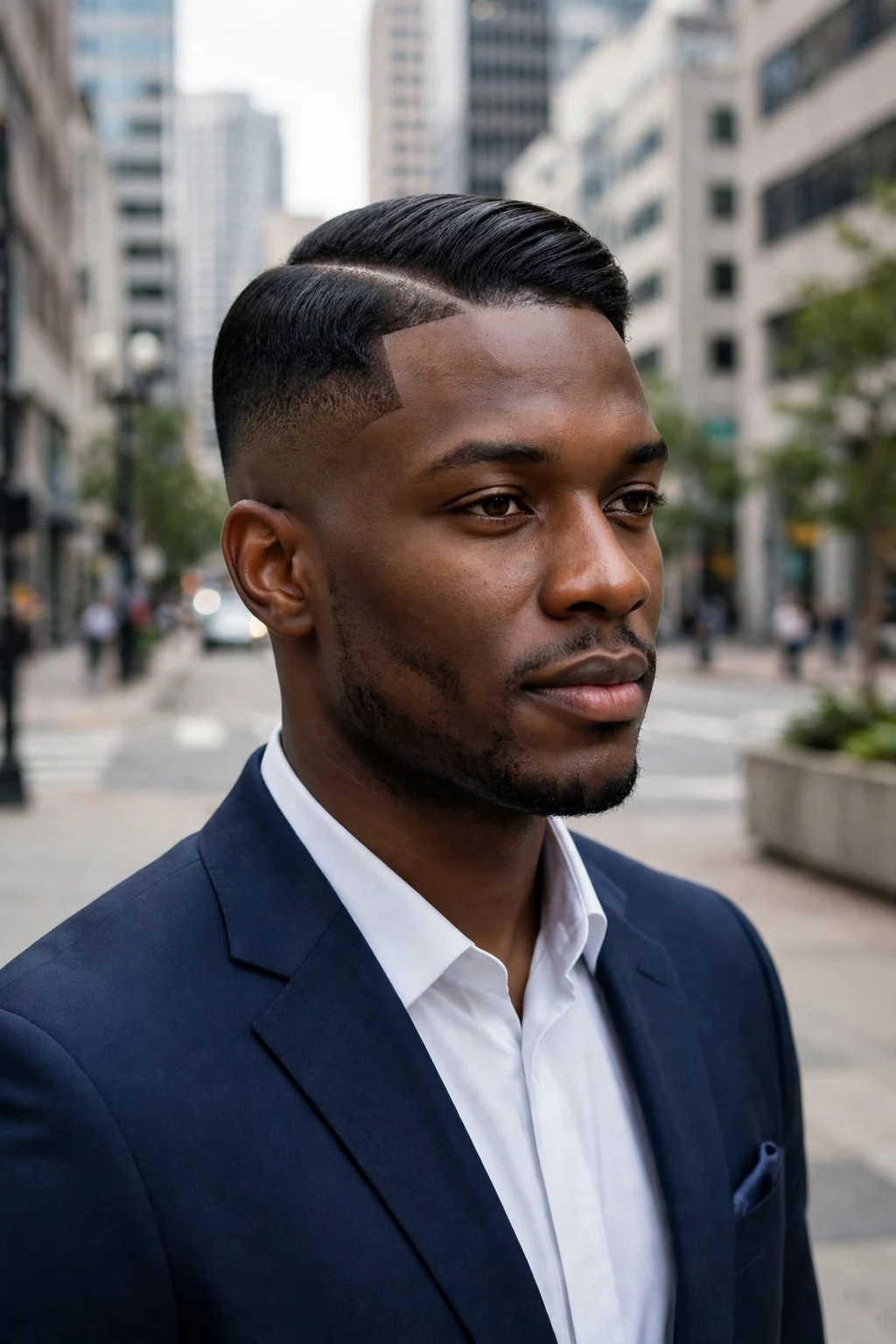
The classic taper cut is the quiet backbone of gentleman grooming, with hair that gradually shortens from the top down the sides and back, never reaching skin but always looking clean and intentional. The top is left at a versatile medium length, often two to three inches, and can be worn swept to the side, brushed back, or parted naturally. Its finish is smooth and natural, with soft edges rather than sharp contrasts, giving it a timeless quality that works in every setting from the office to a formal dinner. It is the haircut your grandfather, your father, and you can all wear, and that continuity is exactly its charm. The taper's gradual blend is also very forgiving on different head shapes, since there are no abrupt changes in length to emphasise bumps or asymmetry. It is a cut that a good barber can tailor endlessly, adjusting the top length, the taper height, and the neckline shape to suit your features and preferences.
This cut is wonderfully versatile, suiting straight, wavy, and curly hair of most densities, and flattering nearly every face shape because the gradual taper adds structure without harsh lines. It is also a forgiving choice for men growing their hair out or transitioning between styles. To style it, use a light cream or pomade on damp hair and comb or brush it into your preferred direction, finishing with a quick blow-dry for polish. Trims every four to five weeks keep the taper neat, and grow-out is graceful, simply becoming a longer, softer version of the same cut. Choose the classic taper when you want a dependable, elegant style that never looks wrong. For a smarter finish, blow-dry the top with a brush and finish with a medium-hold cream, while a matte paste gives a more casual, textured result on weekends. The taper also grows out so gracefully that you can occasionally stretch visits to six weeks without the cut looking neglected.

10. Brushed Back Cut
The brushed back cut is understated sophistication in its purest form, with medium-length top hair swept straight back from the forehead and sides kept neat and tapered. There is no part line and no dramatic height, just a smooth, continuous flow from front to crown that opens up the face and gives a calm, assured presence. Its finish can range from a soft matte texture to a gentle shine depending on the product used, but it always reads as refined and deliberate. It is the haircut of a man who is comfortable in his own skin and has no need for loud styling statements. The brushed back shape also works beautifully as hair begins to grey, since the smooth, swept-back surface shows off silver tones and natural dimension. It gives an air of maturity and calm authority that shorter, trendier cuts sometimes lack, without ever looking old-fashioned. Its calm, uncluttered silhouette suits men who prefer quiet confidence over fashionable detail.
This style works best on straight to wavy hair with medium to thick density, since very fine hair can struggle to hold the brushed-back shape all day. It suits oval, square, and oblong faces, and it pairs particularly well with a strong jawline or a well-groomed beard. To style it, apply a medium-hold cream or pomade to damp hair, brush everything straight back, and blow-dry in the same direction for lasting hold. A light mist of hairspray helps on windy days. Trims every four weeks keep the shape tidy, and grow-out simply adds length to the sweep. Choose the brushed back cut for effortless elegance and a timeless profile. On days when you want less polish, a matte cream brushed back with your fingers gives a softer, more casual version of the same cut. Keep a comb in your pocket for windy days, since the brushed-back shape is easiest to restore with a quick comb-through rather than a full restyle.

11. Gentleman's Comb Over
The gentleman's comb over is a refined modern classic, with a longer top swept across the head from a low side part and sides faded or tapered for contrast. Unlike the outdated comb-over stereotype, this version celebrates full, healthy hair, with a top of two to four inches that lies smoothly and has a natural, healthy shine. The sweep creates a sense of movement and volume, while the tidy sides keep the whole look balanced and masculine. Its finish is polished but not stiff, with just enough texture to avoid looking overly lacquered, making it a favourite for weddings, work, and evenings out alike. The comb over also offers excellent versatility, since the sweep can be worn tighter and glossier for formal events or looser and more textured for everyday life. It is a style that photographs well from every angle, which makes it a popular choice for weddings, portraits, and professional headshots.
This cut suits men with straight or slightly wavy hair and medium to thick density, and it flatters oval, square, and rectangular faces by adding width and structure across the top. Men with thinning hair can also wear a softer version, since the sweep adds coverage. To style it, work pomade or styling cream through damp hair, create a low part, and comb the top across, blow-drying for extra volume and hold. A barber visit every three to four weeks maintains the fade and part. Choose the comb over when you want a classic with modern polish, a style that is handsome, reliable, and endlessly wearable. Men with a natural side part will find this cut especially easy, since the hair already wants to fall in the right direction. A round brush used during blow-drying adds volume at the roots, preventing the sweep from lying too flat against the head.

12. Textured Side Part
The textured side part takes the classic gentleman part and gives it a contemporary, lived-in edge, with choppy layers and a matte finish replacing the old smooth, glossy sweep. The part line remains, giving the cut its structure and gentlemanly backbone, but the top is cut with texture so it falls with natural separation and movement. The sides are tapered or faded, keeping the silhouette tidy while the top stays relaxed and touchable. The result is a haircut that bridges generations beautifully: respectful enough for a formal occasion, relaxed enough for a weekend, and interesting enough to avoid looking like every other side part in the room. The textured version also hides cowlicks and uneven growth patterns better than a smooth side part, since the choppy layers break up the hair's natural direction. It is a forgiving cut for men whose hair does not naturally lie flat, turning potential styling problems into visible texture.
This style suits straight and wavy hair with medium density, and it flatters oval, square, and heart-shaped faces by combining structure with softness. It is also a good option for men with fine hair, since the texture creates visible fullness. To style it, apply matte clay or paste to damp hair, define the part with your fingers or a comb, and tousle the top for separation, finishing with a quick blow-dry or air-dry. Trims every three to four weeks keep the texture fresh, and grow-out becomes a longer textured style. Choose the textured side part when you love the classic part but want a modern, relaxed finish. Experiment with the amount of product: less paste gives a softer, more natural finish, while a little extra creates stronger separation and a more deliberately styled look. The textured side part also pairs well with stubble or a short beard, balancing structure on top with texture below.
13. Short Back and Sides
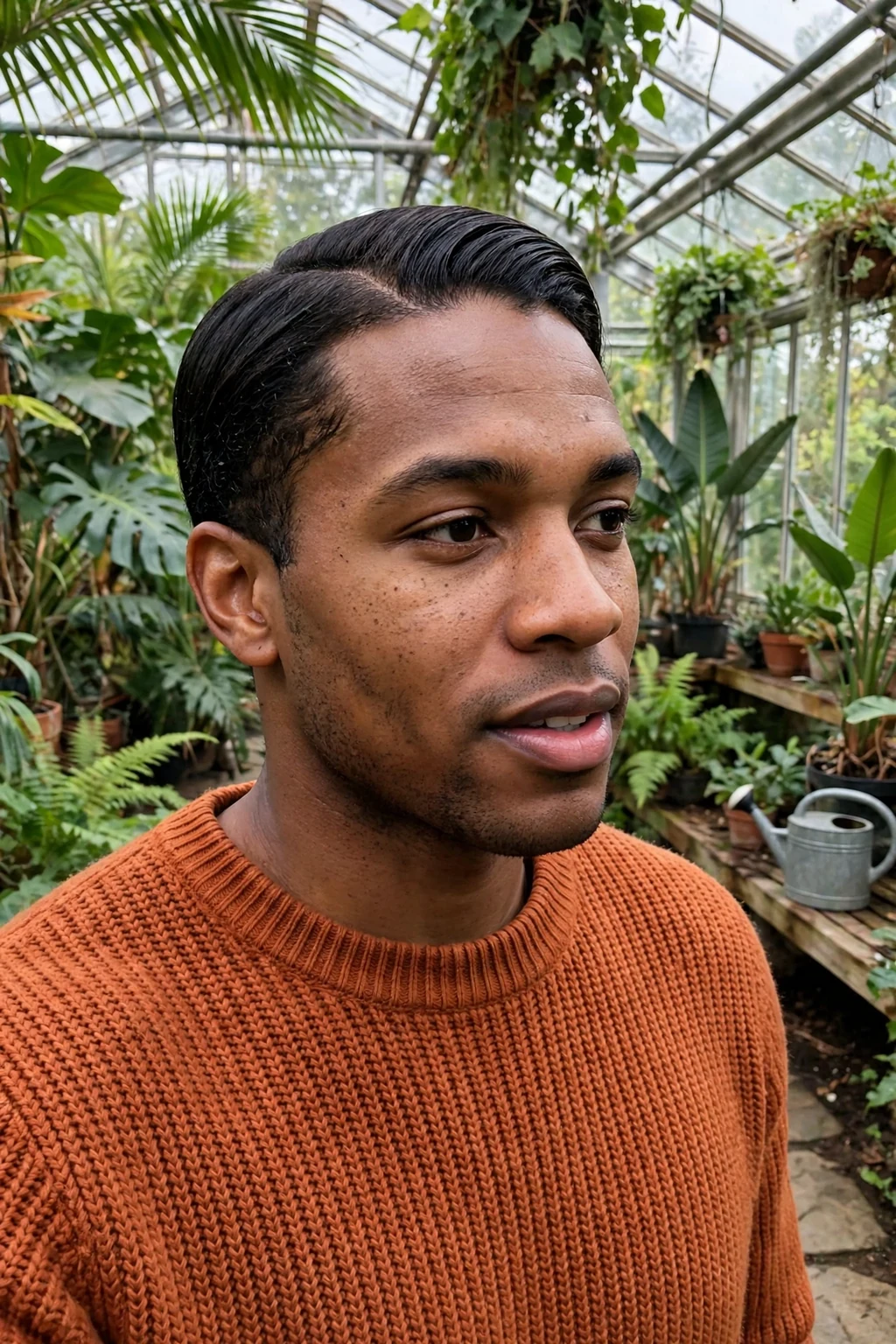
Short back and sides is the workhorse of gentleman haircuts, a clean, practical style with closely tapered sides and back and a top left just long enough to style. The contrast is gentle rather than dramatic: the sides are short and neat, the top is usually one to two inches, and the blend between them is smooth and gradual. Its finish is tidy, masculine, and effortlessly smart, a haircut that looks appropriate everywhere from the gym to a christening. There is nothing fussy or fashionable about it, which is precisely why it has remained a barbershop staple for generations of well-groomed men. The simplicity of short back and sides also makes it an ideal cut for men who visit different barbers, since the shape is universally understood and hard to get wrong. It is a reliable, repeatable haircut that you can ask for anywhere in the world and expect a consistent, smart result.
This cut suits almost every hair type and face shape, which explains its enduring popularity, and it is especially good for men with thick hair who want to remove bulk without going fully short. It also works well for active lifestyles, since it dries quickly and stays neat through sport and weather. Styling takes seconds: a dab of cream or paste on damp hair, a quick comb or finger-style, and you are ready. Trims every three weeks keep the back and sides crisp, though the cut grows out evenly and never looks untidy. Choose short back and sides when you want a no-nonsense, always-appropriate gentleman cut that simply works, day after day. For a slightly smarter finish, a side part can be added to the top without changing the cut itself, giving you two looks from one haircut. The short sides also make this cut comfortable under hats and caps, which is a practical bonus for outdoor work and sport.

14. Polished Buzz Cut
The polished buzz cut proves that the shortest haircut can still be a gentleman haircut, provided the execution is precise. Unlike a rough at-home clipper job, the polished version features an even length, usually a number two or three guard, with carefully tapered edges, a clean neckline, and a sharp, shaped hairline. The finish is uniform and velvety, with a subtle matte texture that shows off the shape of the head beautifully. It is bold in its simplicity, framing the face completely and putting all the attention on bone structure, eyes, and expression, which is why it suits confident men so well. The buzz cut also highlights facial features and bone structure in a way longer hair cannot, which is why it suits men with strong brows, a defined jaw, or striking eyes. It carries a sense of discipline and confidence, and it eliminates bad hair days entirely, since there is no styling to go wrong.
This cut works for all hair types and textures, including coarse, curly, and coily hair, and it flatters oval, square, and round faces with strong features. Men with scars or uneven head shapes should discuss length with their barber, since very short hair reveals everything. Styling is essentially zero: wash, towel-dry, and optionally apply a little scalp moisturiser or beard oil to the hair for a healthy sheen. Maintenance means a barber or home clipper refresh every one to two weeks to keep the length even. Choose the polished buzz when you want the ultimate low-maintenance statement, a clean, masculine look with real presence. Protect your scalp from sunburn with sunscreen or a hat in strong sun, since very short hair offers little natural protection. A regular scalp massage with a light oil keeps the skin healthy and gives the buzz a subtle, well-cared-for sheen. Regular moisturising also prevents dryness and flaking, keeping the scalp comfortable and the cut looking polished.
15. Classic Caesar Cut
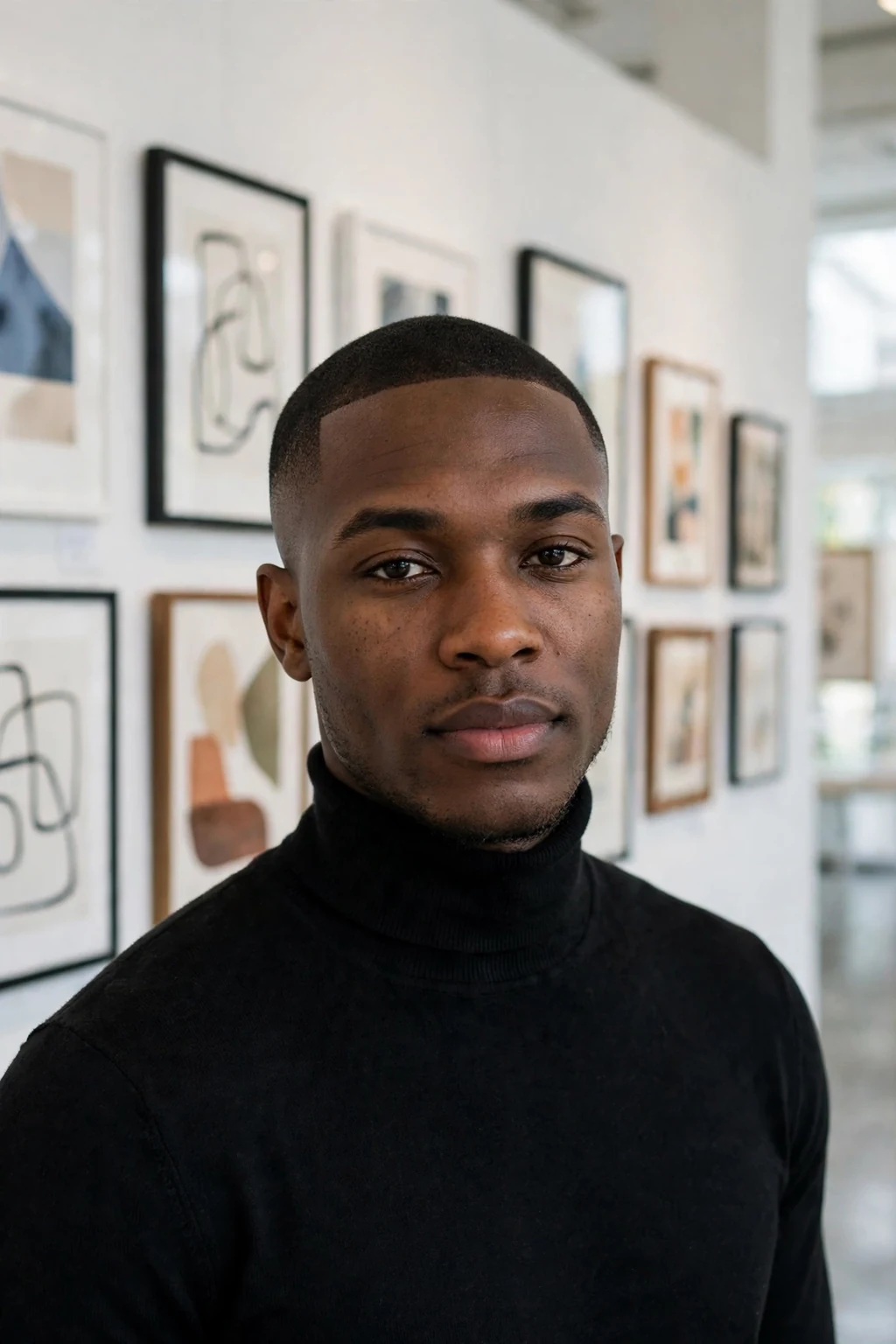
The classic Caesar cut is short, horizontal, and unmistakably sharp, with a short fringe brushed straight forward across the forehead and evenly tapered sides and back. The top is kept to about one inch, cut bluntly so the fringe forms a clean, straight line, giving the cut a graphic, architectural quality. Its finish is neat and matte, with a strong silhouette that frames the face and draws attention to the eyes. Named for the Roman emperor, it carries a certain timeless authority, yet in its modern form it feels fresh and fashion-aware rather than costume-like, especially when paired with a tapered fade. The Caesar's straight fringe line also gives the cut a strong, graphic identity that stands out among softer, more common short styles. It has a slightly artistic, European feel, which makes it a good match for men who like structured clothing and clean, minimal aesthetics. Its clean, forward shape also works well in hot weather, staying neat without constant adjustment.
This cut suits straight and wavy hair best, and it flatters oval, square, and oblong faces, particularly men with a high forehead who appreciate the coverage of a forward fringe. It is also an excellent choice for men with thinning hair at the temples, since the forward styling adds visual density. To style it, apply a small amount of matte paste to damp hair and brush everything forward, letting it air-dry for a natural finish. Trims every two to three weeks keep the fringe line crisp, and grow-out turns it into a longer textured crop. Choose the Caesar when you want a bold, structured short cut with history and edge. If the blunt fringe feels too severe, ask your barber to soften it with light point-cutting, which keeps the forward shape while removing the harsh edge. The Caesar also works well with glasses, since the short fringe frames the face without competing with the frames.
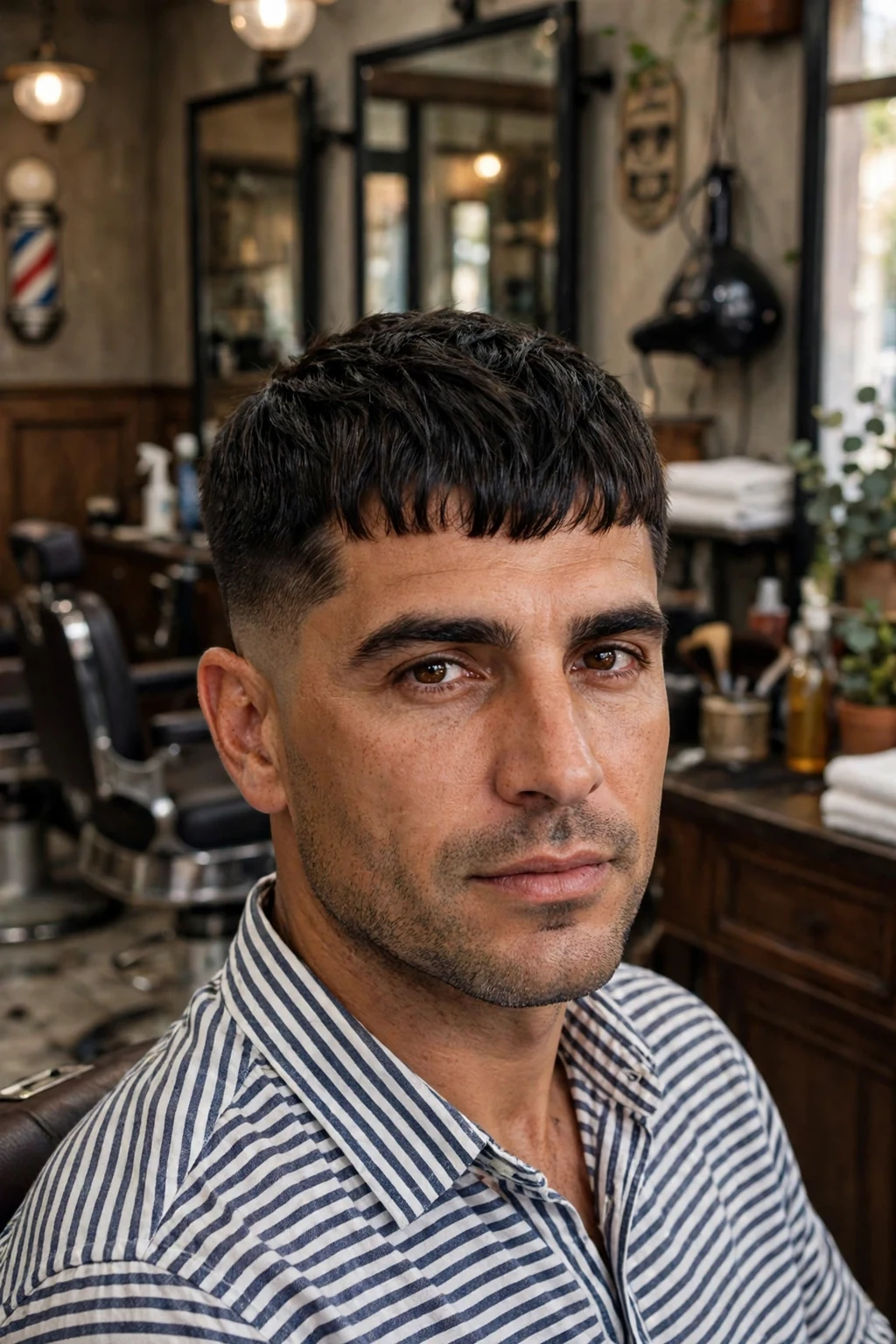
16. Wavy Side Sweep
The wavy side sweep lets natural texture do the talking, with medium-length waves swept casually to one side over neatly tapered sides. The top is usually three to four inches, long enough for the waves to form properly, while the sides are kept short enough to prevent the whole cut from looking heavy or shapeless. Its finish is relaxed and touchable, with soft, rolling waves that catch the light and move naturally as you walk. It is a romantic, effortless gentleman style, the kind of haircut that looks like you simply woke up handsome, even though a good cut and a little product are doing quiet work behind the scenes. The side sweep also gives wavy hair a sense of direction and purpose, preventing it from expanding into an shapeless mass as it grows. With the right cut, the waves fall into a pleasing rhythm, each wave supporting the next and creating a flowing, cohesive silhouette.
This style is made for men with naturally wavy hair, and it flatters oval, square, and heart-shaped faces by adding soft width and movement around the face. Men with straight hair can approximate it with a wave-enhancing product, though the result will be less organic. To style it, apply a light curl cream or sea salt spray to damp hair, sweep the waves to the side with your fingers, and air-dry or diffuse gently to preserve the wave pattern. Trims every four to six weeks keep the shape balanced, and grow-out simply means longer, more dramatic waves. Choose the wavy side sweep when you want to work with your texture, not against it. A diffuser attachment on a low heat setting helps define waves without creating frizz, and sleeping on a silk pillowcase reduces overnight tangling. Avoid heavy waxes, which weigh waves down, and favour light creams that enhance movement instead of suppressing it.
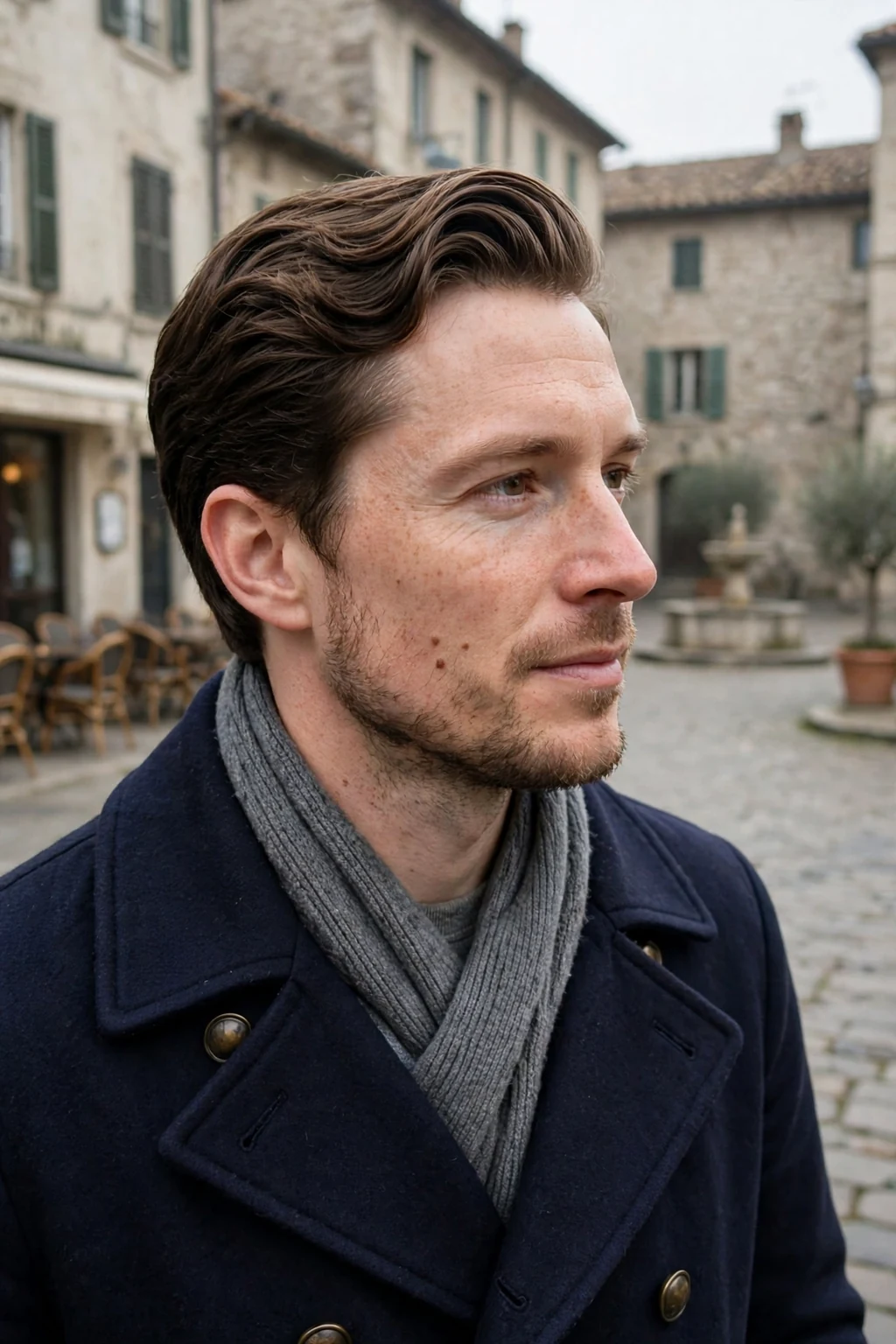
17. Curly Tapered Crop
The curly tapered crop is the smart way to wear curls short, with defined curls left on top and sides tapered down gradually for a clean, sculpted outline. The top is usually one to three inches, cut to let each curl form its own shape rather than being flattened, while the taper removes bulk at the sides and keeps the silhouette tidy. Its finish is full of life and texture, with curls that bounce and catch the light, yet the overall shape remains controlled and gentlemanly rather than wild. It is proof that curly hair does not need to be fought into submission to look polished; it simply needs the right architecture. The tapered sides also make the crop comfortable in warm weather, since air circulates more freely than with a full, rounded curly cut. It is a practical, good-looking solution for men who love their curls but want a shape that stays tidy through work, sport, and social occasions.
This cut suits men with curly or coily hair of most densities, and it flatters oval, round, and square faces by balancing volume on top with neat sides. The key is a barber experienced with curly hair who cuts it dry or in its natural state. To style it, apply curl cream or leave-in conditioner to damp hair, define curls with your fingers, and air-dry or diffuse on low heat, avoiding heavy brushing that causes frizz. Trims every three to four weeks maintain the taper, and grow-out becomes a fuller curly style. Choose this crop when you want your curls celebrated, shaped, and easy to live with. A weekly deep-conditioning treatment keeps curls soft and defined, since curly hair tends to be drier than straight hair. Trim the very ends between barber visits only if you are confident, since curly hair shrinks as it dries and is easy to cut too short.
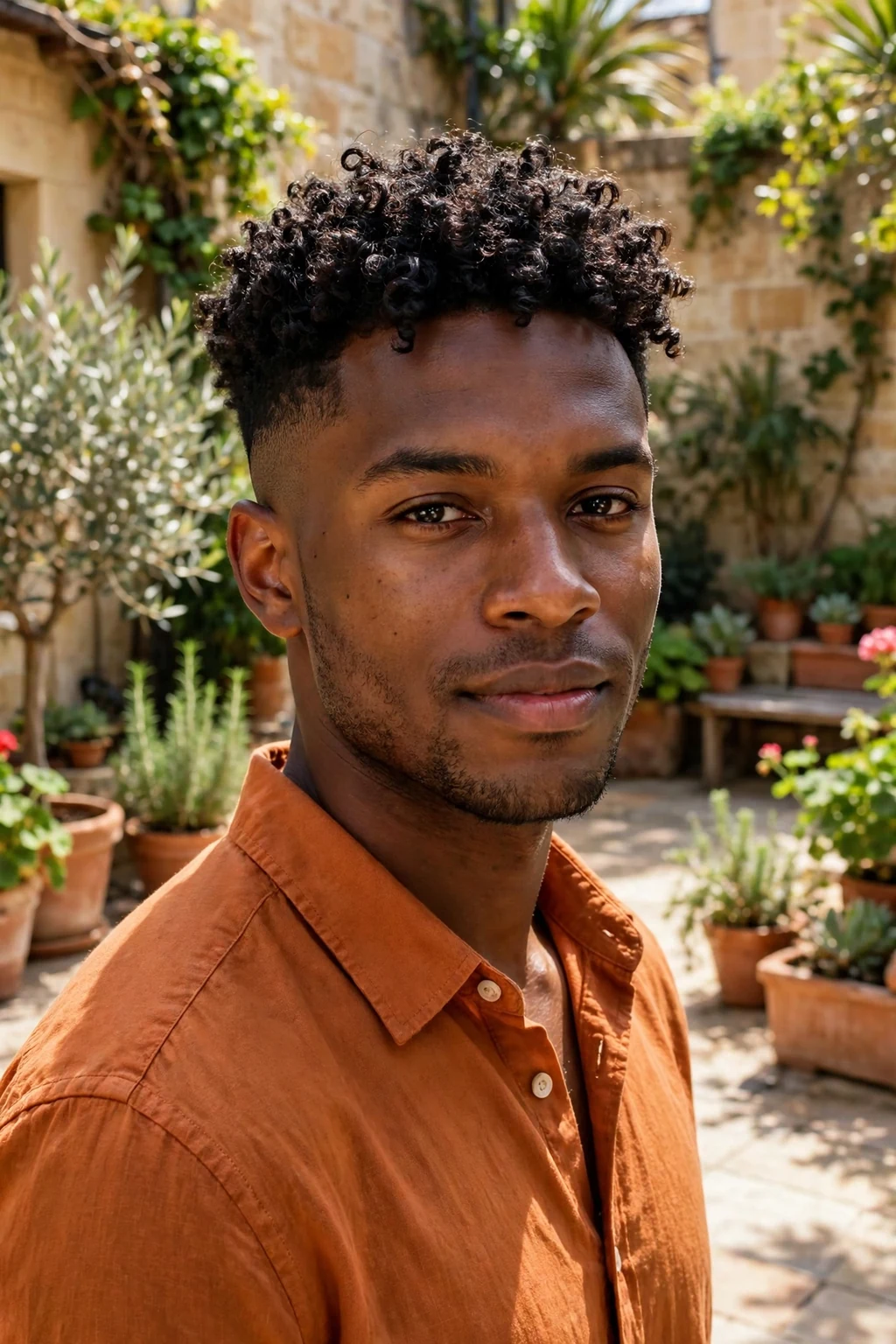
18. Low Fade Gentleman Cut
The low fade gentleman cut keeps the fade subtle and sophisticated, with the shortest hair sitting low around the ears and neckline while the top retains a classic gentleman length and styling. Because the fade starts low, the overall silhouette stays conservative and full, making it far more office-friendly than a high fade while still offering that crisp, modern gradient. The top can be parted, swept, or brushed back, usually two to three inches long, with a smooth finish that contrasts beautifully with the clean fade below. It is the perfect compromise cut for a man who wants contemporary barbershop precision without a dramatic or edgy look. The low fade also preserves more of the hair's natural fullness than higher fades, which makes it a good choice for men with fine or thinning hair who want a modern edge without sacrificing coverage. It is a subtle, grown-up take on fade culture that never looks extreme.
This style suits straight, wavy, and curly hair, and it flatters most face shapes, especially oval and square, by keeping the sides full higher up and neat at the edges. It is a particularly good choice for men trying a fade for the first time. To style it, use pomade or cream on damp hair and comb the top into your preferred direction, blow-drying for extra polish if needed. The low fade needs refreshing every two to three weeks to keep the gradient sharp, while the top can grow a little longer between visits. Choose the low fade when you want modern precision with classic restraint. Because the fade is low, it grows out more gracefully than a high fade, giving you a little extra flexibility between barber visits. A quick tidy-up of the neckline and around the ears between full cuts can extend the life of the fade by another week or two.
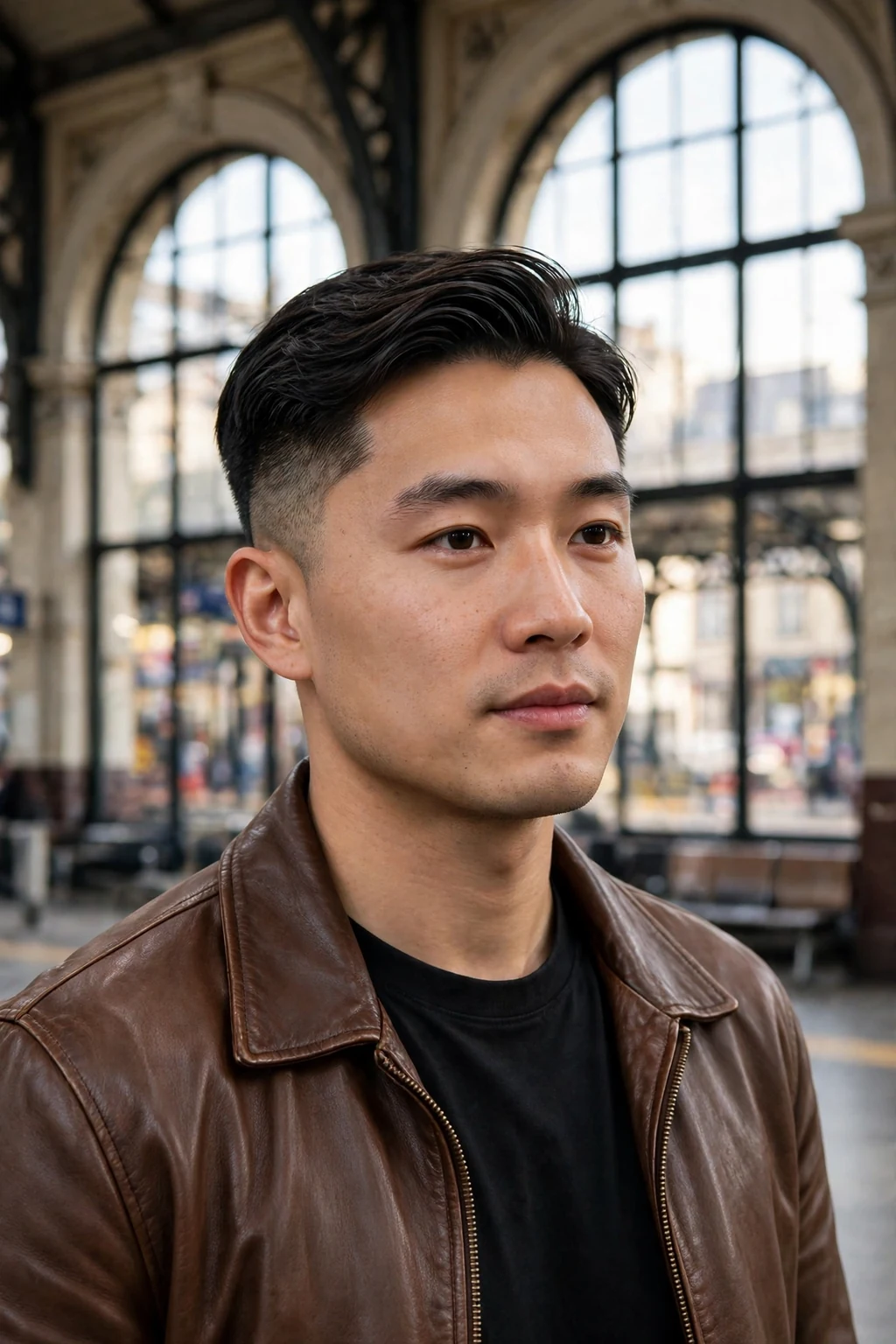
19. Mid Fade Side Part
The mid fade side part is a confident blend of tradition and modern barbering, pairing the timeless side part with a fade that begins midway up the sides. The top is combed neatly to one side from a clear part, two to three inches long with a smooth, polished finish, while the fade creates a clean, graduated contrast that keeps the cut looking sharp from every angle. It is bolder than a classic taper but more balanced than a high fade, giving it a versatile, contemporary feel that works as well in a creative studio as in a corporate office. The overall effect is crisp, masculine, and unmistakably well-groomed. The mid fade also creates a clean frame for the face, drawing attention upward to the parted top and giving the whole cut a sense of order and intention. It is a popular choice for grooms and professionals who want a haircut that looks sharp in photographs and in person.
This cut suits straight and wavy hair with medium to thick density, and it flatters oval, square, and diamond faces by adding structure without excessive height. Men with round faces benefit from the vertical emphasis of the parted top. To style it, apply pomade to damp hair, create the part with a comb, sweep the top into place, and blow-dry for a lasting smooth finish. Maintenance every two to three weeks keeps the fade gradient crisp, and grow-out softens the fade into a taper. Choose the mid fade side part when you want a classic cut with a modern, sharp edge. To keep the fade looking fresh, book your next appointment before leaving the barbershop, since mid fades lose their gradient faster than tapers. A matte pomade keeps the parted top looking modern, while a shinier pomade gives a more traditional, formal finish. Regular appointments also give your barber a chance to refine the part and top as your hair grows.
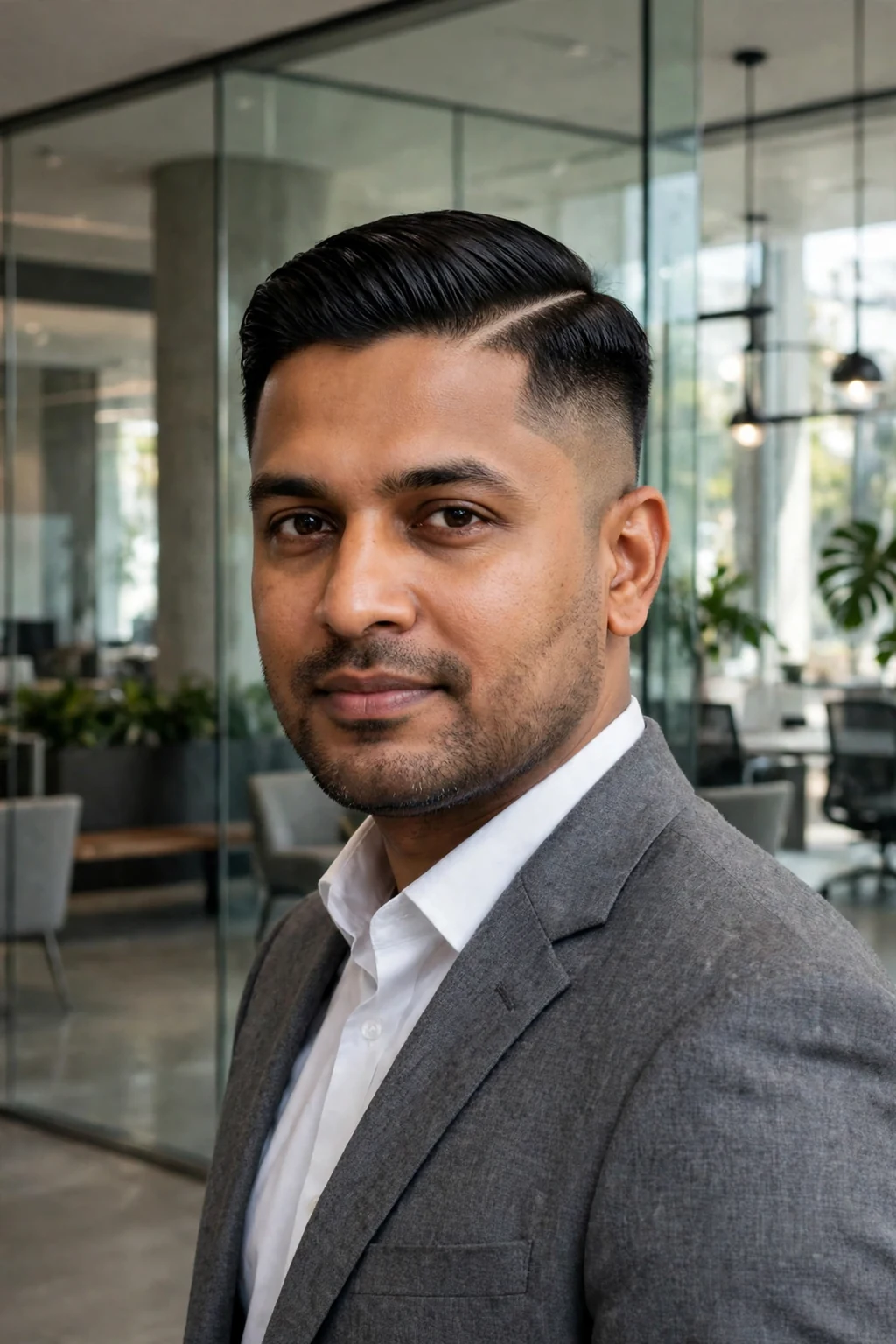
20. High Taper Pompadour
The high taper pompadour takes the classic pomp and gives it a cleaner, more contemporary frame, with sides tapered high and tight while the top rises into a full, swept-back volume. The front is styled upward and back, three to five inches long, creating impressive height and a smooth, rounded crown that draws the eye and elongates the profile. Unlike a skin fade version, the high taper keeps a little more softness at the edges, so the cut reads as refined rather than aggressive. Its finish is glossy and sculpted, a haircut that announces itself the moment you walk into a room and holds its shape through a long evening. The high taper also gives the pompadour a cleaner neckline and a more defined silhouette, which helps the volume on top stand out even more. It is a cut that rewards good posture and confident styling, since the height naturally draws the eye upward and elongates the whole profile.
This style suits men with thick, straight to wavy hair who can support serious volume, and it flatters oval, oblong, and square faces by adding height and drama. Round faces also benefit from the elongating effect. To style it, apply volumising mousse to damp hair, blow-dry the front upward and back with a round brush, then smooth with pomade for shine and hold. A strong-hold product is essential. Barber visits every three weeks keep the taper clean, and the top can be maintained between cuts. Choose this pompadour when you want maximum impact with a polished, modern frame. Practice the blow-drying technique at home, since the pompadour's height depends more on drying direction than on product alone. Drying the front hair upward and slightly back, then letting it cool before applying pomade, locks in lift that lasts all day. A pocket comb and a small tin of pomade are useful for quick touch-ups during long days.
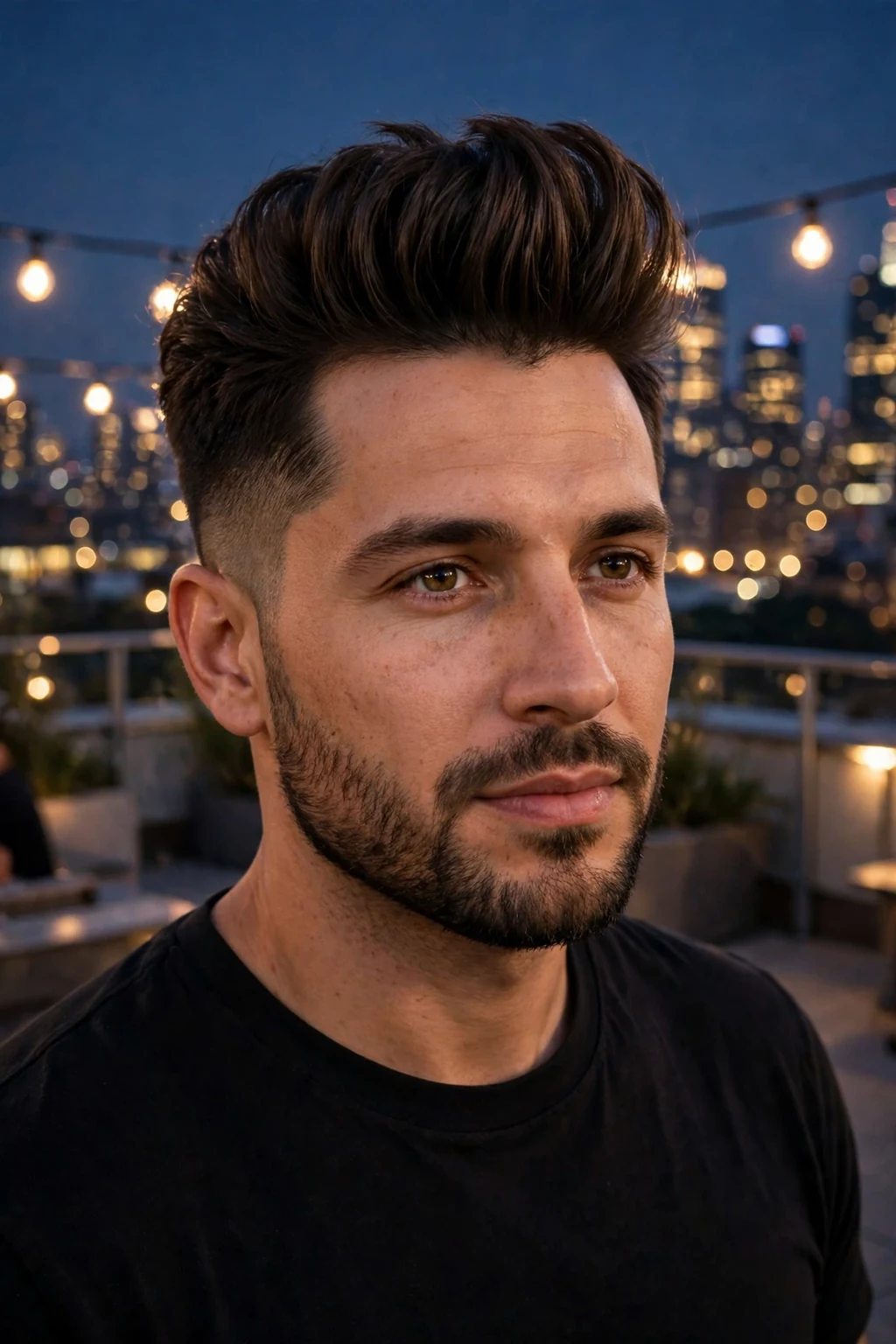
21. Gentleman's Fringe Cut
The gentleman's fringe cut is a youthful yet refined style, with a soft, textured fringe worn across the forehead and sides kept neatly tapered. The fringe is the star: usually one to two inches long, cut with texture so it falls naturally rather than in a blunt, heavy line, giving the face a softer, more approachable frame. The top behind the fringe has enough length for movement, while the tapered sides prevent the cut from looking shaggy or unkempt. Its finish is relaxed and modern, a haircut that feels fresh and current while still being perfectly acceptable in smart settings, especially when the fringe is kept tidy rather than messy. The fringe also softens strong facial features, giving a friendly, approachable quality that balances sharper jawlines and prominent brows. It is a style that works well for creative workplaces and casual settings, where a relaxed, youthful energy is an asset rather than a drawback.
This cut suits straight and wavy hair with medium density, and it flatters oval, oblong, and heart-shaped faces, particularly men with a high forehead or longer face who appreciate the balancing effect of a fringe. It is less ideal for very curly hair, where a fringe can be harder to control. To style it, apply a small amount of matte paste to damp hair, push the fringe forward and slightly to the side with your fingers, and air-dry for a natural finish. Trims every three to four weeks keep the fringe at the right length, and grow-out turns it into a longer textured style. Choose the fringe cut for a fresh, youthful gentleman look with personality. Keep the fringe just above the eyebrows for the most versatile length, long enough to frame the face but short enough to stay out of the eyes. A tiny amount of paste applied only to the fringe can tame flyaways without weighing down the rest of the cut.
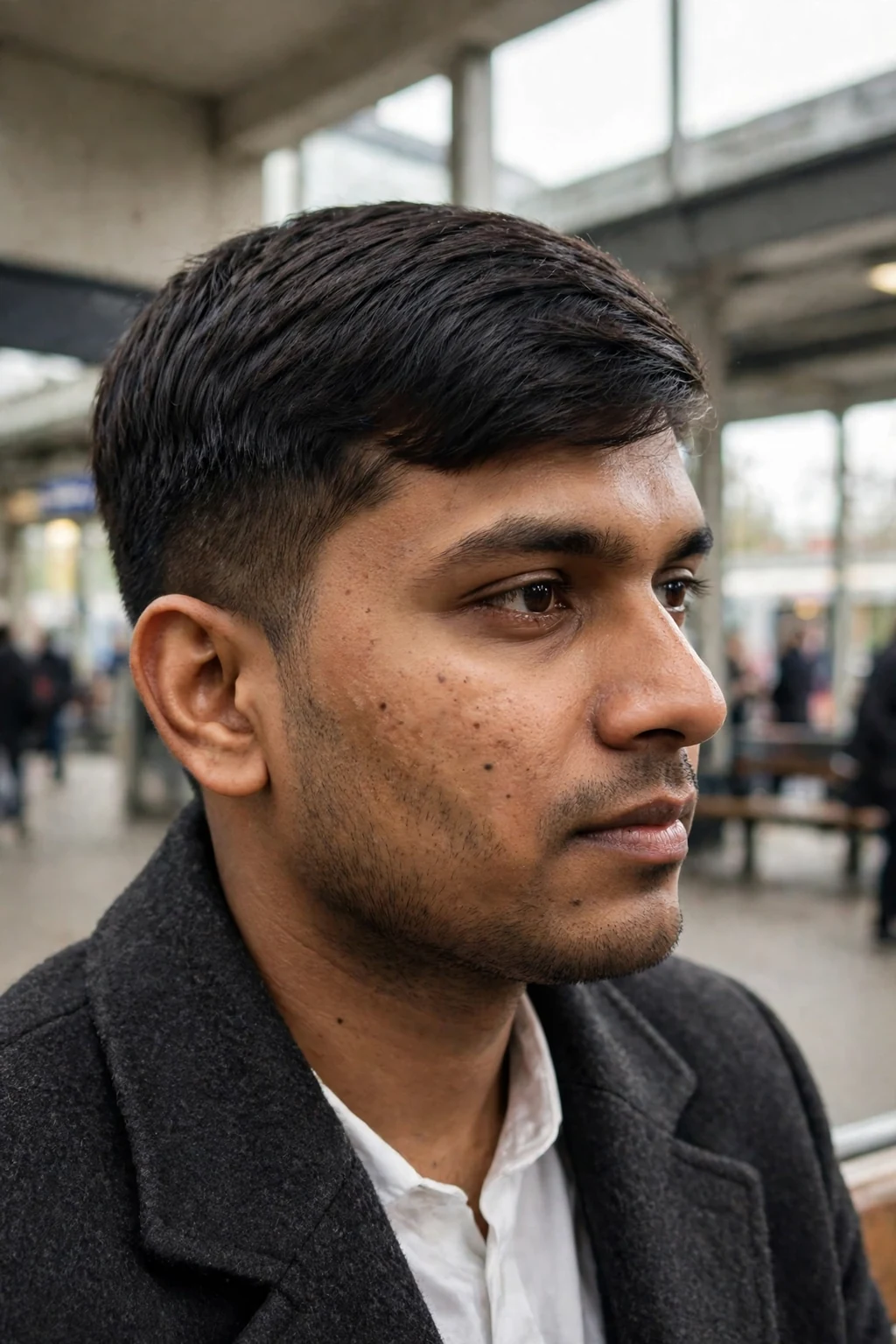
22. Executive Contour Cut
The executive contour cut is the boardroom gentleman haircut perfected, with a sculpted top that follows the natural contour of the head and sides tapered to a clean, precise finish. The top is usually two to three inches, layered subtly so it lies smoothly with a natural, healthy sheen, and it can be parted or swept back depending on preference. There is nothing extreme about this cut: no skin fade, no dramatic disconnect, just impeccable shaping that looks expensive because it is so well executed. Its finish is calm, authoritative, and quietly luxurious, the haircut equivalent of a perfectly tailored suit that fits without ever drawing attention to itself. The contour cut also ages gracefully, since its smooth, balanced shape flatters men as their hair texture and density change over time. It is a cut that prioritises good shaping over trends, which means it will still look correct and current in photographs years from now.
This cut suits men in their thirties and forties particularly well, especially those with straight to wavy hair and medium to thick density, and it flatters oval, square, and rectangular faces with its balanced proportions. It also wears grey hair beautifully, since the smooth finish shows off natural silver tones. To style it, use a medium-hold cream or pomade on damp hair, comb it into shape, and blow-dry for a polished finish. Trims every three to four weeks maintain the contour, and grow-out remains presentable for longer than most short cuts. Choose the executive contour when you want authority, polish, and timeless good taste in one dependable haircut. A quality shampoo and conditioner make a visible difference with this cut, since the smooth finish shows off hair health and shine. Ask your barber to check the back and crown carefully, since the contour shape depends on even, balanced layering all around the head.
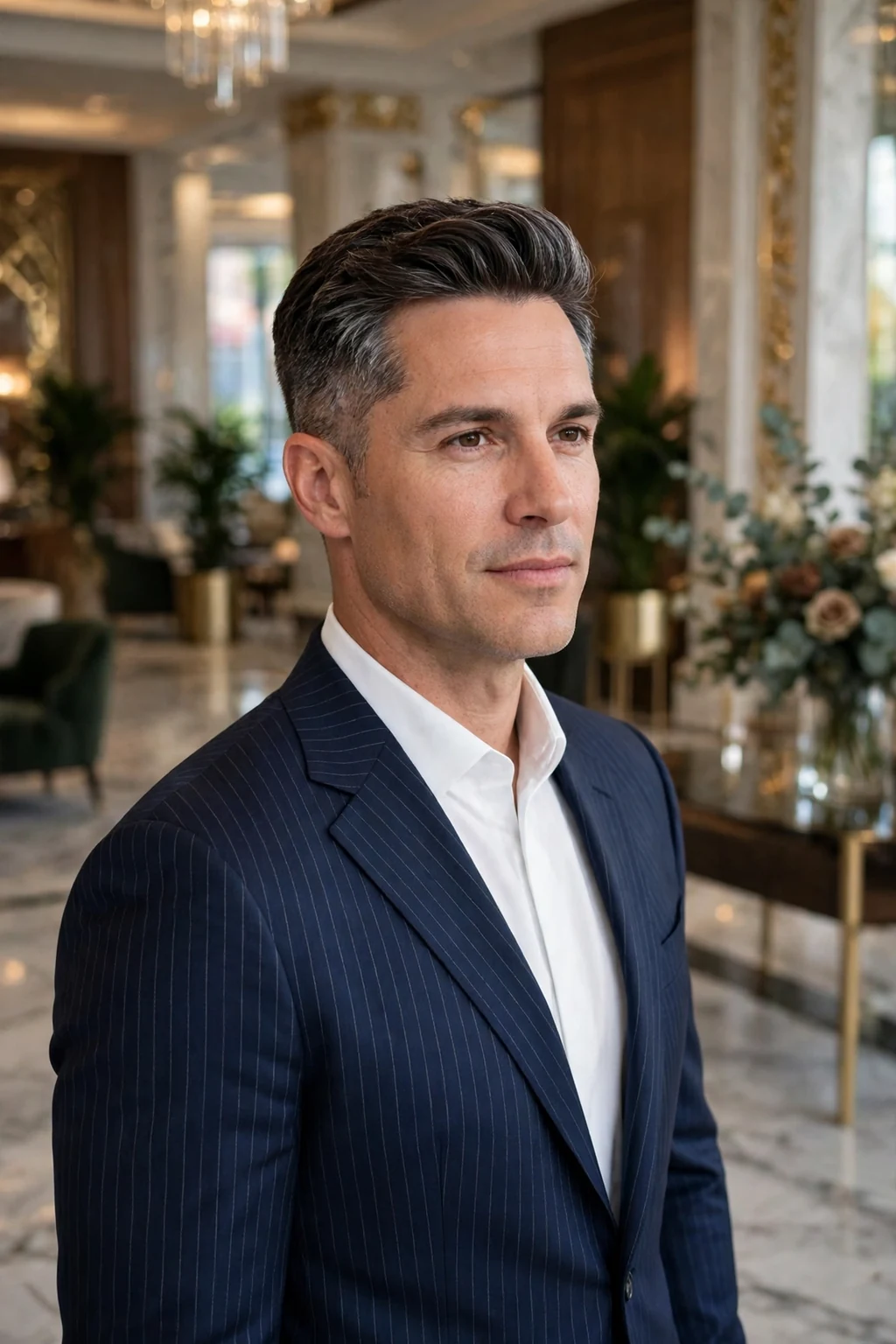
23. Textured Brush Up
The textured brush up is a modern gentleman style with energy and height, featuring a top brushed upward and slightly forward with choppy, piecey texture and faded or tapered sides. The top is usually two to three inches long, cut with layers that encourage natural separation, so the brushed-up shape looks deliberately textured rather than stiff or spiky. Its finish is matte and touchable, with a relaxed, confident silhouette that adds height to the face and a sense of movement to the whole cut. It is a great middle ground between a formal side part and a casual crop, offering structure and personality in equal measure. The brush up also works well for men with a shorter forehead, since the upward styling opens up the face and creates a sense of length. It is an energetic, youthful cut that still reads as smart, especially when the sides are kept clean and the texture is controlled rather than wild.
This style suits straight and wavy hair with medium to thick density, and it flatters round, oval, and square faces by adding vertical height and opening up the forehead. Men with fine hair can also wear it with the right volumising product. To style it, apply matte clay or texturising powder to damp hair, blow-dry upward with your fingers, and pinch sections for definition, finishing with a light matte paste. Trims every three to four weeks keep the fade and texture fresh, and grow-out softens into a longer textured quiff. Choose the textured brush up when you want a lively, modern gentleman cut that is easy to style and full of character. A blow-dryer with a concentrator nozzle gives the most precise lift, directing air upward at the roots while you brush the hair in the same direction. Finish with a light texturising spray rather than a heavy wax to preserve the airy, touchable texture.
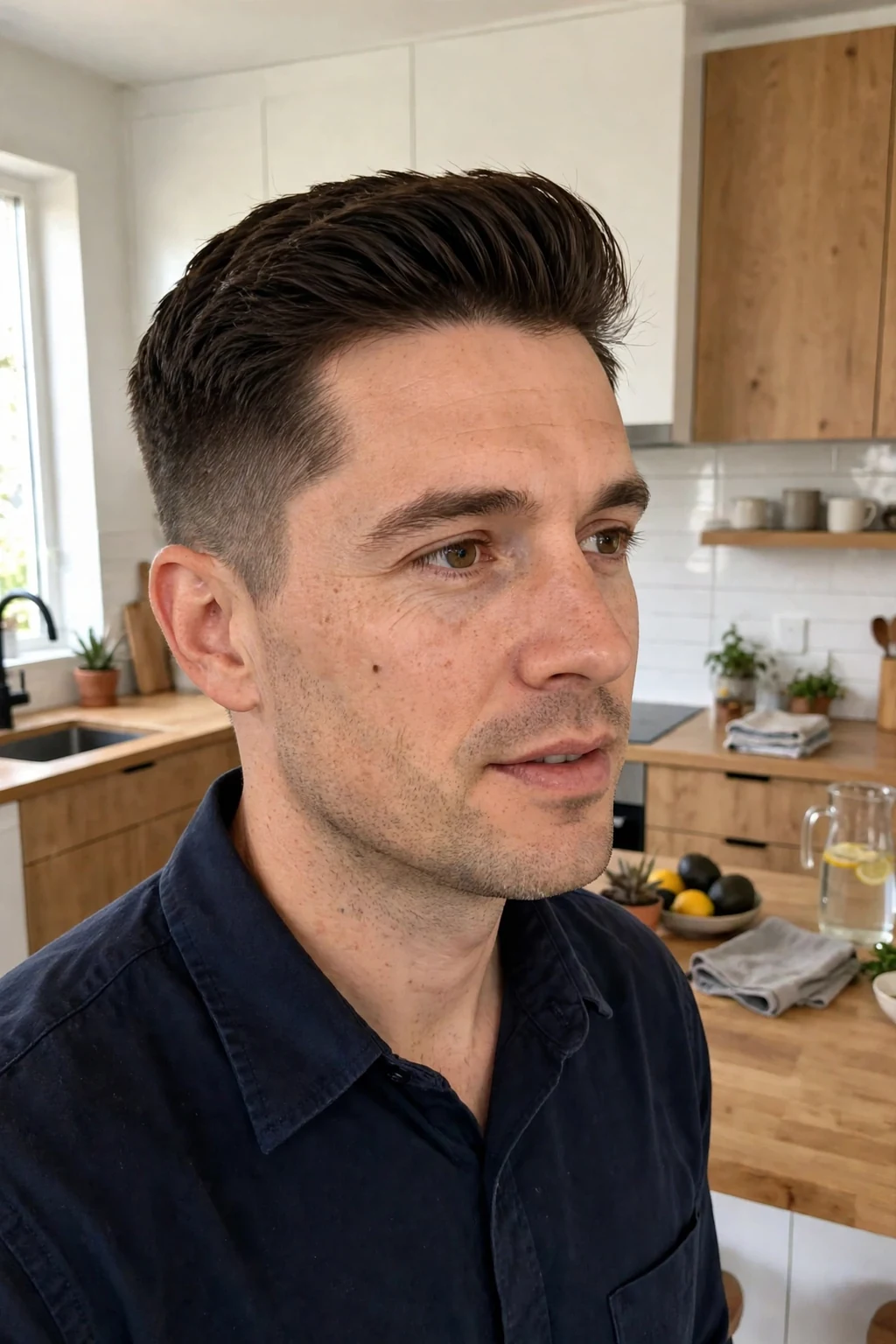
24. Medium Length Classic Cut
The medium length classic cut is gentleman grooming with a little more freedom, featuring top and side hair long enough to sweep back, tuck behind the ears, or part naturally, usually three to five inches on top. The sides are kept tidy with a gentle taper rather than a fade, so the overall silhouette stays soft and full rather than sharply contrasted. Its finish is natural and flowing, with hair that moves, falls, and has a relaxed elegance that shorter cuts cannot match. It is the haircut for a man who appreciates classic style but does not want to feel constrained by it, offering versatility that changes with a simple change of parting or product. The medium length also allows for easy changes of style, since the same cut can be parted in the middle, swept to the side, or brushed back depending on mood and occasion. It is a versatile, expressive length that rewards a little experimentation with partings and products.
This cut suits straight and wavy hair with medium to thick density, and it flatters oval, square, and oblong faces, especially men with strong features who can carry the extra length. Very fine hair may look thinner at this length, so density matters. To style it, apply a light cream or sea salt spray to damp hair, sweep it back or to the side with your fingers, and air-dry for natural movement or blow-dry for polish. Trims every five to six weeks keep the ends healthy, and grow-out simply means more length and flow. Choose this cut when you want classic gentleman style with relaxed, versatile length. Use a wide-tooth comb on wet hair to prevent breakage, and let the hair air-dry whenever possible to preserve its natural movement. A trim that focuses on the ends and the shape, rather than removing length, keeps this cut looking intentional as it grows.

25. Modern Flat Top
The modern flat top is a bold, architectural gentleman cut, with a level, squared-off top that stands upright and sides faded cleanly for a striking geometric silhouette. The top is cut flat across, usually one to two inches high, with crisp corners that give the cut its distinctive, sculpted shape, while the fade below keeps the overall look sharp and contemporary. Its finish is precise and matte, with a strong outline that frames the face and projects confidence from every angle. Modern versions are softer than the extreme flat tops of the past, with slightly rounded edges that make the style wearable beyond the barbershop chair and into everyday life. The flat top also makes a strong impression in photographs and on stage, since its bold, geometric shape reads clearly even from a distance. It is a haircut with real personality, best worn by men who enjoy standing out and are comfortable being noticed.
This cut works best on coarse, curly, or coily hair that naturally stands upright, and it flatters oval, square, and round faces by adding structured height. Men with very fine or straight hair will struggle to hold the flat shape without significant product. To style it, apply a firm-hold product or pomade to damp hair, brush the top upward and level it with a flat brush, and finish with a light hold spray. Maintenance is frequent: a shape-up every one to two weeks keeps the flat top level and the fade crisp. Choose the modern flat top when you want a distinctive, confident gentleman cut with real architectural presence. A barber experienced with flat tops is essential, since the level top and squared corners require precise clipper work and a steady hand. Between visits, a firm brush and a little product each morning keep the top level and the corners crisp.
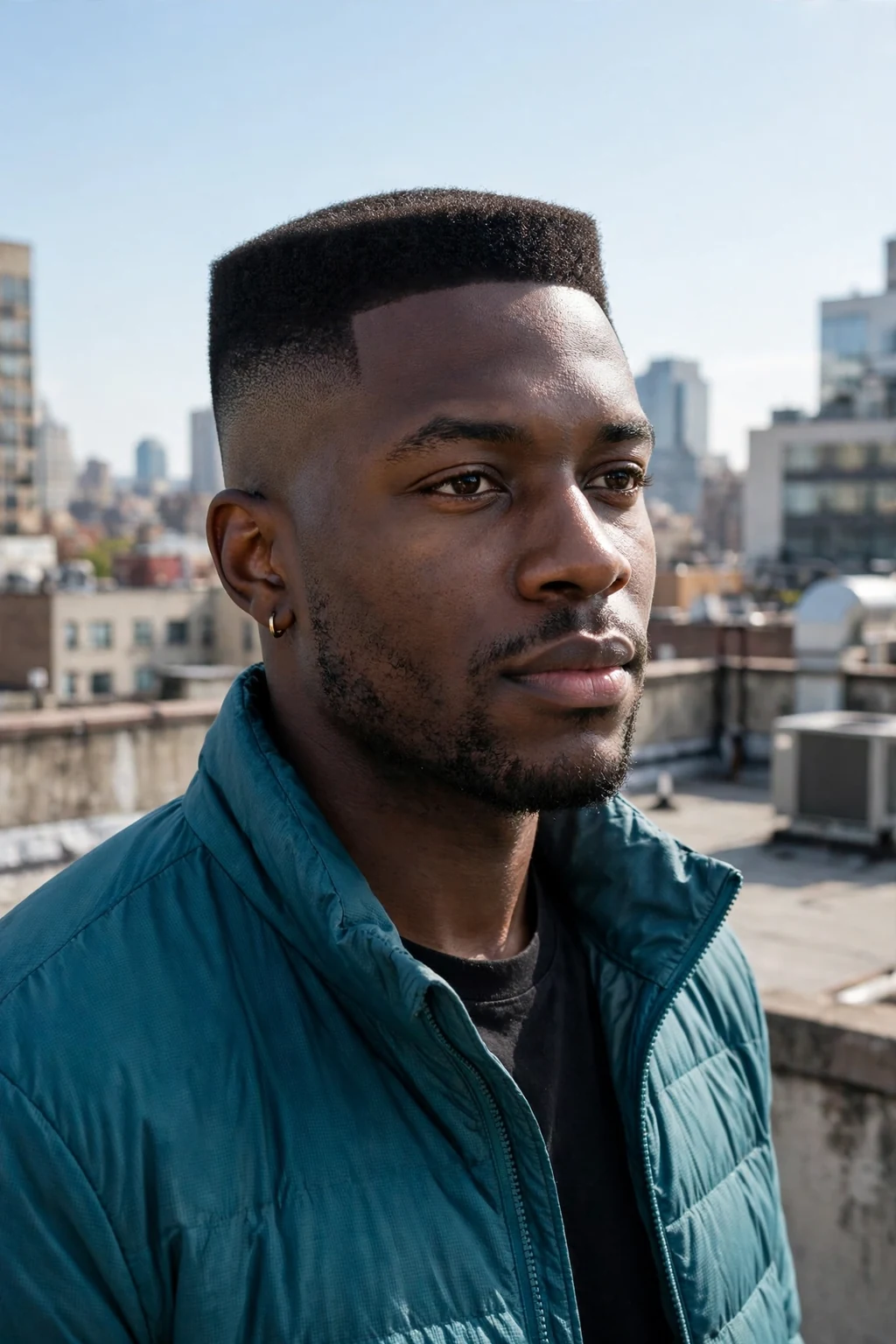
26. The Gentleman's Bro Flow
The gentleman's bro flow is a medium-length cut that lets the hair move naturally while still looking deliberate and refined. The top is left long enough to sweep back from the face, usually around four to six inches, with the sides lightly tapered rather than faded so the whole shape flows together without a harsh break. The finish is soft and touchable, with gentle movement through the lengths and a natural parting that follows the hair's own direction, giving it an effortless, windswept elegance. It works beautifully on straight and wavy hair with medium to thick density, and it suits oval, square, and rectangular faces especially well because the volume on top balances strong jawlines and longer face shapes. Men with fine hair can still wear it, though they will need a volumising product to keep the flow from falling flat. It is a confident choice for men in their twenties through forties who want a polished look that never feels stiff or overworked.
Styling the bro flow starts with towel-dried hair and a volumising mousse or sea salt spray worked through the roots, followed by blow-drying backwards with a vent brush to build lift and direction. A small amount of matte cream or light pomade through the mid-lengths adds control without shine, and the hair should be left to settle naturally rather than combed into a rigid shape. A round brush can add extra sweep for special occasions, while on busy mornings a quick finger-comb with a dab of cream is often enough. Maintenance is straightforward: a trim every five to six weeks keeps the shape balanced and removes split ends before the flow starts to look heavy. Grow-out is forgiving, since the cut simply becomes a longer, more relaxed flow before the next appointment. Try it if you want a gentleman's cut with personality, movement, and a modern edge that still belongs in the boardroom.
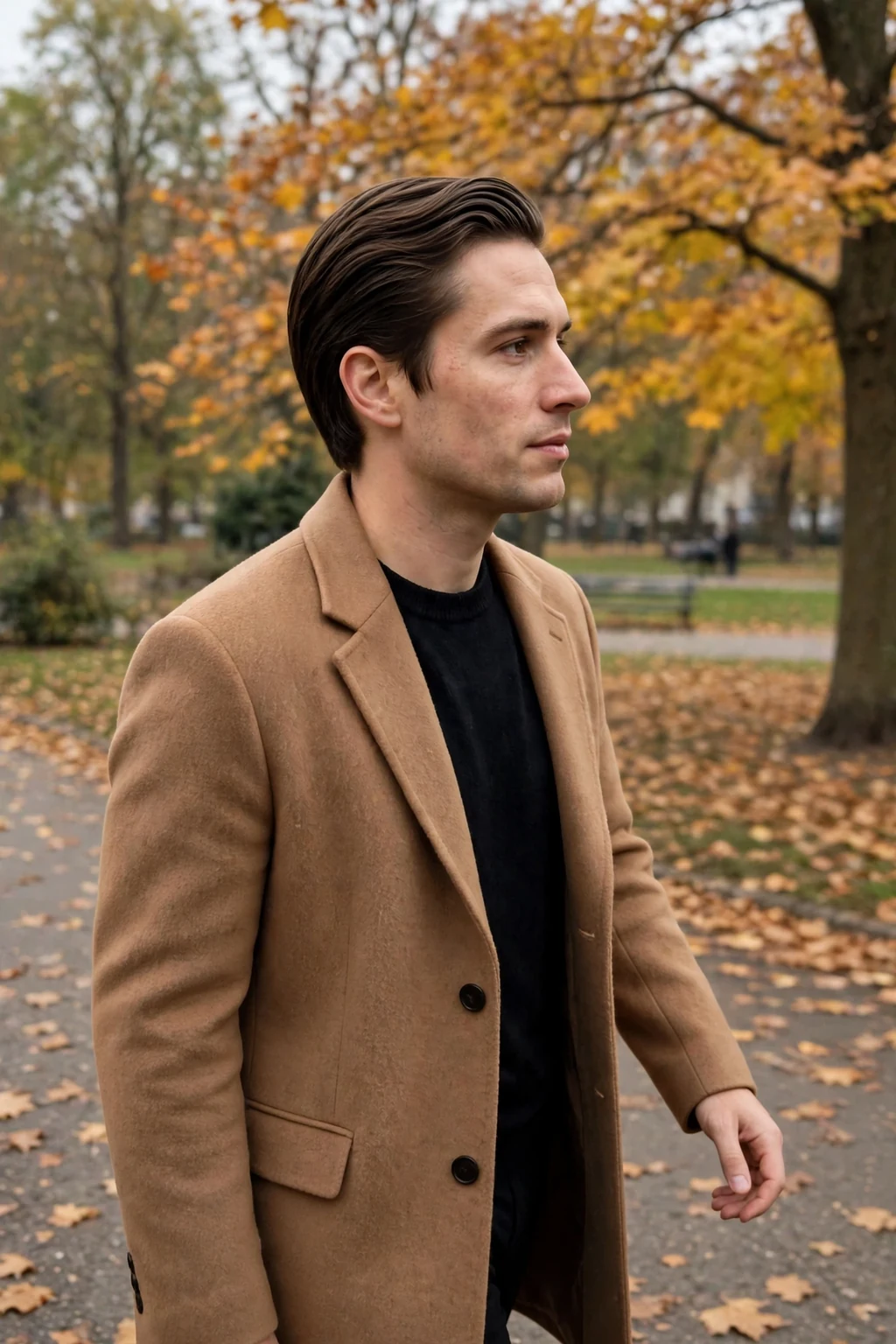
27. Classic French Crop
The classic French crop is a short, sharp cut defined by its blunt fringe and clean, tapered sides. The top is kept short, usually one to two inches, and cut forward so the fringe sits neatly across the forehead in a straight or slightly textured line, while the back and sides are faded or tapered close for a crisp contrast. The overall finish is neat, matte, and architectural, with just enough texture on top to keep it from looking severe. It is an excellent choice for men with straight or slightly wavy hair, and it flatters round, oval, and square faces because the short fringe shortens the forehead and draws attention to the eyes. Men with receding hairlines often love it, since the forward fringe disguises thinning at the temples, and it suits younger men as well as professionals who want a low-fuss style with real character. The crop also works well on thick hair, where texturising shears can remove bulk without losing the shape.
Styling takes barely a minute: work a pea-sized amount of matte clay or styling paste through dry or slightly damp hair, push the top forward, and pinch small sections to create texture. Avoid heavy pomades or high-shine products, which fight the crop's natural matte finish, and skip the comb for a softer, more lived-in result. A quick blast with a hairdryer on a low heat setting can add lift at the crown if the hair tends to lie flat. Maintenance is simple but regular, with a trim every three to four weeks to keep the fringe line sharp and the fade fresh, since even a little growth quickly softens the contrast. Grow-out is tidy rather than messy, as the fringe simply lengthens into a textured fringe cut. For a neater finish, ask your barber to keep the fringe line blunt rather than heavily textured. Try the French crop if you want a gentleman's haircut that is bold, unfussy, and effortlessly modern.
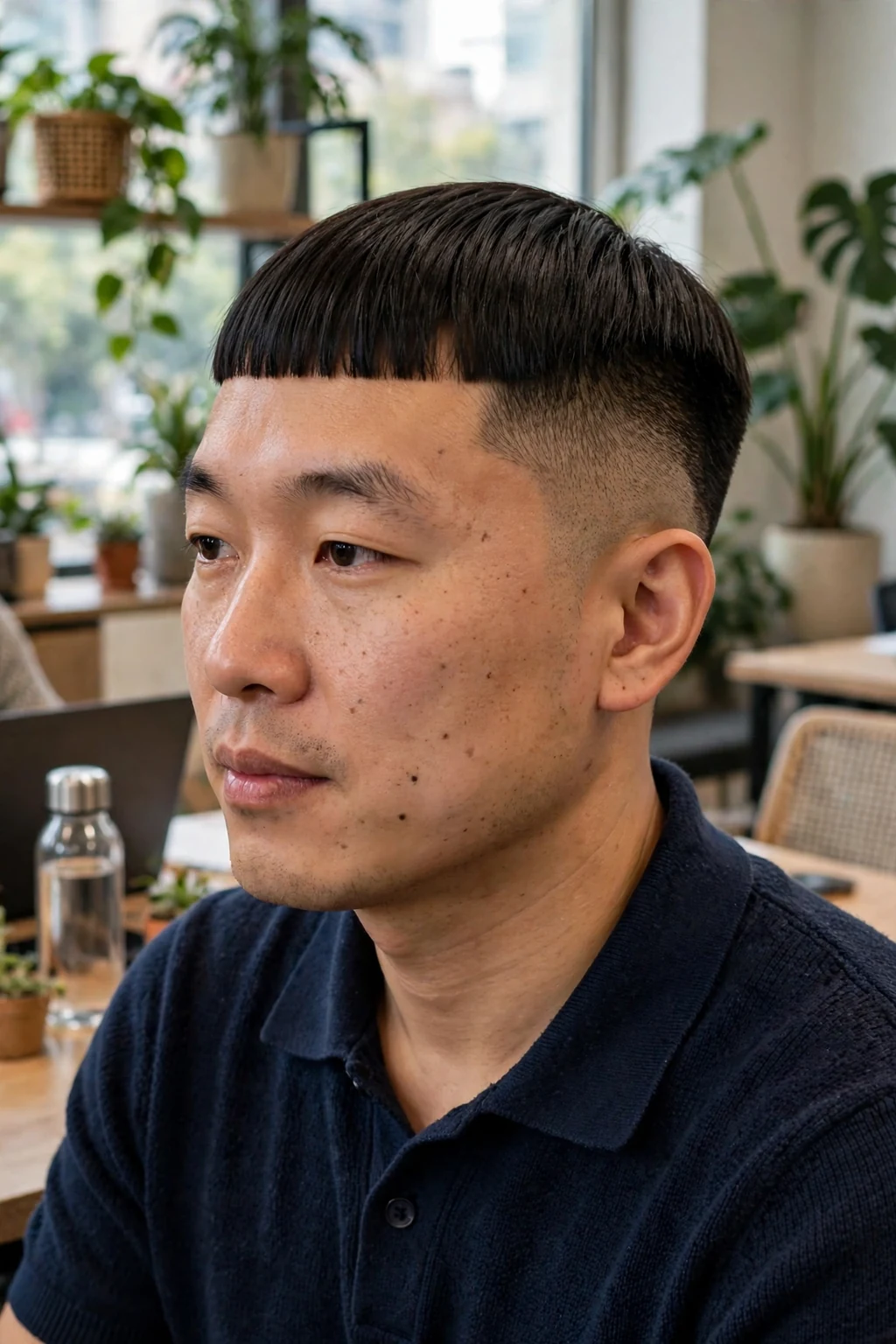
28. The Dapper Ducktail
The dapper ducktail is a vintage-inspired cut with real showmanship, named for the way the hair sweeps back from both sides to meet in a tapered point at the nape, like a duck's tail. The top is left medium length and brushed back with volume, while the sides are swept backwards rather than down, creating a sculpted, symmetrical silhouette from every angle. The finish is smooth and polished, with a gentle sheen that gives the style its old-school glamour without looking costume-like. It works best on thick, straight, or wavy hair that holds a swept-back shape, and it suits oval, square, and heart-shaped faces because the height on top lengthens the face and balances a strong jaw. Men with curly hair can wear a looser version with the natural texture left visible, though the classic ducktail shape is easiest to hold on straighter textures. It is a wonderful choice for men who love heritage barbering and want a cut with unmistakable personality.
Styling the ducktail needs a strong-hold pomade, preferably water-based for easy washing, worked through damp hair from roots to ends. Comb the top straight back, then sweep each side backwards and inwards so the two sides meet at the centre back, finishing with a fine-tooth comb for a clean parting line. A light mist of hairspray locks the shape in place, and a boar-bristle brush helps smooth flyaways for evening wear. Maintenance means a trim every three to four weeks to keep the nape point crisp and the sides under control, since the shape depends on precise lengths. Grow-out stays handsome for a while, as the ducktail simply softens into a classic swept-back style. A touch of beard balm and a neatly trimmed neckline complete the vintage look beautifully. Try it if you want a gentleman's cut that turns heads, honours barbering history, and pairs perfectly with a tailored coat and polished shoes.
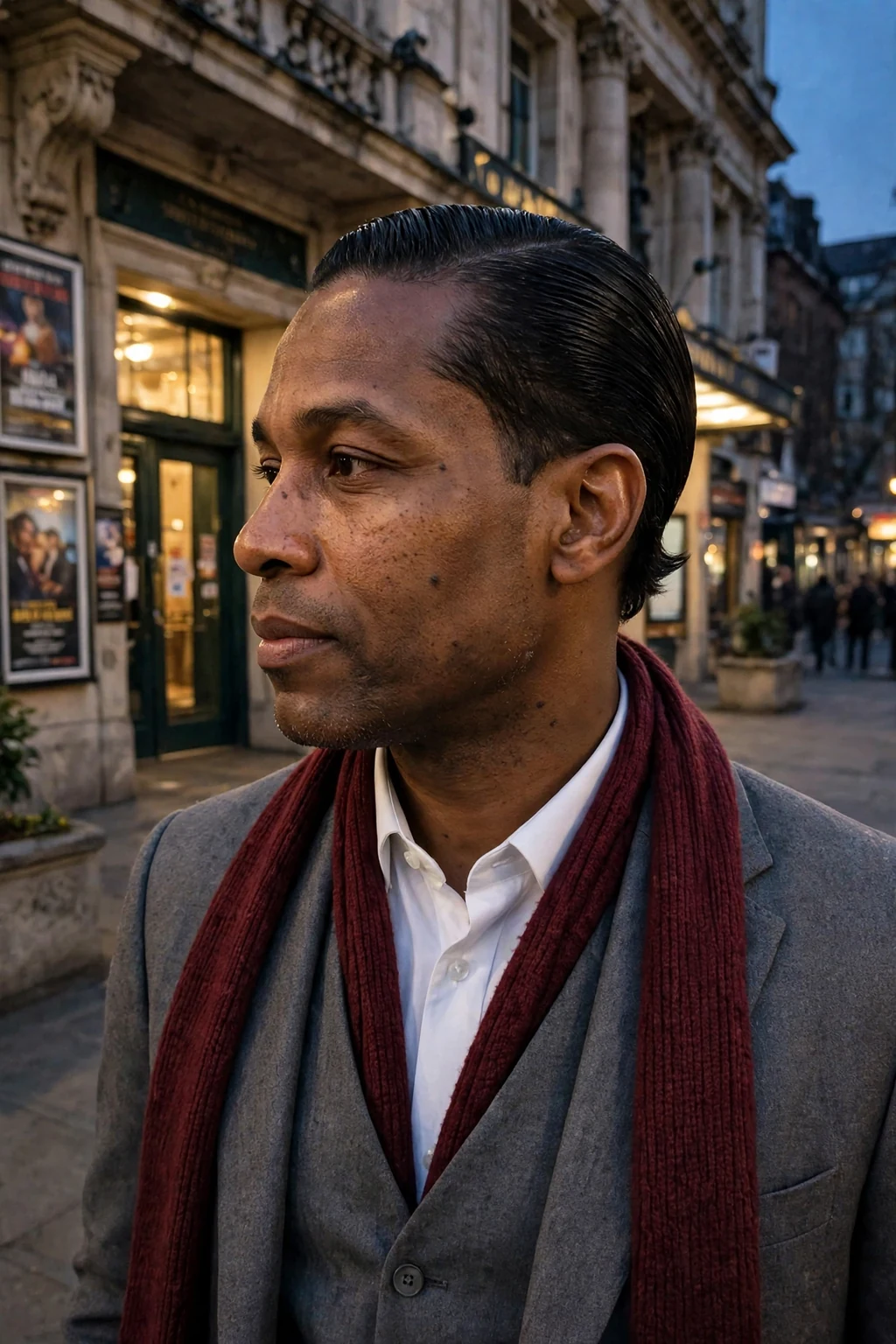
29. High and Tight Gentleman Cut
The high and tight gentleman cut is a disciplined, military-inspired style that pairs very short faded sides with a neat, short top. The fade climbs high on the sides and back, often to just above the temples, leaving a clean, sharp contrast with the top, which is usually kept between half an inch and an inch and a half and cut with subtle texture. The finish is crisp, matte, and supremely tidy, with clean lines around the ears and neckline that give the whole look a sharp, put-together edge. It suits almost every face shape, but it is especially flattering on square and oval faces, where the short sides emphasise the jawline and cheekbones. It works on straight, wavy, and even thinning hair, since the short length makes density differences far less noticeable, and it is a favourite among active men, professionals, and older gentlemen who want a cut that always looks freshly barbered. The style reads as confident and no-nonsense without ever feeling harsh.
Styling is about as simple as it gets: towel-dry the hair, add a tiny amount of matte paste or leave it completely natural, and brush the top forward or slightly to one side. No blow-drying is required, and the whole routine takes under a minute, which makes it ideal for early mornings, gym days, and travel. A weekly line-up with a trimmer can keep the edges crisp between barber visits if you like a razor-sharp finish. Maintenance is the trade-off for such a clean look, with a cut every two to three weeks needed to keep the high fade from growing out into a soft, uneven shape. Grow-out is gradual and still tidy, as the fade simply blends into a short tapered cut. A dab of scalp moisturiser after washing keeps the short cut comfortable in dry weather. Try the high and tight if you want a gentleman's haircut that is sharp, masculine, and effortlessly easy to live with.
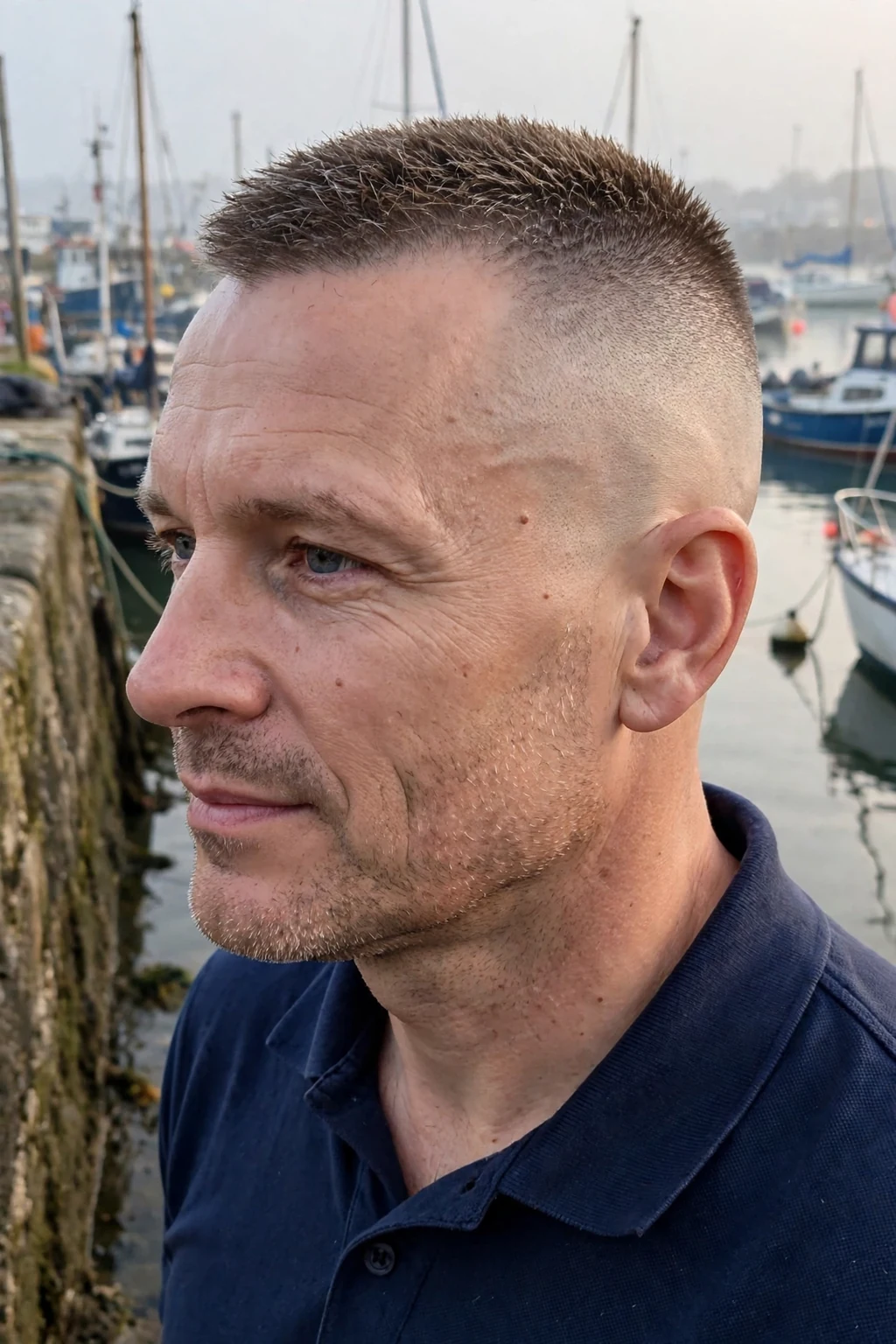
30. Classic Gentleman's Finger Wave
The classic gentleman's finger wave is a masterpiece of vintage barbering, with sculpted S-shaped waves combed neatly across the top of the head and tapered sides that keep the focus on the wave pattern. Each wave is moulded into place with comb and product, creating a smooth, rhythmic texture that catches the light beautifully and gives the hair a liquid, polished movement. The finish is refined and glossy, with a deliberate, almost architectural precision that sets it apart from looser, more casual styles. It works best on straight or gently wavy hair with fine to medium density, since the wave pattern needs hair that can be smoothed and shaped, and it suits oval, round, and diamond faces because the side-swept waves soften angular features and add width at the temples. Men with thicker or curlier hair can achieve a softer interpretation with the waves brushed out slightly. It is an exceptional choice for weddings, formal events, and any man who appreciates old-Hollywood elegance.
Styling a finger wave takes patience and the right products: start with damp hair, apply a strong-hold gel or wave pomade evenly, and use a fine-tooth comb to shape each wave, alternating the comb direction to build the classic S curves. A diffuser on low heat or a short period under a hooded dryer sets the waves without frizz, and a light shine spray finishes the look. Practise makes the process faster, and a skilled barber can set the foundation cut so home styling stays manageable. Maintenance involves a trim every three to four weeks to keep the sides tapered and the wave lengths even, plus regular conditioning to keep the hair smooth and healthy under styling products. Grow-out is graceful, as the waves relax into an elegant side sweep. Ask your barber to demonstrate the wave pattern once, so you can recreate it confidently at home. Try the finger wave if you want a gentleman's haircut with timeless glamour and true craftsmanship.
How to Choose the Right Gentleman Haircut
The best gentleman haircut is the one that fits your face shape, hair type, and daily routine, not just the one that looks good in a photograph. Men with thick, straight hair can carry volume styles like the pompadour and quiff, while men with fine hair often look sharpest in shorter, textured cuts that create fullness. Consider how much time you want to spend styling each morning, and be honest with your barber about your routine so the cut works with your life, not against it.
Bring a photo to your barber, discuss the fade or taper height, and ask how the cut will grow out between visits. A trim every three to four weeks keeps most gentleman cuts looking sharp, while shorter fades and buzz cuts need more frequent upkeep. Choose the gentleman haircut that makes you feel confident and put-together, and wear it with the same care you give the rest of your appearance.
Conclusion
From the timeless side part to the bold modern flat top, these 30 gentleman haircuts prove that classic barbering never goes out of style. Choose the cut that suits your face, hair, and lifestyle, keep up with regular trims, and wear your gentleman haircut with total confidence.